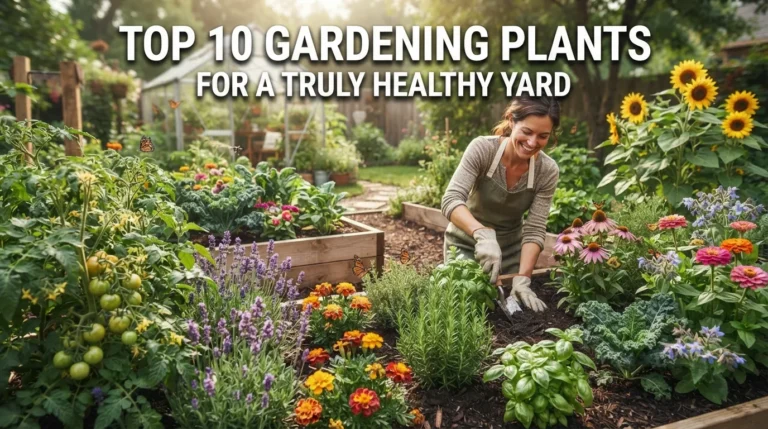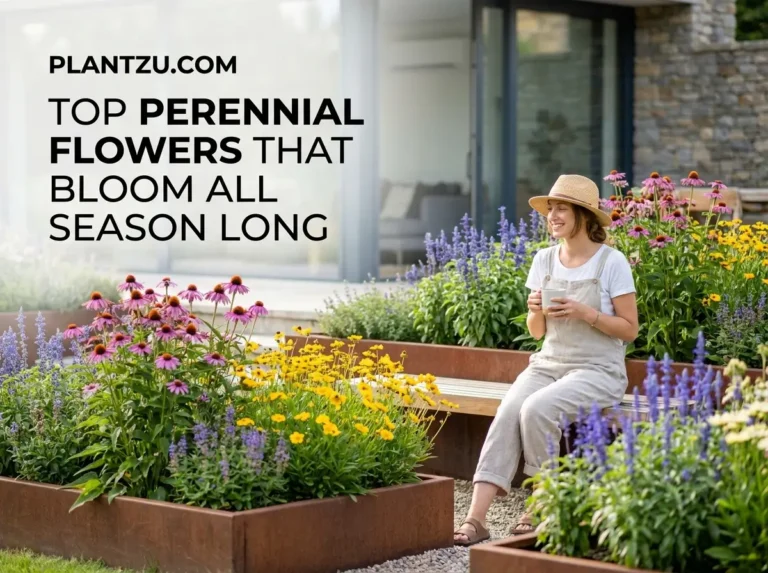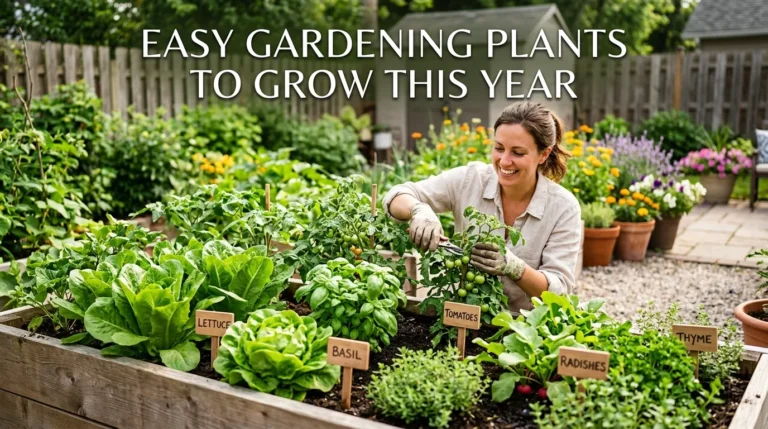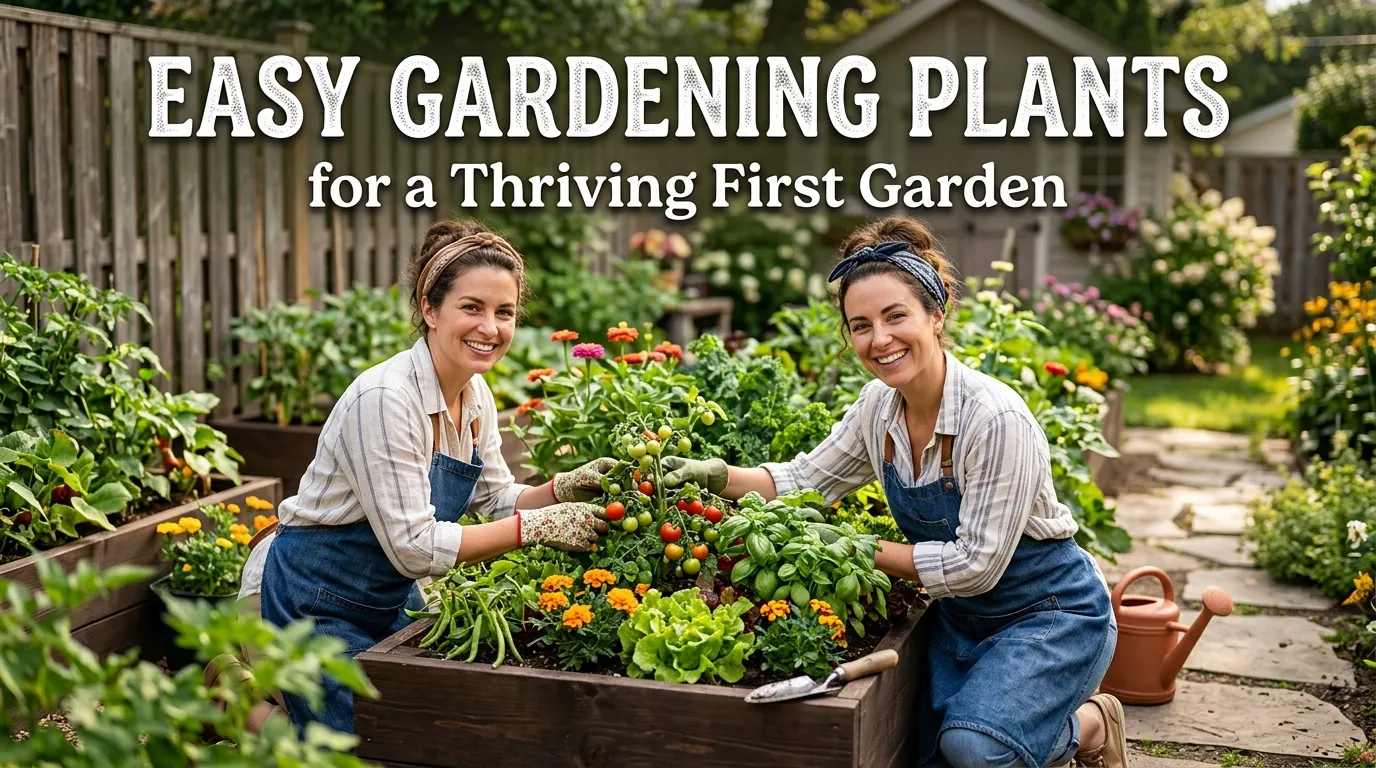
7 Easy Gardening Plants for a Thriving First Garden
Thinking about starting a 7 Easy Gardening Plants for a Thriving First Garden? It’s a fantastic idea! Gardening can be super rewarding. It helps you relax and connect with nature. Plus, you get to grow your own beautiful plants and maybe even some yummy veggies. But where do you start? It can feel a bit overwhelming with so many choices.
Don’t worry, I’ve got your back. We’re going to look at some gardening plants that are perfect for beginners. These are plants that are forgiving, easy to care for, and give you that great feeling of success right away. They don’t need a lot of fuss, which is exactly what you want when you’re just starting out.
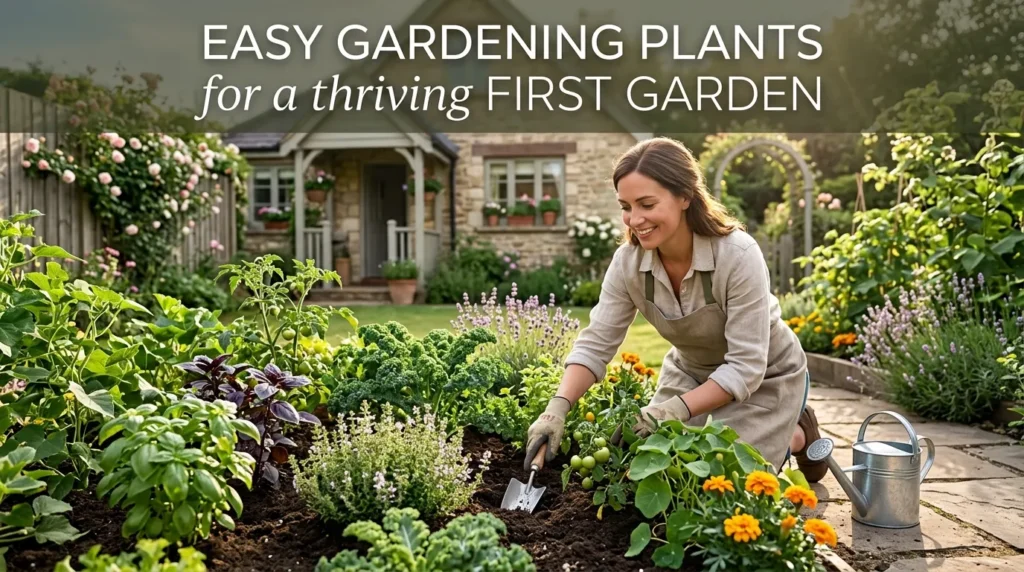
Why Choose 7 Easy Gardening Plants for a Thriving First Garden?
When you’re new to gardening, the goal is to build confidence. Choosing plants that are known to be tough and adaptable makes a huge difference. These plants can handle a little bit of forgetfulness, like missing a watering day or two. They also tend to be less picky about soil and sunlight.
Starting with these 7 Easy Gardening Plants options means you’re more likely to have a successful first garden. This success will encourage you to keep gardening and try more challenging plants later on. It’s all about building good habits and enjoying the process. Think of it as a gentle introduction to the wonderful world of plants. Gardening for stress relief can be very effective when you’re not constantly worried about your plants dying. also check 15 easy gardening plants this year.
Top Picks for Beginner Gardeners
Let’s get to the good stuff. Here are some plants that are almost foolproof and will make your garden look amazing.
1. Zucchinis: The Generous Growers
If you want a plant that gives you a lot back, try zucchini. These plants grow fast and produce a ton of zucchini. You’ll likely have more than you know what to do with! They love sunshine and well-drained soil.
Plant zucchini seeds or seedlings after the last frost. Give them plenty of space because they get quite big. Water them regularly, especially when they start producing fruit. You can find zucchini plants at most garden centers in the spring of 2026.
2. Radishes: Quick Rewards
Radishes are amazing because they grow so fast. You can go from seed to harvest in as little as 3-4 weeks. This is perfect for beginners who want to see results quickly. They don’t need a lot of space either, so they’re great for small gardens or even containers.
Radishes prefer cooler weather, so they are great for spring and fall planting. Just make sure the soil is loose so the roots can grow easily. Sow the seeds about half an inch deep. Keep the soil consistently moist. You’ll be surprised how quickly you can enjoy your homegrown radishes!
3. Marigolds: Colorful and Tough
Marigolds are a gardener’s best friend. They add a splash of bright color to your garden with their yellow, orange, and red flowers. What’s even better is that they are super hardy. They can tolerate heat, drought, and are even said to help keep some pests away from other plants.
You can start marigolds from seeds or buy small plants. They thrive in full sun. Water them when the top inch of soil feels dry. Their cheerful blooms will brighten up any garden space all summer long. They are a fantastic choice for adding color without a lot of work.
4. Bush Beans: Easy to Grow, Easy to Pick
Bush beans are another great option for beginners. Unlike pole beans, they don’t need a trellis to climb. They grow into a compact bush and produce beans right on the plant. This makes harvesting simple and fun.
Plant bean seeds directly in the ground after the danger of frost has passed. They need at least six hours of sunlight per day. Water them well, especially when the flowers appear and start forming beans. You can enjoy a continuous harvest if you pick the beans regularly.
5. Sunflowers: Tall and Cheerful
Who doesn’t love sunflowers? These tall, bright flowers are a symbol of summer and happiness. They are surprisingly easy to grow from seed and make a big statement in the garden.
Sunflowers need full sun and well-drained soil. Plant the seeds directly in the ground after the last frost. They can get quite tall, so make sure you give them enough space. Some varieties can grow up to 10 feet or more! They are a great way to add vertical interest to your garden.
6. Lettuce and Spinach: Fast-Growing Greens
If you want to grow your own food, start with leafy greens like lettuce and spinach. These are quick to grow and you can harvest them multiple times by picking the outer leaves. They don’t need a lot of heat, making them perfect for spring and fall gardens.
You can grow lettuce and spinach in garden beds or containers. They prefer soil that is rich in organic matter. Make sure they get enough water, especially during dry spells. Harvesting the outer leaves allows the plant to keep producing more greens for you.
7. Petunias: Colorful Blooms All Season
For continuous color, petunias are a fantastic choice. These popular annuals come in a huge range of colors and patterns. They bloom prolifically from spring until the first frost, providing a constant show of flowers.
Petunias prefer full sun and well-drained soil. They do best when watered regularly, but allow the soil to dry out slightly between waterings. Deadheading (removing spent blooms) will encourage them to produce even more flowers. They are great for flower beds, borders, and containers.
Caring for Your Beginner Garden
Even with easy plants, a little care goes a long way. Here are some basic tips for your first garden in 2026.
Sunlight is Key
Most of these plants need at least six hours of direct sunlight per day. Observe your garden space throughout the day to see where the sun hits the most. Choose the sunniest spots for your plants.
Water Wisely
Watering is crucial, but overwatering can be just as bad as underwatering. Stick your finger about an inch into the soil. If it feels dry, it’s time to water. Water deeply, allowing the water to soak into the roots, rather than just a quick sprinkle.
Soil Matters
Good soil is the foundation of a healthy garden. If you’re planting in the ground, you can mix in some compost to improve the soil’s structure and fertility. For containers, use a good quality potting mix. Good soil helps your plants thrive.
Weeding
Weeds compete with your plants for water, nutrients, and sunlight. Try to pull weeds when they are small and the soil is moist. Mulching around your plants can also help suppress weeds.
Enjoying Your Gardening Success
The most important part of gardening is to enjoy it! Don’t get discouraged if something doesn’t go perfectly. Every gardener, no matter how experienced, has plants that don’t make it. The key is to learn from each experience and keep trying.
Watching your plants grow from tiny seeds or seedlings into something beautiful or edible is incredibly satisfying. You can share your harvest with friends and family, or simply enjoy the beauty they bring to your yard. Your Plantzu garden will become a source of pride and relaxation. This is a great way to practice gardening for stress relief.
FAQ’s About 7 Easy Gardening Plants
What is the easiest vegetable to grow for a beginner?
Radishes and bush beans are often considered the easiest vegetables for beginners. Radishes grow very quickly, giving you a fast reward. Bush beans are simple to plant and harvest because they grow on compact bushes.
Can I grow a garden on my balcony?
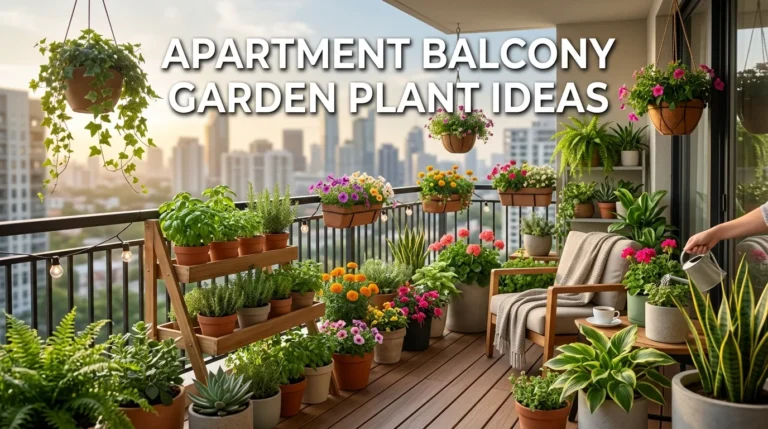
Absolutely! Many plants, including lettuce, spinach, marigolds, and even zucchini (in a large container), can be grown successfully on a balcony or patio. Just make sure your containers have good drainage and you choose plants that suit the amount of sunlight your balcony gets.
How often should I water my new plants?
It’s best to check the soil moisture daily, especially when plants are newly planted or during hot weather. Stick your finger about an inch into the soil. If it feels dry, it’s time to water. Water deeply until you see water draining from the bottom of the pot or the soil is moist several inches down in a garden bed.