
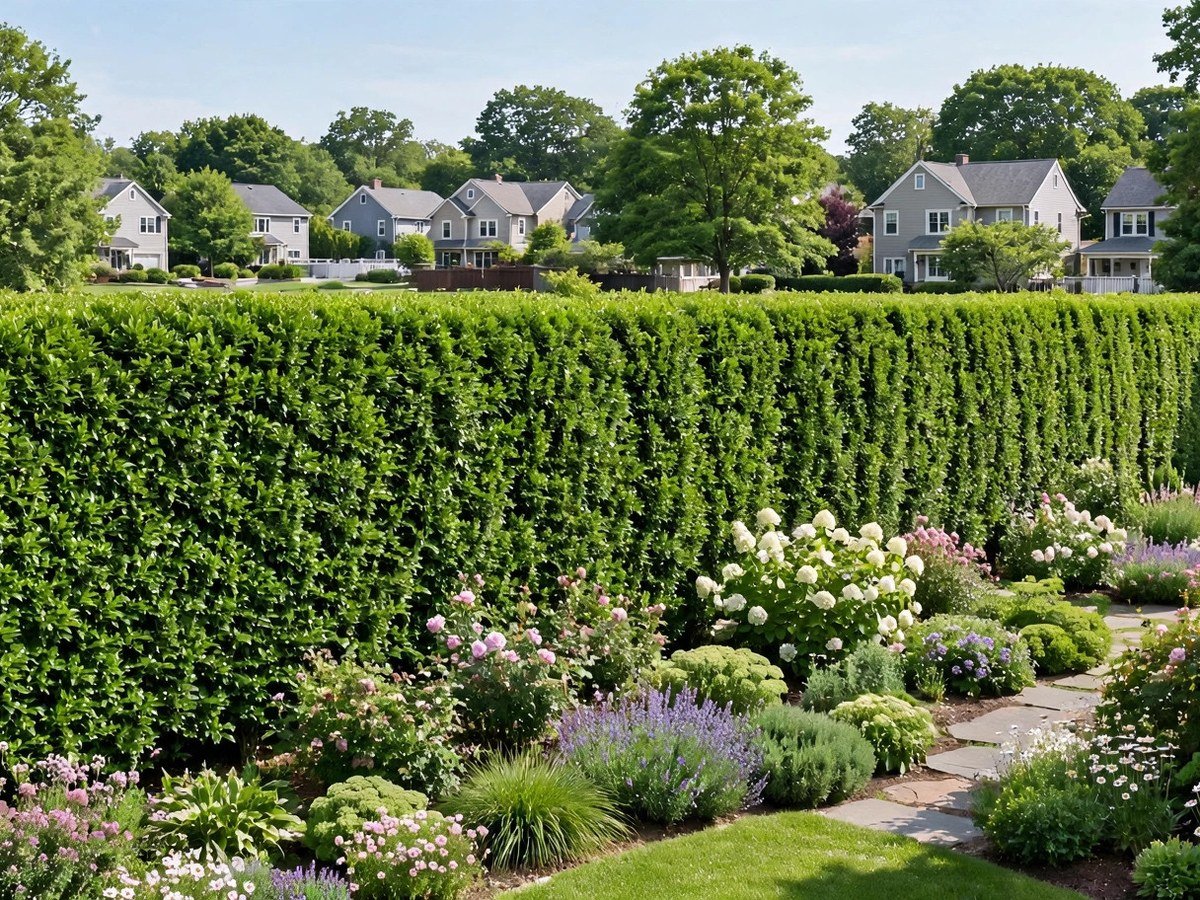
Want More Privacy Next Year? Plant These 6 Beautiful Hedges This Fall
Tired of feeling on display every time you step into your own backyard? Here is the good news: the privacy hedges to plant in fall are your fastest ticket to a secluded, serene garden next year. Autumn planting gives young shrubs months of root growth before spring, so they establish faster and grow more vigorously than spring-planted ones. These 6 Beautiful Hedges to Plant This Fall will transform an exposed yard into your own private retreat — no expensive fencing required.
Why Fall Is the Best Time to Plant a Privacy Hedge
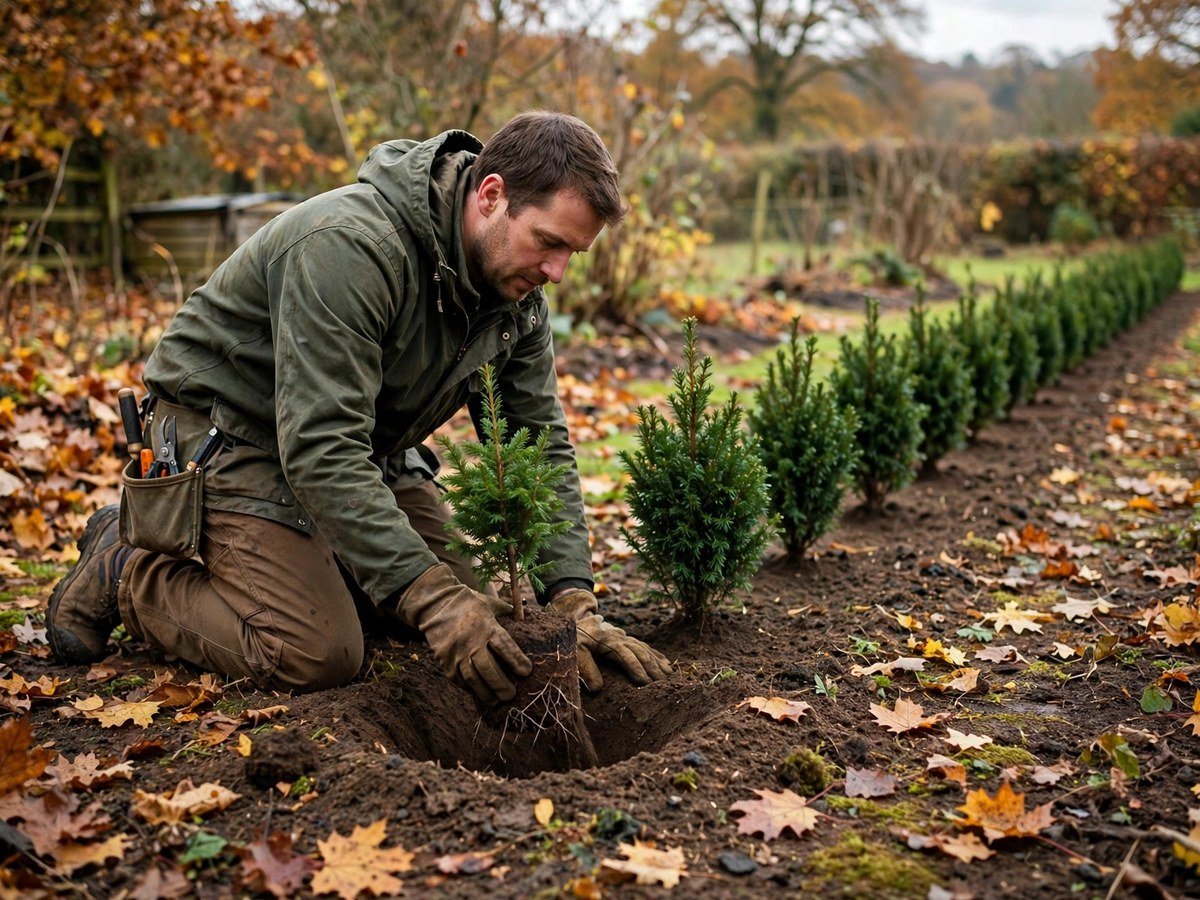
Fall planting works with nature instead of against it. Warm soil and cool air encourage roots to grow deep without the stress of summer heat, so by the time spring arrives, your hedge plants are already anchored and ready to surge upward. Nurseries also offer great end-of-season deals on larger shrubs, which means you can afford a head start on height. Plant now, mulch well, water until the ground freezes, and you will be amazed how much growth happens by next summer.
6 Beautiful Hedges to Plant This Fall
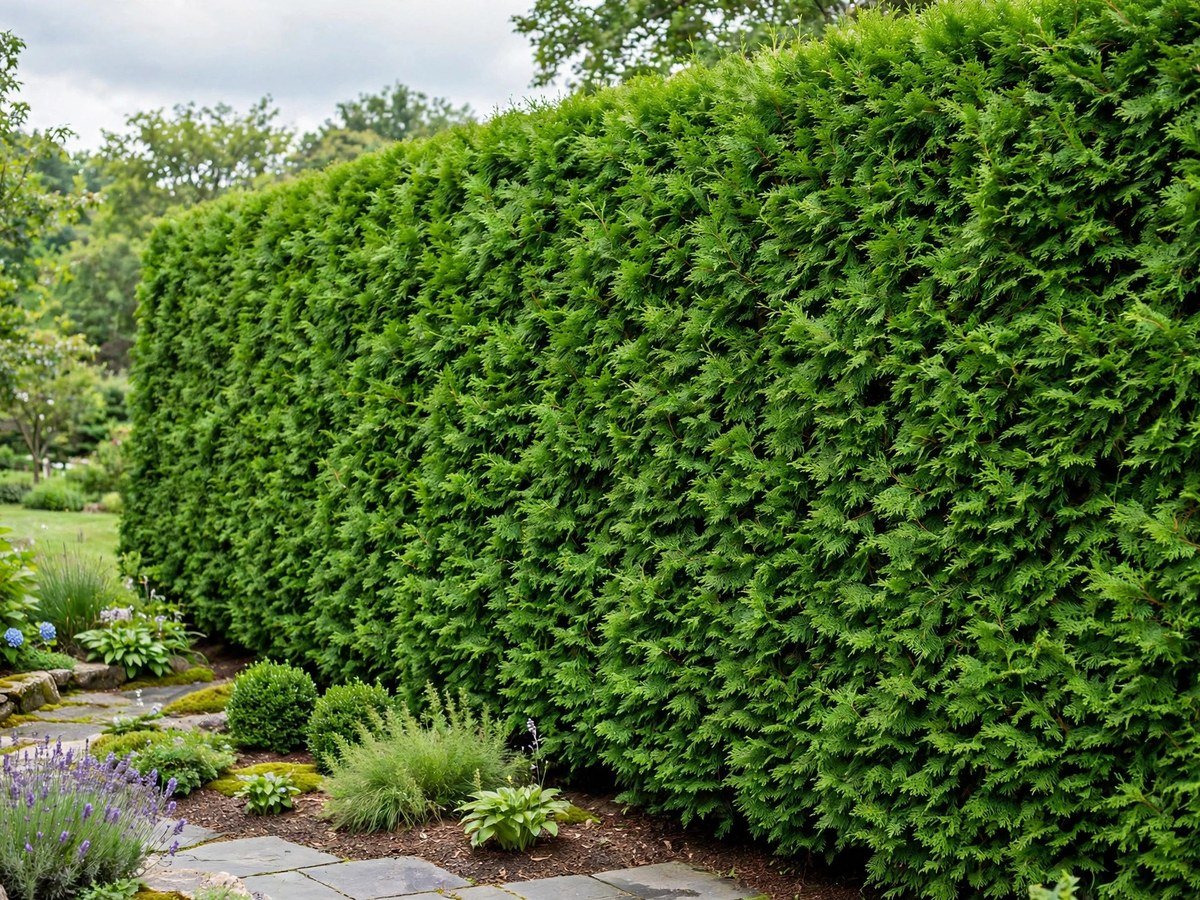
1. Thuja Green Giant Arborvitae
If you need privacy fast, Thuja Green Giant is the undisputed champion. This vigorous evergreen can grow three to five feet per year once established, quickly forming a dense, feathery wall up to 30 feet tall if left untrimmed. It resists deer, shrugs off snow, and needs almost no pruning — just plant in full sun to partial shade, about five to six feet apart, and let it do its thing.
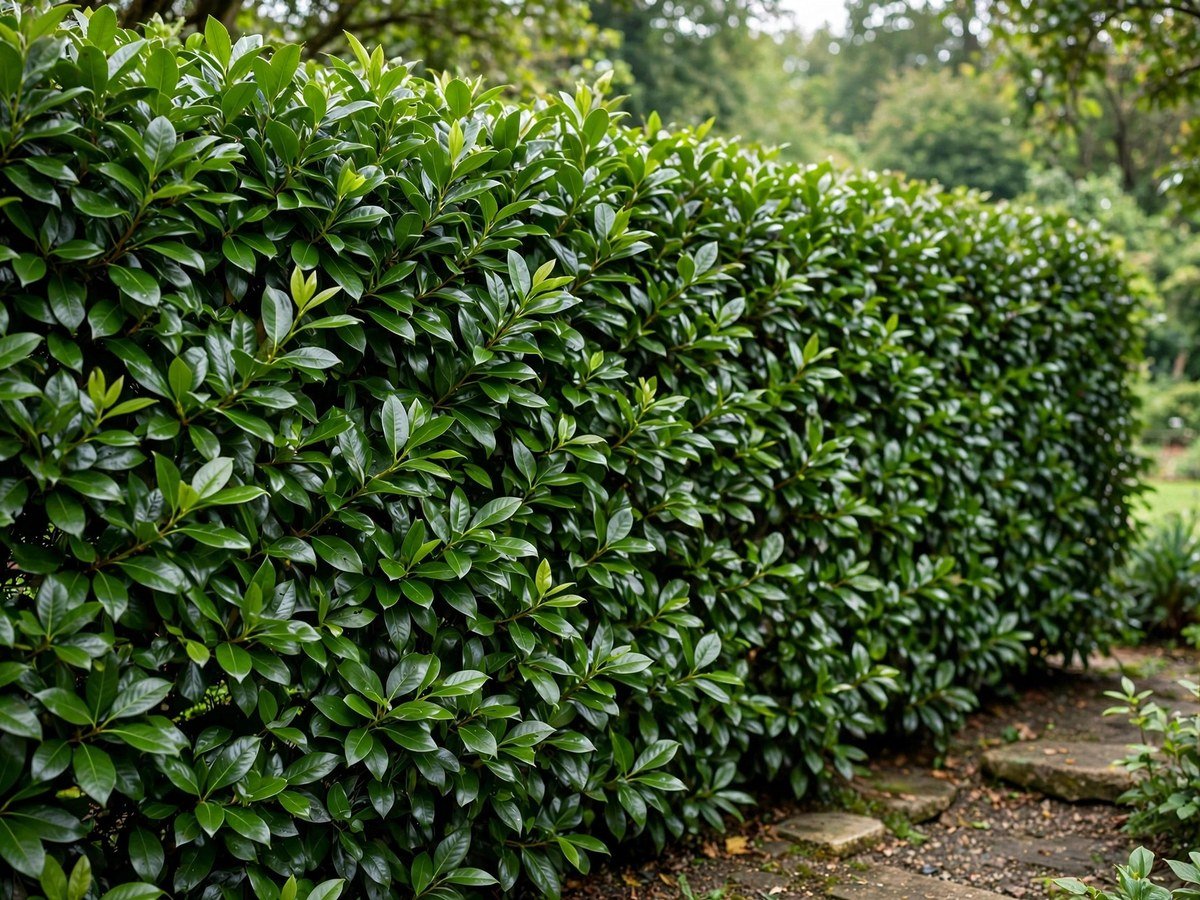
2. Cherry Laurel
Cherry laurel brings glossy, deep-green luxury to the privacy hedge world. Its broad evergreen leaves form an exceptionally dense screen, and in spring it produces frothy white flower spikes followed by dark berries birds love. Space plants four to six feet apart in sun or shade — it tolerates both — and expect two to three feet of growth per year in good soil.
3. Holly
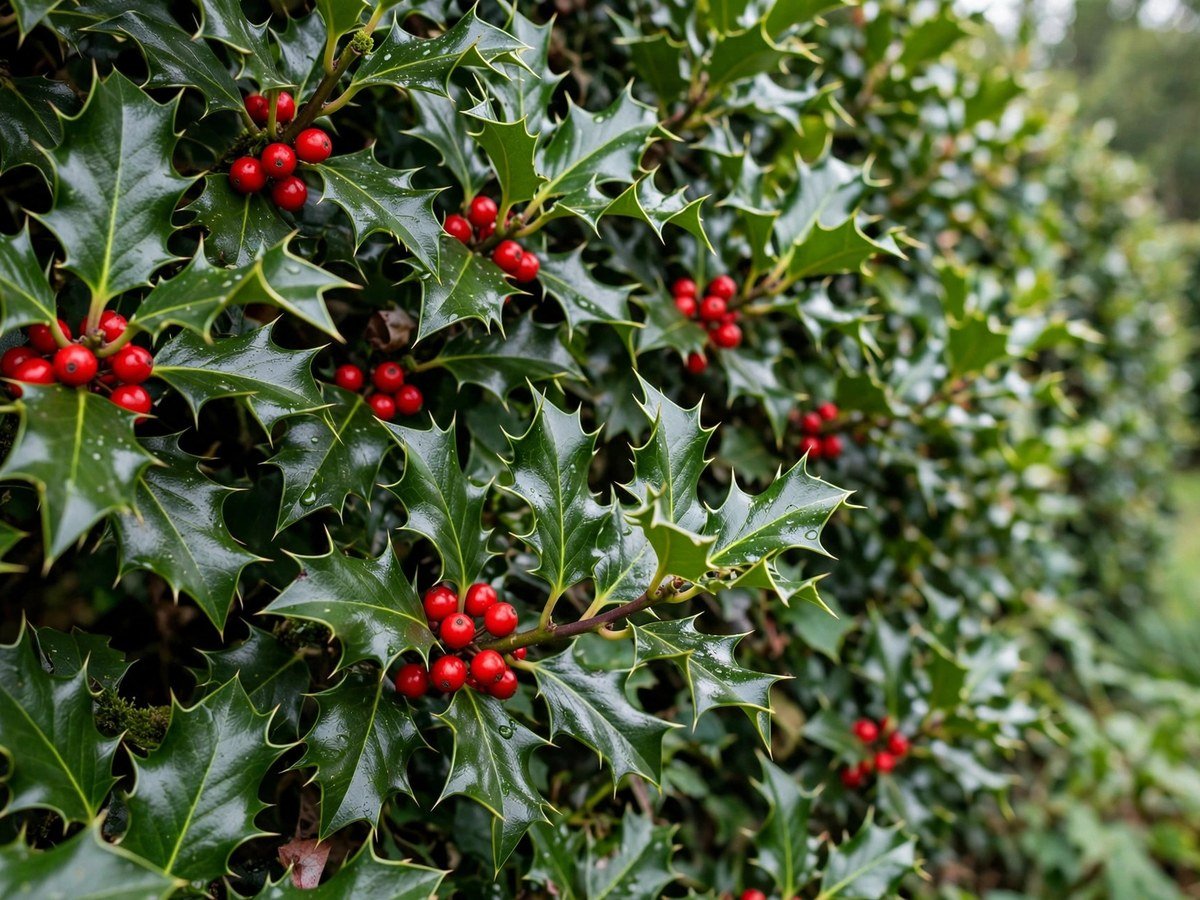
Holly earns its place with year-round good looks and serious security credentials — those spiny leaves discourage even the most determined intruders. Plant a mix of male and female varieties for the classic red winter berries, space them four to five feet apart, and enjoy a handsome evergreen screen that grows one to two feet per year and doubles as a wildlife haven.
6 brilliant ways to use old towels in the garden.
4. Privet
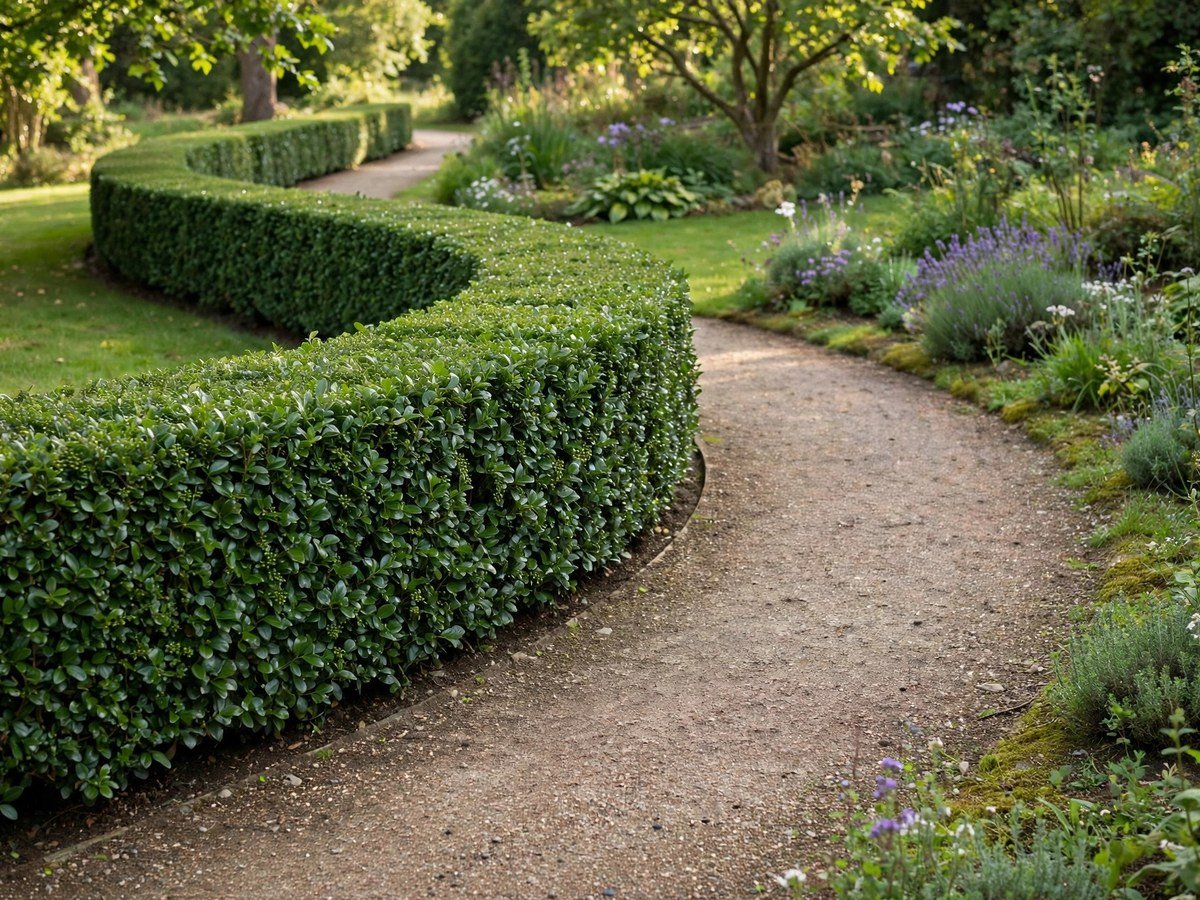
Privet is the classic fast-growing hedge for a reason: it is affordable, adaptable, and can be clipped into a crisp formal screen in just a couple of seasons. Growing up to three feet per year, it tolerates sun, shade, and less-than-perfect soil. Plant bare-root or potted specimens 18 inches apart in fall, trim twice a year, and you will have a tidy green wall in no time.
5. Boxwood
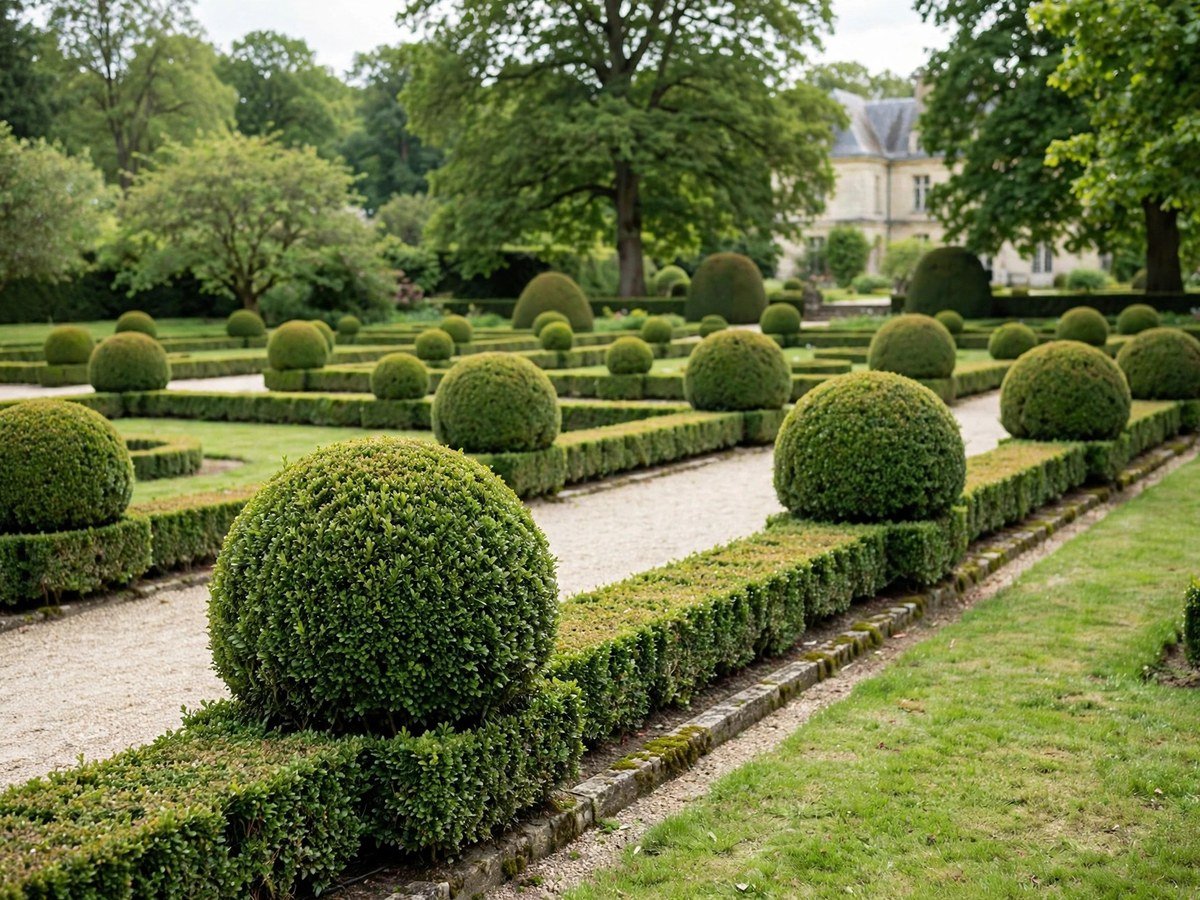
For smaller gardens or elegant low screening, nothing beats boxwood. Its small, dense evergreen leaves shear beautifully into formal hedges, parterres, and sculptural shapes that look stunning year-round. Growth is slower — six to twelve inches per year — so buy the largest plants your budget allows, space them two to three feet apart, and enjoy a timeless, manicured look.
6. Yew
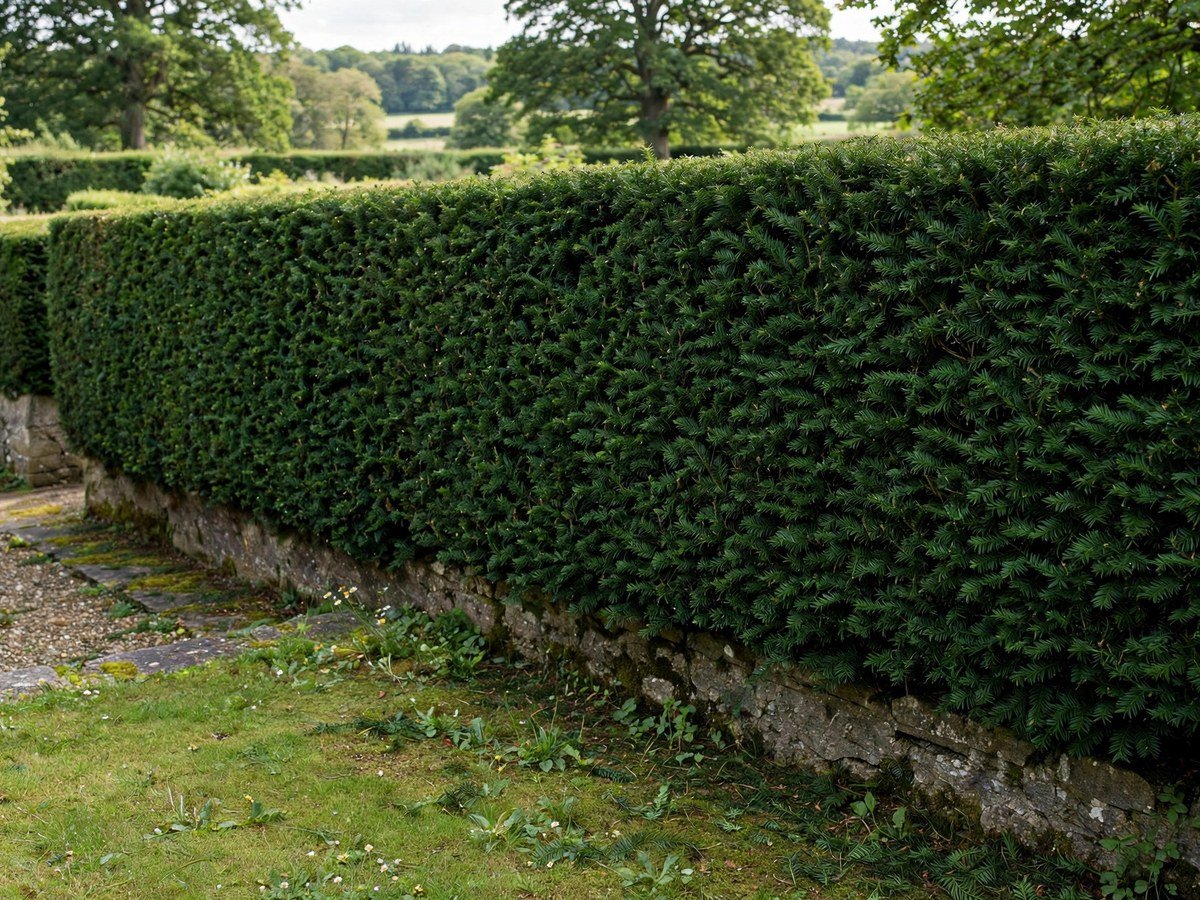
Yew is the connoisseur’s privacy hedge: deep green, velvety, incredibly long-lived, and tolerant of deep shade where other evergreens struggle. It clips into razor-sharp formal hedges and regenerates from old wood, so mistakes are forgiving. Growth is a steady one to two feet per year; space plants three feet apart and be patient — the result is a hedge that can outlive you.
Planting and Spacing Tips for a Thriving Hedge
Dig a trench rather than individual holes — it encourages roots to knit together into a unified screen. Enrich the backfill with compost, set each plant at the same depth it grew in its pot, and water deeply. Mulch the whole row with three inches of bark to conserve moisture and suppress weeds. For the first two years, water during dry spells and resist heavy shearing; let the hedge fill out before you start shaping it in late summer.
How to Get Privacy Faster While Your Hedge Grows
Even the fastest hedge needs a season or two to knit into a solid screen, so bridge the gap with a few clever tricks. Plant a temporary row of tall annuals like sunflowers or ornamental grasses in front of young shrubs for instant summer screening. A simple trellis panel dressed with fast-growing clematis or jasmine can cover a bare fence within months. You can also buy the largest hedge plants your budget allows — jumping from a one-gallon to a three-gallon pot can easily save you a full year of waiting. A little patience now pays off in decades of living, breathing privacy.
Frequently Asked Questions
How fast will a fall-planted hedge give me privacy?
Fast growers like Thuja Green Giant and privet can form a solid screen in two to three years. Slower choices like boxwood and yew take longer but reward patience with unmatched elegance.
How far apart should I plant hedge shrubs?
As a rule, space plants at about two-thirds of their mature width — roughly five to six feet for large evergreens, two to three feet for boxwood. Closer spacing fills in faster but costs more.
Can I plant a hedge in shade?
Yes. Yew, cherry laurel, holly, and privet all tolerate significant shade, making them ideal for north-facing boundaries where fences usually stand.
Do privacy hedges need a lot of maintenance?
Once established, most need just one or two trims per year. Thuja Green Giant and yew are among the lowest-maintenance options; privet needs more frequent clipping to stay neat.
Is fall really better than spring for planting hedges?
For most climates, yes. Fall-planted shrubs develop roots all autumn and winter, so they leaf out stronger and grow faster the following spring than spring-planted ones.
The Bottom Line
Privacy is one of the greatest luxuries a garden can offer, and fall is the moment to claim it. Choose the hedge that fits your space and patience level, get it in the ground this autumn, and next year you will be sipping coffee behind your own living green wall — wondering why you waited so long.