6 Indoor Hydroponic Gardening Guide
Have you ever wanted to grow your own fresh greens but felt limited by a lack of backyard space? Many people think they need a big garden to get a harvest. That is just not true anymore. With indoor hydroponic gardening, you can grow delicious vegetables right on your kitchen counter by using 6 Indoor Hydroponic Gardening Guide.
I started my own hydroponic setup last year, and it changed how I look at my grocery bill. You do not need dirt or a massive plot of land. You just need water, light, and a few simple tools. If you are looking to get started, this guide will show you how to build your own system at home.
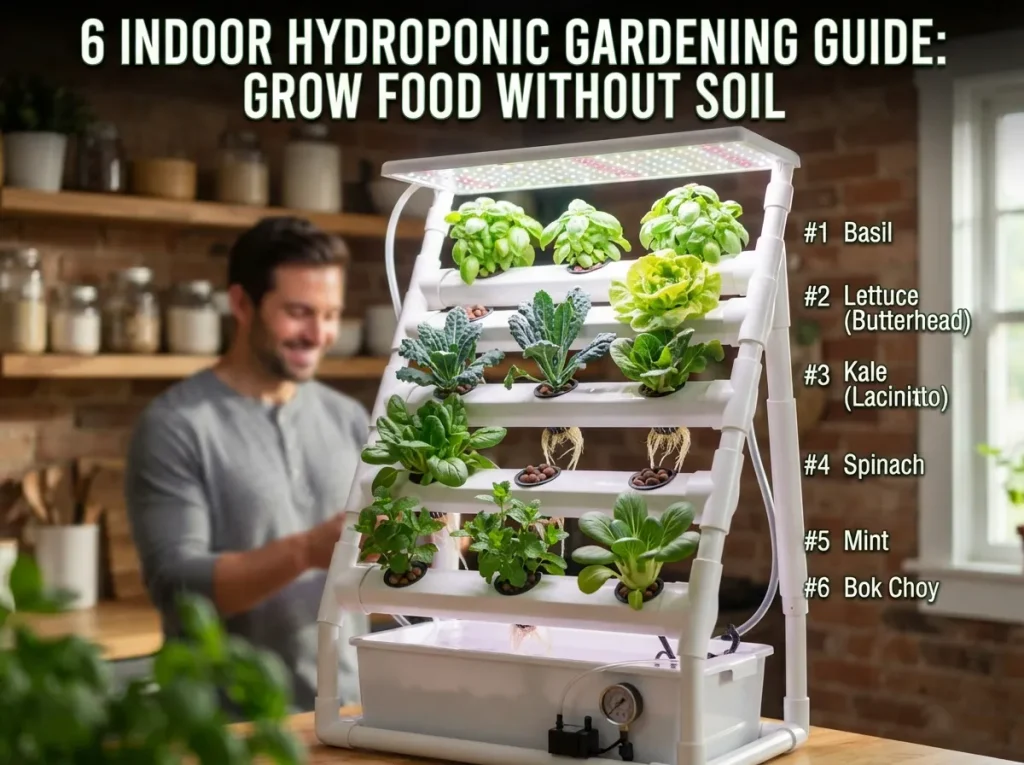
What Exactly Is Hydroponics?
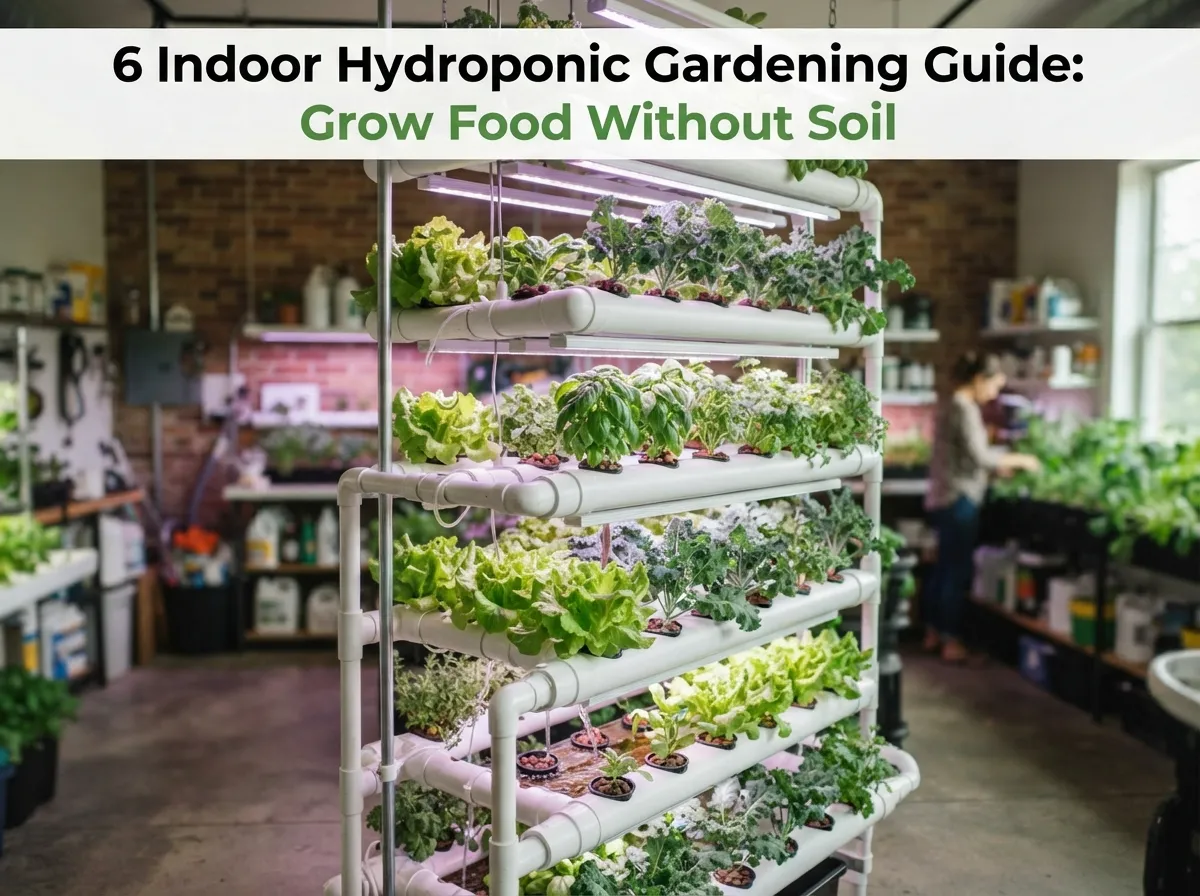
Hydroponics is just a fancy word for growing plants in water instead of soil. Usually, soil gives plants nutrients. In a hydroponic system, you mix those nutrients directly into the water. The roots sit in this nutrient-rich liquid and absorb everything they need to grow fast and healthy.
This method is great for indoors because it is clean. You do not have to worry about dirt spilling on your floor or bringing bugs inside from the garden. It is a very efficient way to grow kitchen gardening plants you can grow indoors. Since the plants do not have to search for food in the soil, they put all their energy into growing leaves and fruits.
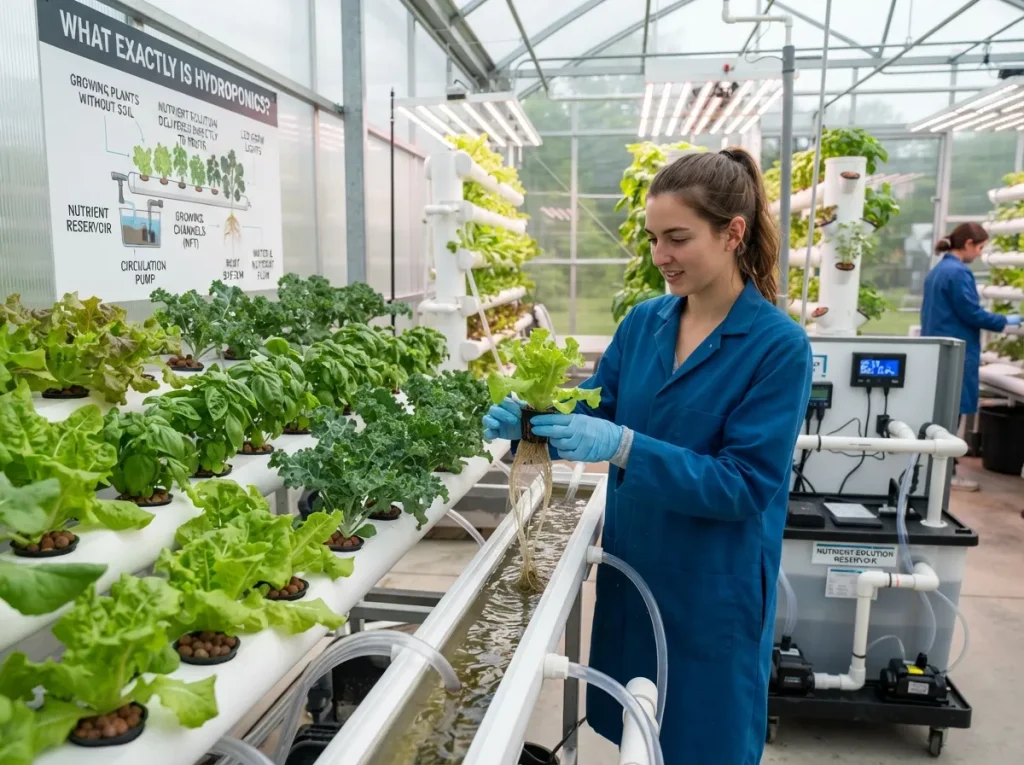
6 Indoor Hydroponic Gardening Guide
read 6 Steps to Start Your Indoor Hydroponic Garden below:
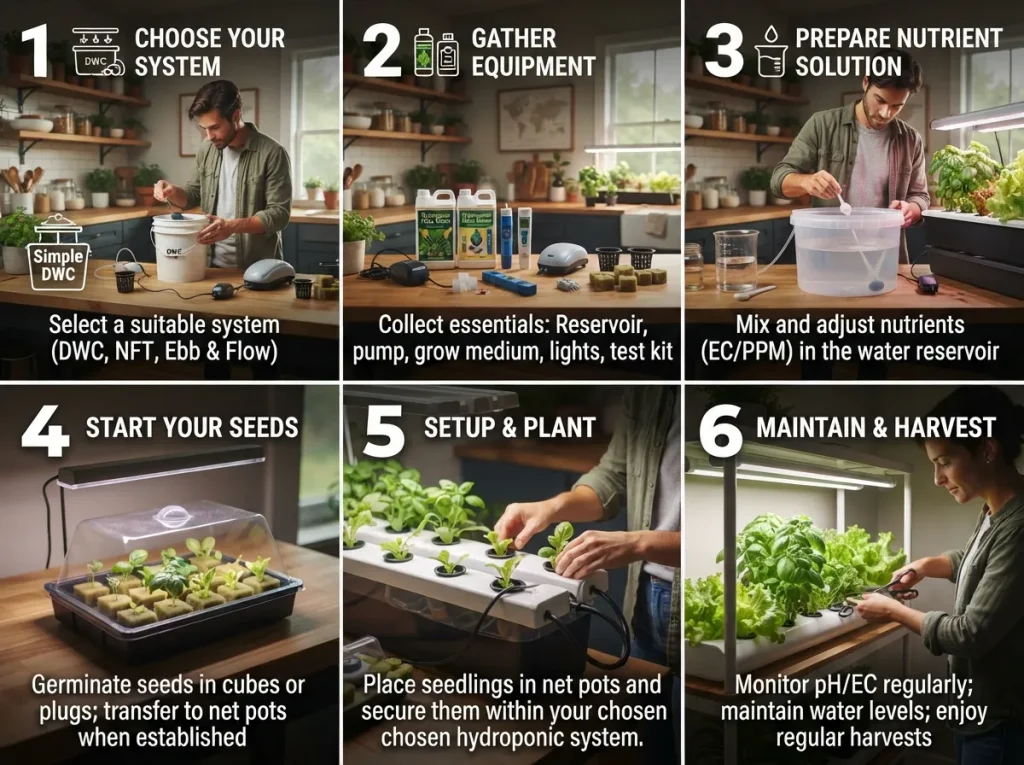
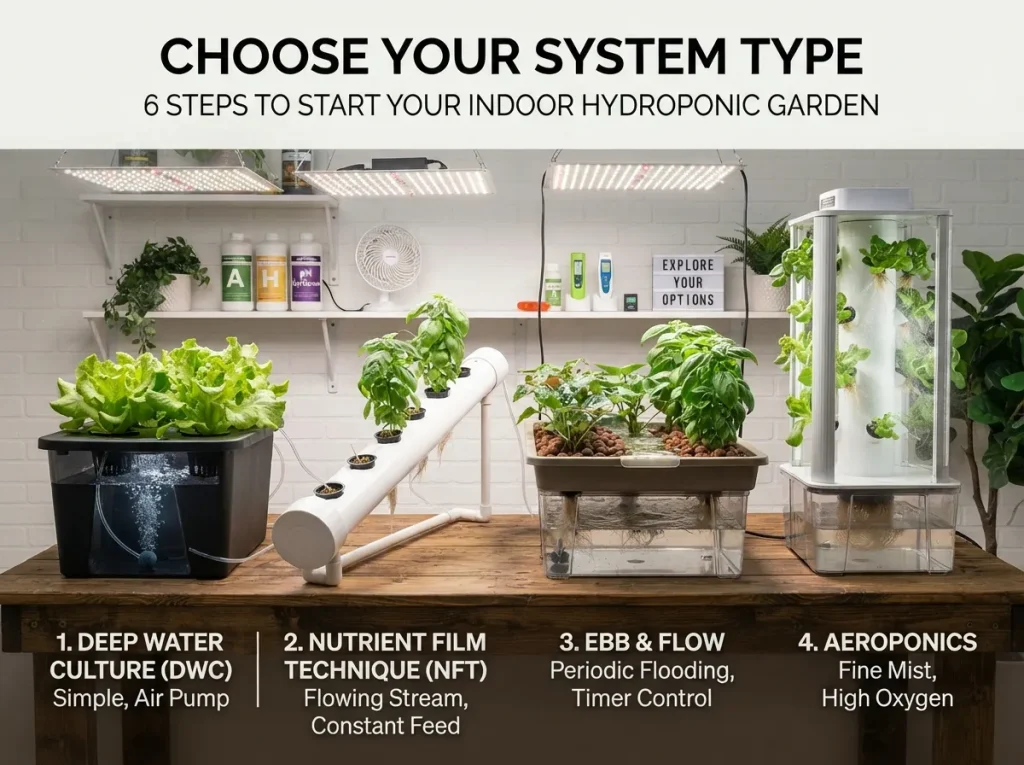
1. Choose Your System Type
There are many ways to build a garden, but beginners should start simple. A deep water culture system is perfect for your first try. This involves a container filled with nutrient-rich water. You place a net pot with your plant in the lid, and the roots hang down into the water.
You can also buy kits from Plantzu if you want something that works right out of the box. These kits often come with everything you need, including the pump and lights. This takes the guesswork out of your first project.
2. Pick the Right Plants
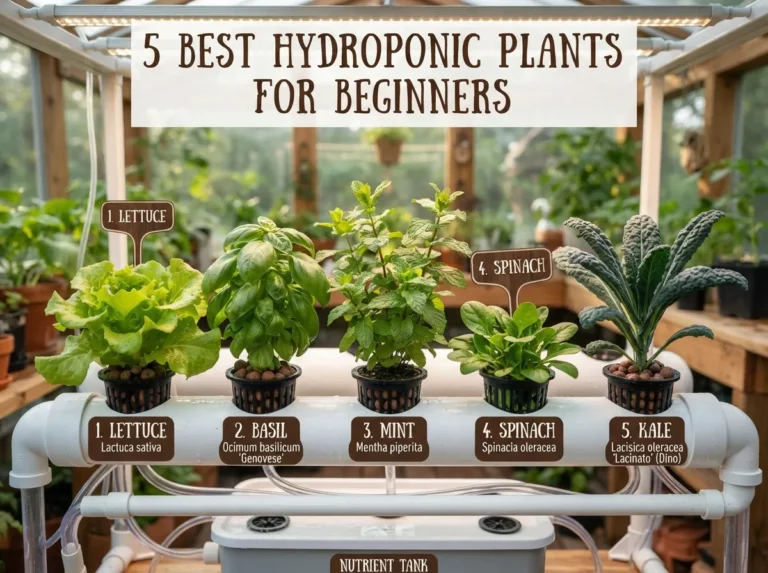
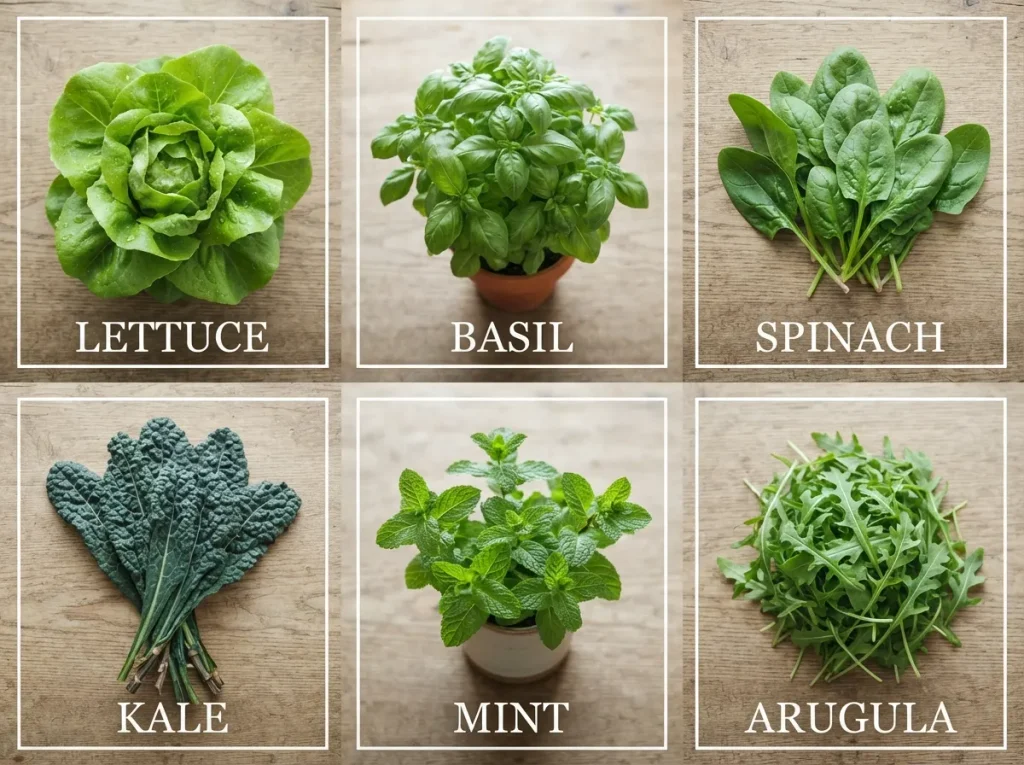
Not every plant loves living in water. You should start with leafy greens and herbs. They grow very quickly and do not need a lot of support. Here are some of the best ones to try:
- Lettuce
- Basil
- Spinach
- Kale
- Mint
- Arugula
These plants are very forgiving. If you make a small mistake with your nutrient levels, they usually bounce back. Avoid trying to grow large vegetables like tomatoes or peppers until you have a few harvests under your belt.
3. Get Your Lighting Sorted
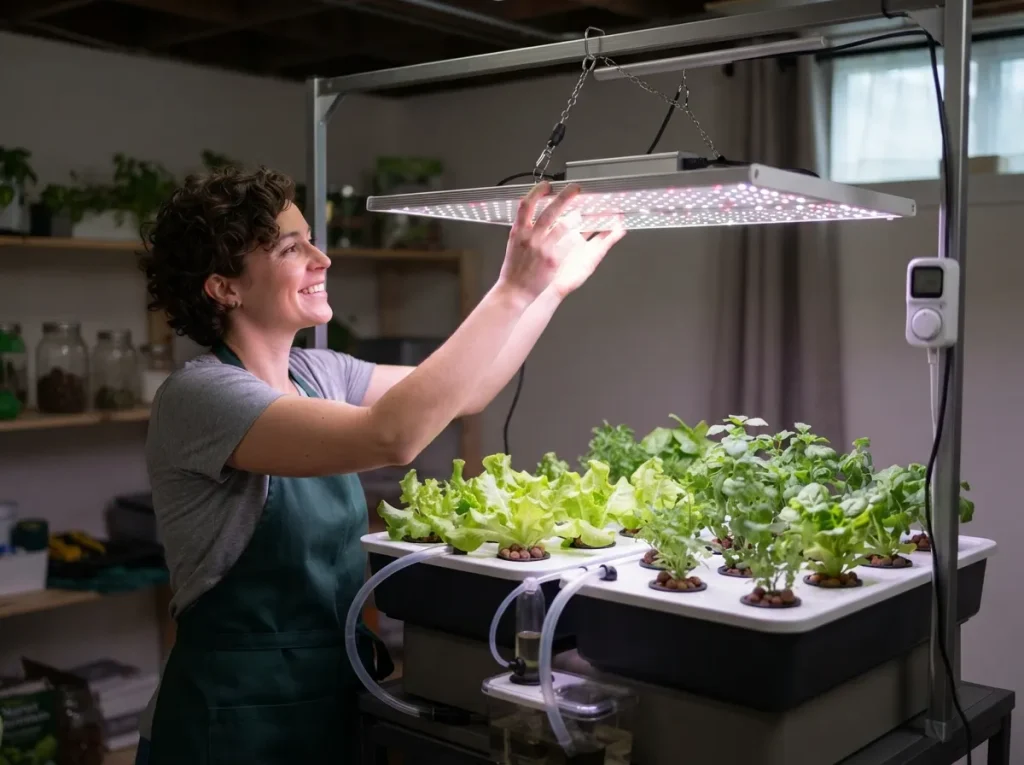
Sunlight can be tricky indoors. Even if you have a sunny window, it might not be enough for your plants during the winter months of 2026. I highly recommend using LED grow lights. They do not get hot and they use very little electricity.
Set your timer for 12 to 14 hours of light every day. Your plants need a rest period just like you do. Without that dark time, they will get stressed and will not grow properly.
4. Mix Your Nutrient Solution
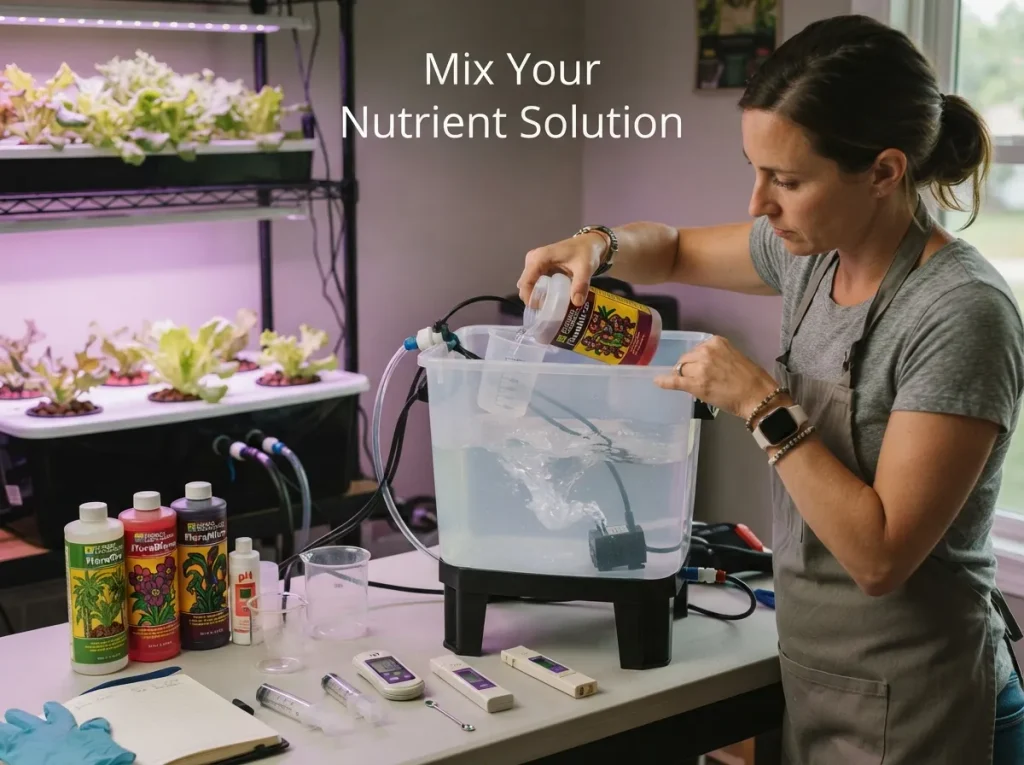
Since there is no soil, you are the one responsible for feeding your plants. You will need to buy a liquid hydroponic fertilizer. These bottles come with instructions, so please read them carefully. You do not want to add too much.
Think of this as making a smoothie for your plants. If you add too much fertilizer, it can burn the roots. Start with a lower dose than the bottle says and watch how your plants respond. You can always add more later.
5. Monitor Your Water pH
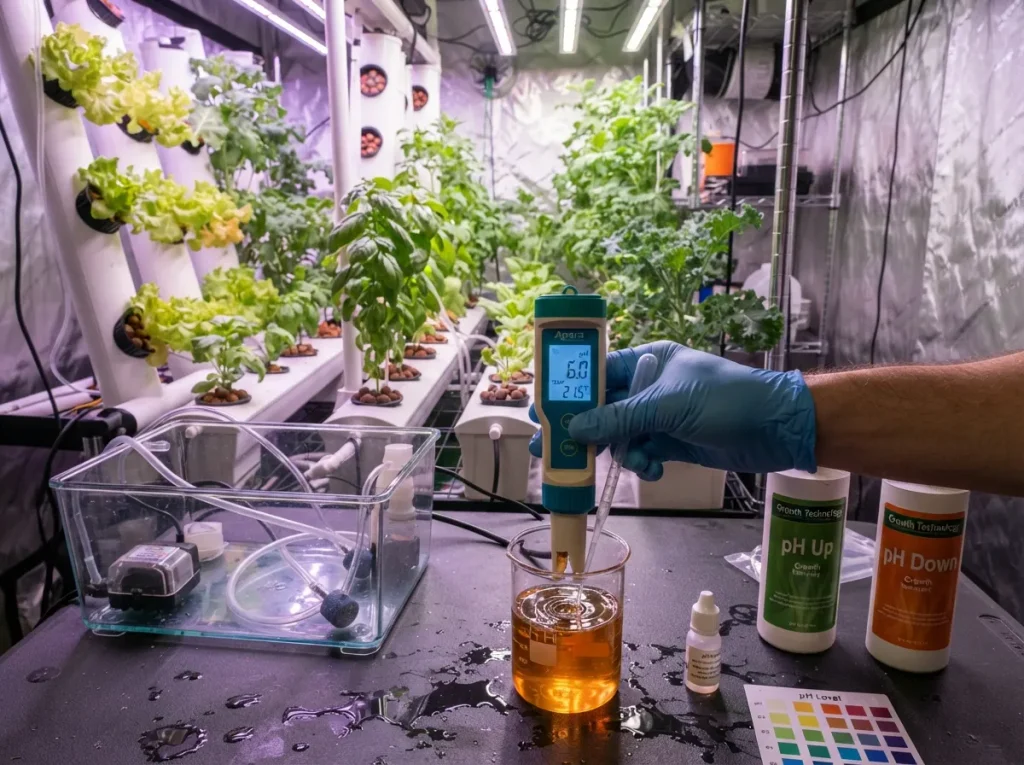
This sounds like a chemistry class, but it is actually easy. Plants can only absorb nutrients if the water is at the right pH level. You can buy a cheap pH testing kit online. You want the level to be between 5.5 and 6.5 for most greens.
If the number is off, you can buy small drops that raise or lower the pH. Check your water once a week. It is a quick habit that ensures your plants stay healthy and strong.
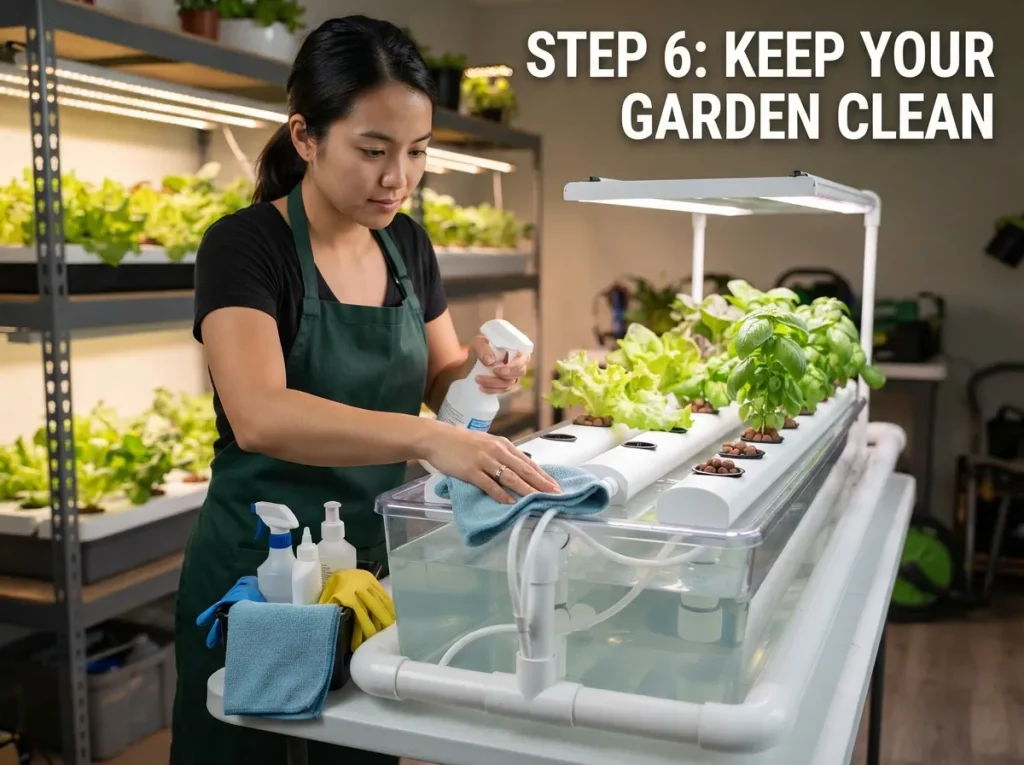
6. Keep Your Garden Clean
Hydroponic systems can grow algae if you are not careful. Algae love light and nutrients just as much as your plants do. Make sure your water container is opaque or covered so that light does not reach the water.
If you see anything slimy growing on the roots or in the tank, clean it out. Change the water completely every two to three weeks to keep things fresh. This simple maintenance step prevents a lot of headaches later on.
Why You Should Try Hydroponics This Year
Growing food at home feels good. You know exactly what went into your food, and there are no chemicals involved. Plus, the taste of fresh basil or lettuce from your own garden is so much better than what you find at the grocery store.
Hydroponics uses much less water than traditional soil gardening. It is a sustainable way to enjoy fresh produce all year long. Even if you live in a small apartment, you can have a little oasis of green. Give it a try, and you might find that you have a green thumb after all.
Frequently Asked Questions
Do I need to change the water often?
Yes, you should replace the water and nutrient mix every two to three weeks. This ensures your plants get fresh nutrients and prevents salt buildup in the system.
Can I use regular potting soil?
No, please do not use soil. Soil will clog your pump and create a huge mess. Only use growing mediums like clay pebbles, rockwool, or just the water itself.
Is it expensive to start?
It can be as cheap or as expensive as you want. You can build a simple system using plastic buckets for very little money. If you prefer, there are premium kits available that look great in any home.
Do the plants grow faster than in dirt?
In most cases, yes. Because the nutrients are delivered directly to the roots, the plants do not have to work as hard to find food. This means they often grow significantly faster than plants in the ground.