Urban Vegetable Gardening Tips For Fresh Food At Home
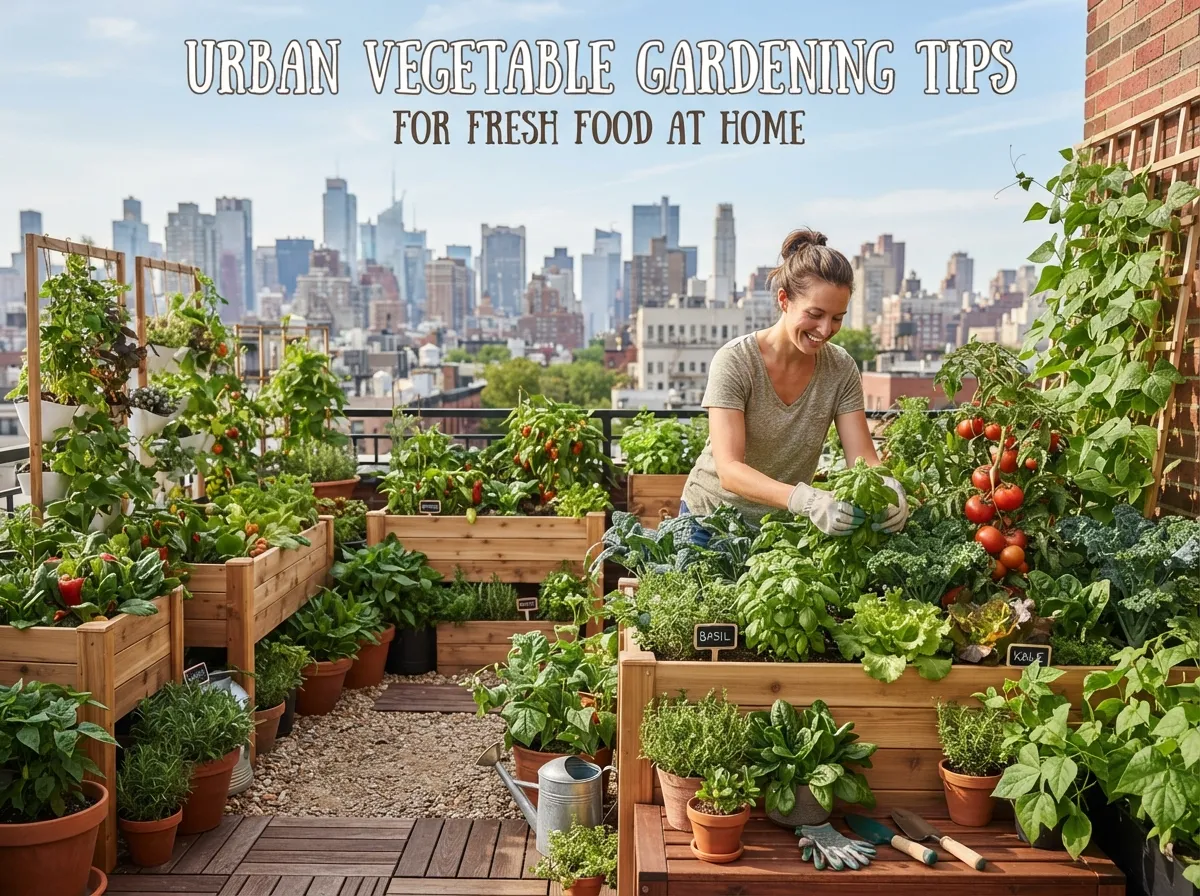
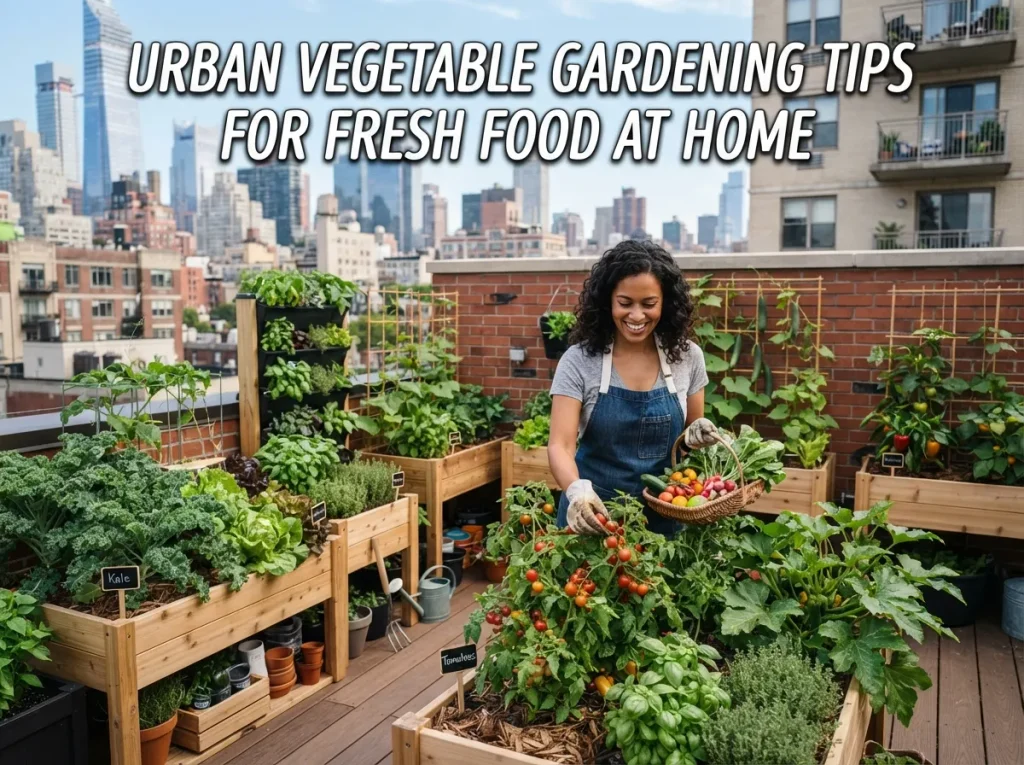
Growing your own food is a great feeling. You do not need a huge backyard to get started. Even if you live in a tiny apartment, you can grow plenty of vegetables. Urban Vegetable Gardening Tips is all about being smart with the space you have. If you have a sunny spot, you have a garden.
I started my own garden on a small patio a few years ago. I made plenty of mistakes at first. Now, I want to share what I learned so you can succeed faster. At Plantzu, we believe everyone should have access to fresh greens. Let us look at how you can turn your balcony or windowsill into a food source.
Urban Vegetable Gardening Tips
Know Your Sunlight and Space
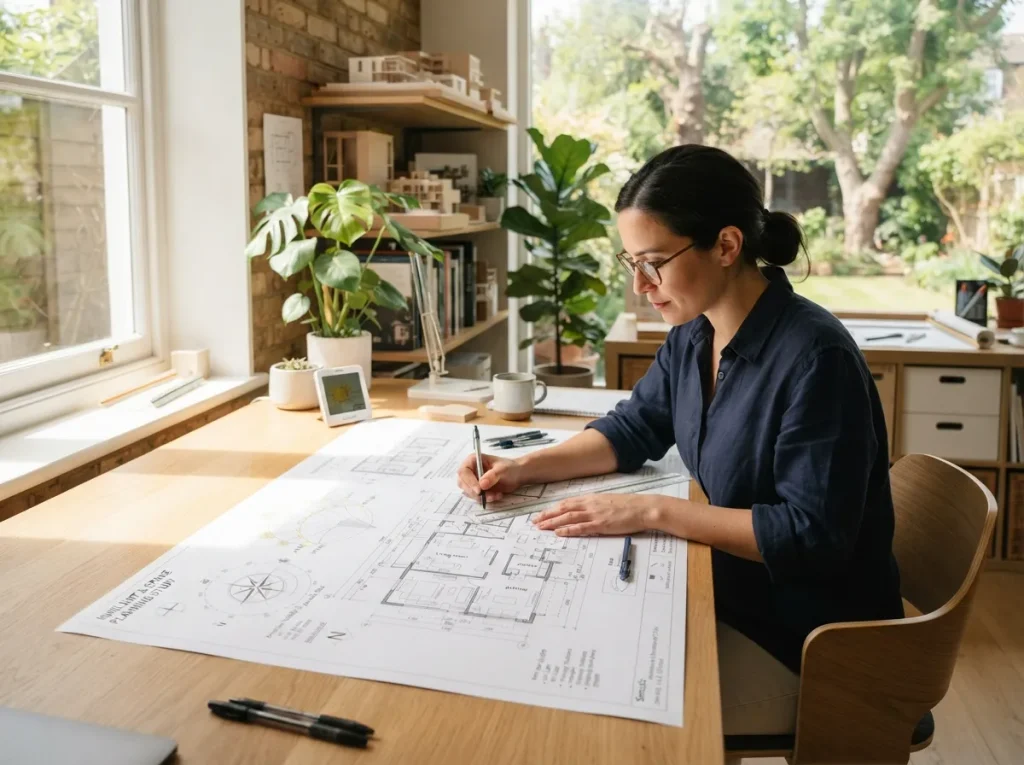
Before you buy any seeds or pots, watch your space. Spend a few days checking where the sun hits your home. Most vegetables need at least six hours of direct sunlight. If you have a shady spot, you might struggle with tomatoes, but lettuce will be very happy.
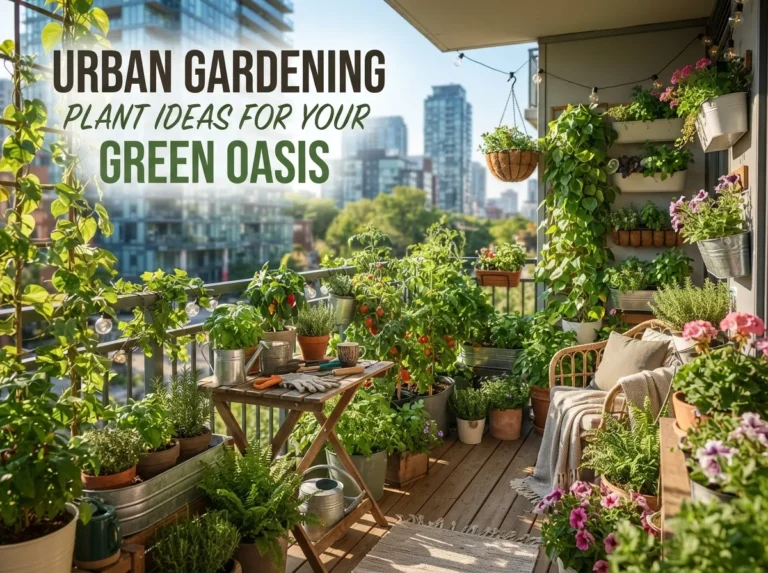
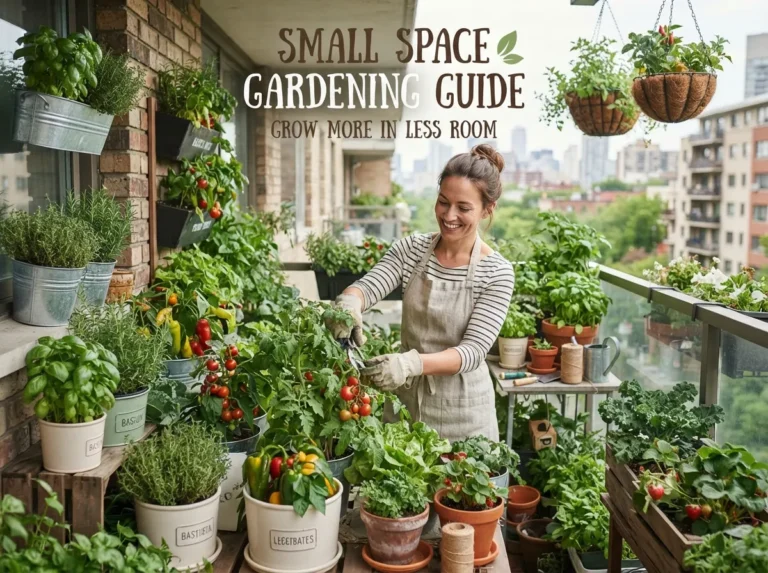
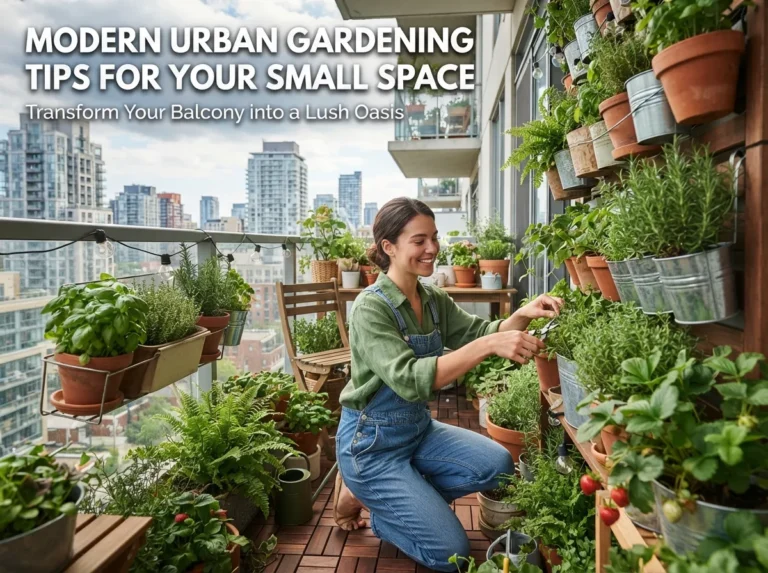
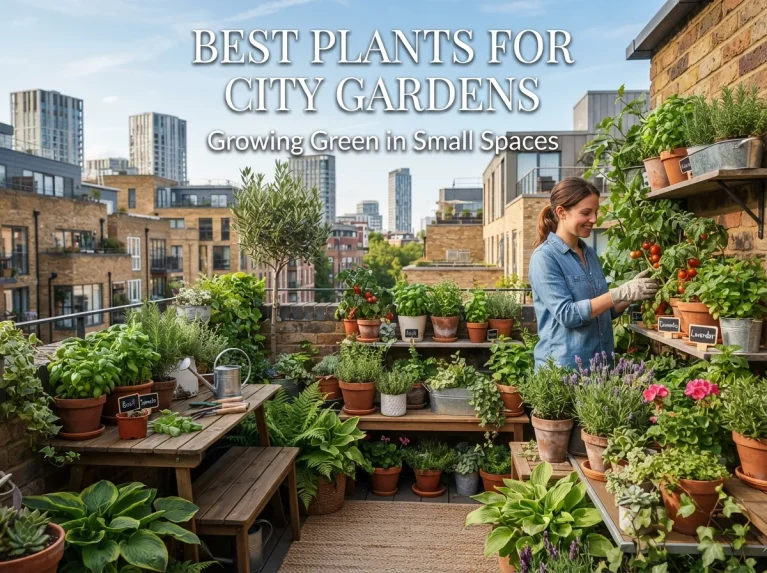
Measure your available space. Do you have room for large containers? If your space is tight, look for vertical options. You can hang planters on walls or use tall shelves. If you are struggling to figure out what works for your specific layout, check out these Best Balcony Gardening Plants for Small Spaces to get some inspiration.
Choose The Right Containers
You can grow vegetables in almost anything. I have seen people use old buckets, wooden crates, and even fabric bags. The most important thing is drainage. If your container does not have holes at the bottom, your plants will drown. Always drill holes if you are repurposing items.
Plastic pots are light and hold water well. Terracotta pots look nice but dry out very fast. If you live in a hot city, plastic or fabric grow bags are usually better. They keep the roots cooler and make it easier to manage water during the summer heat.
Pick The Best Vegetables For Containers
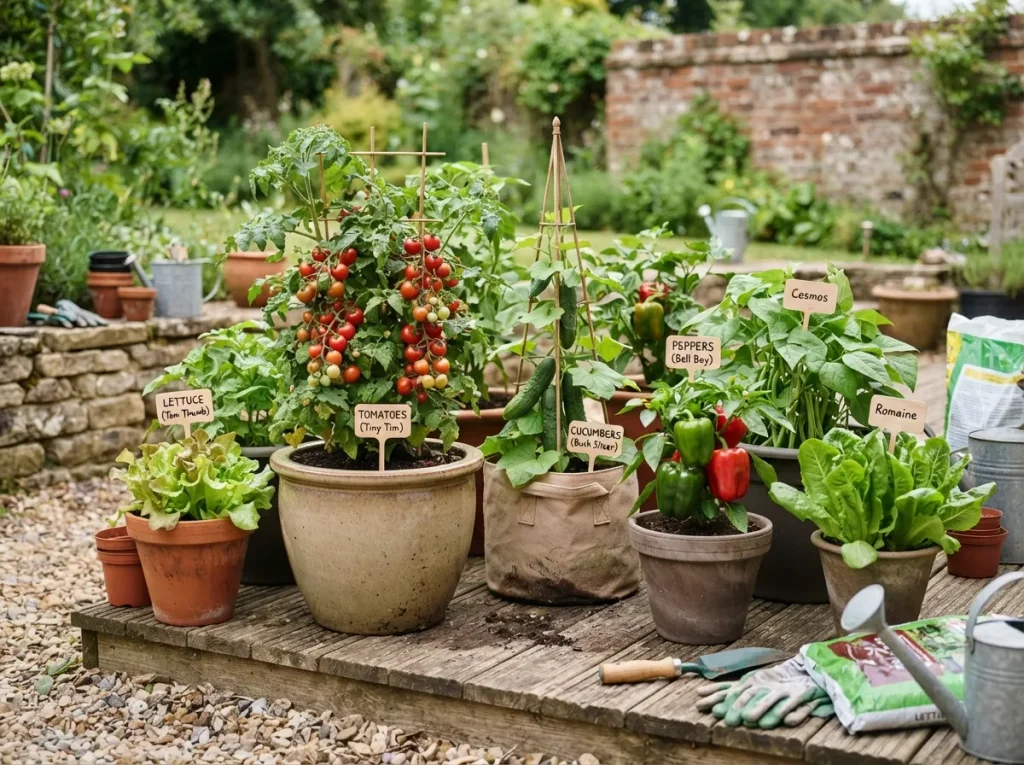
Not every plant likes living in a pot. Some have huge roots that need deep ground. For urban spaces, pick plants that are happy in confined areas. Here are some of my favorites for beginners:
- Lettuce and leafy greens
- Cherry tomatoes
- Radishes
- Bush beans
- Herbs like basil and mint
Radishes are the best for fast results. You can plant seeds and have a harvest in about four weeks. Cherry tomatoes are also great because they keep producing fruit all summer long. Just make sure you get a pot that is big enough for them to grow tall.
Soil Is Everything
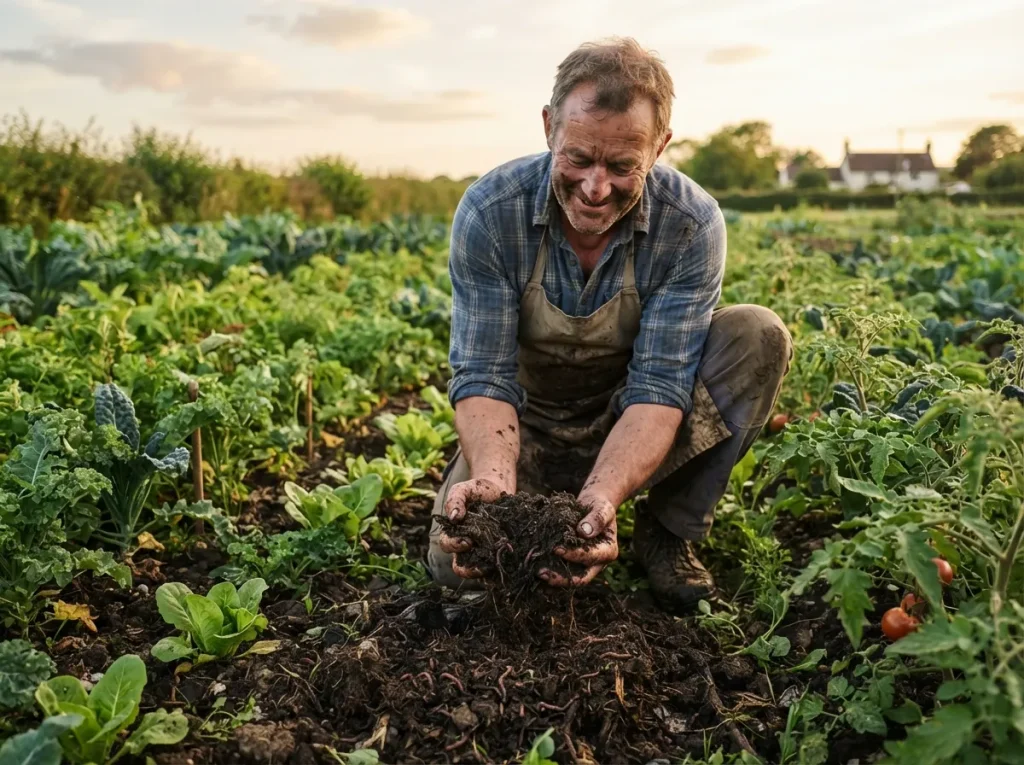
Never use dirt from the ground outside for your pots. It is usually too heavy. It will pack down and stop your plants from breathing. Buy a high-quality potting mix instead. It is light, fluffy, and full of nutrients.
Since you are growing in containers, the plants will use up the food in the soil quickly. You will need to add fertilizer every few weeks. I like to use organic liquid fertilizer. It is easy to mix into your watering can. It keeps the plants strong and healthy throughout the growing season.
Watering Secrets For Urban Gardeners
Containers dry out much faster than garden beds. In the summer, you might need to water every single day. The best way to check is to stick your finger about an inch into the soil. If it feels dry, it is time to water.
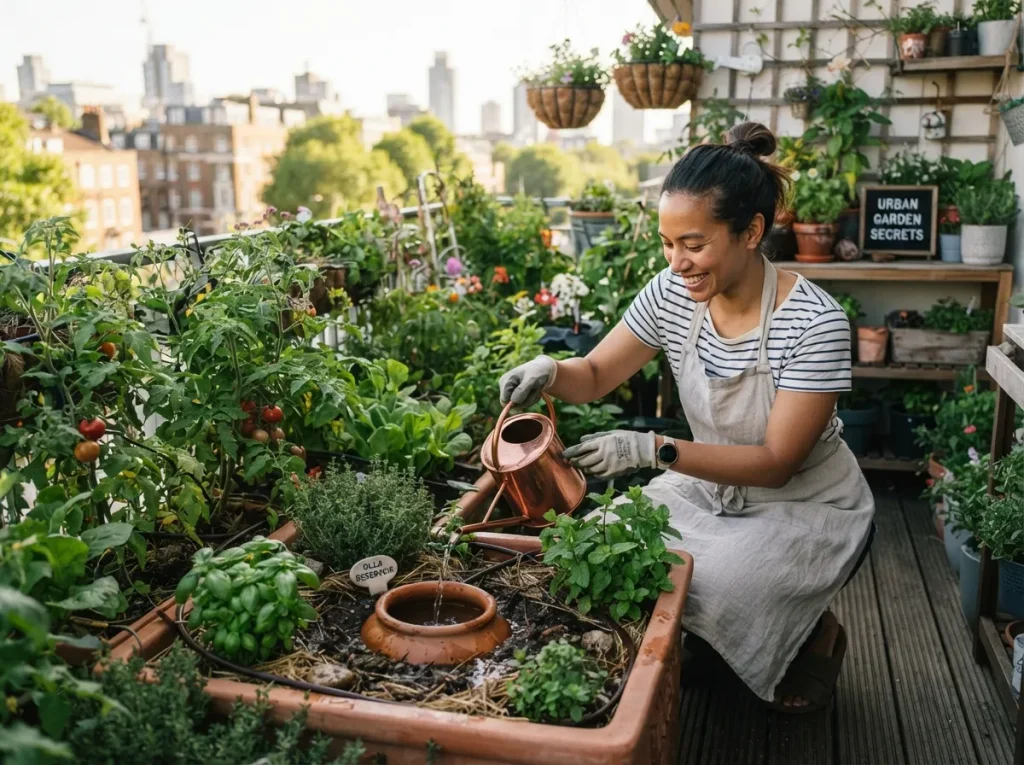
Try to water in the morning. This gives the plants enough time to drink before the sun gets too hot. Avoid watering the leaves if you can. Water the soil directly to prevent diseases. If you are away often, think about getting a self-watering pot. These have a little reservoir at the bottom that keeps the soil moist for longer.
Pest Control Without Chemicals
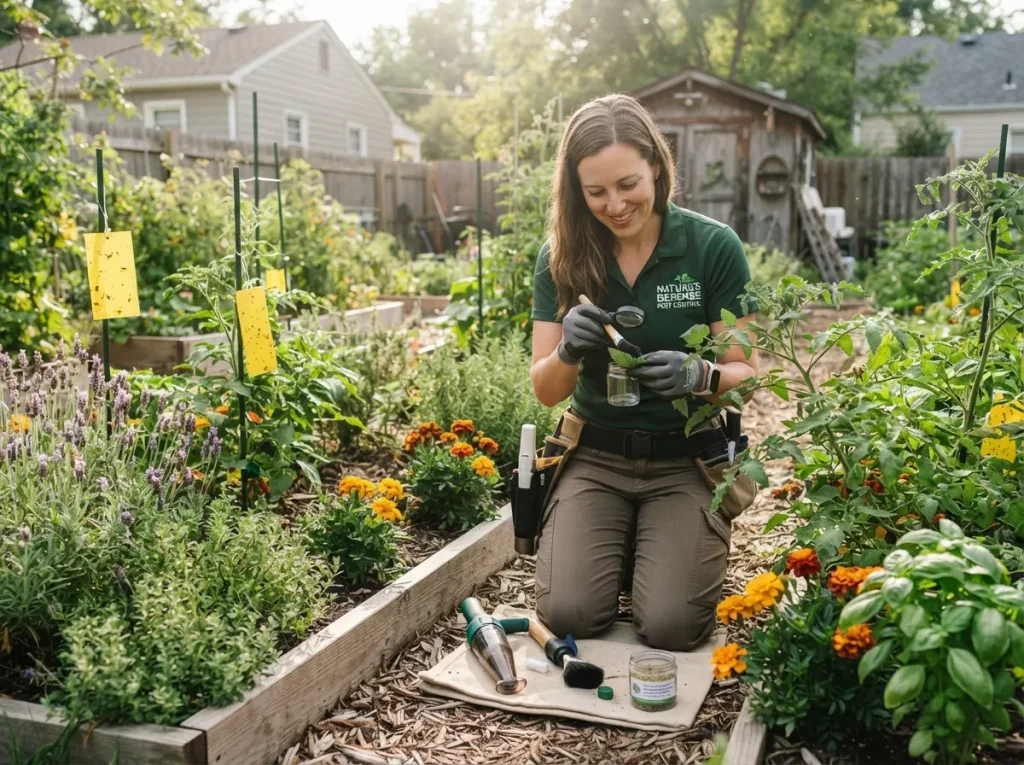
You might think pests are only for big farms, but they find urban gardens too. Keep an eye on your plants every morning. Look under the leaves for small bugs. If you see them, wipe them off with a wet cloth or use soapy water.
Companion planting is another great trick. I like to plant marigolds near my vegetables. The flowers keep bad bugs away while attracting bees to help pollinate my tomatoes. It is a natural way to protect your hard work without using nasty chemicals.
Stay Consistent
The secret to a good urban garden is just showing up. Spend five minutes a day with your plants. Talk to them, pull a few weeds, and check the soil. When you treat gardening like a daily habit instead of a chore, it becomes fun.
You will have days when a plant dies. It happens to everyone, even experts. Do not get discouraged. Just empty the pot, add some fresh soil, and try something new. Growing your own food is a learning process, and every harvest is a win.
Frequently Asked Questions
Do I need expensive equipment to start?
Not at all. You can start with a few cheap plastic pots, a bag of potting soil, and a pack of seeds. You do not need fancy gadgets or expensive grow lights to begin.
How often should I fertilize my vegetable plants?
Most potting mixes have enough food for the first month. After that, add a balanced liquid fertilizer every two to four weeks. Always follow the instructions on the package to avoid burning your plants.
Can I grow vegetables on a balcony with low light?
Yes, but you have to choose the right plants. Leafy greens like spinach, kale, and lettuce can grow in partial shade. Avoid plants that need lots of sun, like peppers and tomatoes, until you have a sunnier spot.
What is the easiest vegetable for a beginner?
Radishes and lettuce are the easiest. They grow very quickly and do not need a lot of space. You will see progress in just a couple of weeks, which is great for keeping your motivation high.