How Gardening Can Boost Your Mental Health
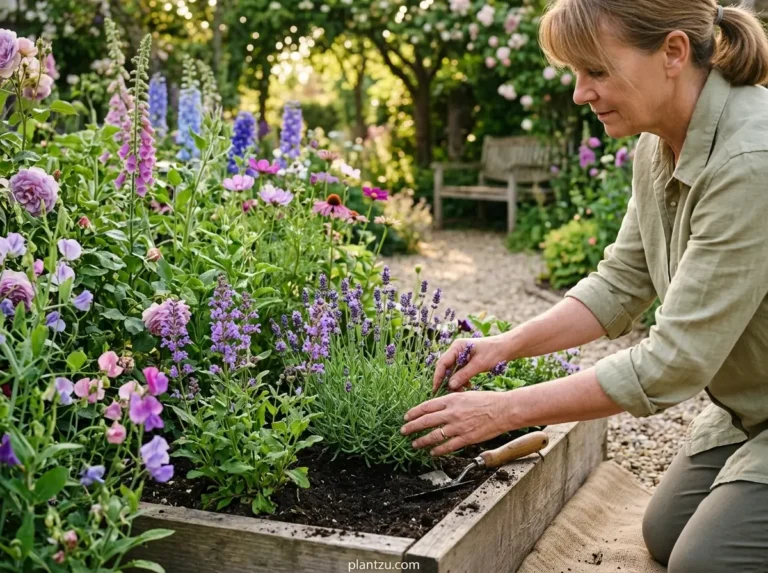
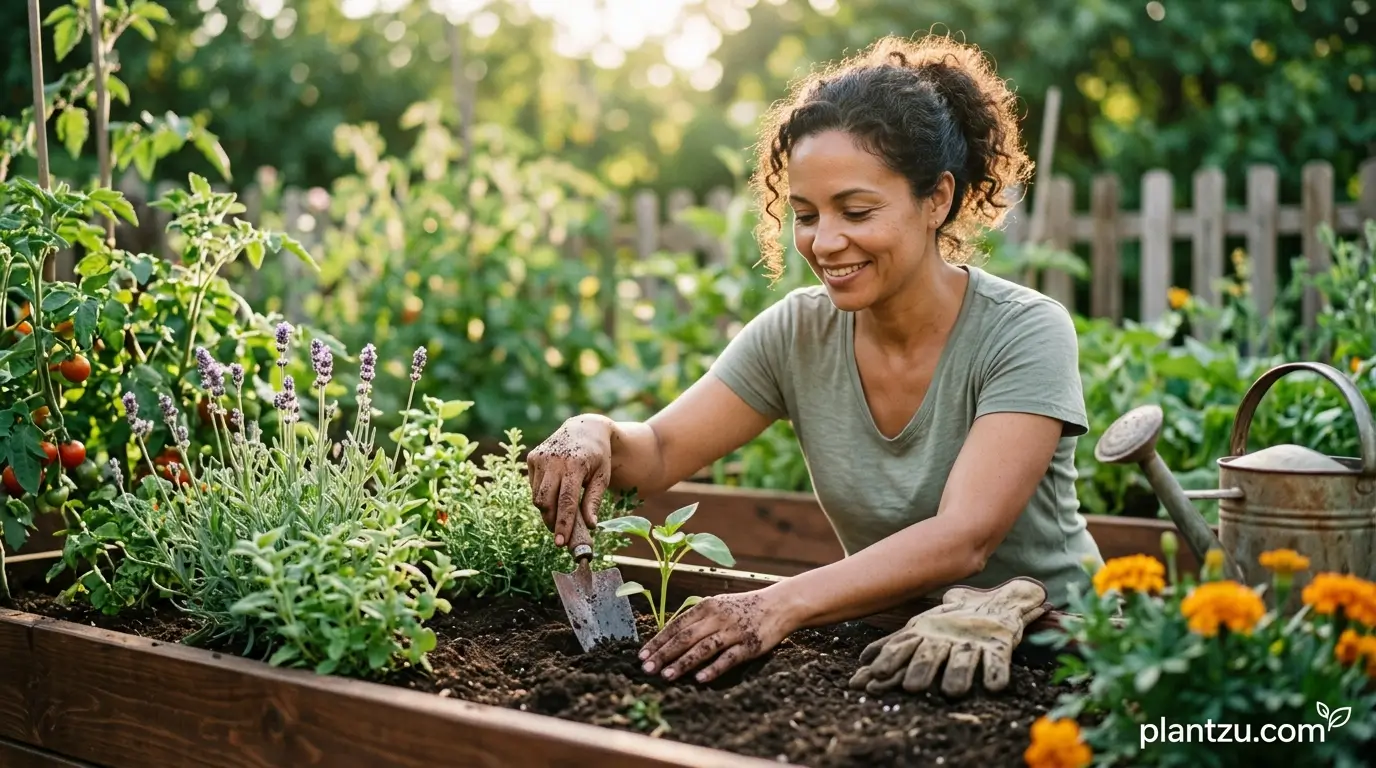
How gardening can boost your mental health as gardening isn’t just about growing flowers and vegetables—it’s a proven way to improve mental health. Whether you have a backyard garden, a balcony, or even a few indoor plants, spending time with greenery can have a profound effect on your mood, stress levels, and overall well-being. In this article, we explore how gardening boosts mental health and why it should be part of your self-care routine.
How Gardening Can Boost Your Mental Health
Read blog below for more information on How Gardening Can Boost Your Mental Health.
1. Reduces Stress and Anxiety
Gardening encourages mindfulness and focus, helping your mind shift away from daily worries. The act of planting, watering, and nurturing plants can lower cortisol levels, which are associated with stress. Even 10-15 minutes of gardening daily can provide a calming effect, making it a natural stress-reliever.

2. Improves Mood and Happiness
Engaging with nature stimulates the production of serotonin and dopamine, chemicals that enhance mood and happiness. Watching plants grow and thrive gives a sense of accomplishment, which contributes to long-term mental well-being.
also read about indoor gardening hacks.

3. Enhances Mindfulness and Meditation
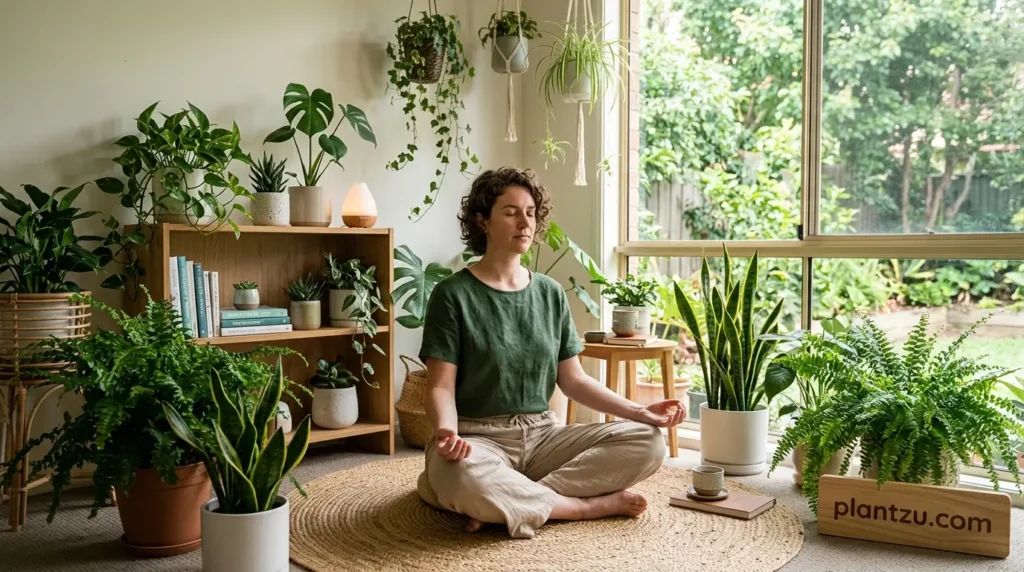
Gardening is a form of active meditation. Focusing on the soil, the plants, and your gardening tasks keeps your mind in the present moment, reducing rumination and negative thoughts. It’s a practical way to practice mindfulness without sitting still in a meditation session.
4. Encourages Physical Activity
Even light gardening involves physical activity such as bending, digging, and walking. This gentle exercise releases endorphins, reduces anxiety, and improves sleep quality. A garden can double as a mental and physical health booster.

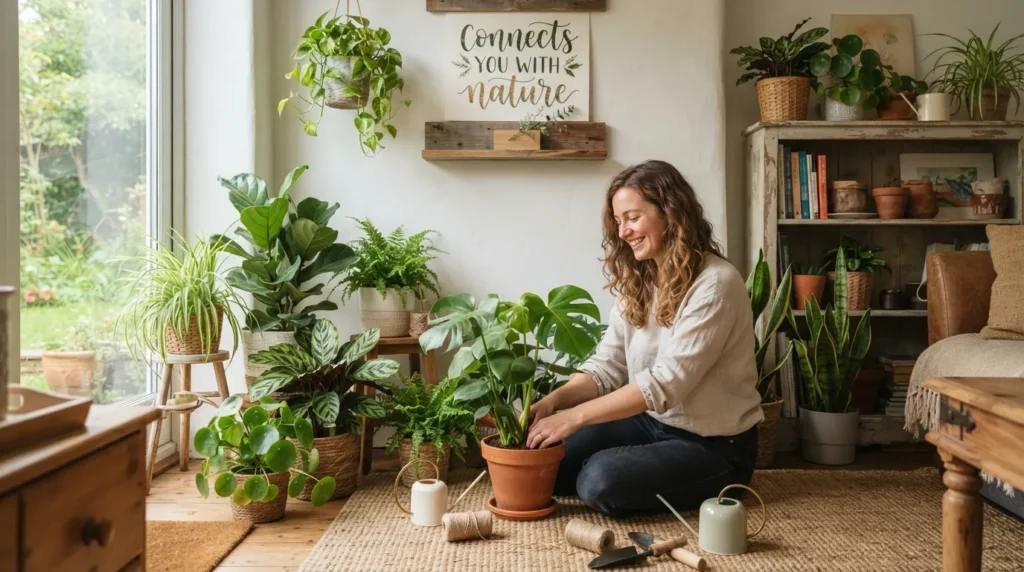
5. Connects You with Nature
Spending time in nature has scientifically proven mental health benefits. Gardening fosters a connection with the earth, sunlight, and fresh air, which can reduce symptoms of depression and increase overall life satisfaction.
6. Provides a Sense of Purpose
Caring for plants instills a routine and responsibility, which can combat feelings of emptiness or lack of direction. Watching your garden flourish reinforces your sense of purpose and personal growth, essential for mental health.
7. Social Benefits
Community gardening or sharing your gardening journey with friends and family creates social connections. Social interaction in green spaces has been shown to enhance emotional well-being and reduce feelings of isolation.

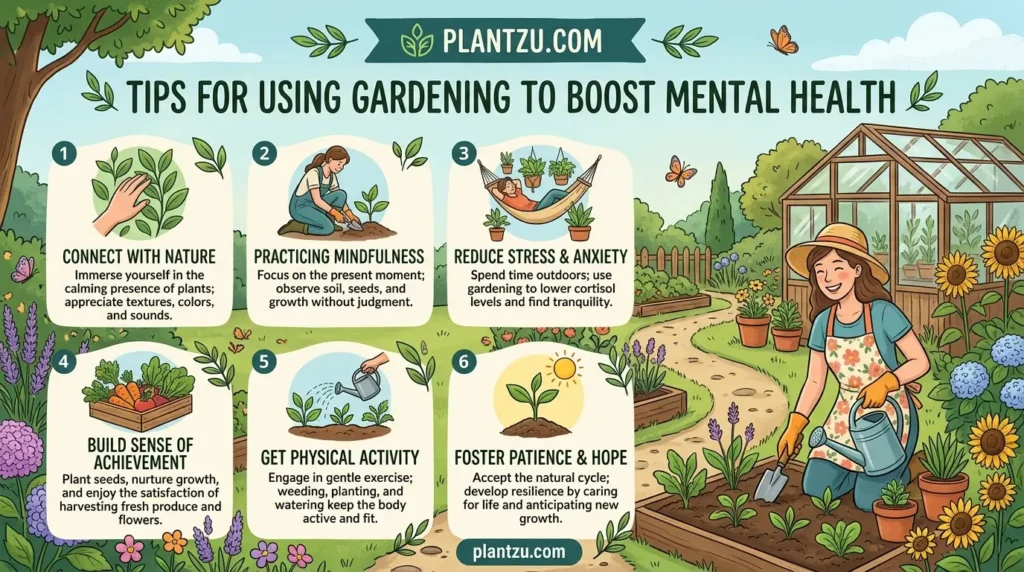
Tips for Using Gardening to Boost Mental Health
- Start small: Begin with potted plants or a small herb garden.
- Consistency matters: Spend at least 10-20 minutes daily in your garden.
- Practice mindfulness: Focus on the sensations of touching soil, planting seeds, and smelling flowers.
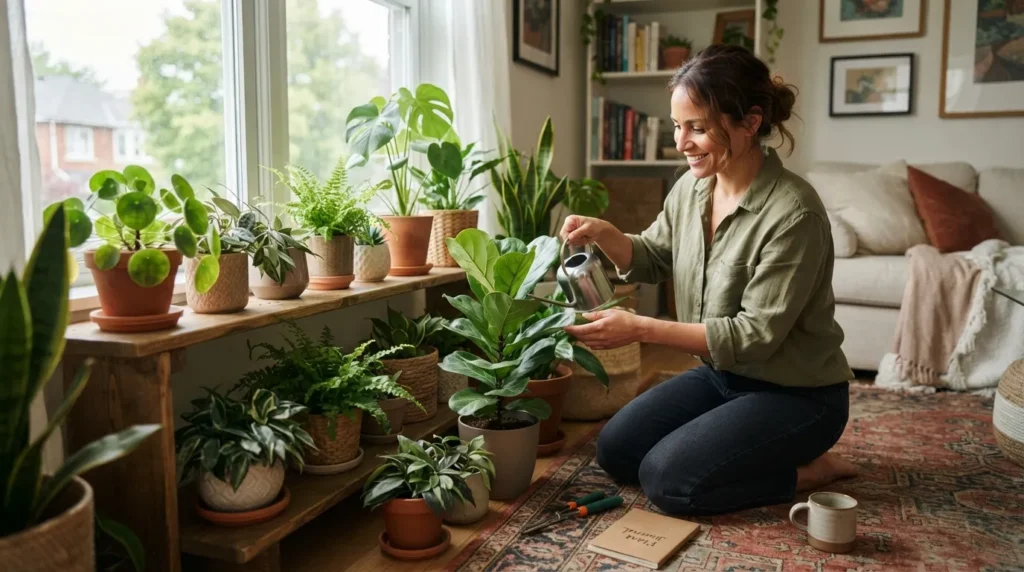
- Combine with journaling: Record your progress and feelings to enhance self-reflection.
- Share your garden: Engage with local gardening clubs or online communities.
Final Thoughts
Gardening is more than a hobby—it’s a powerful tool for mental wellness. From reducing stress to boosting mood, connecting with nature, and fostering a sense of purpose, the benefits of gardening for mental health are undeniable. Start small, stay consistent, and watch both your garden and mental well-being flourish.