Gardening for Stress Relief: Tips That Work
Gardening for stress relief is more than a relaxing hobby. It is a hands-on wellness practice that connects the body, mind, and senses. Whether you have a large backyard in the suburbs, a small patio in the city, a balcony apartment garden, or just a few indoor plants near a sunny window, gardening can help create a peaceful routine that supports emotional balance.
The beauty of gardening is that it does not require perfection. You do not need to be a professional landscaper or have expensive tools to benefit from it. Pulling weeds, watering herbs, planting flowers, pruning leaves, or simply sitting near your plants can help slow your thoughts and bring your attention back to the present moment. In a culture where stress often feels unavoidable, gardening offers something rare: quiet progress, natural beauty, and a sense of control.
This guide explores how gardening helps reduce stress, why it works, and practical gardening tips you can start using today.
Why Gardening Helps Reduce Stress
Gardening is calming because it combines gentle physical activity, fresh air, sunlight, sensory engagement, creativity, and routine. These elements work together to create a soothing experience that feels productive without being overwhelming.
When you garden, your attention shifts from abstract worries to real, physical tasks. You notice the texture of soil, the color of leaves, the smell of herbs, the warmth of sunlight, and the movement of your hands. This kind of focus can interrupt repetitive stress thoughts and help your nervous system settle.
Many people in the U.S. spend long hours indoors, often sitting at desks or looking at screens. Gardening encourages a slower rhythm. Instead of rushing through another digital task, you are working with nature’s timeline. Seeds do not sprout instantly. Flowers do not bloom on demand. Plants teach patience, and that patience can become deeply therapeutic.
Gardening also gives you visible results. After a stressful week, seeing new leaves, fresh blooms, or a growing tomato plant can create a sense of accomplishment. Even small progress can remind you that care and consistency matter. read How to Create a Healing Garden in Your Backyard.
The Mind-Body Connection in Gardening
Stress is not just mental. It affects the body too. Tight shoulders, shallow breathing, headaches, fatigue, restlessness, and poor sleep can all be connected to chronic stress. Gardening helps because it gently involves the whole body.
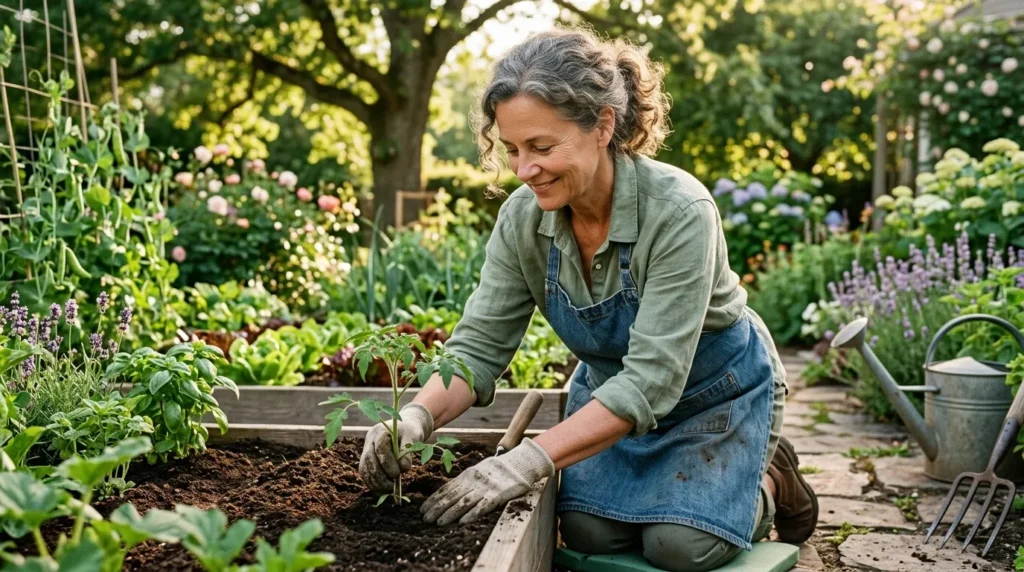
Digging, planting, watering, trimming, and carrying small pots provide light movement without the intensity of a formal workout. For people who do not enjoy gyms or structured exercise, gardening can be a more enjoyable way to stay active. It allows the body to move naturally while the mind stays engaged.
There is also a breathing benefit. Outdoor gardening often encourages deeper, slower breathing. When you step outside and begin working with plants, your pace naturally changes. You may bend, stretch, pause, observe, and breathe more fully. These small changes can help release tension.
Indoor gardening can offer similar benefits. Caring for houseplants, misting leaves, repotting, or arranging a windowsill herb garden can create a calming ritual even when outdoor space is limited.
Start Small to Avoid Garden Stress
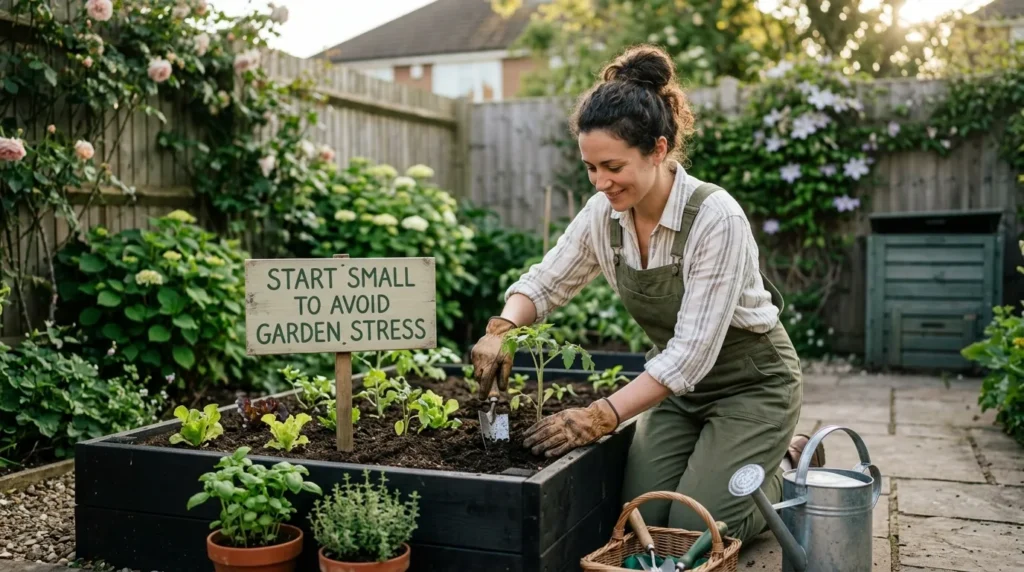
One common mistake beginners make is turning gardening into another pressure-filled project. They imagine a perfect backyard, raised beds, flower borders, vegetable rows, and magazine-worthy landscaping. Then they feel overwhelmed before they even begin.
For stress relief, the goal is not to create the most impressive garden in the neighborhood. The goal is to create a peaceful relationship with plants.
Start with one small area. It could be a container of basil, a few marigolds by the porch, a lavender plant near your walkway, or a small raised bed with lettuce and herbs. Choose something manageable enough that you can care for it without feeling burdened.
A low-stress garden is better than an ambitious garden that becomes another responsibility. As your confidence grows, you can expand gradually. Gardening should feel like a retreat, not a chore list.
Choose Plants That Match Your Lifestyle
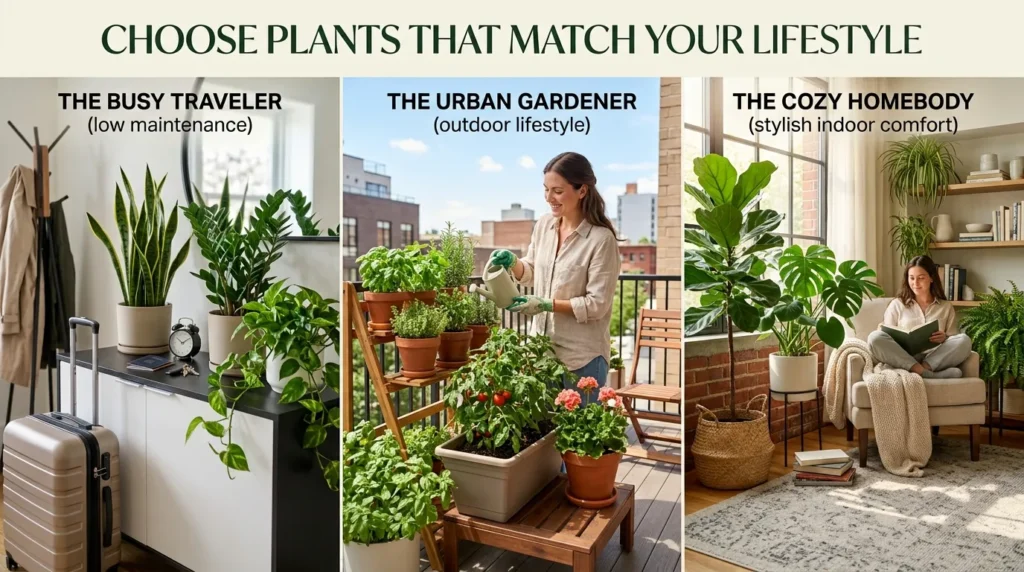
The best stress-relief garden is one that fits your actual life. If you work long hours, travel often, or live in a hot, dry region, choose hardy plants that do not require constant attention. If you love cooking, herbs may bring you the most joy. If color lifts your mood, flowering plants may be a better fit.
For many American gardeners, easy-care plants are a smart place to start. Herbs like basil, mint, rosemary, thyme, parsley, and chives are useful, fragrant, and satisfying to grow. Flowers like zinnias, marigolds, sunflowers, coneflowers, and black-eyed Susans can add cheerful color without being too demanding. Succulents and snake plants are great indoor choices for people who want low-maintenance greenery.
Native plants are also worth considering. They are often better adapted to local weather, soil, and pollinators. A garden with native flowers can attract butterflies, bees, and birds, which adds another layer of enjoyment and connection to nature.
When choosing plants, think about your local climate, sunlight, available space, and how much time you realistically want to spend gardening. The right plants will make gardening easier and more rewarding.
Create a Calming Garden Space
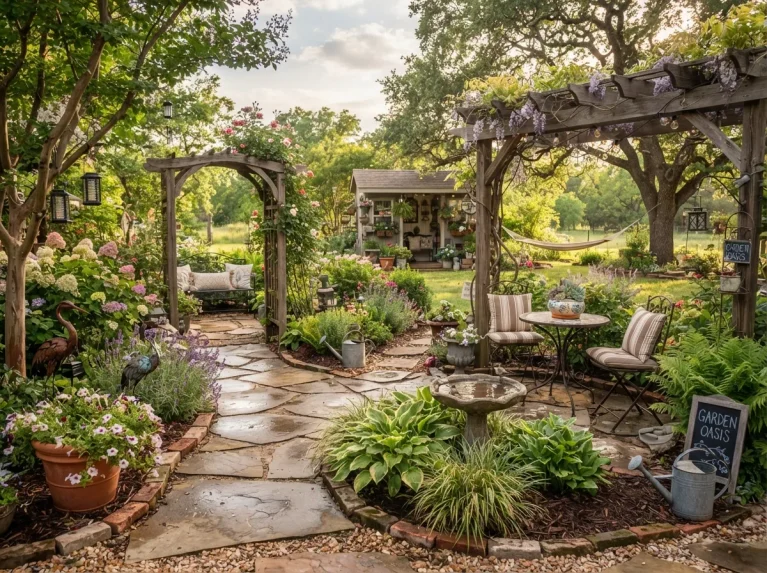
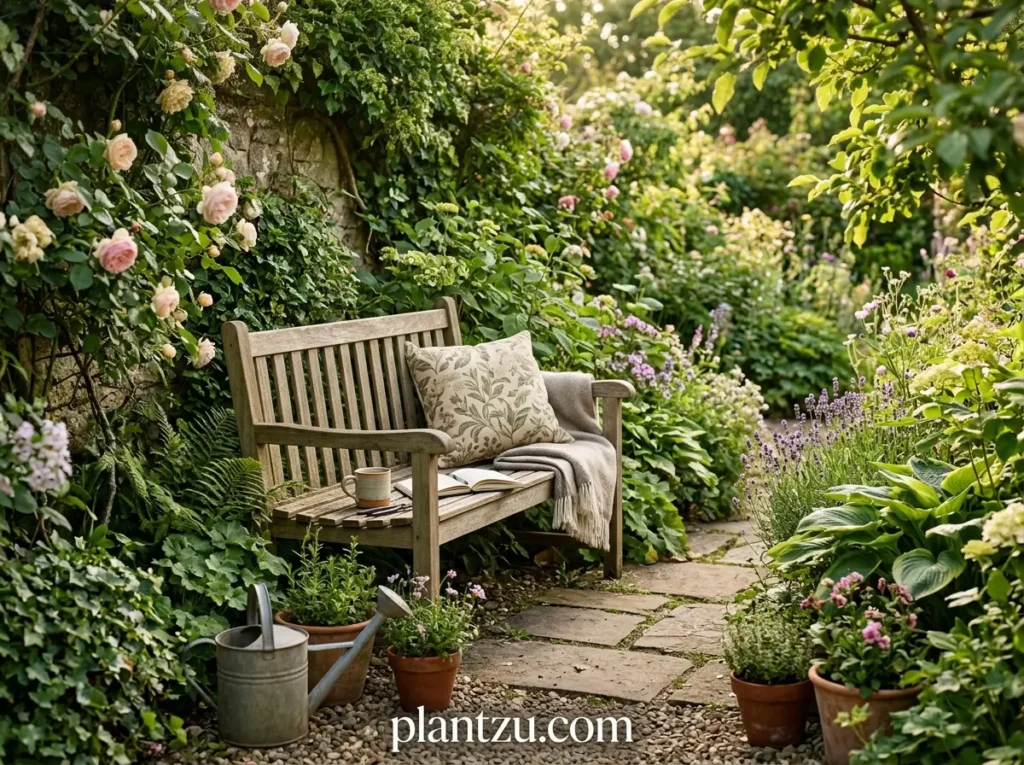
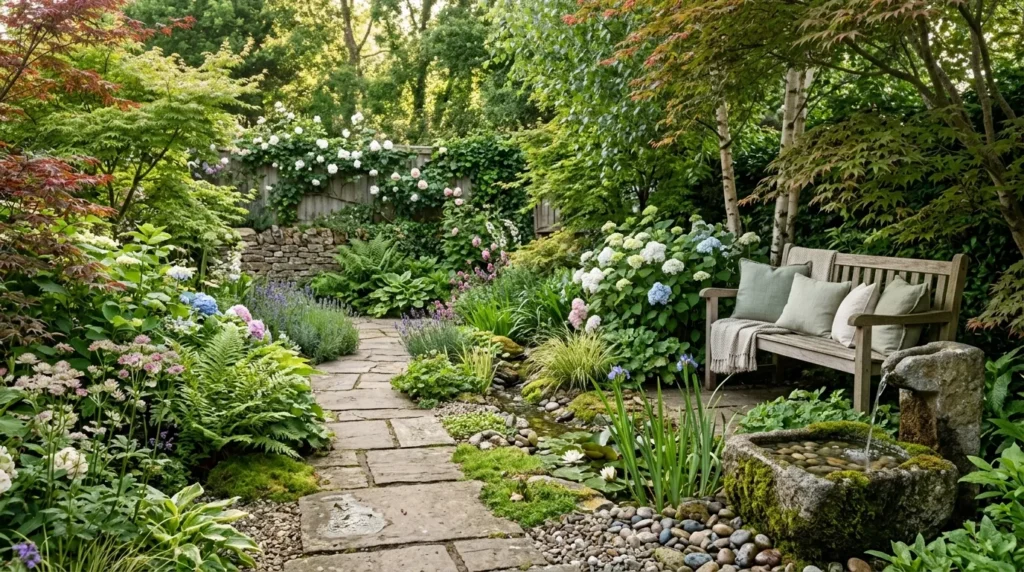
A garden does not have to be large to feel peaceful. What matters most is how the space makes you feel. A small corner with a chair, a few potted plants, and a wind chime can become a personal relaxation zone.
Try to design your garden with comfort in mind. Add a bench, outdoor cushion, stepping stones, solar lights, or a small table for coffee or tea. If you enjoy sound, consider a small fountain or plants that rustle softly in the breeze. If fragrance relaxes you, grow lavender, rosemary, jasmine, mint, lemon balm, or scented geraniums.
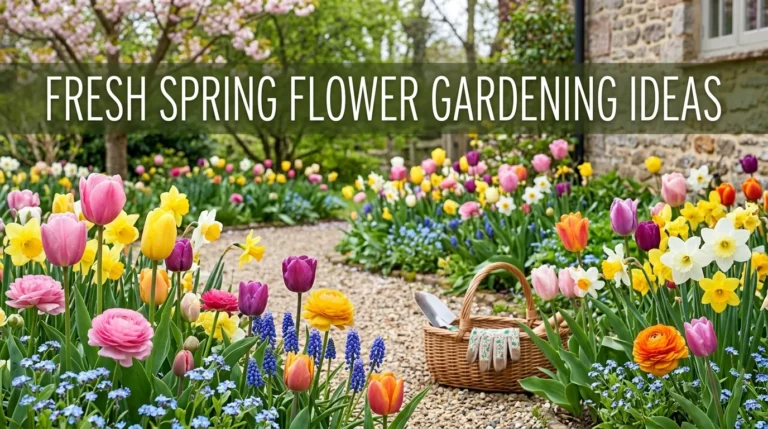
Color can also influence mood. Soft greens, whites, blues, and purples often feel calming, while yellows, oranges, and reds can feel energizing and cheerful. There is no single right choice. The best garden colors are the ones that make you want to spend time outside.
For apartment dwellers, a calming garden space may be as simple as a balcony railing planter, a vertical garden, or a sunny indoor shelf with plants. Even a small plant corner can become a visual reminder to pause and breathe.
Use Gardening as a Mindfulness Practice
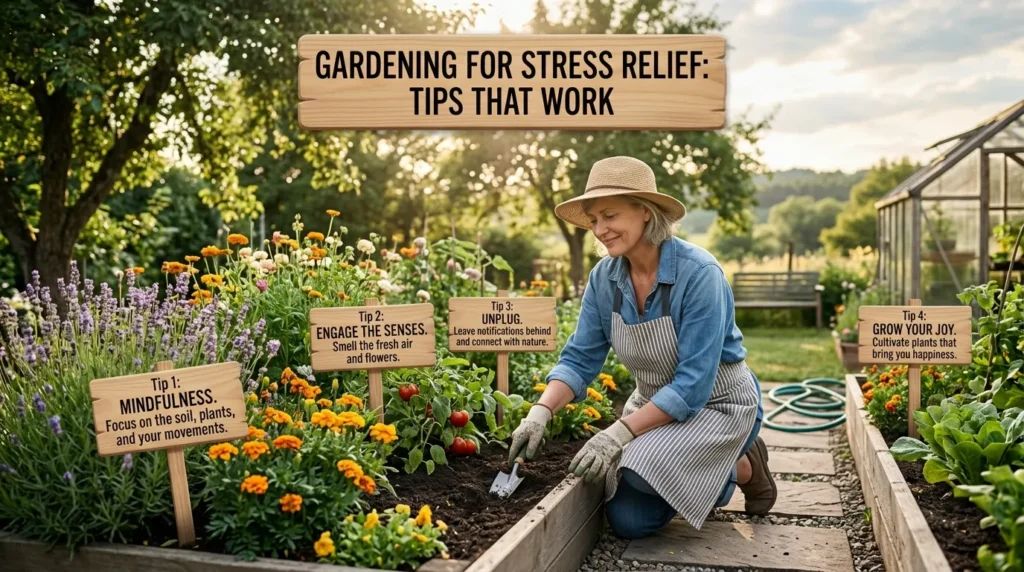
Gardening naturally supports mindfulness because it brings your attention to the present. Instead of thinking about yesterday’s problems or tomorrow’s deadlines, you focus on what is happening right now.
When watering plants, notice how the soil absorbs moisture. When pruning, observe the shape and health of each stem. When planting seeds, pay attention to the depth, texture, and spacing. These small details help anchor your mind.
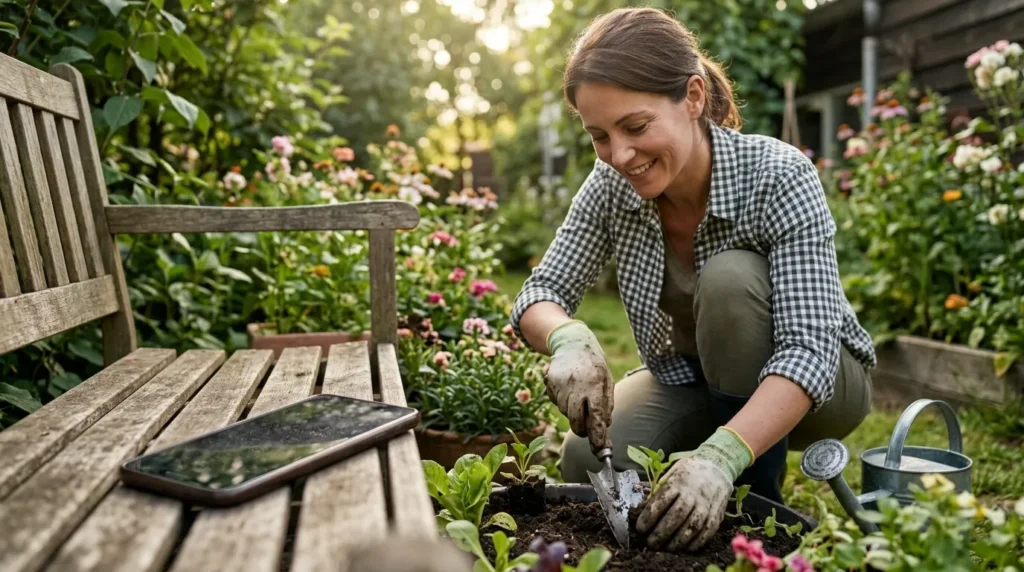
You can turn gardening into a simple mindfulness routine by slowing down intentionally. Before you begin, take a few deep breaths. Notice the temperature of the air, the sounds around you, and the feel of the soil or tools in your hands. Work at a comfortable pace. At the end, pause for a moment and look at what you cared for.
This does not have to be formal meditation. It is simply a way of being fully present while doing something meaningful.
Grow Herbs for Sensory Stress Relief
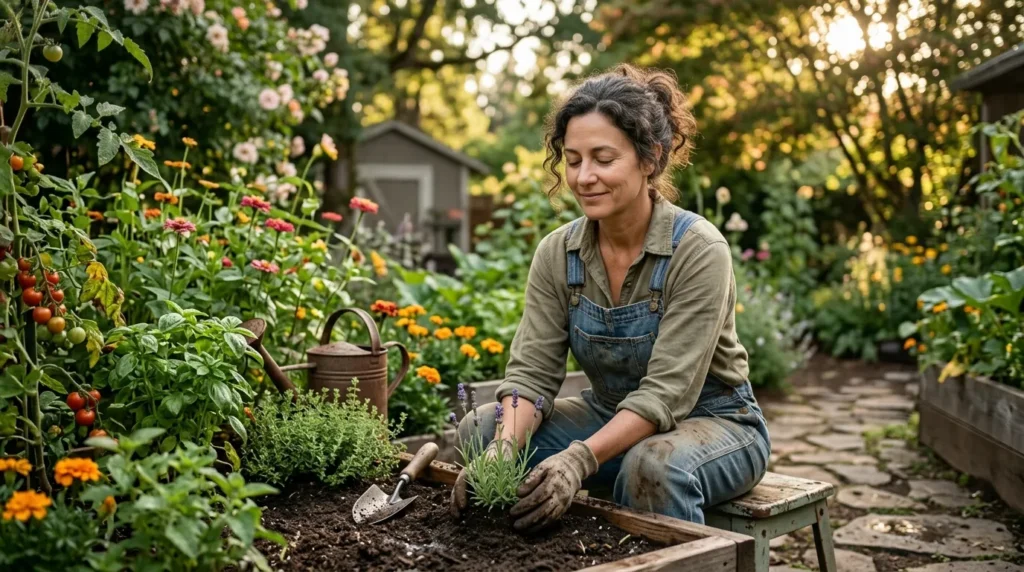
Herbs are especially helpful for stress relief because they engage multiple senses. They look beautiful, smell wonderful, feel pleasant to touch, and can be used in everyday meals and drinks.
Lavender is popular for relaxation because of its soothing fragrance. Mint feels refreshing and grows quickly, making it rewarding for beginners. Rosemary has a strong, clean scent and can be used in cooking. Basil is cheerful, aromatic, and perfect for summer dishes. Lemon balm has a bright citrus scent that many people find uplifting.
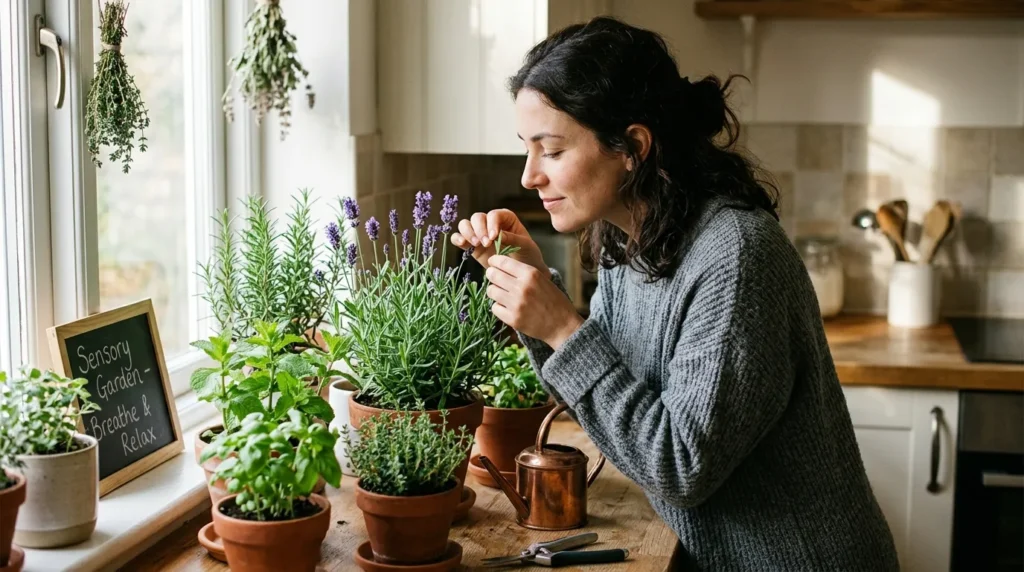
A small herb garden can fit almost anywhere. You can grow herbs in containers on a patio, in raised beds, near a kitchen window, or under a grow light indoors. Snipping fresh herbs for dinner or tea can make daily life feel more connected and intentional.
Herb gardening is also a good choice for people who want quick satisfaction. Many herbs grow fast, and regular harvesting encourages new growth. That cycle of care and reward can be very calming.
Let Gardening Become a Healthy Routine
Stress relief often comes from rhythm and repetition. A daily or weekly gardening routine gives you something steady to return to, especially when life feels unpredictable.
Your routine does not need to be complicated. You might water plants each morning before checking your phone. You might spend ten minutes after work pulling weeds or inspecting leaves. You might make Sunday afternoon your quiet gardening time.
The key is consistency without pressure. Some days, you may only water one plant. Other days, you may spend an hour planting, pruning, and rearranging pots. Both count.
A garden routine can also help create healthier boundaries. Instead of moving straight from work emails to household tasks, gardening gives you a transition. It helps signal to your mind and body that it is time to slow down.
Enjoy the Benefits of Sunlight and Fresh Air
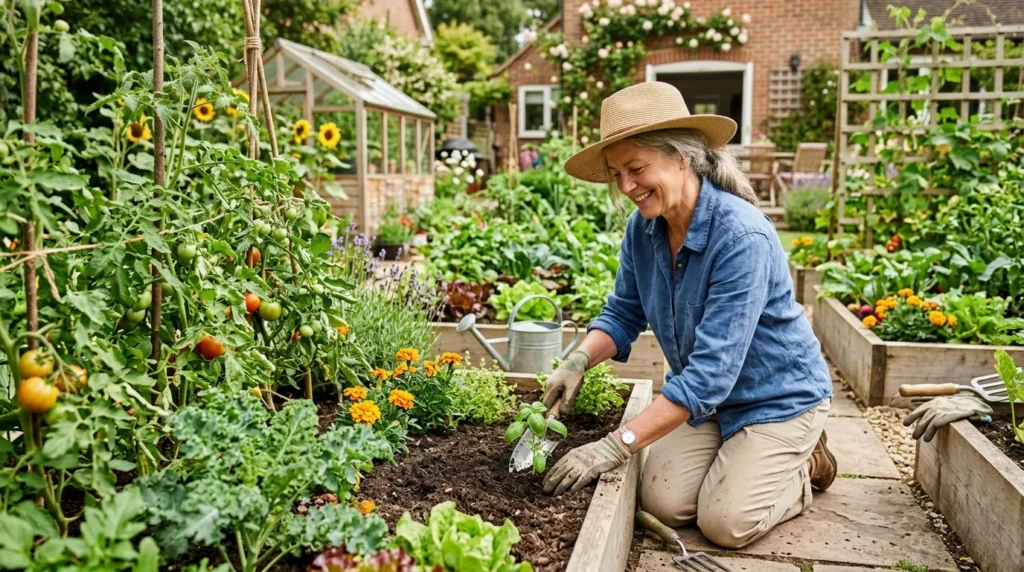
Outdoor gardening offers two natural stress-supporting elements: sunlight and fresh air. Many people in the United States spend much of the day inside offices, cars, stores, or homes. Stepping outside to garden can break that indoor cycle.
Sunlight can help support a healthier daily rhythm, especially when you garden in the morning. Fresh air and natural surroundings can also make the body feel more awake and relaxed.
Of course, it is important to garden safely. Wear sunscreen, use a hat when needed, stay hydrated, and avoid working during extreme heat. In many parts of the U.S., summer afternoons can be too hot for comfortable gardening, so morning or evening may be better.
Even a short outdoor gardening session can be refreshing. Ten minutes of watering plants, checking flowers, or harvesting herbs can change the mood of your day.

Try Container Gardening for Easy Stress Relief
Container gardening is one of the easiest ways to start gardening for stress relief. It works well for renters, apartment residents, beginners, and anyone who wants a manageable garden.
Containers give you control over soil, location, and plant choice. You can move pots to catch more sun or protect plants from harsh weather. You can start with one container and add more when you feel ready.
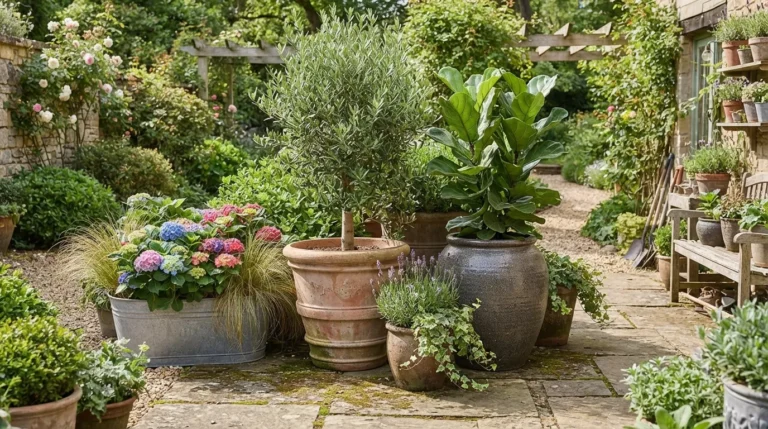
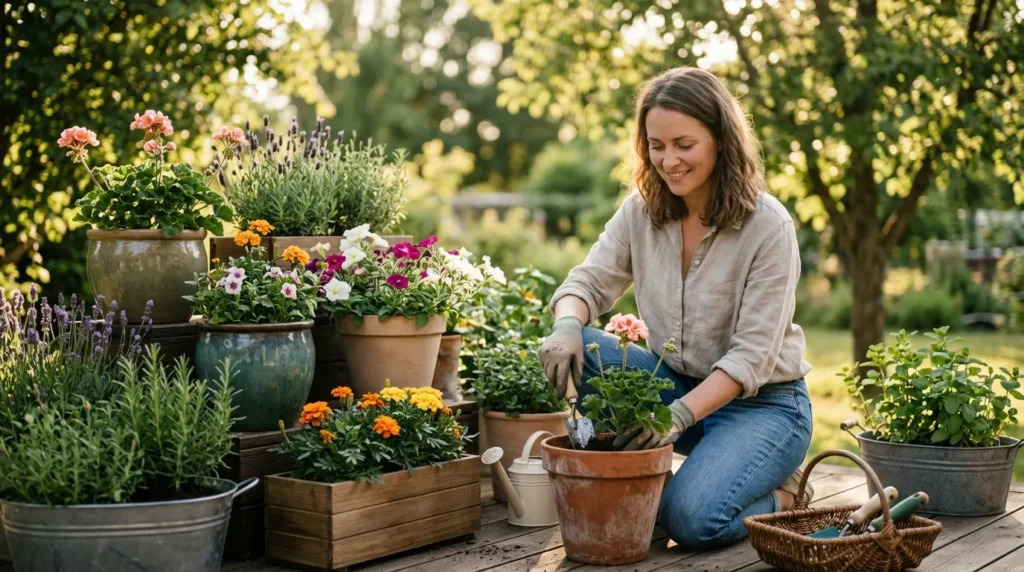
Good container options include herbs, lettuce, cherry tomatoes, peppers, strawberries, petunias, geraniums, succulents, and compact flowers. Make sure containers have drainage holes, because most plants do not like sitting in soggy soil.
Container gardening also reduces the physical demands of traditional gardening. Raised containers or tabletop planters can be easier on the back and knees. This makes gardening more accessible for older adults or people who want a gentler experience.
Make Weeding and Pruning Relaxing
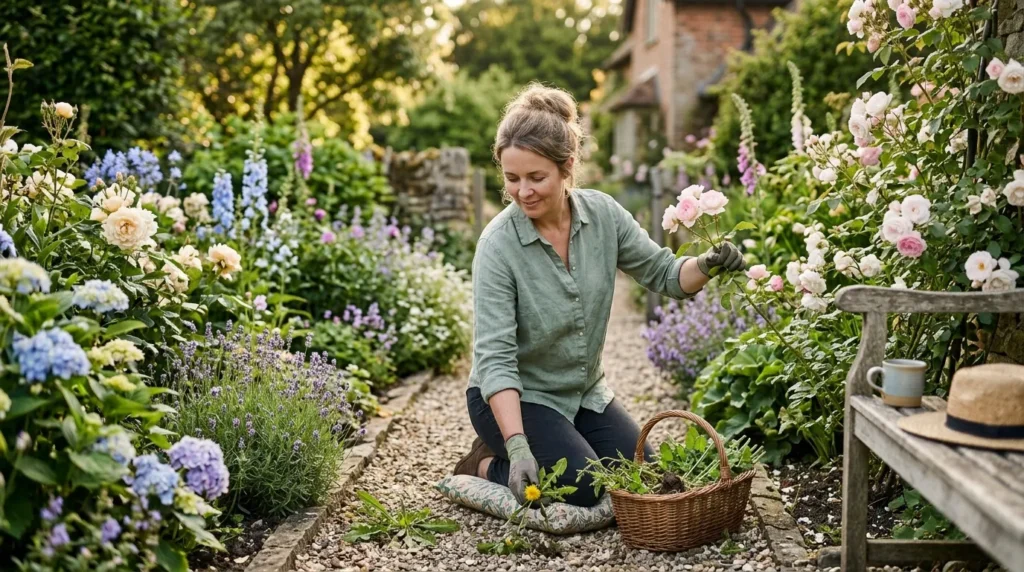
Many people think of weeding as a boring chore, but it can actually be one of the most calming garden tasks. It is repetitive, simple, and satisfying. You remove what does not belong, clear space, and instantly see improvement.
Pruning can feel similar. Trimming dead leaves, shaping plants, and removing spent flowers helps the garden look healthier. It also gives you a quiet sense of order.
These tasks can become symbolic. Just as you remove weeds from a garden, you may feel like you are clearing mental clutter. Just as you prune old growth, you may feel reminded that letting go can support new growth.
To make these tasks more enjoyable, use comfortable gloves, choose a cooler time of day, and work in short sessions. There is no need to finish everything at once. Stress-relief gardening is about the process as much as the result.
Grow Something You Can Eat
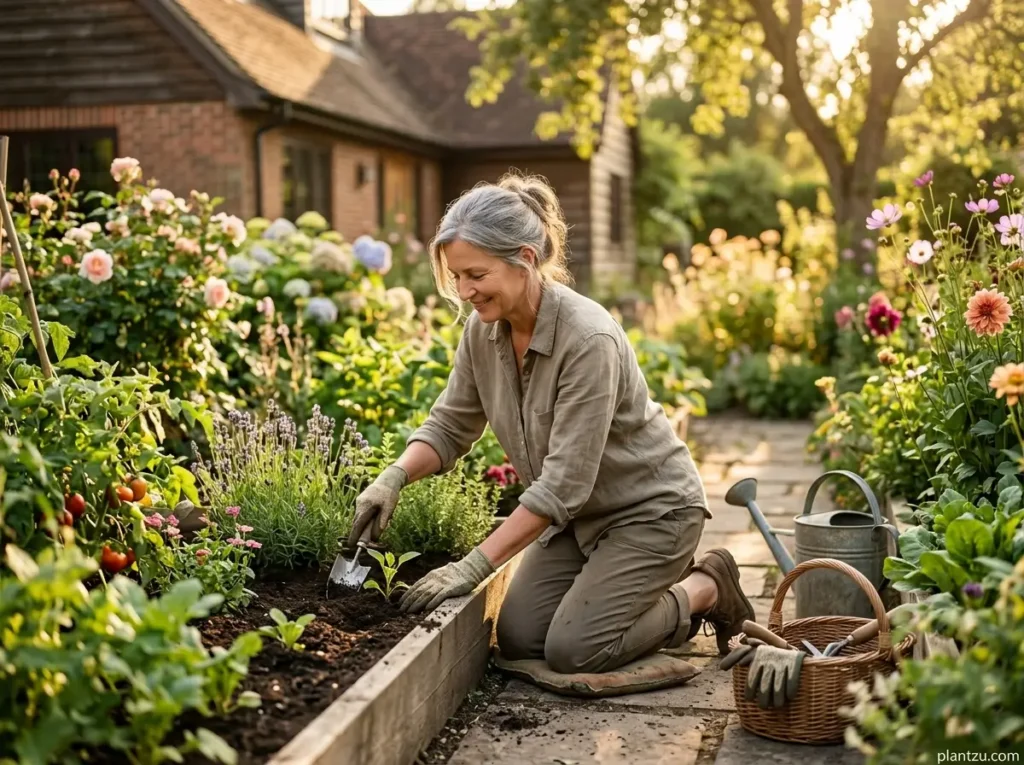
Edible gardening can be especially rewarding because it connects your effort directly to nourishment. Growing food, even in small amounts, creates a powerful sense of satisfaction.
You do not need a full vegetable garden to enjoy this benefit. A pot of cherry tomatoes, a container of lettuce, a few strawberry plants, or a windowsill herb garden can be enough. Harvesting something you grew yourself can make an ordinary meal feel special.
For beginners, herbs and leafy greens are often easier than larger crops. Lettuce, spinach, arugula, basil, parsley, and green onions can grow in small spaces and provide quick results. Cherry tomatoes are also popular because they are productive and fun to pick.
Edible gardening encourages patience, care, and appreciation. It reminds you that food comes from living systems, not just grocery store shelves. That awareness can be grounding in a busy, convenience-driven world.
Invite Birds, Bees, and Butterflies
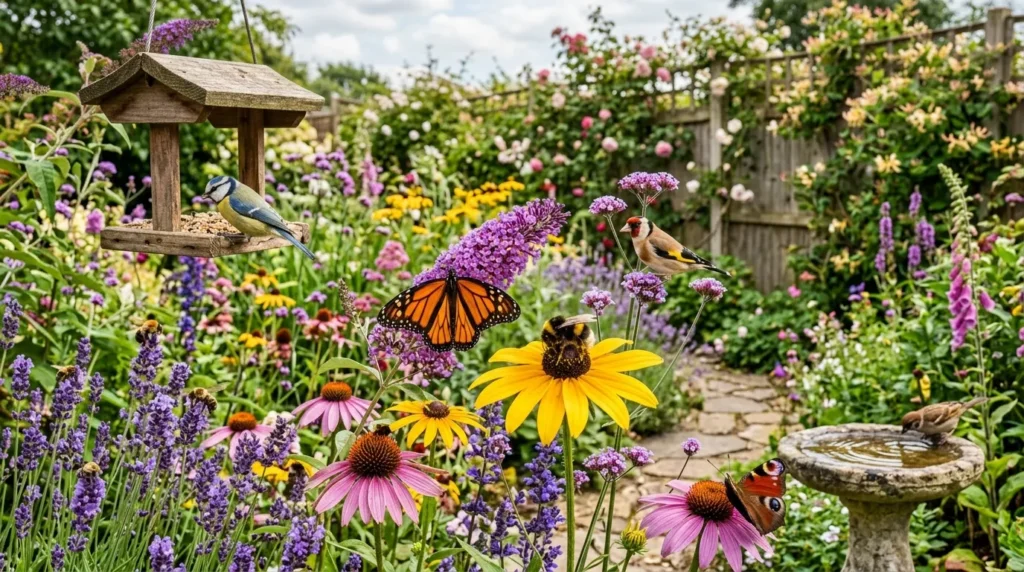
A stress-relief garden becomes even more enjoyable when it attracts wildlife. Birds, butterflies, bees, and other pollinators bring movement and life to your outdoor space.
You can encourage pollinators by planting flowers that provide nectar and pollen. Native plants are especially useful because local wildlife often recognizes and depends on them. Coneflowers, milkweed, bee balm, asters, goldenrod, salvia, and black-eyed Susans are popular pollinator-friendly choices in many regions.
Birds may be attracted by shrubs, seed-producing flowers, birdbaths, or feeders. Watching birds move through the garden can be peaceful and entertaining.
A wildlife-friendly garden helps you feel connected to something bigger than yourself. Instead of focusing only on your own stress, you become part of a small ecosystem. That shift in attention can be deeply refreshing.
Use Gardening to Reduce Screen Time
Digital stress is a real challenge for many Americans. Phones, emails, social media, news alerts, and work messages can keep the brain in a constant state of stimulation. Gardening offers a natural break from screens.
When your hands are in soil, it is harder to scroll. When you are watering plants, you are less likely to refresh your inbox. Gardening gives your attention a healthier place to land.
Try creating a simple rule: no phone during gardening time. Even ten or fifteen minutes without notifications can feel surprisingly restorative. Use that time to observe, breathe, and enjoy the physical world.
This screen-free habit can be especially helpful in the evening. Instead of ending the day with more scrolling, you can water plants, check your garden, or sit outside for a few quiet minutes. Over time, this may help create a calmer bedtime routine.
Garden With Family or Friends
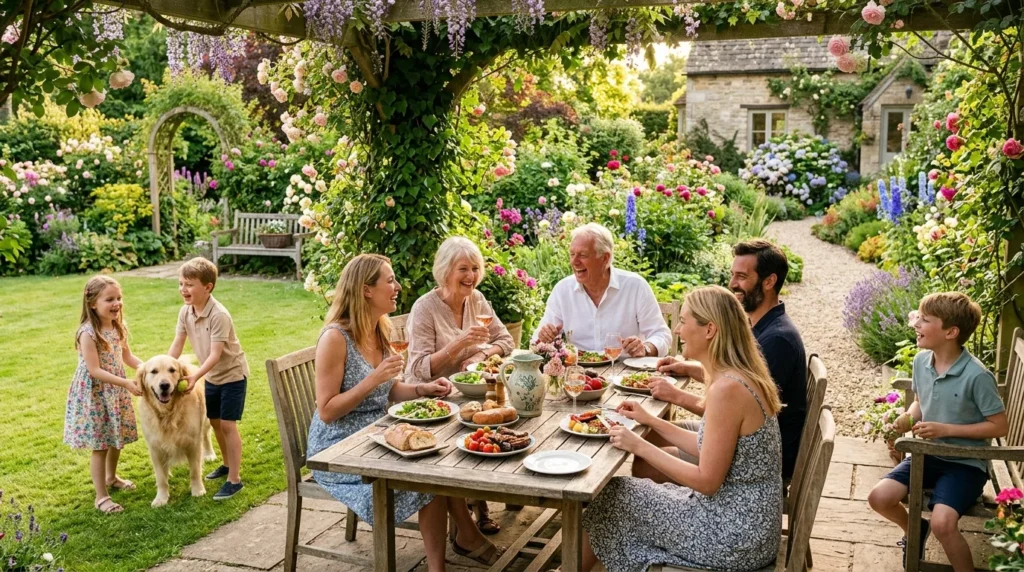
Gardening can be peaceful when done alone, but it can also be a meaningful social activity. Many families in the U.S. use gardening as a way to spend more time together outdoors. Children often enjoy planting seeds, watering flowers, picking tomatoes, or watching butterflies.
Gardening with others can reduce stress by creating connection. Instead of sitting indoors separately on devices, family members can work together on something living and beautiful. It encourages conversation, teamwork, and shared accomplishment.
Community gardens are another great option, especially for people who do not have yards. These shared spaces allow neighbors to grow food and flowers while building local relationships. For people who feel isolated, a community garden can offer both nature and social support.
Even giving someone a cutting, extra herbs, or homegrown vegetables can create a small moment of generosity and connection.
Accept Imperfection in the Garden
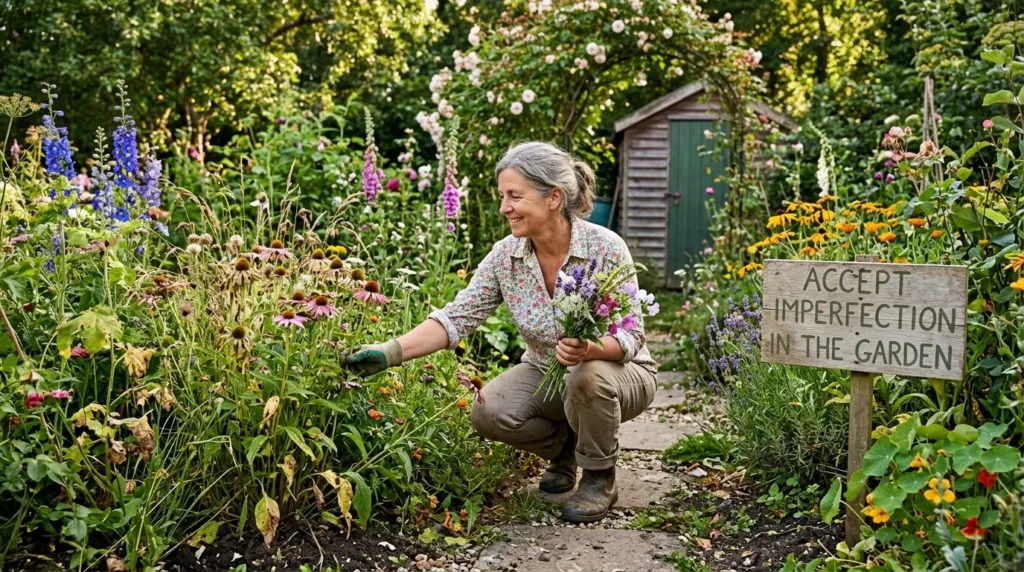
One of the most important stress-relief gardening tips is to accept imperfection. Plants sometimes die. Leaves turn yellow. Bugs appear. Seeds fail to sprout. Weather changes plans. This is all part of gardening.
A garden is not a showroom. It is a living space. When you accept that, gardening becomes much less stressful and much more meaningful.
Perfectionism often increases anxiety. Gardening gently challenges that mindset. It teaches flexibility, observation, and resilience. If one plant fails, you try another. If weeds grow, you remove them. If a storm damages flowers, new growth may still appear.
This mindset can carry into daily life. Gardening reminds us that growth is not always neat, fast, or predictable. Sometimes progress is slow. Sometimes rest is necessary. Sometimes starting over is part of the process.
Create Seasonal Garden Rituals
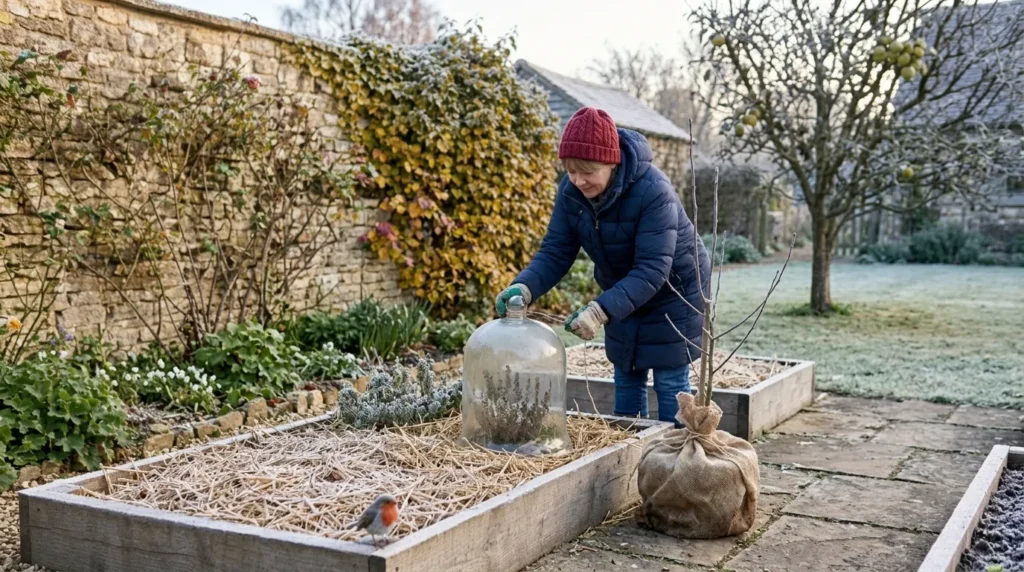
One reason gardening stays interesting is that it changes with the seasons. Spring brings planting and fresh growth. Summer brings color, harvests, and maintenance. Fall brings cleanup, seed saving, mums, pumpkins, and cooler days. Winter brings planning, indoor plants, and rest.
Seasonal gardening rituals can help you feel more connected to time in a healthy way. Instead of measuring the year only by work deadlines, bills, or holidays, you begin to notice natural cycles.
In spring, you might plant herbs or flowers. In summer, you might harvest tomatoes or enjoy evening watering. In fall, you might plant bulbs for next year. In winter, you might care for houseplants or plan your next garden.
These rituals give each season something to look forward to. They also remind you that change is normal and renewal is always possible.
Make Indoor Gardening Part of Your Wellness Routine
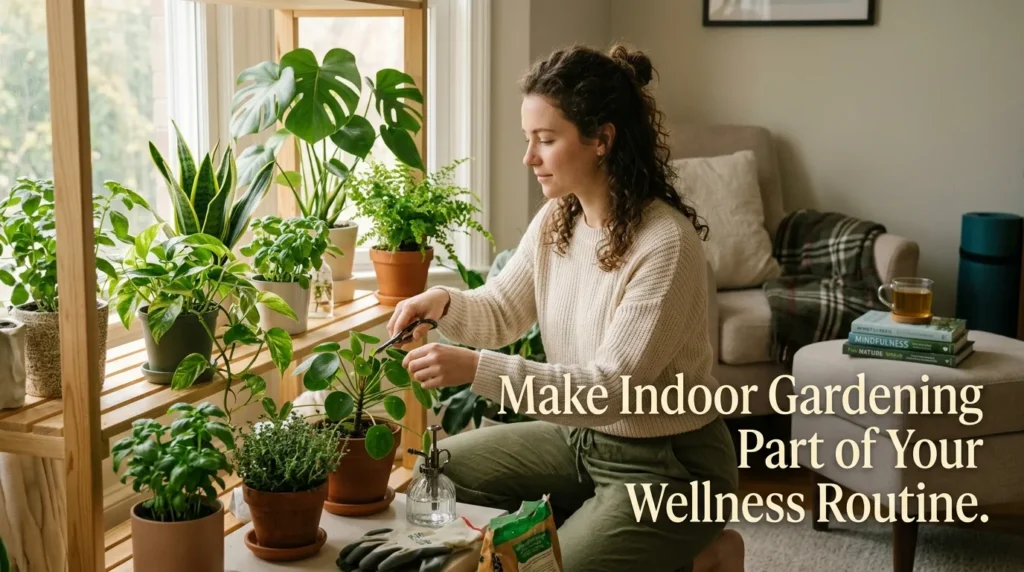
Outdoor gardening is wonderful, but indoor gardening can be just as valuable for stress relief. Houseplants bring greenery into spaces where people spend most of their time. A few plants in a bedroom, office, kitchen, or living room can make a home feel warmer and more peaceful.
Popular low-maintenance houseplants include pothos, snake plant, ZZ plant, peace lily, spider plant, philodendron, and succulents. These plants are widely available and generally easy to care for.
Indoor gardening is especially useful during winter or in areas where outdoor gardening is limited. Caring for houseplants can become a calming daily ritual. You can check soil moisture, rotate pots, wipe leaves, mist plants, or simply enjoy their presence.
For people working from home, plants can soften the workspace and create a more relaxing environment. A small desk plant can serve as a reminder to pause, stretch, and breathe.
Use Gardening as a Creative Outlet
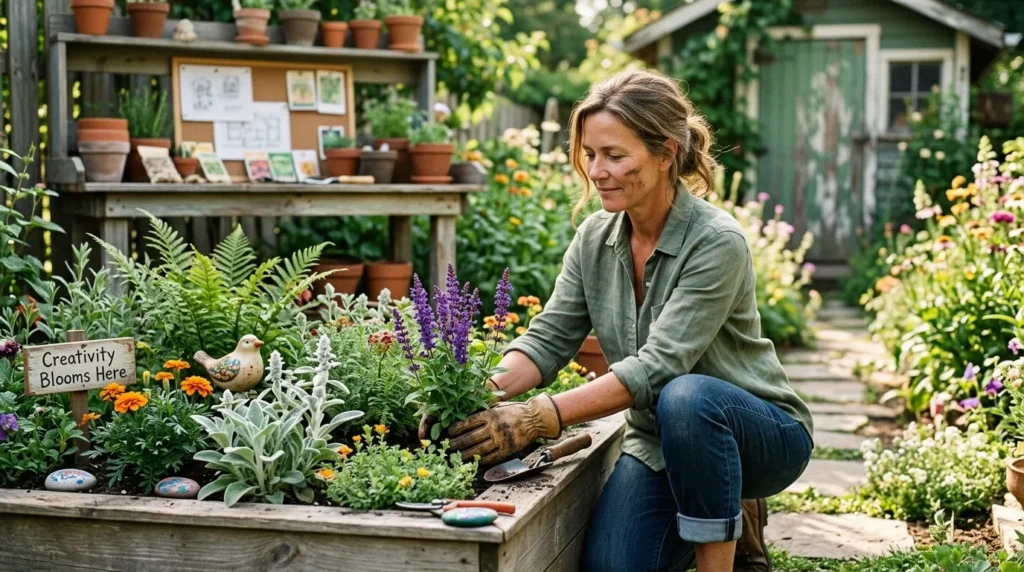
Stress often builds when life feels repetitive or overly controlled. Gardening offers creativity without requiring artistic skill. You get to choose colors, textures, containers, layouts, plant combinations, and garden decorations.
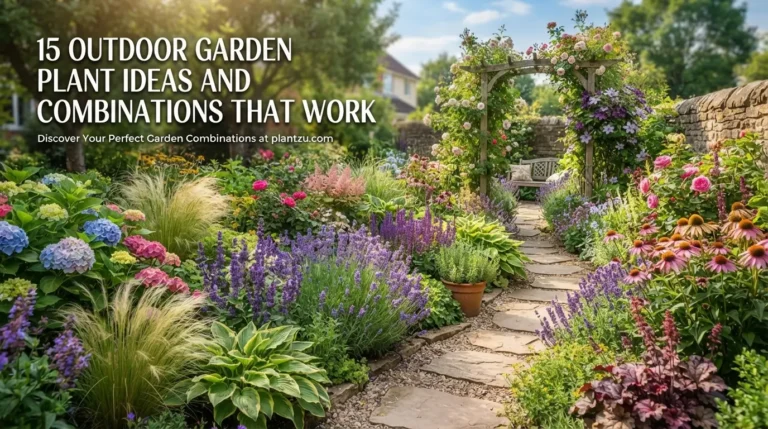
You can design a cottage-style flower bed, a clean modern patio garden, a rustic herb corner, a pollinator patch, or a peaceful green indoor space. You can paint pots, arrange stones, build a small trellis, or create a themed garden.
Creative gardening helps the mind shift from problem-solving to possibility. It allows you to make choices based on beauty, comfort, and joy. That kind of creative freedom can be refreshing, especially for people whose daily responsibilities feel rigid.
The best part is that gardens are always evolving. You can rearrange, experiment, and learn as you go.
Keep Gardening Comfortable and Safe
Gardening should support your well-being, not leave you exhausted or sore. Comfort matters, especially if you are gardening for stress relief.
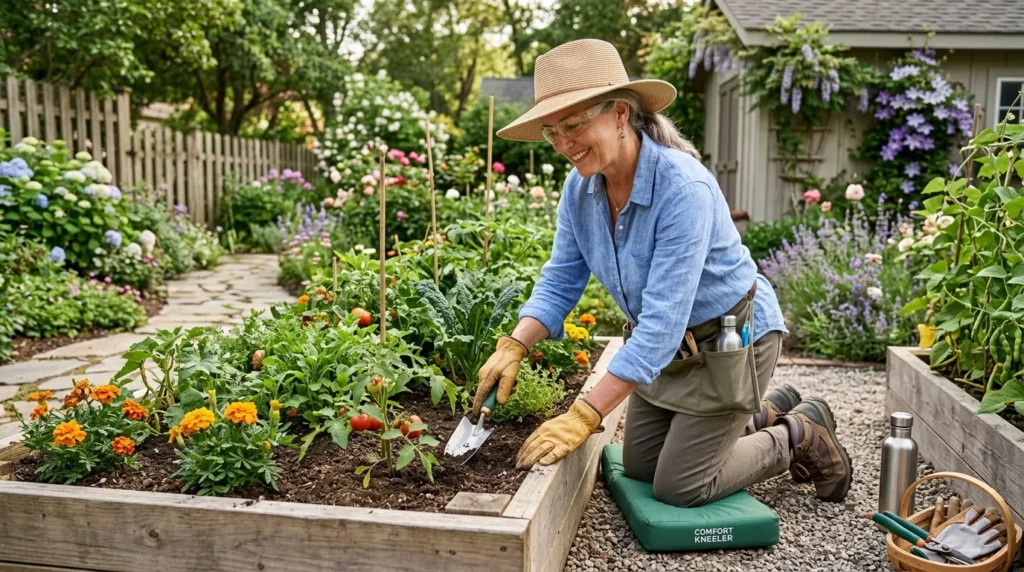
Use tools that feel good in your hands. Wear gloves to protect your skin. Use knee pads or a garden stool if bending is uncomfortable. Take breaks, drink water, and avoid lifting heavy bags or pots without help.
In hot areas of the U.S., summer heat can be intense. Garden early in the morning or later in the evening when temperatures are more comfortable. In colder seasons, dress in layers and avoid icy or unsafe conditions.
Pay attention to your body. A short, enjoyable gardening session is better than pushing too hard and turning the activity into stress.
Turn Garden Time Into a Personal Reset
One of the simplest ways to use gardening for stress relief is to treat it as a personal reset. When you feel overwhelmed, step outside or walk over to your plants. Do one small task. Water a pot. Remove a dead leaf. Smell an herb. Check for new growth.
This small action can interrupt stress and help you regain a sense of calm. It gives your mind a break and your body something gentle to do.
You might even create a short garden reset routine. Begin with three slow breaths. Notice one thing you can see, one thing you can smell, and one thing you can touch. Complete one small garden task. End by appreciating one sign of growth.
This kind of routine is simple, but it can be powerful when practiced regularly.
Best Plants for a Stress-Relief Garden
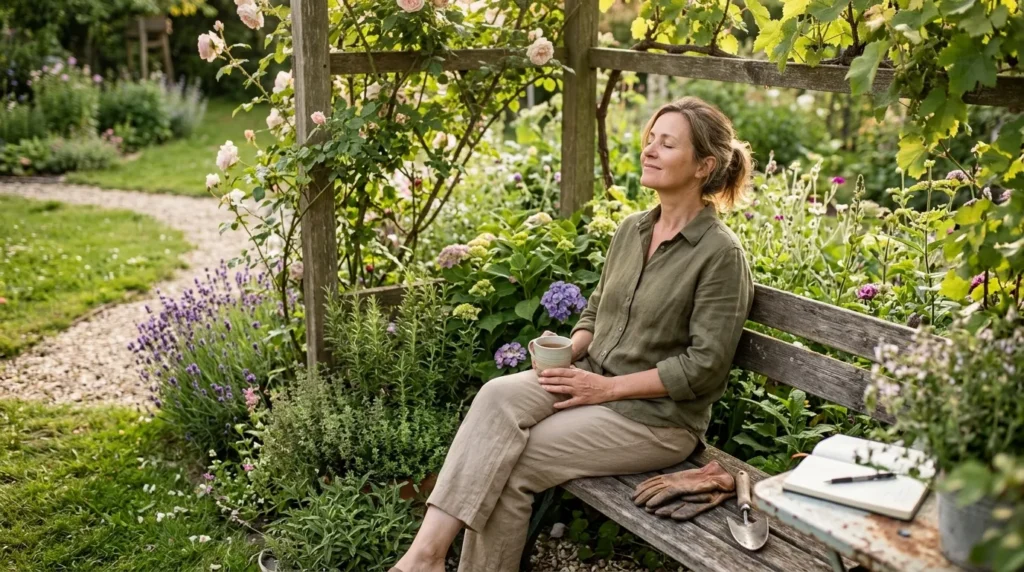
While any plant you enjoy can support relaxation, some plants are especially popular for calming gardens. Lavender is loved for its fragrance and soft purple flowers. Chamomile is gentle and cheerful. Mint is refreshing and easy to grow. Rosemary is aromatic and useful in cooking. Jasmine adds beautiful scent where climate allows.
For color, zinnias, marigolds, sunflowers, cosmos, and coneflowers can brighten your space. For indoor calm, pothos, snake plant, peace lily, and ZZ plant are dependable choices.
The best plant is not always the trendiest one. It is the plant you will enjoy caring for. Choose plants that make you smile, fit your schedule, and grow well in your environment.
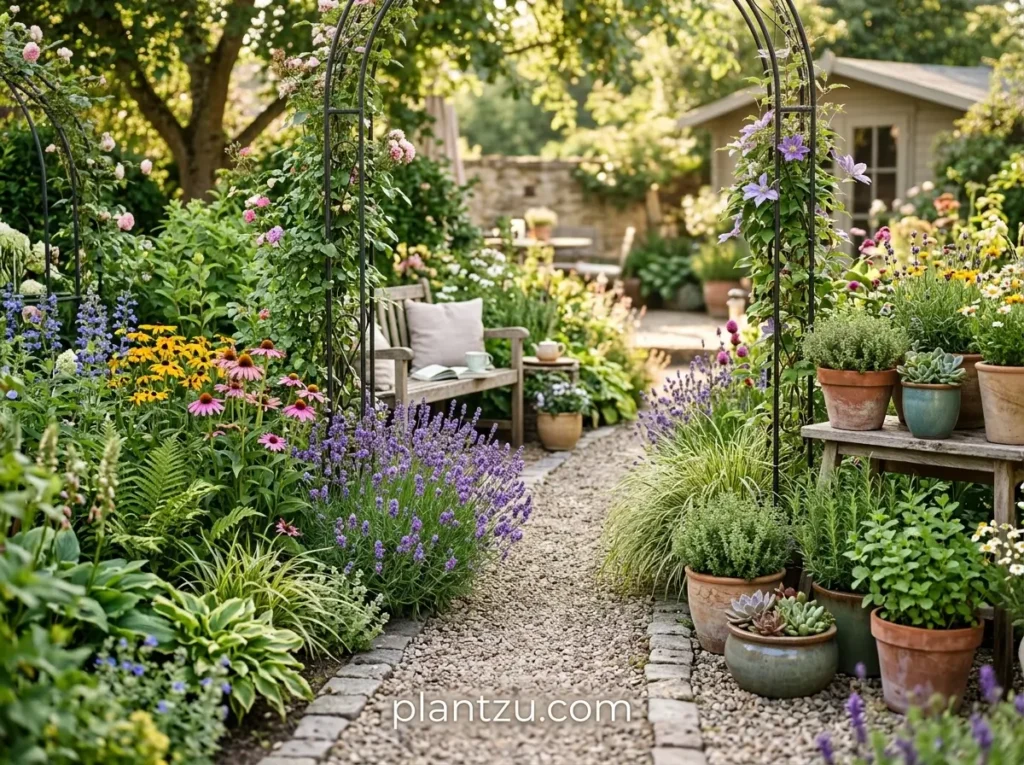
How to Start Gardening for Stress Relief This Week
You do not need to wait for the perfect season, house, yard, or budget. You can begin with a small step this week.
Buy one easy-care plant. Repot an old houseplant. Plant herbs in a container. Clear a small garden corner. Add flowers near your front door. Spend ten minutes watering and observing plants without checking your phone.
The first step matters because it changes your relationship with stress. Instead of only thinking about feeling better, you are doing something physical, natural, and restorative.
Start where you are. Use the space you have. Let gardening grow slowly into your life.
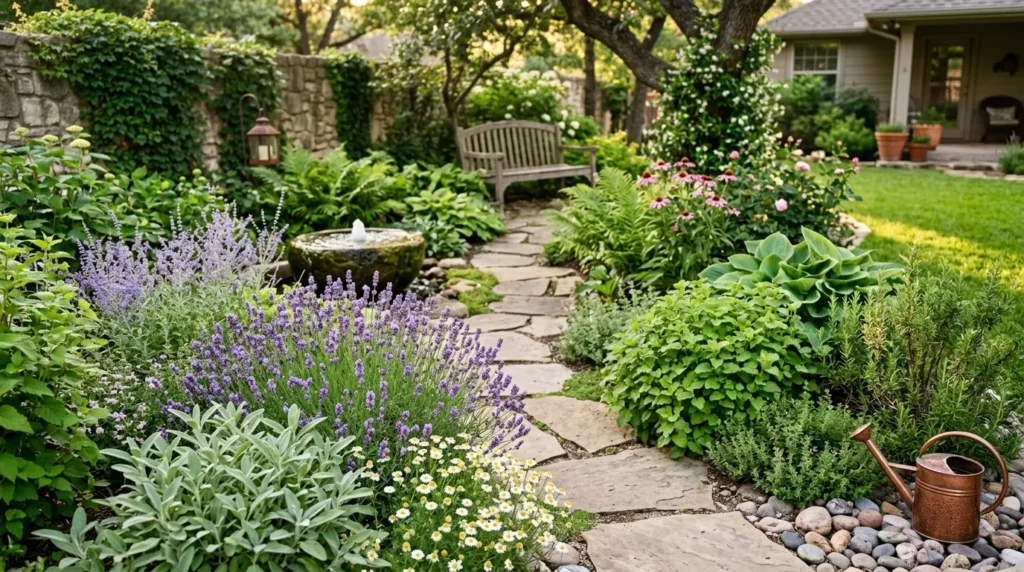
Final Thoughts: Let Your Garden Help You Breathe
Gardening for stress relief works because it brings people back to simple, grounding experiences. Soil, water, sunlight, leaves, flowers, fresh herbs, and seasonal growth all remind us to slow down. In a busy American lifestyle filled with screens and pressure, gardening creates a peaceful place to reconnect with the present.
You do not need a perfect garden to feel the benefits. You only need a willingness to care for something living and give yourself a few quiet moments in the process. Whether you grow vegetables in raised beds, flowers on a patio, herbs in containers, or houseplants by a window, gardening can become a practical and enjoyable way to manage stress.
The garden does not ask you to rush. It does not demand perfection. It simply invites you to show up, pay attention, and nurture growth one small step at a time. And sometimes, that is exactly what the mind needs most.