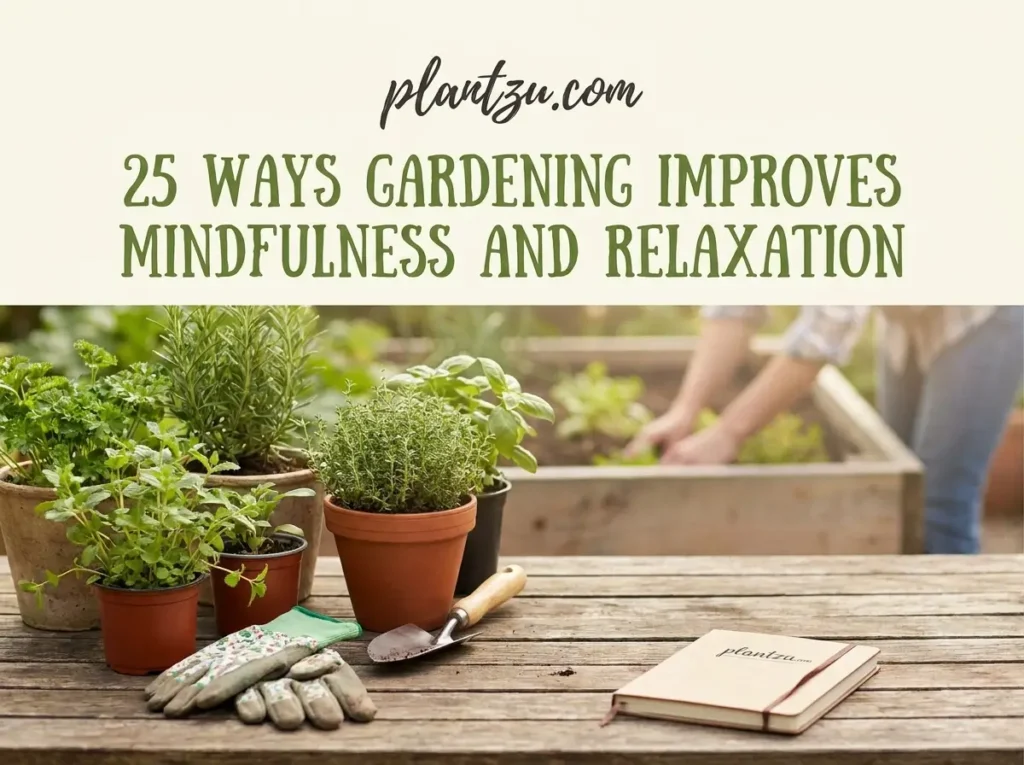
25 Ways Gardening Improves Mindfulness and Relaxation
25 Ways Gardening Improves In today’s fast-paced society, finding effective ways to reduce stress and cultivate mindfulness is essential. For many Americans, gardening has emerged as a natural and accessible solution. Far more than just a hobby or outdoor chore, gardening offers numerous mental, emotional, and physical benefits that support mindfulness and relaxation.
Each interaction with soil, plants, and nature encourages presence, focus, and calm, making gardening a practical form of therapy and self-care. Here are 25 ways that gardening improves mindfulness and relaxation, highlighting how cultivating a garden can nourish both the mind and body.
25 Ways Gardening Improves
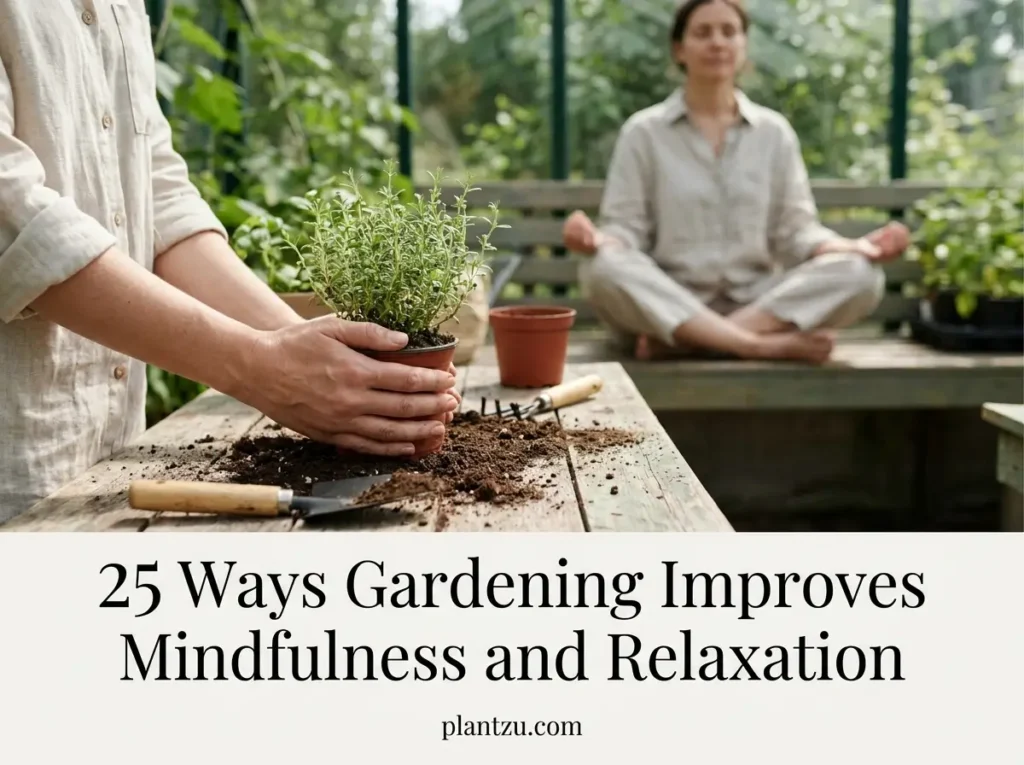
1. Connecting Directly With Nature
Spending time in a garden creates a direct connection with the natural world. Exposure to sunlight, fresh air, and greenery has been shown to lower stress levels, improve mood, and enhance mental clarity. Nature provides a calming environment that fosters presence and reduces mental clutter, making it easier to focus on the task at hand. 10 Indoor Gardening Hacks.
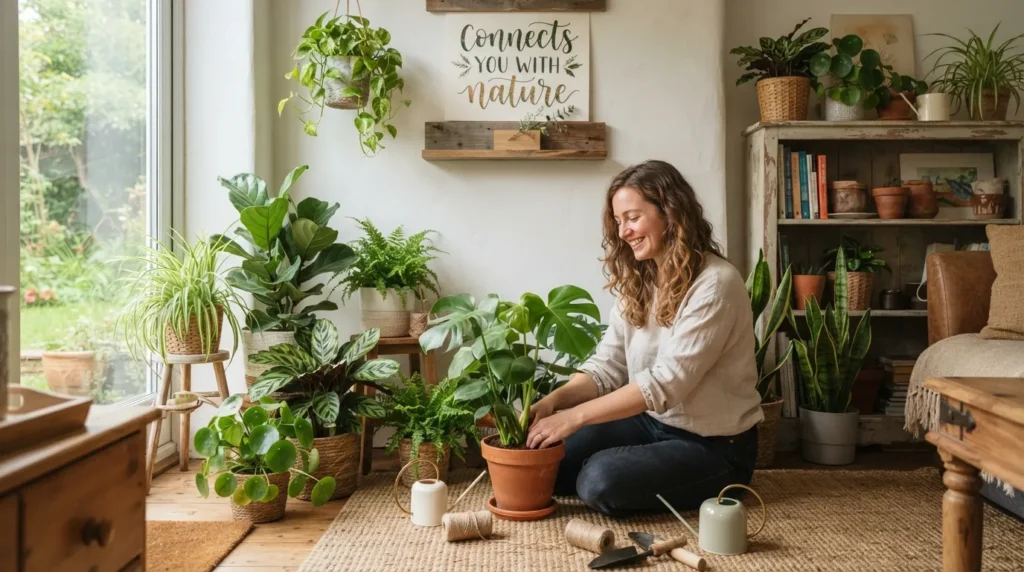
2. Encouraging Mindful Observation
Gardening requires careful observation of plant growth, soil conditions, and weather changes. Paying attention to these details fosters mindfulness, as individuals focus on small, immediate tasks rather than worries about the past or future. Observing seasonal changes also creates a natural rhythm that enhances awareness and patience.

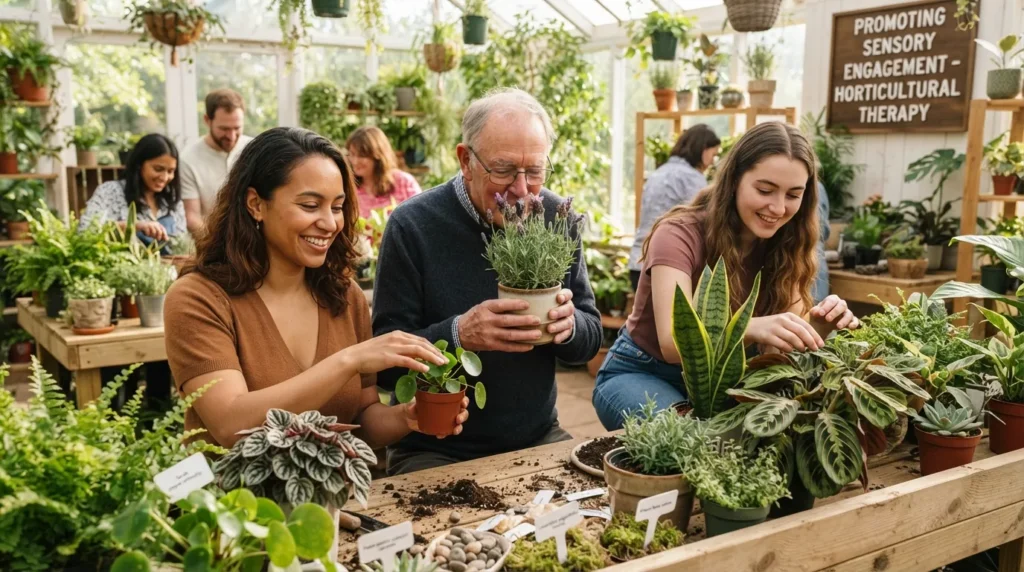
3. Promoting Sensory Engagement
Gardening stimulates all five senses. Feeling the texture of soil, smelling flowers, hearing rustling leaves, seeing vibrant colors, and tasting homegrown produce fully engage the senses. This multisensory experience helps anchor the mind in the present, reducing stress and increasing awareness.
4. Encouraging Patience
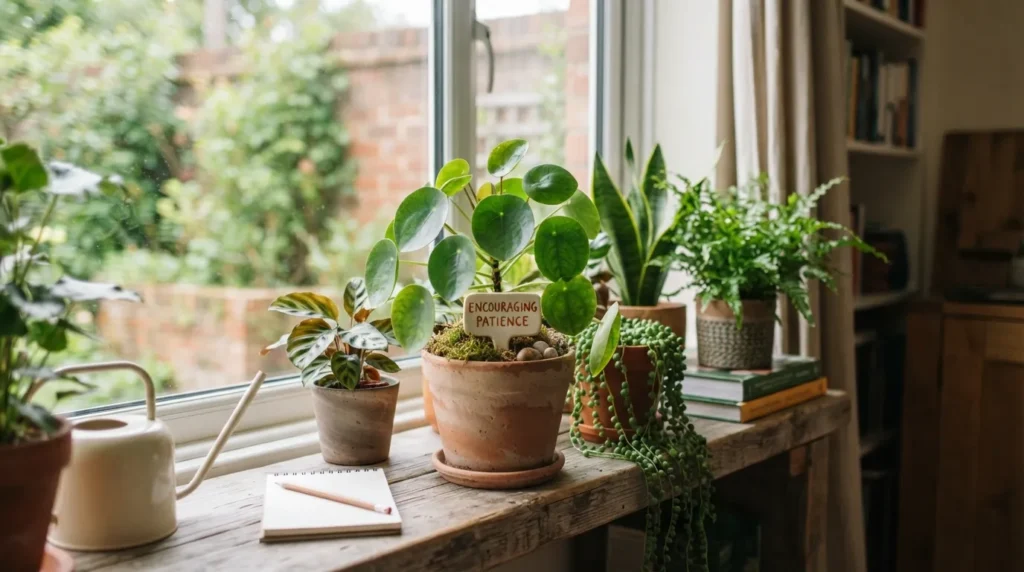
Growing plants requires time and care. Gardening teaches patience as individuals wait for seeds to germinate, flowers to bloom, or vegetables to ripen. This process mirrors mindfulness practices by reinforcing acceptance of the present moment and natural growth cycles.
5. Reducing Stress and Anxiety
Tending to a garden naturally reduces stress and anxiety. Physical activity, exposure to sunlight, and the act of nurturing living organisms trigger the release of endorphins, serotonin, and dopamine, hormones that promote relaxation and elevate mood.
6. Supporting Emotional Regulation
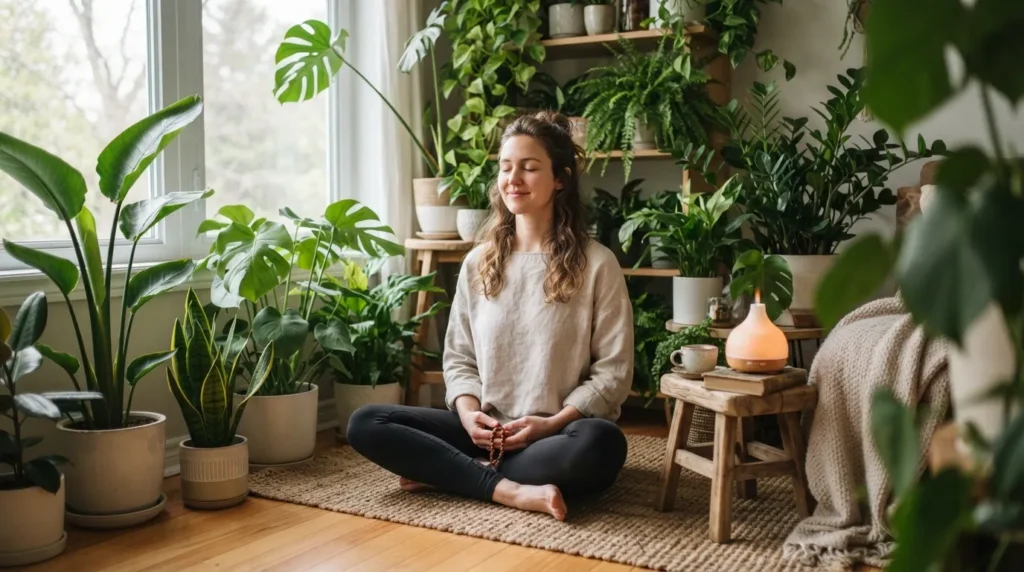
Gardening provides a sense of purpose and accomplishment. Successfully caring for plants encourages positive emotions, fosters confidence, and helps regulate negative emotions. Observing progress in the garden enhances satisfaction and provides emotional stability.

7. Creating a Calming Routine
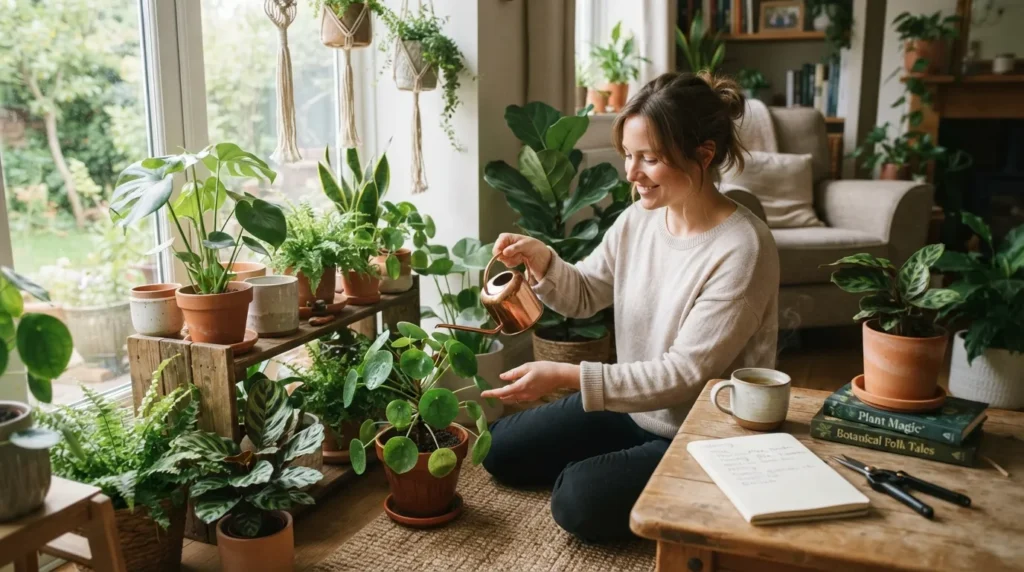
Daily or weekly gardening routines create structure that promotes relaxation. Watering plants, pruning, or weeding at set times encourages consistency and builds a sense of rhythm, reducing feelings of chaos or overwhelm in daily life.
8. Encouraging Deep Breathing
Many gardening tasks, such as digging, planting, and raking, involve rhythmic movements that naturally encourage deep, controlled breathing. This improves oxygen flow, relaxes the body, and supports mindful presence.

9. Fostering a Sense of Accomplishment
Watching plants grow and thrive provides tangible results for effort invested. This visible progress fosters a sense of accomplishment, reinforcing motivation and contributing to overall well-being and mental satisfaction.

10. Providing Opportunities for Meditation
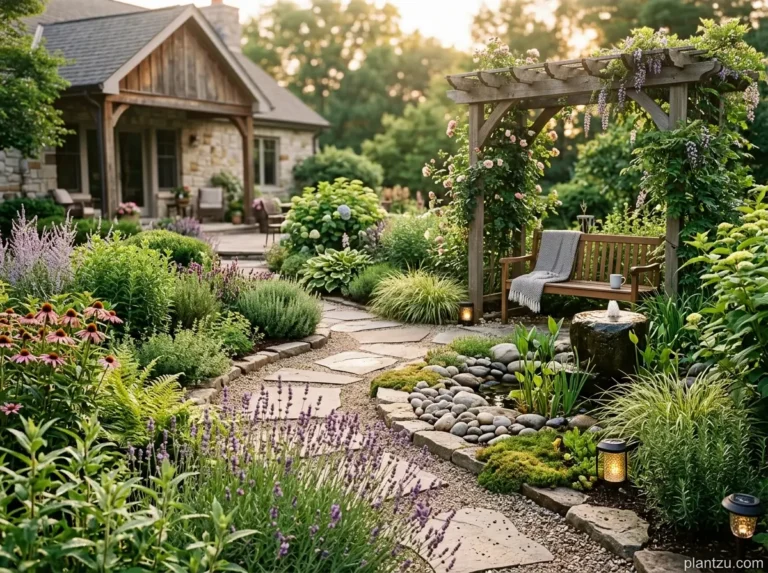
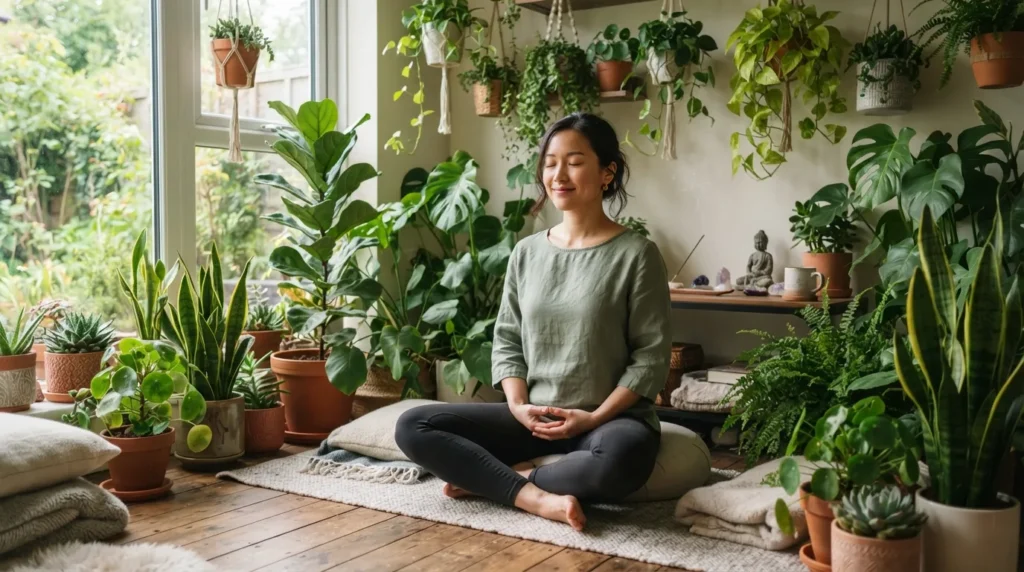
Gardens serve as ideal spaces for meditation and reflection. Sitting quietly among plants, observing nature, or practicing slow, mindful movements fosters relaxation and self-awareness, making meditation more accessible and enjoyable.
11. Enhancing Creativity
Gardening encourages creative expression through design choices, plant selection, and landscape planning. Engaging creatively fosters mental flexibility, deepens presence, and provides a rewarding outlet for emotions.

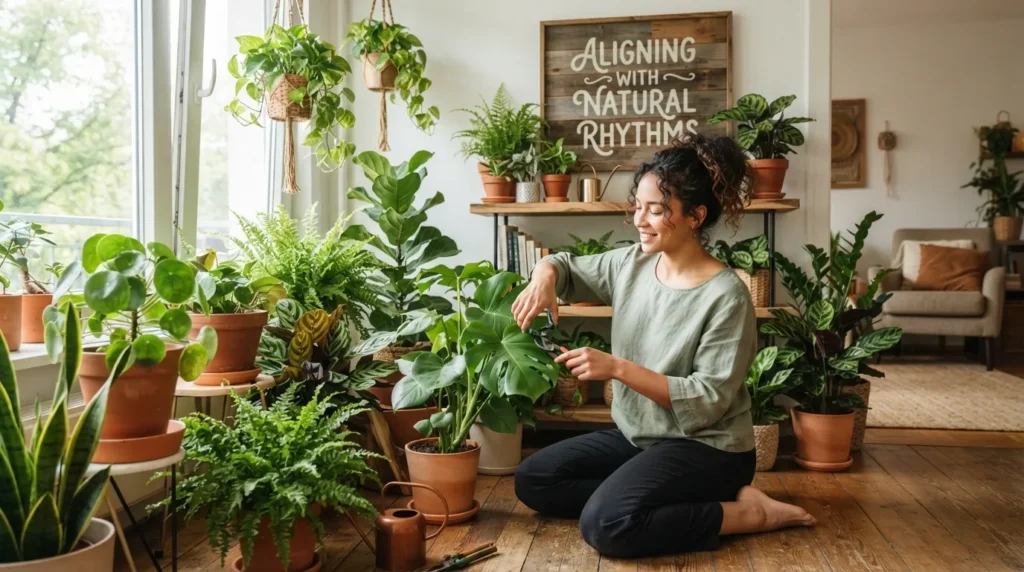
12. Aligning With Natural Rhythms
Gardening aligns individuals with seasonal and natural rhythms. Activities such as planting in spring, harvesting in summer, or preparing beds in fall encourage awareness of cycles, fostering mindfulness and acceptance of change.
13. Encouraging Reflection
Time spent in the garden promotes reflection on personal growth, goals, and emotions. Observing plant life encourages introspection, providing space for thoughtful consideration and emotional processing.

14. Building Physical Awareness
Gardening enhances awareness of the body through bending, lifting, and stretching. Mindful movement in the garden improves posture, reduces tension, and strengthens the connection between body and mind.

15. Supporting Gratitude
Caring for plants and witnessing their growth cultivates gratitude for the natural world. Appreciating the beauty and complexity of life fosters a positive mindset and deepens mindfulness practice.

16. Enhancing Sleep and Relaxation
Physical activity in the garden, combined with exposure to natural light, helps regulate circadian rhythms. This improves sleep quality, allowing for better relaxation and mental restoration.

17. Providing Social Connection
Gardening can facilitate community and social interaction through community gardens or shared gardening projects. Social engagement fosters mindfulness through collaborative care, shared responsibility, and supportive relationships.

18. Fostering Empathy and Compassion
Caring for living plants encourages empathy and compassion. Understanding the needs of plants, nurturing growth, and observing their responses enhances emotional intelligence and mindfulness in human interactions as well.

19. Encouraging Mindful Eating
Growing vegetables, herbs, and fruits links gardening to mindful eating. Harvesting and consuming homegrown produce encourages appreciation, slows consumption, and reinforces awareness of food sources and nutritional value.

20. Offering Therapeutic Benefits
Gardening has therapeutic value for mental health. Its combination of outdoor activity, purposeful work, and sensory engagement has been shown to reduce symptoms of anxiety, depression, and stress-related conditions, providing natural and accessible relief.

21. Encouraging Focused Attention
The tasks required for gardening demand focused attention, such as pruning, planting, or weeding. Concentrating on specific actions cultivates mindfulness, enhances presence, and reduces cognitive distractions.

22. Supporting Cognitive Engagement
Gardening involves problem-solving, planning, and observation, all of which engage cognitive processes. This mental stimulation supports attention, memory, and mental clarity, contributing to a relaxed and alert state of mind.

23. Creating a Safe Space for Mindfulness
Gardens provide an environment that is conducive to calm and reflection. A well-maintained garden or even a small indoor plant area offers a safe, comforting space to practice mindfulness, away from the stresses of daily life.

24. Encouraging Self-Compassion
Gardening nurtures self-compassion by emphasizing patience, care, and acceptance of growth processes. Observing natural cycles and caring for plants mirrors personal growth, promoting kindness toward oneself and mindful self-awareness.

25. Integrating Mindfulness Into Daily Life
Finally, gardening integrates mindfulness into everyday life. Daily interactions with plants, soil, and nature encourage regular practice, making mindfulness a habitual, accessible part of life. By establishing a routine that incorporates observation, care, and reflection, individuals cultivate calm, clarity, and sustained relaxation.
Conclusion
Gardening offers a unique combination of physical, emotional, and mental benefits that enhance mindfulness and relaxation. For individuals across the United States, cultivating a garden is more than an aesthetic or recreational pursuit—it is a therapeutic and meditative practice that nurtures the mind, body, and spirit.