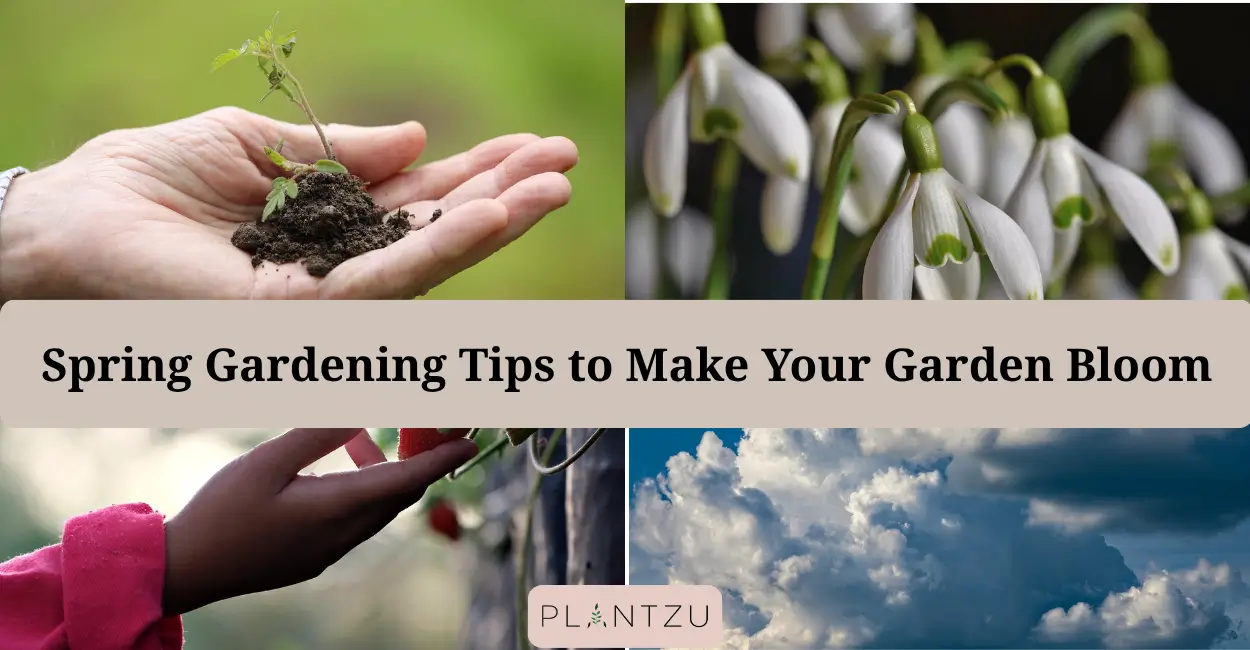
Spring Gardening Tips to Make Your Garden Bloom
Learn spring gardening tips with plantzu, this is the season of renewal, making it the perfect time to refresh your garden and set the stage for vibrant growth. As temperatures begin to rise across the United States and daylight hours increase, plants awaken from dormancy and start their active growing cycle. For both beginner and experienced gardeners, spring offers an opportunity to prepare soil, plant new life, and create a thriving outdoor space.
Whether you’re working with a spacious backyard, a suburban lawn, or a small urban balcony, understanding how to care for your garden during this crucial season can make all the difference. With the right strategies, you can ensure your garden not only survives but truly flourishes. These proven spring gardening tips will help you grow healthier plants, maximize blooms, and enjoy a productive gardening season.
Spring Gardening Tips
Understand Your Local Climate and Frost Dates
The United States spans multiple climate zones, so one of the most important first steps in spring gardening is understanding your local weather patterns. Knowing your region’s last average frost date is essential before planting. In northern states like Minnesota or Maine, frost may linger into late April or even May, while southern states such as Florida or Texas experience earlier warm-ups.
Planting too early can damage tender seedlings, while planting too late may shorten your growing season. Use local gardening resources or extension services to determine the best timing for your area. By aligning your planting schedule with your climate, you give your garden the strongest possible start.
also read about How to Start a Sustainable Garden at Home 2026.

Clean Up Your Garden Beds
After a long winter, your garden likely needs a thorough cleanup. Dead leaves, broken branches, and leftover plant debris can block sunlight and harbor pests or diseases. Begin by gently removing debris from your garden beds and lawn areas.
Clearing out old plant material also improves air circulation and allows new growth to emerge without obstruction. Be careful not to disturb beneficial insects that may still be sheltering in the soil or under leaves. A light cleanup strikes the perfect balance between tidiness and ecological health.
Prepare and Nourish Your Soil
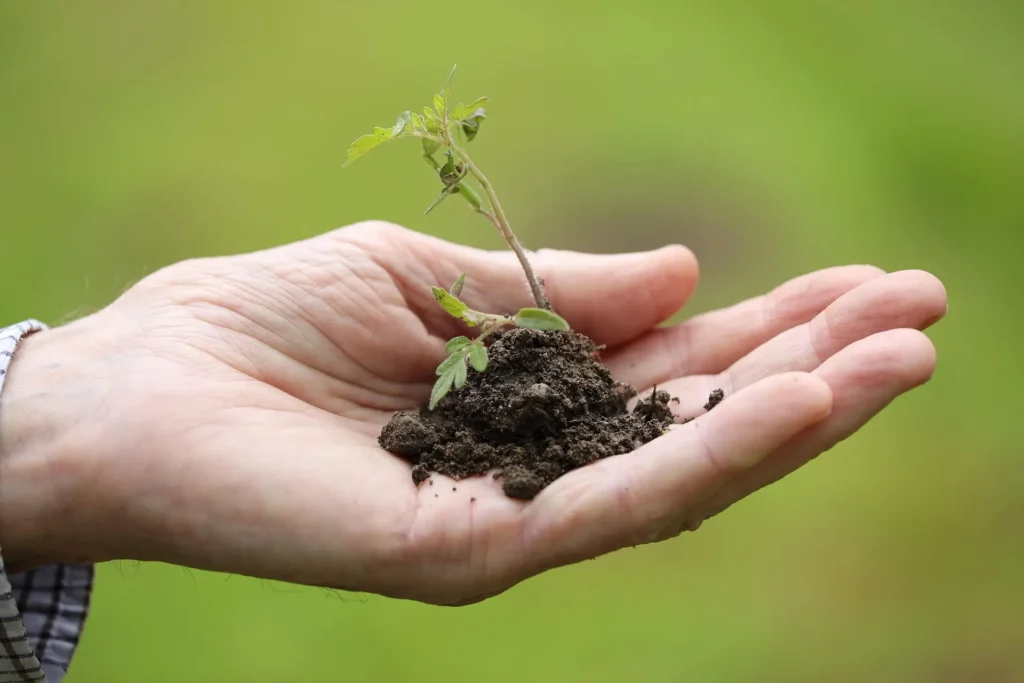
Healthy soil is the backbone of any successful garden. Spring is the ideal time to test and improve your soil before planting begins. Soil testing kits are widely available across the U.S. and can help you determine pH levels and nutrient deficiencies.
Most plants prefer slightly acidic to neutral soil. If your soil lacks nutrients, enrich it with organic matter such as compost, aged manure, or leaf mold. These materials improve soil structure, increase water retention, and provide essential nutrients for plant growth.
Loosening compacted soil is equally important. Aerated soil allows roots to expand easily and access oxygen, water, and nutrients more effectively. Investing time in soil preparation now will pay off with stronger, more resilient plants throughout the season.

Choose the Right Plants for Spring
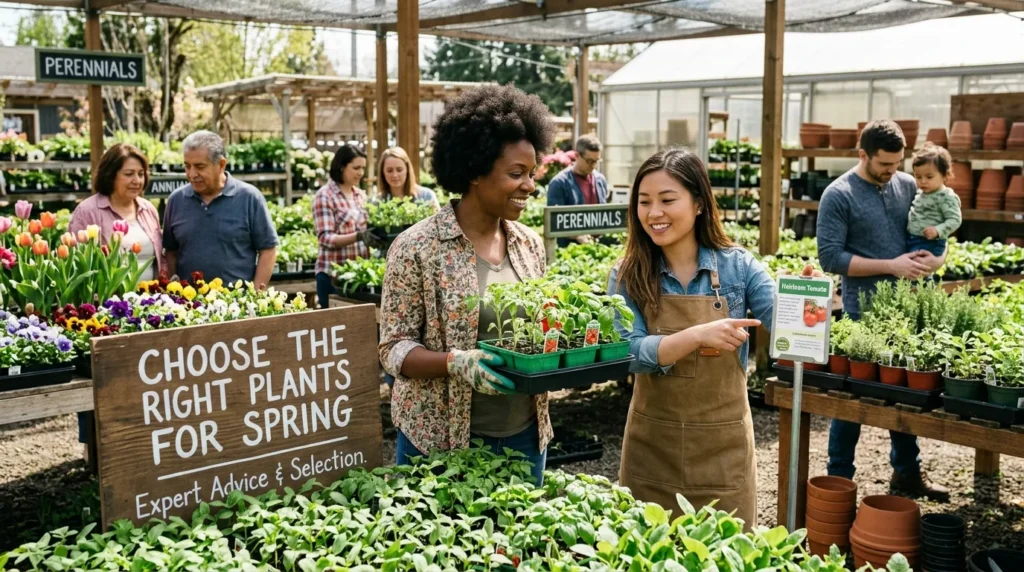
Spring is the perfect time to introduce a variety of plants into your garden, but choosing the right ones for your region is key. In the U.S., popular spring plants include tulips, daffodils, pansies, petunias, lettuce, spinach, and peas.
Cool-season crops thrive in early spring’s mild temperatures, while warm-season plants like tomatoes and peppers should be planted after the risk of frost has passed. Native plants are also an excellent choice, as they are adapted to local conditions and require less maintenance.
Selecting plants suited to your climate and soil conditions ensures better growth, fewer problems, and more abundant blooms.
Start Seeds Indoors for a Head Start
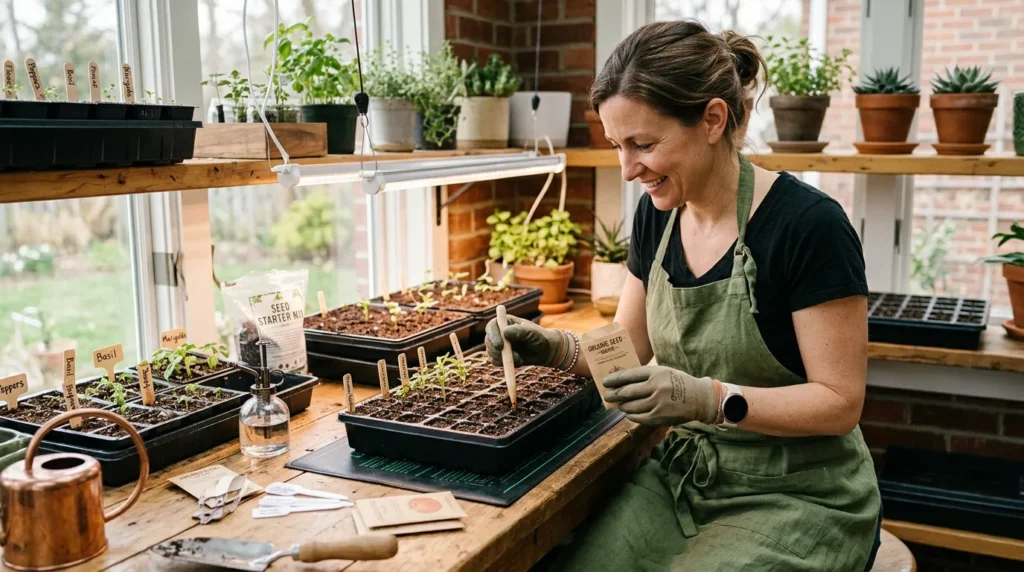
For many gardeners, starting seeds indoors is a smart way to get ahead of the growing season. This is especially useful in regions with shorter summers. By germinating seeds indoors, you can give plants extra time to mature before transferring them outside.
Use seed trays or small containers with quality potting mix, and place them in a sunny window or under grow lights. Keep the soil consistently moist and maintain a warm environment to encourage germination.
Once seedlings are strong enough and outdoor conditions are favorable, gradually introduce them to outdoor temperatures through a process called hardening off. This transition helps prevent shock and ensures successful transplantation.
Water Wisely and Consistently
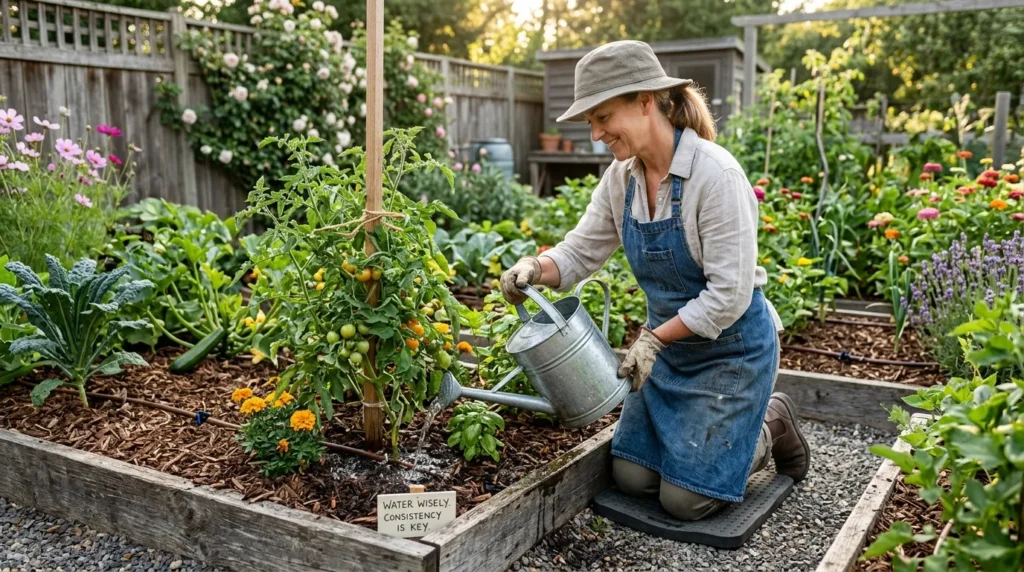
Spring weather can be unpredictable, with periods of rain followed by dry spells. Proper watering is essential to maintain consistent moisture levels in your garden. Rather than watering lightly every day, aim for deeper, less frequent watering sessions.
Early morning is the best time to water, as it reduces evaporation and allows plants to absorb moisture before the heat of the day. Overwatering can be just as harmful as underwatering, leading to root rot and fungal diseases.
Pay attention to your soil’s moisture level rather than sticking to a rigid schedule. A simple check—feeling the top inch of soil—can guide your watering decisions.
Mulch to Protect and Enhance Your Garden
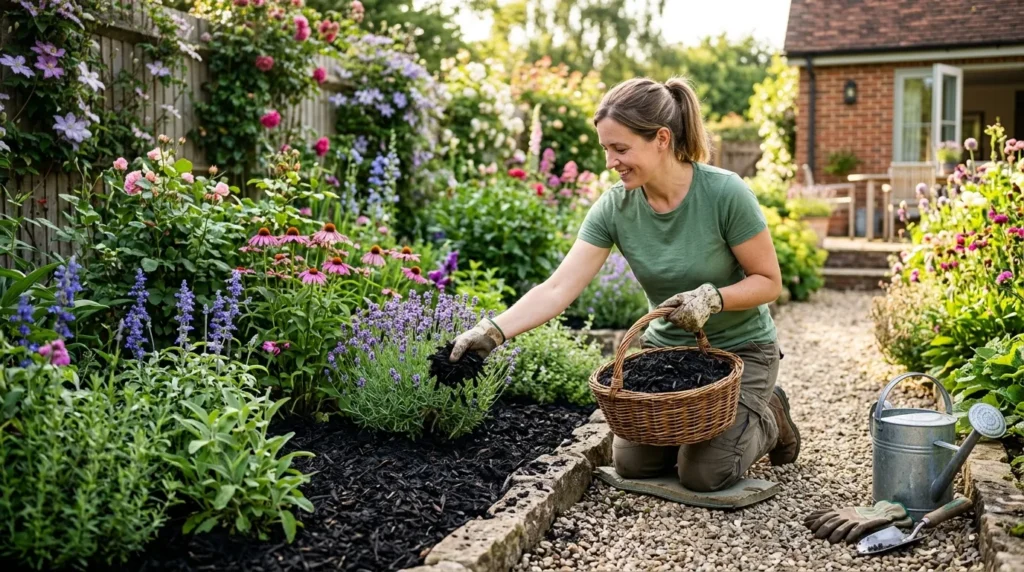
Mulching is one of the most effective ways to support your garden in spring. Applying a layer of organic mulch, such as wood chips, straw, or shredded leaves, helps retain moisture, regulate soil temperature, and suppress weed growth.
As mulch breaks down, it enriches the soil with nutrients, improving its overall quality. In regions with fluctuating spring temperatures, mulch also acts as insulation, protecting plant roots from sudden cold snaps.
Spread mulch evenly around plants, keeping it a few inches away from stems to prevent rot. This simple step can significantly reduce maintenance while boosting plant health.
Fertilize for Strong Growth
Spring is a time of active growth, making it essential to provide plants with the nutrients they need. Fertilizing helps promote lush foliage, vibrant blooms, and strong root systems.
Organic fertilizers are a popular choice among U.S. gardeners due to their long-term benefits for soil health. Options like compost tea, fish emulsion, and bone meal release nutrients gradually and support beneficial microorganisms.
It’s important to follow recommended application rates, as over-fertilizing can harm plants and lead to excessive leaf growth at the expense of flowers. Balanced feeding ensures your garden grows steadily and sustainably.
Control Weeds Early
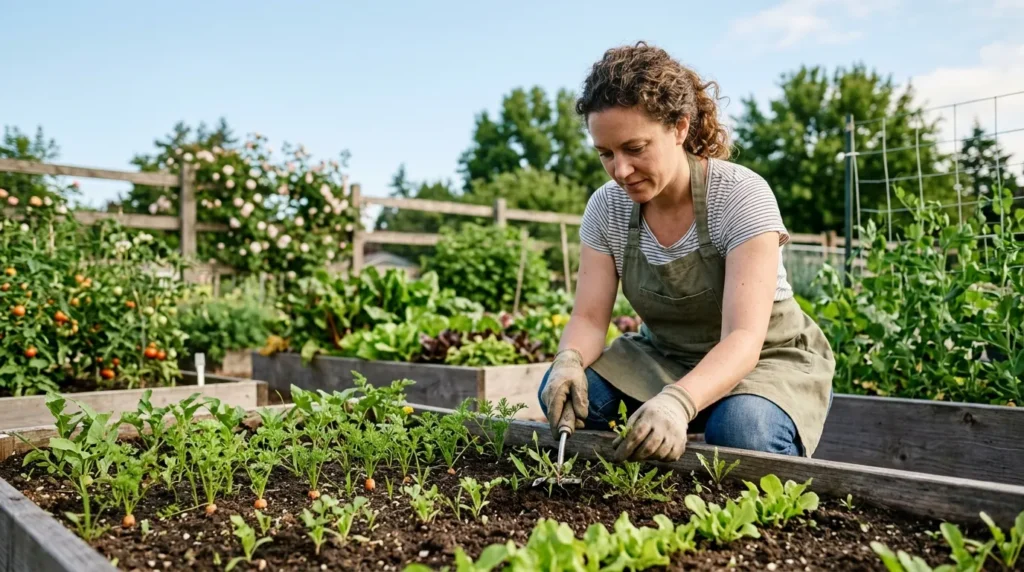
Weeds compete with your plants for water, nutrients, and sunlight. In spring, they grow quickly and can take over garden beds if not managed early. Removing weeds while they are still small is much easier and more effective than dealing with mature plants.
Hand-pulling, hoeing, or using mulch can help keep weeds under control. Consistent maintenance is key—regularly checking your garden prevents weeds from spreading and becoming a larger problem later in the season.
A weed-free garden not only looks better but also allows your plants to thrive without unnecessary competition.
Protect Your Garden from Pests
As temperatures rise, garden pests become more active. Aphids, caterpillars, and beetles can damage plants if left unchecked. Monitoring your garden regularly helps you identify issues before they escalate.
Encouraging beneficial insects like ladybugs and lacewings is a natural way to control pests. These insects feed on common garden pests and help maintain balance in your garden ecosystem.
If needed, use organic pest control methods such as neem oil or insecticidal soap. Avoid harsh chemicals that can harm pollinators like bees and butterflies, which are essential for plant reproduction.
Prune and Encourage New Growth
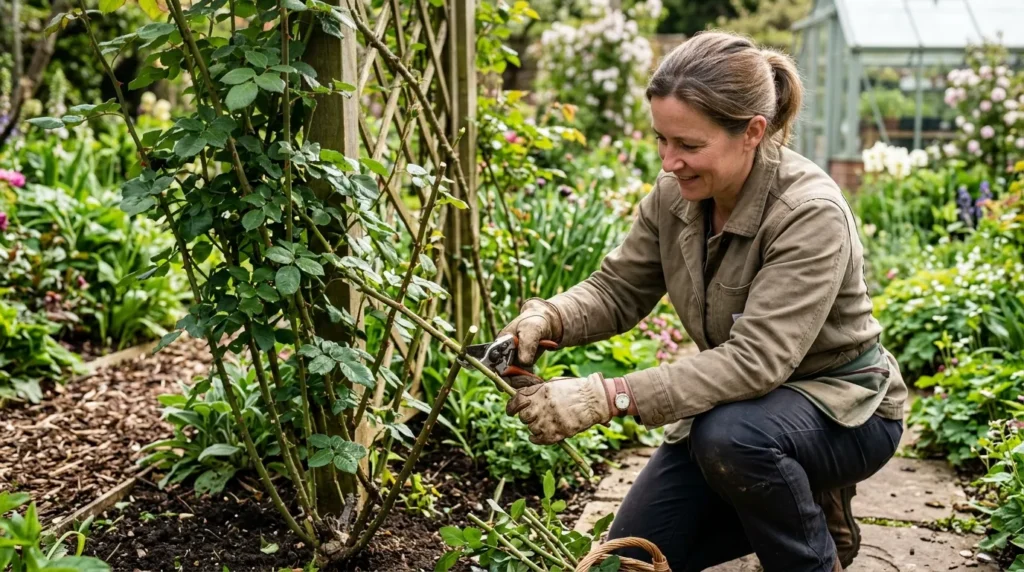
Spring is an excellent time to prune many plants, shrubs, and trees. Removing dead or damaged branches improves plant health and encourages new growth. Pruning also helps shape plants and enhances their appearance.
For flowering plants, removing spent blooms—known as deadheading—can promote continuous flowering throughout the season. Always use clean, sharp tools to make precise cuts and prevent the spread of disease.
Understanding the specific pruning needs of each plant ensures you get the best results without causing harm.
Plan for Continuous Blooming
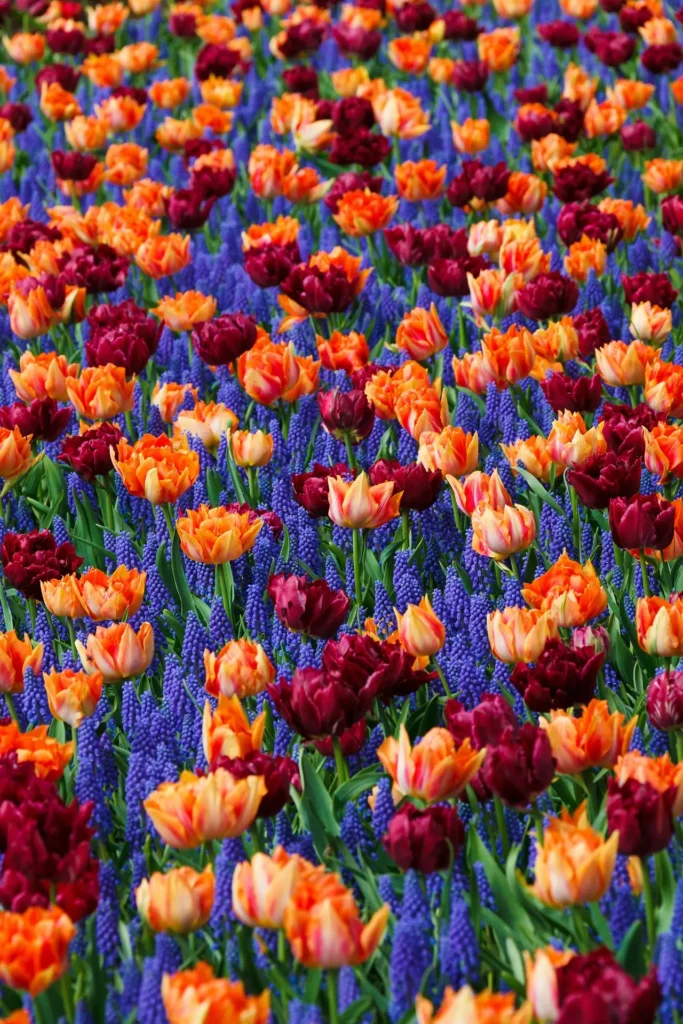
A truly stunning garden doesn’t just bloom once—it offers color and interest throughout the entire season. Planning for continuous blooming involves selecting plants with different flowering times.
Early spring bulbs can be followed by mid-season perennials and late-blooming flowers, creating a dynamic and ever-changing landscape. Mixing annuals and perennials also adds variety and ensures consistent visual appeal.
With thoughtful planning, your garden can remain vibrant from early spring through late summer.
Embrace Sustainable Gardening Practices
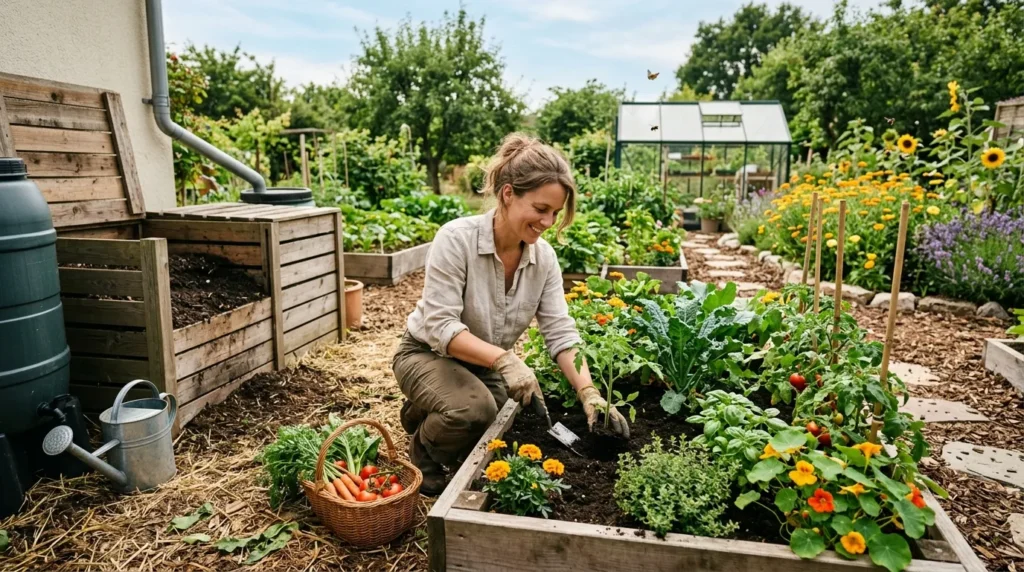
Sustainability is becoming increasingly important in gardening across the United States. Simple practices like composting kitchen scraps, collecting rainwater, and planting native species can make a big difference.
Native plants require less water and are more resistant to local pests and diseases. They also support pollinators and wildlife, contributing to a healthier ecosystem.
Reducing chemical use and focusing on natural solutions not only benefits the environment but also creates a safer, more enjoyable gardening experience.
Common Spring Gardening Mistakes to Avoid
Even with the best intentions, it’s easy to make mistakes in spring gardening. Planting too early, overwatering, neglecting soil preparation, and overcrowding plants are some of the most common issues.
Taking the time to plan your garden, understand your plants’ needs, and monitor conditions regularly can help you avoid these pitfalls. Gardening is a learning process, and each season offers new insights and opportunities to improve.
Conclusion:
Spring is a time of possibility, and your garden is full of potential waiting to be unlocked. By following these proven spring gardening tips, you can create a thriving, colorful space that brings joy and satisfaction throughout the growing season.
No matter your experience level, follow our Spring Gardening Tips and enjoy spring gardening which is an opportunity to connect with nature, enhance your outdoor space, and enjoy the simple pleasure of watching life grow.