How to Prepare Your Garden for Summer Planting
How to Prepare Your Garden for Summer Planting is the peak season for gardening, offering long days of sunlight and ideal conditions for a wide variety of plants to flourish. For gardeners in the United States, proper preparation before planting is crucial to ensure a healthy, productive garden throughout the season. Preparing your garden in advance allows soil to recover, nutrients to be replenished, and plants to thrive under optimal conditions.
A well-prepared garden minimizes pests, encourages strong root systems, and maximizes yields, whether you are growing flowers, vegetables, or herbs. Summer planting demands careful attention to soil, watering practices, plant selection, and maintenance strategies. By taking proactive steps before planting, gardeners can create a robust foundation for success and enjoy a bountiful, vibrant garden during the summer months.
This guide provides a comprehensive approach to preparing your garden for summer planting, covering essential steps, practical strategies, and expert tips for gardeners at every skill level.
How to Prepare Your Garden for Summer Planting
Assessing Your Garden Space
Prepare Your Garden for Summer Before planting, it’s important to evaluate your garden area. Observe sunlight patterns, soil conditions, and potential challenges such as wind exposure or drainage issues. Different plants thrive under specific conditions, so understanding your garden’s environment helps determine what will grow best.
Consider sunlight exposure throughout the day. Most summer plants require full sun, typically defined as six to eight hours of direct sunlight daily. Shaded areas may be suitable for leafy greens or herbs, but sun-loving plants like tomatoes, peppers, and squash require bright, unobstructed spaces. Evaluating light, wind, and available space ensures that plants are positioned in areas that meet their needs. 25 Ways Gardening Improves.
Cleaning and Clearing the Garden
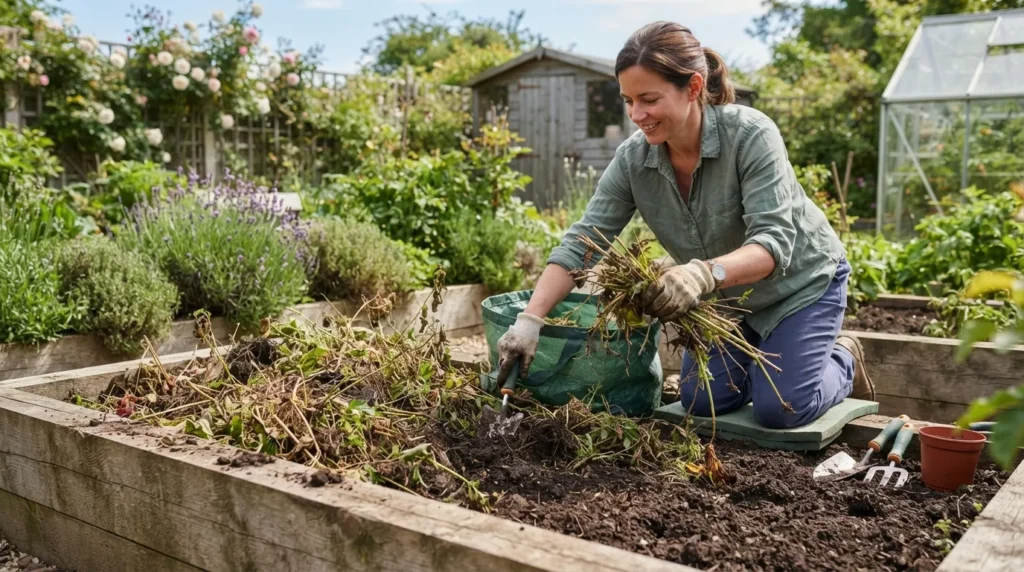
A clean, debris-free garden is essential for healthy summer planting. Remove dead plants, weeds, fallen leaves, and other debris from garden beds to reduce competition and minimize the risk of pests and diseases. Old plant material can harbor fungal spores or insects that may affect new plantings.
Clearing the garden also allows better access to soil for amendments, tilling, or mulching. A well-prepared, clean space promotes root growth, improves soil aeration, and enhances overall plant health, laying the groundwork for a successful summer garden.
Soil Testing and Improvement
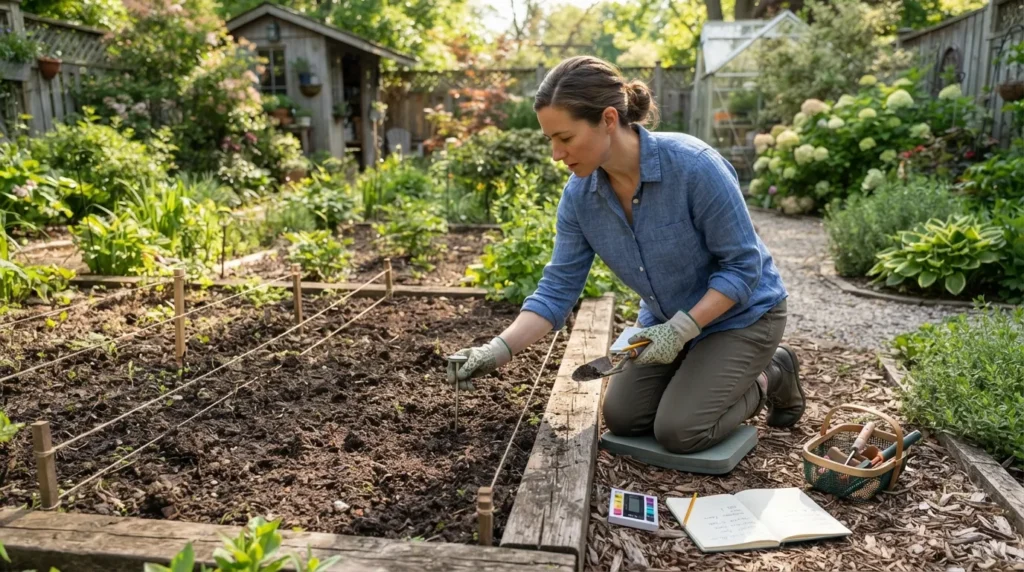
Healthy soil is the foundation of a thriving garden. Testing soil helps determine pH levels, nutrient content, and texture, all of which influence plant growth. Most garden plants prefer slightly acidic to neutral soil, with a pH between 6.0 and 7.0. Soil testing kits or professional services provide insights into deficiencies that may require amendments.
Improving soil often involves adding organic matter such as compost, aged manure, or leaf mold. These amendments enhance soil structure, retain moisture, and provide essential nutrients. Mixing in coarse sand or perlite improves drainage for plants that require well-drained conditions. By addressing soil quality before planting, gardeners ensure strong root development and increased resilience during hot summer months.
Planning Your Summer Garden
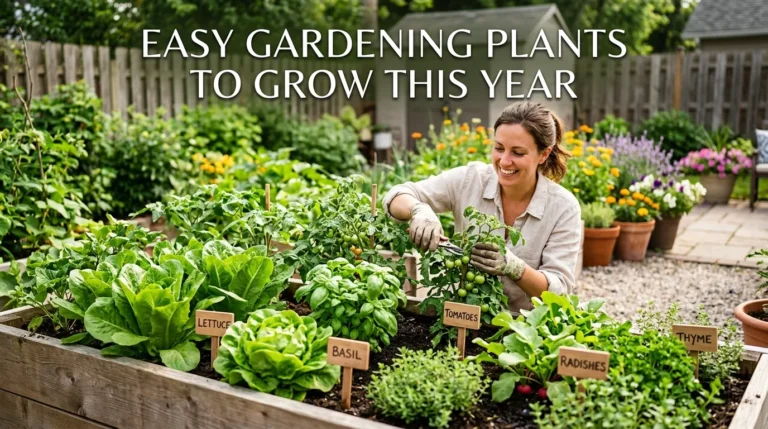
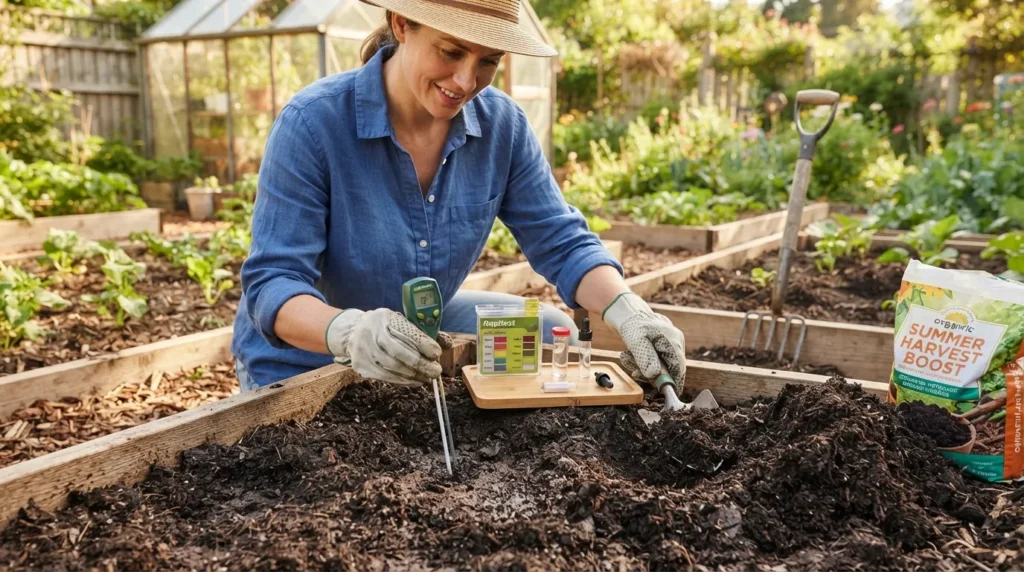
Planning is a crucial step before planting. Decide which plants to grow based on climate, sunlight, and available space. Summer gardens can include vegetables like tomatoes, peppers, cucumbers, zucchini, and beans, as well as flowers like marigolds, zinnias, and sunflowers.
Consider companion planting to maximize space, deter pests, and encourage healthy growth. For example, planting basil near tomatoes can enhance flavor and repel insects. Planning also includes determining planting schedules, spacing requirements, and crop rotation to maintain soil health and avoid overharvesting in specific areas.
Preparing Garden Beds
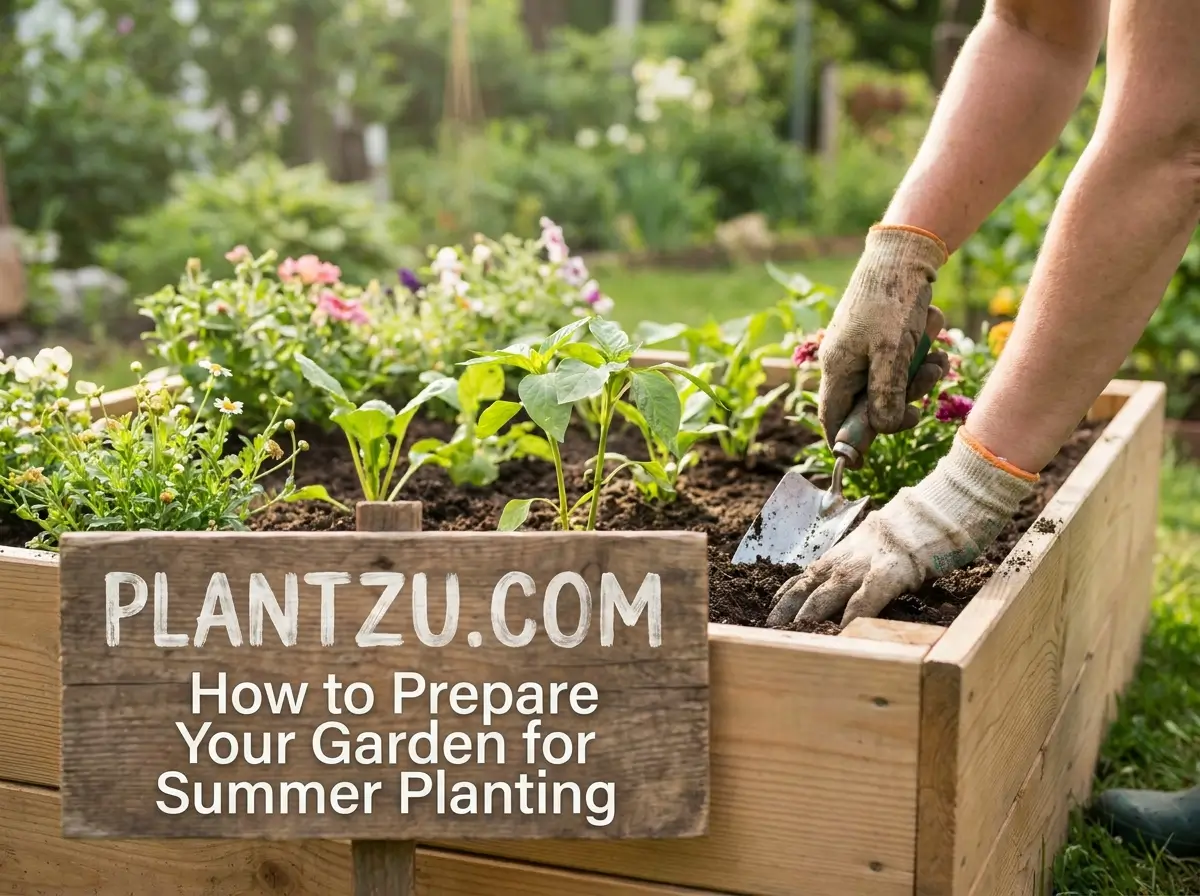
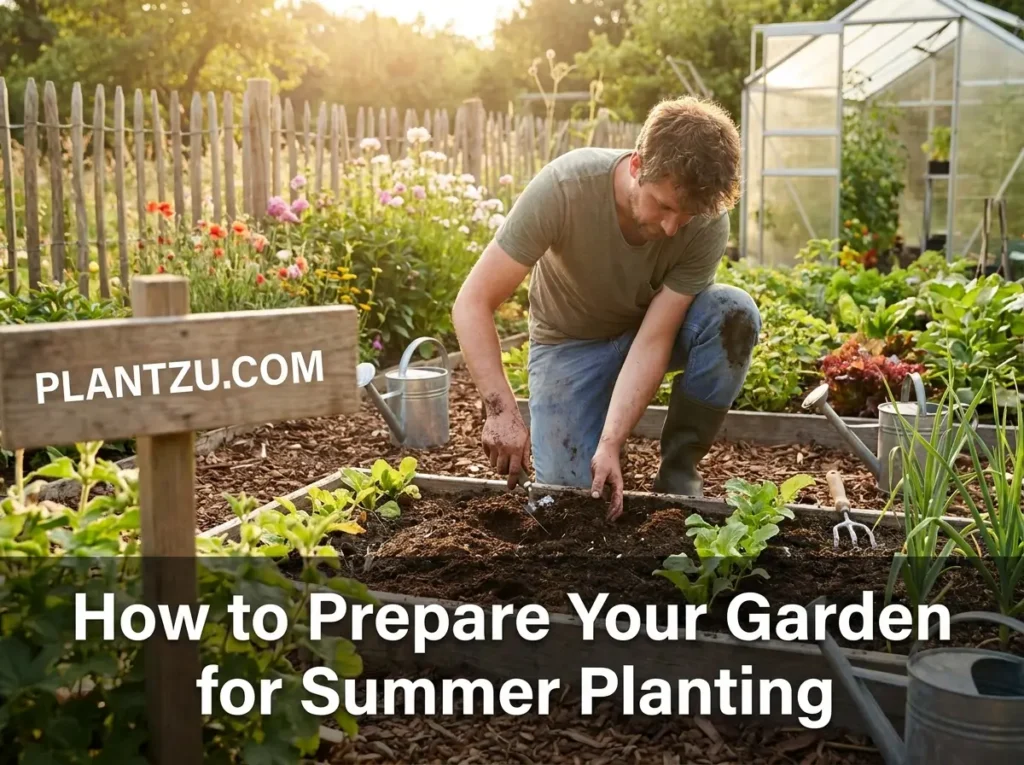
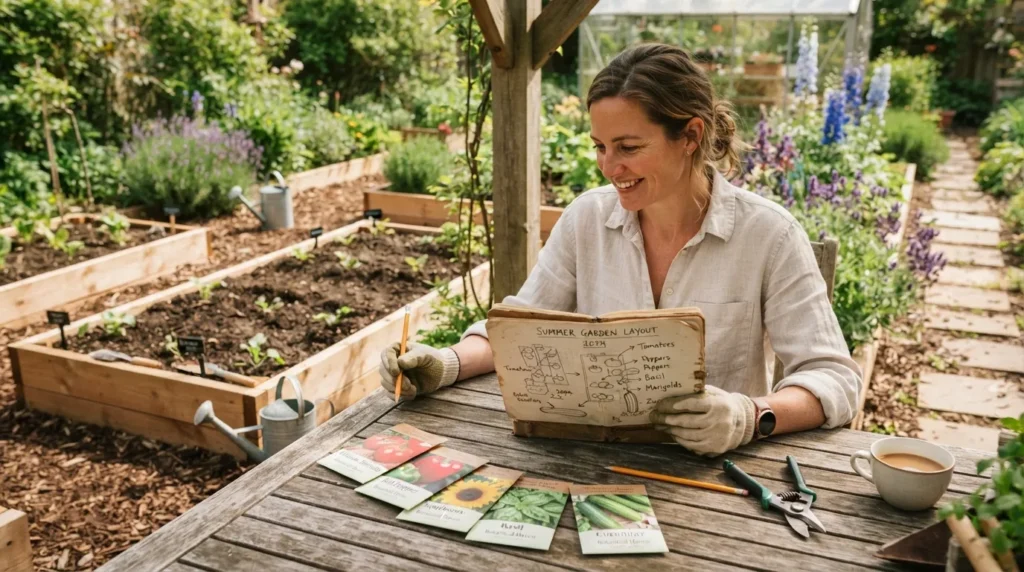
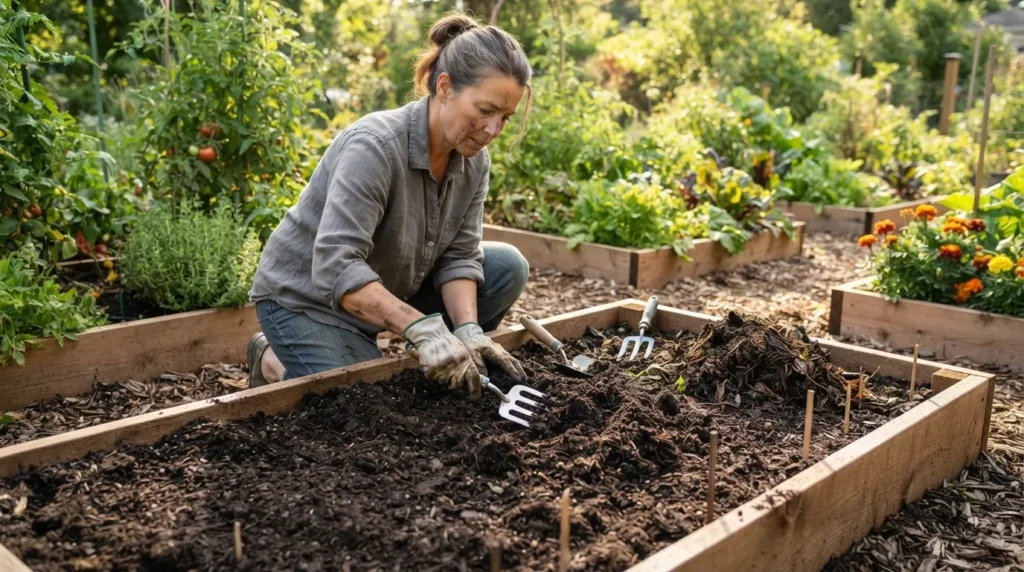
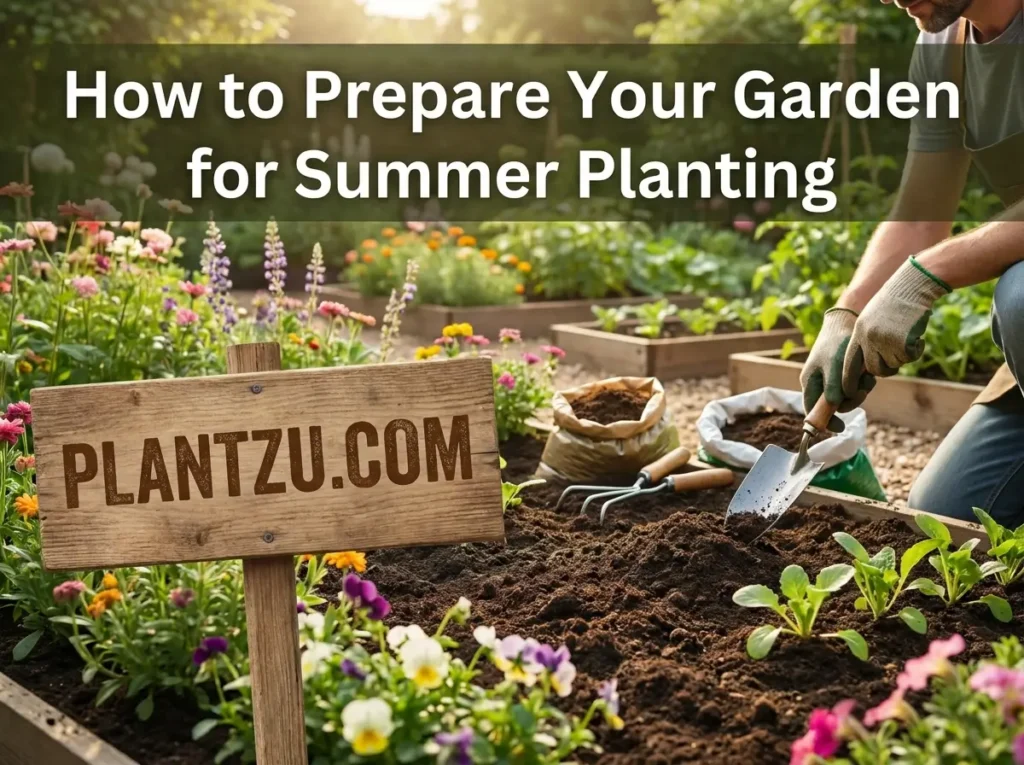
Garden beds require careful preparation before summer planting. Loosen the soil to improve aeration and root penetration, using a hoe, tiller, or hand tool. Removing compacted soil allows roots to access water and nutrients more effectively, supporting strong, healthy growth.
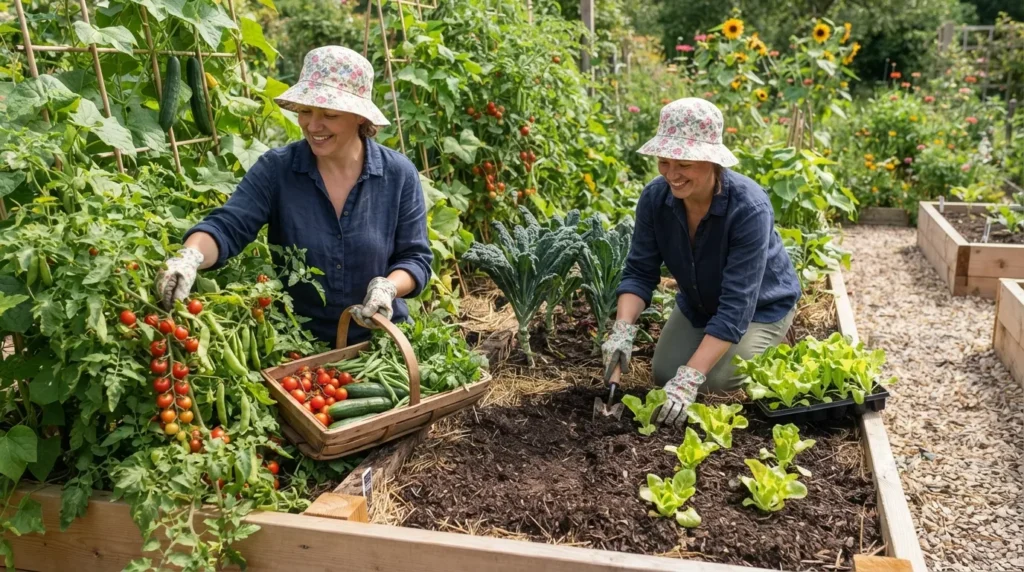
Raised beds are particularly effective for summer planting, as they provide excellent drainage, improved soil temperature, and easier access for maintenance. Adding compost, mulch, or organic fertilizers during bed preparation ensures that plants receive the nutrition they need for vigorous growth throughout the season.
Mulching for Moisture Retention
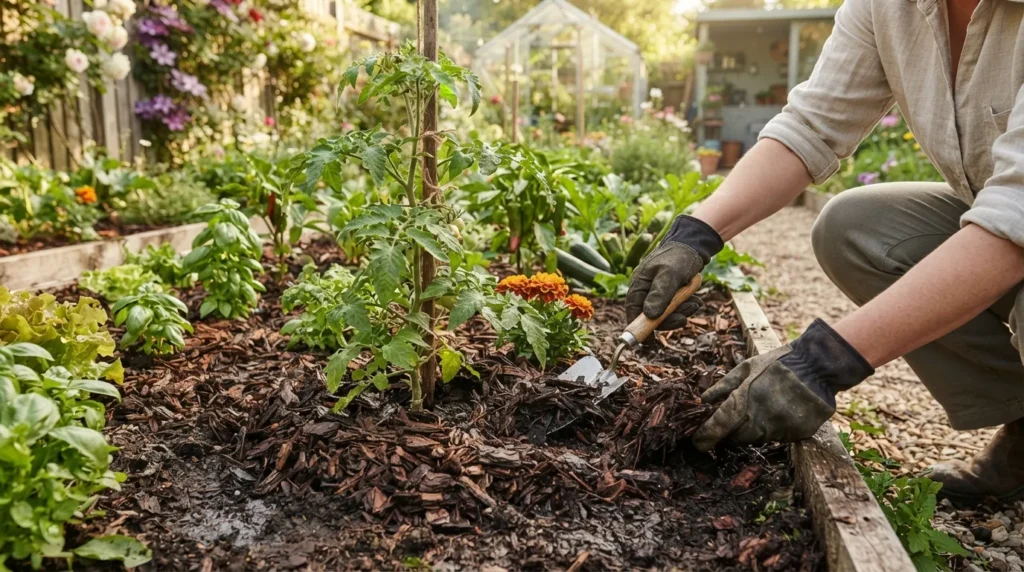
Mulching is an essential practice for summer gardening, helping retain soil moisture, regulate temperature, and suppress weeds. Organic mulches such as straw, wood chips, or shredded leaves also improve soil quality as they decompose, adding nutrients to the garden.
Apply a layer of mulch around plants once they are established, leaving space near stems to prevent rot. Mulching reduces evaporation, ensuring that plants receive consistent moisture and thrive even during hot, dry summer days.
Selecting Summer-Ready Plants
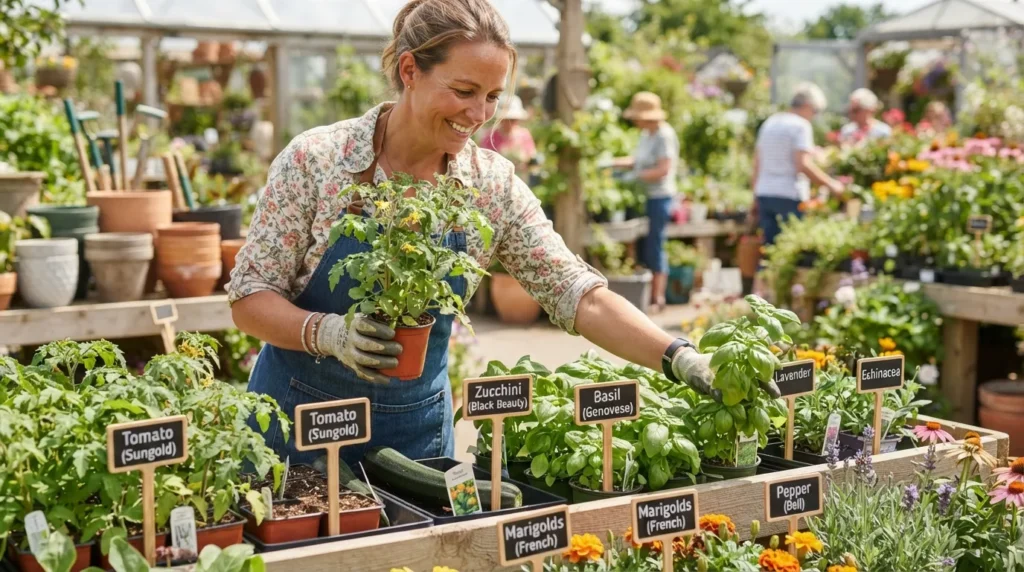
Not all plants are suitable for summer planting, so selecting varieties adapted to your climate and season is crucial. Choose heat-tolerant vegetables and flowers that can withstand high temperatures, intense sunlight, and occasional drought conditions.
Popular summer vegetables include tomatoes, peppers, eggplants, zucchini, cucumbers, and beans, while flowers such as marigolds, petunias, and sunflowers provide vibrant color and attract pollinators. Selecting plants suited to your region ensures robust growth and a productive garden throughout the season.
Starting Seeds Indoors
Some summer plants benefit from being started indoors before transplanting. Seed starting gives plants a head start, ensuring they are strong enough to thrive in outdoor conditions. Herbs, peppers, and tomatoes often benefit from early indoor germination, allowing gardeners to extend the growing season and maximize yields.
Use seed trays, grow lights, and a well-draining seed mix to provide optimal conditions for germination. Transplant seedlings carefully into prepared garden beds once they are established and weather conditions are favorable. Starting seeds indoors is an effective strategy for achieving a flourishing summer garden.
Transplanting and Spacing
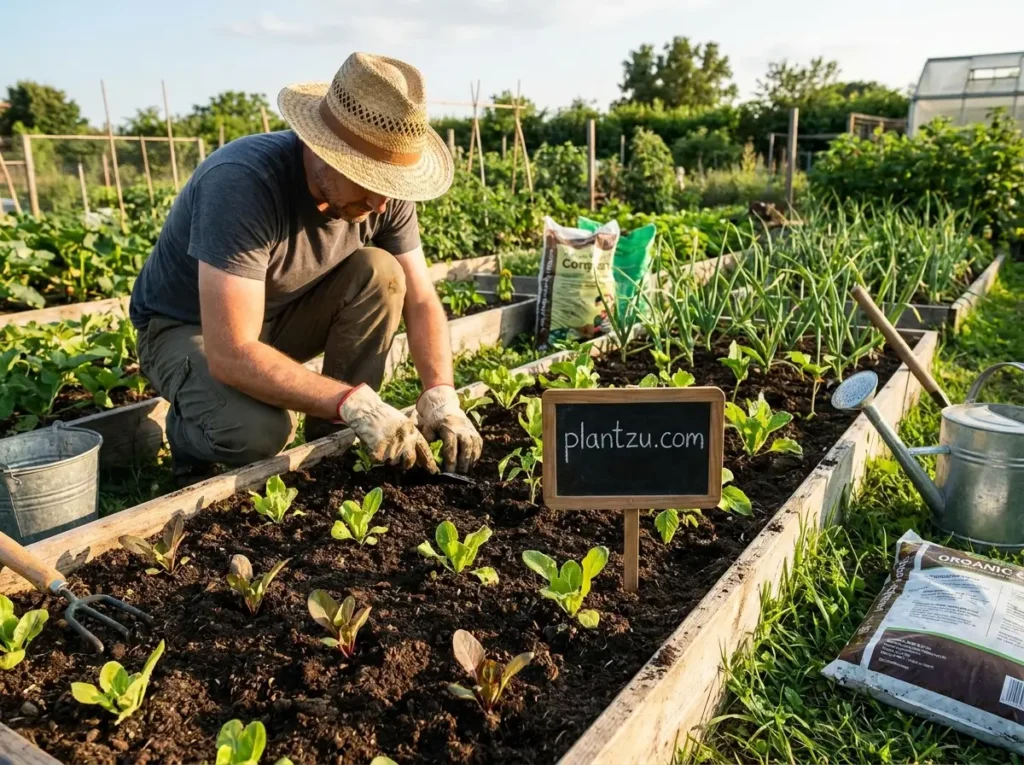
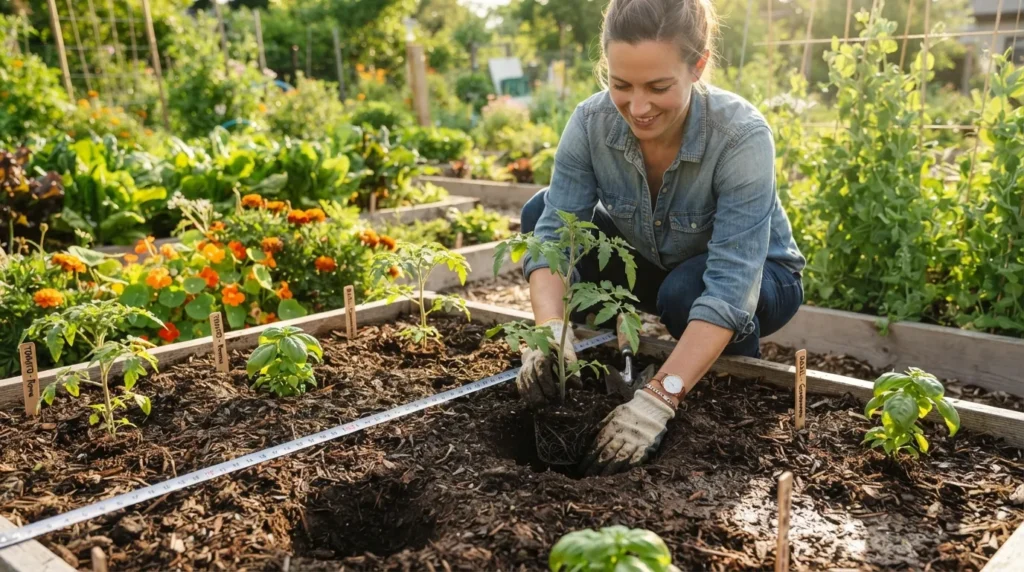
Proper transplanting techniques are essential for plant health. Harden off seedlings by gradually exposing them to outdoor conditions before planting them in the garden. This process reduces transplant shock and promotes adaptation to sunlight, wind, and temperature changes.
Spacing is critical to avoid overcrowding, which can lead to disease, reduced airflow, and stunted growth. Follow recommended spacing guidelines for each plant type, ensuring adequate room for roots and foliage to develop fully. Correct transplanting and spacing create a strong foundation for summer growth.
Watering and Irrigation Strategies
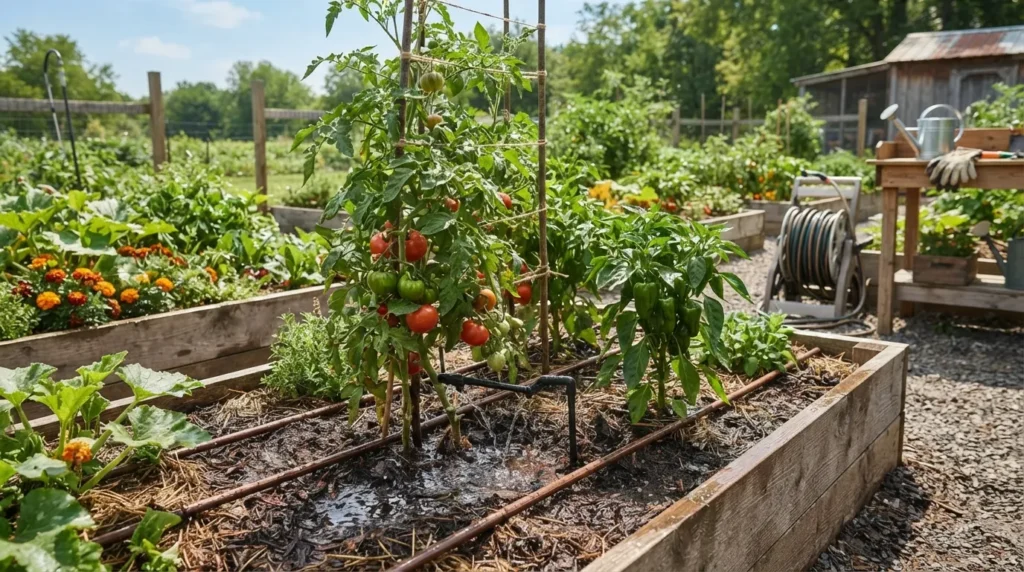
Summer heat increases water demand, so establishing an efficient watering routine is crucial. Deep, consistent watering encourages root development and reduces stress during hot periods. Water early in the morning or late in the evening to minimize evaporation and maximize absorption.
Drip irrigation, soaker hoses, or self-watering containers provide consistent moisture and reduce water waste. Grouping plants with similar water needs simplifies irrigation and prevents over- or under-watering. Proper watering strategies ensure that your summer garden thrives even during heat waves or dry spells.
Fertilization for Summer Growth
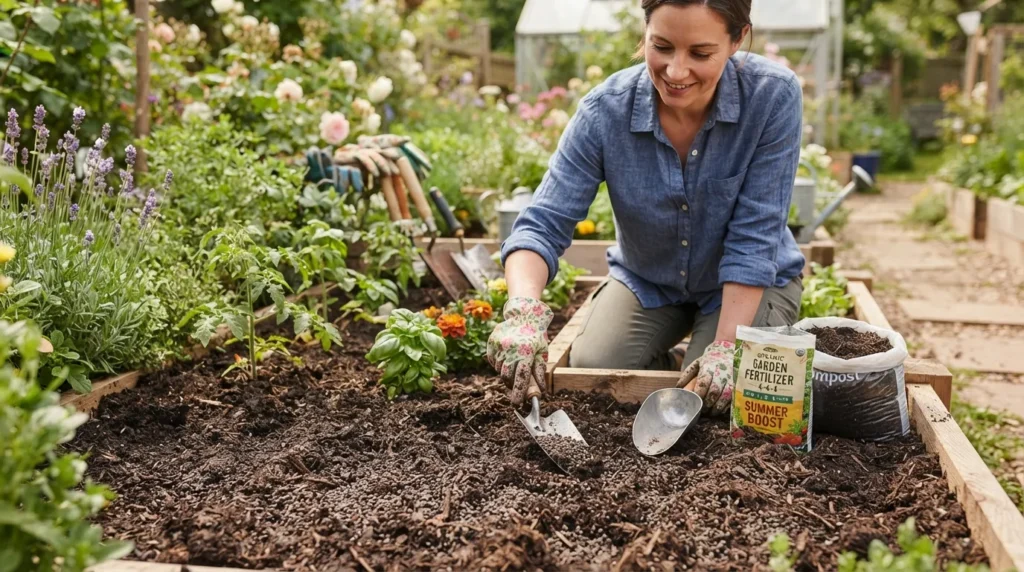
Summer plants often require additional nutrients to support vigorous growth and flowering. Use balanced, slow-release fertilizers or liquid feeds to provide essential nutrients such as nitrogen, phosphorus, and potassium. Organic options like compost tea or fish emulsion enhance soil fertility without harsh chemicals.
Monitor plants for signs of nutrient deficiency, including yellowing leaves, slow growth, or poor flowering. Regular fertilization supports healthy foliage, strong roots, and abundant fruit or blooms throughout the summer season.
Pest and Disease Management
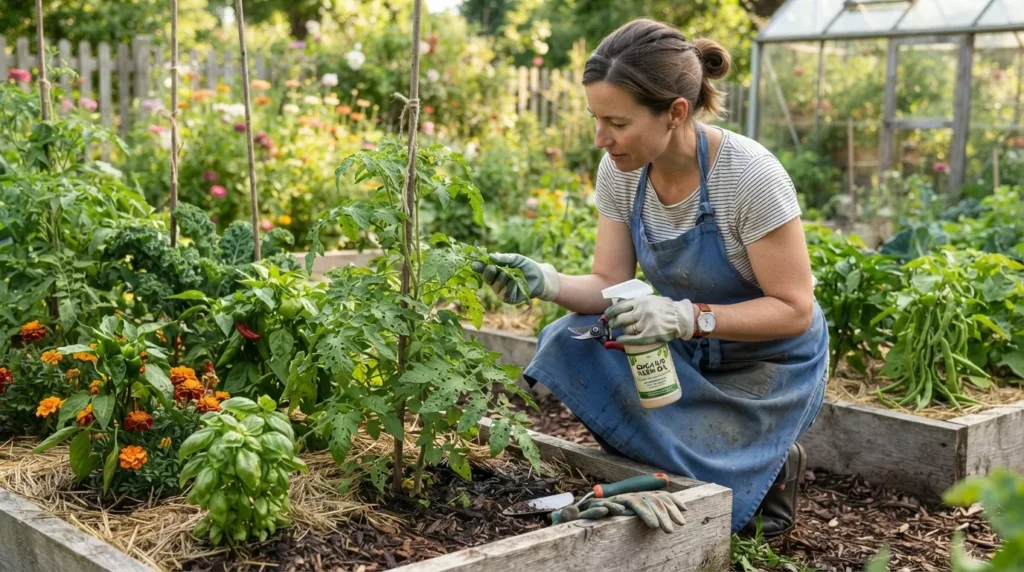
Summer is also the season for pests and diseases. Common garden pests include aphids, caterpillars, spider mites, and whiteflies, while fungal infections may appear during hot, humid conditions. Early detection, preventive care, and natural remedies help maintain a healthy garden.
Companion planting, crop rotation, and good sanitation practices reduce pest pressure and disease risk. Organic insecticidal sprays, neem oil, and introducing beneficial insects provide safe pest control. Effective management ensures that plants remain healthy, productive, and stress-free.
Supporting Climbing and Tall Plants
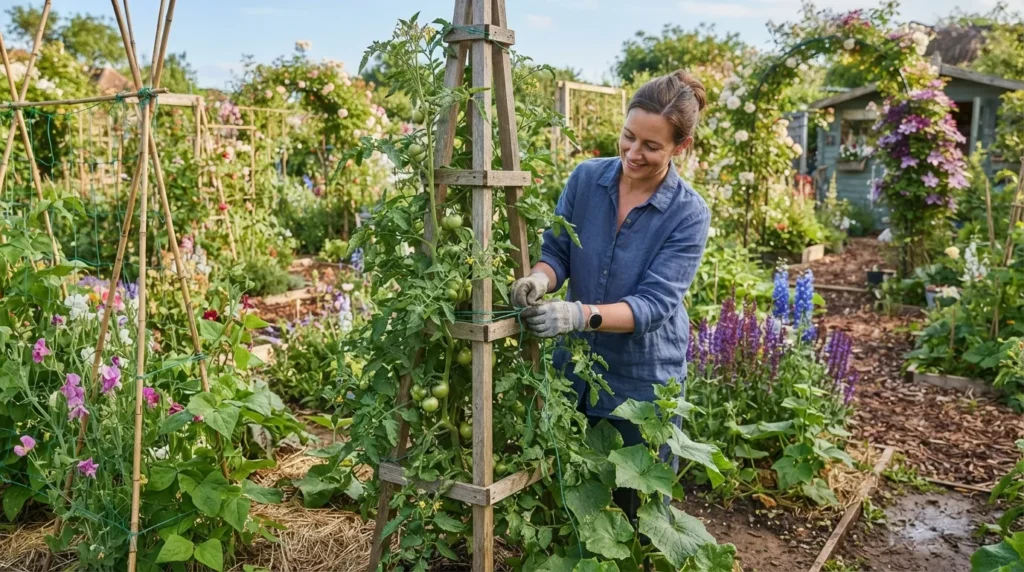
Many summer vegetables and flowers, such as tomatoes, beans, and sunflowers, require support to grow upright. Installing trellises, cages, or stakes prevents plants from sprawling, improves air circulation, and makes harvesting easier.
Proper support reduces the risk of breakage or disease and allows plants to focus energy on producing fruit or flowers. Supporting tall and climbing plants is a simple yet essential step for a successful summer garden.
Encouraging Pollination
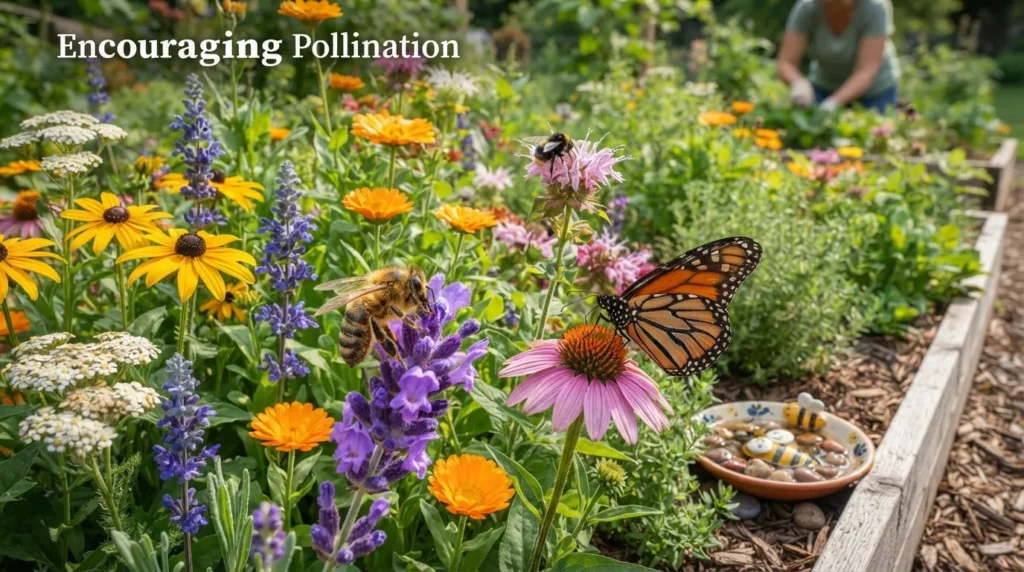
Pollination is critical for fruit and seed production. Planting pollinator-friendly flowers, herbs, or companion plants attracts bees, butterflies, and other beneficial insects to your garden. For self-pollinating vegetables, gently shaking flowers or using a small brush can improve fruit set.
A well-pollinated garden produces abundant fruit, vibrant flowers, and healthy seeds, contributing to overall garden success and satisfaction.
Pruning and Deadheading
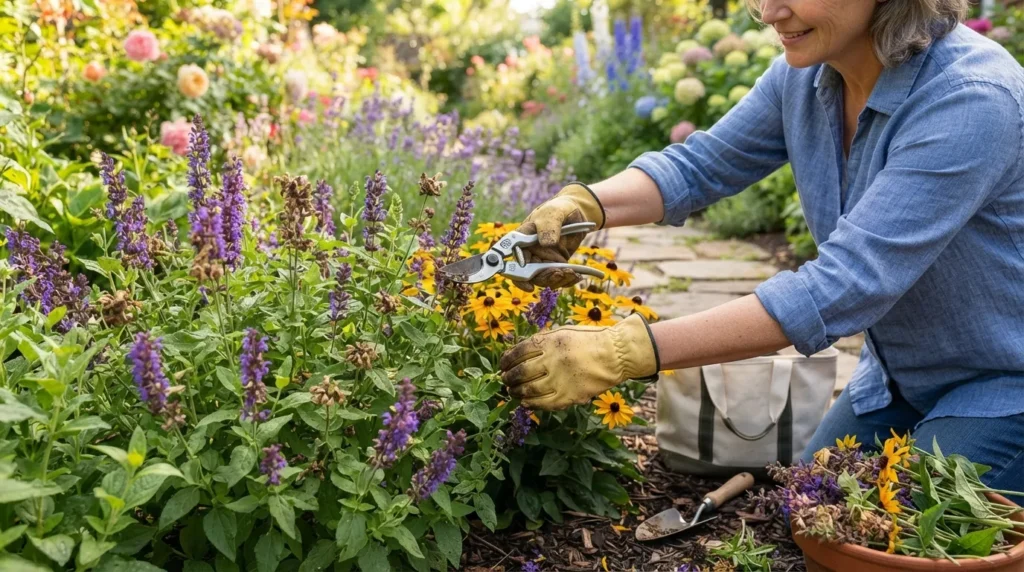
Regular pruning and deadheading promote healthy growth and extended flowering. Removing dead or damaged foliage improves airflow and reduces disease risk, while deadheading flowers encourages continuous blooming.
Pruning also helps shape plants, control size, and direct energy toward productive growth. Maintaining plants through thoughtful pruning enhances both aesthetics and yield in a summer garden.
Monitoring and Adjusting Microclimates
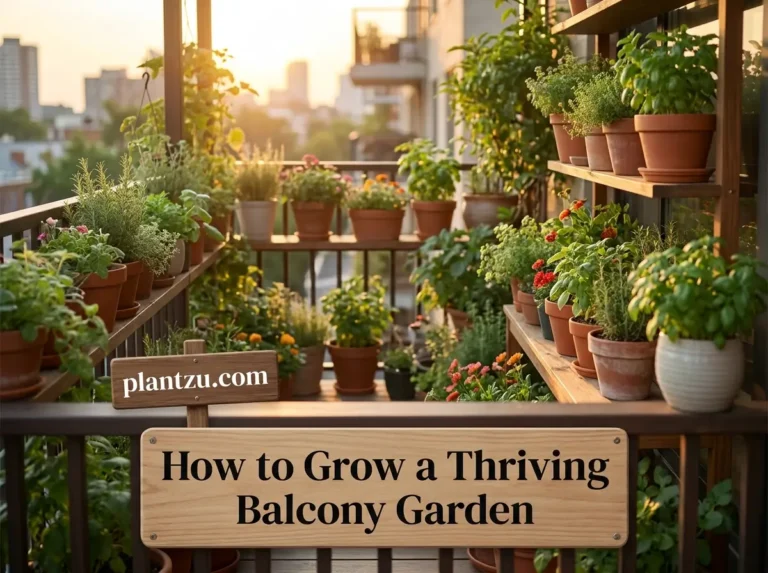
Balconies, raised beds, and small gardens often have microclimates due to sun, shade, and wind variations. Adjust plant placement to optimize light exposure and protect sensitive species. Shade-tolerant plants may need repositioning during peak sunlight, while heat-loving species thrive in the sunniest spots.
Monitoring microclimates and adapting plant placement ensures that each species receives the conditions necessary for thriving summer growth.
Mulching and Soil Moisture Maintenance
Applying mulch around plants retains soil moisture, suppresses weeds, and regulates temperature. Organic mulches such as straw, shredded leaves, or bark break down over time, enriching soil and enhancing fertility.
Maintaining consistent soil moisture is essential during hot summer months, reducing stress on plants and encouraging strong root systems. Mulching and moisture management are key steps in creating a healthy, resilient summer garden.

Harvesting and Succession Planting
Regular harvesting of vegetables and herbs encourages continuous production and prevents overripe fruit from attracting pests. Successive planting allows you to maximize yields, ensuring a consistent supply of fresh produce throughout the summer season.
Observing plant cycles and adjusting planting schedules maintains productivity and enhances the overall enjoyment of your garden.
Maintaining Garden Tools and Equipment
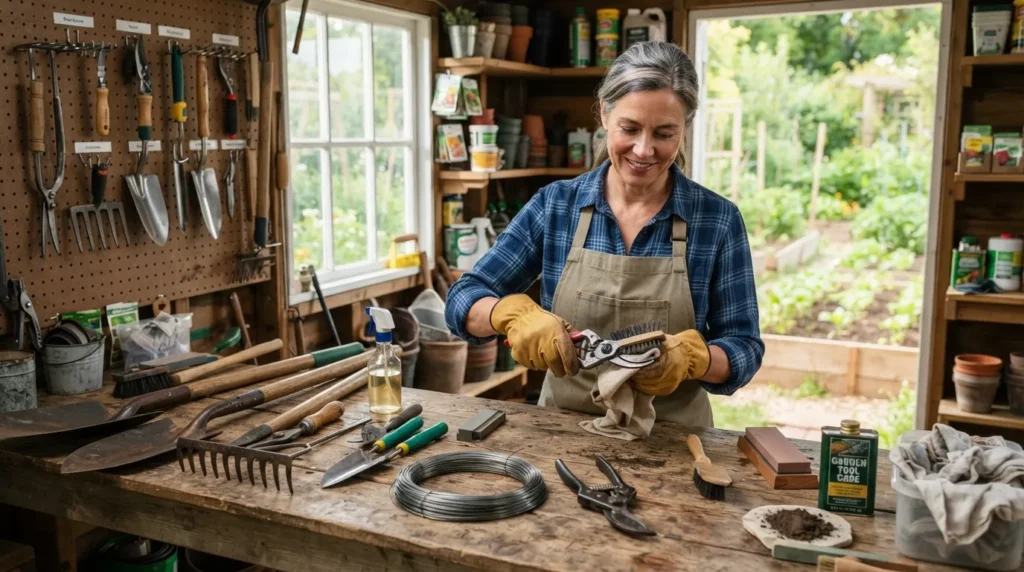
Proper care of tools and equipment improves efficiency and safety. Clean and sharpen pruners, hoes, and trowels to prevent disease spread and maintain effectiveness. Well-maintained tools simplify gardening tasks and make preparation and maintenance more enjoyable.
Investing time in tool care reduces frustration and supports long-term garden health and productivity.
Conclusion
Preparing your garden for summer planting is a critical step in achieving a thriving, productive, and visually appealing outdoor space. By assessing your garden environment, improving soil quality, selecting suitable plants, and implementing careful watering, fertilization, and pest management strategies, you set the stage for a successful summer.
Whether you are cultivating vegetables, flowers, herbs, or a combination, preparation ensures healthy root systems, vibrant growth, and abundant harvests. Summer gardening also promotes mindfulness, relaxation, and enjoyment, offering a therapeutic and fulfilling experience.
From container gardening and raised beds to companion planting, vertical supports, and microclimate adjustments, each preparation step contributes to long-term garden success. With careful planning and consistent care, your summer garden becomes a flourishing space that provides beauty, nourishment, and personal satisfaction throughout the season.
By taking these steps to prepare your garden, you ensure a strong start to the summer growing season and create a vibrant, resilient garden that thrives under the warm sun and extended daylight hours, delivering both aesthetic pleasure and tangible rewards.