Indoor Gardening Mistakes to Avoid for Healthy Plants
Indoor gardening looks simple from the outside. You buy a beautiful plant, place it near a window, water it when you remember, and expect it to grow. But anyone who has watched a once-healthy houseplant turn yellow, droop, dry out, or lose leaves knows that indoor plant care has a learning curve.
The good news is that most indoor gardening problems are easy to fix once you understand what went wrong. In many U.S. homes and apartments, plants struggle because of low humidity, inconsistent light, overwatering, poor drainage, heating and cooling vents, or the wrong plant choice for the space. These issues are common, especially for beginners, but they do not mean you have a “black thumb.”
Healthy indoor plants need balance. They need the right amount of light, water, air, space, nutrients, and attention. Too much care can be just as harmful as neglect. A plant that is watered every day may suffer faster than one that is forgotten for a week. A plant placed in direct afternoon sun may burn, while another placed in a dark corner may slowly fade.
This guide explains the most common indoor gardening mistakes to avoid for healthy plants. Whether you live in a small apartment, a suburban home, a dorm room, or work in an office, these tips will help you grow stronger, greener, and longer-lasting indoor plants.
1. Overwatering Your Indoor Plants
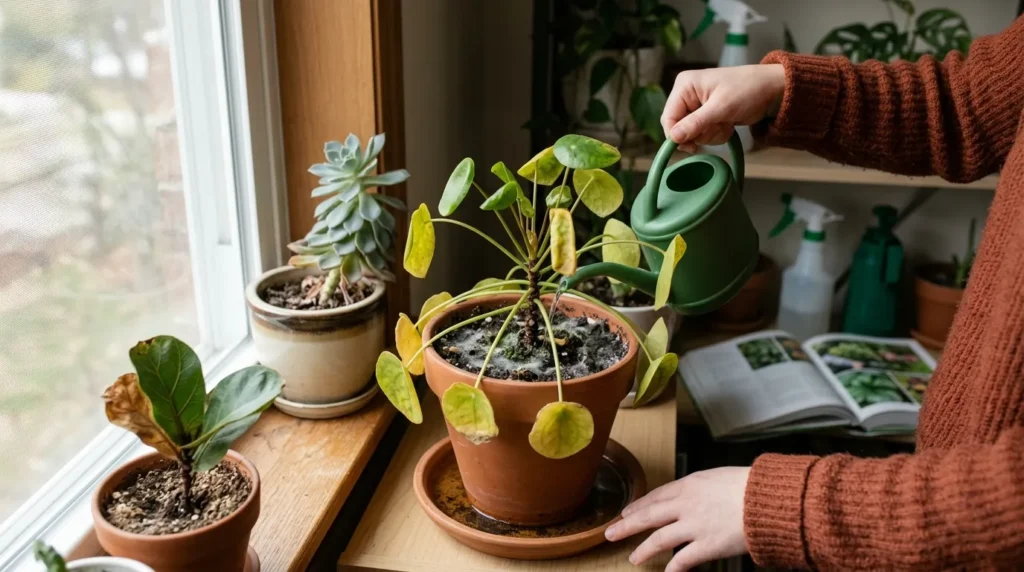
Overwatering is one of the biggest indoor gardening mistakes. Many plant owners water too often because they believe more water means better care. In reality, most houseplants die from too much water rather than too little.
indoor gardening mistakes to avoid When soil stays wet for too long, roots cannot breathe properly. This can lead to root rot, yellow leaves, mushy stems, fungus gnats, moldy soil, and a weak plant. Indoor plants usually dry out more slowly than outdoor plants because they receive less sunlight and less airflow.
The best way to avoid overwatering is to check the soil before watering. Push your finger one or two inches into the soil. If it still feels moist, wait. If it feels dry, your plant may be ready for water. Some plants, such as snake plants, ZZ plants, pothos, and succulents, prefer the soil to dry out between watering.
Instead of following a strict watering schedule, learn your plant’s signals. A plant near a sunny window may need water more often than one in a shaded corner. A plant in winter may need less water than it does in summer. Watering should depend on the plant, the pot, the soil, the season, and the room environment. Read Indoor Gardening Ideas to Reduce Anxiety.
2. Using Pots Without Drainage Holes
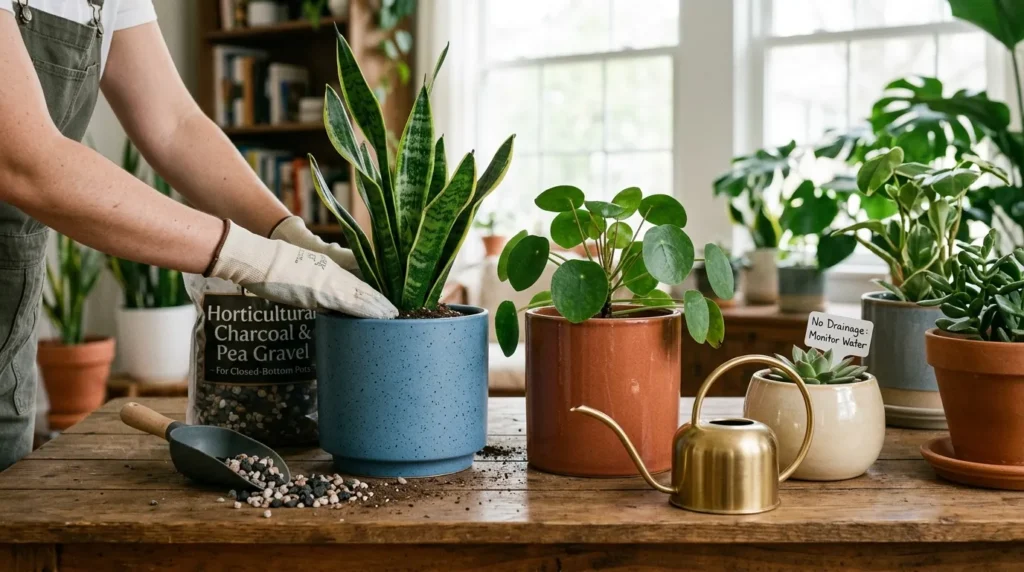
A beautiful decorative pot can make an indoor plant look stylish, but if it has no drainage hole, it can create serious problems. Drainage holes allow extra water to escape. Without them, water collects at the bottom of the pot and keeps the roots wet.
This is a common problem in many homes because decorative planters are often sold without drainage. A plant may look fine for a few weeks, then suddenly develop yellow leaves, soft stems, or a bad smell from the soil.
The best solution is to use a nursery pot with drainage holes inside a decorative cover pot. This gives you both function and style. When you water, remove the inner pot, let excess water drain, and then place it back inside the decorative pot.
If you must use a pot without drainage, water very carefully and use less water than usual. Still, for beginners, drainage holes are strongly recommended. They make plant care much easier and reduce the risk of root rot.
3. Choosing the Wrong Plant for Your Home
Not every indoor plant is right for every home. A plant that thrives in a bright Florida sunroom may struggle in a Chicago apartment with small north-facing windows. A humidity-loving fern may not do well in a dry Arizona home unless extra humidity is provided.
One of the smartest indoor gardening habits is choosing plants based on your real home conditions, not just appearance. Before buying a plant, think about your light, temperature, humidity, pets, schedule, and experience level.
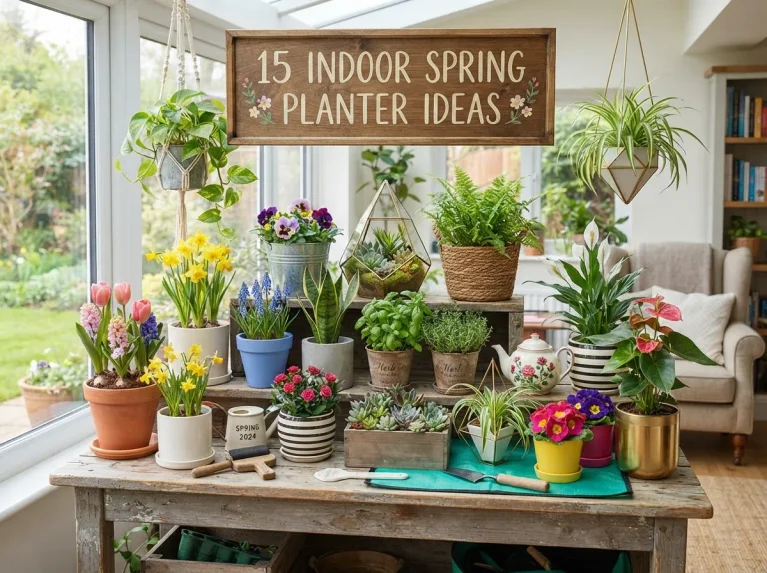
If your home has low light, consider snake plant, ZZ plant, pothos, Chinese evergreen, or cast iron plant. If you have bright light, aloe vera, jade plant, croton, and many succulents may do well. If you want a pet-friendly option, consider spider plant, parlor palm, areca palm, or Boston fern.
A trendy plant may look beautiful online, but if it needs high humidity, bright filtered light, and careful watering, it may not be the best choice for a beginner. Healthy indoor gardening starts with matching the plant to the place.
4. Ignoring Light Requirements
Light is food for plants. Without enough light, indoor plants cannot photosynthesize properly. They may become weak, pale, stretched, slow-growing, or leggy. Some plants may stop producing new leaves altogether.
At the same time, too much direct sunlight can damage plants that prefer shade. Leaves may turn brown, crispy, faded, or scorched. This often happens when tropical houseplants are placed in harsh afternoon sun.
Understanding indoor light is essential. South- and west-facing windows often provide brighter light in U.S. homes. East-facing windows usually offer gentle morning sun. North-facing windows tend to provide lower light.
Low-light plants can survive away from windows, but they still need some light. No plant can thrive in complete darkness for long. If your room has very limited natural light, a simple grow light can make a big difference.
Watch how your plant responds. If it leans strongly toward the window, it may need more light. If leaves burn or fade, it may need less direct sun. Moving a plant just a few feet can improve its health.
5. Watering All Plants the Same Way
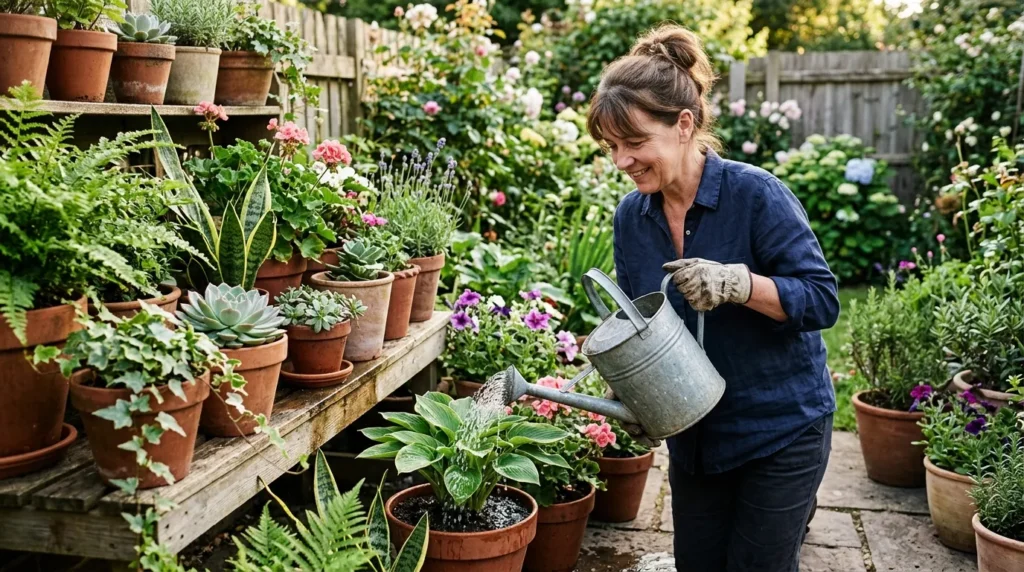
Another common mistake is treating every plant as if it has the same watering needs. A cactus, fern, pothos, peace lily, and orchid all have different preferences. Some like dry soil. Some prefer consistent moisture. Some need humidity more than frequent watering.
Succulents and cacti store water in their leaves and stems, so they need less frequent watering. Ferns usually prefer more consistent moisture. Peace lilies show visible drooping when thirsty. Snake plants prefer drying out between waterings.
Using the same watering routine for every plant can cause problems. Some plants may rot while others dry out. Instead, group plants by care needs. Keep drought-tolerant plants together and moisture-loving plants together. This makes your routine easier and more accurate.
Learning the natural environment of each plant helps. Many popular houseplants come from tropical forests, where they grow under filtered light with warm temperatures and humidity. Others come from dry regions and prefer less water.
6. Forgetting About Humidity
Many indoor plants struggle in dry air. This is especially true in U.S. homes during winter when heating systems reduce indoor humidity. Tropical plants such as calathea, fern, peace lily, monstera, and many philodendrons often prefer higher humidity than the average home provides.
Low humidity can cause brown leaf tips, crispy edges, curled leaves, and slow growth. People often mistake this for underwatering and add more water to the soil, but the real issue may be dry air.
To improve humidity, group plants together, place humidity-loving plants in bathrooms with windows, use a pebble tray, or run a small humidifier nearby. Misting may offer a short-term freshness boost, but it usually does not raise humidity for long.
Not all plants need high humidity. Snake plants, ZZ plants, succulents, and cacti usually tolerate dry indoor air well. The key is knowing which plants need extra moisture in the air and which do not.
7. Placing Plants Near Heating or Cooling Vents
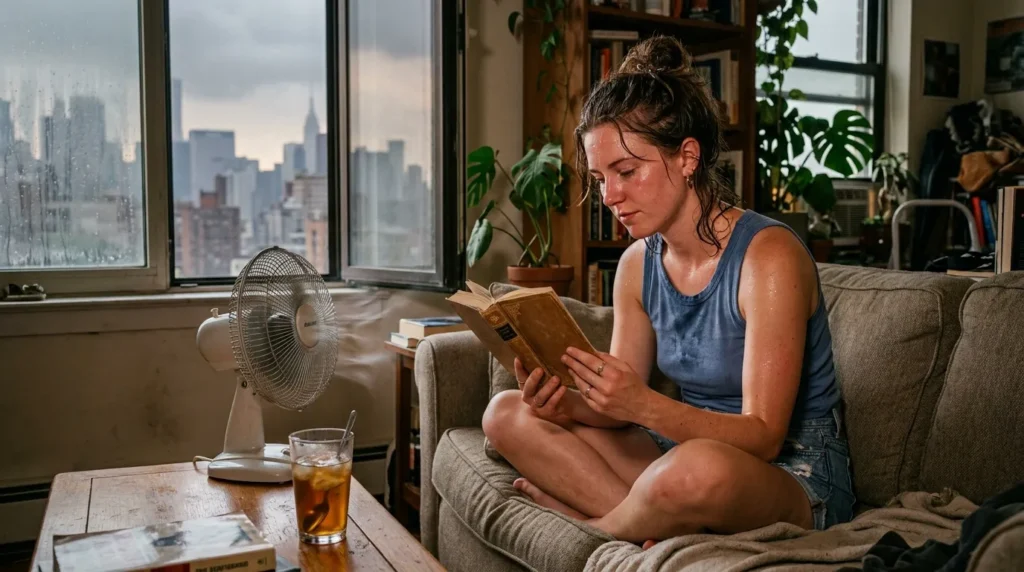
Indoor plants do not like sudden temperature changes. Placing them near air conditioners, heaters, radiators, fireplaces, or drafty doors can stress them quickly. Hot air can dry out leaves and soil. Cold drafts can shock tropical plants and cause leaf drop.
This mistake is common because vents are often located near windows, walls, and corners where people like to place plants. A plant may look perfect in that spot, but the airflow may be too harsh.
Try to keep plants away from direct blasts of hot or cold air. Most common houseplants prefer stable indoor temperatures similar to what people find comfortable. If you notice one side of a plant drying faster, curling, or browning near a vent, move it to a more stable location.
A healthy indoor garden depends not only on light and water but also on a steady environment.
8. Not Cleaning Plant Leaves
Dust is a hidden problem in indoor gardening. Over time, dust settles on leaves and blocks light. This reduces photosynthesis and makes plants look dull. Dusty leaves can also attract pests and make it harder to spot early signs of trouble.
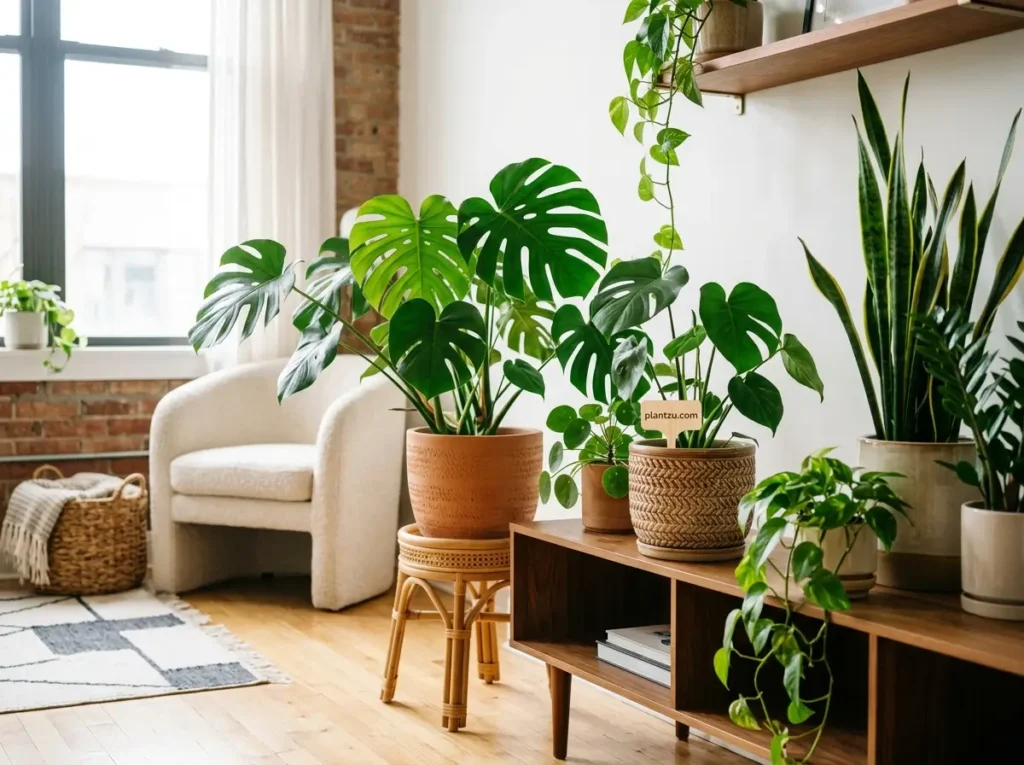
Large-leaf plants such as rubber plants, fiddle leaf figs, monstera, peace lilies, and pothos benefit from regular leaf cleaning. Use a soft damp cloth to wipe each leaf gently. Smaller plants can be rinsed lightly in the sink or shower if the soil is protected from becoming too wet.
Clean leaves look brighter, absorb light better, and help the plant stay healthier. This small habit can make a big difference, especially in homes with pets, carpets, open windows, or heavy indoor dust.
Avoid using harsh leaf-shine products too often. They may clog leaf pores or leave residue. Clean water and a soft cloth are usually enough.
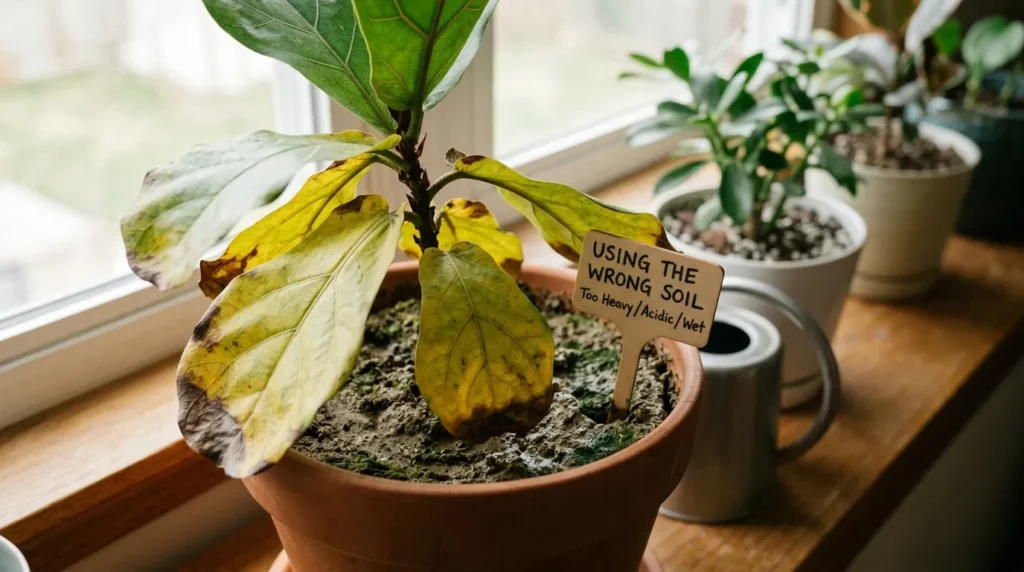
9. Using the Wrong Soil
Soil is more than dirt. It supports the roots, holds moisture, provides airflow, and helps deliver nutrients. Using the wrong soil can cause watering problems even if your routine seems correct.
A dense soil mix may hold too much water and cause root rot. A very loose mix may dry too quickly. Succulents need fast-draining soil. Tropical plants often prefer a mix that holds some moisture while still draining well. Orchids usually need a bark-based medium rather than regular potting soil.
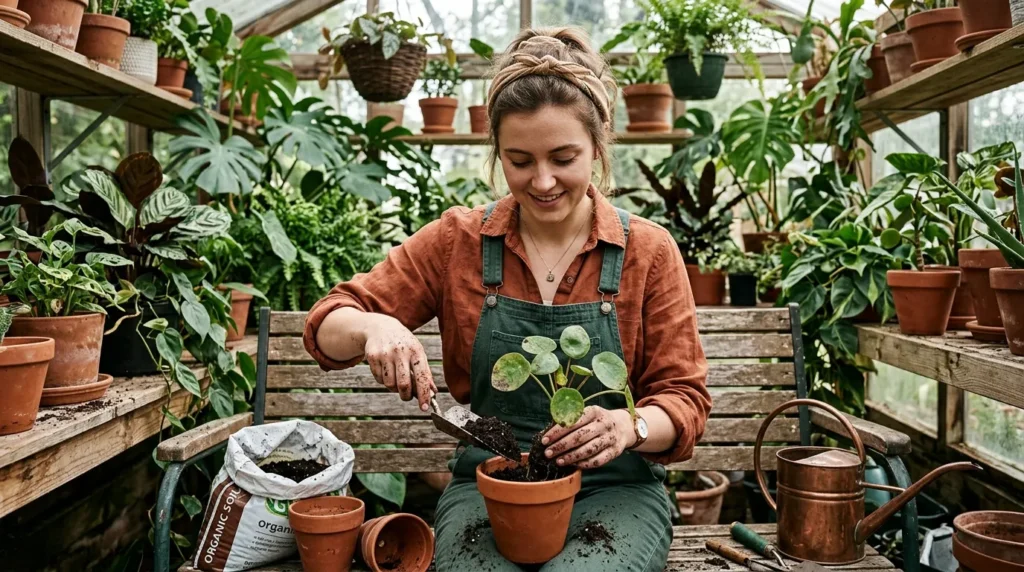
Many beginners use garden soil indoors, but this is usually a mistake. Outdoor garden soil can be too heavy for containers and may bring pests, weed seeds, or drainage problems. Use a high-quality indoor potting mix suited to your plant type.
If your plant’s soil stays wet for many days, smells bad, or feels compacted, it may be time to repot with a better mix.
10. Repotting Too Often or Not Enough
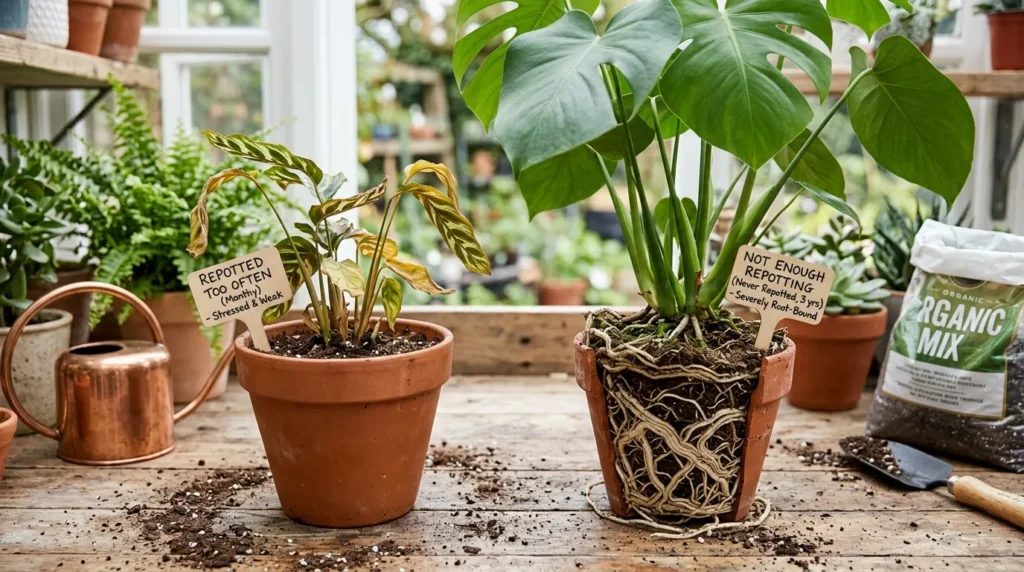
Repotting is important, but timing matters. Some people repot too often because they think a larger pot means faster growth. Others never repot, leaving plants root-bound for years.
A pot that is too large can hold too much soil and water, increasing the risk of root rot. A pot that is too small can restrict growth and cause water to dry out too quickly. Signs that a plant may need repotting include roots growing out of drainage holes, water running straight through the pot, slow growth, and soil that dries extremely fast.
Most indoor plants do not need repotting constantly. Many do well when repotted every one to two years, depending on growth. When repotting, choose a pot only one or two inches wider than the current one.
Repotting is best done during the growing season, usually spring or early summer. This gives the plant time to recover and adjust.
11. Overfertilizing Indoor Plants
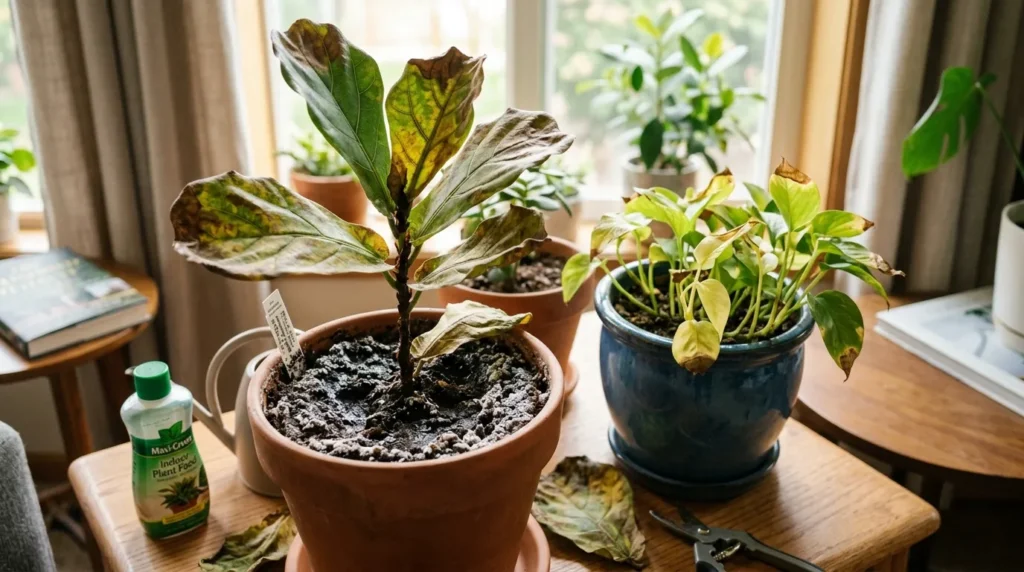
Fertilizer can help indoor plants grow, but too much can harm them. Overfertilizing may burn roots, cause brown leaf tips, create salt buildup in the soil, and weaken the plant.
Indoor plants generally grow more slowly than outdoor plants, so they need less fertilizer. During winter, many plants slow down and may not need fertilizer at all. Feeding heavily during a low-growth period can stress them.
Use fertilizer according to the plant’s needs and the product instructions. When in doubt, use a weaker dose rather than a stronger one. A balanced liquid fertilizer during spring and summer is enough for many common houseplants.
If you notice a white crust on the soil surface or pot edges, it may be mineral or fertilizer buildup. Flushing the soil with water or refreshing the potting mix can help.
12. Ignoring Pest Problems Until They Spread
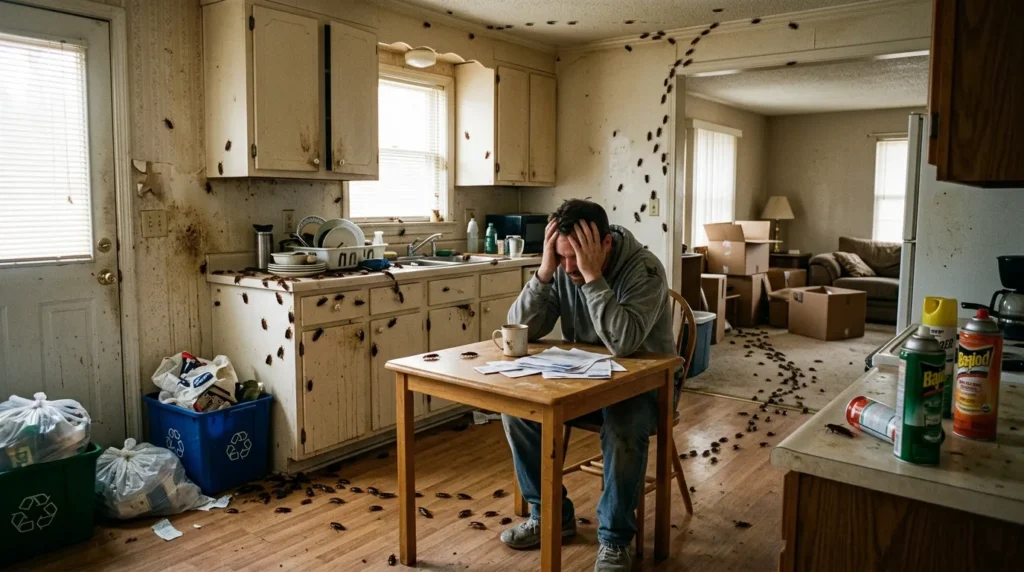
Indoor plant pests can appear even in clean homes. Common pests include spider mites, fungus gnats, mealybugs, scale, aphids, and thrips. They may arrive on new plants, in soil, through open windows, or from plants that were outdoors.
The mistake many plant owners make is waiting too long. A few pests can quickly become an infestation. Check your plants regularly, especially under leaves, near stems, and on new growth.
Yellowing leaves, sticky residue, webbing, tiny flying insects, or white cotton-like patches can signal a pest issue. Isolate affected plants right away to protect the rest of your collection.
For mild pest problems, rinsing leaves, wiping with a damp cloth, using insecticidal soap, or applying neem-based products may help. The key is consistency. One treatment is often not enough.
13. Moving Plants Too Often
Plants adjust slowly to their environment. Moving them from room to room too often can cause stress, especially if light, temperature, and humidity change each time. Some plants respond by dropping leaves or slowing growth.
It is fine to rotate a plant so all sides receive light, but constant relocation is not ideal. Choose a suitable spot and give the plant time to adapt. If you need to move it, do so gradually when possible.
This is especially important for sensitive plants such as fiddle leaf figs, calatheas, and some ficus varieties. These plants may react strongly to sudden changes.
When bringing a new plant home, expect some adjustment. A few yellow leaves or minor drooping may happen as it adapts to your space. Give it stable care before making more changes.
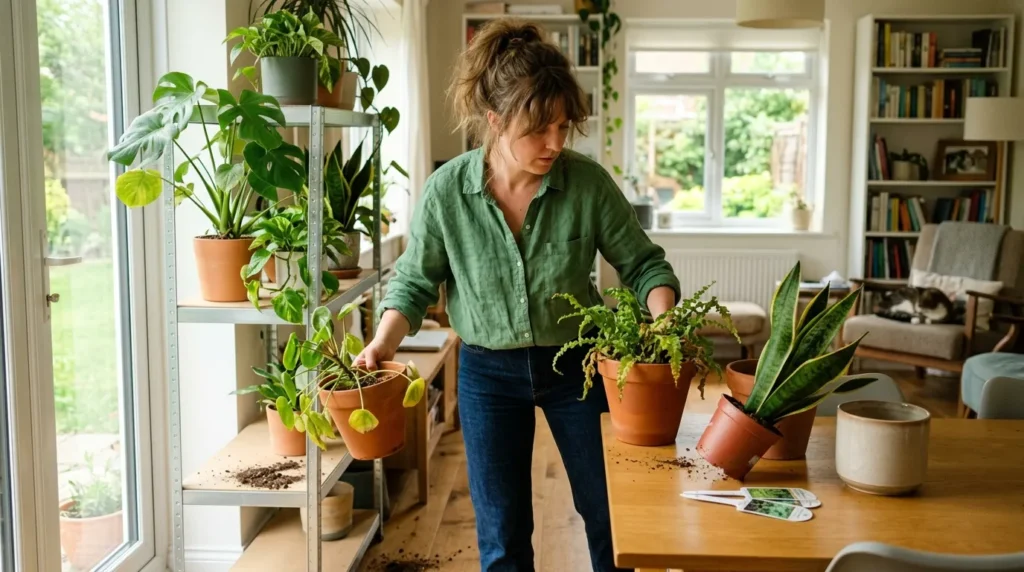
14. Buying Unhealthy Plants
Many indoor gardening problems begin before the plant even enters your home. A plant may already have pests, root issues, disease, or stress when purchased.
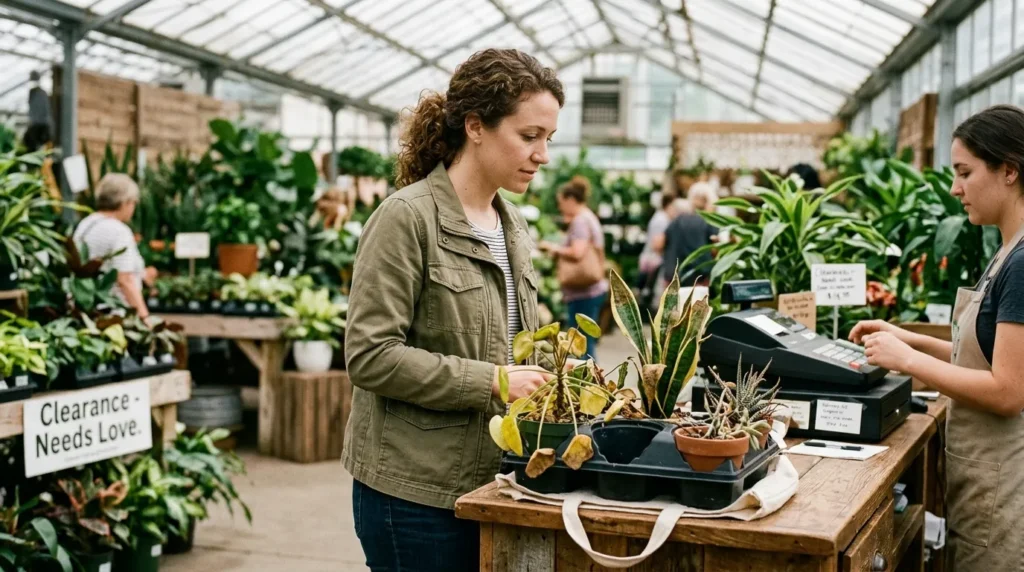
Before buying, inspect the leaves, stems, and soil. Look for yellowing, brown spots, webbing, sticky residue, mushy stems, or tiny insects. Check under leaves and near the soil line. A plant with strong color, firm stems, and new growth is usually a better choice.
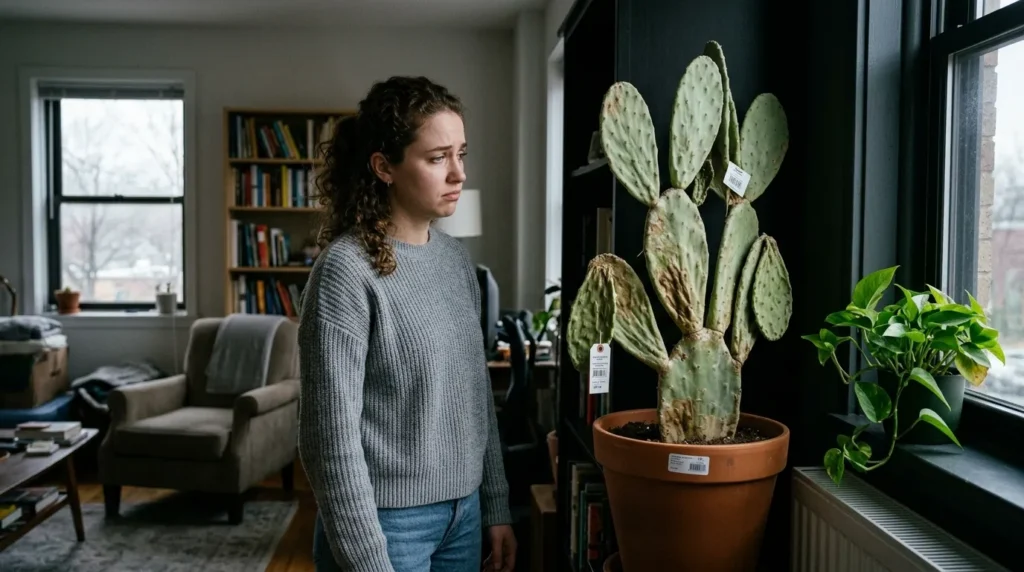
Avoid plants sitting in soggy soil or water-filled trays. Also be cautious with heavily discounted plants unless you know how to revive them.
After bringing a new plant home, keep it separate from other plants for a week or two if possible. This simple step can prevent pests from spreading to your entire indoor garden.
15. Not Understanding Seasonal Changes
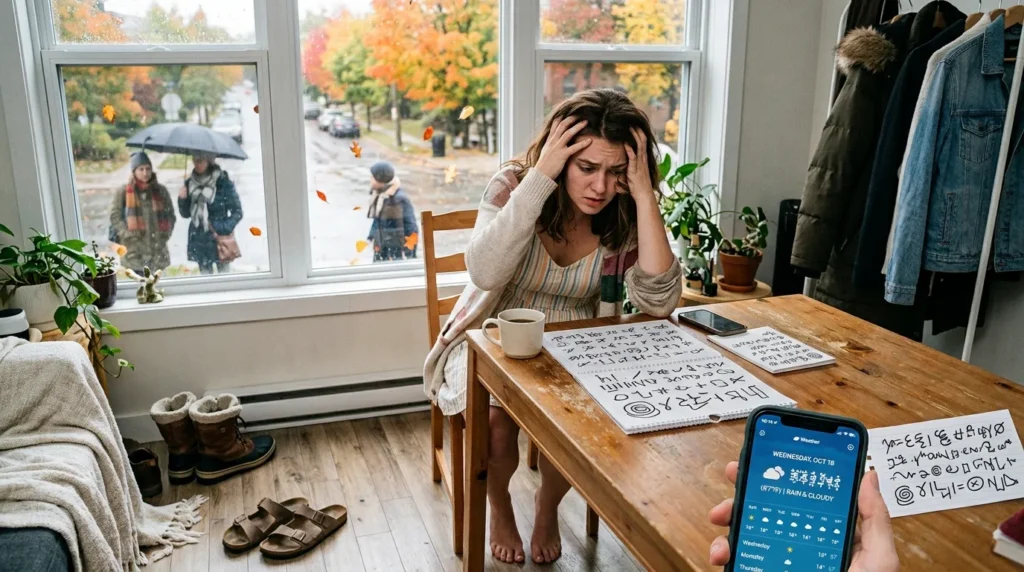
Indoor plant care changes throughout the year. In the United States, many homes experience big seasonal shifts in light, humidity, and temperature. A plant that needs weekly watering in July may need water only every two or three weeks in January.
During winter, daylight hours are shorter, indoor heating dries the air, and many plants grow more slowly. This means they usually need less water and little to no fertilizer. During spring and summer, plants often grow faster and may need more frequent watering and feeding.
Pay attention to seasonal changes instead of using the same routine all year. Adjusting care with the seasons is one of the best ways to keep indoor plants healthy.
16. Ignoring Pet and Child Safety
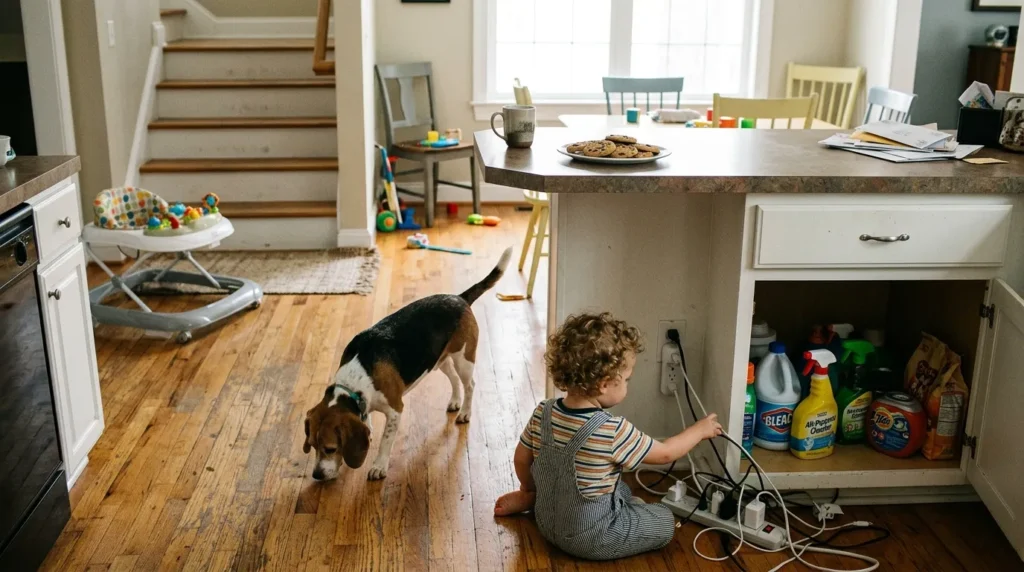
Some popular indoor plants can be toxic if eaten by pets or children. Peace lily, pothos, philodendron, dieffenbachia, snake plant, and many others may cause irritation or illness if ingested.
This does not mean you cannot grow these plants, but placement matters. Use high shelves, hanging planters, plant stands, or rooms pets do not access. If your cat or dog loves chewing plants, choose safer options such as spider plant, parlor palm, areca palm, or Boston fern.
Indoor gardening should make your home healthier and more beautiful, not create unnecessary risks. Always consider your household before choosing plants.
17. Expecting Instant Growth
Indoor plants grow at their own pace. Some grow quickly, like pothos and spider plants. Others grow slowly, like ZZ plants, snake plants, and cast iron plants. Expecting fast results can lead to overwatering, overfertilizing, or moving the plant too often.
Healthy growth may be slow, especially in low light. A plant that is not producing new leaves every week may still be perfectly healthy. Look for steady color, firm leaves, and stable roots.
Patience is part of indoor gardening. The goal is not constant dramatic growth but long-term plant health.
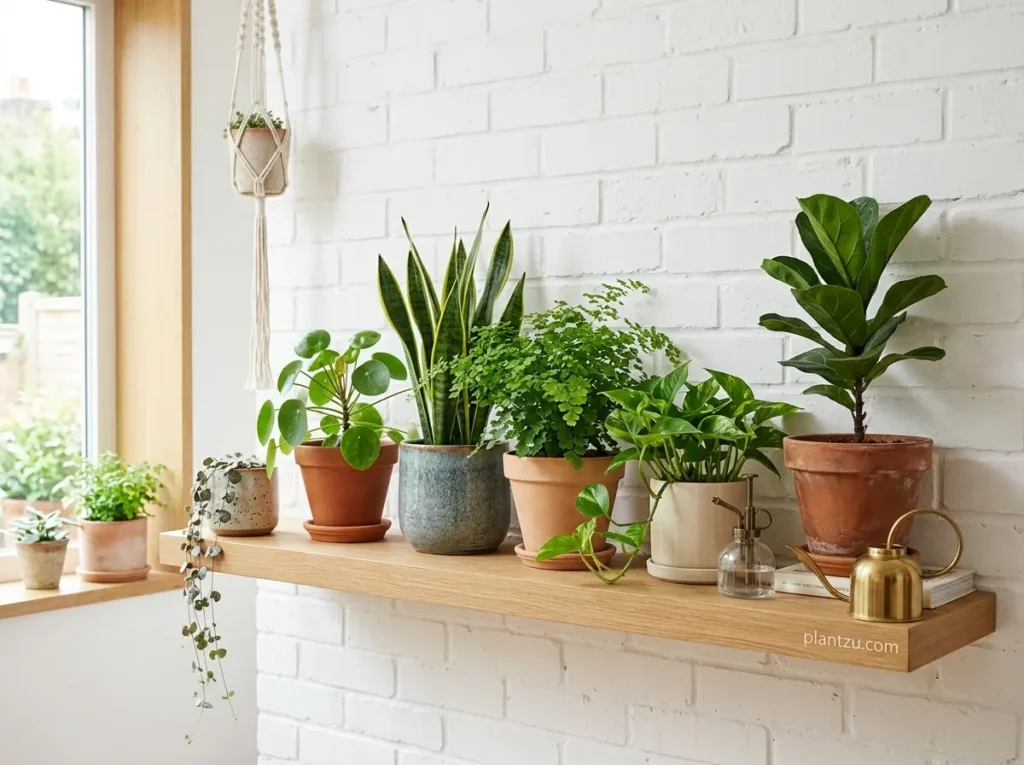
18. Forgetting That Less Care Is Sometimes Better
Many indoor plants suffer from too much attention. Too much water, too much fertilizer, too much moving, too much pruning, and too many changes can stress a plant.
Some of the most reliable houseplants, such as snake plants, ZZ plants, pothos, and succulents, prefer simple care. They do not need daily attention. They need the right environment and consistent, moderate care.
A good indoor gardener observes more than they interfere. Look at the leaves, feel the soil, check the light, and respond based on what the plant needs.
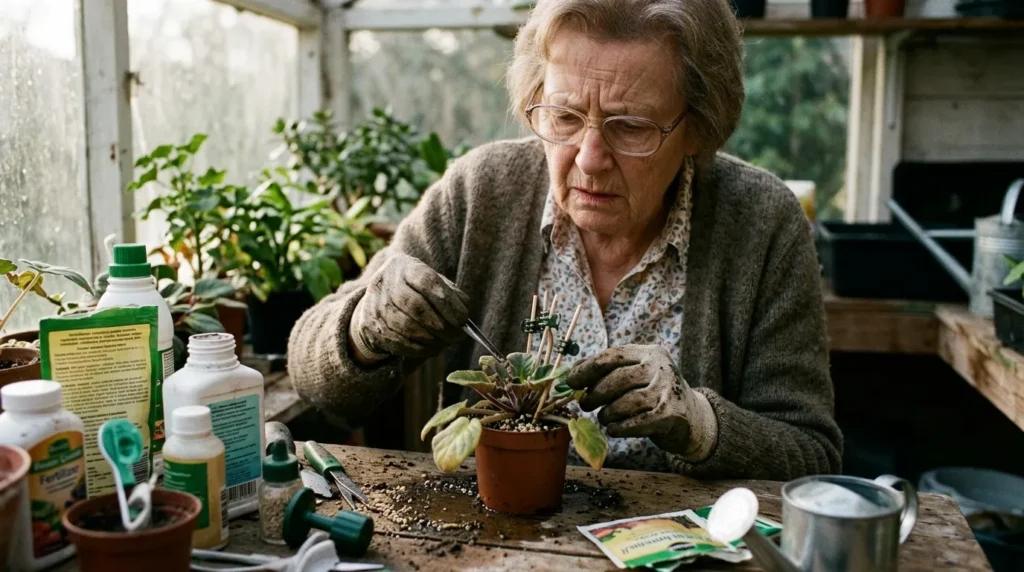
Best Indoor Gardening Habits for Healthy Plants
Healthy indoor gardening becomes easier when you build simple habits. Check soil before watering. Keep leaves clean. Use pots with drainage. Choose the right plant for the right room. Inspect for pests regularly. Adjust care with the seasons.
It also helps to keep notes, especially if you own several plants. Write down when you watered, fertilized, repotted, or noticed changes. Over time, this helps you understand each plant’s rhythm.
A healthy indoor garden does not require perfection. It requires observation, patience, and small consistent actions.
Conclusion: Avoiding Mistakes Helps Plants Thrive
Indoor gardening mistakes are normal, especially when you are learning. Every plant owner has overwatered, underwatered, placed a plant in the wrong light, or ignored a pest problem at some point. What matters is learning from those mistakes and adjusting your care.
The most important mistakes to avoid are overwatering, poor drainage, wrong lighting, unhealthy soil, unsuitable plant choices, and ignoring early warning signs. Once you understand these basics, indoor plant care becomes much easier and more enjoyable.
Healthy indoor plants can make your home feel warmer, fresher, and more relaxing. They bring natural beauty into bedrooms, offices, living rooms, kitchens, and apartments of all sizes. With the right approach, you can keep your plants thriving for years.
Start with easy plants, observe them closely, and remember that balance is the secret. Give your plants what they need, avoid doing too much, and let them grow at their own pace.