12 DIY Vertical Garden Ideas for Small Spaces
12 DIY Vertical Garden Ideas for Small Spaces does not mean you have to give up on gardening. Whether you live in an apartment, condo, townhouse, tiny home, dorm, or a house with a compact backyard, a vertical garden can help you grow more while using less floor space. Instead of spreading plants across the ground, vertical gardening uses walls, fences, balconies, railings, shelves, trellises, and hanging systems to bring greenery upward.
This guide of 12 DIY Vertical Garden Ideas for Small Spaces will walk you through the best DIY vertical garden ideas for small spaces, how to choose the right plants, how to care for them, and how to design a vertical garden that fits your lifestyle, budget, and home.
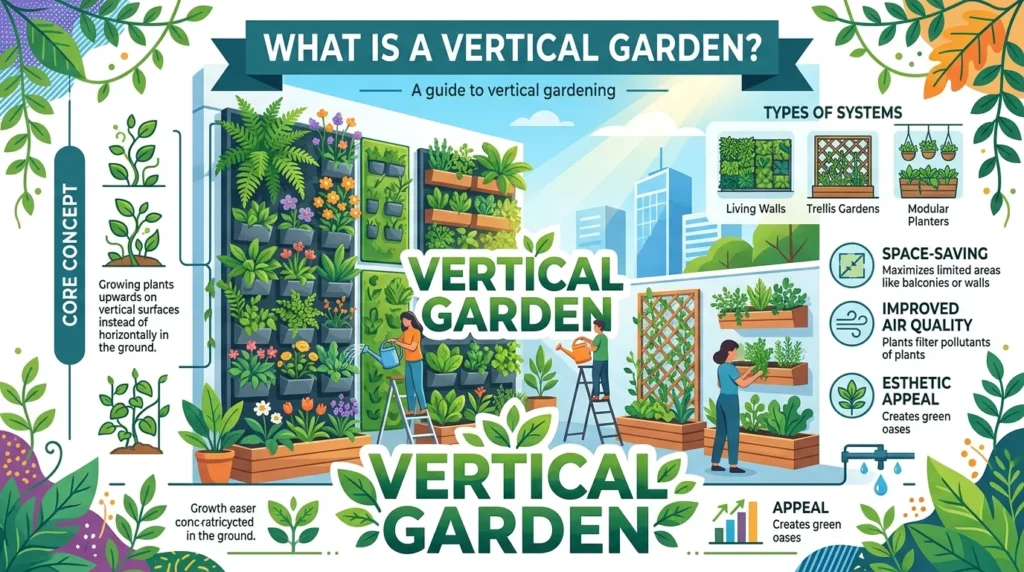
What Is a Vertical Garden?
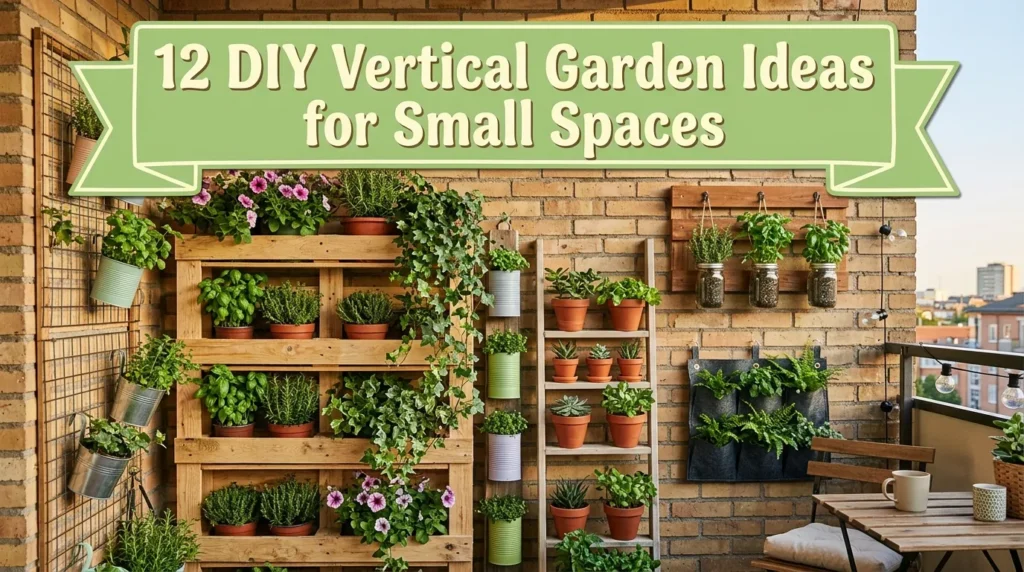
A vertical garden is a growing system that uses vertical surfaces or upright structures to support plants. Instead of planting only in traditional garden beds, you grow plants upward. This can be as simple as hanging a few pots on a wall or as creative as building a full living wall with multiple layers of plants.
Vertical gardens can be installed indoors or outdoors. Outdoor vertical gardens are common on patios, balconies, fences, porches, and small yards. Indoor vertical gardens can be placed near sunny windows, in kitchens, bathrooms, living rooms, or home offices.
For small spaces, vertical gardens are especially useful because they make the most of unused areas. A bare wall, empty corner, narrow walkway, or balcony railing can become a productive and beautiful garden. read for best indoor gardening.
why 12 DIY Vertical Garden Ideas for Small Spaces
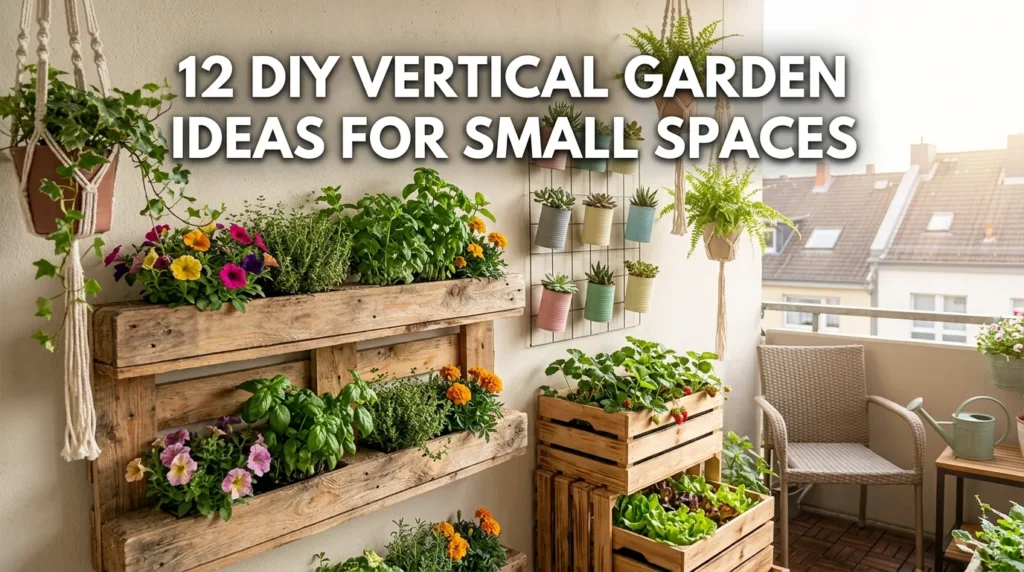
Small-space gardening requires smart design. When floor space is limited, every inch matters. A vertical garden allows you to grow plants without crowding your patio, balcony, deck, or walkway.
One of the biggest advantages is space efficiency. By growing upward, you can fit more plants into a smaller area. This is helpful for apartment dwellers, renters, and homeowners with limited yard space.
Vertical gardens can also improve privacy. A balcony or patio may feel exposed, especially in busy neighborhoods or apartment complexes. A wall of plants, hanging baskets, or climbing vines can create a natural screen that feels softer and more attractive than a solid barrier.
Another benefit is easier maintenance. Raised and wall-mounted planters can reduce bending, kneeling, and digging. This makes vertical gardening appealing for people who want a more accessible way to garden.
Vertical gardens also add visual interest. A small outdoor area can feel plain or cramped, but plants at different heights create depth and movement. Greenery on walls and railings can make a space feel lush, calming, and intentional.
For renters, many DIY vertical garden ideas are temporary and removable. Freestanding shelves, ladder planters, hanging baskets, and railing planters can move with you when you relocate.
Choosing the Right Location
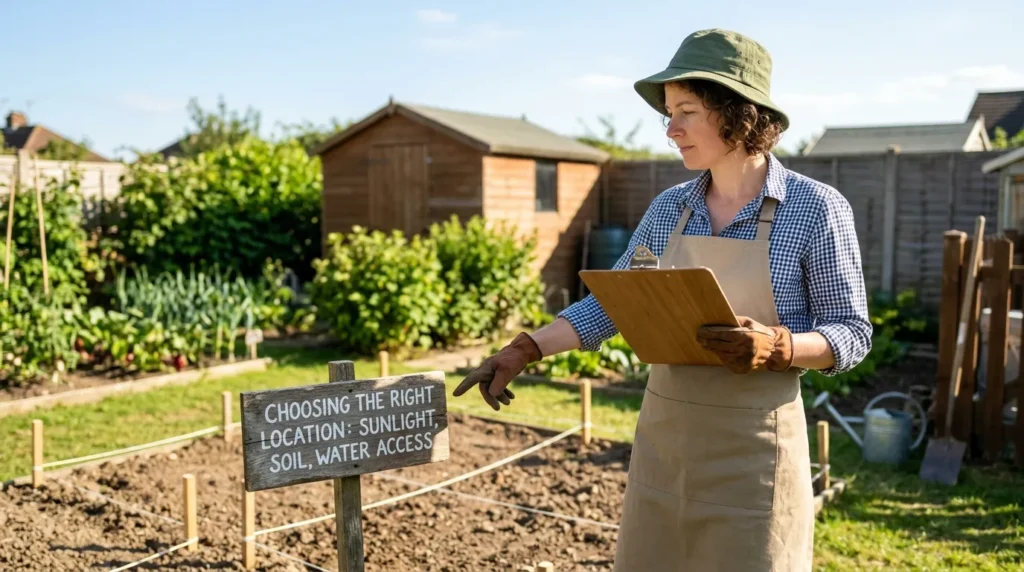
Before starting a DIY vertical garden, choose the right location. The success of your garden depends heavily on sunlight, airflow, access to water, and the strength of the structure supporting your plants.
Sunlight is the first thing to consider. Most vegetables and flowering plants need several hours of direct sun each day. Herbs like basil, rosemary, thyme, and oregano also prefer bright light. Leafy greens and some houseplants can tolerate partial shade. If your balcony or patio faces north or is shaded by nearby buildings, choose plants that can handle lower light.
Water access is also important. Vertical gardens can dry out faster than ground gardens, especially in hot or windy areas. Choose a location where watering is convenient. If carrying water across your home every day feels difficult, you may not keep up with the garden long-term.
Airflow matters too. Plants need circulation to reduce disease problems, but very strong wind can dry them out or damage delicate stems. Balconies on higher floors can be windy, so sturdy containers and wind-tolerant plants may be necessary.
Finally, consider weight. Soil, water, containers, and mature plants can become heavy. If you are attaching planters to a wall, fence, or railing, make sure the structure can support them. For renters, avoid drilling into surfaces unless allowed. Freestanding options are often safer and more flexible.
12 DIY Vertical Garden Ideas for Small Spaces
Choosing the right plants can make your vertical garden easier to maintain and more successful. Not every plant is ideal for vertical gardening, especially in small containers. Look for plants that match your space, sunlight, and care routine.
Herbs are some of the best plants for vertical gardens. Basil, parsley, cilantro, mint, thyme, oregano, chives, sage, and rosemary can grow well in containers. A vertical herb garden near the kitchen is practical and attractive.
Flowers bring color and charm to small spaces. Petunias, impatiens, pansies, nasturtiums, begonias, geraniums, and sweet alyssum can work beautifully in hanging pockets, wall planters, and stacked containers.
Vegetables can also grow vertically. Lettuce, spinach, kale, cherry tomatoes, peppers, peas, beans, cucumbers, and compact squash varieties can fit small-space gardens if given the right support. Climbing vegetables need trellises, cages, or strings to guide their growth.
Strawberries are excellent for vertical gardening because they trail nicely and grow well in towers, pockets, and hanging containers. They are especially popular for patios and balconies.
Succulents are a great option for sunny walls and low-water designs. They work well in shallow planters and decorative frames, especially in dry climates or indoor spaces with strong light.
Houseplants such as pothos, philodendron, ferns, spider plants, and peace lilies can be used for indoor vertical gardens. Choose plants based on your indoor light conditions and humidity level.
DIY Pallet Vertical Garden
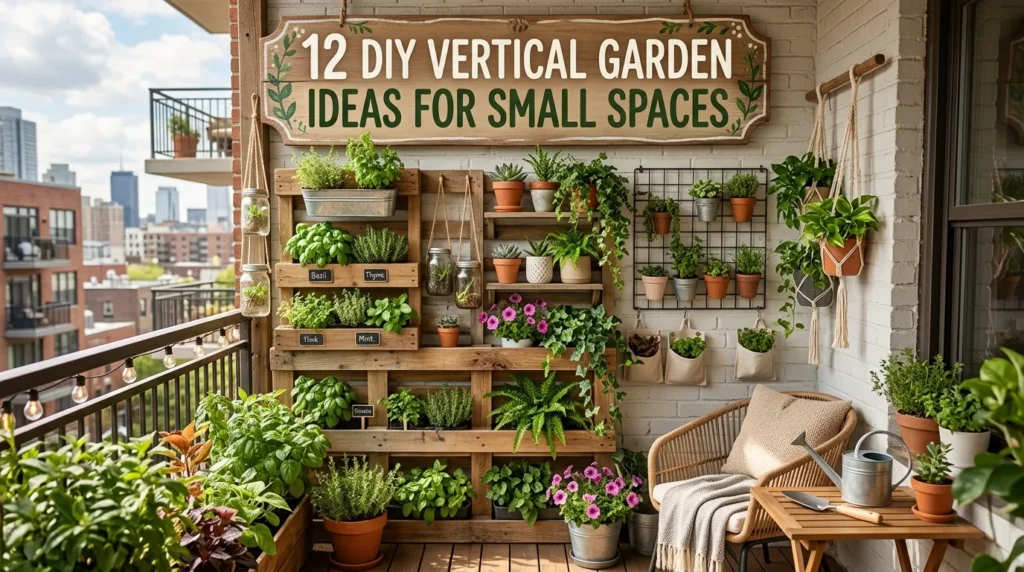
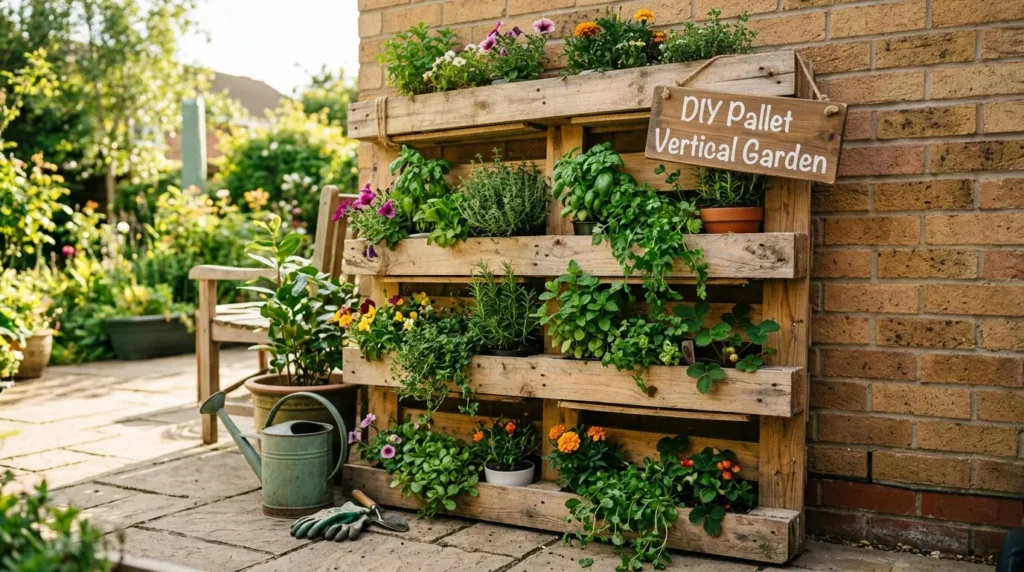
A pallet vertical garden is one of the most popular DIY vertical garden ideas for small spaces. Wooden pallets are often affordable or free, and they can be transformed into rustic plant displays for patios, balconies, fences, or small yards.
To create a pallet garden, start with a clean, safe pallet. Avoid pallets that have been treated with harmful chemicals or used to transport unknown materials. Sand rough edges to prevent splinters. You can leave the wood natural, stain it, or paint it to match your outdoor decor.
A pallet can be used in several ways. You can stand it upright and attach small pots to the slats. You can line the back and bottom with landscape fabric and fill it with soil. You can also use it as a support for trailing plants or herbs.
Pallet gardens work well for herbs, flowers, succulents, and shallow-rooted greens. They are especially attractive when filled with colorful blooms or cascading plants.
For small spaces, lean the pallet against a wall or fence instead of laying it flat. Make sure it is stable so it does not tip over in wind. If needed, secure it carefully without damaging property.
Hanging Pocket Garden
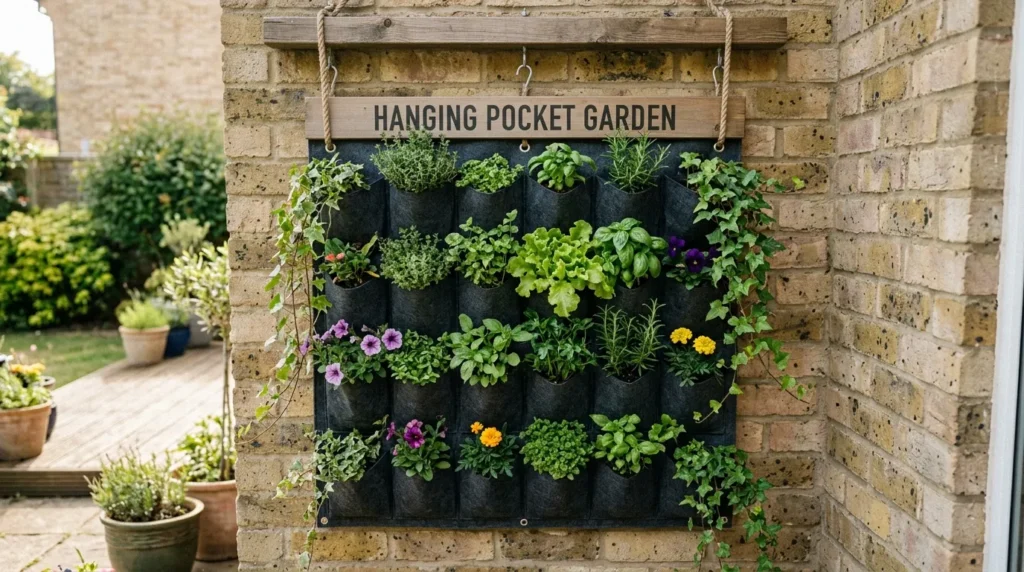
A hanging pocket garden uses fabric, felt, canvas, or plastic pockets to hold plants. These systems are great for renters and small balconies because they can hang from hooks, railings, fences, or doors.
Pocket gardens are lightweight compared to large containers, but they still need proper support once filled with soil and water. Choose a durable hanging organizer designed for planting, or repurpose a strong shoe organizer if it can handle moisture.
This type of vertical garden works best for herbs, lettuce, strawberries, small flowers, and compact plants. Because pockets are usually small, they dry out quickly. Regular watering is important, especially during hot U.S. summers.
A hanging pocket garden can also be used indoors if placed near a sunny window and protected from leaks. Add a waterproof backing or tray to prevent water damage.
The appeal of pocket gardens is their neat, organized look. Each plant has its own space, making it easy to grow a variety of herbs or flowers in a compact area.
Ladder Planter Garden
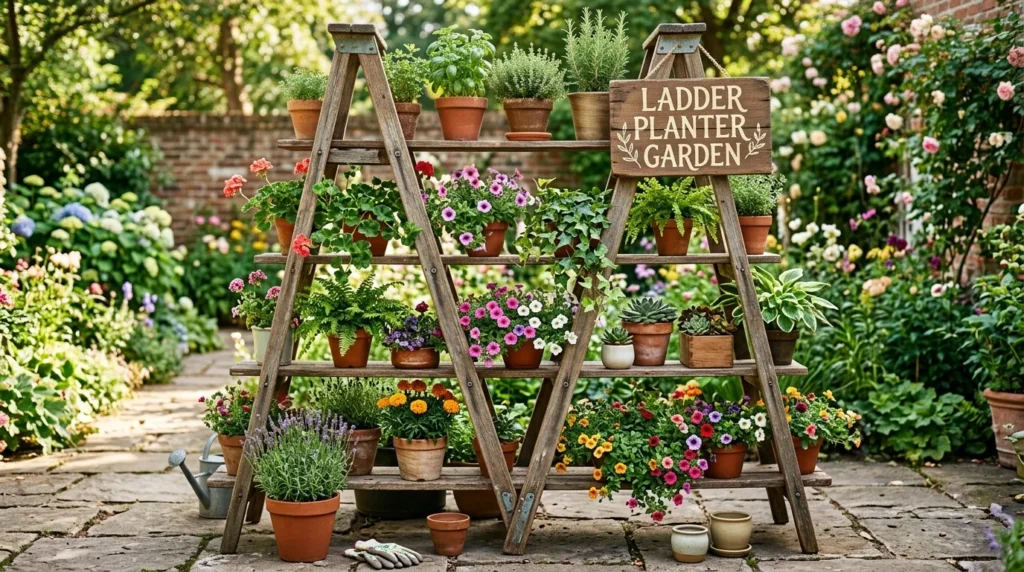
A ladder planter is a stylish and simple DIY vertical garden idea. It uses a wooden or metal ladder as a plant stand, with pots placed on each step. You can use an old ladder or build a ladder-style shelf from wood.
This idea works well because it is freestanding. That makes it ideal for renters or anyone who does not want to attach planters to walls. A ladder planter can sit on a patio, balcony, porch, or even indoors near a bright window.
The tiered design allows plants to receive light at different heights. Place sun-loving plants on the top levels and shade-tolerant plants below if the upper plants cast shadows.
Ladder planters are great for herbs, small flowers, trailing vines, and decorative containers. You can mix plant colors and pot styles for a personalized look.
For safety, make sure the ladder is stable. If it is outdoors, protect wood from moisture with outdoor-safe paint or sealant. In windy areas, place it against a wall or secure it so it cannot fall.
Trellis Garden for Climbing Plants
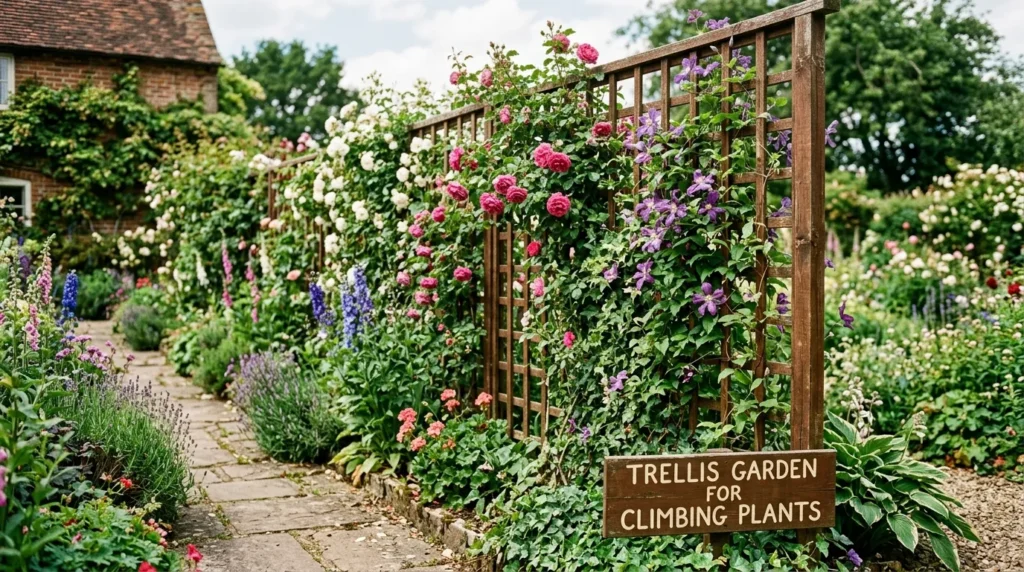
A trellis garden is perfect for growing upward naturally. Many plants are climbers, meaning they want to grow vertically with support. A trellis gives them a structure to hold onto while saving ground space.
Trellises can be made from wood, metal, bamboo, wire panels, string, or garden netting. They can stand in containers, attach to raised beds, lean against walls, or create privacy screens.
Climbing vegetables such as peas, pole beans, cucumbers, and indeterminate tomatoes can grow well on trellises. Flowering vines such as clematis, morning glory, and climbing nasturtium can add color and beauty. Some perennial vines may become large over time, so choose carefully for small spaces.
For balcony gardens, a trellis in a large container can create a living wall without permanent installation. This can provide privacy and shade while growing edible or ornamental plants.
The key is matching the trellis strength to the plant. A small bamboo trellis may support peas, but heavy tomato vines or cucumbers may need sturdier support.
Vertical Herb Garden for the Kitchen
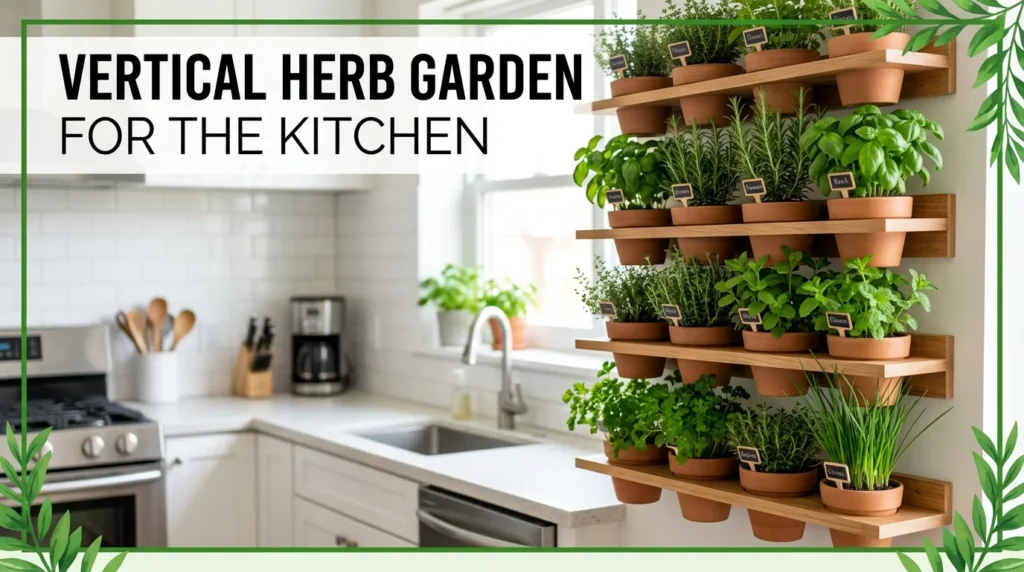
A vertical herb garden is one of the most practical small-space garden projects. Fresh herbs can make everyday meals more flavorful, and they do not require as much space as many vegetables.
You can create a vertical herb garden with wall-mounted pots, hanging rails, stacked containers, pocket planters, or a ladder shelf. Indoors, place herbs near a bright window. Outdoors, choose a sunny balcony, patio, or porch.
Popular herbs for vertical gardens include basil, parsley, cilantro, thyme, oregano, rosemary, mint, and chives. Mint is best grown in its own container because it spreads aggressively.
When growing herbs, drainage is important. Most herbs do not like sitting in soggy soil. Use containers with drainage holes and a quality potting mix. Water when the top of the soil feels dry, but avoid overwatering.
Harvest herbs regularly to encourage fuller growth. Snipping a few leaves at a time keeps plants productive and prevents them from becoming leggy.
Gutter Garden
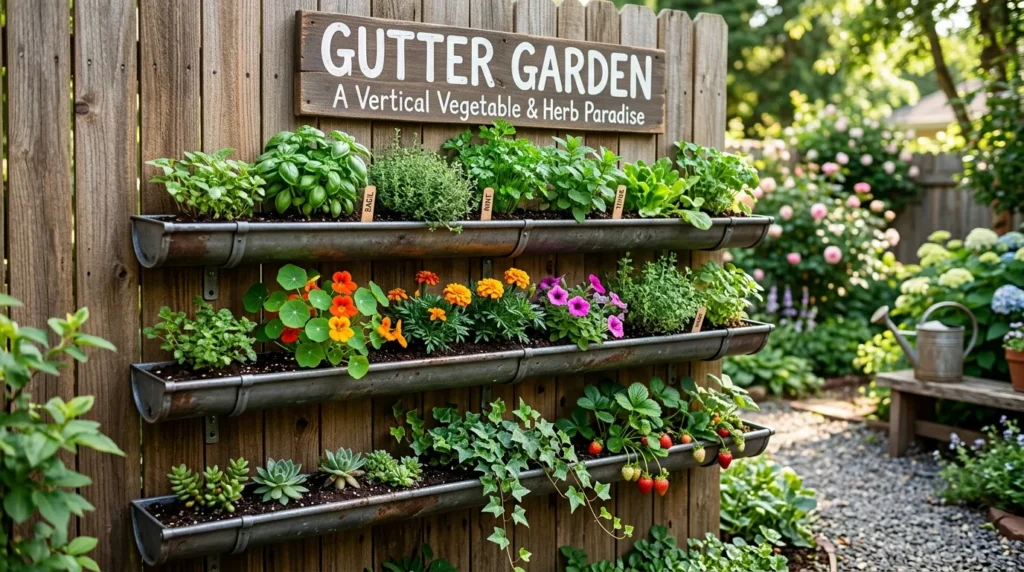
A gutter garden uses sections of rain gutters as long, narrow planters. This is a clever DIY vertical garden idea for fences, walls, railings, and sunny outdoor spaces.
Gutters can be mounted in rows, creating a tiered planting system. They are best for shallow-rooted plants such as lettuce, spinach, strawberries, small herbs, and annual flowers.
Drainage is essential. Drill small holes along the bottom so excess water can escape. Without drainage, roots may rot. Use lightweight potting mix rather than heavy garden soil.
A gutter garden is especially useful for narrow spaces because it does not stick out far from the wall. It can turn an empty fence into a productive growing area.
When installing, make sure the gutters are securely attached. Wet soil adds weight, and weak mounting can cause the system to pull away from the wall.
Stacked Planter Tower
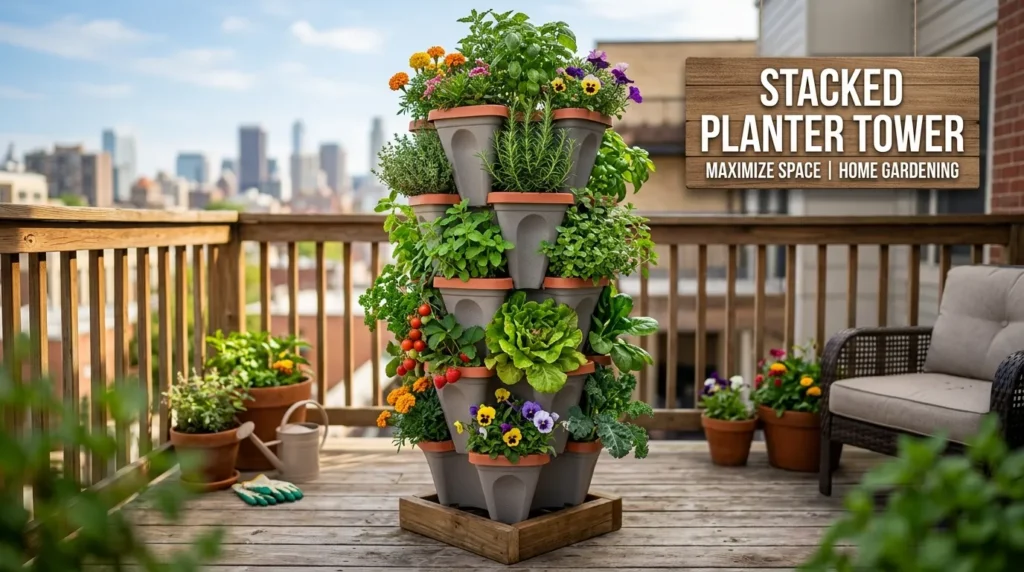
A stacked planter tower allows you to grow several plants in a small footprint. These towers can be made from stacked pots, tiered planters, or specially designed vertical planting systems.
One simple DIY version uses pots of different sizes stacked from largest at the bottom to smallest at the top. A center pole can help stabilize the tower. Each level provides space for plants around the edges.
Stacked towers are excellent for strawberries, herbs, flowers, lettuce, and trailing plants. They work well on patios, balconies, porches, and small decks.
Because water flows downward, the top of the tower may dry out faster while the bottom may stay wetter. Check moisture at different levels and adjust watering as needed.
A planter tower adds height and visual interest. It can become a centerpiece in a small garden area without taking up much floor space.
Wall-Mounted Planter Boxes
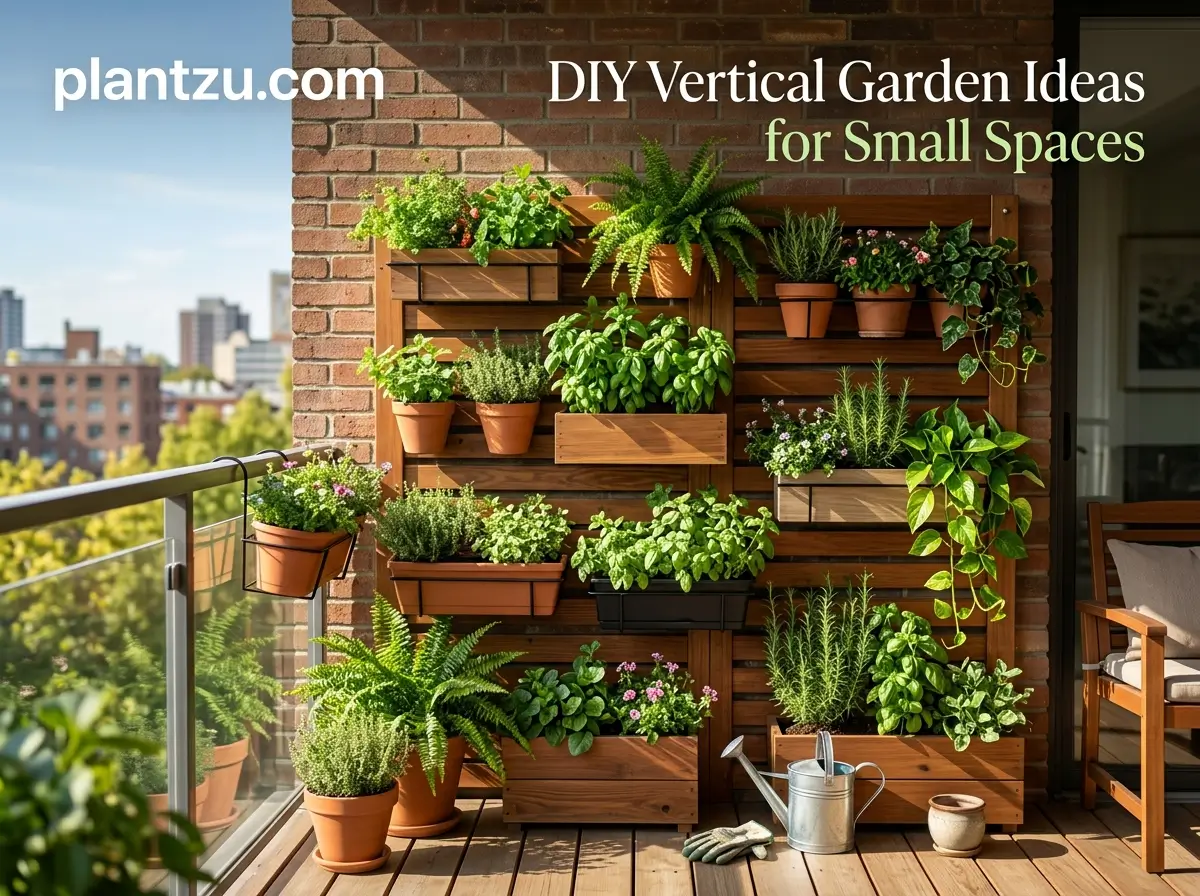
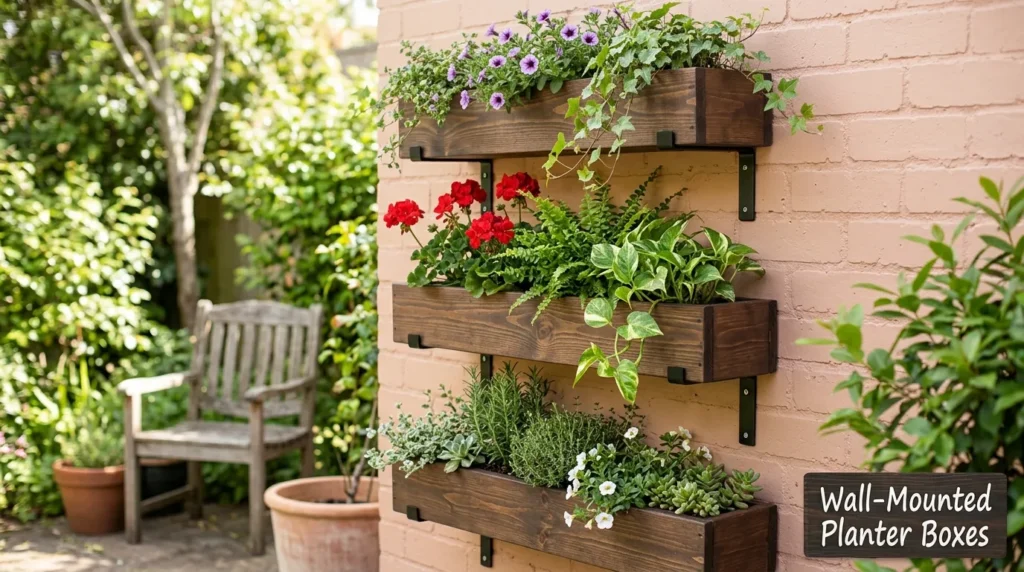
Wall-mounted planter boxes create a clean and modern vertical garden. They can be installed on fences, exterior walls, balcony dividers, or sturdy panels. For renters, planter boxes can also be attached to a freestanding frame instead of the building itself.
These boxes are useful for flowers, herbs, succulents, and compact vegetables. They come in many styles, from rustic wood to sleek metal or plastic.
If building your own, choose weather-resistant materials and include drainage holes. Line wooden boxes if needed to protect the wood and extend the life of the planter.
Wall-mounted boxes look especially attractive when arranged in rows or staggered patterns. You can create a living wall effect by mixing upright plants with trailing varieties.
Before installing, consider how you will water the plants. Higher boxes may be harder to reach, so place them at a comfortable height.
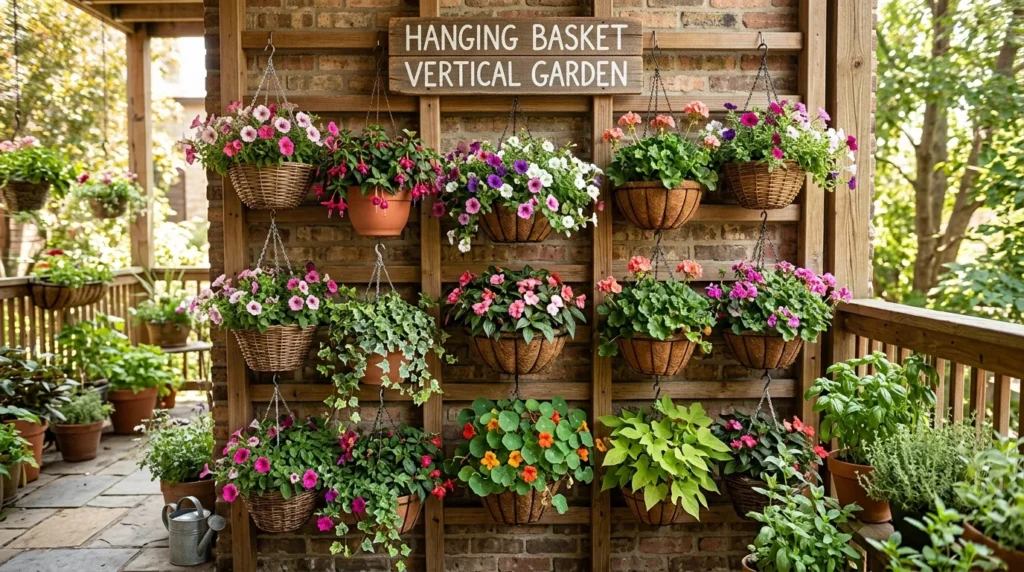
Hanging Basket Vertical Garden
Hanging baskets are a classic vertical gardening solution. They are affordable, easy to find, and suitable for porches, balconies, pergolas, hooks, and railings.
A hanging basket garden can include flowers, herbs, strawberries, trailing vines, and even compact tomatoes. Baskets add beauty at eye level and help fill vertical space without using the ground.
For sunny spots, petunias, geraniums, verbena, and trailing herbs can work well. For shadier spaces, consider ferns, begonias, impatiens, or shade-friendly foliage plants.
Hanging baskets dry out quickly because they are exposed to sun and air on all sides. During hot weather, they may need daily watering. Choose baskets with good drainage and use quality potting mix that holds moisture without becoming soggy.
A group of hanging baskets at different heights can make a small patio feel lush and inviting.
Repurposed Container Vertical Garden
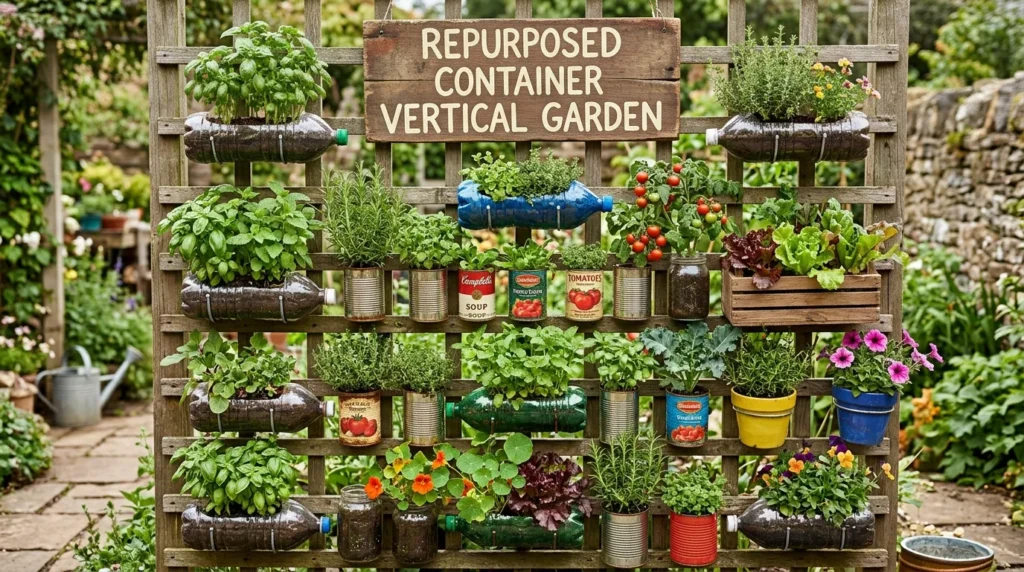
One of the most creative parts of DIY vertical gardening is repurposing materials. Old crates, cans, mason jars, buckets, drawers, baskets, and wooden boxes can become unique planters.
Repurposed container gardens are budget-friendly and full of personality. They also help reduce waste by giving old items a new purpose.
When using repurposed containers, drainage is the most important step. Add holes if possible, or use the container as a decorative outer cover with a smaller draining pot inside.
Old wooden crates can be stacked into a vertical display. Tin cans can be attached to a board or fence. Mason jars can hold small herbs indoors if used carefully with drainage solutions. Buckets can be hung from hooks or railings.
The best repurposed gardens look intentional. Choose containers that fit your style and arrange them in a way that feels balanced.
Indoor Vertical Garden Ideas
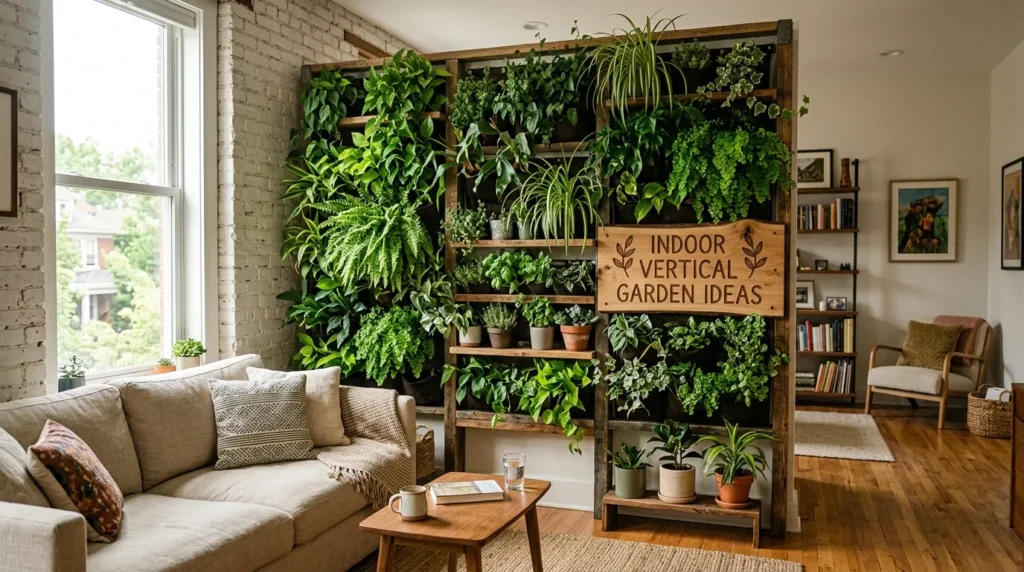
Indoor vertical gardens bring nature inside and are ideal for people without outdoor space. They can brighten apartments, kitchens, living rooms, and home offices.
A simple indoor vertical garden might include wall-mounted shelves with potted plants. Another option is a hanging rail with small herb pots near a kitchen window. For a more dramatic look, you can create a living wall with multiple plants arranged together.
Indoor vertical gardens require attention to light. Most edible plants need bright light, while many houseplants tolerate lower light. If natural light is limited, grow lights can help.
Water protection is also important indoors. Use trays, liners, or waterproof backing to prevent damage to walls and floors. Avoid overwatering, because indoor plants may dry out more slowly than outdoor plants.
Great indoor choices include pothos, philodendron, spider plants, herbs, ferns, peperomia, and small succulents. Choose plants that match the light and humidity of your home.
Balcony Vertical Garden Ideas
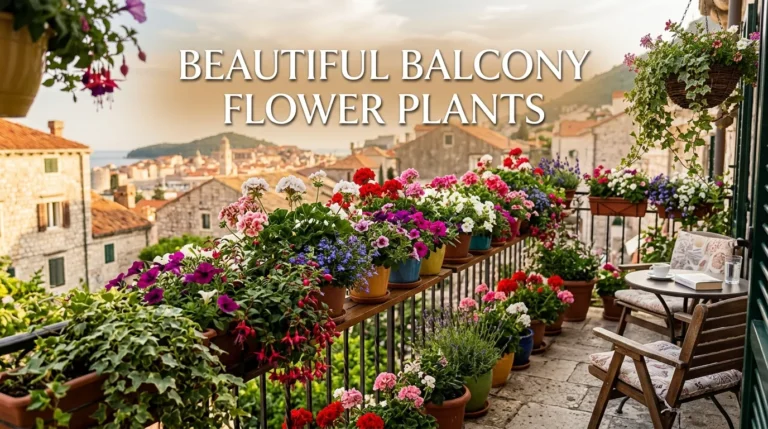
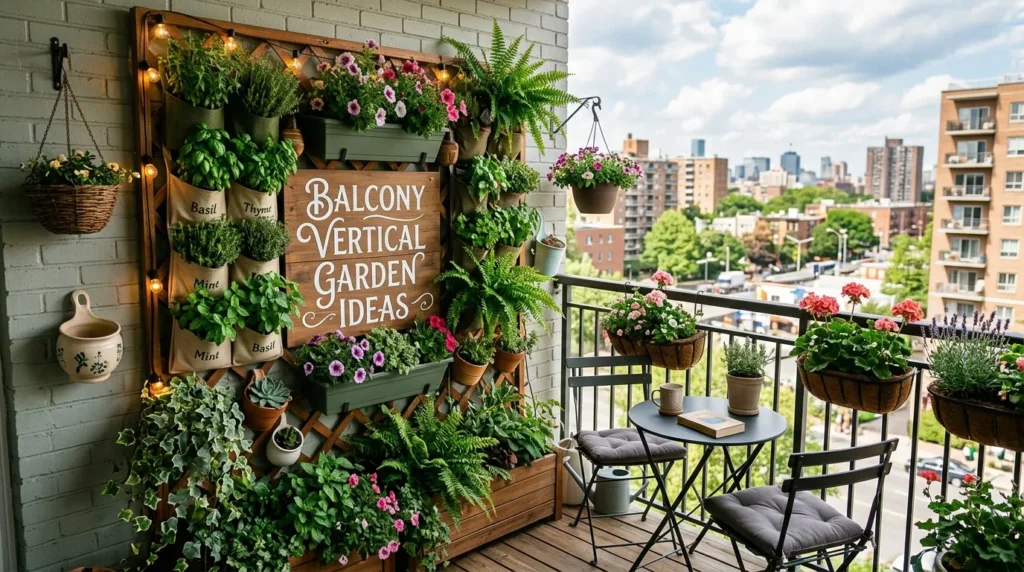
Balconies are perfect for vertical gardening because they often have railings, walls, and limited floor space. A balcony garden can feel like a private retreat when designed well.
Railing planters are one of the easiest options. They sit over the railing or attach securely to it, allowing you to grow flowers, herbs, or greens without using floor space. Hanging baskets can add another layer of greenery above.
A freestanding shelf or ladder planter can hold multiple pots while keeping the layout organized. A trellis in a container can support vines and provide privacy from nearby buildings.
Before building a balcony vertical garden, check apartment or HOA rules. Some buildings have restrictions on hanging items over railings or attaching structures to walls. Safety is also important. Make sure containers cannot fall during wind or storms.
Choose plants based on balcony conditions. South-facing balconies may be hot and sunny, while north-facing balconies may be shaded. Windy balconies need sturdy plants and secure containers.
Watering and Drainage Tips
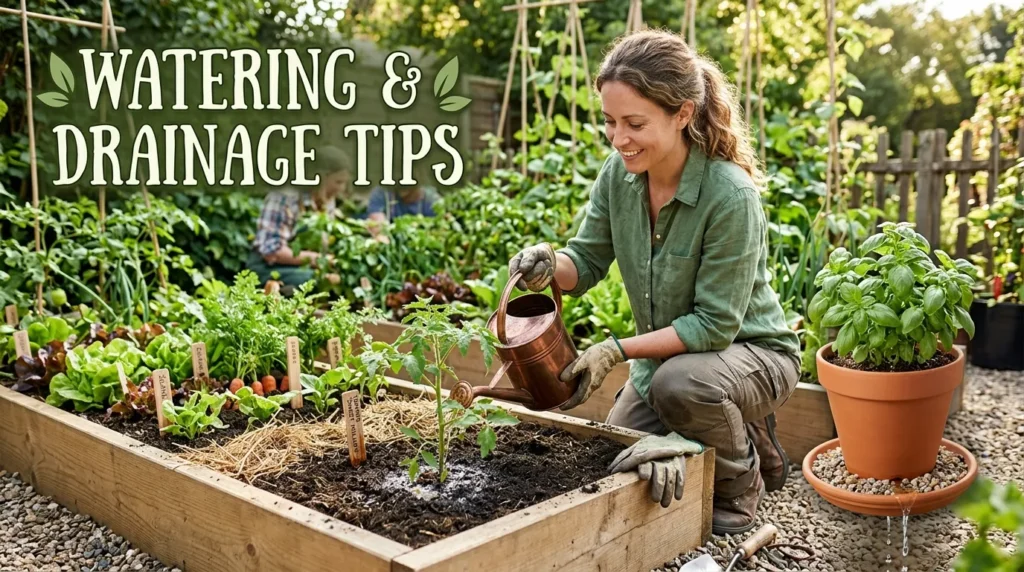
Watering is one of the most important parts of vertical garden care. Because vertical planters often have smaller soil volumes, they can dry out faster than traditional garden beds.
Check soil regularly with your finger. If the top inch feels dry, it may be time to water. However, avoid watering on a strict schedule without checking, because weather and plant needs change.
Drainage is essential. Containers should have holes so extra water can escape. Without drainage, roots may sit in water and rot. If your vertical garden is indoors or on a balcony, use trays or liners to catch excess water.
Water slowly so moisture reaches the roots instead of running off the surface. For tall systems, pay attention to upper and lower levels. Sometimes top plants dry out faster while lower plants receive extra runoff.
In hot climates or during summer heat waves, vertical gardens may need more frequent watering. Mulching the top of containers with small bark chips or straw can help retain moisture.
Soil and Fertilizer for Vertical Gardens
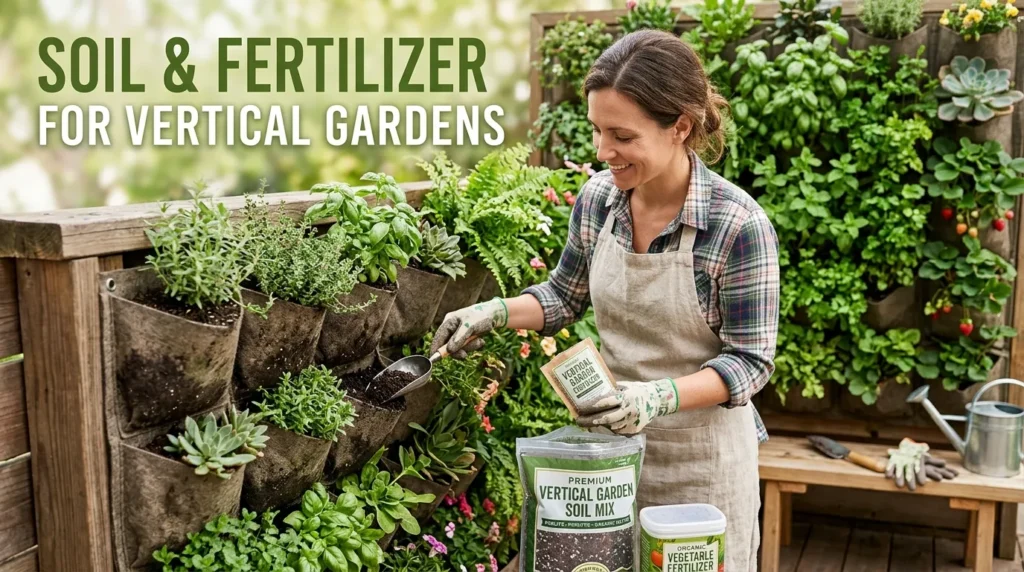
Vertical gardens do best with lightweight, high-quality potting mix. Avoid using heavy garden soil in containers because it can compact, drain poorly, and add unnecessary weight.
A good potting mix should hold moisture while allowing air to reach the roots. For herbs and vegetables, choose a mix designed for containers. For succulents, use a cactus or succulent mix that drains quickly.
Because containers have limited nutrients, plants may need occasional feeding. A balanced fertilizer can support growth, especially for vegetables and flowering plants. Follow package directions and avoid over-fertilizing, which can damage roots or cause too much leafy growth.
Adding compost to potting mix can improve soil quality, but use it in moderation. Too much compost in containers may hold excess moisture. A small amount blended into potting mix can help support healthy plants.
Design Tips for a Beautiful Vertical Garden
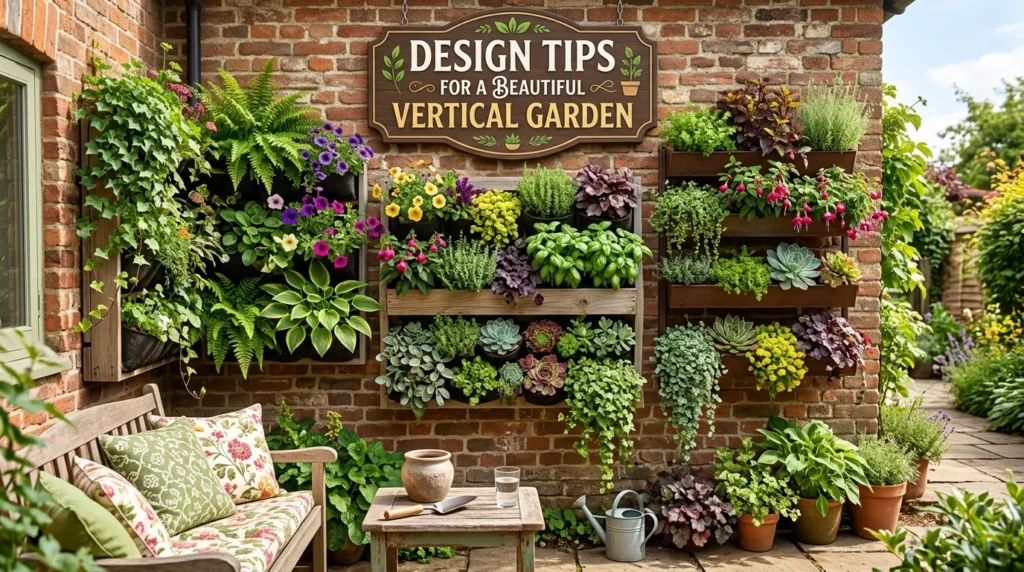
A vertical garden should be functional, but it can also be beautiful. Good design makes a small space feel larger, greener, and more inviting.
Think about height, texture, and color. Combine upright plants with trailing plants to create movement. Use flowers for color, herbs for fragrance, and foliage plants for fullness.
Repeating containers or colors can make the design feel organized. For example, matching pots on a ladder shelf create a clean look, while mixed vintage containers create a more relaxed cottage style.
Place larger or heavier plants lower for stability. Put trailing plants near edges where they can spill downward. Keep plants with similar water and light needs together to make care easier.
A vertical garden can also be used to create a focal point. A blank wall, boring fence, or empty balcony corner can become the most attractive part of your space.
Common Mistakes to Avoid
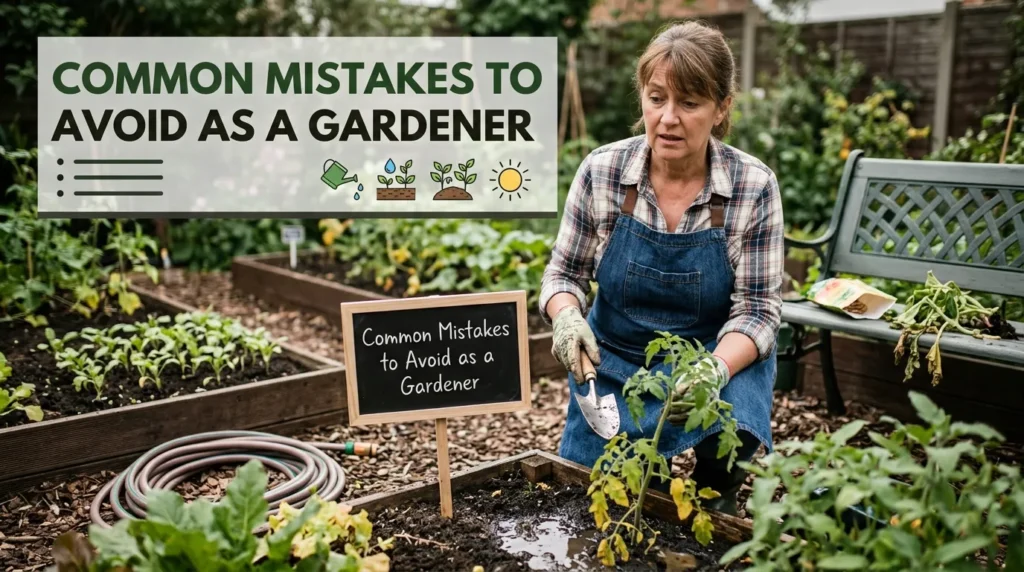
One common mistake is choosing plants that are too large for the space. A small wall pocket cannot support a plant with deep roots or heavy growth. Match plant size to container size.
Another mistake is ignoring sunlight. A sunny-loving tomato plant will struggle in shade, while a shade-loving fern may burn in intense afternoon sun. Observe your space before planting.
Poor drainage is another frequent problem. Containers without drainage holes can quickly lead to root rot. Always plan where extra water will go.
Overcrowding plants can also cause issues. Small seedlings may look sparse at first, but they need room to grow. Crowded vertical gardens may dry out quickly and develop disease problems.
Finally, some gardeners install vertical systems without thinking about maintenance. If plants are too high to water or prune comfortably, the garden may become difficult to care for. Design your garden so you can reach everything easily.
Final Thoughts: Grow Up, Not Out
DIY vertical garden ideas for small spaces make gardening possible almost anywhere. You do not need a large backyard to enjoy fresh herbs, colorful flowers, trailing vines, strawberries, or compact vegetables. With a little creativity, a blank wall, balcony railing, patio corner, or sunny window can become a thriving garden.
Vertical gardening is practical, beautiful, and flexible. It helps you use space wisely, adds greenery to your home, and gives you the satisfaction of growing plants in a way that fits your lifestyle. Whether you build a pallet garden, hang pocket planters, create a ladder shelf, install a trellis, or design an indoor living wall, there is a vertical garden idea for every small space.
Start with the space you have. Pay attention to sunlight, choose the right plants, use containers with drainage, and keep your design simple enough to maintain. Over time, your vertical garden can become a favorite part of your home.
Small spaces can still grow big beauty. When you garden upward, you open new possibilities for creativity, freshness, and everyday connection with nature.