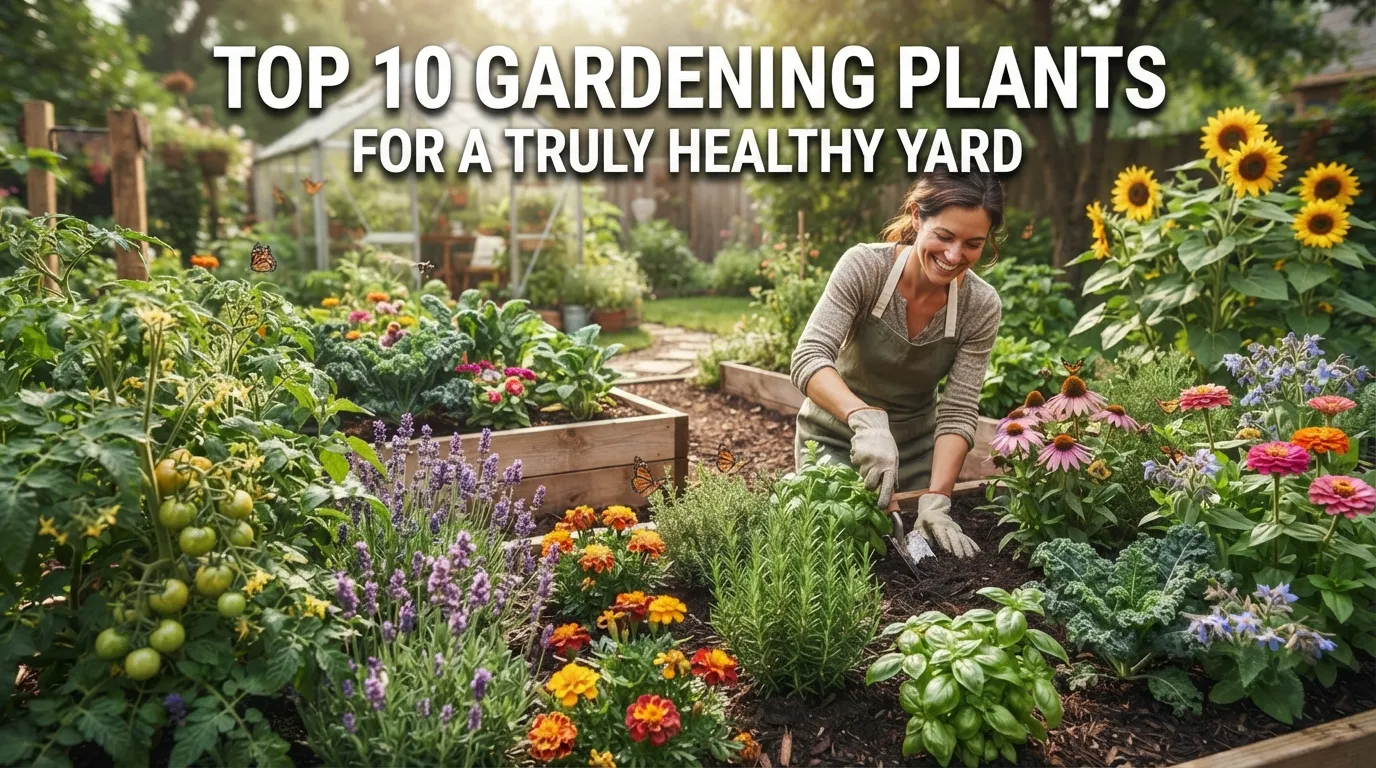
Top 10 Gardening Plants for a Truly Healthy Yard
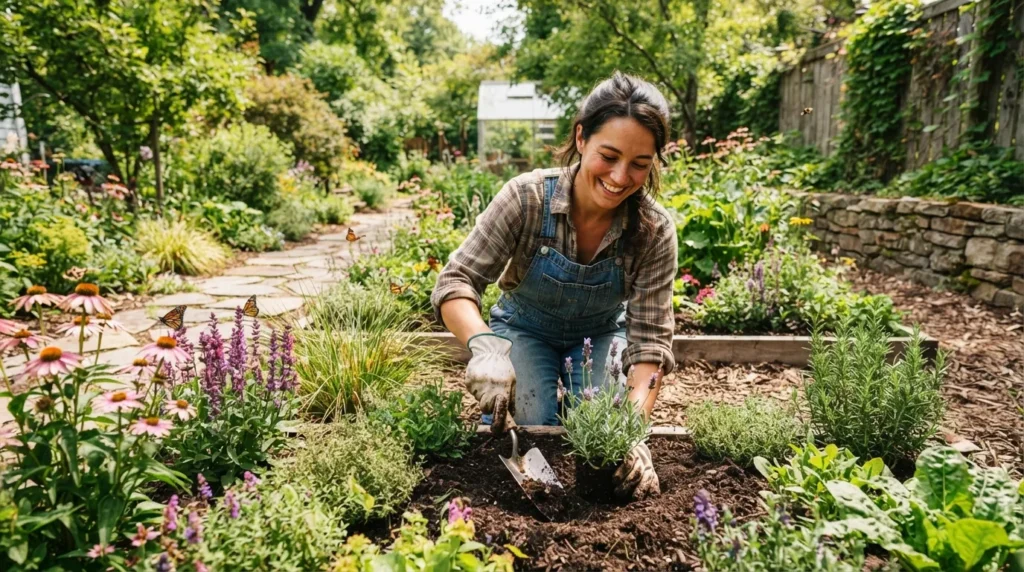
Get ideas on Top 10 Gardening Plants for a Truly Healthy Yard. Ever look at your yard and wish it was a little greener, a little more alive, and maybe even a little better for you and the planet? Well, you’re in the right place. We’re going to talk about some amazing plants that can transform your outdoor space into a healthy haven. These aren’t just pretty faces; they bring real benefits to your garden.
Having a healthy yard means more than just curb appeal. It’s about creating an ecosystem that supports local wildlife, improves air quality, and can even boost your own well-being. Think about it, spending time in nature, even your own backyard, is fantastic for reducing stress. It’s a great way to practice mindfulness and relaxation, which we’ve talked about before on 25 Ways Gardening Improves Mindfulness and Relaxation.
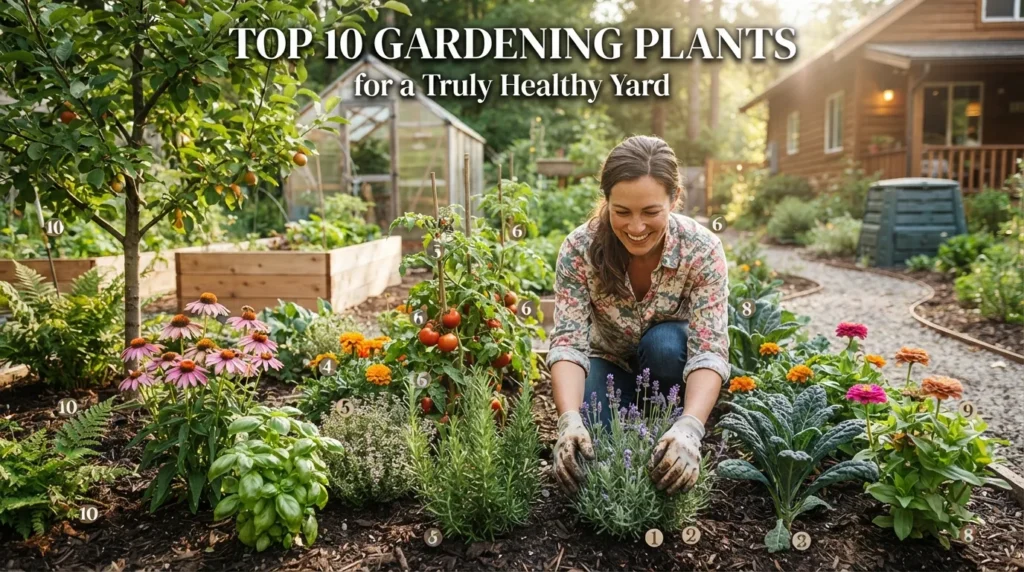
Why Choose Plants for a Healthy Yard?
So, what makes a plant good for a “healthy yard”? It’s a combination of things. Some plants are tough and require less water and care, making them eco-friendly. Others attract beneficial insects like pollinators or predators that eat pests. Some plants actually help improve the soil, while others clean the air around them.
We’re going to focus on plants that offer multiple benefits. We want plants that look good, are easy to care for, and contribute positively to your garden’s environment. Let’s get started with our top picks for 2026. These are plants that are making waves for their hardiness and ecological contributions.
Top 10 Gardening Plants for a Truly Healthy Yard
read about Top 10 Gardening Plants for a Truly Healthy Yard below:
1. Lavender (Lavandula)
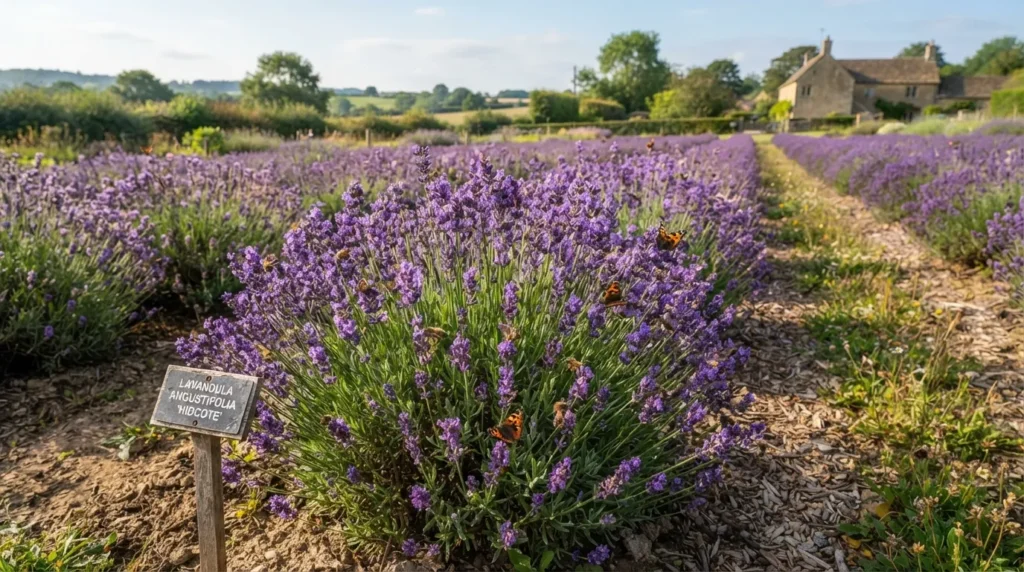
Ah, lavender. It’s hard to beat the calming scent and beautiful purple blooms of lavender. This plant is a magnet for bees and butterflies, making it a pollinator paradise. Plus, its fragrance is known for its relaxing properties. You can even use dried lavender in sachets or for aromatherapy.
Lavender loves sunshine and well-drained soil. It’s pretty drought-tolerant once established, which is a big win for water conservation. We’re seeing more varieties being developed that are even hardier for different climates in 2026. It’s a low-maintenance superstar that adds beauty and a wonderful aroma.
2. Echinacea (Coneflower)
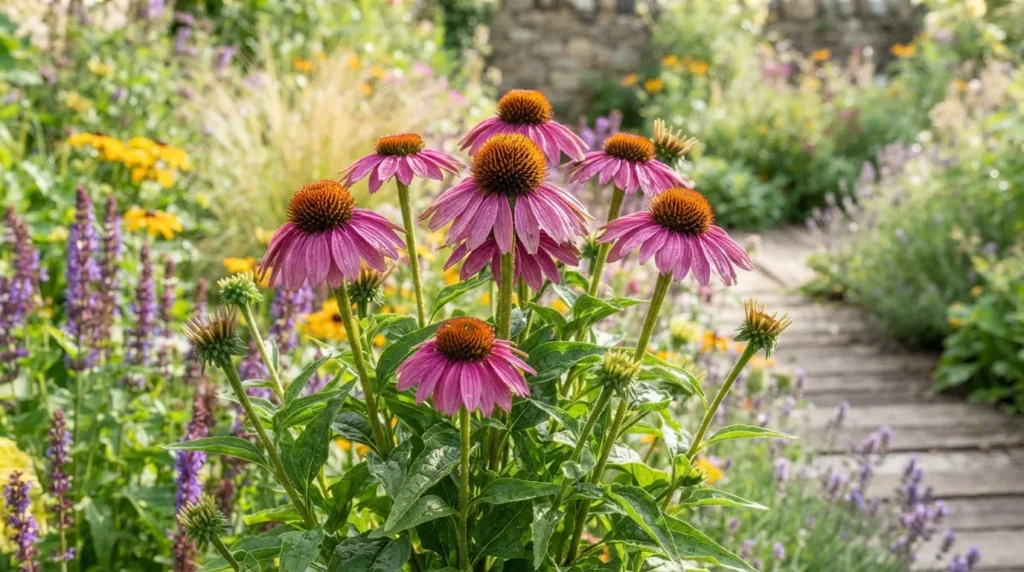
Coneflowers are tough, cheerful perennials that come in a variety of colors, from classic purple to pink, white, and even orange. They are incredibly attractive to bees, butterflies, and birds. The seeds left on the flower heads in the fall provide a food source for birds, making your garden a haven year-round.
These plants are known for their medicinal properties, too. They are drought-tolerant and thrive in full sun. Echinacea is a fantastic addition if you want to attract more wildlife and add a pop of color that lasts for a long time. Their sturdy nature means they hold up well through different weather conditions.
3. Bee Balm (Monarda)
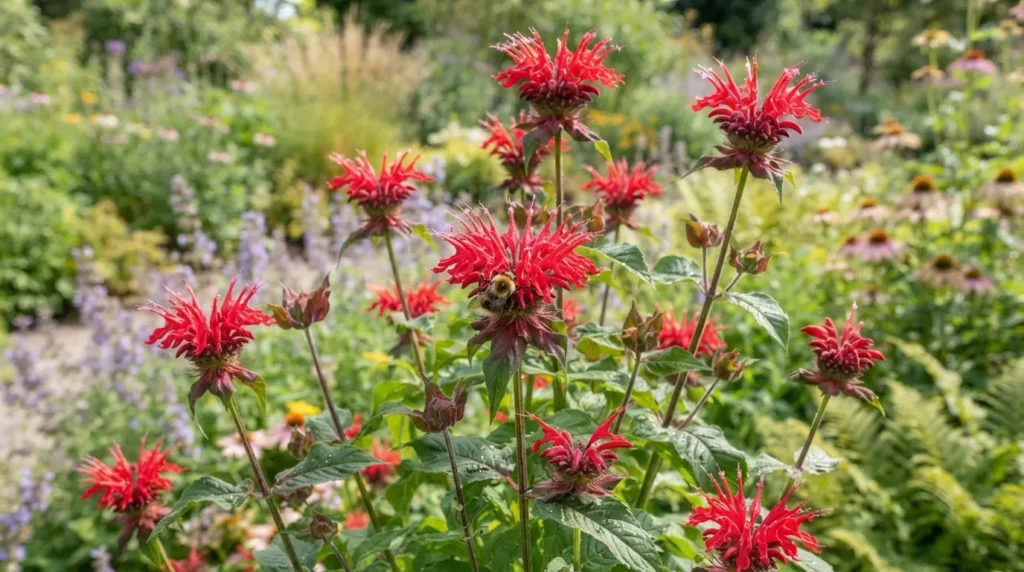
As the name suggests, Bee Balm is another incredible plant for attracting pollinators. Its unique, spiky flowers are a favorite for bees, butterflies, and hummingbirds. It comes in vibrant shades of red, pink, and purple and has a lovely, minty fragrance.
Bee Balm prefers moist soil and full sun to partial shade. It’s a great plant for adding a wild, natural look to your garden. Just be aware that some varieties can spread enthusiastically, so give them a little space or consider planting them where they have room to grow. This plant truly buzzes with life. also check beautiful gardening plants.
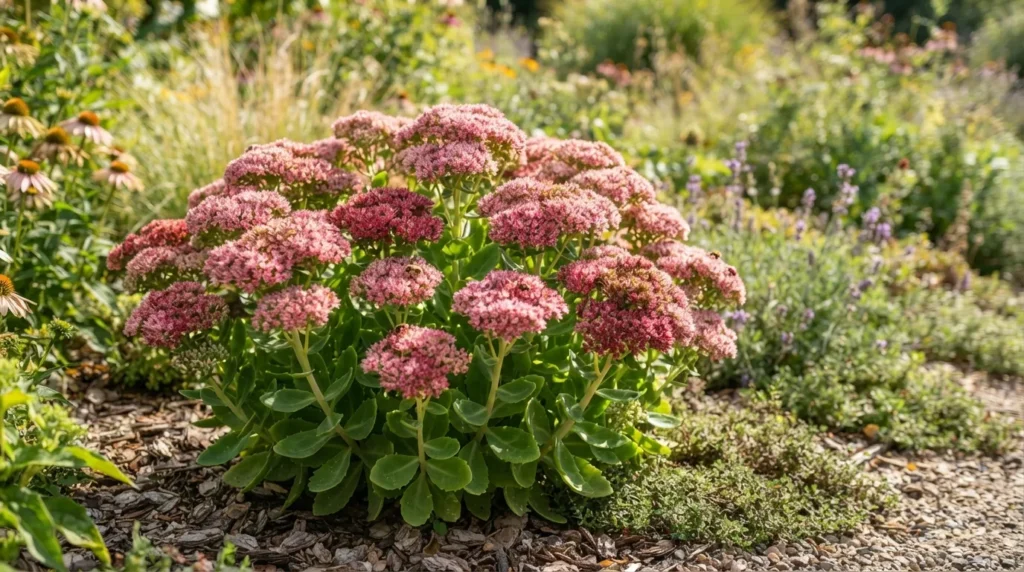
4. Sedum (Stonecrop)
Sedum, also known as Stonecrop, is a succulent perennial that is incredibly drought-tolerant and low-maintenance. It’s perfect for sunny, dry spots in your yard. The flat-topped flower clusters appear in late summer and fall, providing a vital nectar source for late-season pollinators when many other plants are finished blooming.
These plants are tough and forgiving. They don’t need much fussing over. Sedums come in a wide range of sizes and colors, from groundcovers to upright varieties. Their sturdy structure also means they can add interest to your garden even in winter. They are a smart choice for a truly healthy and resilient yard.
5. Milkweed (Asclepias)
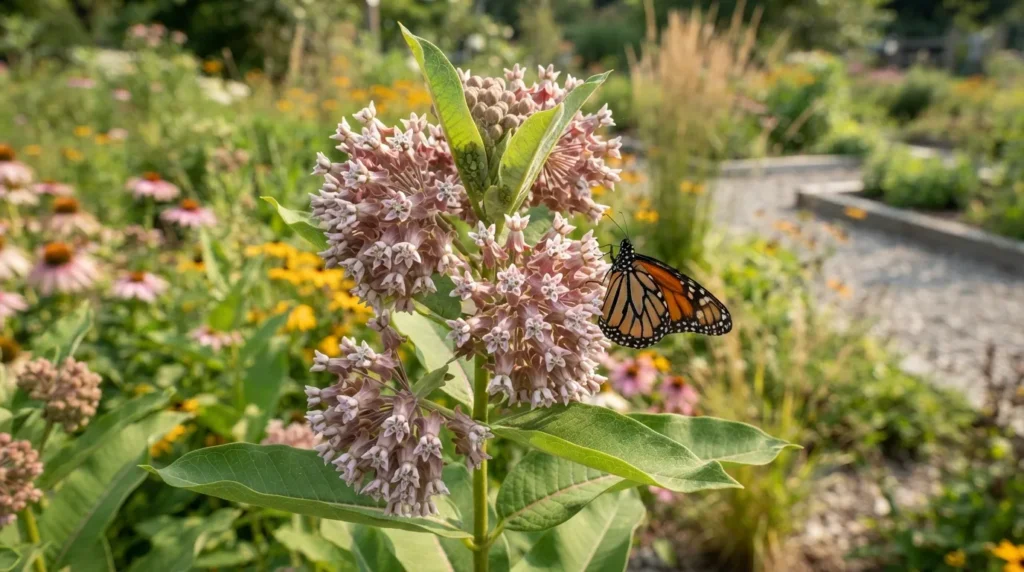
Milkweed is absolutely essential if you want to support monarch butterflies. Monarch caterpillars feed exclusively on milkweed plants. By planting milkweed, you are directly contributing to the survival of this iconic species. It’s a powerful way to make a difference in your own backyard.
There are many species of milkweed, and it’s best to choose native varieties for your region. They generally prefer full sun and well-drained soil. While some milkweed can be a bit weedy, the benefits they provide to monarchs are undeniable. It’s a plant that gives back tenfold to nature.
6. Hostas
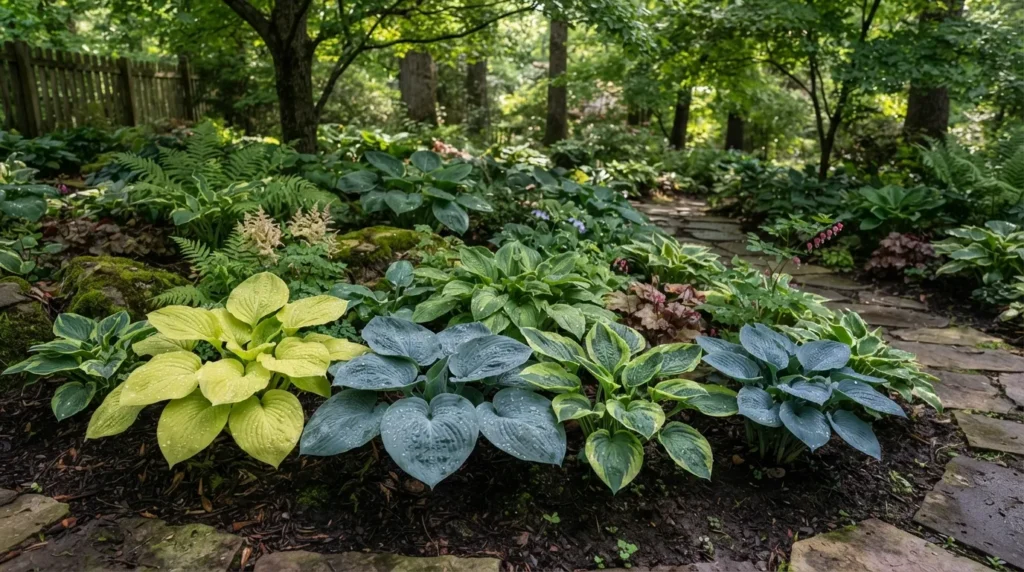
Hostas are champions of the shade garden. They offer beautiful, lush foliage in a wide array of greens, blues, and variegated patterns. While their flowers are often subtle, their leaves provide texture and structure to shady areas where other plants struggle to grow.
Hostas are great for helping to retain moisture in the soil and can help prevent erosion in shady spots. They are relatively easy to care for, mainly needing protection from slugs and snails. Their presence creates a cool, green sanctuary, contributing to a healthier microclimate in shady parts of your yard.
7. Yarrow (Achillea)
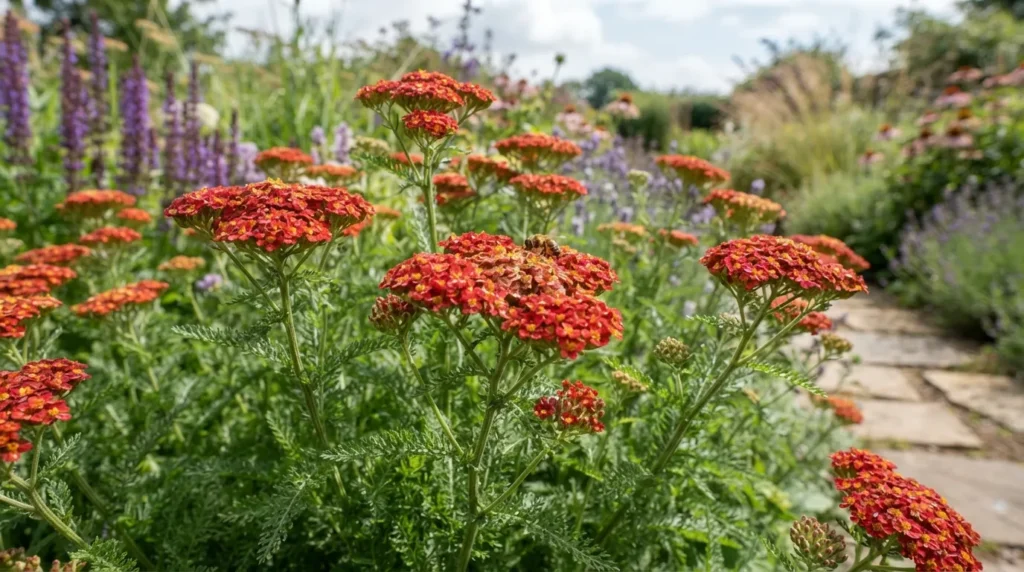
Yarrow is a hardy, easy-to-grow perennial that boasts flat-topped clusters of flowers in shades of yellow, pink, white, and red. It’s incredibly drought-tolerant once established and thrives in full sun and poor soil. This makes it a fantastic choice for tough spots in your garden.
Yarrow attracts beneficial insects like ladybugs and lacewings, which help control garden pests naturally. It’s also known for its medicinal uses. Its feathery foliage adds a delicate texture, and the flowers are great for cutting and drying. Yarrow is a workhorse plant that offers beauty and ecological benefits.
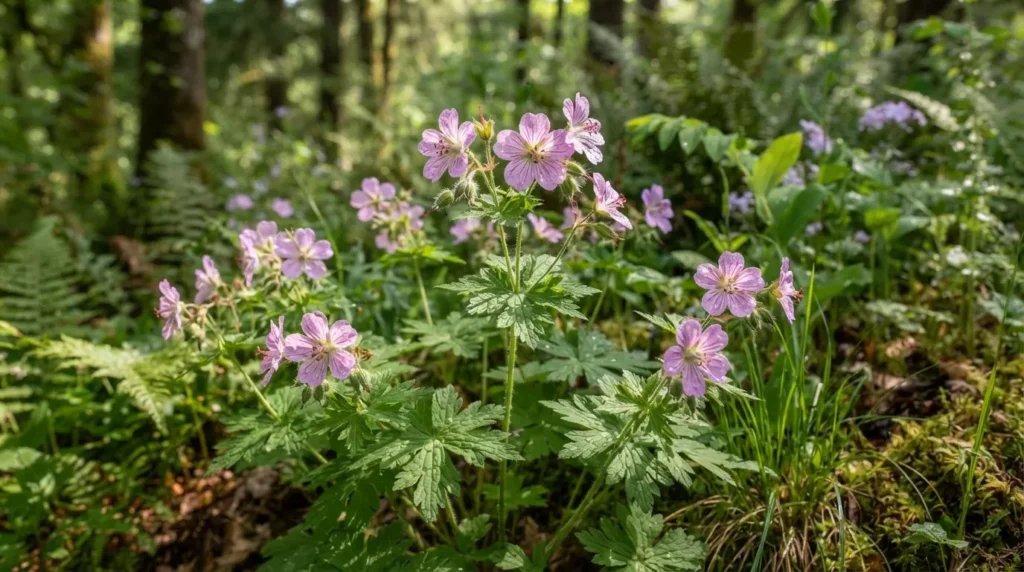
8. Wild Geranium (Geranium maculatum)
For a native groundcover option, consider Wild Geranium. This woodland native thrives in partial shade and moist soil. It produces lovely pinkish-purple flowers in the spring and its foliage can turn attractive shades of red and orange in the fall.
Wild Geranium helps suppress weeds and provides habitat for small insects. It’s a low-maintenance plant that spreads gently to form a lovely carpet of greenery. Including native plants like this is a key part of creating a truly healthy and sustainable yard. It supports local ecosystems beautifully.
9. Asters
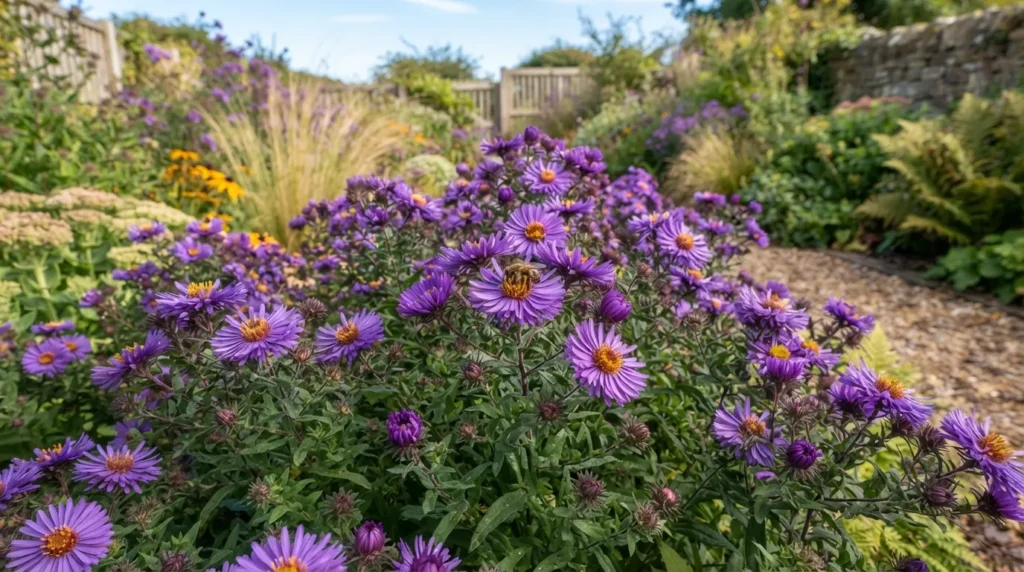
Asters are late-blooming perennials that provide a burst of color in the garden from late summer into fall. They come in beautiful shades of purple, pink, blue, and white, and are a crucial food source for pollinators as the season winds down.
These sun-loving plants are generally hardy and adaptable. They attract a wide variety of bees and butterflies, making them a vital part of a healthy garden ecosystem. Their cheerful blooms are a welcome sight when most other flowers have faded. They really extend the pollinator season.
10. Native Grasses
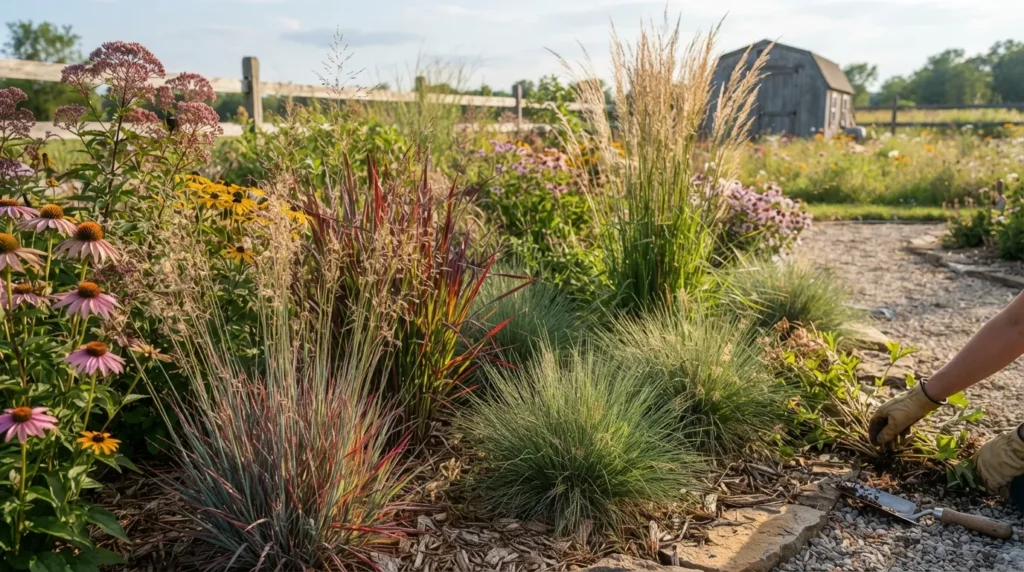
Don’t forget about grasses! Native ornamental grasses are incredibly beneficial for a healthy yard. They provide habitat and food for birds and small wildlife, help with soil health, and are very drought-tolerant once established.
Grasses add wonderful texture, movement, and sound to the garden, especially when they sway in the breeze. They require minimal care and can thrive in a variety of conditions, depending on the species. Many native grasses are also excellent for preventing soil erosion. They truly complete the picture of a thriving, naturalistic garden. Consider them an investment in your yard’s long-term health and beauty.
Final thoughts
Creating a healthy yard is a rewarding endeavor. By choosing plants that offer ecological benefits alongside beauty and ease of care, you’re contributing to a more sustainable environment right outside your door. These ten plants are a fantastic starting point for building a yard that’s not just a place to look at, but a living, breathing part of nature. Happy gardening from all of us at Plantzu!