How to Create a Low-Maintenance Indoor Garden for Beginners
Low-Maintenance Indoor Garden is more than just a trend—it’s a lifestyle choice that brings nature indoors, improves air quality, and boosts overall well-being. For beginners, however, the idea of maintaining a lush, thriving indoor garden can feel overwhelming.
Fortunately, with the right planning, plant selection, and care routines, anyone can create a low-maintenance indoor garden that flourishes year-round without constant attention. In this guide, we’ll explore everything you need to know to start your indoor garden journey, from choosing the best plants to designing an inviting indoor oasis.
Understanding the Benefits of an Indoor Garden
Indoor gardens offer numerous benefits beyond aesthetics. Having plants in your home can reduce stress, increase focus, and even improve mood. In the United States, where urban living often limits access to outdoor green spaces, indoor gardens provide a way to connect with nature. Additionally, indoor plants help purify the air by removing toxins, increasing humidity, and producing oxygen. Creating a low-maintenance indoor garden ensures these benefits without overwhelming your schedule.
For beginners, the key is balancing visual appeal with simplicity. By carefully selecting hardy plants and designing your space thoughtfully, you can enjoy the therapeutic advantages of greenery with minimal effort. Read about 10 Easy Vegetables to Grow.
Choosing the Right Indoor Plants
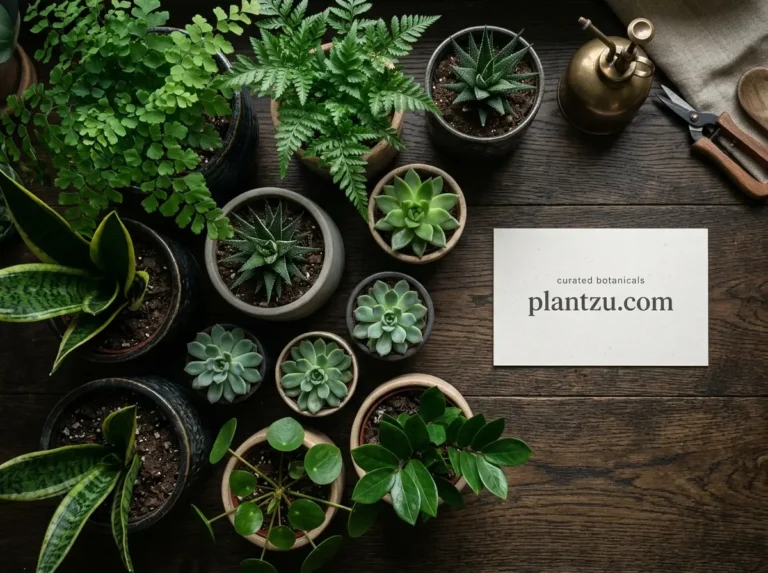
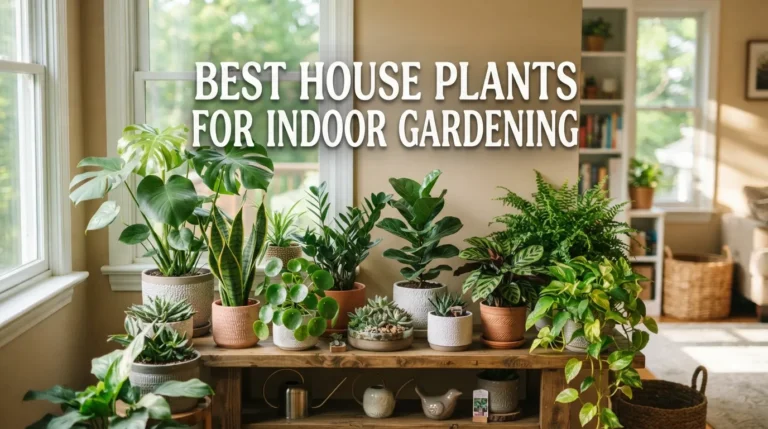
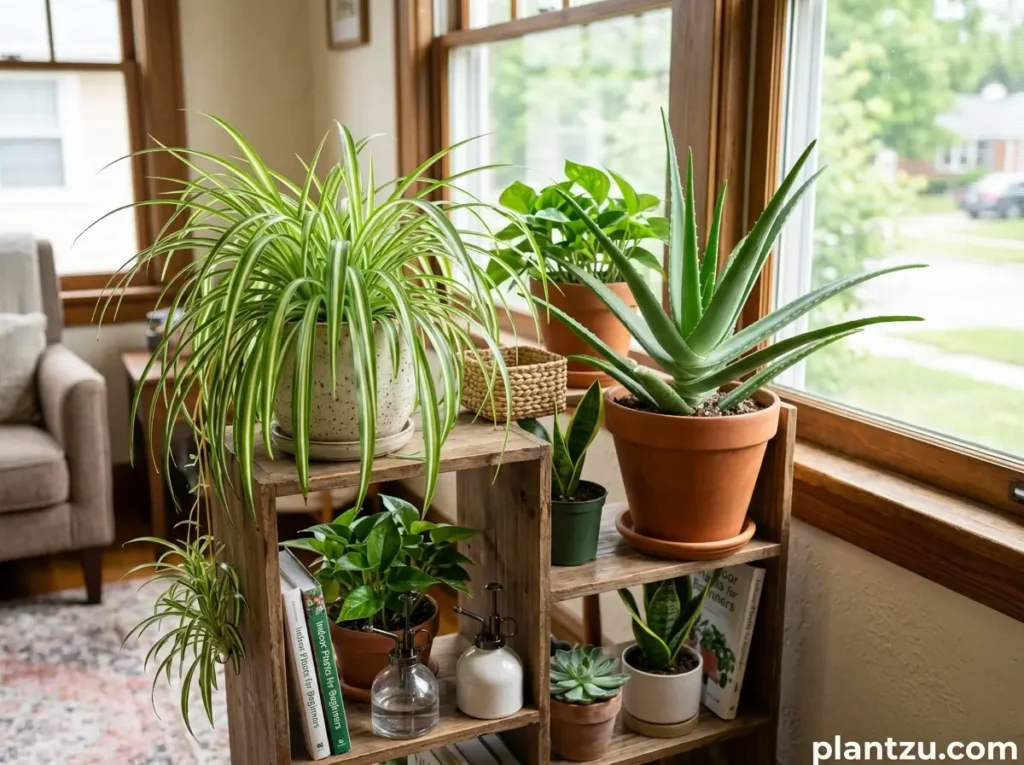
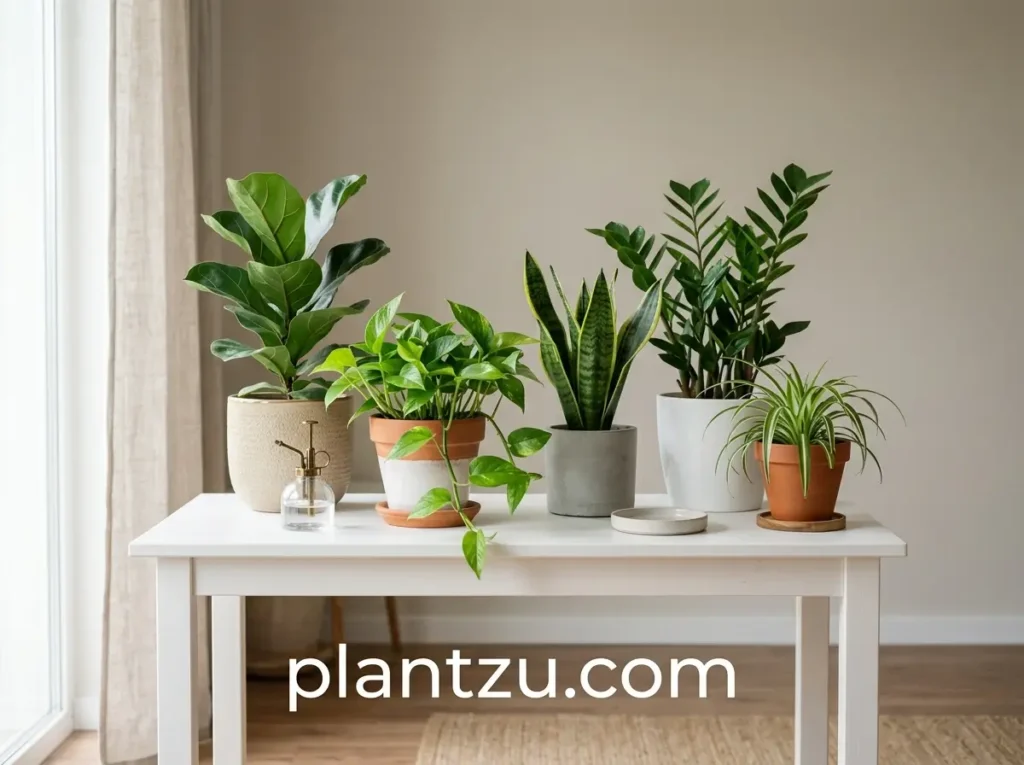
The foundation of a low-maintenance indoor garden is selecting plants that are resilient and adaptable. Not all plants thrive indoors, and some require frequent watering, high humidity, or precise temperature control. Beginners should focus on varieties that tolerate lower light levels and irregular care. Popular choices include:
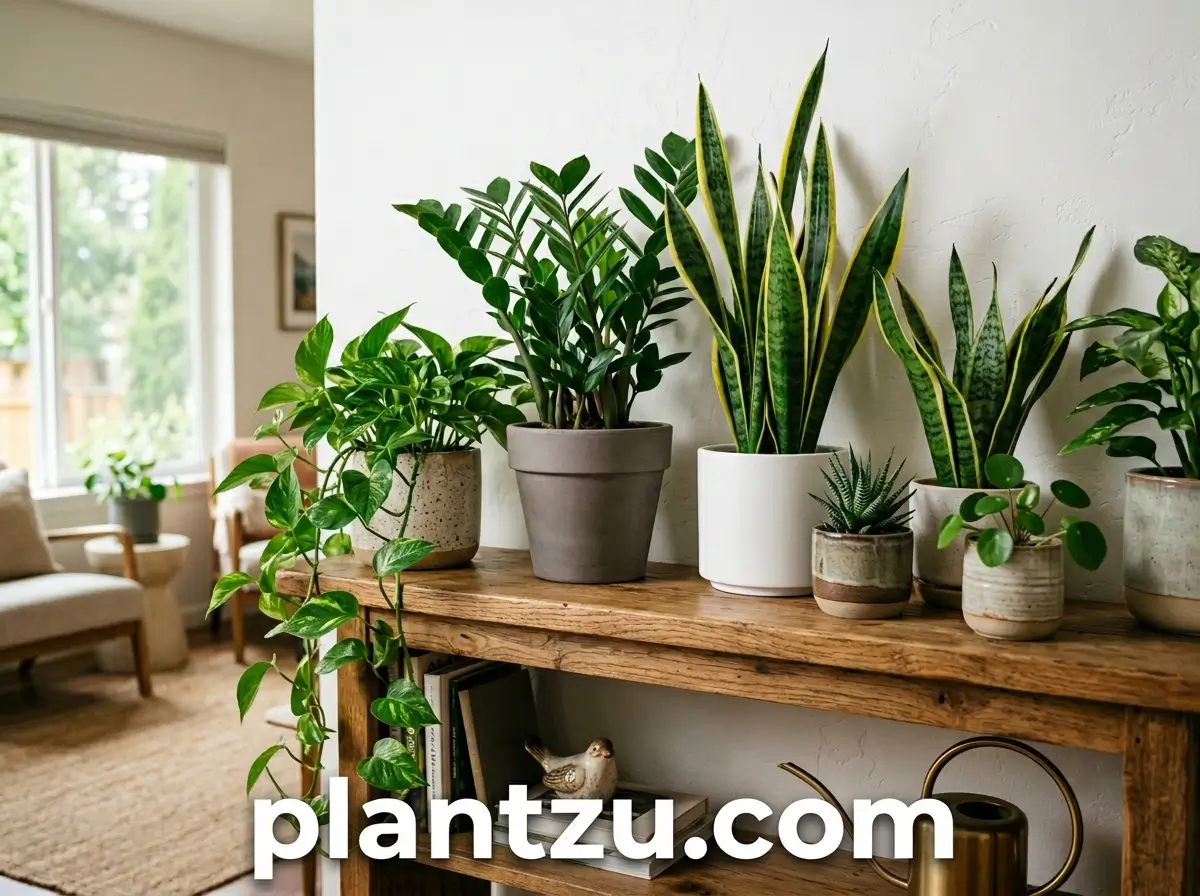
- Snake Plant (Sansevieria) – Known for its air-purifying qualities and extreme durability, it can survive low light and infrequent watering.
- ZZ Plant (Zamioculcas zamiifolia) – Tolerant of low light and neglect, perfect for beginners who may forget to water occasionally.
- Pothos (Epipremnum aureum) – A trailing plant that thrives in indirect light and can be trained around shelves or hanging planters.
- Spider Plant (Chlorophytum comosum) – Resilient and visually striking, spider plants can grow in a range of lighting conditions.
- Peace Lily (Spathiphyllum) – With minimal care, it blooms beautiful white flowers and helps purify indoor air.
When choosing plants, consider your indoor lighting conditions. South-facing windows provide bright light, east or west windows offer moderate light, and north-facing windows provide lower light. Matching plants to the light available in your home is essential for creating a low-maintenance setup.
Selecting the Right Containers
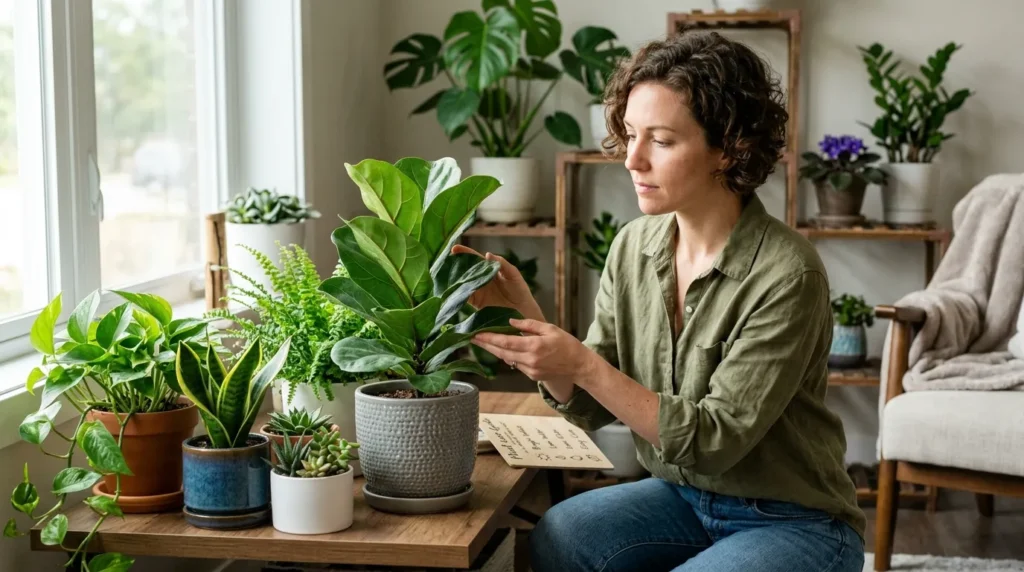
Choosing the right containers for your indoor garden can significantly impact plant health and maintenance requirements. Pots with proper drainage prevent root rot, a common issue in indoor gardening. Materials like ceramic, clay, or resin are ideal because they retain moisture without becoming waterlogged. Self-watering pots are another excellent option for beginners, as they provide consistent moisture and reduce the need for frequent watering.
Consider the size of the pot relative to the plant. A container that’s too small can stunt growth, while a container that’s too large may retain excess water. Matching pot size to plant size ensures healthier growth and less maintenance.
Soil and Potting Mix
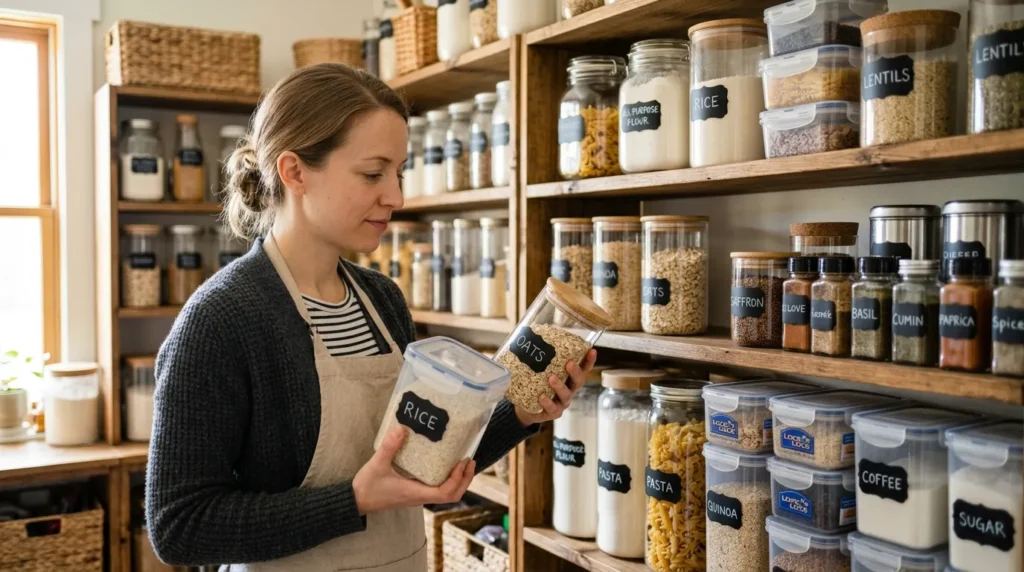
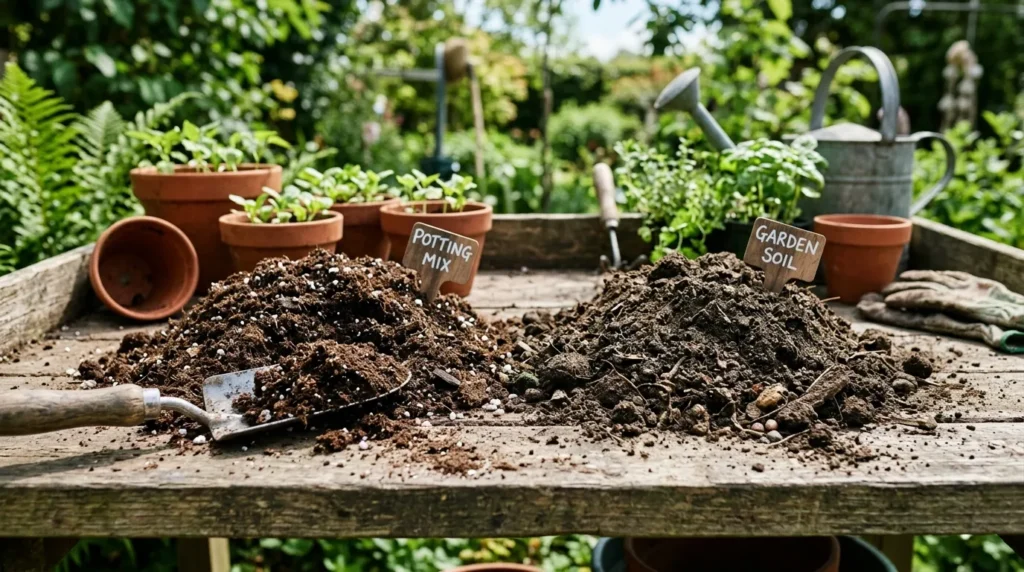
Healthy soil is essential for a thriving indoor garden. Use a high-quality potting mix designed for indoor plants rather than garden soil, which may compact or harbor pests. For succulents and cacti, choose a well-draining mix to prevent overwatering. Adding perlite or sand improves drainage, while compost can enrich the soil with nutrients.
For low-maintenance gardens, using a potting mix with slow-release fertilizers can reduce the need for frequent feeding. This type of soil ensures plants receive nutrients gradually, promoting steady growth without constant intervention.
Efficient Watering Practices
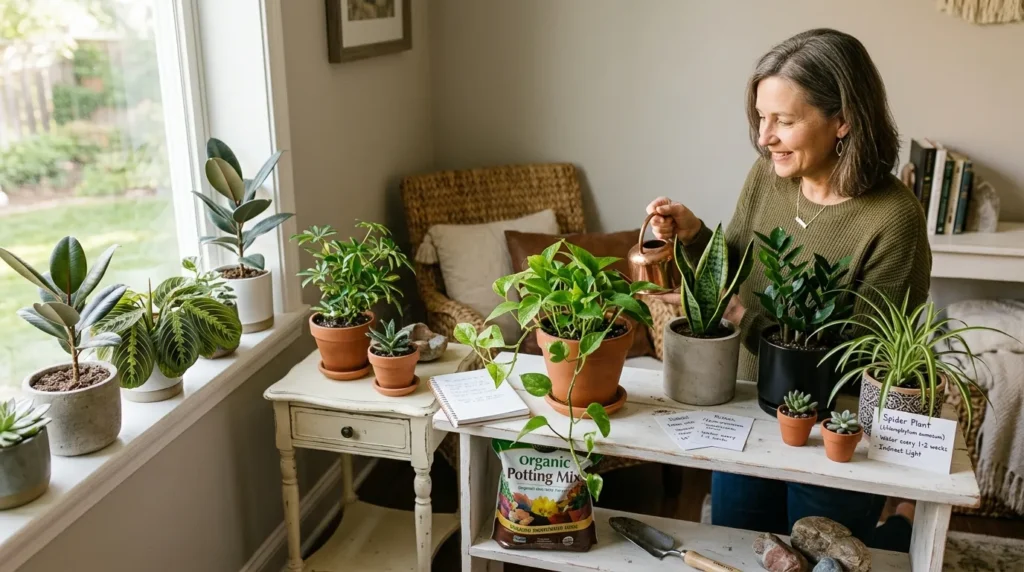
One of the biggest challenges for beginners is knowing when and how to water indoor plants. Overwatering is a common mistake and can lead to root rot. To maintain a low-maintenance garden, develop a simple watering routine based on the needs of your specific plants. Succulents and cacti require less frequent watering, while tropical plants like peace lilies may need more consistent moisture.
A practical tip is to water plants deeply but infrequently. This encourages roots to grow stronger and reduces the likelihood of overwatering. Using a moisture meter or simply checking the top inch of soil can help determine when watering is necessary.
Optimizing Light Conditions
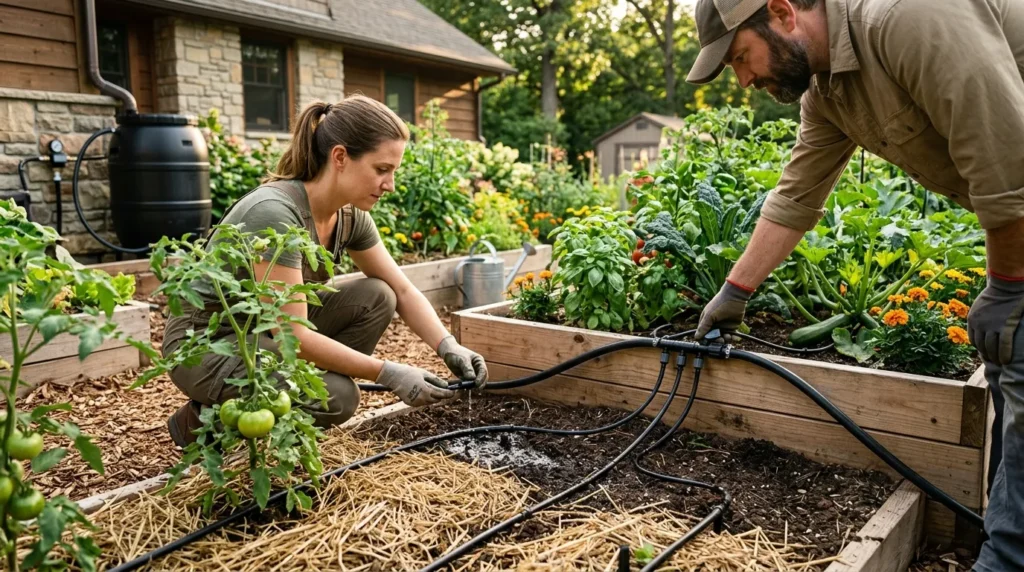
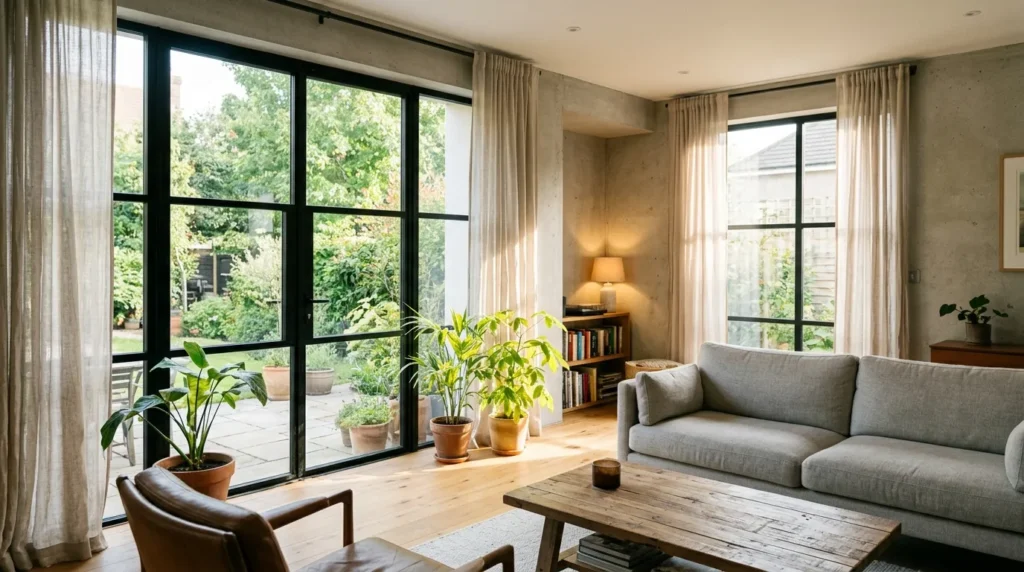
Light is crucial for photosynthesis, which fuels plant growth. For beginners, understanding the light requirements of each plant simplifies care. Many low-maintenance indoor plants thrive in indirect light, which is easier to provide in a typical home setting. For spaces with limited natural light, consider using energy-efficient LED grow lights. These lights mimic natural sunlight and can extend the growing season, ensuring your plants stay healthy year-round.
Positioning plants strategically near windows or light sources can maximize exposure. Rotating plants occasionally ensures even growth and prevents them from leaning toward a single light source.
Temperature and Humidity Considerations
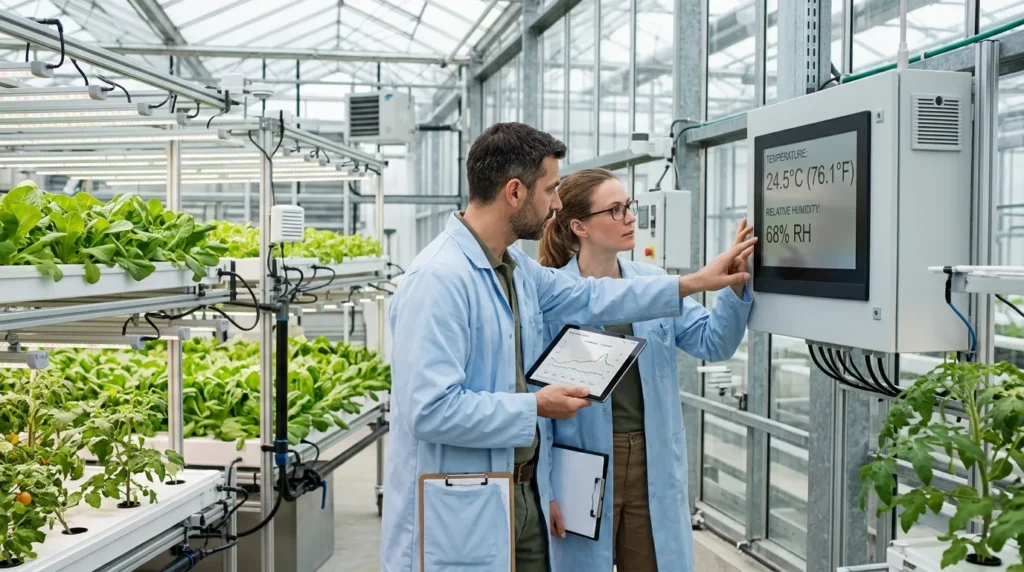
Indoor plants generally prefer stable temperatures between 65°F and 75°F. Sudden temperature fluctuations, such as drafts from doors or vents, can stress plants. Maintaining consistent humidity levels is also important, especially for tropical species. Using a small humidifier or grouping plants together can increase humidity naturally.
In dry climates or during winter months, consider placing water trays near plants or misting leaves occasionally. Low-maintenance indoor gardening is about creating an environment where plants can thrive without constant intervention.
Simple Indoor Garden Layouts
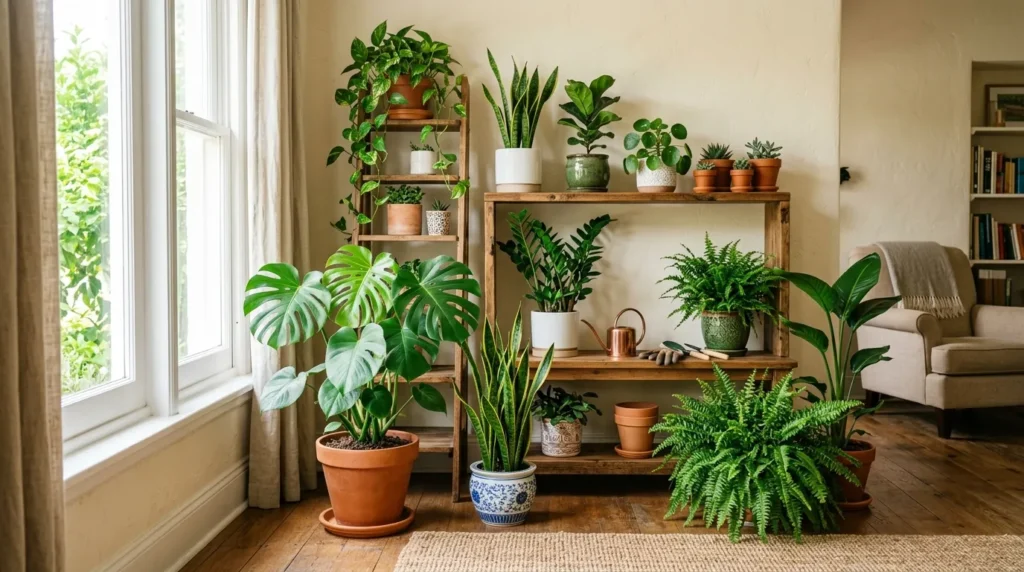
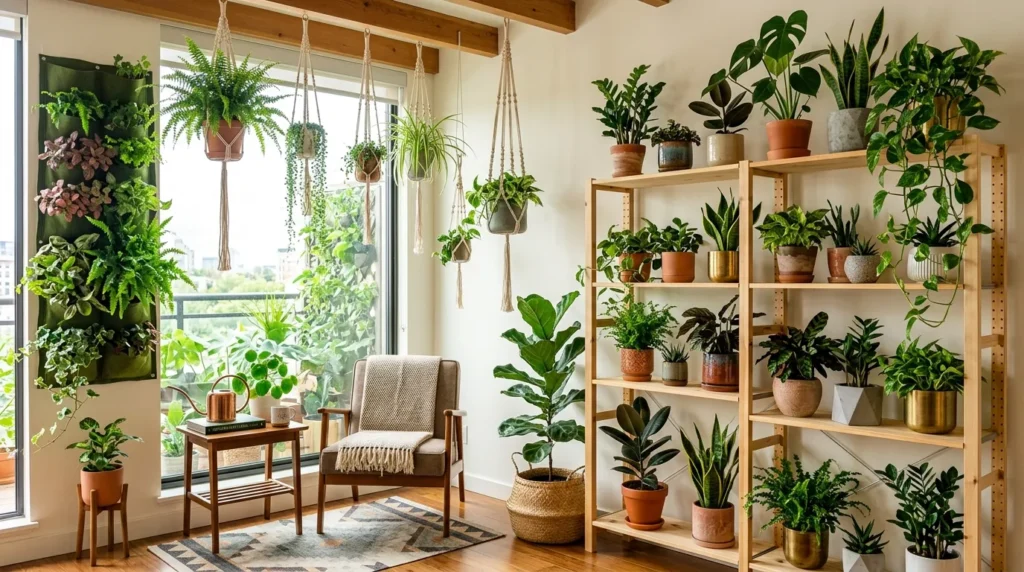
Designing your indoor garden layout affects both aesthetics and ease of care. For beginners, start small. Choose one or two areas, such as a windowsill, countertop, or corner, and gradually expand as your confidence grows. Vertical gardens and hanging planters are excellent for small spaces, adding greenery without cluttering floors or surfaces.
Creating groupings of plants with similar care requirements simplifies maintenance. For example, placing low-light plants together and high-light plants together ensures each group receives optimal conditions without extra effort. Using decorative pots and varied plant heights adds visual interest, making your indoor garden an attractive focal point.
Maintenance Tips for Beginners
Even a low-maintenance indoor garden requires some attention. Regularly remove dead leaves and check for pests to keep plants healthy. Light pruning encourages growth and prevents overcrowding. Clean plant leaves occasionally to remove dust, which can interfere with photosynthesis. For beginners, setting a weekly or biweekly care schedule is sufficient to keep the garden thriving.
Monitoring plant health helps identify issues early. Yellowing leaves may indicate overwatering, while brown edges can signal low humidity. Learning to read these signs ensures problems are addressed quickly, minimizing effort and preventing plant loss.
Incorporating Indoor Herbs and Edibles
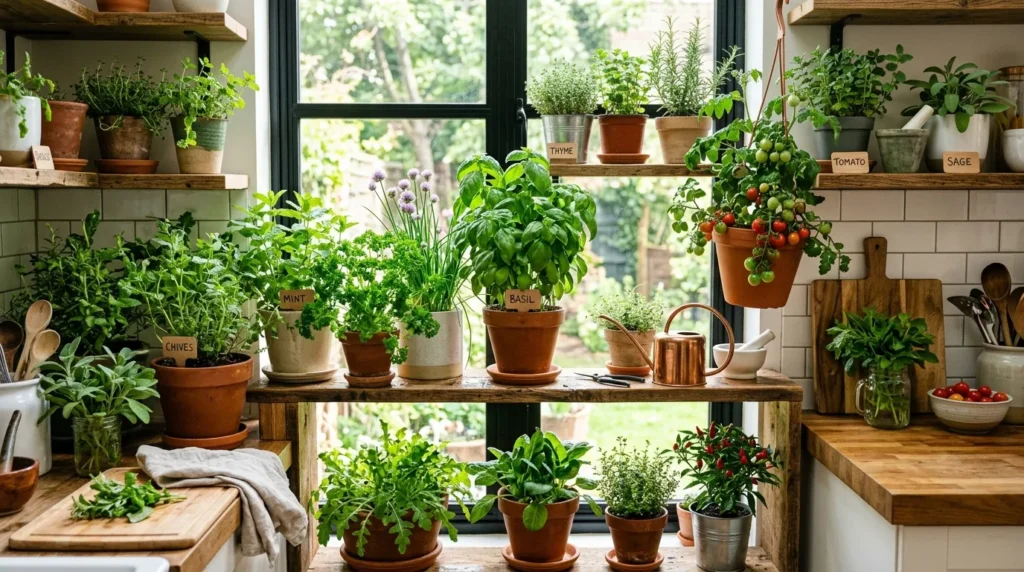
A low-maintenance indoor garden can also include herbs and edible plants, adding both beauty and functionality. Basil, mint, rosemary, and thyme are beginner-friendly herbs that thrive indoors with minimal care. These plants can be grown in small pots on kitchen windowsills, providing fresh ingredients for cooking while adding greenery to your home.
Start with one or two herb varieties to avoid overwhelming yourself. Herbs generally require slightly more attention than hardy foliage plants, but choosing resilient varieties ensures a manageable indoor garden experience.
Using Mulch and Fertilizers
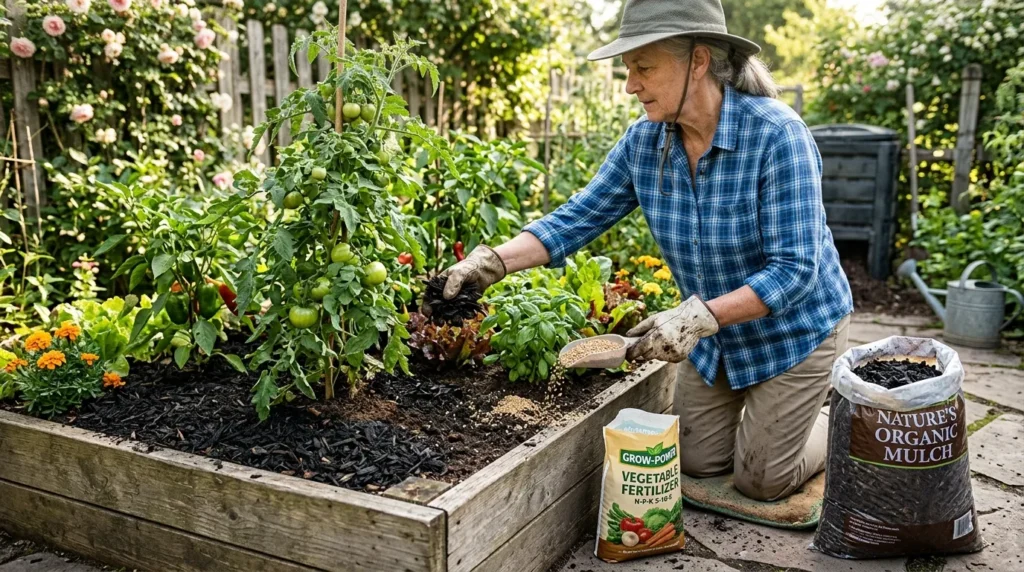
Mulching indoor plants can help retain moisture and reduce the frequency of watering. Organic mulches, such as bark chips or sphagnum moss, also improve soil quality as they decompose. Fertilizing is important but should be done sparingly for a low-maintenance garden. Slow-release fertilizers or diluted liquid fertilizers applied monthly are usually sufficient.
Avoid over-fertilizing, as this can harm plants and lead to excessive growth that becomes difficult to manage. The goal is steady, healthy growth without constant intervention.
Pest Management for Indoor Gardens
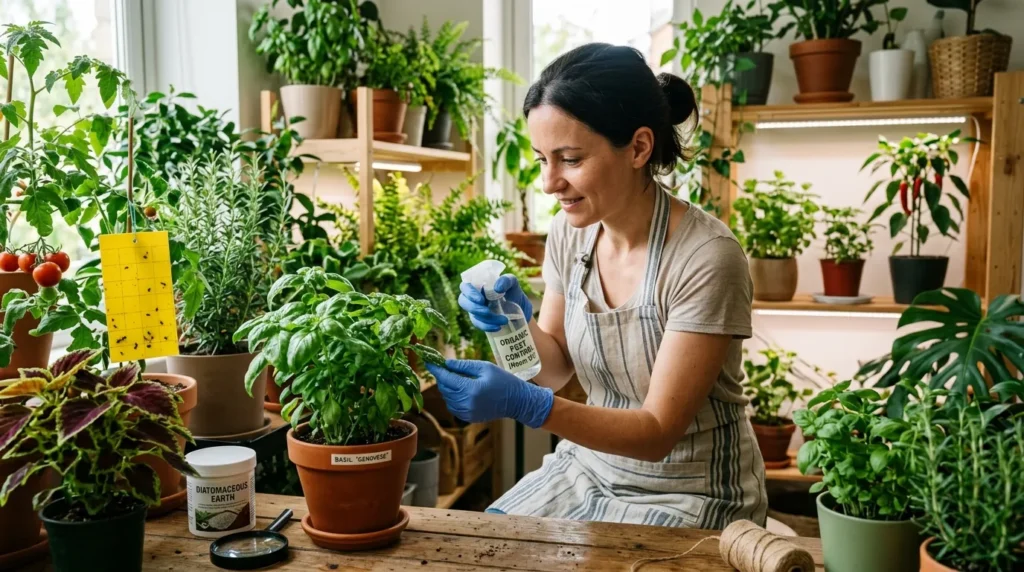
Pests are less common indoors but can still affect plant health. Common indoor pests include spider mites, aphids, and fungus gnats. Inspect plants regularly and isolate any infested plants immediately. Wiping leaves with a damp cloth or using mild insecticidal soap are effective, low-effort solutions for controlling pests. Preventing pests is easier than treating infestations, so maintaining clean plant areas and avoiding overwatering is essential.
Seasonal Adjustments
While indoor gardens are more forgiving than outdoor ones, seasonal changes can impact plant care. During winter, light levels may drop, requiring supplemental grow lights. In summer, indoor temperatures can rise, so monitoring soil moisture becomes more important. Adjusting watering, lighting, and humidity seasonally ensures your low-maintenance garden continues to thrive throughout the year.
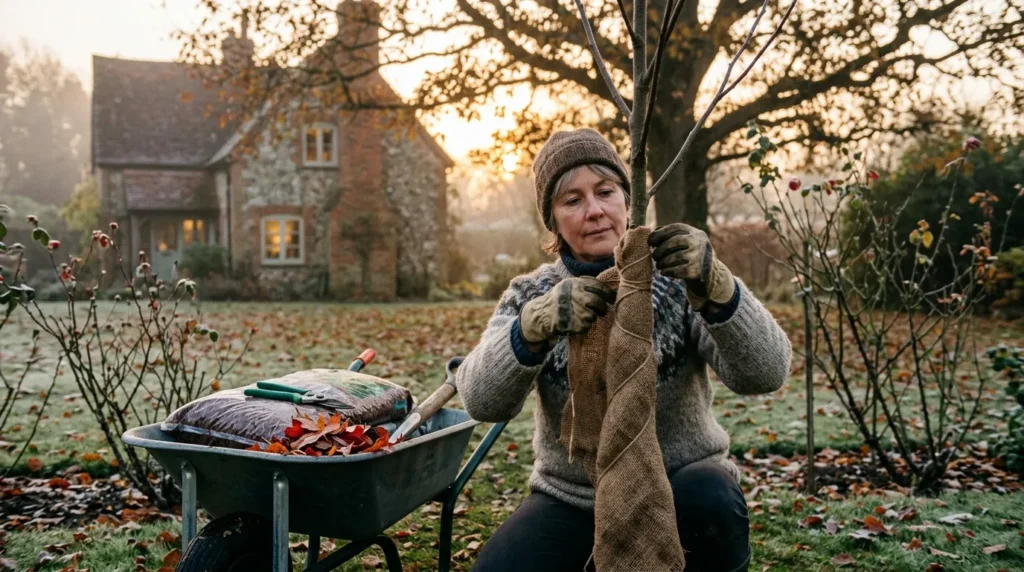
Creative Indoor Garden Ideas
Beginners can explore creative ideas to make indoor gardening fun and personalized. Terrariums are an excellent low-maintenance option for small spaces, combining succulents, moss, and decorative elements. Wall-mounted planters or plant shelves create a living art display, while mixed container gardens allow you to experiment with colors, textures, and heights.
Pairing indoor plants with decorative elements, such as pebbles, driftwood, or stylish pots, enhances the visual appeal while keeping maintenance simple. Personalizing your indoor garden encourages continued engagement and enjoyment.
Sustainable Indoor Gardening
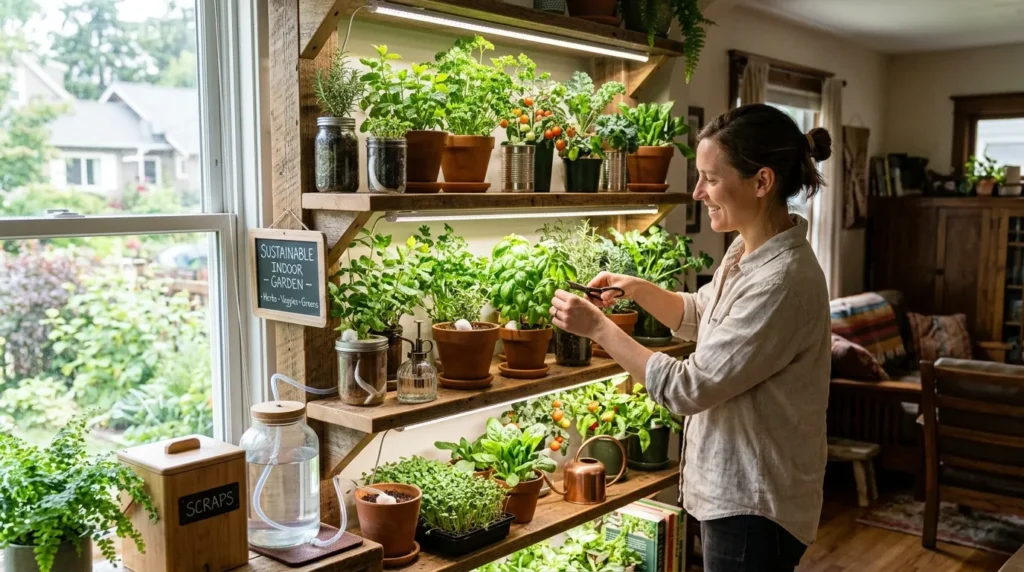
Low-maintenance indoor gardening can also be environmentally friendly. Choosing organic potting mixes, repurposing containers, and composting plant trimmings reduce waste. Using water-saving techniques, such as self-watering containers, ensures efficient resource use. Sustainable gardening practices benefit both your indoor environment and the planet.
Mindful Indoor Gardening
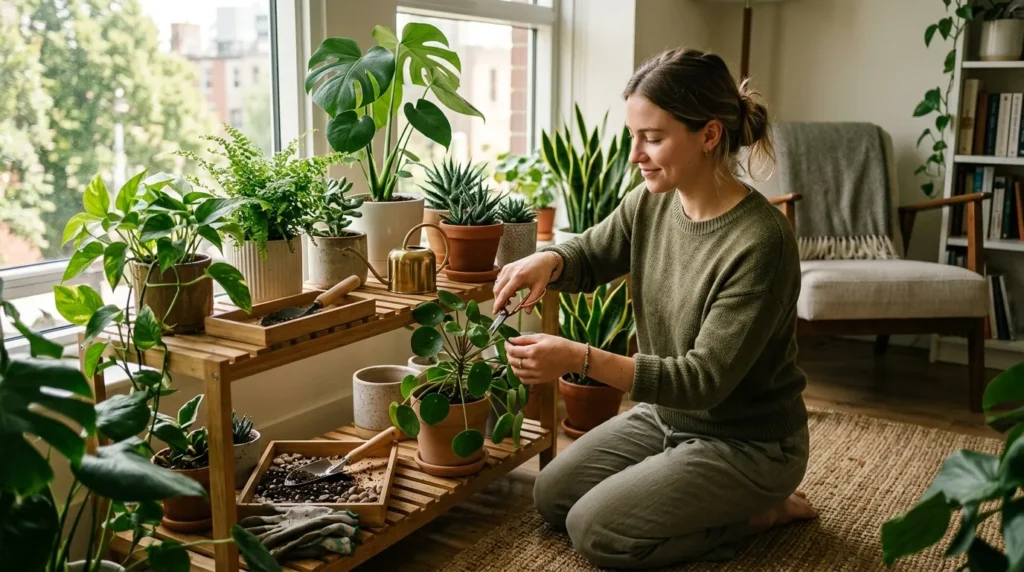
Indoor gardening is not just about aesthetics; it’s a mindful practice that promotes relaxation and connection to nature. Even a few minutes a day spent tending to plants can reduce stress and improve mental clarity. Low-maintenance gardens are ideal for beginners because they require minimal time while providing maximum rewards. Incorporating mindfulness into your gardening routine enhances the overall experience.
Final Thoughts
Creating a low-maintenance indoor garden is achievable for anyone, regardless of experience. By selecting resilient plants, using the right containers and soil, establishing simple watering and lighting routines, and paying attention to seasonal needs, beginners can enjoy the benefits of indoor greenery with minimal effort. Whether your goal is improving air quality, adding aesthetic appeal, or enjoying the therapeutic effects of nature, a thoughtfully designed indoor garden can transform your living space into a calming, vibrant sanctuary.
Starting small, staying consistent with care, and embracing creativity ensures that your indoor garden thrives effortlessly. With patience and the right approach, you’ll discover that indoor gardening can be both rewarding and stress-free, providing a lasting connection to nature inside your home.