Easy Balcony Gardening for Beginners
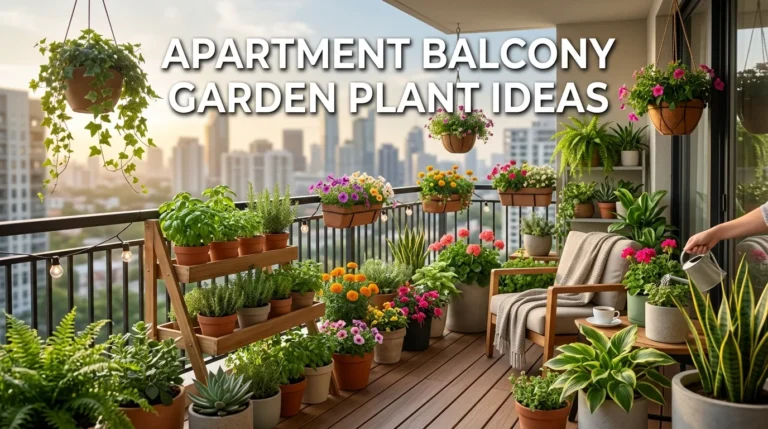
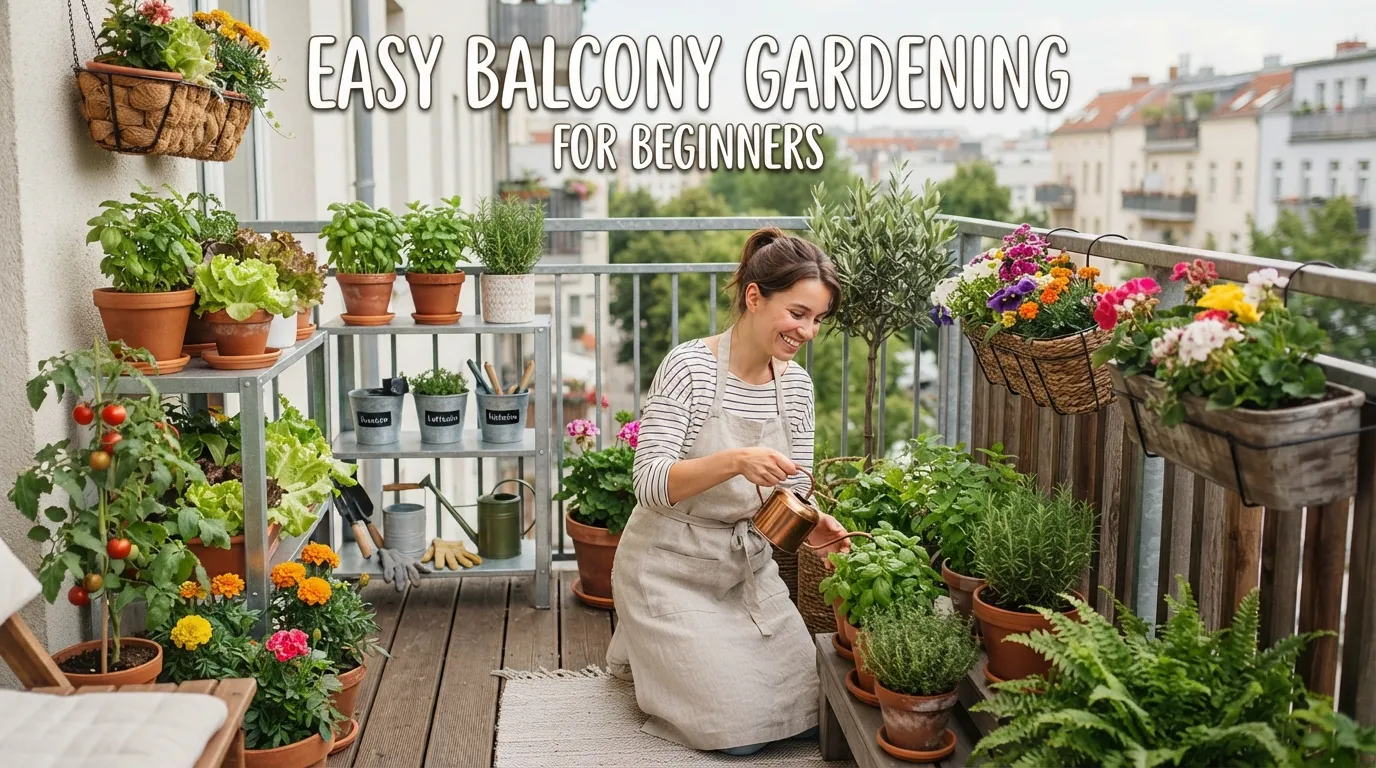
So, you’ve got a balcony and you’re thinking, “I wish I could have some plants!” Well, good news! You absolutely can. Easy Balcony Gardening for Beginners is totally doable, even if you’ve never grown a thing in your life. We’re going to break it down and make it super simple for you. Think of me as your friendly guide to turning that little outdoor space into your own mini green oasis.
You don’t need a huge yard or fancy tools to get started. A small balcony can be just as rewarding, if not more so, because you get to see your hard work up close every single day. It’s a fantastic way to add some life and color to your home, and it can even be a relaxing hobby. Plus, imagine stepping out with your morning coffee to see your own flowers blooming or herbs ready to pick!
Choosing the Right Spot
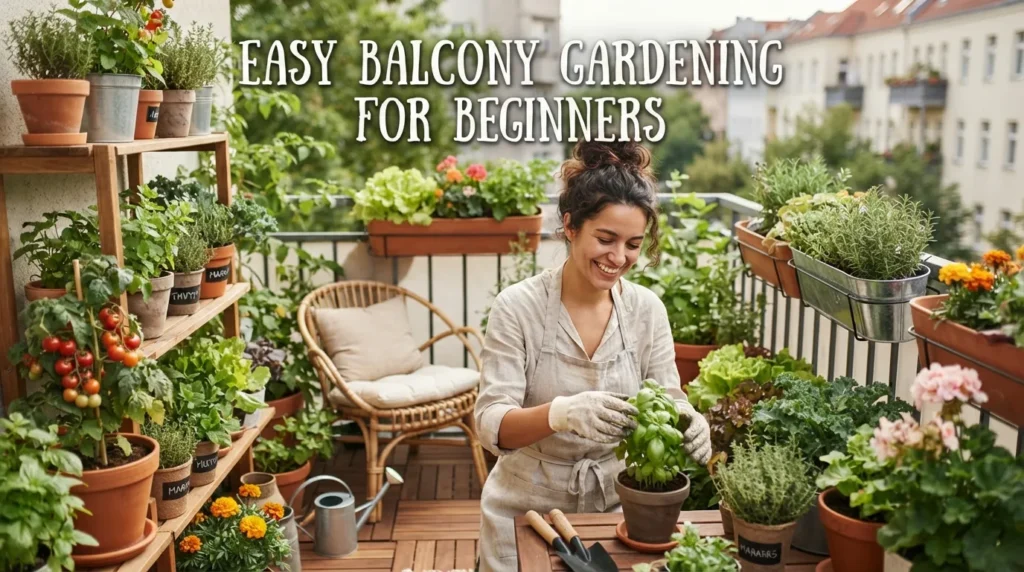
The first step to any successful garden, even a tiny balcony one, is figuring out where to put it. Think about your balcony. How much sun does it get? Does it get sun all day, or just a few hours? This is super important because different plants need different amounts of light.
Most balconies get at least some sun. If yours gets a lot of sun, maybe 6 or more hours a day, you’re lucky! You can grow a wide variety of plants. If it’s shadier, don’t worry, there are still plenty of beautiful plants that love the shade. Just observe your balcony throughout the day. Note which parts are sunny and which are shady.
Picking Your Pots and Planters
Now, let’s talk about where your plants will live. Since we’re on a balcony, we’ll be using pots and containers. There are so many options out there! You can find pots made of terracotta, plastic, ceramic, fabric, and even wood. Each has its pros and cons.
Terracotta pots look classic and let the soil breathe well, but they can dry out quickly. Plastic pots are lightweight and hold moisture well, which is great if you sometimes forget to water. Ceramic pots can be really pretty but can be heavy. Fabric pots are great for drainage and root health. Whatever you choose, make sure there are drainage holes at the bottom. This is crucial to prevent your plant’s roots from sitting in water and rotting.
Consider the size of your pots too. Bigger pots hold more soil, which means they dry out slower and give plant roots more room to grow. Smaller pots are lighter and take up less space, but you’ll need to water them more often. Think about the plants you want to grow and choose pots accordingly.
Easy Balcony Gardening for Beginners
This is the fun part! What should you grow? For beginners, it’s best to start with plants that are known for being tough and easy to care for. We don’t want you getting discouraged right away!
Herbs are Your Friend
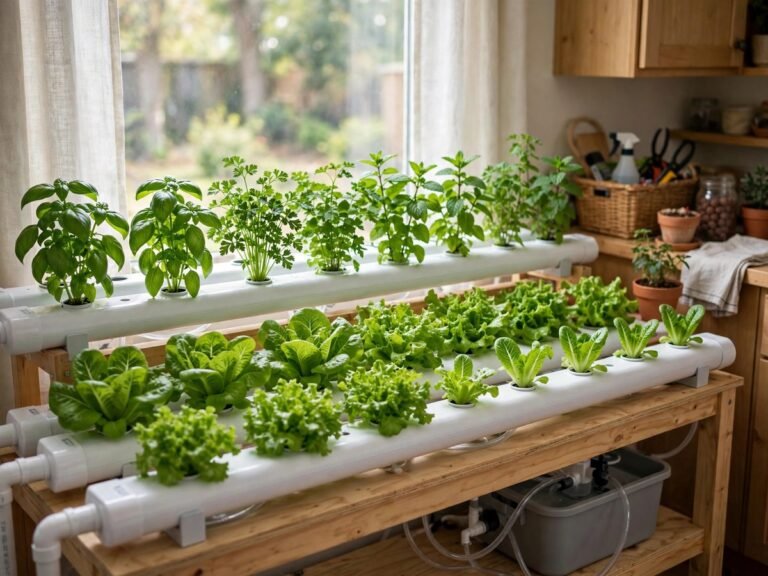
Herbs are fantastic for balcony gardens. They don’t need huge pots, they smell amazing, and you can use them in your cooking. Plus, most herbs love sunshine, which many balconies have.
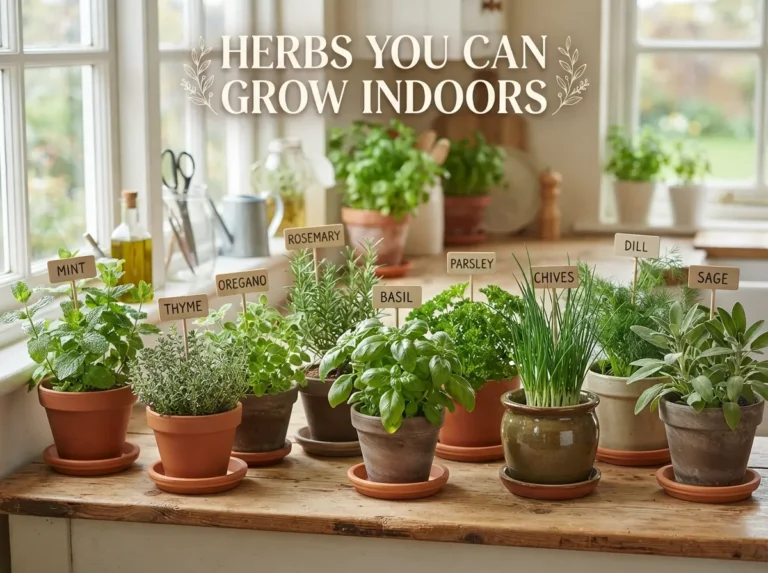
Great beginner herbs include:
- Basil: Loves sun and warmth. Pinch off the tops to encourage bushier growth.
- Mint: Super easy to grow, but it can spread. Best to keep it in its own pot!
- Chives: Hardy and produces pretty purple flowers.
- Parsley: Can tolerate a bit of shade.
- Rosemary: Loves sun and well-drained soil.
Just pop these into small to medium pots with good potting soil, give them some sun, and water when the soil feels dry to the touch. You’ll have fresh herbs in no time.
Flowering Plants for a Pop of Color
Who doesn’t love flowers? They bring so much cheer. For a balcony, look for compact varieties that don’t get too big.
Some easy-to-grow flowering plants for containers are:
- Petunias: Come in tons of colors and bloom all summer. They love sun.
- Marigolds: Bright, cheerful, and known for keeping some pests away. They also love sun.
- Impatiens: Perfect for shadier spots. They add beautiful color without needing direct sun.
- Geraniums: These are pretty hardy and offer lovely blooms.
- Begonias: Another good choice for shady areas.
You can also check out these 25 Flower Garden Ideas That Will Brighten Your Yard for more inspiration, even if you’re working with pots.
Edible Veggies (Yes, Really!)
Think you can’t grow vegetables on a balcony? Think again! Many vegetables do great in containers.
Try these:
- Tomatoes: Look for “bush” or “dwarf” varieties. They need a good amount of sun and a decent-sized pot.
- Peppers: Both sweet and hot peppers grow well in containers and love the sun.
- Lettuce and Spinach: These leafy greens are fast-growing and can tolerate some shade. You can even harvest leaves as you need them.
- Radishes: Super quick growing, perfect for impatient gardeners!
- Bush Beans: Compact and productive.
Make sure your vegetable plants have enough space to grow and get plenty of sunlight. Good soil is also key for veggies.
Soil and Watering: The Basics
You can’t just dig up dirt from your yard and put it in pots. You need good quality potting mix. This special soil is designed for containers. It’s light, drains well, and has the right nutrients to get your plants started.
When it comes to watering, it’s all about finding a balance. Overwatering is one of the most common mistakes beginners make. Stick your finger about an inch into the soil. If it feels dry, it’s time to water. If it feels moist, wait a bit longer.
Water until you see water coming out of the drainage holes at the bottom of the pot. This ensures the entire soil ball is getting hydrated. On hot, sunny days, you might need to water every day. On cooler, cloudy days, you might only need to water every few days. It really depends on the weather and the type of plant and pot you’re using.
Feeding Your Plants
Potting mix has nutrients, but they don’t last forever. Your plants will need a little food to keep growing strong and producing flowers or fruit.
You can use a liquid fertilizer or a slow-release granular fertilizer. Follow the package directions carefully. It’s usually better to fertilize a little bit more often with a weaker solution than to use a strong solution all at once, which can harm your plants.
For most flowering plants and vegetables, feeding every 2-4 weeks during the growing season is a good rule of thumb. Herbs generally don’t need as much feeding, especially if you’re using a good potting mix to start.
Dealing with Pests and Problems
Sometimes, little bugs will try to munch on your plants. Don’t panic! Most common pests, like aphids, can be dealt with easily.
Often, a strong spray of water from your hose can knock them off. You can also use insecticidal soap, which you can buy at garden centers. Just follow the instructions. Regularly checking your plants helps you catch problems early.
Yellowing leaves can mean a few things: too much water, not enough water, or not enough nutrients. Brown, crispy edges often mean it’s too dry. Wilting can be a sign of underwatering or overwatering, so always check the soil moisture first.
Making Your Balcony a Cozy Space
Gardening isn’t just about the plants; it’s also about creating a space you love. Add some comfortable seating if you have room. Some outdoor lights can make your balcony magical at night. Even a small rug can make a big difference.
Your balcony garden from Plantzu can become your favorite spot to relax, read a book, or just enjoy the fresh air. It’s your personal retreat.
FAQ About Easy Balcony Gardening for Beginners
How much sun do I really need for a balcony garden?
Most flowering plants and vegetables need at least 6 hours of direct sunlight per day. If your balcony gets less sun, focus on shade-loving plants like impatiens, begonias, or leafy greens like lettuce and spinach.
What’s the best kind of soil for balcony pots?
Always use a good quality potting mix specifically made for containers. Never use soil directly from your garden, as it compacts too easily in pots and can carry diseases.
How often should I water my balcony plants?
Check the soil moisture by sticking your finger about an inch deep. If it feels dry, water thoroughly until water drains from the bottom. This could be daily in hot weather or only every few days in cooler weather.
Can I grow fruit on my balcony?
Yes, you can! Look for compact or dwarf varieties of fruits like strawberries, blueberries, or even small citrus trees. They will need plenty of sun and larger containers.
My plants look sad. What’s wrong?
First, check your watering. Are they too wet or too dry? Then, consider sunlight. Are they getting enough or too much? Finally, think about feeding. Have you fertilized them recently? Observing your plants closely is key to figuring out the problem.