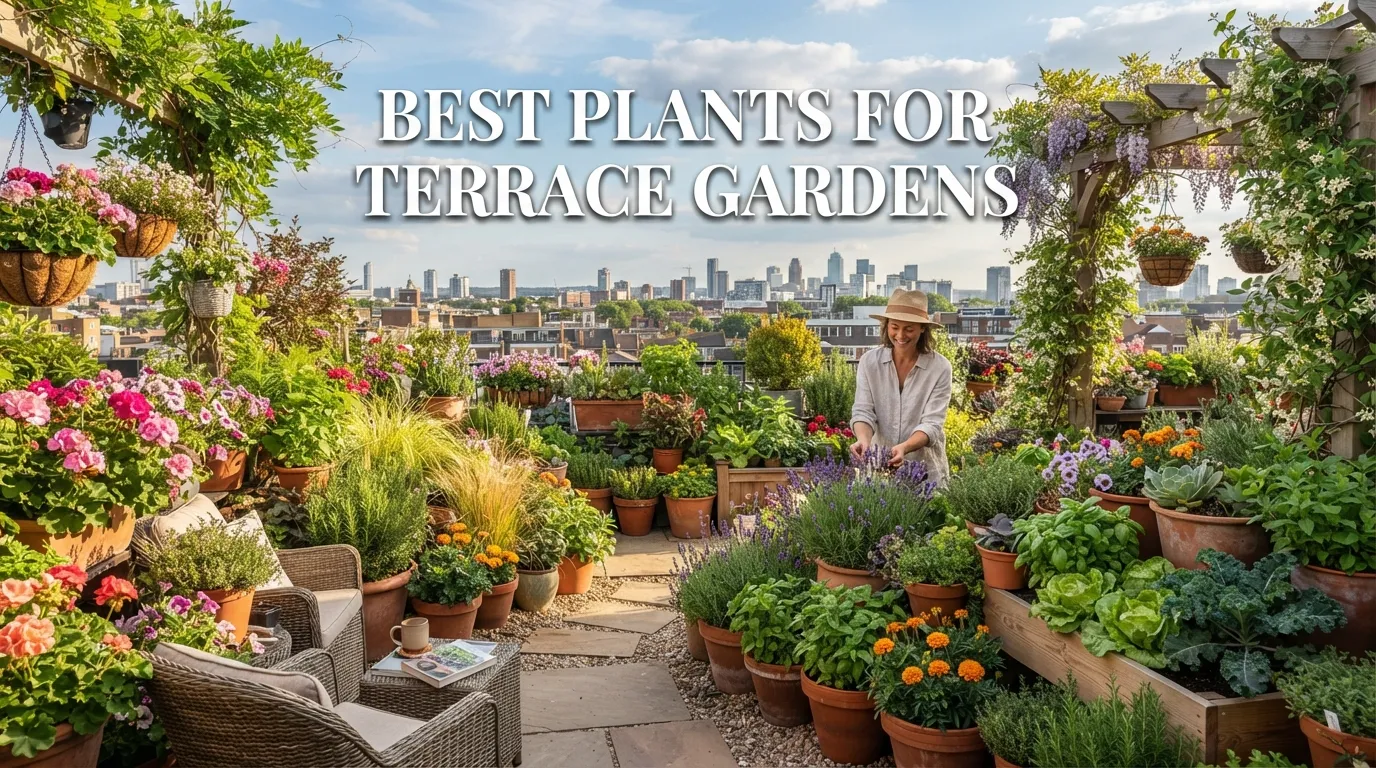
Best Plants for Terrace Gardens
Do you dream of Best Plants for Terrace Gardens outside your door? A terrace garden can be that perfect spot. It’s a place to relax, grow your own food, and enjoy the fresh air. Even if you only have a small balcony, you can create a beautiful and productive garden. We’ll explore the best plants that thrive in terrace gardens, making your outdoor space amazing.
Choosing the right plants is key to a successful Best Plants for Terrace Gardens. You need plants that can handle containers, varying sunlight, and wind. Don’t worry if you’re new to gardening. Many plants are forgiving and easy to care for. Let’s find the perfect green companions for your urban escape.
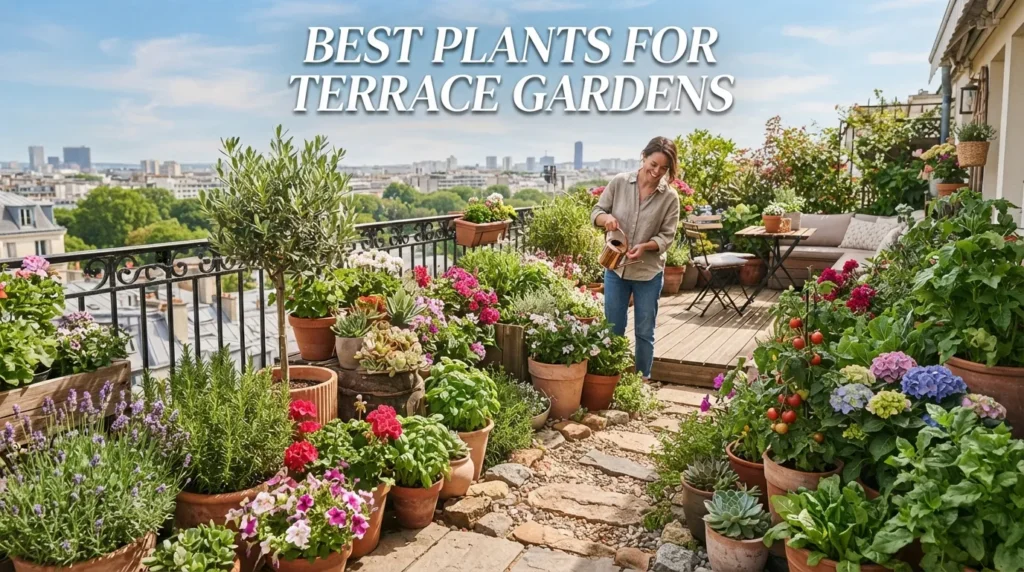
Best Plants for Terrace Gardens
If your terrace gets a lot of sun, you’re in luck! Many wonderful plants absolutely soak up the rays. These plants will reward you with blooms, herbs, or even yummy veggies.
Tomatoes: A Terrace Favorite
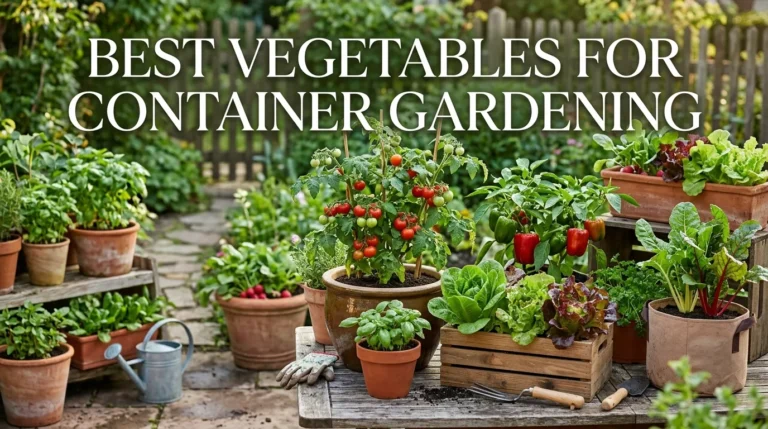
Tomatoes are a top choice for terrace gardens. You can grow many varieties in pots. Look for ‘determinate’ or ‘bush’ types, as they stay smaller and are easier to manage. They need at least 6-8 hours of sunlight daily. Make sure your pots are large enough, at least 5 gallons, and have good drainage.
Peppers: Spicy or Sweet, Your Choice
Bell peppers, chili peppers, and everything in between love the sun. Like tomatoes, they need plenty of light and warmth. Small pepper varieties do very well in containers. Keep the soil moist but not soggy. Peppers add a pop of color and flavor to your meals.
Herbs Galore: Basil, Mint, and Rosemary
Fresh herbs are a game changer for cooking. Many herbs are perfect for pots on a sunny terrace. Basil is a must-have, especially in warm weather. Mint is vigorous, so it’s best grown in its own pot to prevent it from taking over. Rosemary and thyme also love sunshine and well-drained soil.
Growing your own herbs means you always have fresh ingredients on hand. Imagine snipping fresh basil for your pasta or mint for a refreshing drink. It’s simple and so rewarding.
Flowers That Bloom Brightly
Don’t forget the flowers! They add color and attract beneficial insects. Petunias, geraniums, and marigolds are excellent choices for sunny spots. They bloom all summer long with minimal care. Zinnias are also great for adding a splash of vibrant color.
Shade-Tolerant Beauties for Your Cooler Terrace
Not all terraces are bathed in sun all day. If yours is shadier, don’t fret. There are plenty of plants that will flourish with less direct light. These plants can add lush greenery and lovely textures to your space.
Leafy Greens: Lettuce, Spinach, and Kale
Growing your own salad greens is incredibly easy and satisfying. Lettuce, spinach, and kale don’t need direct, intense sun. They prefer cooler temperatures and partial shade. You can harvest leaves as you need them, and they’ll keep growing.
A container of fresh lettuce can provide salads for weeks. Make sure your pots have good drainage and use a good quality potting mix. These greens are nutritious and delicious.
Hostas: Elegant Foliage
Hostas are prized for their beautiful leaves. They come in many shades of green, blue, and variegated patterns. Hostas thrive in shady conditions and add a touch of elegance to any garden. They are very low maintenance once established.
Ferns: Adding Lushness and Texture
Ferns bring a wild, lush feel to shady areas. They love moisture and indirect light. Many varieties do well in pots, adding wonderful texture. Consider Boston ferns or maidenhair ferns for a classic look. Remember to keep their soil consistently moist.
Impatiens and Begonias: Colorful Blooms in Shade
For a splash of color in shady spots, look no further than impatiens and begonias. Impatiens offer a profusion of bright flowers in various colors. Begonias have beautiful blooms and attractive foliage, with many varieties suitable for containers.
Vining Wonders: Going Vertical with Your Terrace Garden
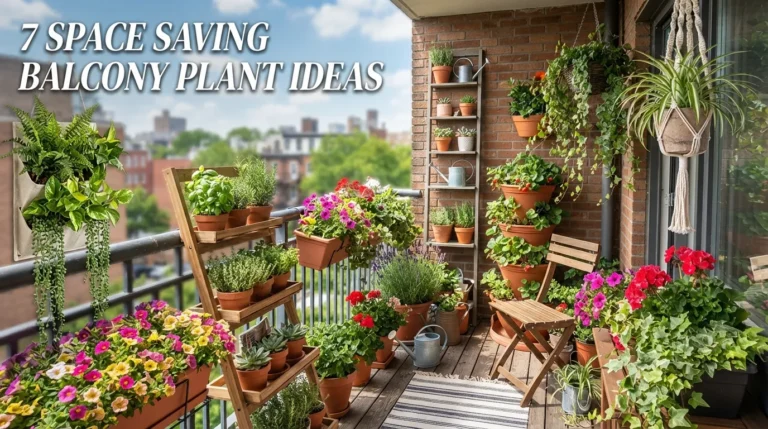
To maximize space on your terrace, go vertical! Vining plants are perfect for this. They can climb up trellises, railings, or walls, creating a green curtain and adding visual interest.
Clematis: A Climbing Classic
Clematis produces stunning, large flowers in a rainbow of colors. It’s a vigorous climber that looks spectacular on a trellis. Most clematis varieties prefer their roots to be cool and shaded, with their tops in the sun. This is easily achieved in a container.
Morning Glories: Fast-Growing Beauty
Morning glories are known for their fast growth and beautiful, trumpet-shaped flowers that open in the morning. They are annual vines, meaning they complete their life cycle in one year, but they reseed easily. They need support to climb and will quickly cover a trellis or railing.
Beans and Peas: Edible Vines
Why not grow something you can eat? Pole beans and climbing peas are fantastic vining plants for terraces. They produce a good harvest and look lovely climbing up supports. They need full sun and a sturdy structure to climb on.
Essential Tips for Terrace Garden Success
No matter which plants you choose, a few basic tips will help your terrace garden thrive. Proper care ensures your plants stay healthy and productive.
Container Choice Matters
Select pots that are the right size for your plants. Too small, and the roots get cramped. Too large, and the soil can stay too wet. Ensure all containers have drainage holes. Terracotta pots dry out faster than plastic ones, so consider this when watering.
Watering Wisely
Plants in containers dry out much faster than those in the ground. Check the soil moisture daily, especially during hot weather. Stick your finger about an inch into the soil; if it feels dry, it’s time to water. Water deeply until you see it drain from the bottom.
Soil and Feeding
Use a good quality potting mix specifically designed for containers. Avoid using garden soil, as it compacts too easily in pots. Most potting mixes don’t contain many nutrients, so you’ll need to feed your plants. Use a balanced liquid fertilizer every 2-4 weeks during the growing season.
Sunlight and Placement
Observe how much sun your terrace gets throughout the day. Place sun-loving plants in the brightest spots and shade-tolerant plants in cooler areas. Rotating pots occasionally can ensure all sides of the plant get light.
Wind Protection
Terraces can be windy, which can dry out plants quickly and even damage them. Consider using heavier pots or providing windbreaks like taller plants or screens. Grouping plants together can also offer some protection.
Don’t Forget the Aesthetics
Remember, Best Plants for Terrace Gardens is a process. Don’t be discouraged if a plant doesn’t make it. Every gardener learns through experience. The most important thing is to enjoy the journey of creating your own little piece of paradise. If you’re looking for inspiration for indoor spaces, check out our guide on Best House Plants for Indoor Gardening.
Creating a terrace garden is a rewarding experience. It brings nature closer, provides fresh produce, and enhances your home’s beauty. With the right plant choices and a little care, your terrace can become your favorite spot. Happy gardening from all of us at Plantzu!
Frequently Asked Questions About Terrace Gardens
What are the easiest plants to grow on a terrace?
Some of the easiest plants include herbs like basil and mint, leafy greens like lettuce and spinach, and flowers like petunias and marigolds. Tomatoes and peppers in smaller varieties are also relatively easy if they get enough sun.
How often should I water plants on my terrace?
Plants in containers on a terrace usually need watering daily, especially in warm or windy weather. Always check the soil moisture by sticking your finger about an inch deep. Water when the soil feels dry.
Can I grow vegetables on a small terrace?
Yes, absolutely! Many vegetables can be grown in containers. Look for compact or dwarf varieties of tomatoes, peppers, beans, peas, and a wide range of herbs and leafy greens.
What kind of soil should I use for terrace garden pots?
It’s best to use a high-quality potting mix designed for containers. This type of soil is lightweight, drains well, and provides good aeration for plant roots. Avoid using soil straight from your garden, as it can become compacted in pots.
How do I protect my terrace plants from strong winds?
You can protect plants by using heavier pots, grouping plants together for mutual support, or installing small windbreaks like screens or taller, sturdier plants. Consider placing more delicate plants in sheltered corners of your terrace.