Plants That Naturally Repel Garden Pests
Gardening is one of the best ways to spend your time. It helps you relax after a long day. If you are interested in how plants help your mental health, you might enjoy reading about Gardening for Stress Relief: Tips That Work. But we all know that pests can ruin the fun. Nothing is worse than finding your hard work eaten by bugs. Here are Plants That Naturally Repel Garden Pests.
You do not need to use harsh chemicals to save your vegetables and flowers. Nature has a smart way of protecting itself. By planting certain flowers and herbs, you can create a natural shield. This keeps the bad bugs away while keeping your garden healthy. At Plantzu, we love finding simple ways to make gardening easier for everyone.
Why Plants That Naturally Repel Garden Pests Control Works
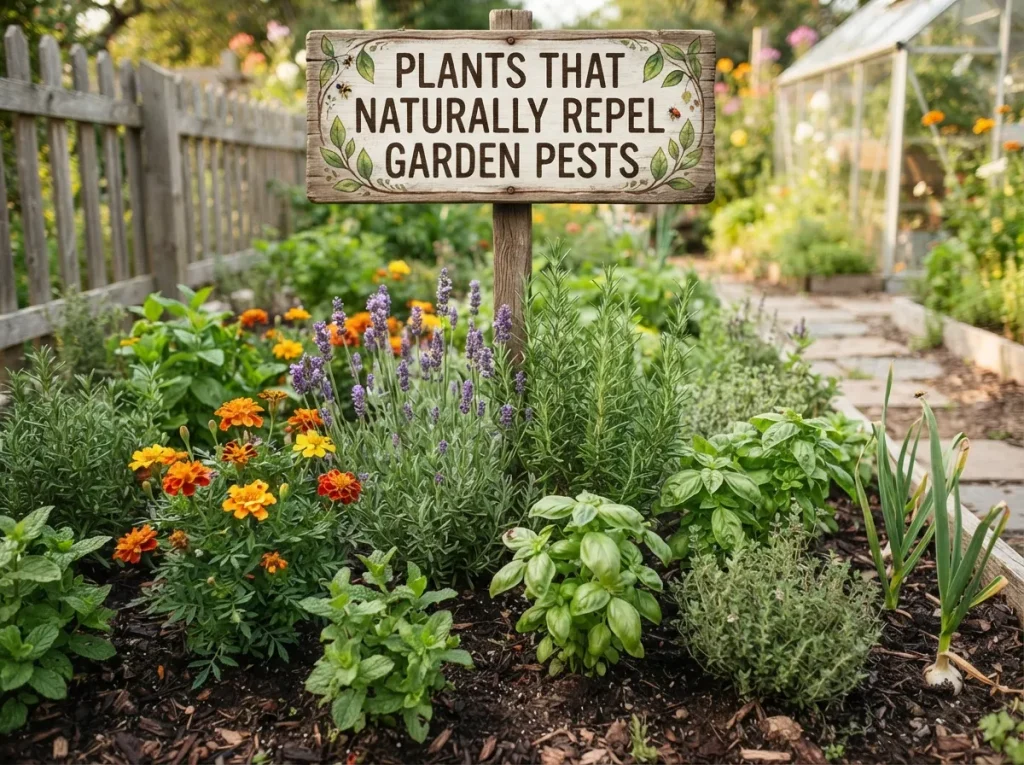
Many plants release strong smells that insects dislike. Some produce oils that bugs find unpleasant. When you mix these plants into your garden beds, they act like a fence that you cannot see. This method is called companion planting.
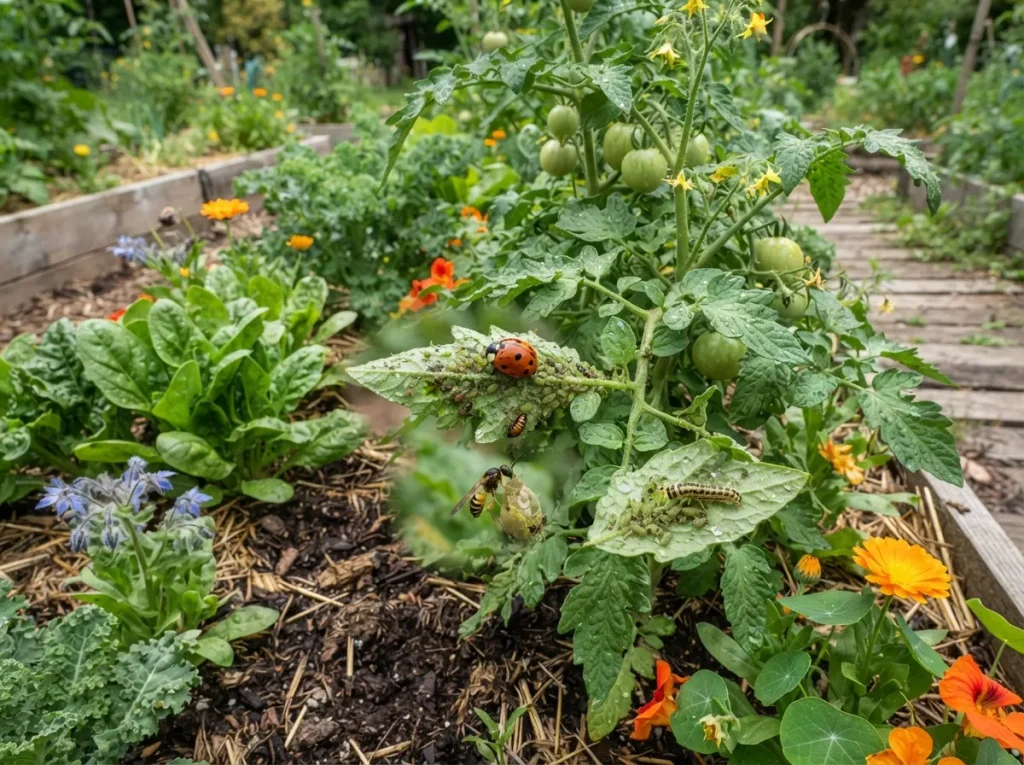
Companion planting is not just about keeping bugs away. It also helps your soil and brings in good insects. Good insects like bees and ladybugs help your garden grow better. You want to invite the good guys while telling the pests to stay away.
Best Herbs to Keep Bugs Away
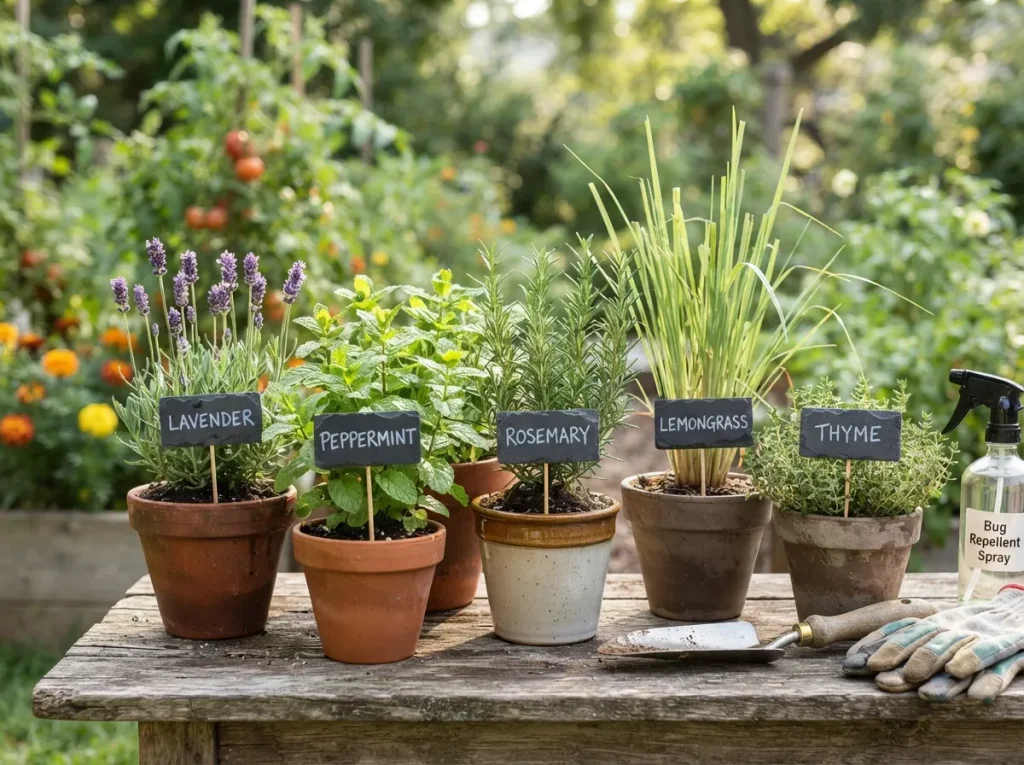
Herbs are usually the easiest plants to grow. They are tough and smell great to us. Thankfully, the smells that we like are often the ones that pests hate. Here are some of the best herbs to add to your garden.
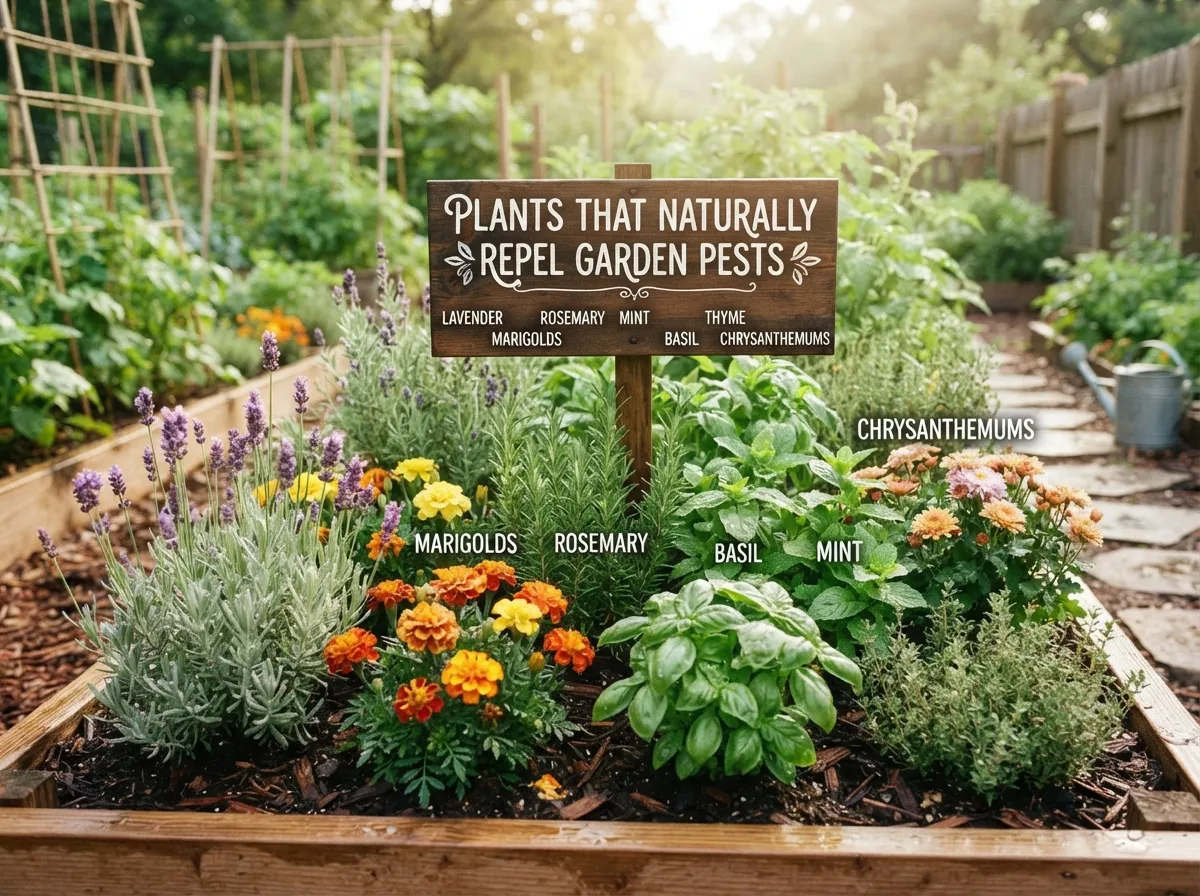
- Basil: This is a must-have for any garden. It keeps mosquitoes and flies away. It also grows well next to tomatoes. Many people say it even makes tomatoes taste better.
- Mint: Ants and cabbage moths hate the smell of mint. Be careful though, as mint grows very fast. It is best to keep it in a pot so it does not take over your whole garden.
- Rosemary: This woody herb is great for repelling cabbage moths and bean beetles. It loves the sun and needs very little water once it is established.
- Lavender: Most of us love the smell of lavender. However, moths, fleas, and even mosquitoes try to stay away from it. It is a beautiful plant that adds color to your yard.
Flowers That Protect Your Garden
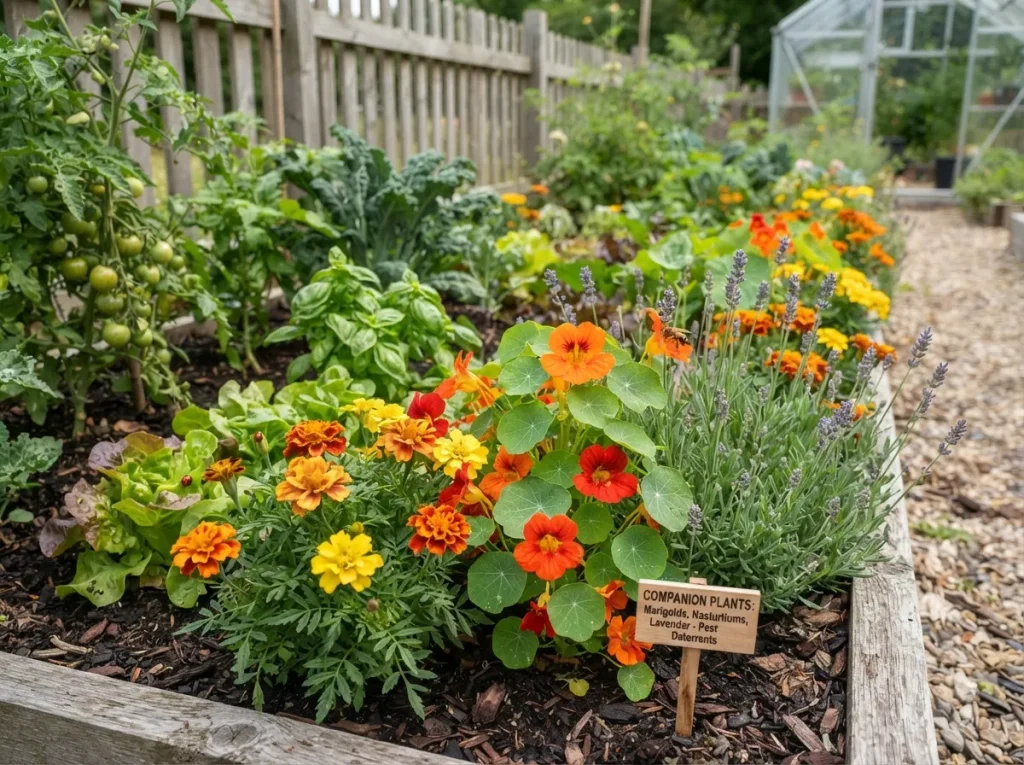
Flowers do more than just look pretty. They are powerful tools for pest control. If you have a vegetable garden, you should definitely add some of these flowers between your rows.
Marigolds are perhaps the most famous pest repellers. Their scent keeps nematodes and whiteflies away. Nematodes are tiny worms that damage plant roots under the ground. Planting marigolds near your peppers or tomatoes is a smart move.
Nasturtiums are another great choice. They act as a trap crop. This means they attract aphids so the aphids leave your other plants alone. They are also edible, so you can add them to your salads.
Chrysanthemums contain a natural compound called pyrethrin. Many organic bug sprays use this compound. By planting them, you have a natural source of protection right in your soil. They work against many pests like roaches, ants, and Japanese beetles.
Alliums and Their Strength
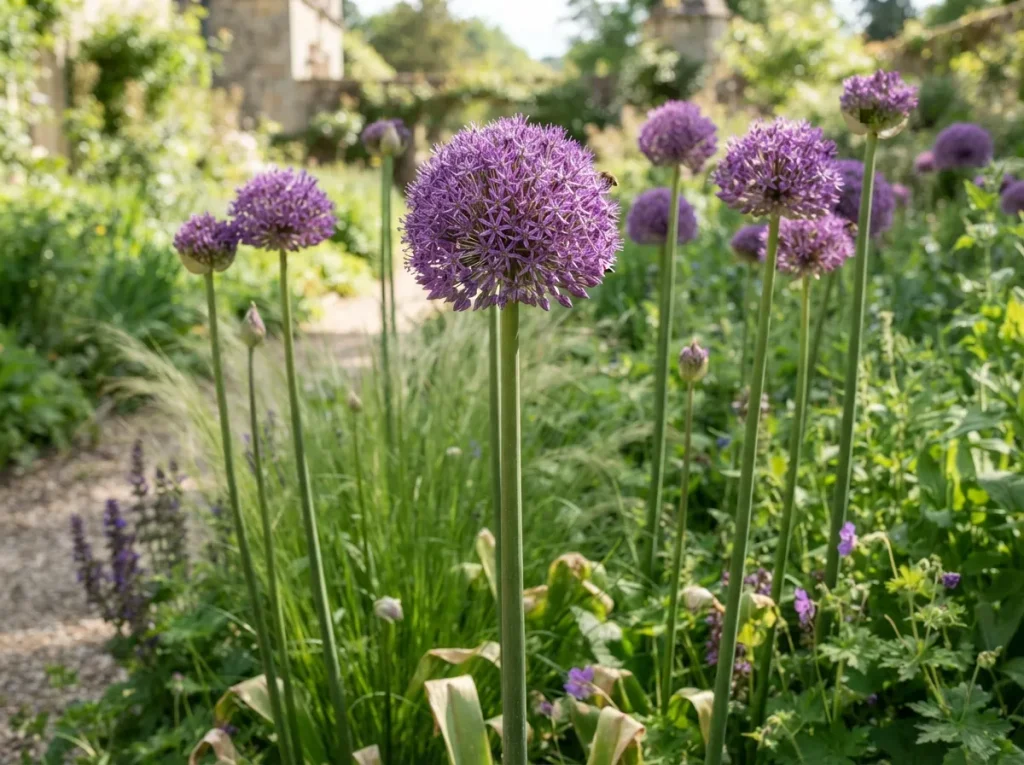
You might already eat onions, garlic, and chives. These belong to the allium family. They are very strong-smelling plants. This strength is their secret weapon against pests.
Planting garlic around your rose bushes can stop aphids from attacking them. Chives are great for keeping Japanese beetles away from your vegetables. Because they are edible, you get the benefit of a pest-free garden and a fresh dinner at the same time.
Tips for Your Garden Success
Do not rely on just one type of plant. Diversity is the key to a healthy garden. If you have many different types of plants, pests will have a harder time finding their favorite food.
Make sure you give your plants enough space. Good air flow prevents fungus and other diseases. Keep your soil healthy with compost. Healthy plants are always better at fighting off bugs on their own.
If you see a few bugs, do not panic. A few bugs are normal. You only need to worry when they start eating your whole garden. Using these natural plants will keep the balance just right.
Frequently Asked Questions
Do these plants get rid of all pests?
No, they will not stop every single bug. However, they make your garden much less attractive to pests. They act as a strong layer of defense to keep most common problems away.
Can I plant these in pots?
Yes, many of these plants grow very well in pots. This is a great idea if you have a small space or a balcony. Herbs like basil and mint thrive in containers.
Are these plants safe for pets?
Most of these are safe, but you should always check if you have curious pets. For example, some alliums can be toxic to dogs and cats if eaten in large amounts. Always do a quick search if you have a pet that likes to nibble on plants.
When is the best time to plant them?
Most of these plants do best when planted in the spring. This gives them time to grow and get strong before the peak of the pest season in summer. You can also add them later in the season if you notice bugs starting to gather.