Best Ornamental Plants for Landscaping to Transform Your Garden
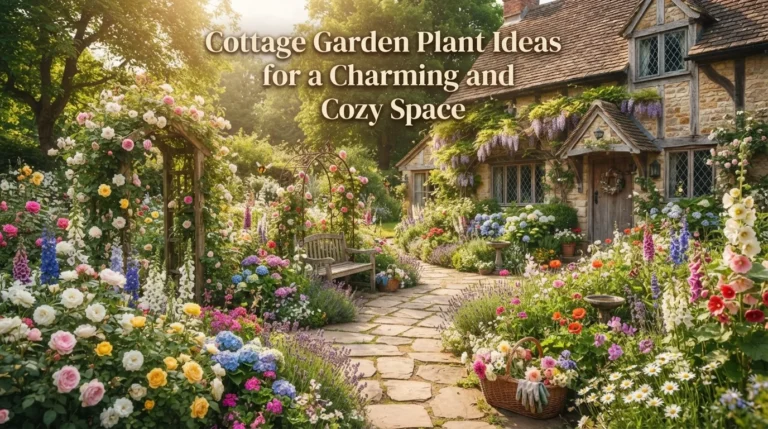
Planning your garden is one of the most exciting projects you can take on. Whether you have a massive backyard or a tiny corner, choosing the right Best Ornamental Plants for Landscaping changes everything. You want plants that look good but also fit your local climate. At Plantzu, we love helping people pick the perfect greenery for their specific space.
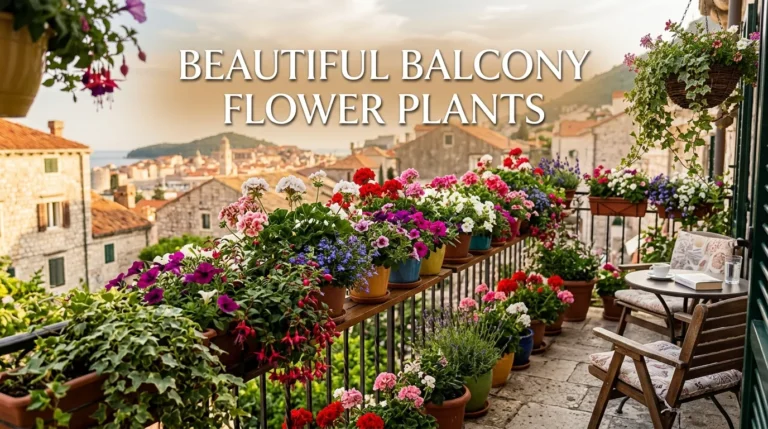
Ornamental plants are more than just pretty flowers. They provide structure, color, and texture to your outdoor area. Some plants work well in the ground, while others look great in containers. If you are also working on your seating area, you might want to look at our Best Patio Plants for a Beautiful Outdoor Space for more inspiration.
Choosing the Right Plants for Your Climate
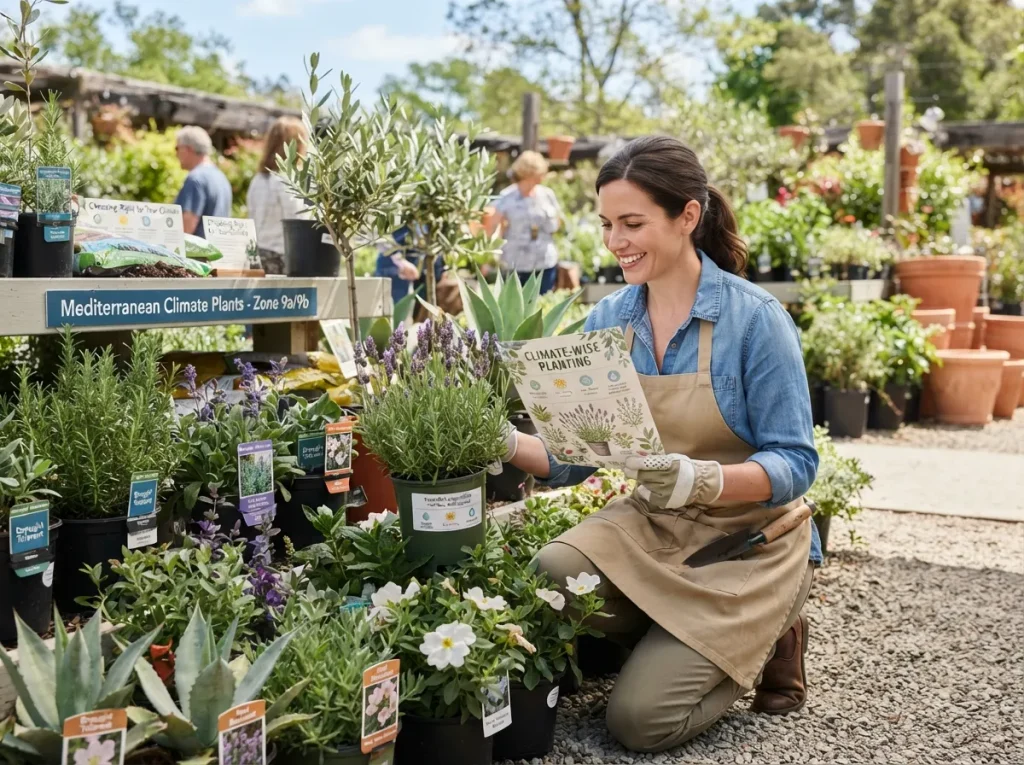
Before you rush to the nursery, you need to know your hardiness zone. This tells you which plants survive the winter in your area. Do not buy a plant just because it looks nice in a photo. Check the label to see if it likes sun, shade, or something in between.
Water is another big factor. In 2026, many gardeners are choosing plants that do not need a lot of extra water. This saves money and keeps your chores list shorter. Always look for native plants when you can. They are already used to your soil and local weather patterns.
Best Ornamental Plants for Landscaping
check out Best Ornamental Plants for Landscaping below:
Top Ornamental Shrubs for Your Yard
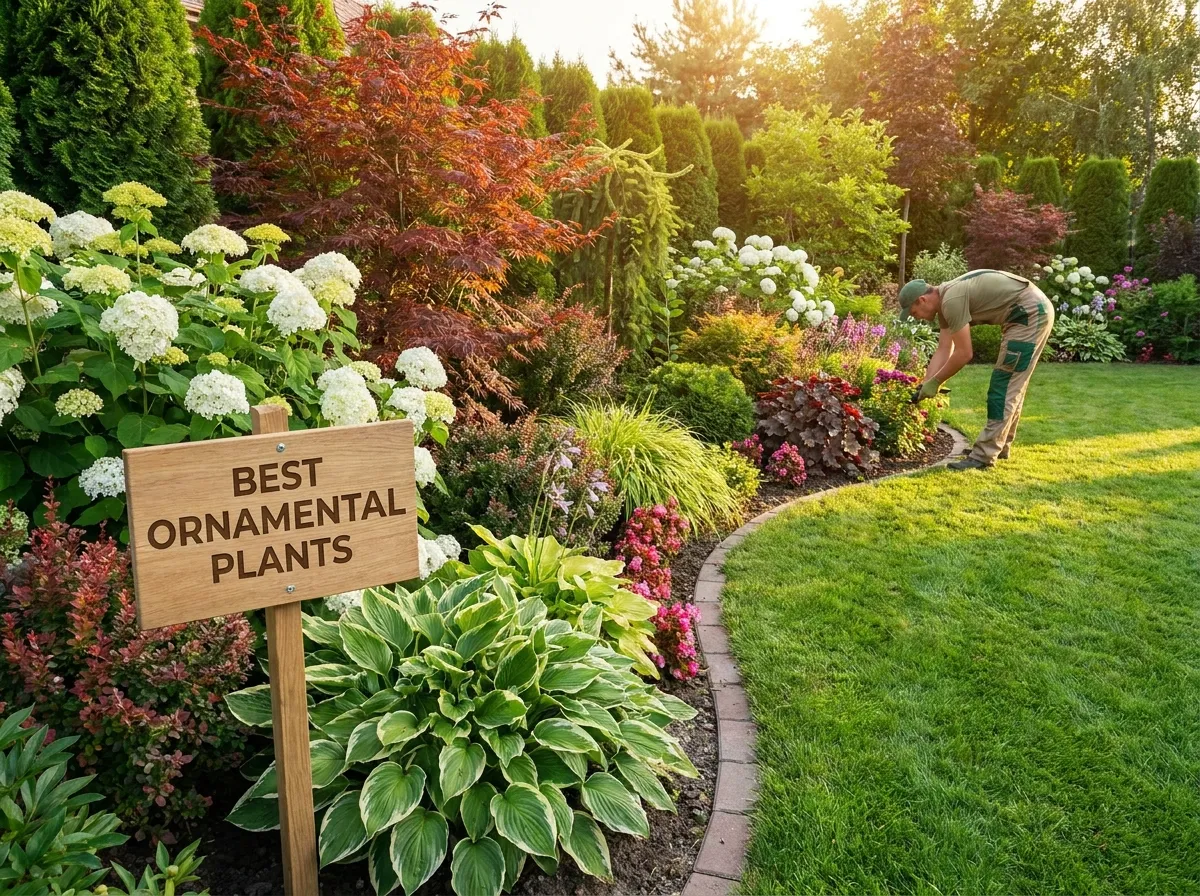
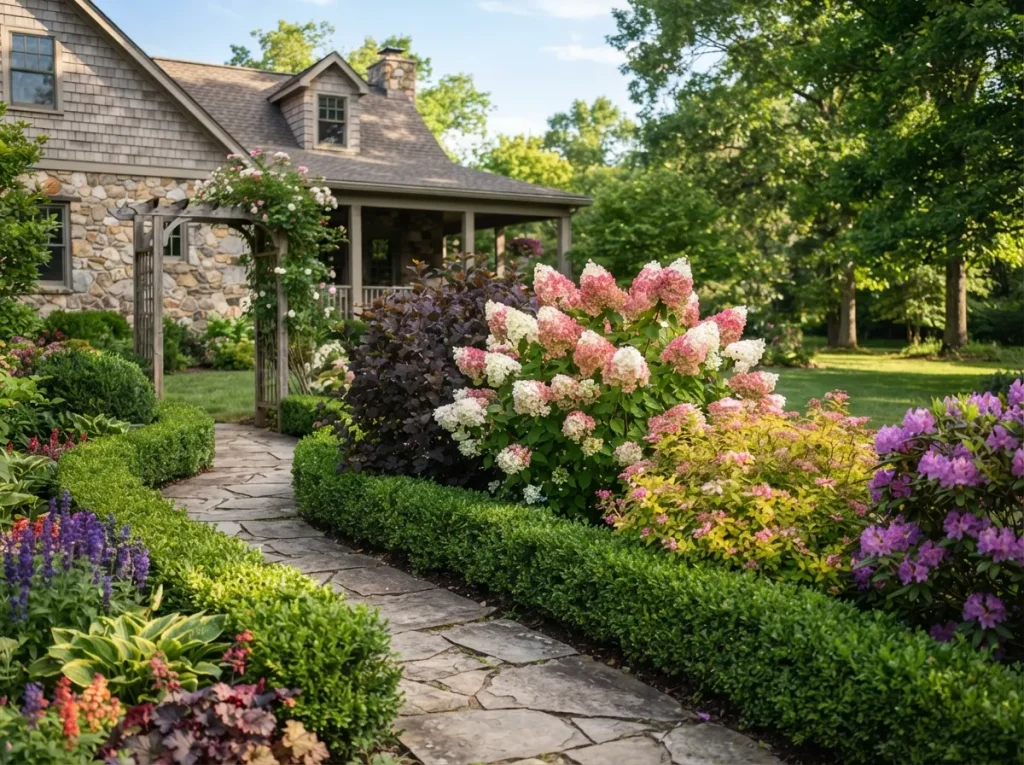
Shrubs act as the bones of your landscape. They stay green for a long time and provide a background for smaller flowers. Here are some of our favorites for this season.
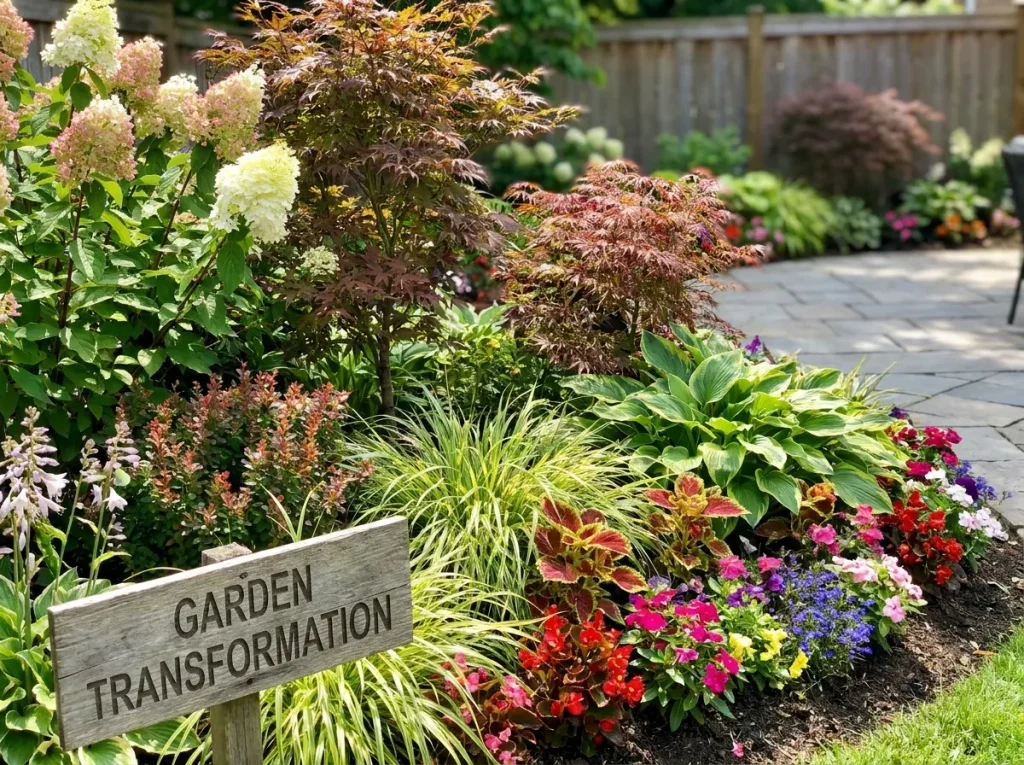
- Hydrangeas: These are classic choices. They produce big, beautiful flower heads throughout the summer. They love morning sun and afternoon shade.
- Boxwood: If you want a clean, tidy look, boxwoods are perfect. You can trim them into shapes or let them grow naturally.
- Spirea: These shrubs are tough. They bloom with clusters of flowers in the spring and turn nice colors in the fall.
- Ninebark: Gardeners love this shrub for its colorful leaves. Some types have deep purple or gold foliage that stands out all season.
Adding Texture with Ornamental Grasses
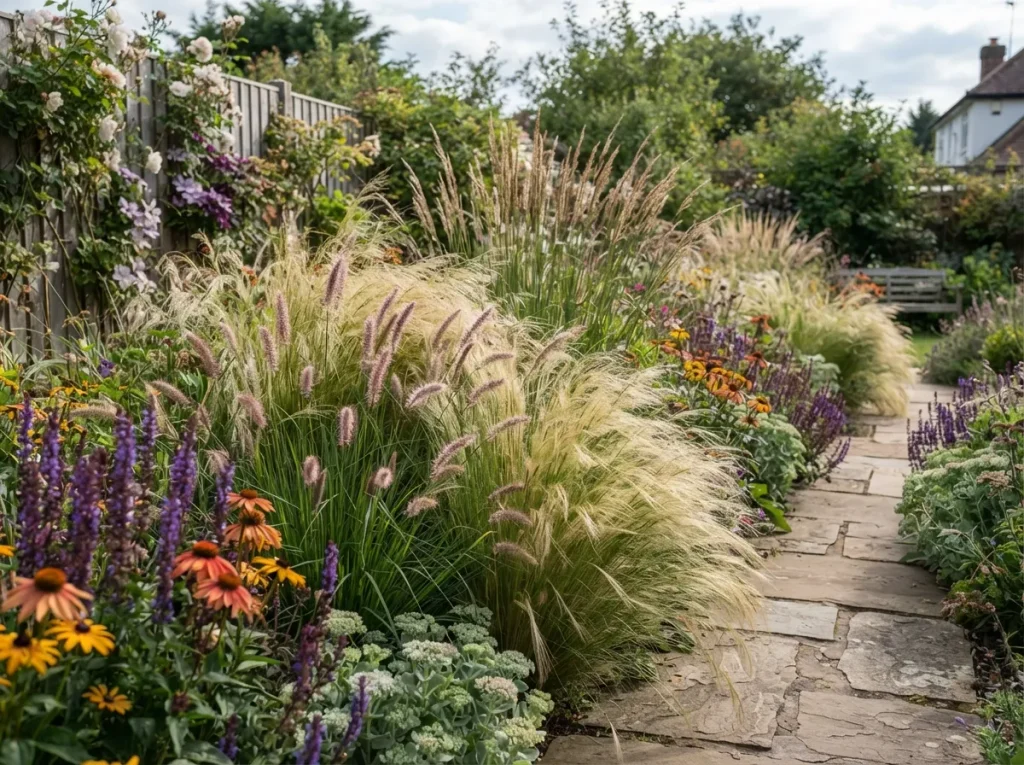
If you want your garden to move with the wind, you need grasses. They add a soft, natural feeling that flowers cannot provide alone. Grasses are often very low maintenance and look great even in late autumn.
Feather Reed Grass is a very popular choice right now. It grows tall and stays upright, so it does not flop over. Fountain grass is another great option. It has fluffy plumes that look like water fountains in your flower bed.
Colorful Perennials for Seasonal Interest
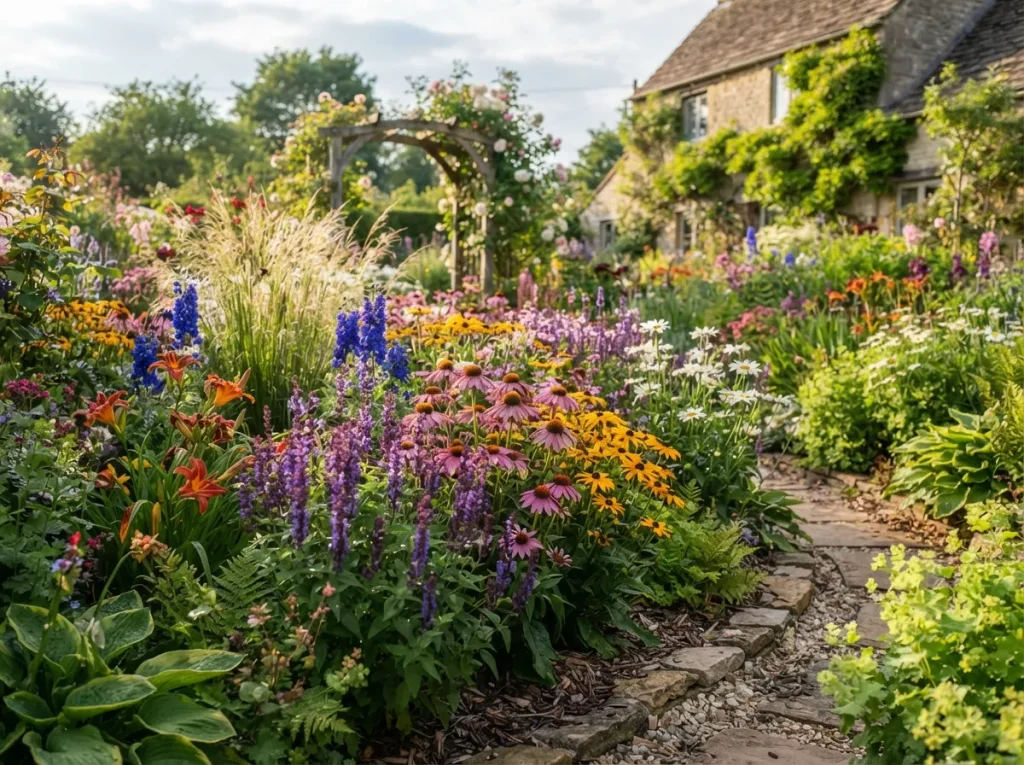
Perennials are plants that come back year after year. They are a smart investment for your garden. You should try to pick plants that bloom at different times. This way, you have something colorful to look at from spring until the first frost.
Coneflowers are a staple in many modern gardens. They are very hardy and attract bees and butterflies to your yard. Daylilies are another reliable choice. They are almost impossible to kill and come in a huge range of colors.
If you have a shady spot, hostas are your best friend. They are grown mostly for their beautiful, large leaves. Some have blue tints, while others are variegated with white or yellow stripes. They look elegant and keep your shady areas from feeling boring.
How to Arrange Your Plants
When you start planting, think about height. You should place the tallest plants in the back of the bed. Medium plants go in the middle, and short groundcover plants go in the front. This makes sure every plant gets seen.
Do not plant everything in a straight line unless you want a formal look. Planting in groups of three or five often looks more natural. It creates a bigger impact than just planting one single plant in a spot.
Also, leave enough room for plants to grow. It is tempting to crowd them so the garden looks full right away. However, plants need space for air to move. If you crowd them, they are more likely to get diseases or grow slowly.
Keeping Your Plants Healthy
Mulch is your best tool for a healthy garden. Spread a layer of wood chips or bark around your plants. This keeps the soil moist and stops weeds from taking over. It also makes your garden beds look neat and professional.
Check your plants at least once a week. Look under the leaves for any pests. If you catch a problem early, it is usually easy to fix. If you wait too long, it might spread to the rest of your garden.
Final Words:
Finally, do not forget to feed your plants. A slow-release fertilizer in the spring helps most ornamental plants perform their best. Just follow the instructions on the bag so you do not use too much.
Common Questions About Landscaping
Do I need to hire a professional for my garden?
Not at all. You can do almost everything yourself if you take it one small section at a time. Gardening is a skill you learn by doing.
How often should I water my new plants?
New plants need water more often until their roots settle in. Usually, this means checking the soil every few days. If the top inch feels dry, give it a good drink.
What are the easiest plants for beginners?
Hostas, daylilies, and coneflowers are very forgiving. They can handle a little neglect and still look great. These are perfect if you are just starting your gardening adventure.
When is the best time to plant?
Spring and fall are the best times. The weather is cool and rain is more common, which helps plants establish their roots before the heat of summer or the cold of winter.