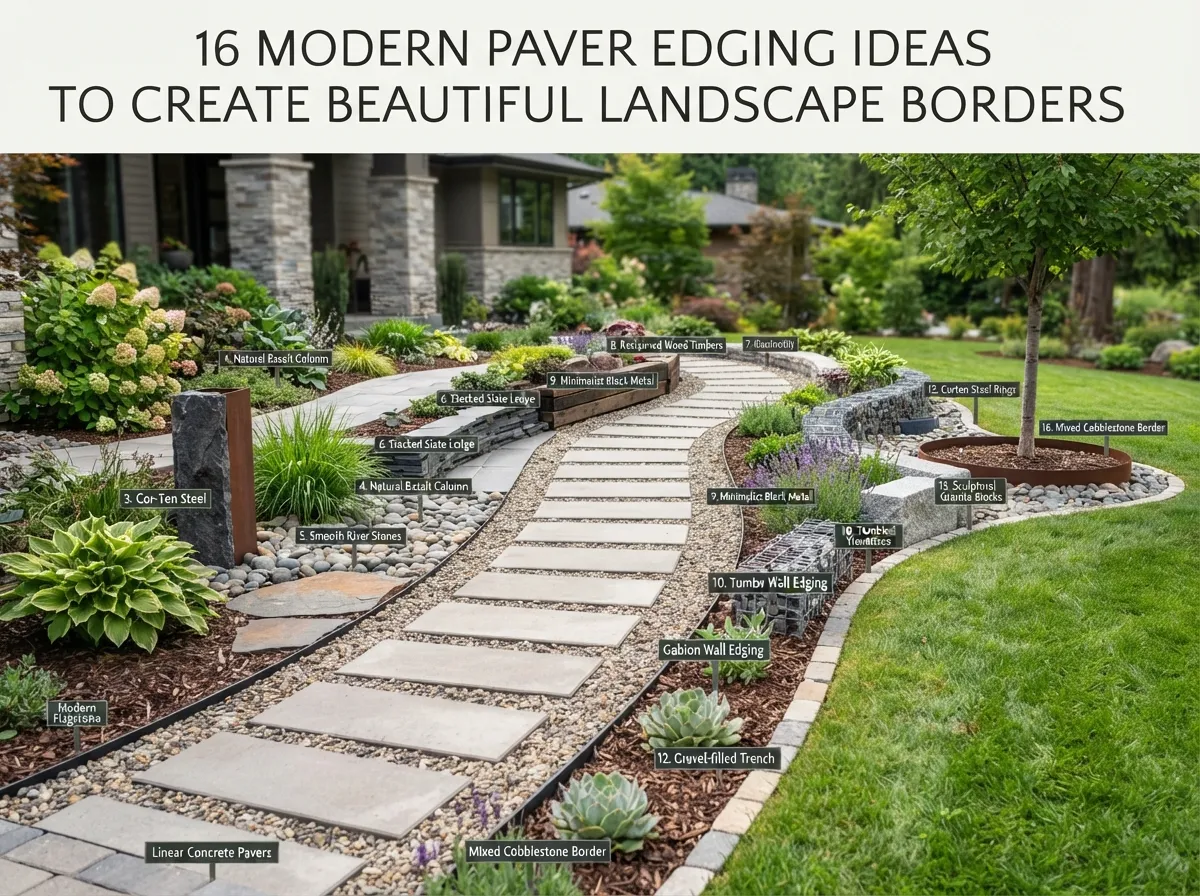
16 Modern Paver Edging Ideas to Create Beautiful Landscape Borders
You have worked hard on your garden beds. The plants look great and the mulch is fresh. But something is missing. Your lawn and your garden beds seem to blend together too much. This is where 16 Modern Paver Edging Ideas edging comes in to save the day.
Adding a clear border makes your yard look tidy and professional. It also keeps your grass from creeping into your flower beds. If you want to change how your yard looks, 25 Garden Design Ideas to Transform Your Backyard can give you even more inspiration. Here are 16 modern ways to use pavers to create clean lines in your landscape.
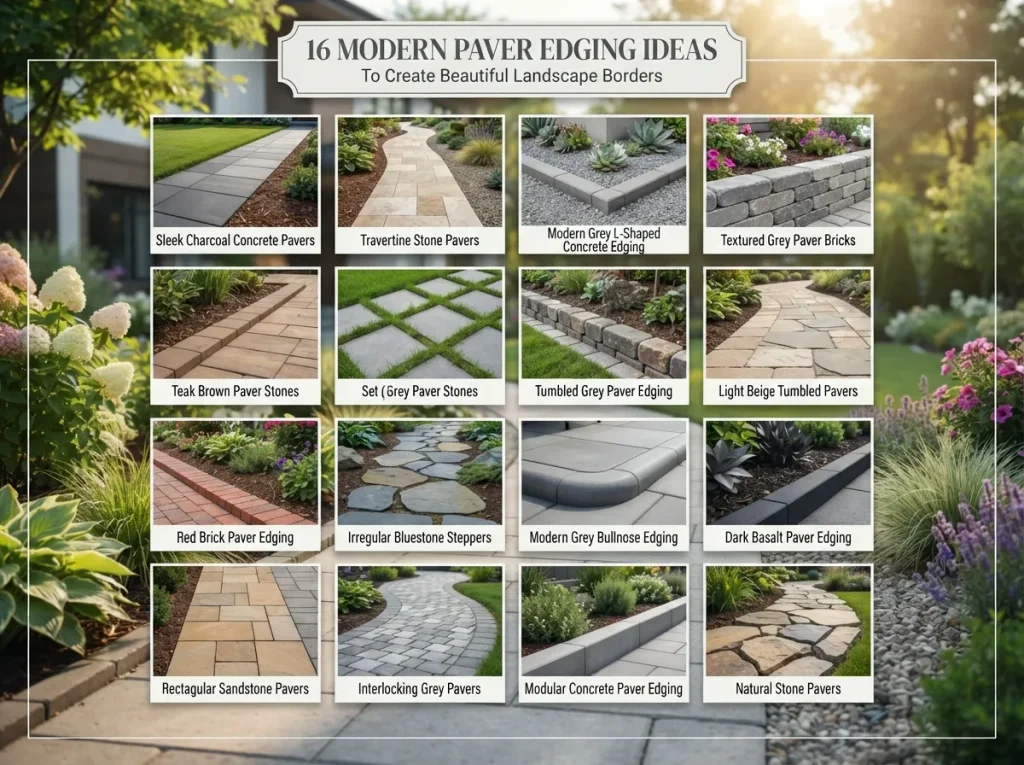
16 Modern Paver Edging Ideas
You do not need to be a professional builder to make your garden look good. These ideas use materials you can find at most home improvement stores. You can do many of these projects over a weekend.
1. Classic Brick Soldiers
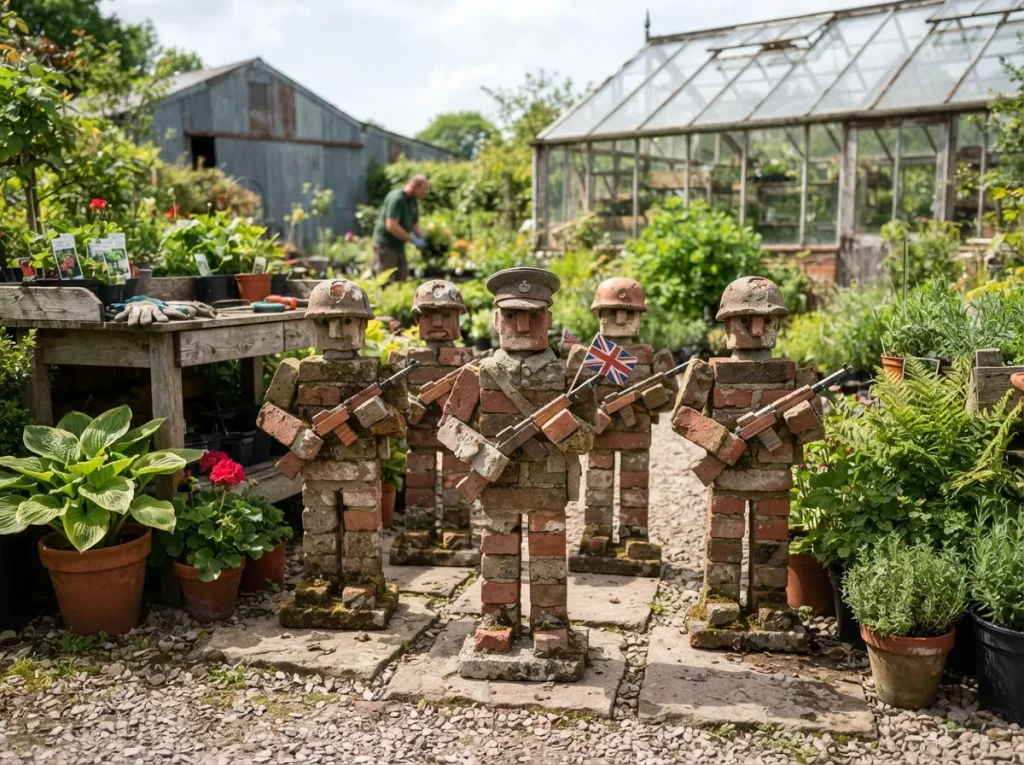
Place your bricks vertically in a row. This creates a sturdy wall that holds back soil and mulch. It looks very traditional and fits well with almost any home style.

2. Staggered Concrete Blocks
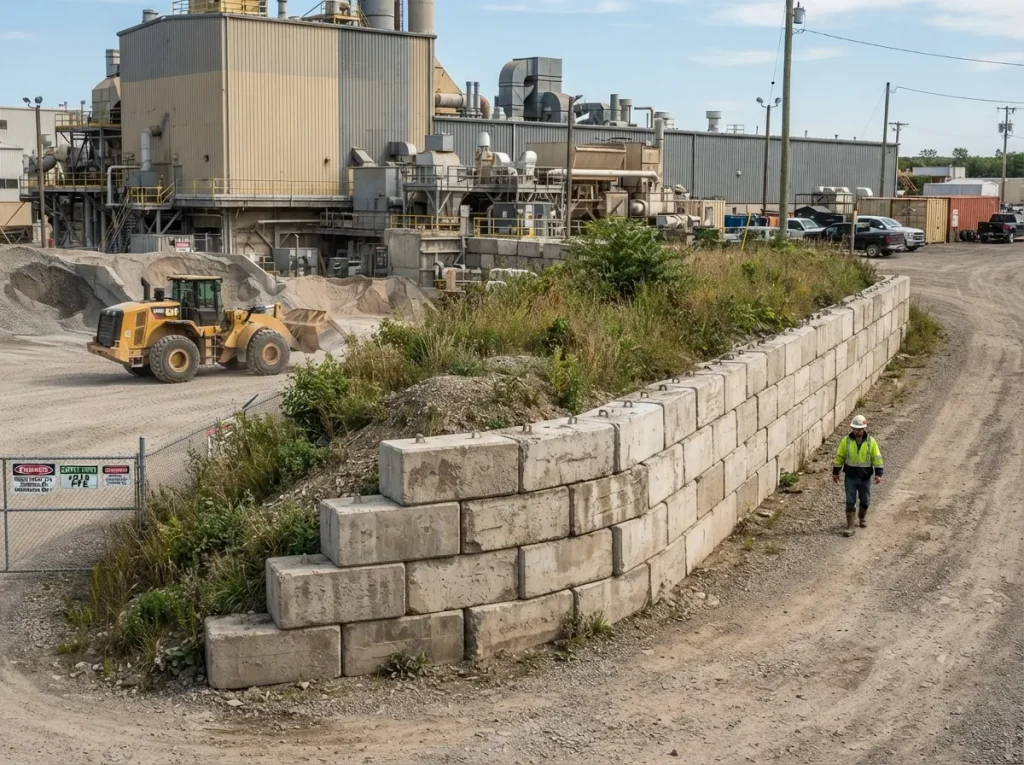
Set your concrete pavers in a staggered, step-like pattern. This adds a little bit of height and visual interest. It is a great way to handle areas where your garden bed might be slightly higher than the lawn.
3. Natural Stone Flanking
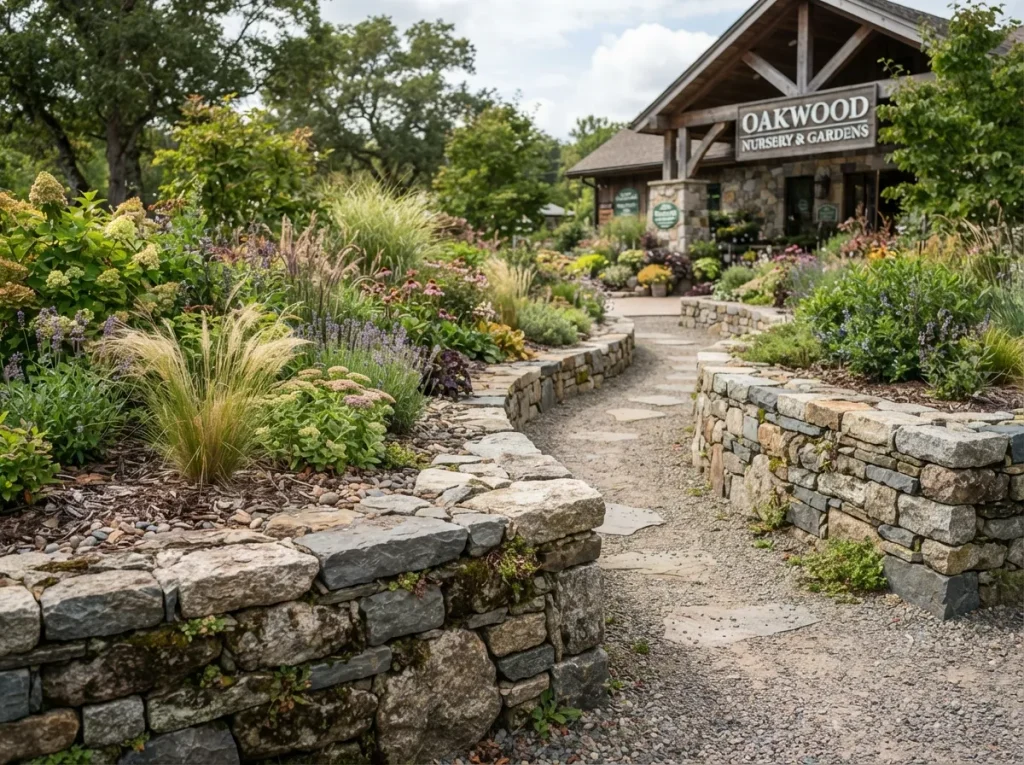
Use irregular pieces of natural stone to create a loose border. You do not need to make it a perfect line. The organic shape of the rocks gives your garden a relaxed, meadow-like feel.
4. Modern Concrete Strips
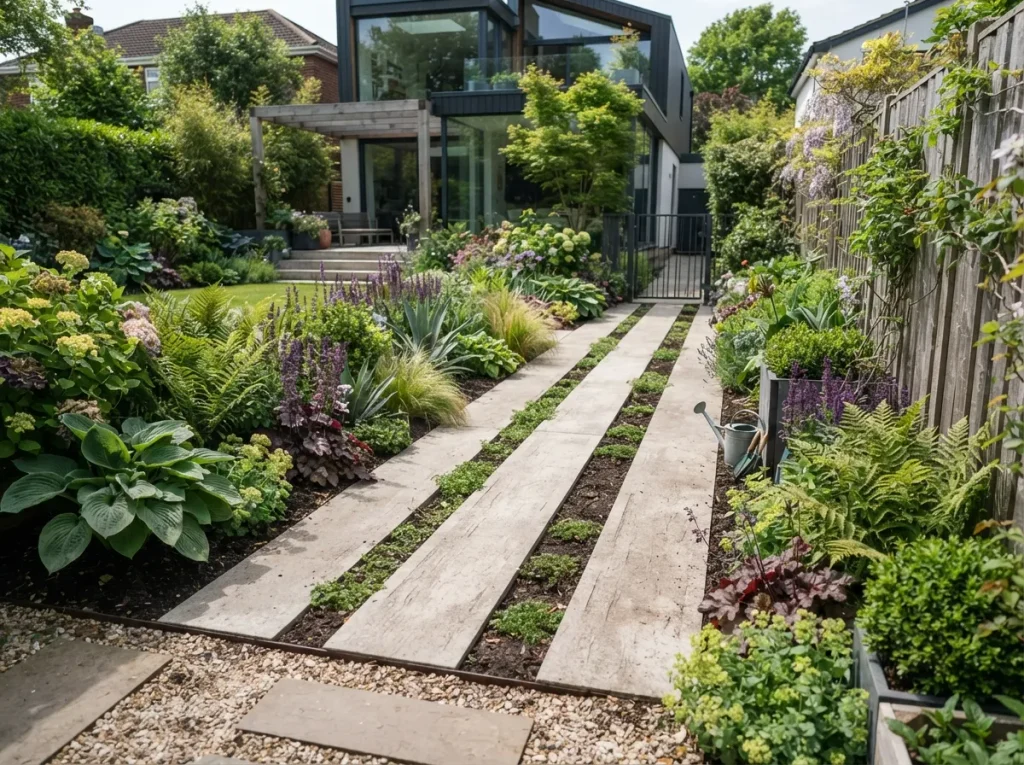
Use long, thin concrete pavers to create a sharp line. This works best for gardens with a very modern or minimalist look. It keeps the lawn and the plants completely separate.
5. Cobblestone Curves
If your garden beds have curves, small cobblestones are your best friend. They are small enough to follow the bend of any bed. You can pack them tightly together for a solid look.
6. Tilted Paver Row
Dig a small trench and set your square pavers at a forty-five degree angle. This creates a saw-tooth pattern that looks very cool. It is an easy way to add texture to the edge of your lawn.
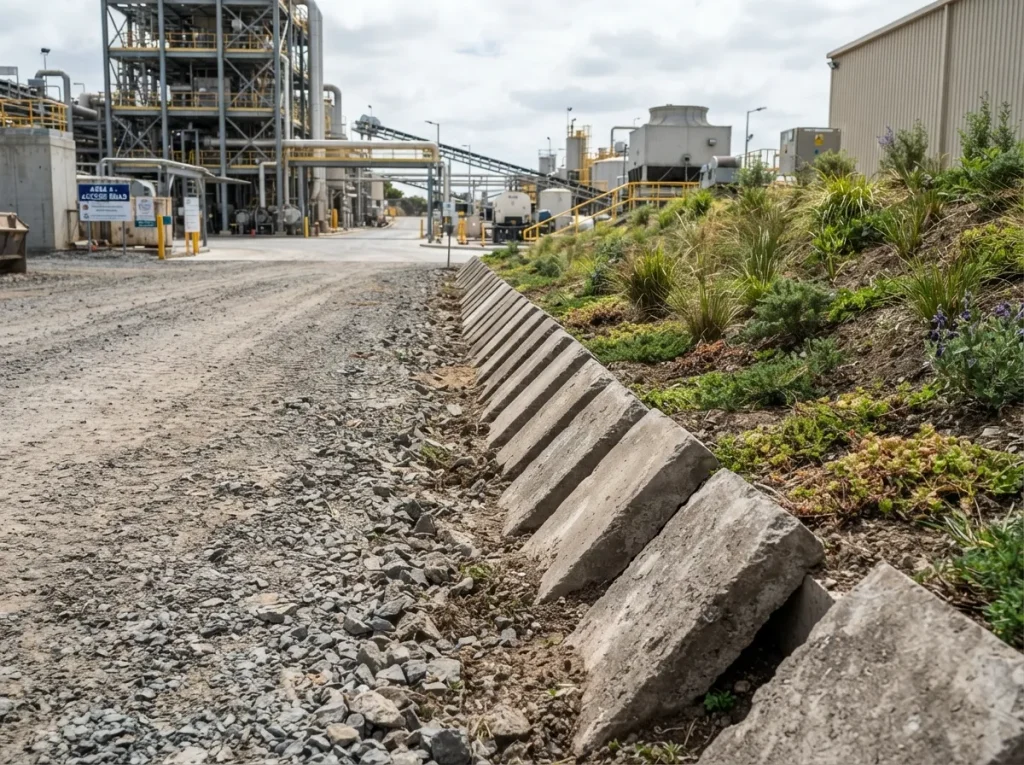
7. Dual-Layered Pavers
Stack two layers of pavers to create a taller border. This helps keep even more mulch inside the bed. It also makes your garden look a bit more substantial.
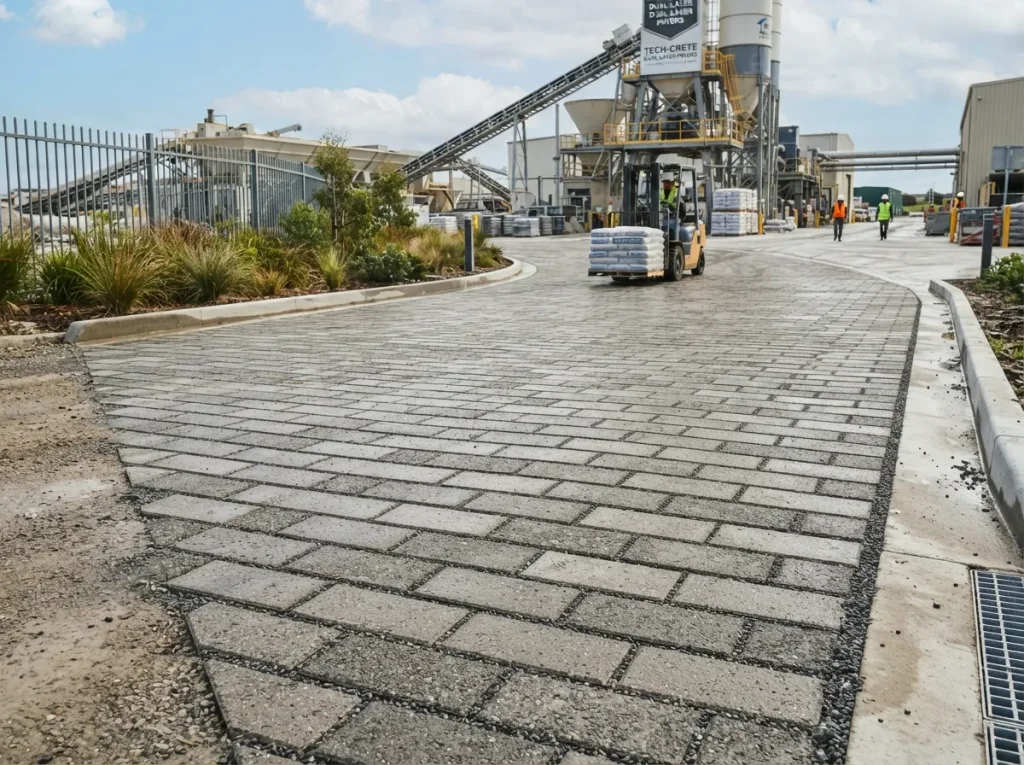
8. Pavers with Gravel Infill
Lay two rows of pavers with a small gap between them. Fill that gap with decorative gravel or small stones. This adds a nice color contrast to your yard.
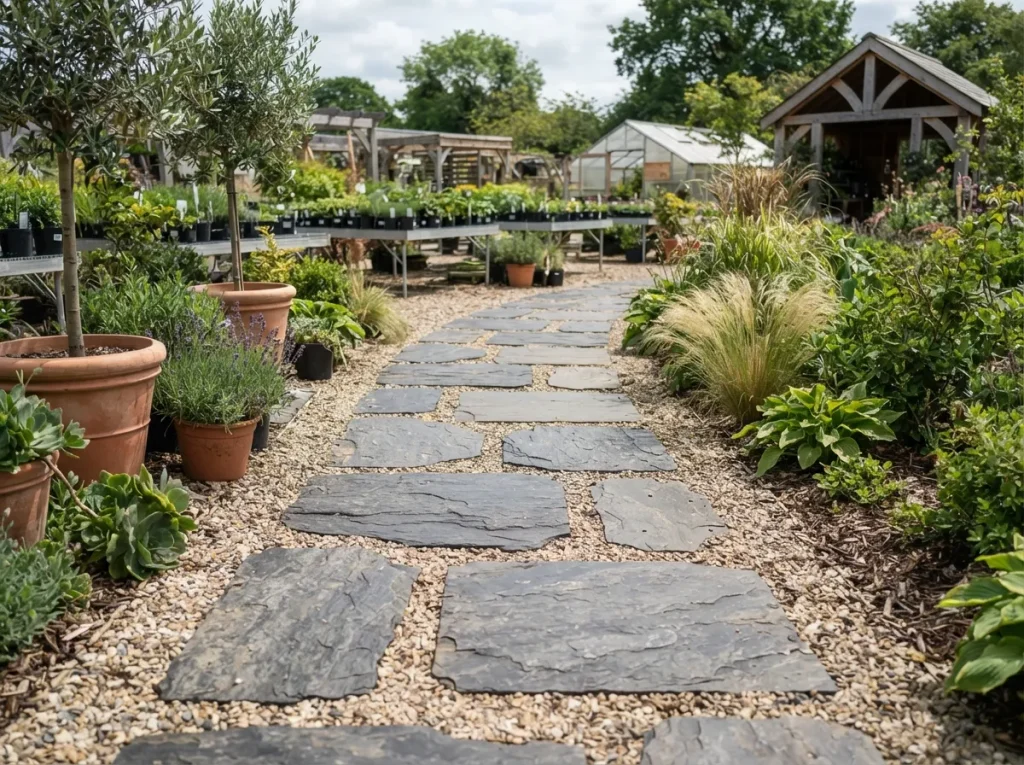
9. Flagstone Flush Edging
Place flat flagstone pieces level with your grass. This makes mowing your lawn much easier. You can run your mower wheels right over the stone without hitting the garden bed.
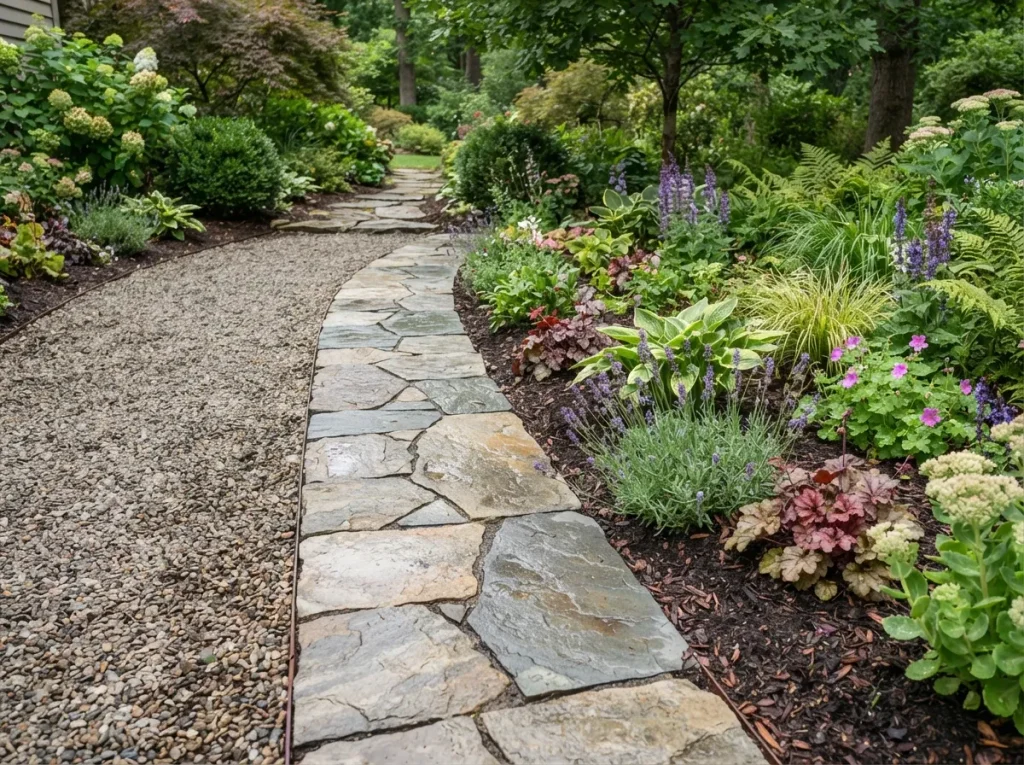
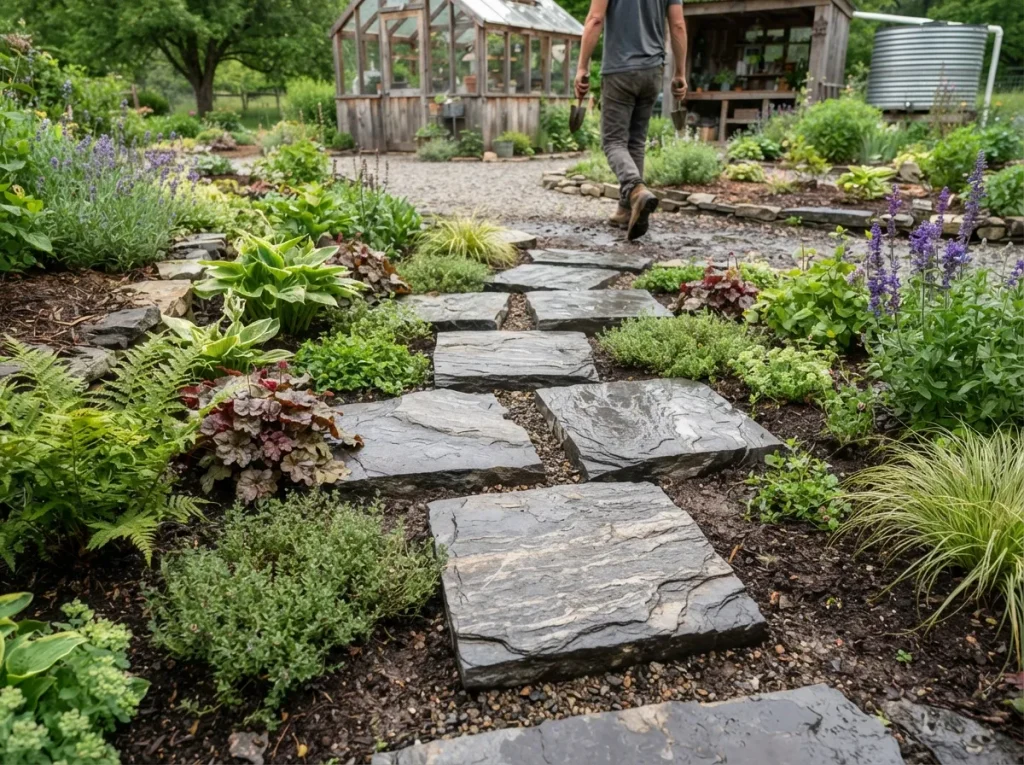
10. Geometric Slate Blocks
Use dark, square slate blocks to create a bold border. Dark colors make your green plants really pop. This is a very clean and tidy look for any front yard.
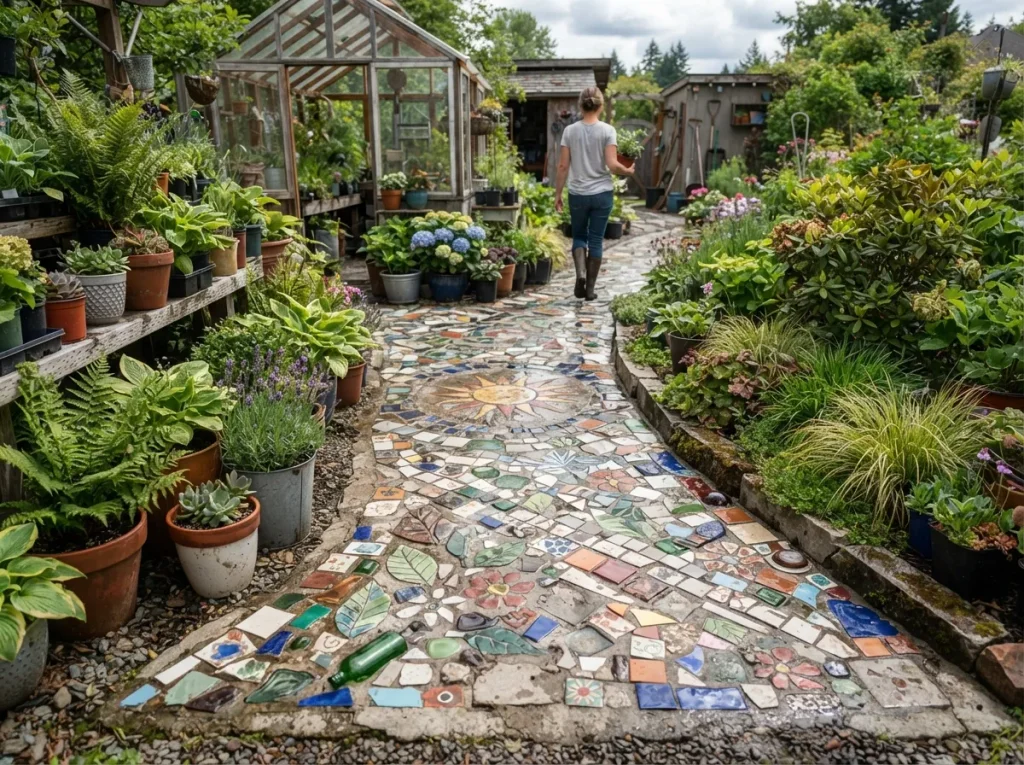
11. Recycled Paver Mosaic
Do you have leftover pavers from another project? Use them to create a mosaic border. Mixing different sizes and shapes makes your garden feel unique and personal.
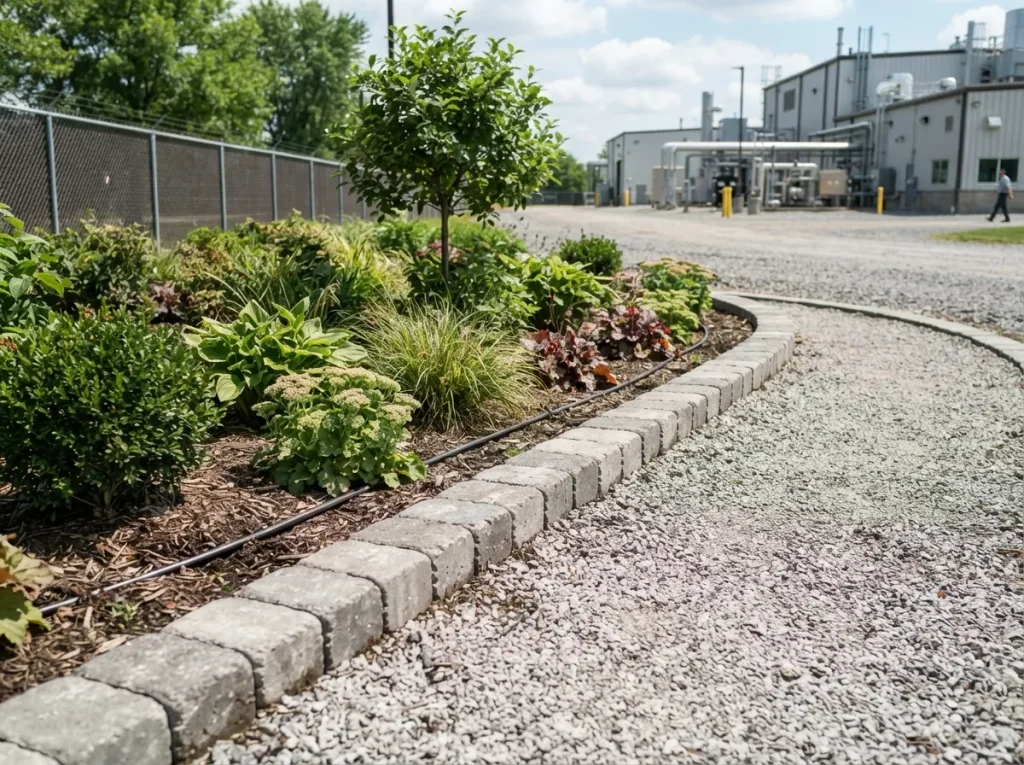
12. Interlocking Concrete Edgers
Buy specialized interlocking pavers made for edging. They are designed to hook together, which keeps them from shifting over time. This is a very smart choice if you live in an area with a lot of rain or frost.
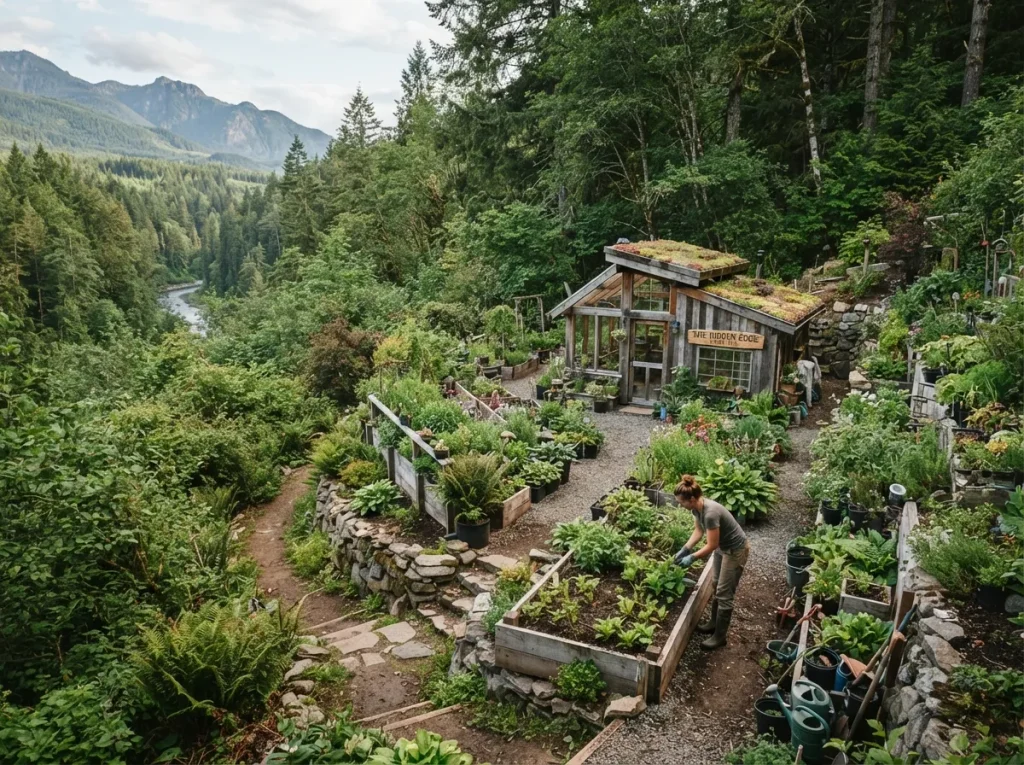
13. The Hidden Edge
Dig your paver border deep so it sits slightly below the grass line. You barely see the stone, but it acts as a permanent barrier for roots. It is perfect if you want a subtle look.
14. Circular Paver Accents
Use round concrete pavers to create a playful border. This looks great around small tree rings or round garden beds. It breaks up the straight lines of a typical rectangular yard.
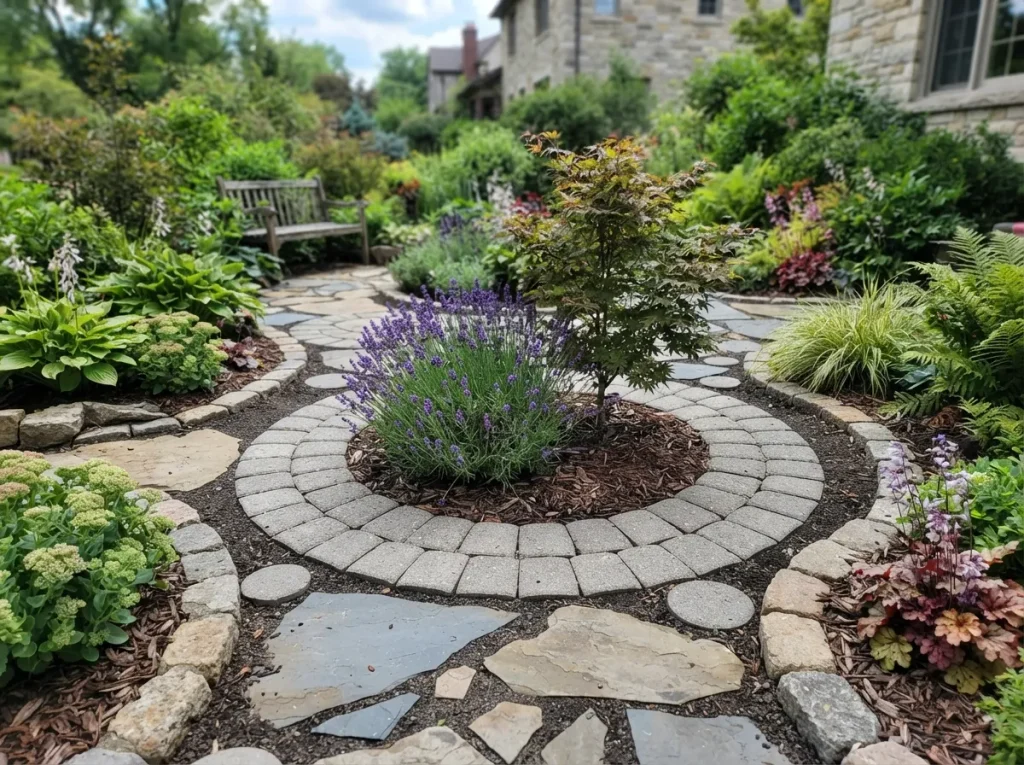
15. Mixed Material Border
Combine square pavers with river rocks. Put the pavers down first, then surround them with smooth rocks. It adds a nice texture that feels very high-end.
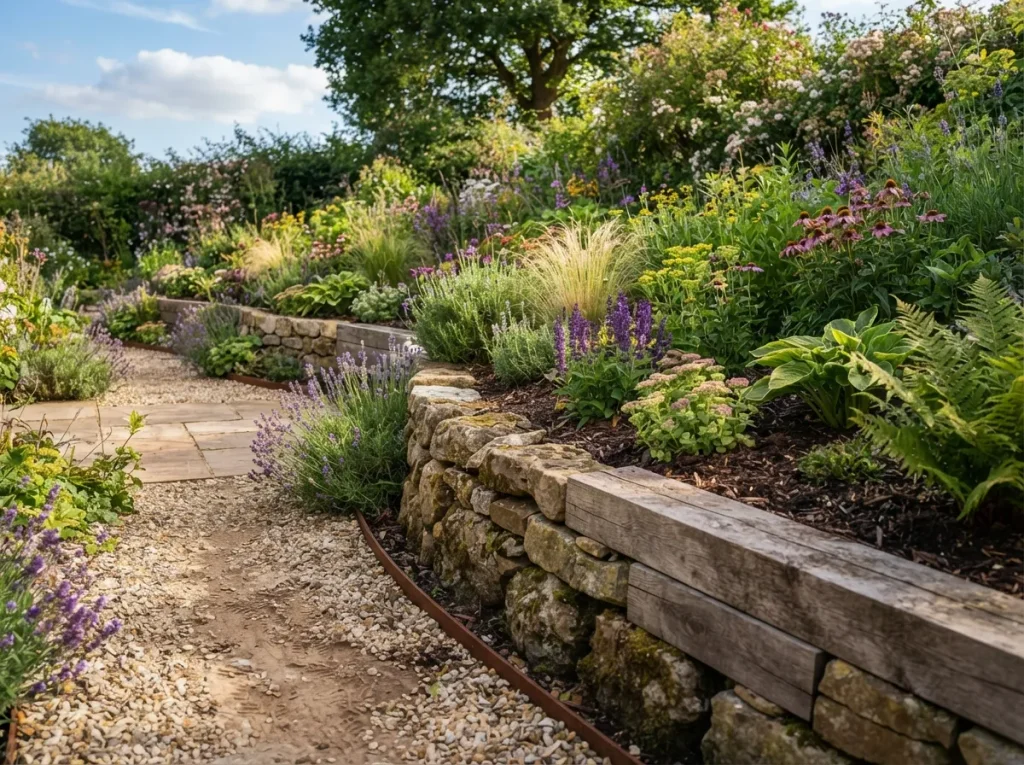
16. Dark Granite Borders
Granite is very durable and looks expensive. Use dark granite pavers for a sleek, long-lasting edge. Even if your garden is small, Plantzu tools and tips can help you make the most of it.
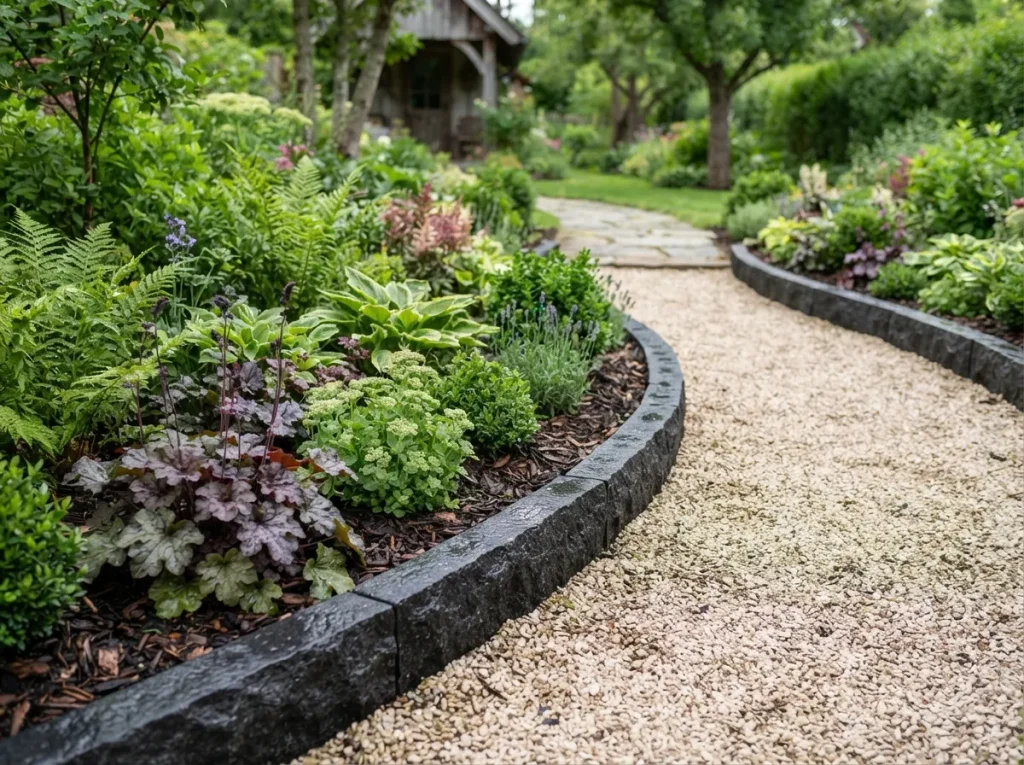
Why Use Pavers Instead of Plastic?
Many people use plastic edging because it is cheap. However, plastic tends to crack in the sun or freeze and break in the winter. Pavers are much stronger and last for many years. They also add value to your property because they look permanent.
When you choose pavers, you are picking a material that can withstand the weather. Plus, you have so many choices in color and texture. You can match the pavers to your home exterior or your patio stones. This makes your whole yard feel like it belongs together.
Tips for Installing Your Edging
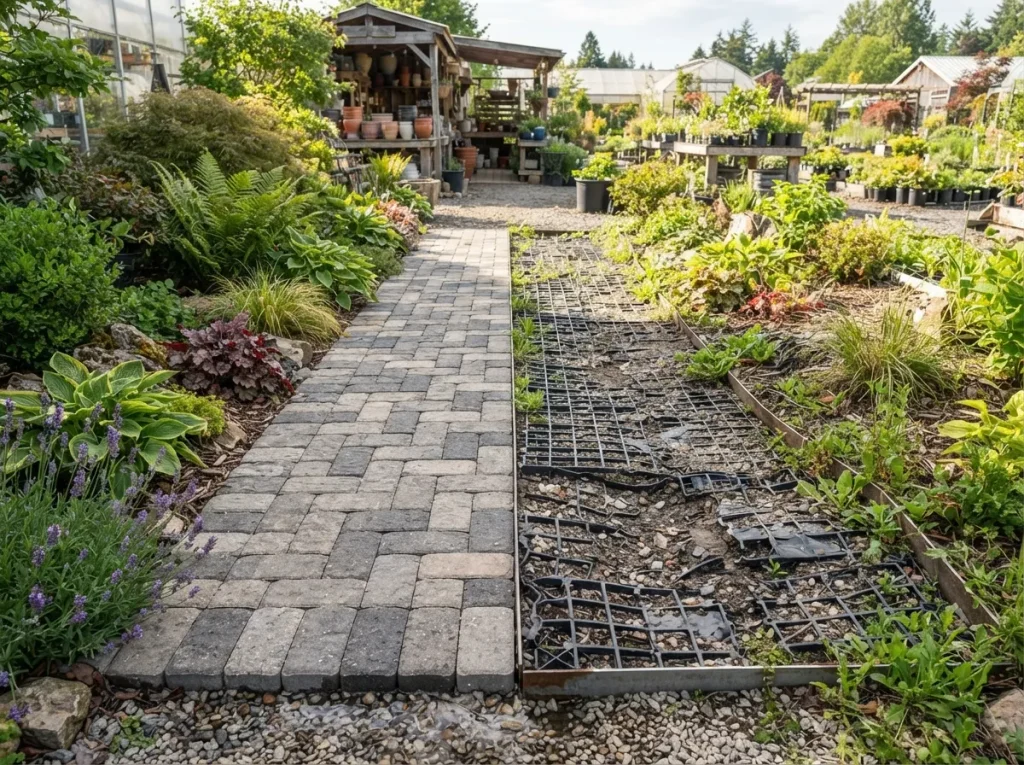
Before you start, mark your line with a garden hose or some spray paint. This lets you see the shape before you do any digging. Make sure your ground is level so your pavers do not look wavy.
It is helpful to dig a trench a few inches deep and fill it with sand or gravel base. This prevents your pavers from sinking into the mud over time. Tamp the base down hard before you lay your stones. Take your time with the corners to ensure they look sharp.
Frequently Asked Questions
Do I need to use mortar to hold my pavers together?
In most cases, no. If you bury them deep enough and pack the soil tight against the back, they will stay in place. Mortar is only needed if you are building a tall wall.
Which paver material lasts the longest?
Granite and concrete are very durable. If you install them correctly on a solid base, they can last for decades. Natural stone is also a great long-term choice.
How do I stop grass from growing between the pavers?
Use a landscape fabric underneath your pavers when you install them. This stops weeds and grass from coming up through the gaps. You can also use polymeric sand between stones to lock them together and block weeds.
Can I install these myself?
Absolutely. Most paver edging projects are perfect for a DIY weekend. You just need a shovel, a rubber mallet, a level, and some patience.