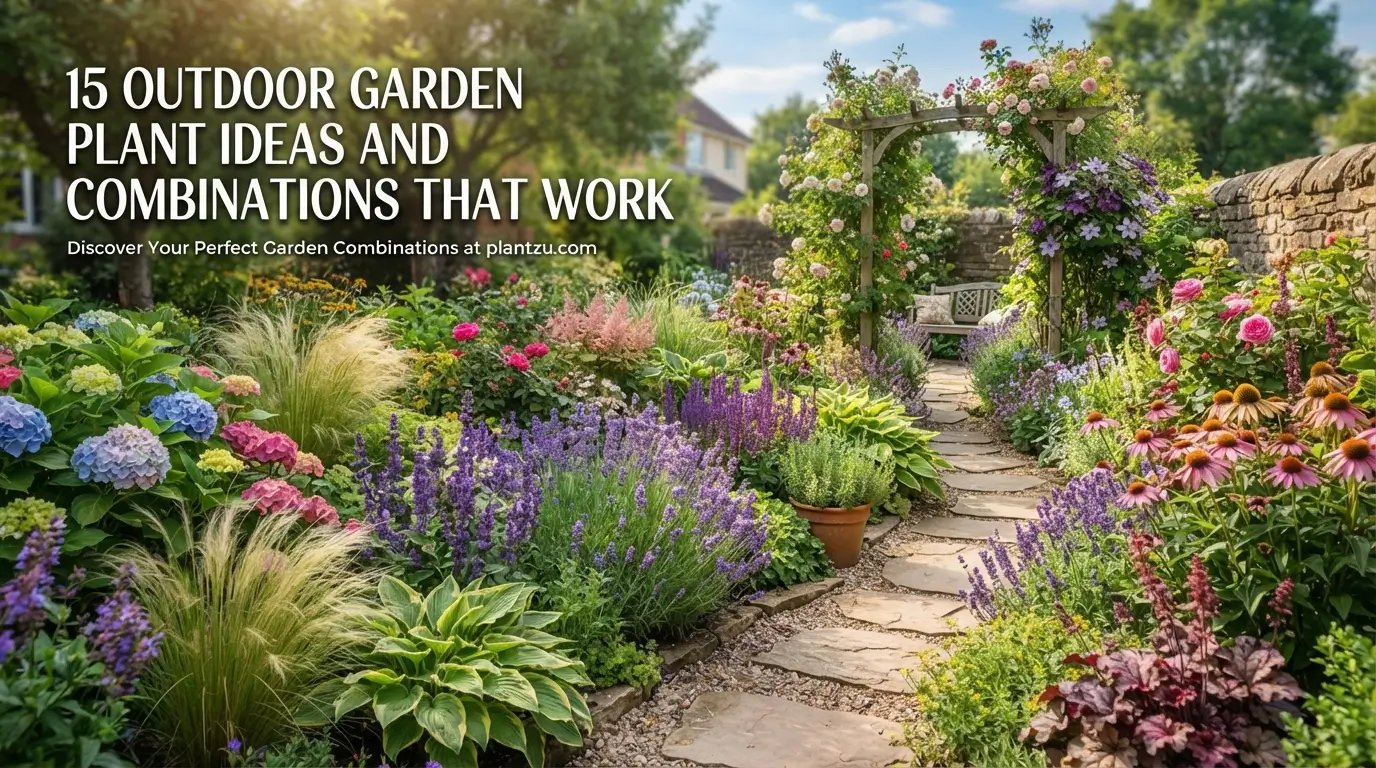
15 Outdoor Garden Plant Ideas and Combinations That Work
Most gardens don’t fail because of bad plants. They fail because of good plants standing alone.One of everything, spaced evenly apart, is how a garden ends up looking like a waiting room instead of a place you want to sit. The fix isn’t buying better plants — it’s combining the ones you already like.
Here are fifteen combinations and ideas you can copy directly.
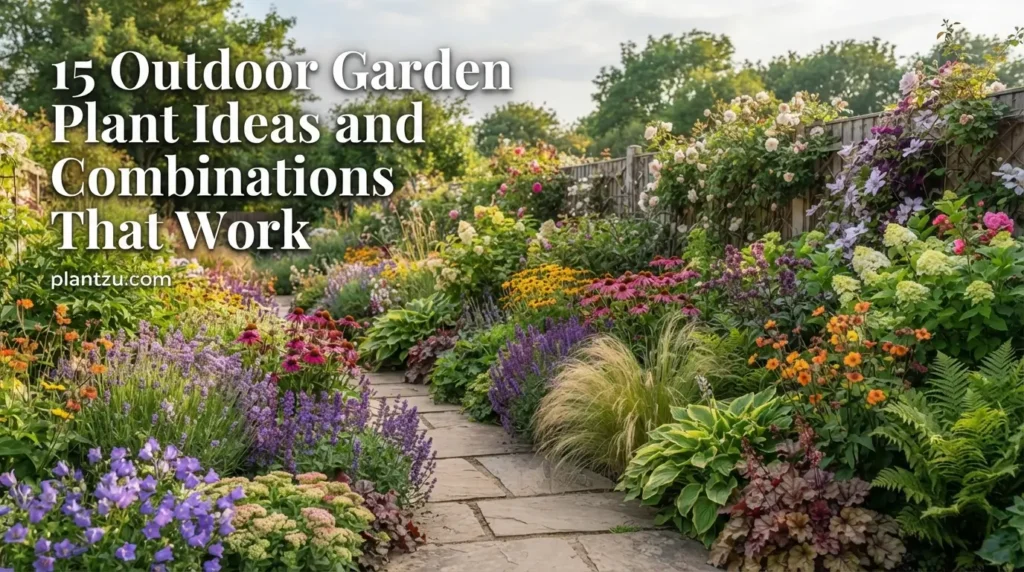
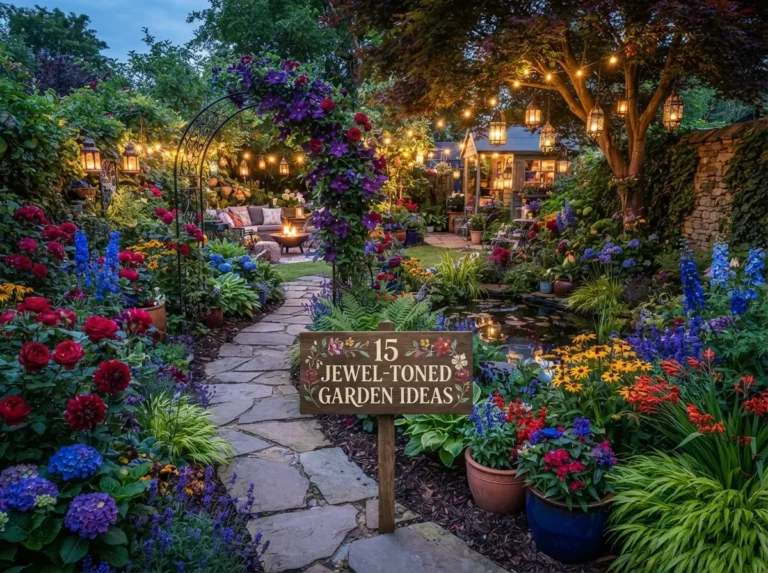
15 Outdoor Garden Plant Ideas & Combinations That Work
look for 15 Outdoor Garden Plant Ideas & Combinations That Work below:
Three Rules Behind Every Good Combination
Before the ideas, the logic that makes them work.
Thriller, filler, spiller. One tall focal plant, mid-height plants around it, and something trailing over the edge. Designed for containers, but it works in beds too.
Repeat, don’t collect. Use the same plant in three spots rather than three different plants in one spot. Repetition reads as intention.
Contrast texture, not just color. Pair broad leaves with fine ones and something spiky. This is why a green-only garden can still look sophisticated — and why a bed full of blooms can still look messy. also check out fall sun outdoor plants.

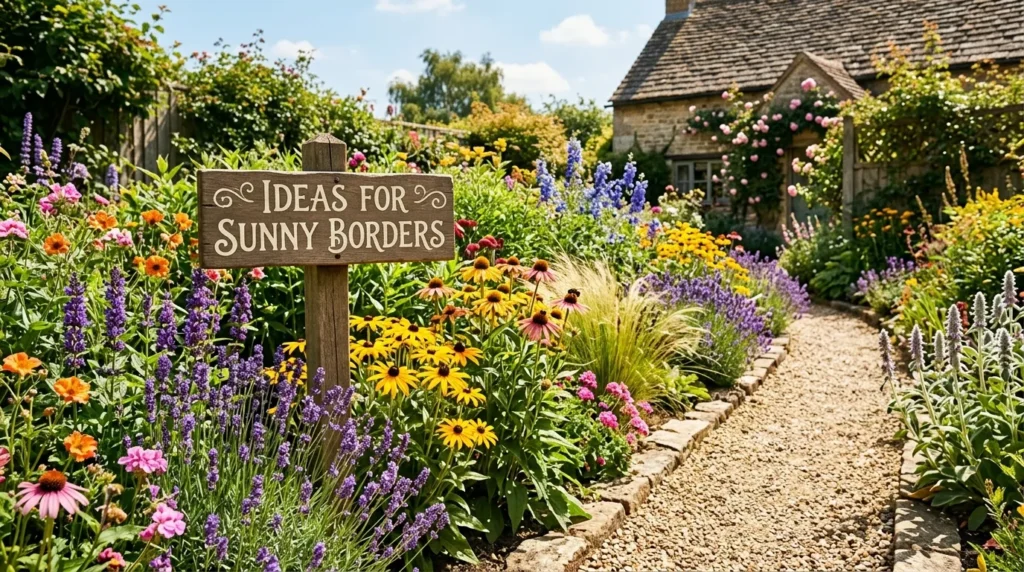
Ideas for Sunny Borders
1. The Purple and Gold Border Russian sage, black-eyed Susan, and catmint. Complementary colors that intensify each other, all drought tolerant, blooming June through October. Nothing needs staking.
2. The Prairie-Inspired Bed Coneflower, little bluestem grass, and yarrow. Native, low water, and stunning in winter when the seed heads and grasses catch frost.
3. The Cottage Garden Look Foxglove at the back, roses in the middle, lavender and catmint spilling forward. Romantic and slightly wild. Let plants touch each other — the informality is the point.
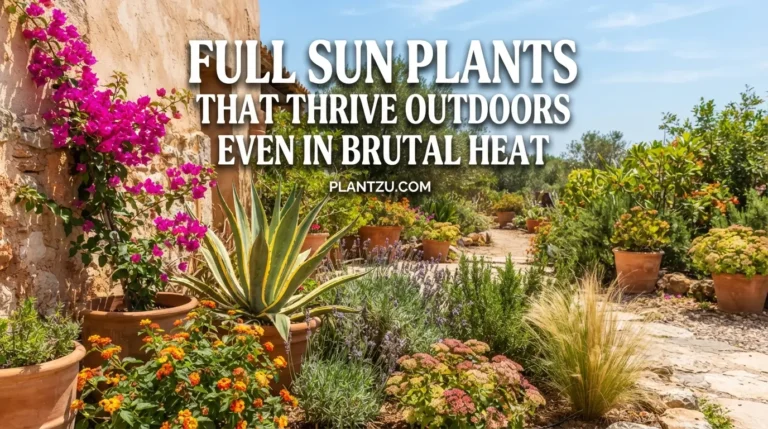
4. Hot Colors for Full Sun Lantana, zinnias in orange and red, and blanket flower. Loud, cheerful, butterfly-covered, and completely heat proof.
5. The Silver and White Moon Garden Dusty miller, white phlox, artemisia, and white nicotiana. Plant it near a patio you use at night — pale flowers and silver leaves glow at dusk.
Ideas for Shade
6. The Textured Green Corner Three hosta varieties with different leaf sizes, ostrich fern, and Japanese painted fern. Zero flowers required. It’s the leaf shapes doing all the work.
7. Shade with Real Color Astilbe in pink, coral bells in caramel, and impatiens at the front. Proves shade beds don’t have to be green-only.
8. Woodland Spring Sequence Bleeding heart, hellebore, and daffodils planted among hostas. The bulbs and hellebores perform in early spring, then hosta leaves expand to cover the fading foliage.
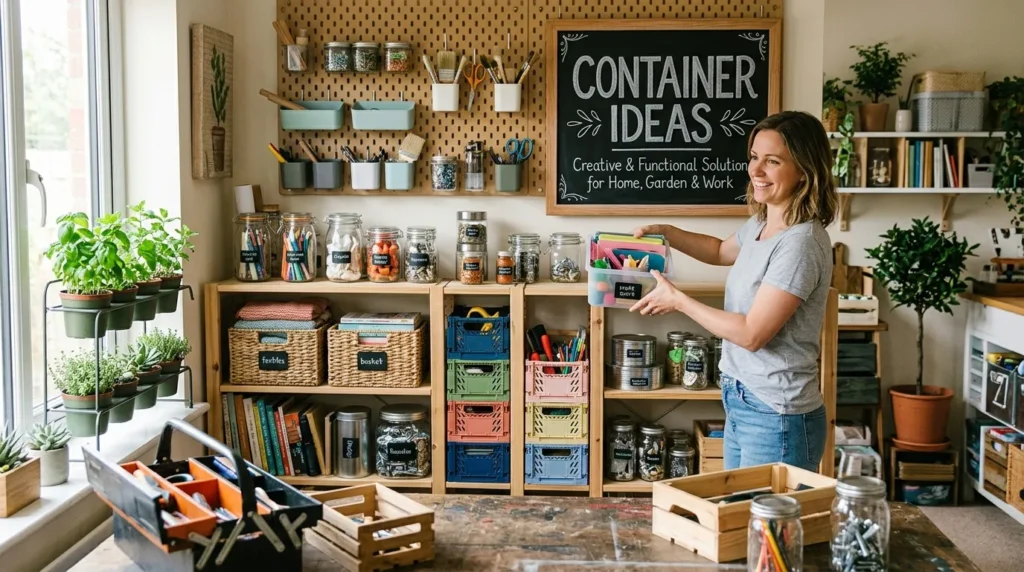
Container Ideas
9. The Classic Sun Pot Thriller: purple fountain grass. Filler: geraniums and coleus. Spiller: sweet potato vine. Works from May to frost.
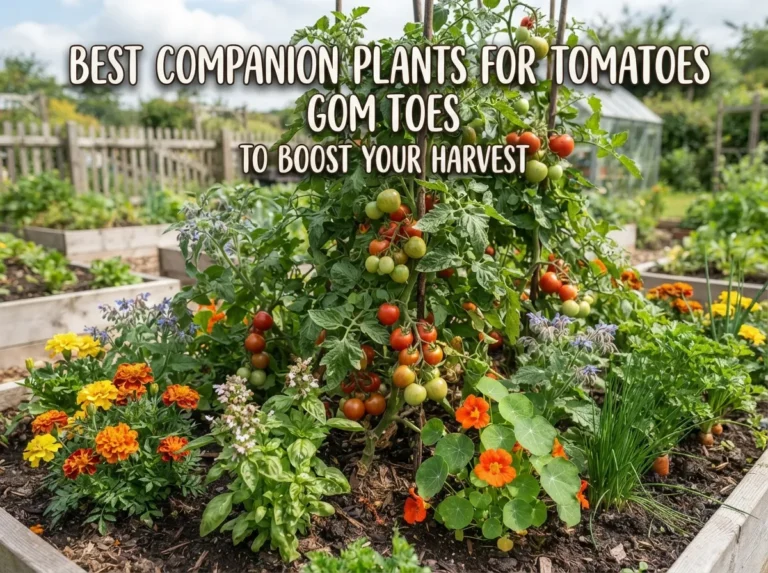
10. The Edible Container Cherry tomato in the center, basil around it, trailing thyme at the edge. Beautiful, and you cook from it.
11. The Herb Trio Rosemary, sage, and thyme in one wide shallow pot. All three want the same thing: sun and sharp drainage.
12. The Shade Porch Pot Coleus for color, fern for texture, and trailing ivy. No sun needed, looks lush all season.
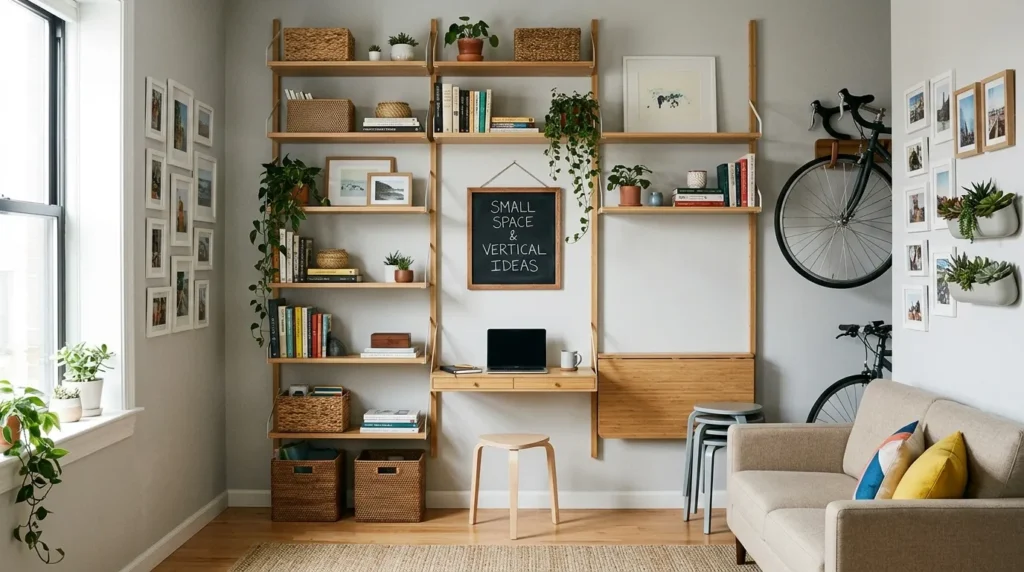
Small Space and Vertical Ideas
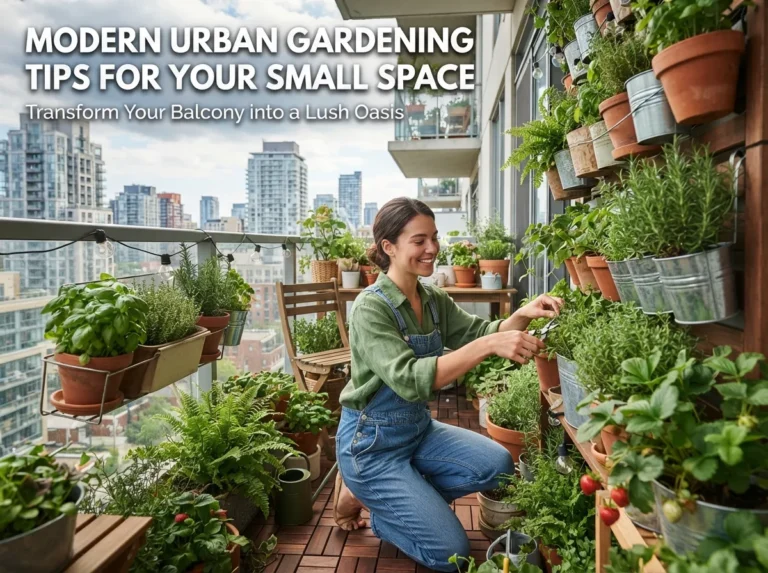
13. Grow Up, Not Out Train pole beans, cucumbers, or clematis on a trellis against a wall. Vertical growing multiplies a tiny yard’s capacity without taking floor space.
14. Layered Pot Groupings Instead of one large pot, cluster three pots of different heights. Odd numbers, varied heights, repeated plant in each. Instantly looks styled.
15. The Narrow Strip Solution For a two-foot bed along a fence or driveway: repeat catmint, sedum, and dwarf ornamental grass in a rhythm. Repetition makes narrow spaces feel deliberate rather than leftover.
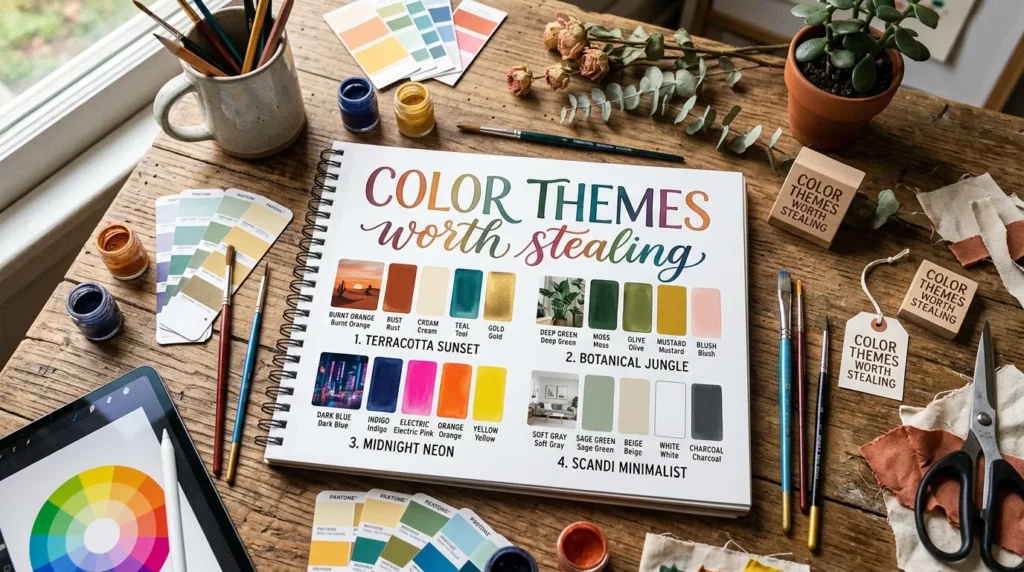
Color Themes Worth Stealing
Monochrome white — Every flower white, all foliage green or silver. Calm, elegant, and forgiving to arrange.
Analogous warm — Yellow into orange into red. Energetic and cheerful, hard to get wrong because the colors are neighbors.
Blue and yellow — Salvia and coreopsis, or catmint and black-eyed Susan. Crisp and fresh in bright sun.
Foliage-only — Burgundy ninebark, chartreuse hosta, silver artemisia, blue fescue. Interest for the entire season without depending on bloom timing.
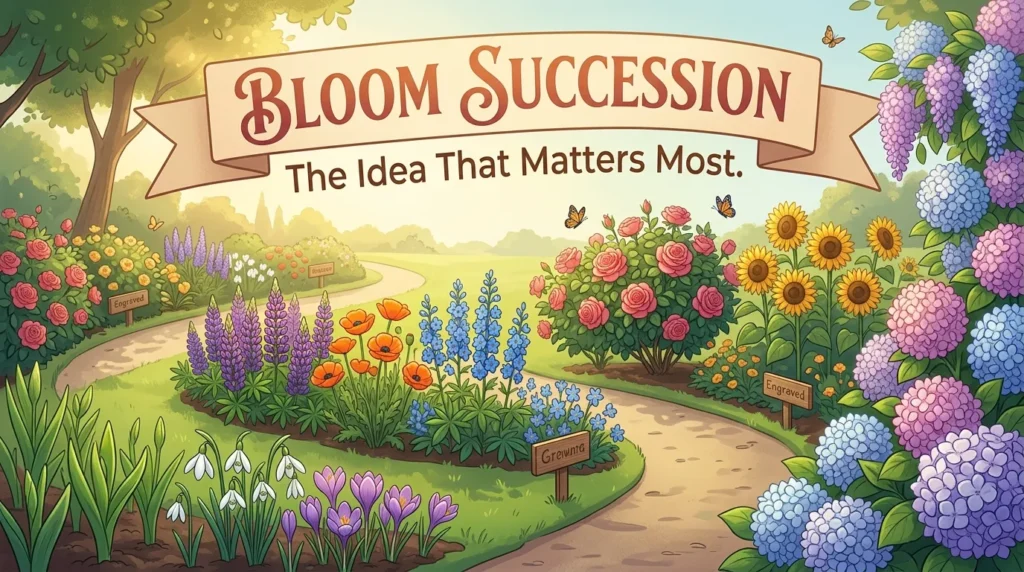
Bloom Succession: The Idea That Matters Most
The single biggest upgrade to any garden isn’t a plant. It’s timing.
Choose plants so that something is always flowering:
- Early spring — daffodils, tulips, hellebore, creeping phlox
- Late spring — peony, iris, salvia, columbine
- Early summer — coreopsis, catmint, daylily, roses
- Midsummer — coneflower, black-eyed Susan, bee balm, phlox
- Late summer — Russian sage, sedum, hydrangea
- Fall — aster, ornamental grasses, mums, Japanese anemone
Pick two from each window and your garden never has a dead month.
Structure for Winter
The best gardens look intentional in January.
Leave ornamental grasses standing — they hold shape and catch snow. Leave coneflower and sedum seed heads for birds and frost texture. Include one or two evergreens or shrubs with interesting bark, like ninebark or red twig dogwood.
Cutting everything to the ground in fall is tidy and slightly sad. Leaving structure is easier and more beautiful.

Practical Layout Notes
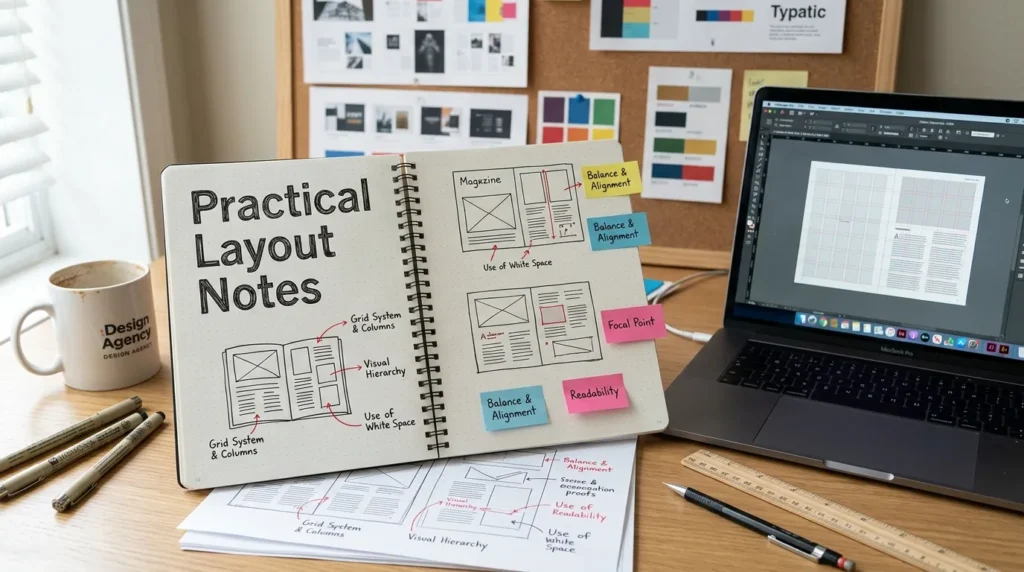
Plant tall things on the north side so they don’t shade shorter plants. Curve bed edges rather than making them straight — curves read as natural and make small yards feel larger. Leave a clear path or stepping stones so you can reach the middle of a bed without compacting soil.
And plant closer than the tag suggests, by about twenty percent. Full beds suppress weeds, shade soil, and look finished a full year sooner.
Start With One Combination
Don’t redesign the whole yard. Pick one combination from this list, build that single bed or container properly, and live with it a season. You’ll learn more from one well-observed planting than from an entire yard you can’t keep up with.