Herbal Garden Ideas 2026
Looking for herbal garden ideas that fit your space, your cooking, and your lifestyle? Herbs are the most generous plants a gardener can grow — compact, fragrant, and useful every single day. Whether you have a sprawling backyard or a single sunny windowsill, there is a design below that will turn your available space into a thriving, beautiful herb garden. Pick the idea that makes you smile, start with a handful of plants, and let your garden grow with you.
Designing a Herb Garden That Works for You
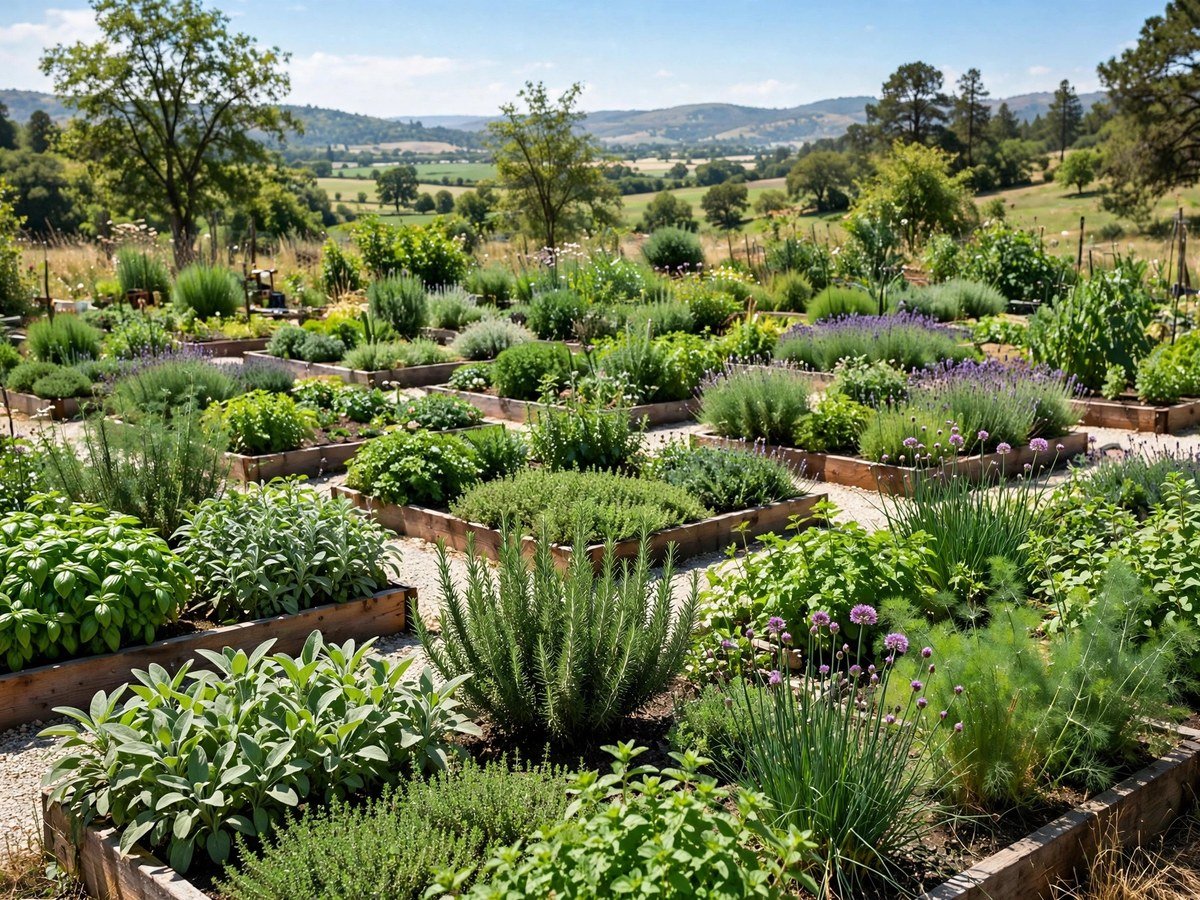
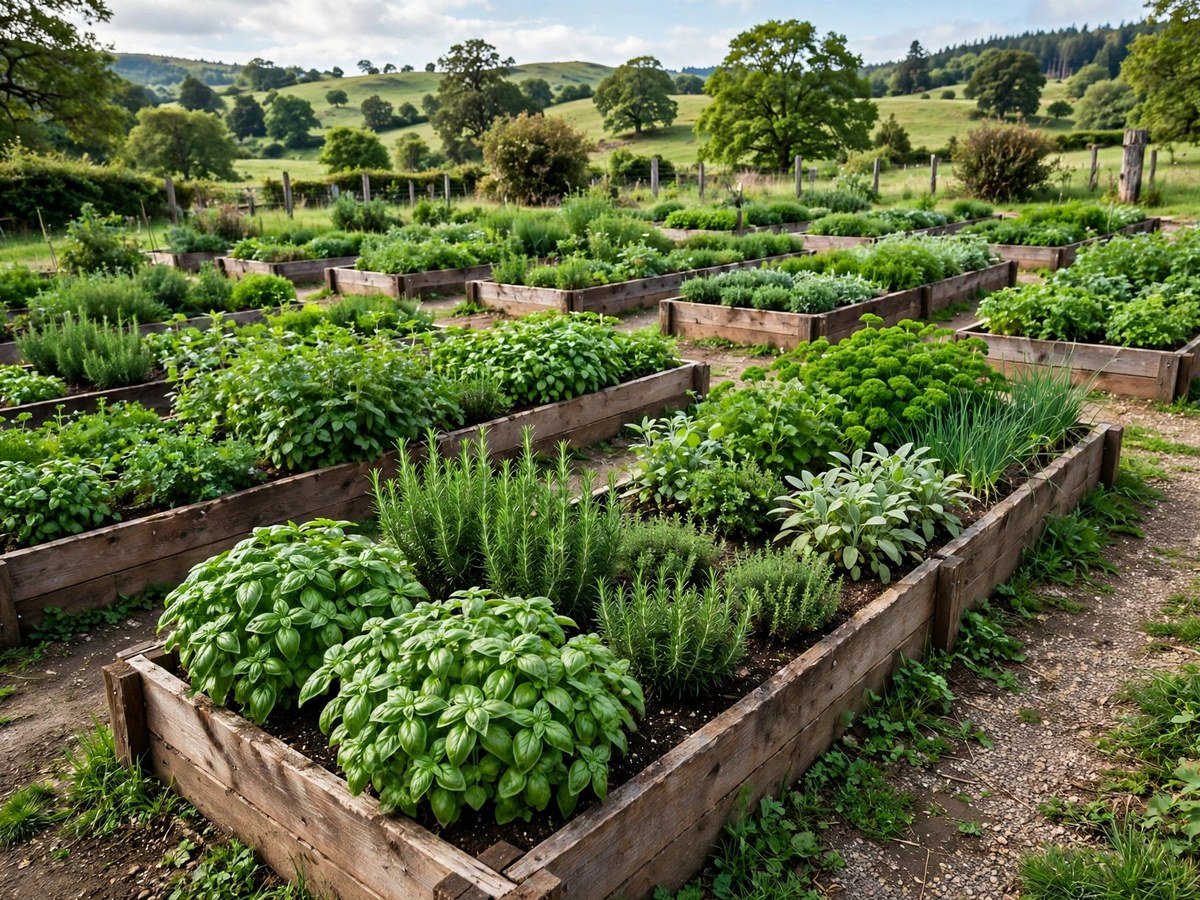
The best herb garden is the one you will actually use, so design around your habits. If you cook daily, keep culinary herbs steps from the kitchen door. If you love tea, cluster calming and fragrant herbs together for easy harvests. Sun is the main non-negotiable — most herbs want six hours of direct light — but beyond that, the rules are delightfully flexible. Group plants with similar water needs together, give aggressive spreaders like mint their own pots, and leave paths wide enough for comfortable harvesting. A little planning now saves a lot of rearranging later.
6 Creative Herbal Garden Ideas
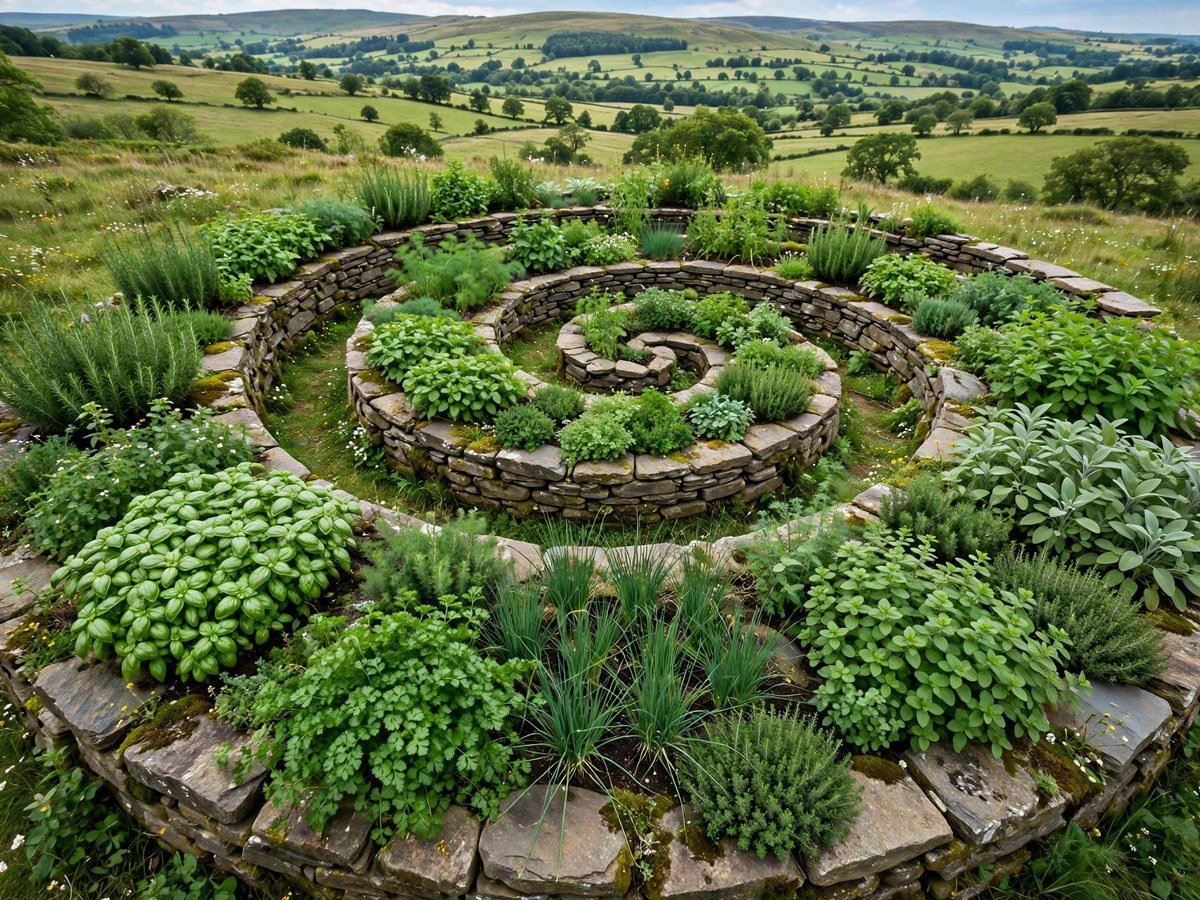
1. Spiral Herb Garden
The classic herb spiral is a small-space marvel: a winding, raised coil of stones that creates sunny, dry spots at the top and shadier, moister pockets at the bottom. Plant sun-loving thyme and rosemary up high, and tuck moisture-loving mint and parsley down low. One spiral just three feet across can hold a dozen different herbs, all within arm’s reach of the center.
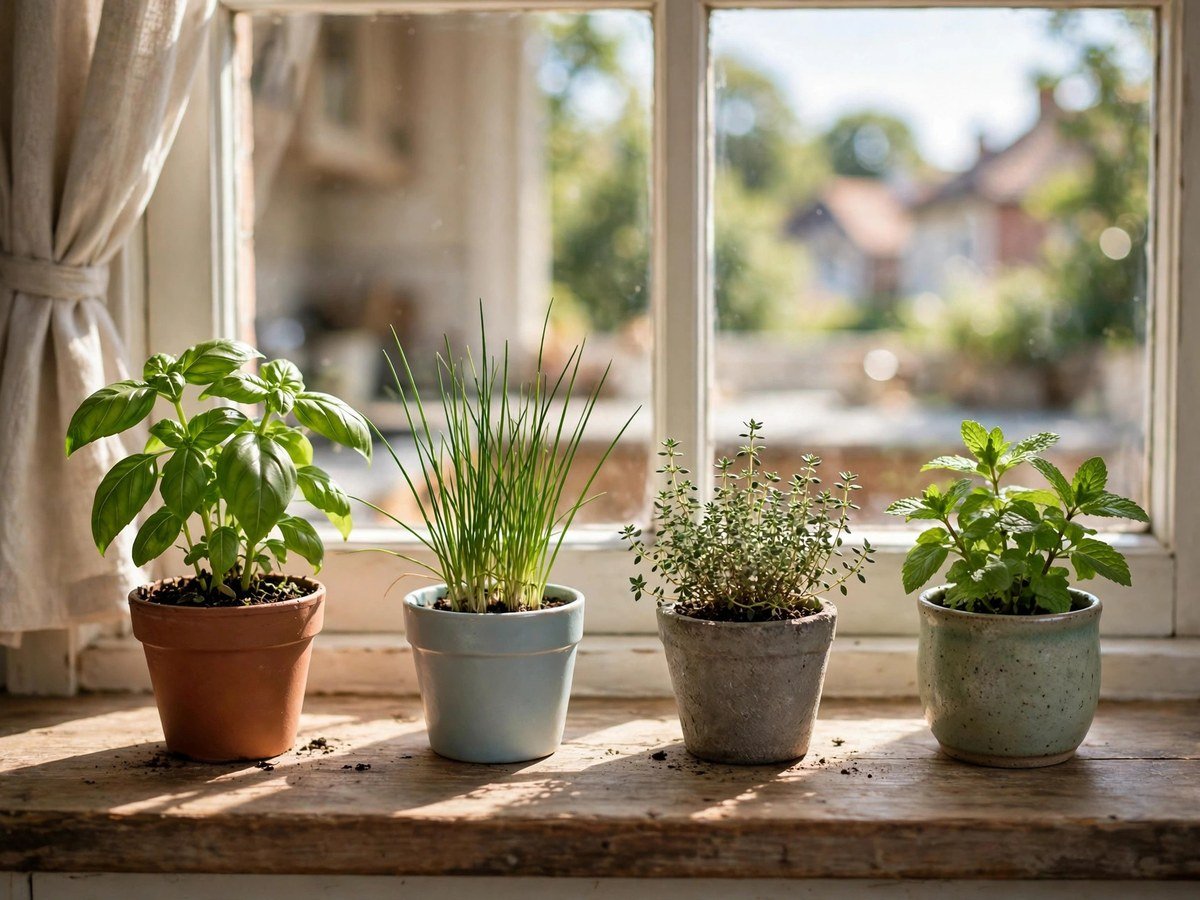
2. Windowsill Herb Garden
No yard? No problem. A bright windowsill can host a surprisingly productive herb garden with just a few small pots of basil, chives, thyme, and mint. Choose a south-facing window or add an inexpensive grow light, water when the top inch of soil dries, and snip regularly to keep plants bushy. Fresh herbs in winter, steps from your cutting board.
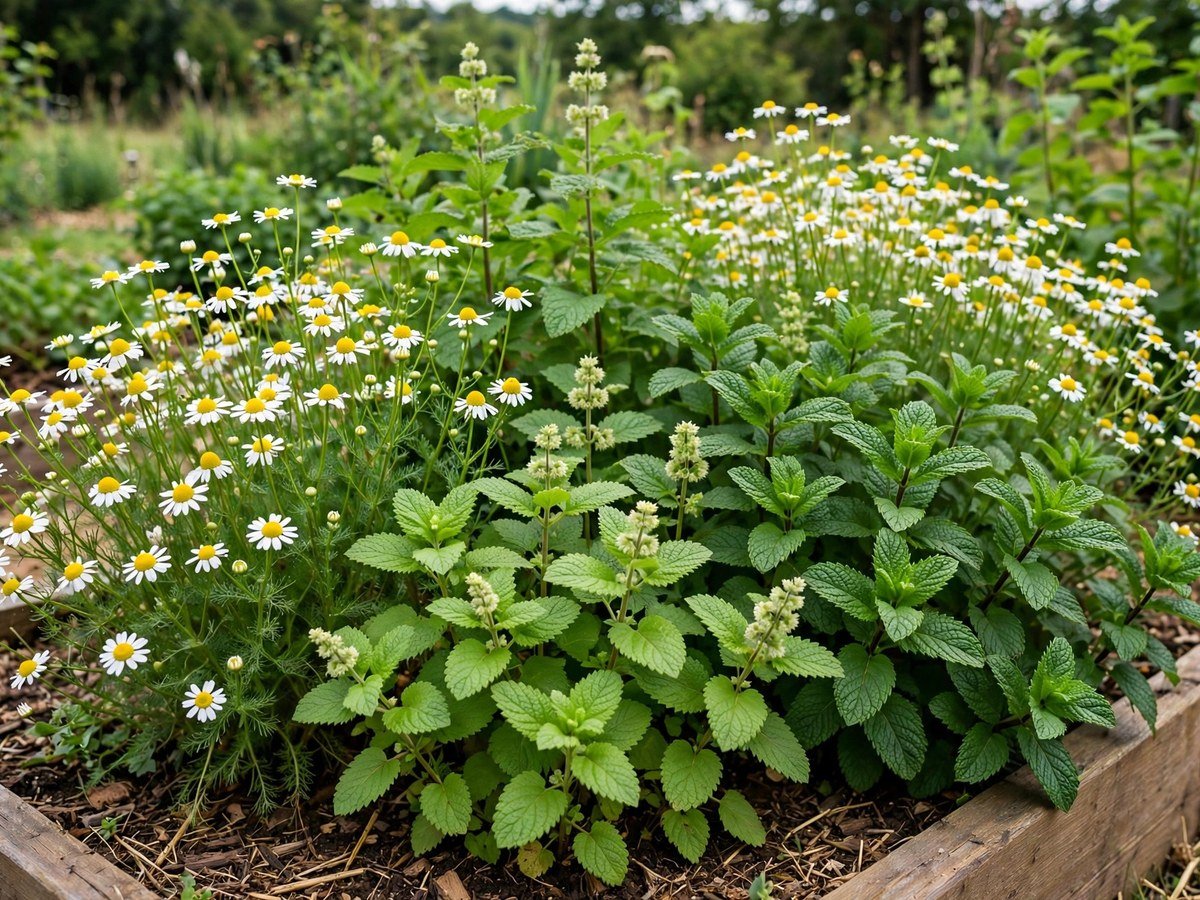
3. Tea Garden Bed
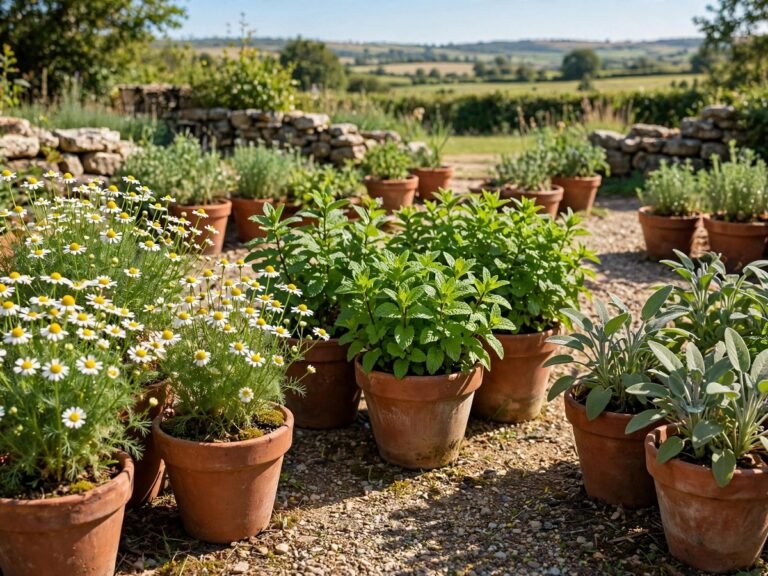
Dedicate one bed to your own tea blends by planting chamomile, lemon balm, peppermint, lavender, and lemongrass together. Harvest a handful whenever the kettle boils, and experiment with combinations until you find your signature blend. A tea garden turns an ordinary afternoon break into a small daily ritual you grew yourself.
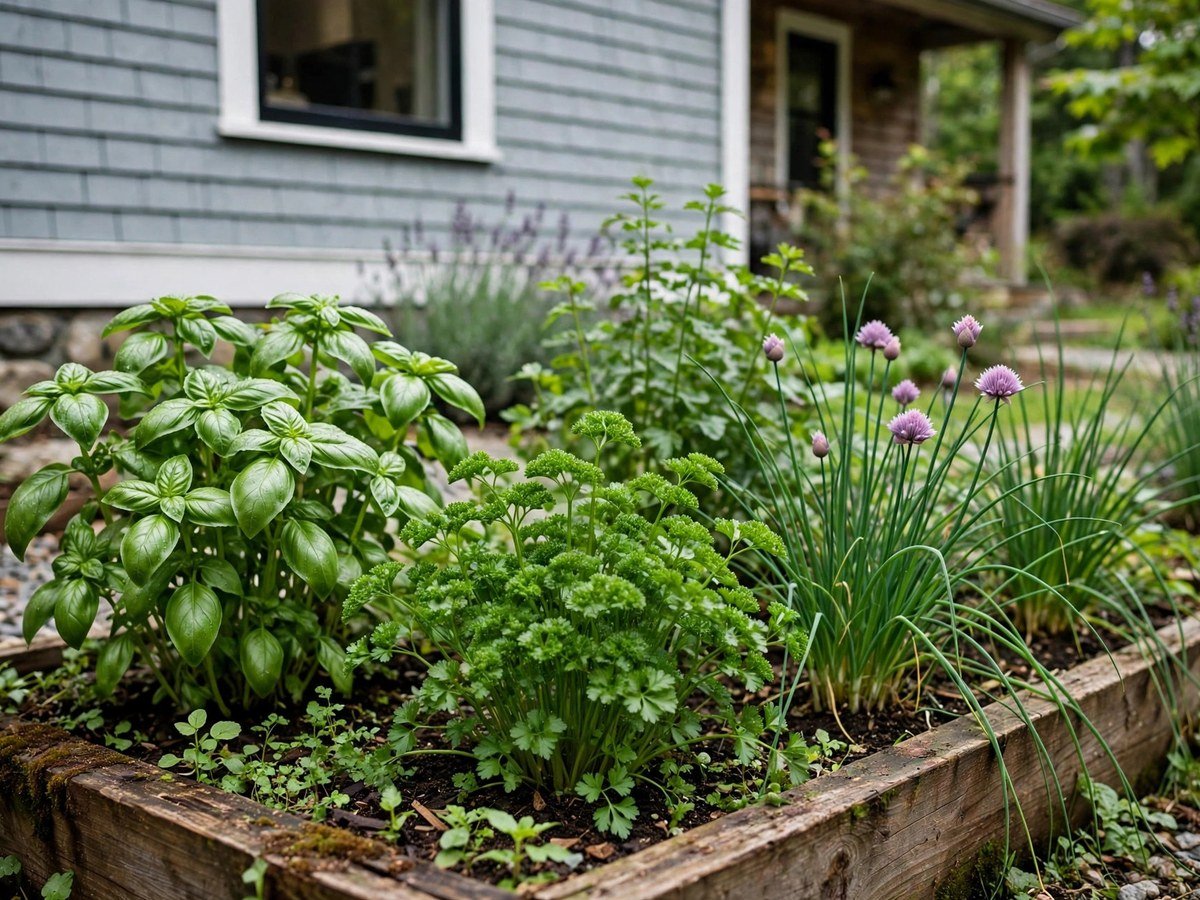
4. Culinary Herb Bed
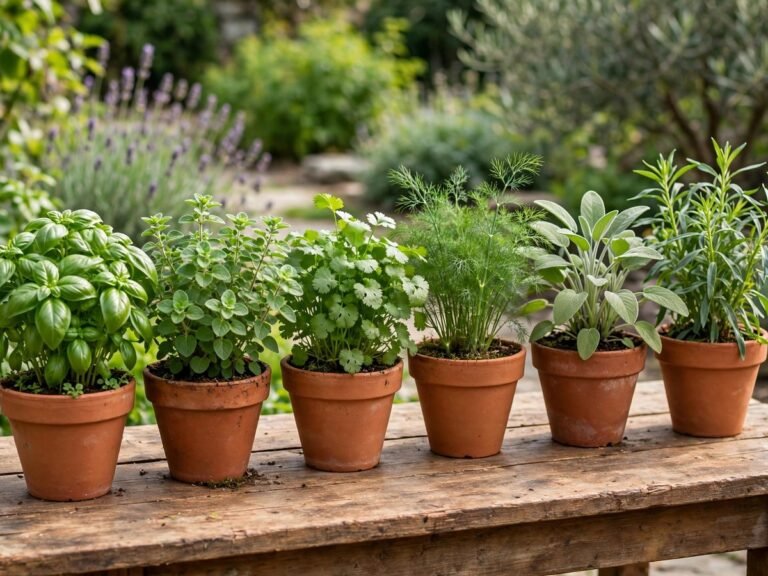
Plant the herbs you cook with most — basil, parsley, cilantro, dill, oregano, and chives — in one convenient bed near the kitchen. Grouping them together makes harvesting for dinner a one-trip affair, and many of these are cut-and-come-again, so the more you snip, the more they produce. Fresh herbs will quietly transform your cooking all season long.
5. Apothecary Corner
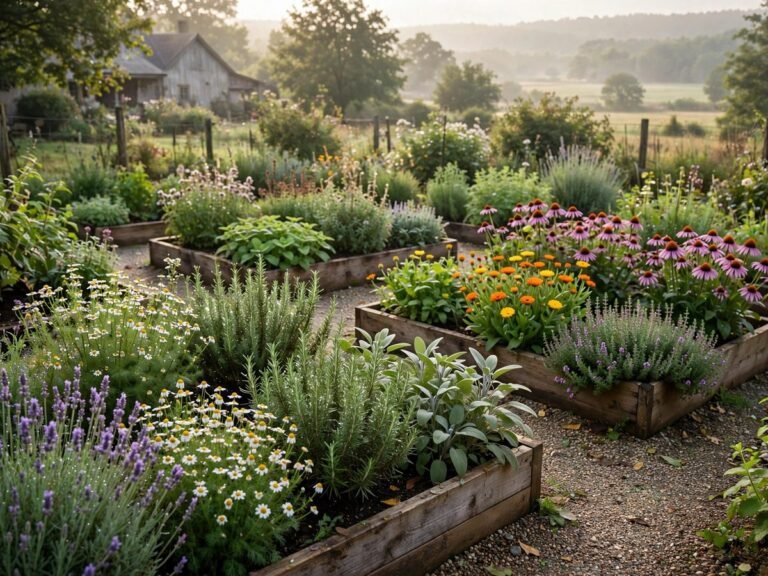
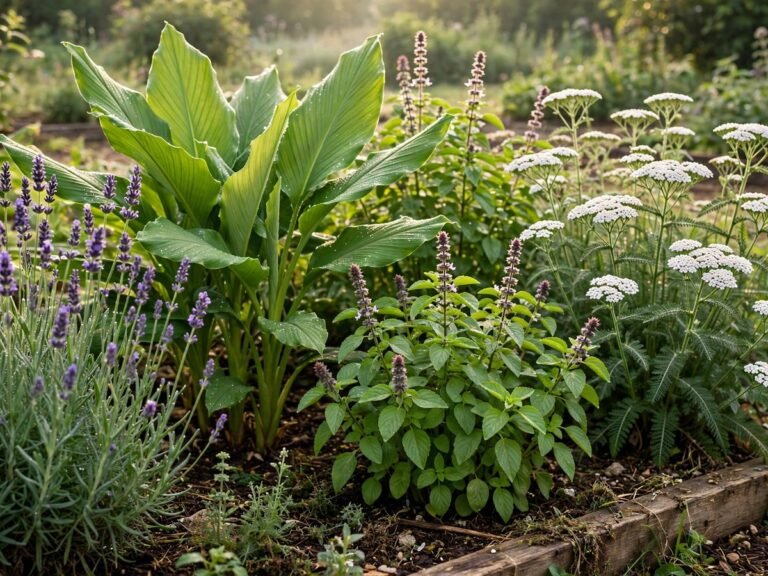
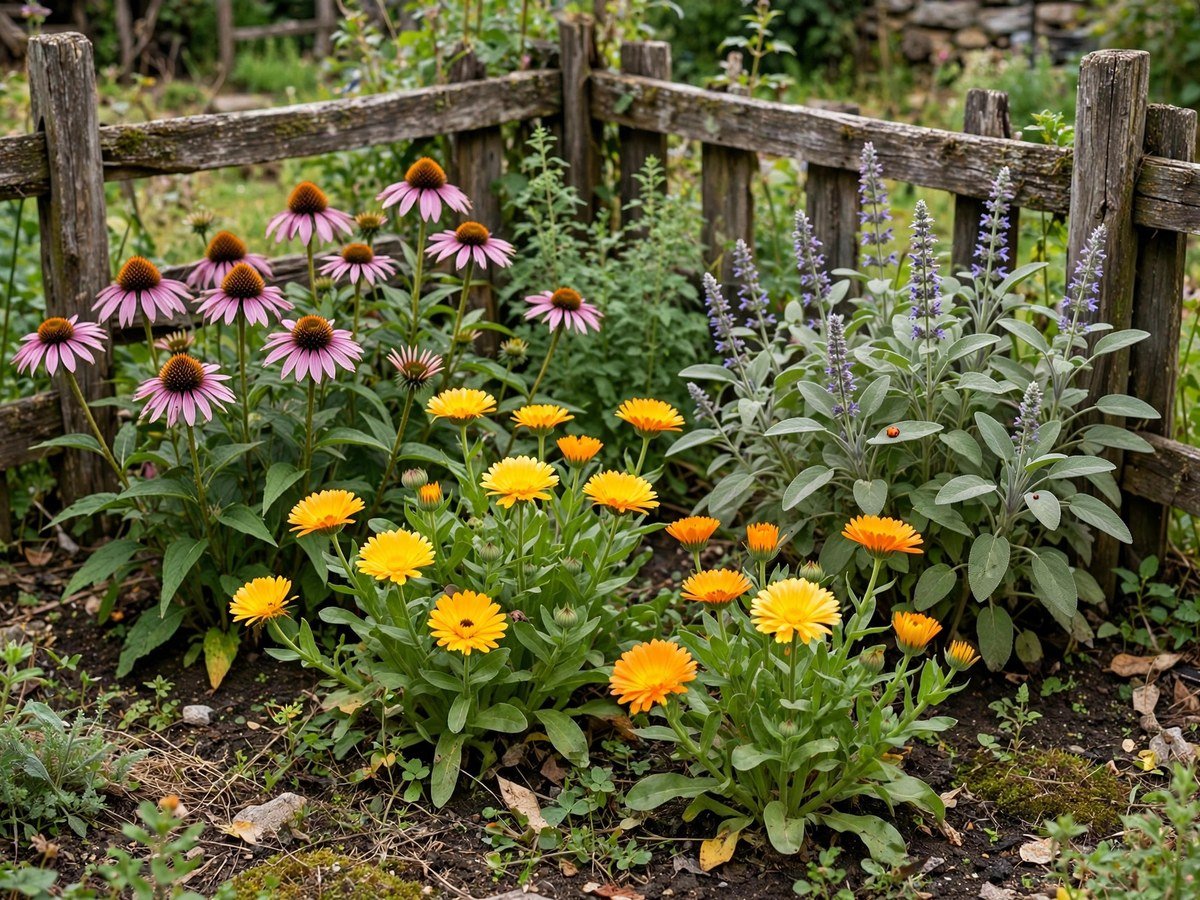
Reserve a quiet corner for healing herbs like calendula, echinacea, sage, yarrow, and St. John’s wort. Part garden, part old-fashioned apothecary, this bed supplies the ingredients for salves, tinctures, and soothing teas. Label each plant, keep a small notebook of harvest dates, and enjoy one of gardening’s oldest and most satisfying traditions.
6. Vertical Herb Wall
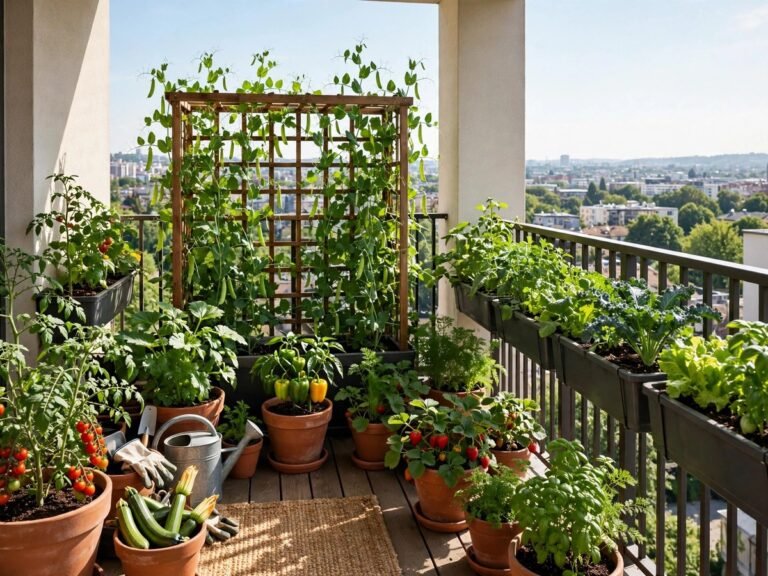
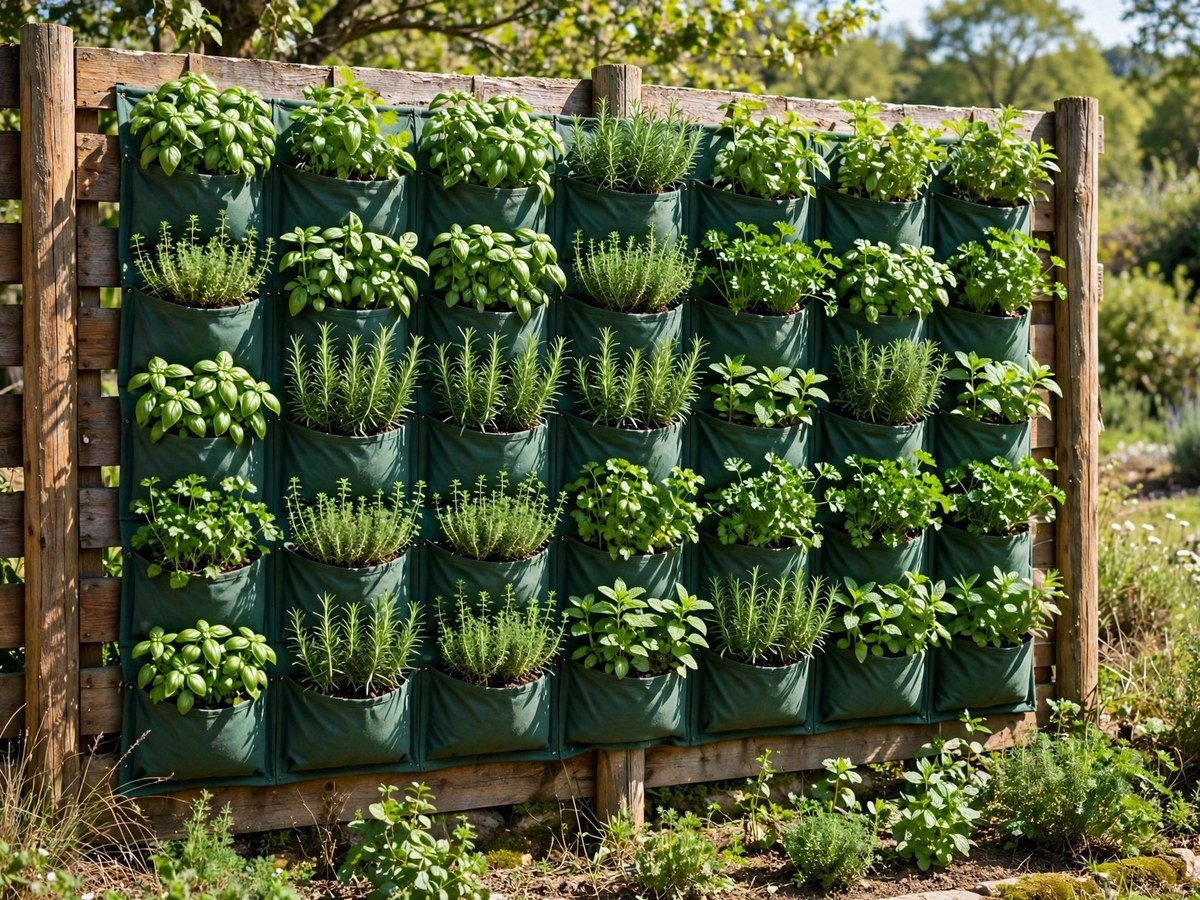
When floor space is zero, grow up. A vertical herb wall — pockets, pallets, or stacked planters mounted on a sunny wall or fence — can hold dozens of herbs in a few square feet. Thyme, oregano, and trailing rosemary cascade beautifully, while compact basil and parsley fill the middle rows. It doubles as living art for balconies and patios.
Practical Tips for Any Herb Garden Design
Whatever design you choose, a few fundamentals keep herbs happy. Use well-draining soil — herbs hate wet feet — and containers with drainage holes if you are growing in pots. Water deeply but infrequently, letting the top inch of soil dry between waterings. Harvest often; regular snipping keeps plants bushy and productive instead of leggy. Finally, feed lightly: a little compost at planting time beats heavy fertilizer, which dilutes the essential oils that give herbs their flavor and fragrance.
Rotate your harvest so no single plant is stripped bare, and tuck a few flowering herbs like lavender or borage among your beds — their blossoms feed pollinators, which in turn boost the productivity of everything around them. If space allows, add a small water dish for beneficial insects. These little ecosystem touches cost nothing, yet they make a visible difference: healthier plants, bigger harvests, and a garden that practically hums with life from spring to fall.
Frequently Asked Questions
What are the easiest herbs for beginners?
Basil, mint, chives, parsley, and thyme are nearly foolproof. They germinate readily, tolerate imperfect care, and produce generously from the first season.
How much sun does a herb garden need?
Most herbs want at least six hours of direct sun. Mediterranean herbs like rosemary and thyme demand full sun, while mint, parsley, and cilantro tolerate partial shade.
Can I mix herbs and vegetables in one bed?
Absolutely — basil with tomatoes and dill with cucumbers are classic companions. Just keep aggressive spreaders like mint in their own pots so they do not take over.
How do I keep herbs producing all season?
Harvest regularly and never let plants flower unless you want seeds. Pinching flower buds redirects energy into leaf production and keeps flavors strong.
Should I start herbs from seed or seedlings?
Seedlings give instant results and are best for slow growers like rosemary. Fast herbs like basil, dill, and cilantro are easy and cheap from seed sown directly.
Conclusion
There is a herbal garden idea for every home, from a single pot on a sill to a full apothecary corner. Start with the design that fits your life, plant what you love to use, and harvest often. Before long, your garden will be feeding your kitchen, your teapot, and your well-being all at once.