Easy Medicinal Plants for Small Gardens
You do not need acres of land to grow your own medicine cabinet — easy medicinal plants for small gardens thrive in pots, window boxes, and the tiniest sunny corners. These gentle, time-tested plants have soothed everyday complaints for centuries, from restless nights to upset stomachs. Growing them yourself means fresher, more potent remedies and the quiet satisfaction of harvesting what you need right outside your door. Whether you have a small patio, a balcony, or just a sunny windowsill, the six beginner-friendly plants below will get your healing garden growing.
Why Grow Medicinal Plants in a Small Space
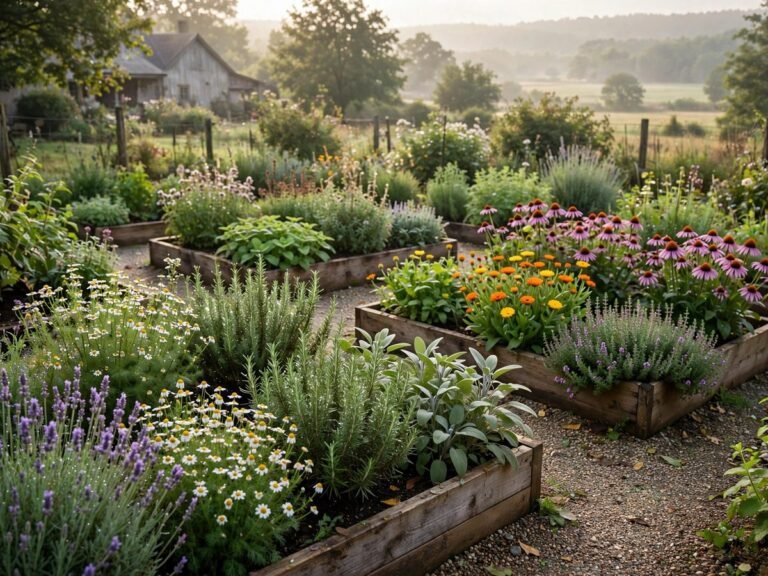
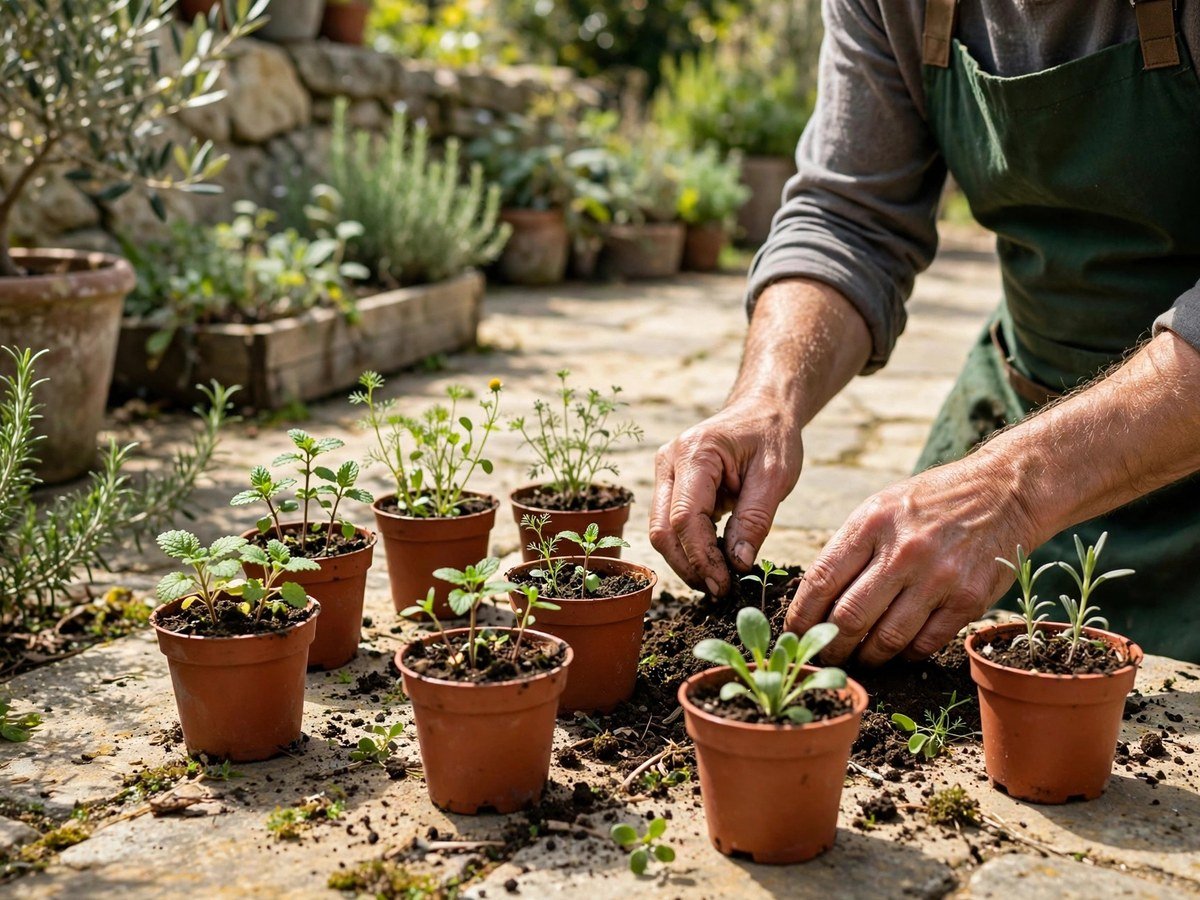
Small gardens are actually ideal for medicinal plants because most healing herbs are compact, undemanding, and happy in containers. You can keep everything within arm’s reach, which means you will actually use what you grow. A few pots by the kitchen door can supply a household with calming teas, soothing salves, and digestive tonics all season long. Growing your own also guarantees purity — no pesticides, no mystery sourcing, just clean plants you tended yourself. Start small, learn each plant’s personality, and expand your collection as your confidence grows.
6 Easy Medicinal Plants for Small Gardens
1. Chamomile
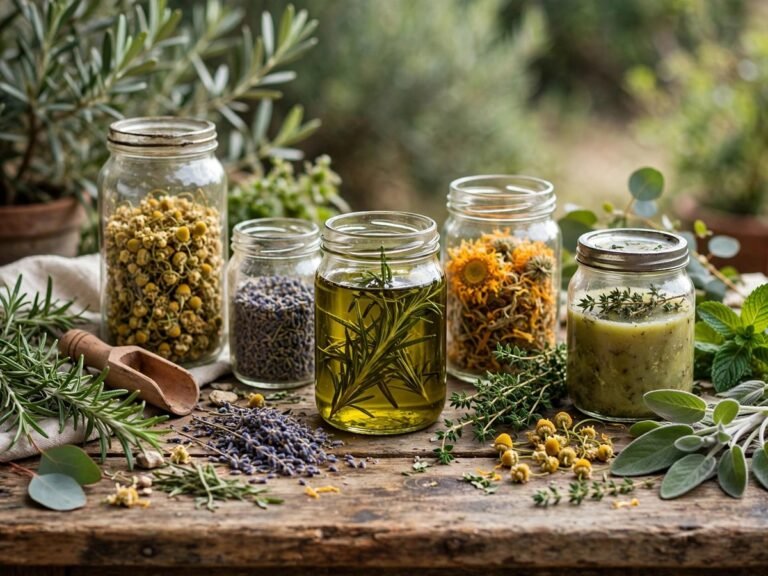
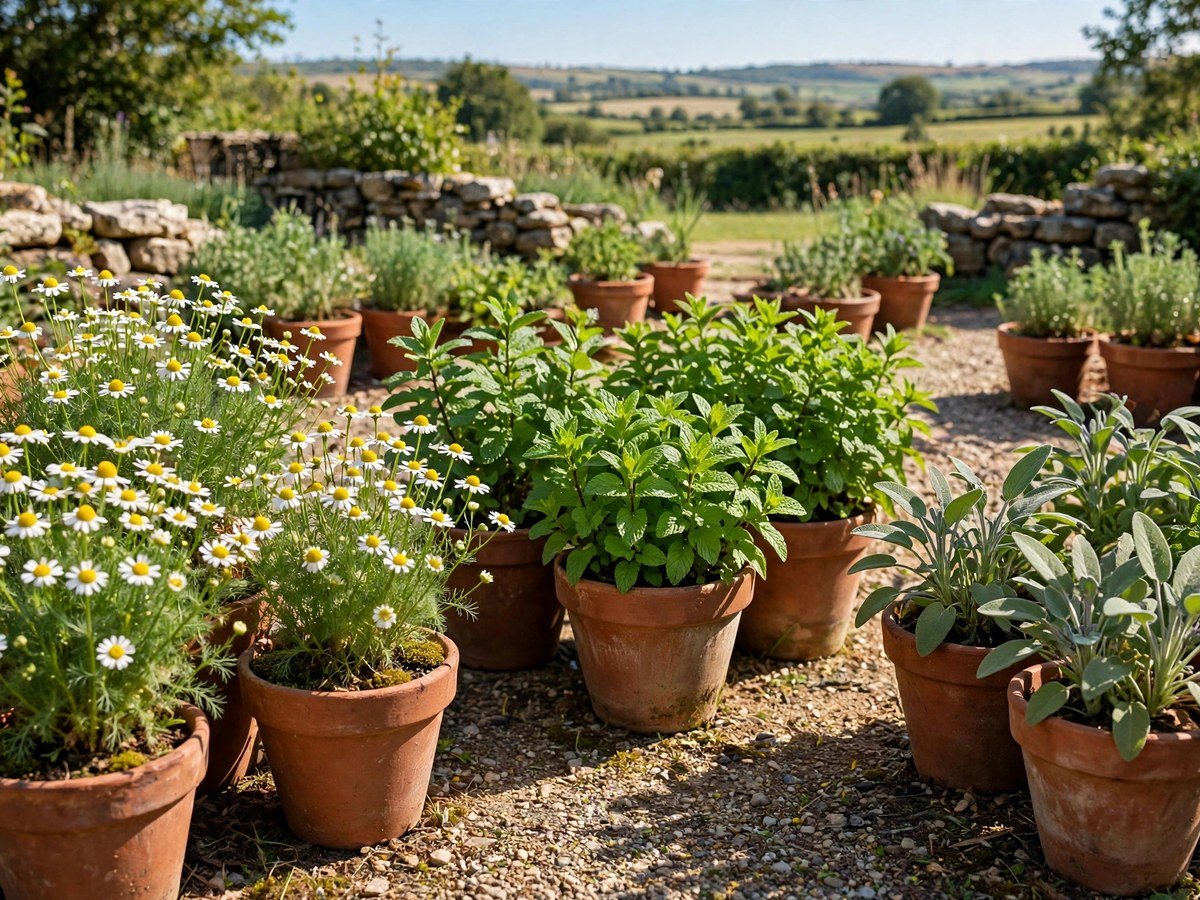
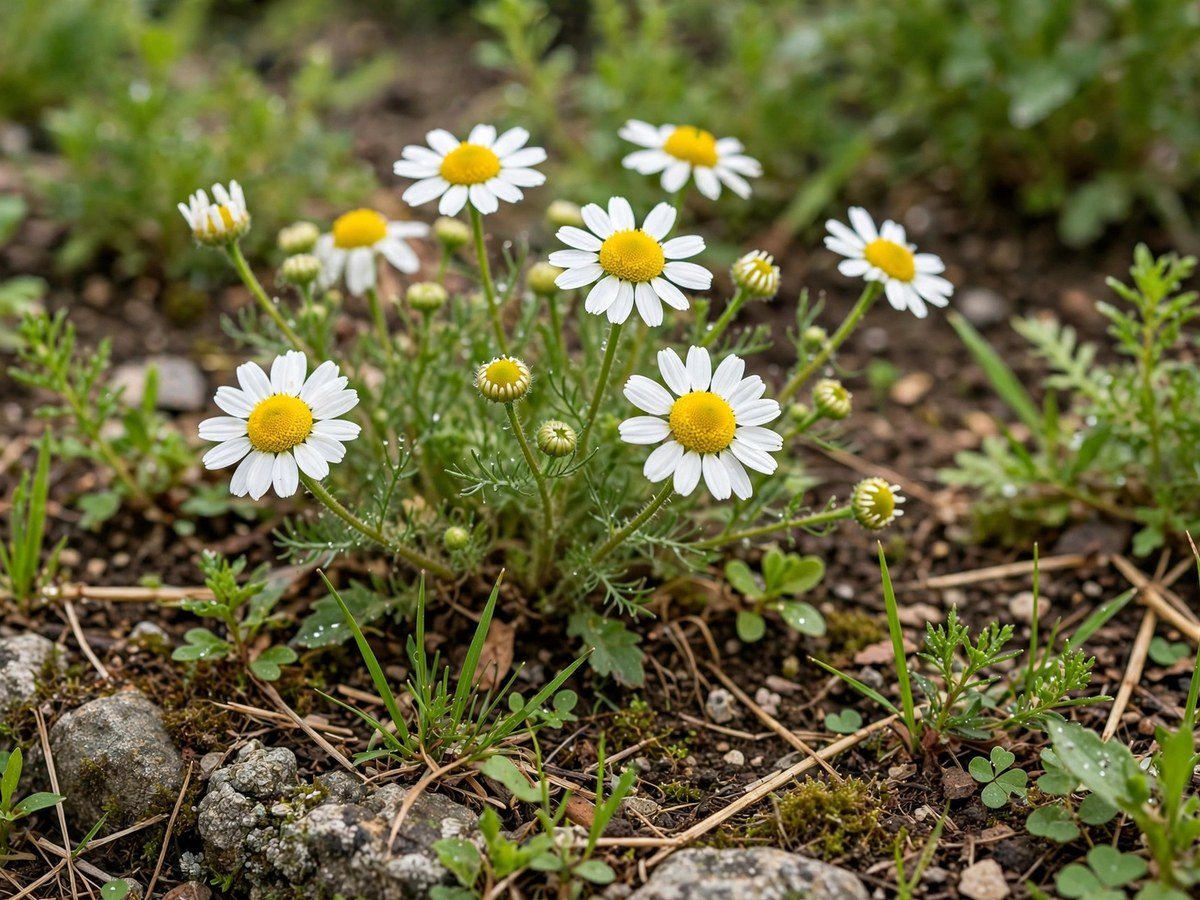
Chamomile is the poster child of gentle herbal medicine, famous for its calming tea that eases anxiety and invites sleep. This dainty, daisy-like flower grows happily in pots or along bed edges, asking only for sun and regular watering. Harvest the flower heads when fully open, dry them in a warm dark spot, and you will have months of soothing bedtime tea from a single small planting.
2. Calendula
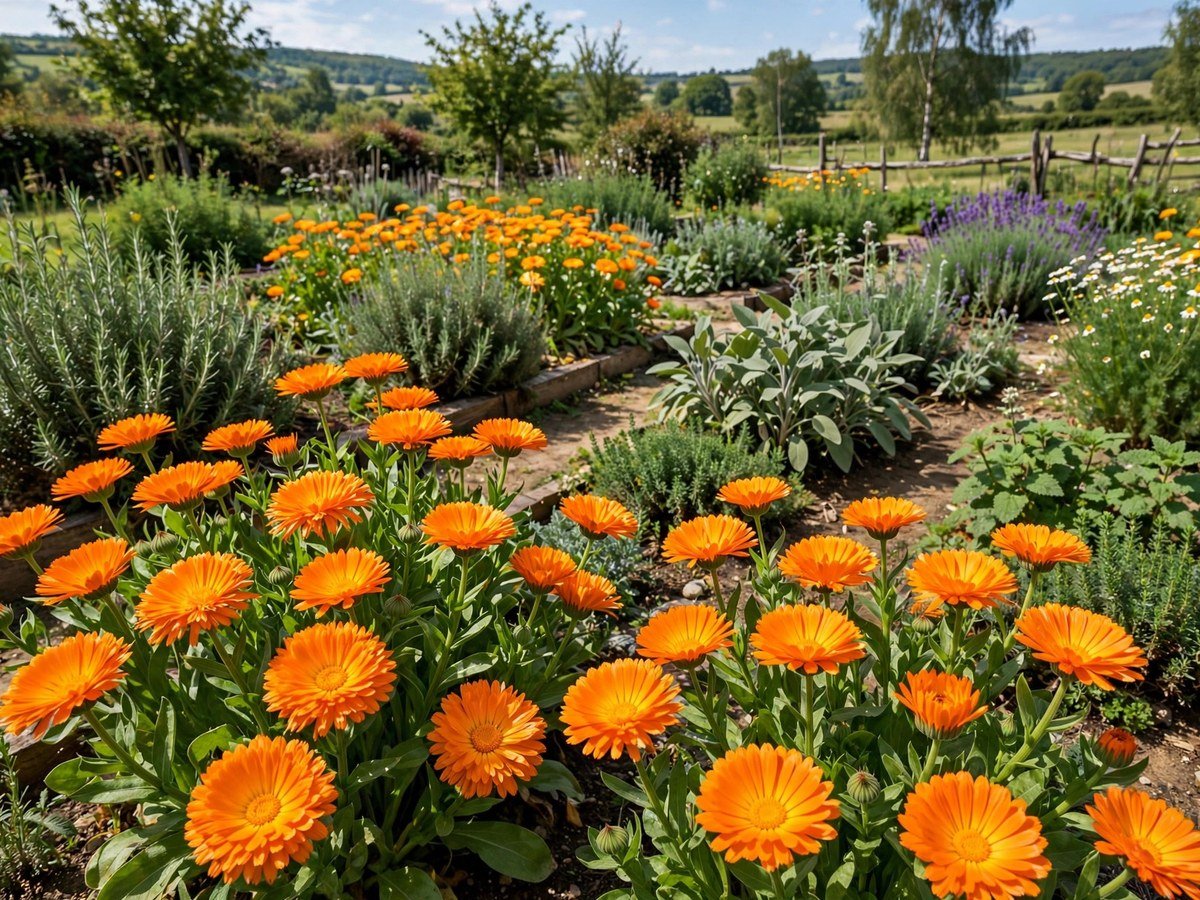
Calendula, or pot marigold, is as beautiful as it is useful. Its bright orange petals are a traditional remedy for minor cuts, scrapes, and irritated skin, usually infused into oils and salves. It blooms nonstop from summer to frost in even the smallest beds, and the more you deadhead, the more flowers you get. Scatter petals in salads too — they are edible and cheerful.
3. Peppermint
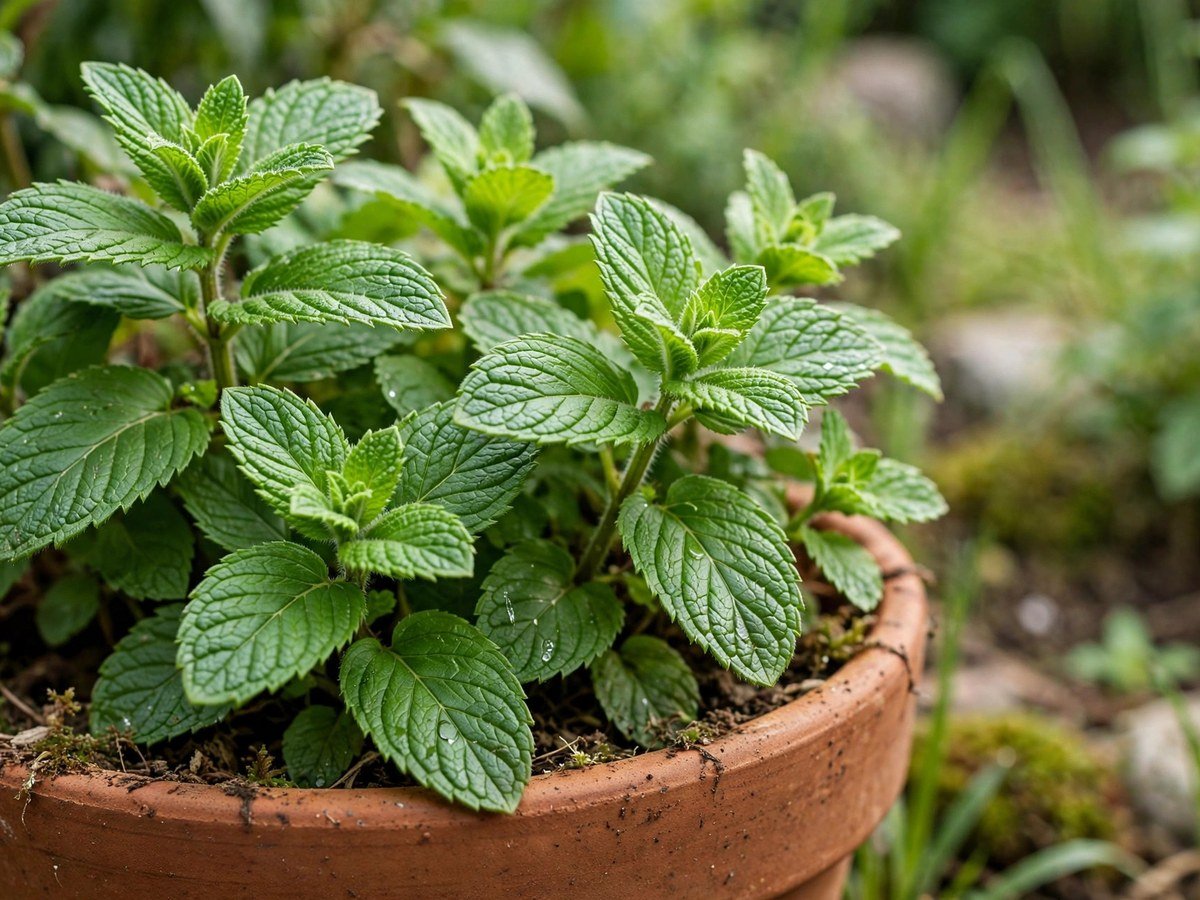
Peppermint is practically indestructible, which makes it perfect for beginners — but always grow it in its own pot, because it will happily take over any bed it touches. Its cooling leaves make the classic after-dinner tea for digestion and queasy stomachs. Snip sprigs as needed, and the plant will bounce back within days, giving you an endless supply all season.
4. Lemon Balm
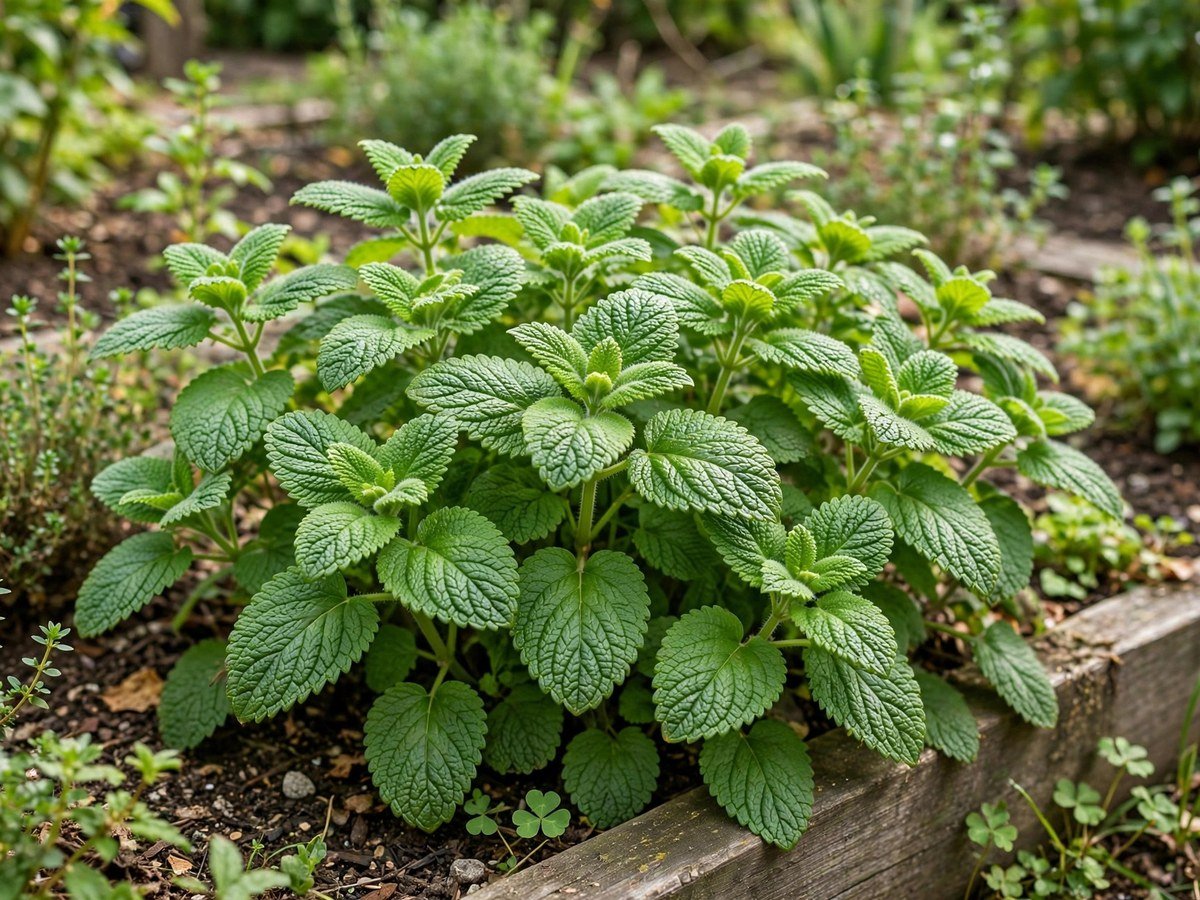
Lemon balm’s lemony leaves brew into a uplifting tea that calms nerves and sharpens focus — medieval herbalists called it the “gladdening herb.” It grows into a bushy, forgiving plant that tolerates partial shade, making it ideal for balconies that do not get full sun. Harvest often to keep it compact, and dry the surplus for winter teas.
5. Sage
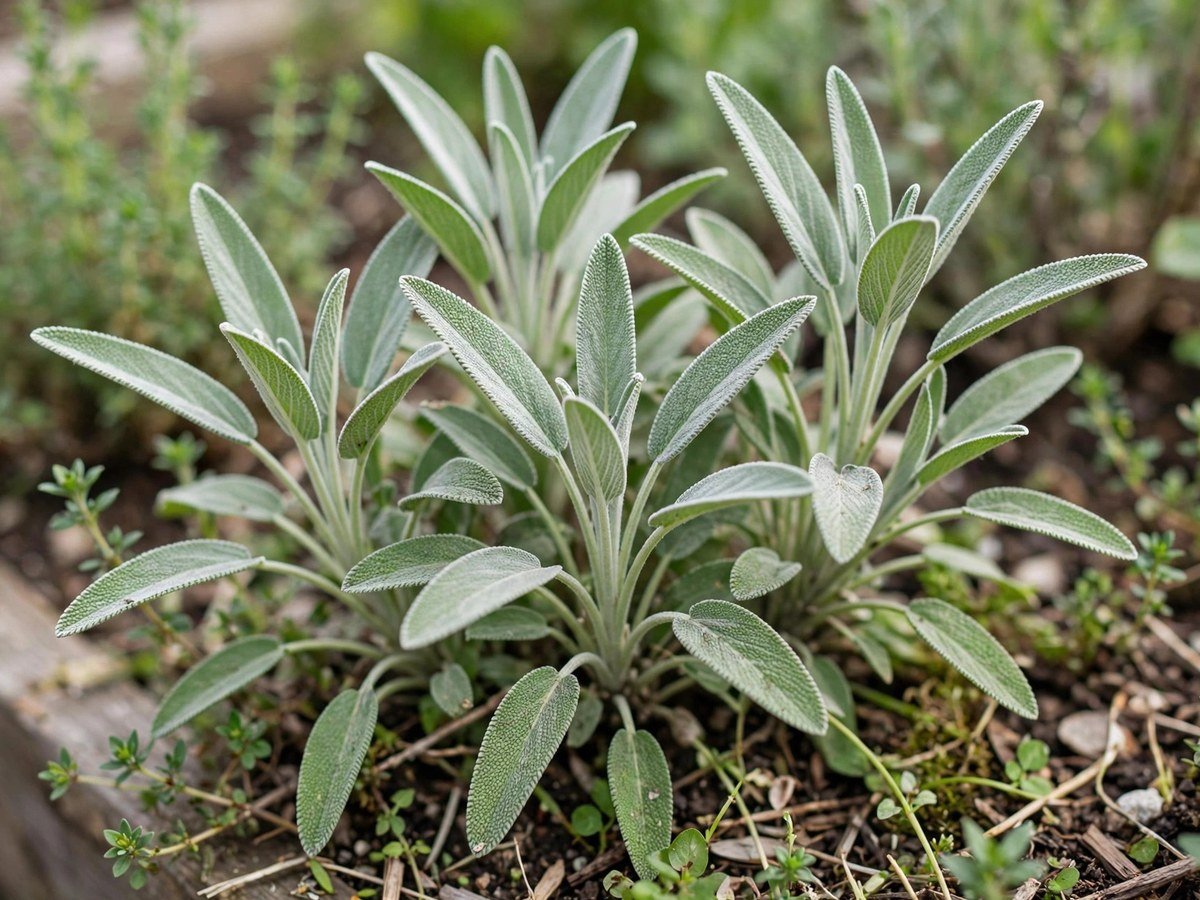
Sage is a handsome, silvery evergreen that earns its place with both culinary and medicinal value. Its leaves make a traditional gargle for sore throats and a warming tea for colds, while the plant itself needs almost no care once established. Give it sharp drainage and full sun, and a single plant will serve your household for years.
6. Thyme
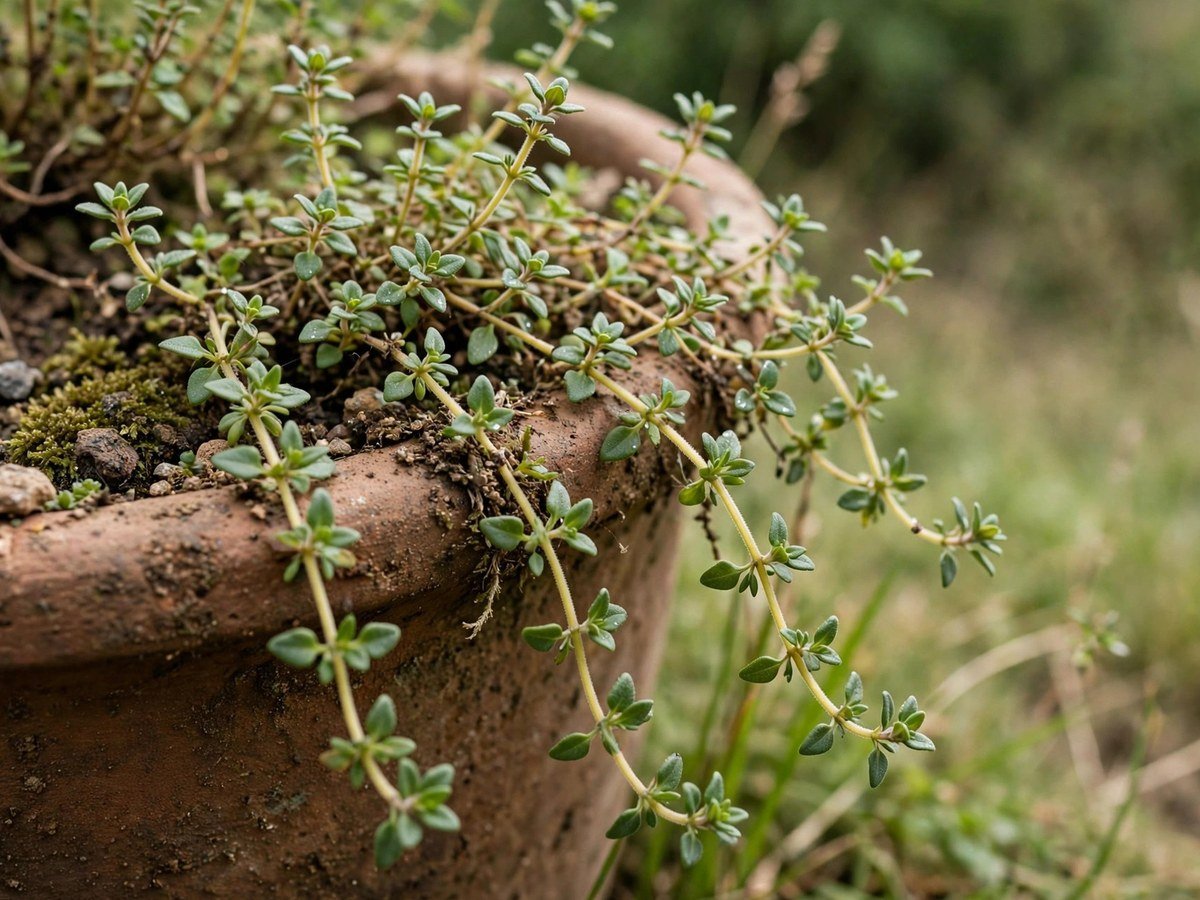
Thyme may be tiny, but it is mighty — its leaves contain thymol, a traditional antiseptic used in cough remedies and mouthwashes for generations. It creeps happily along the edges of pots and raised beds, thriving in poor soil and full sun where fussier plants fail. Brush your hand across it on a warm day and the whole garden smells wonderful.
Tips for Growing Medicinal Plants Successfully
Medicinal herbs reward simple, consistent care. Most want at least six hours of sun and containers with good drainage — soggy roots are the number one killer. Harvest in the morning after dew dries, when the plants’ beneficial oils are at their peak, and never take more than a third of the plant at once. Dry herbs in small bundles hung in a warm, dark, airy spot, then store in labeled glass jars away from light. With these basics, even a complete beginner can keep a thriving little apothecary garden.
Frequently Asked Questions
Are medicinal plants safe for beginners to use?
Common herbs like chamomile, peppermint, and lemon balm are very gentle, but always research each plant, start with small amounts, and check with a healthcare professional if you are pregnant, nursing, or taking medication.
How much sun do medicinal herbs need?
Most need six or more hours of direct sun daily. Lemon balm and mint tolerate partial shade, so match the plant to the light your space actually gets.
Can I grow medicinal plants indoors?
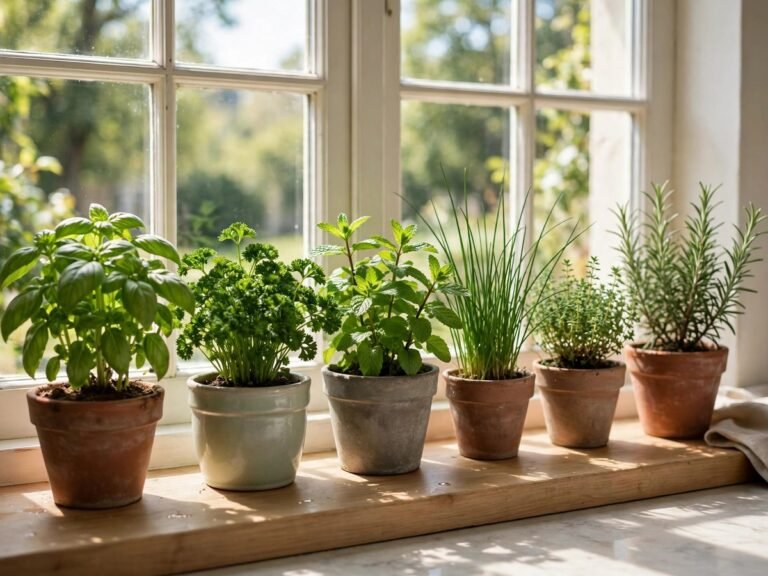
Yes. A bright south-facing windowsill or a simple grow light will keep chamomile, thyme, and lemon balm happy through winter, giving you fresh leaves year-round.
When should I harvest medicinal herbs?
Pick leaves in the morning after the dew dries, when essential oils are strongest. Harvest flowers like chamomile and calendula when fully open, and dry everything promptly.
Do medicinal plants need fertilizer?
Light feeding is plenty. Too much fertilizer produces lush but weak-flavored leaves. A little compost at planting time is usually all these tough plants need.
Conclusion
A small garden can hold a surprisingly powerful medicine cabinet. Start with these six forgiving plants, harvest a little at a time, and let your confidence grow alongside them. Within one season, you will be sipping your own chamomile tea and reaching for your own calendula salve — and wondering why you did not start sooner.
Keep a small journal of what you plant, when you harvest, and which remedies your household reaches for most. Those notes become your personal herbal handbook, more valuable every year as your garden — and your knowledge — keeps growing.