Vertical Gardening for Small Homes
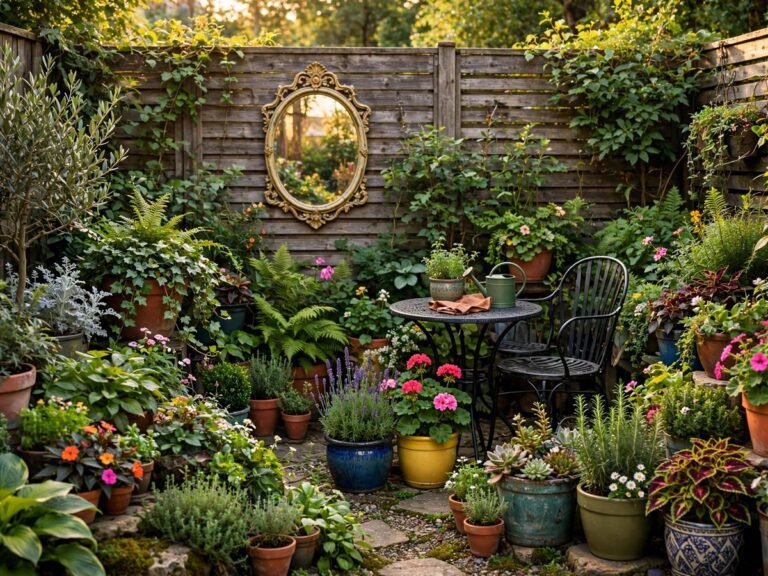
Vertical gardening for small homes is the closest thing to a magic trick in gardening. When you cannot spread out, vertical gardening for small homes lets you grow up — turning bare walls, fences, and railings into lush, productive growing space. A single sunny wall can hold more plants than a whole ground-level bed, and it does it while looking spectacular.
Whether you live in a tiny house, a townhouse with a pocket patio, or an apartment with one sunny wall, going vertical multiplies your garden without adding a single square foot of ground. Here are six proven ways to do it.
Why Growing Up Beats Spreading Out
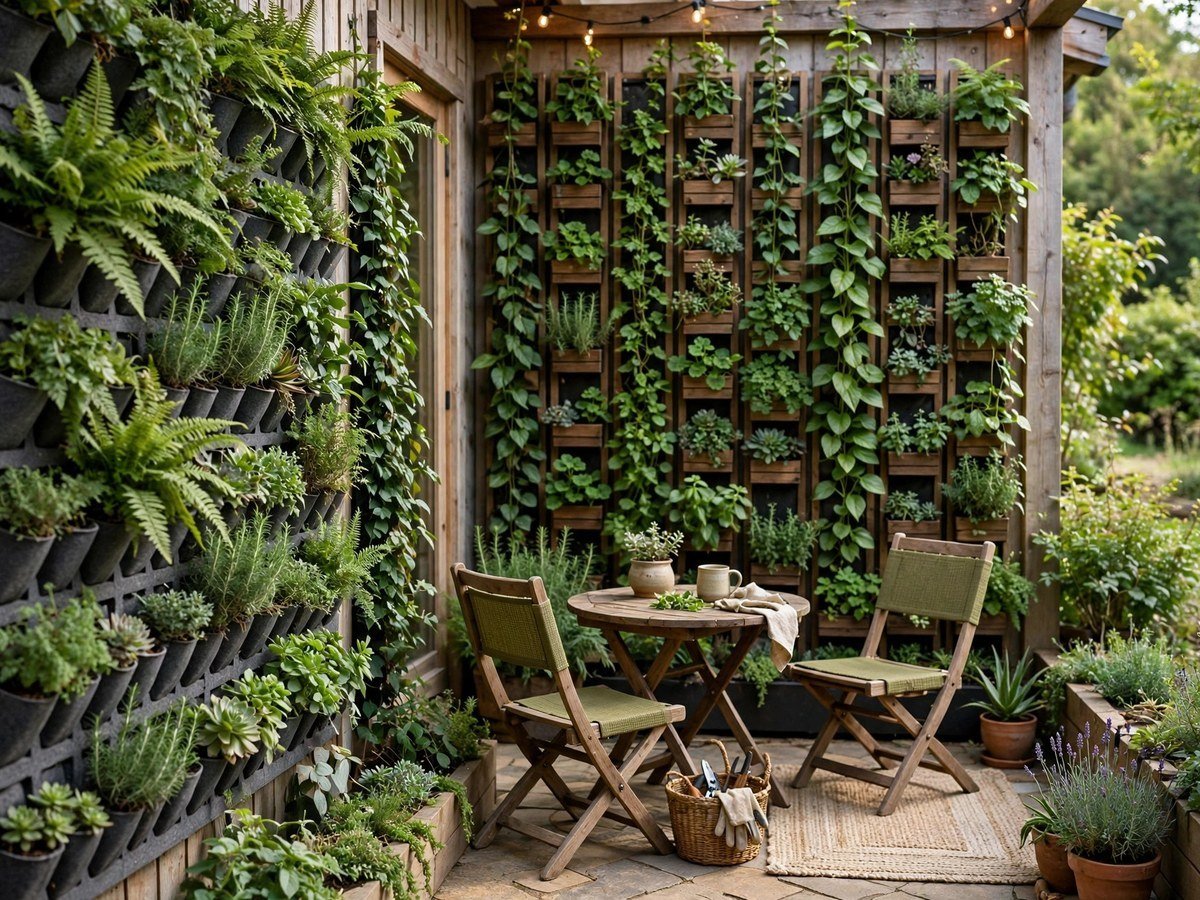
Vertical gardens do more than save space — they grow healthier plants. Leaves lifted off the ground dry faster after rain, which means far less fungal disease, and fruit hangs clean instead of rotting on damp soil. Harvesting at chest height beats crawling on your knees, and pests are easier to spot on an upright wall of green. There is a visual payoff too: a living wall turns the dullest fence into the prettiest thing in the yard. For small homes, vertical growing is not a compromise — it is an upgrade.
6 Vertical Gardening Ideas for Small Homes
1. Wall Planters
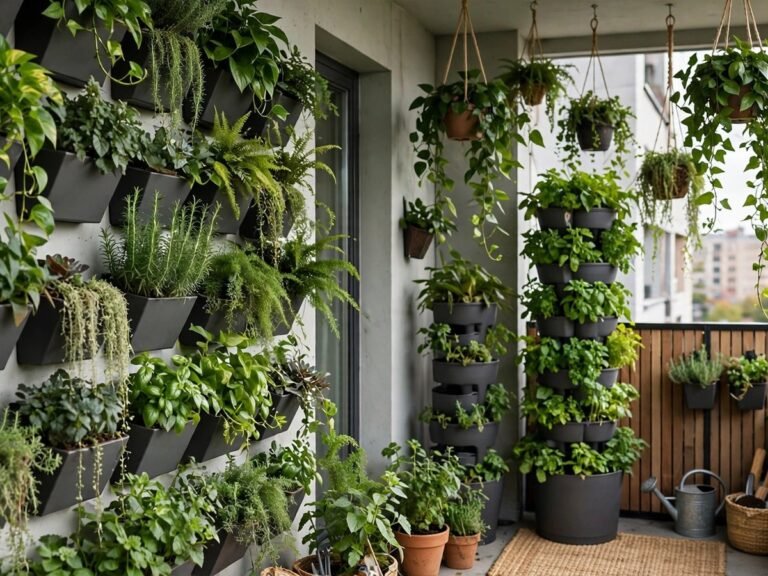
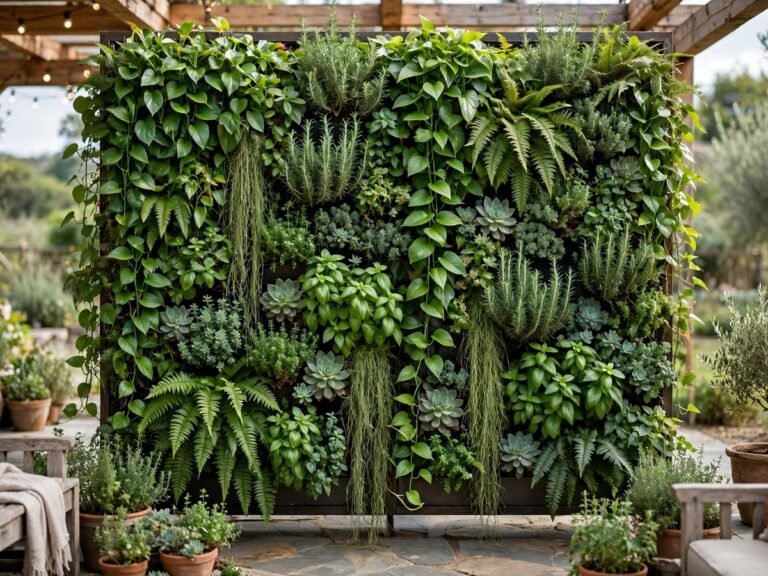
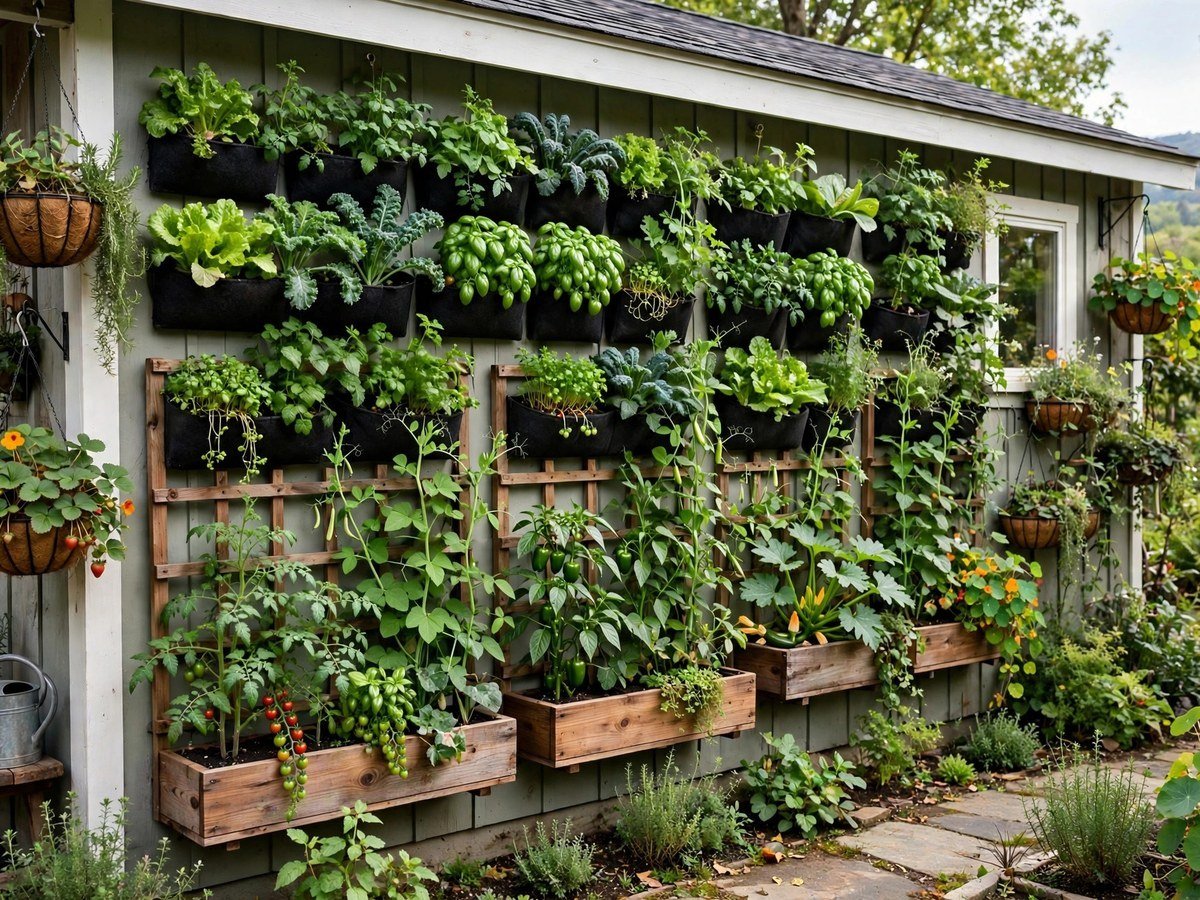
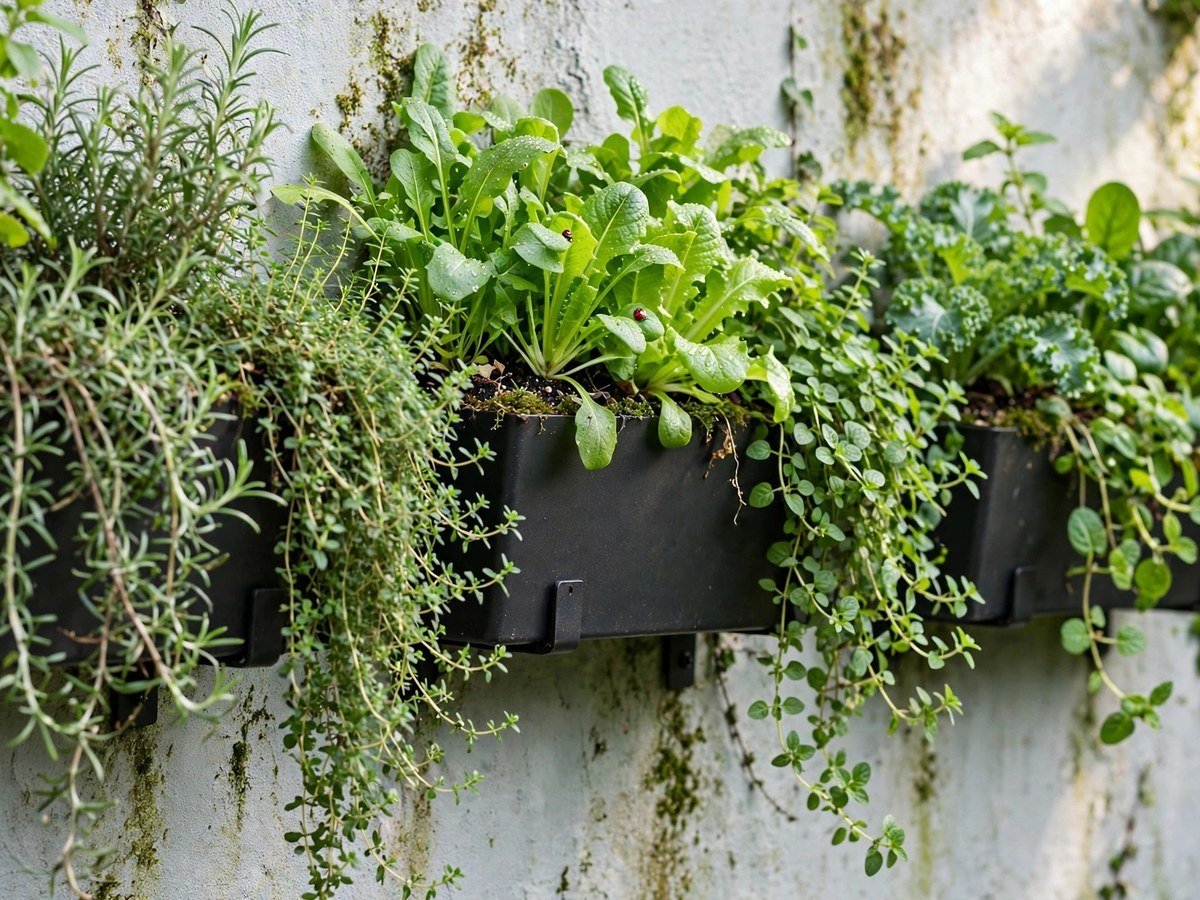
Wall planters are the fastest way to turn a blank wall into a garden. Mount pocket planters, gutters, or stacked boxes on any sunny fence or exterior wall, fill with potting mix, and plant herbs, lettuce, and trailing strawberries. Drip irrigation on a timer keeps watering effortless, since wall planters dry out faster than ground beds. Start with one panel near the kitchen door — you will be snipping basil and thyme within weeks.
2. Trellis Cucumbers
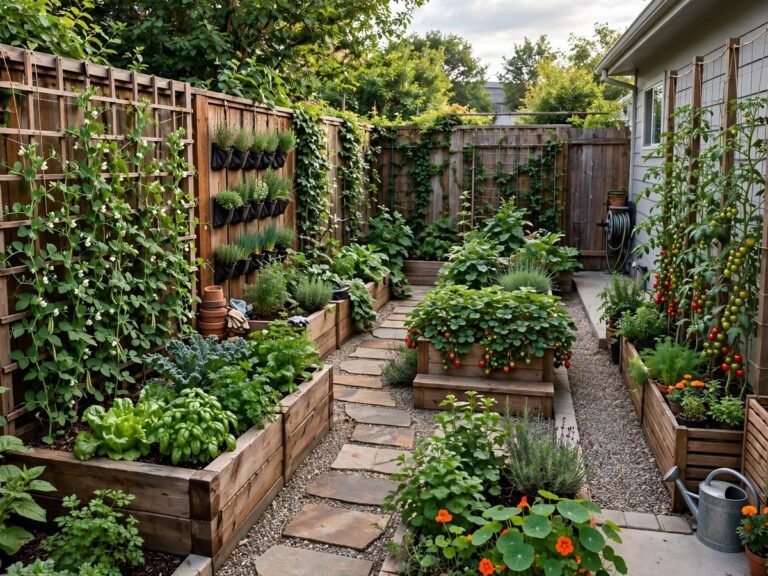
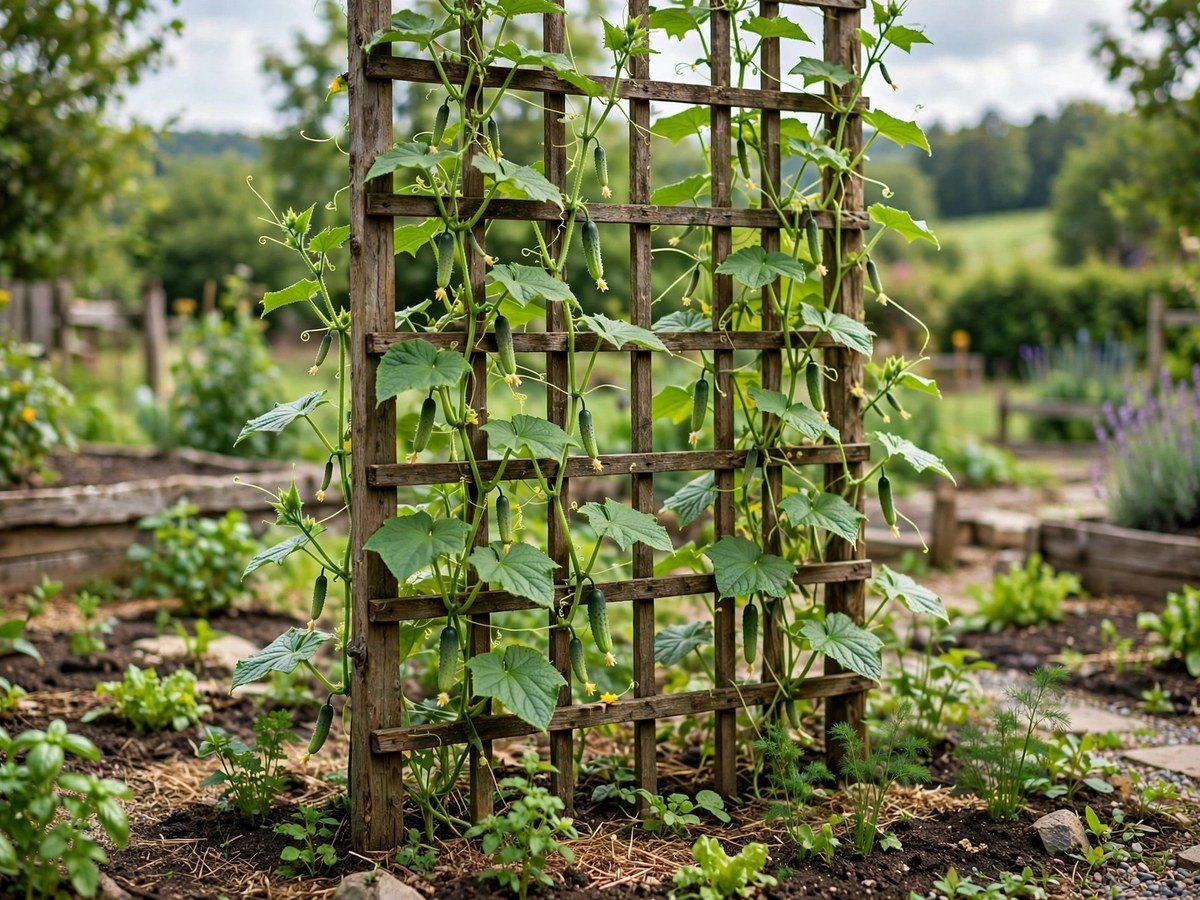
Trellis cucumbers prove that vining crops belong in small gardens. Train cucumbers up a sturdy A-frame or flat trellis and they produce straighter, cleaner fruit while occupying just one square foot of soil. The vertical curtain also shades a bed of lettuce behind it — two crops, one footprint. Choose compact varieties bred for containers, tie vines loosely as they climb, and pick daily to keep production roaring.
3. Pallet Garden
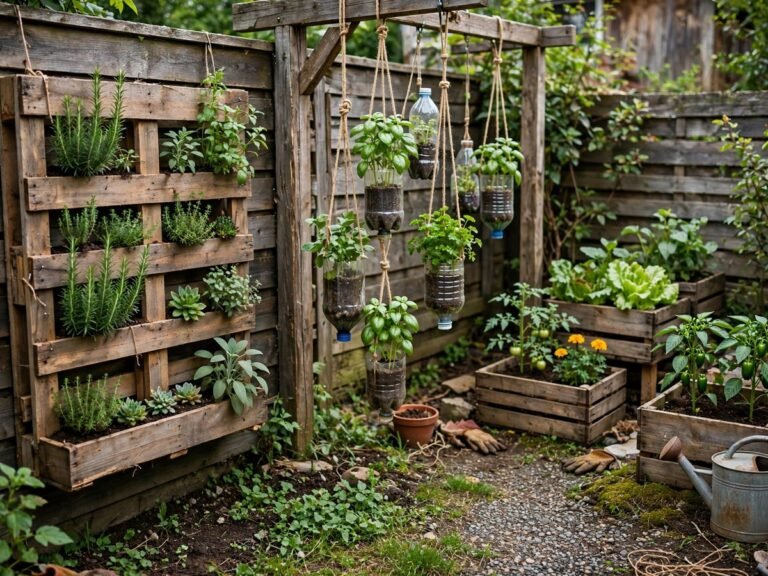
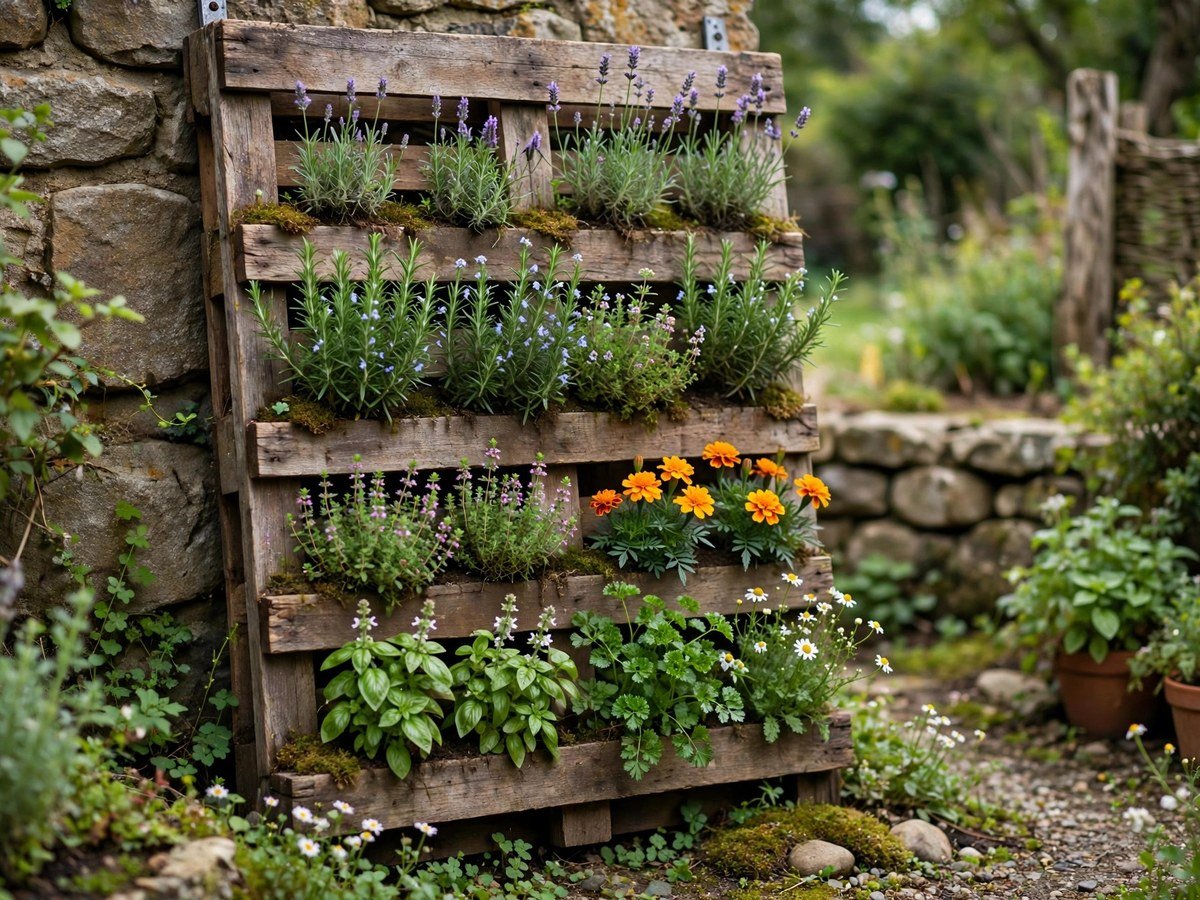
A pallet garden is weekend-project vertical gardening at its cheapest. Stand a heat-treated wooden pallet upright, staple landscape fabric across the back and bottom of each slat to form pockets, fill with soil, and plant herbs, succulents, or salad greens. Lean it securely against a sunny wall so it can never topple. In a single afternoon and for almost no money, you gain a living wall that would cost hundreds from a garden center.
4. Hanging Baskets
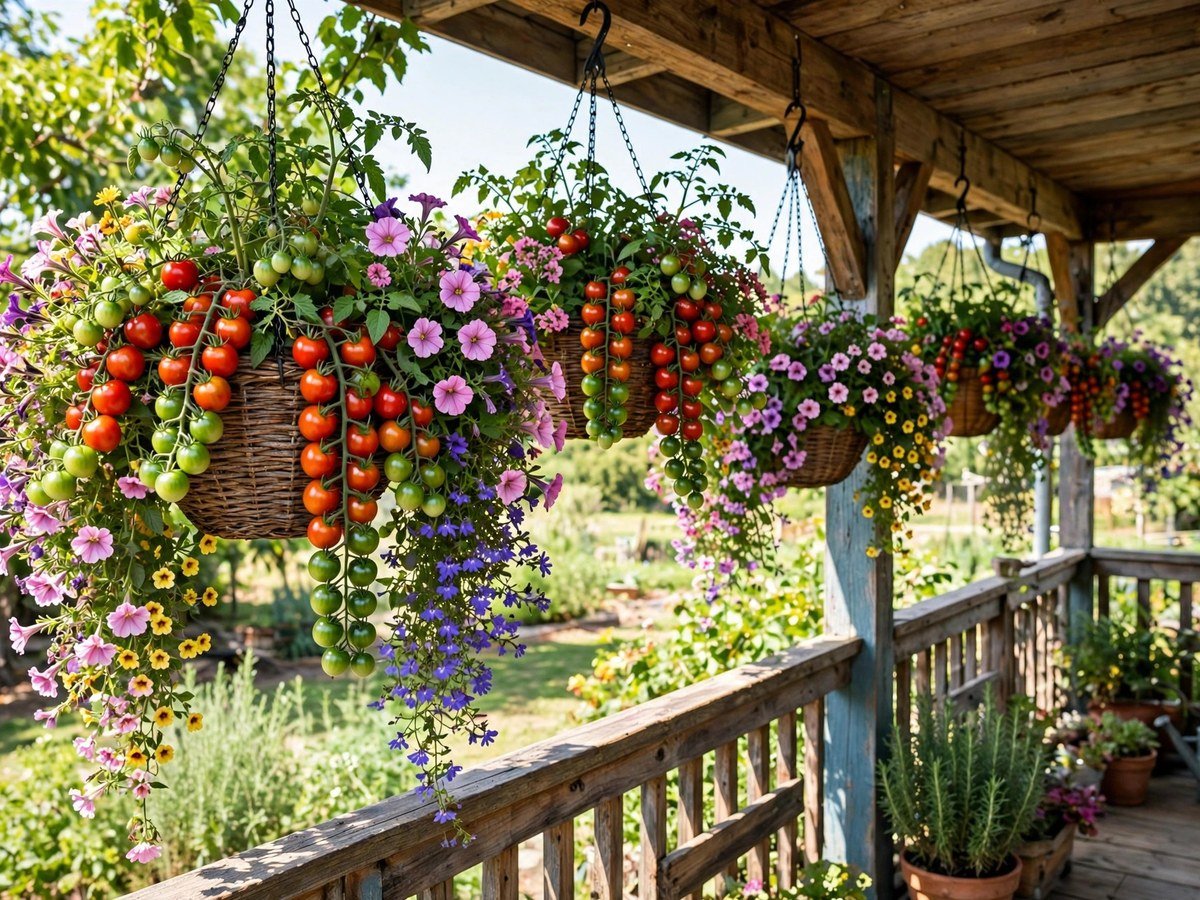
Hanging baskets reclaim the air above your patio. Cherry tomatoes, trailing nasturtiums, and strawberries all cascade beautifully from baskets hung on sturdy brackets, keeping fruit off the ground and away from slugs. Water daily in summer — baskets dry fast — and feed weekly, since frequent watering leaches nutrients. Hang them where you will brush past daily; nothing reminds you to harvest like tomatoes at eye level.
5. Tower Garden
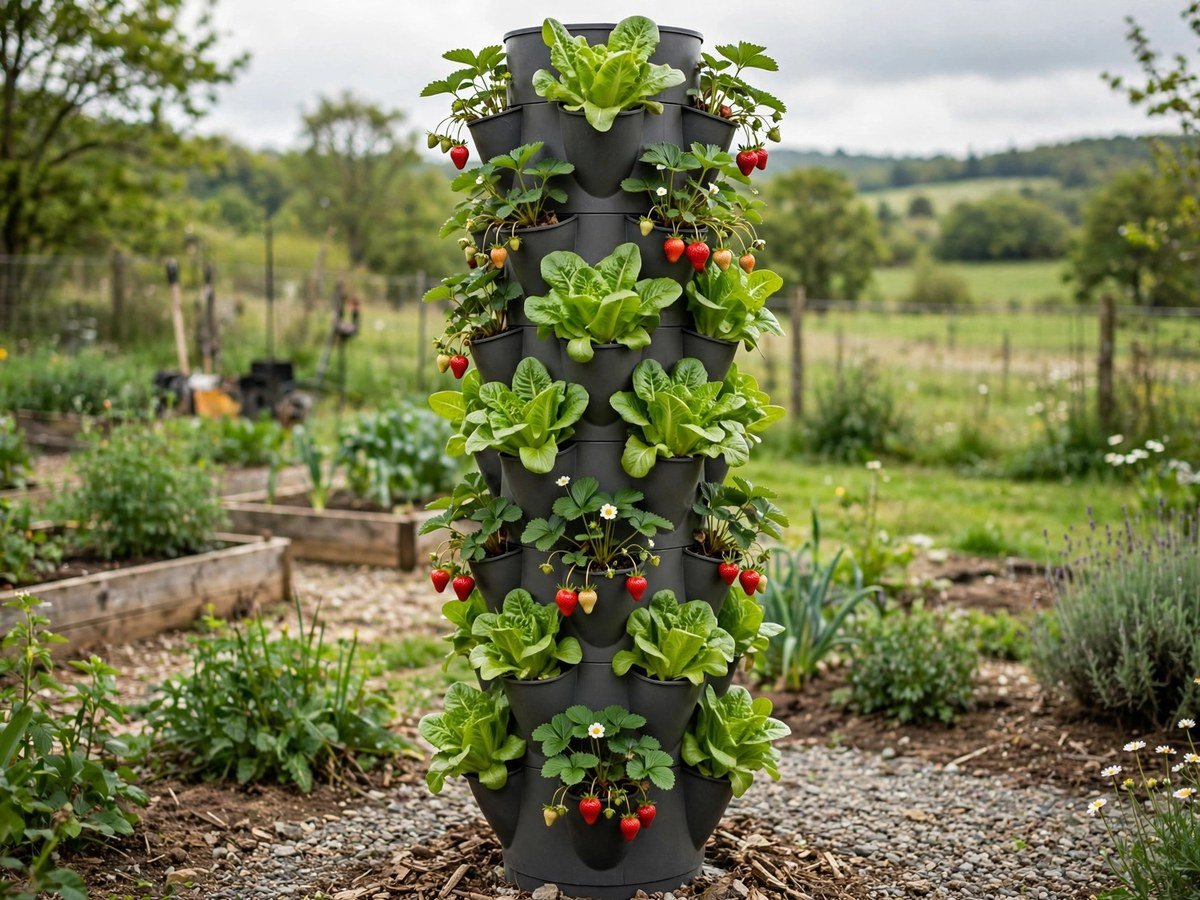
A tower garden stacks a whole salad bed into the footprint of a single pot. These vertical planters hold dozens of planting pockets around a central column — lettuce, herbs, strawberries, and edible flowers all thriving in two square feet. Many designs include a built-in water reservoir or composting core that feeds plants from the inside out. Place one by the back door and your most-used greens are always an arm’s reach away.
6. Railing Boxes
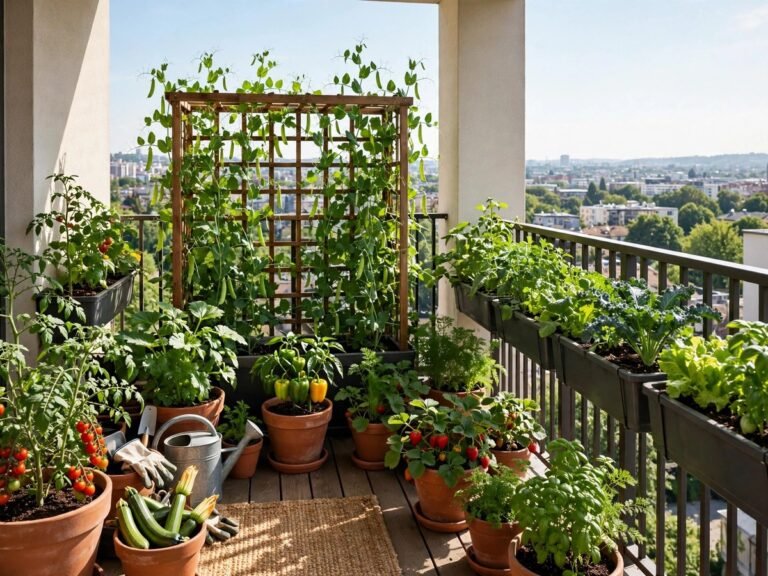
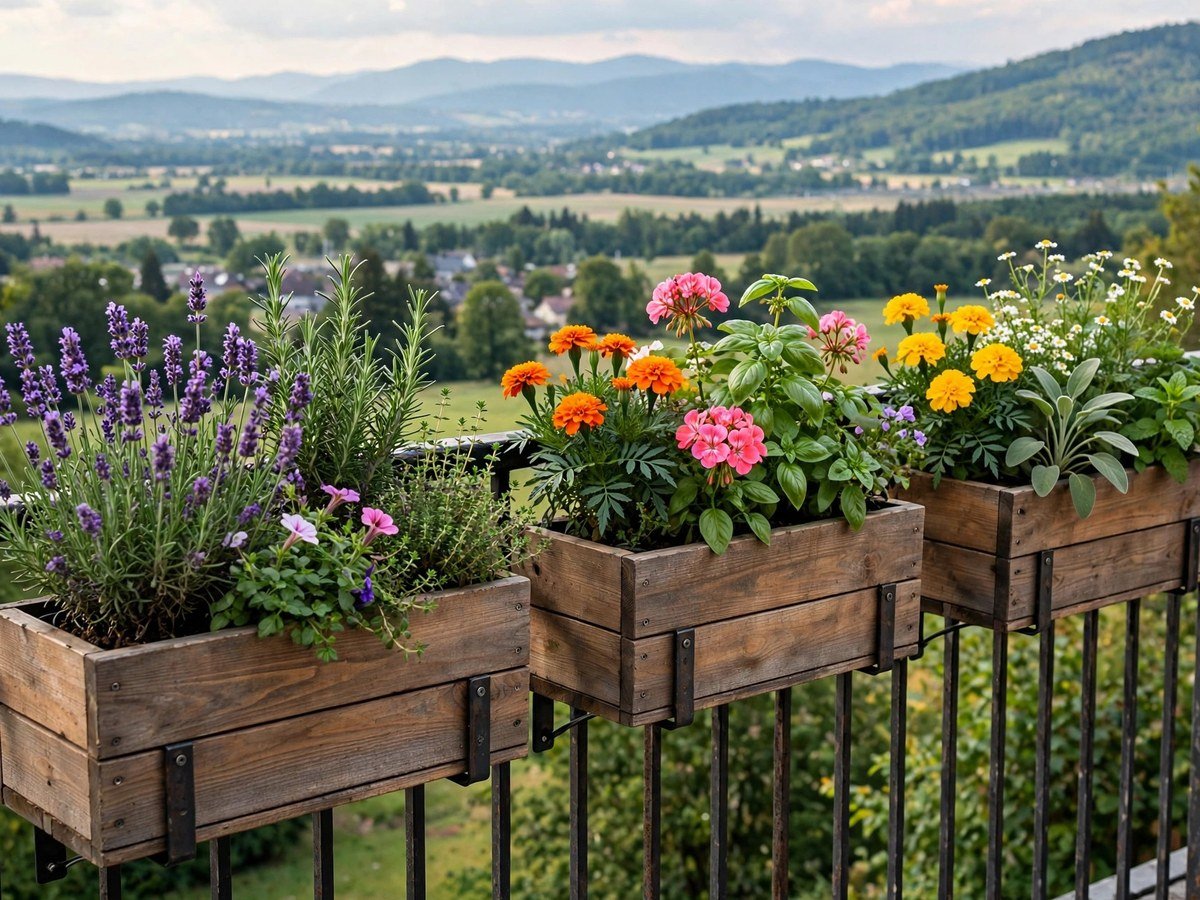
Railing boxes turn the most overlooked strip of a small home — the balcony or deck railing — into prime growing space. Saddle-style planters hook securely over railings without drilling, holding shallow-rooted crops like radishes, lettuce, green onions, and herbs. They catch excellent sun and drain freely, so water a little more often. Line a whole railing and you have a floating garden that costs zero floor space.
Vertical Gardening Tips for Beginners
Anchor everything like a storm is coming — a fully planted vertical garden is shockingly heavy when wet. Use masonry screws in walls, not hope and nails, and check fixings every spring since freeze-thaw and plant growth loosen mounts over time. Water more often than you think: elevated containers dry out twice as fast as ground soil, so mulch the surface and consider drip lines. Feed regularly, because frequent watering washes nutrients away. Finally, match plants to pockets: deep-rooted tomatoes need big containers, while herbs and greens thrive in shallow ones. Right plant, right pocket, and your wall will flourish.
Frequently Asked Questions
What is the easiest vertical garden for a beginner?
Start with railing boxes or a pocket wall planter near your door. Both are cheap, need no construction skills, and grow forgiving crops like herbs and lettuce while you learn how fast vertical containers dry out.
How do I water a vertical garden without making a mess?
Drip irrigation on a timer is the gold standard — it delivers water slowly to each pocket with no runoff. Failing that, water early in the morning with a long-spout can, working top to bottom so lower plants catch the drips.
Will a vertical garden damage my house wall?
Not if you mount it right. Fix planters to battens with a small air gap behind them so the wall stays dry, use proper masonry anchors, and avoid attaching directly to wood siding that needs to breathe.
Which vegetables grow best vertically?
Cucumbers, pole beans, and peas are natural climbers; cherry tomatoes, strawberries, lettuce, and most herbs thrive in wall pockets and towers. Save deep containers for root crops and sprawling squash.
How much sunlight does a vertical garden need?
The same as any garden: at least six hours of direct sun for fruiting crops like tomatoes and cucumbers. Leafy greens and herbs will produce happily with three to four hours, making them perfect for shadier walls.
The Bottom Line
Walls are just horizontal gardens waiting to stand up. Pick the vertical idea that fits your sunniest surface, build it this weekend, and watch a bare wall become the hardest-working — and prettiest — part of your home.
For more on growing in pots and planters, see the overview of container gardening.