Compact Garden Inspiration
Compact Garden Inspiration
Some of the most beautiful gardens in the world are tiny, and these compact garden ideas prove that square footage is no barrier to beauty. A pocket-sized courtyard, a narrow balcony or a postage-stamp patio can all become lush, inviting retreats. The trick is to think vertically, layer your planting, and make every inch earn its keep. Small gardens also demand less water, less weeding and less money — while delivering just as much joy. Below are six inspiring approaches that will help you see your small space with fresh eyes.
Why Small Gardens Deserve Big Ambition
Gardeners with acres often envy small-space growers, and for good reason. A compact plot can be planted densely, finished in a weekend and maintained in minutes a day. Every plant is close enough to admire, every corner can be styled, and the whole garden reads as one intimate room rather than a landscape to manage. Constraints breed creativity: when you cannot sprawl outward, you grow upward, tuck plants into unexpected spots and choose varieties that multitask. The result is a garden with personality — proof that ambition matters more than acreage.
6 Compact Garden Ideas That Punch Above Their Size
1. Courtyard Nook
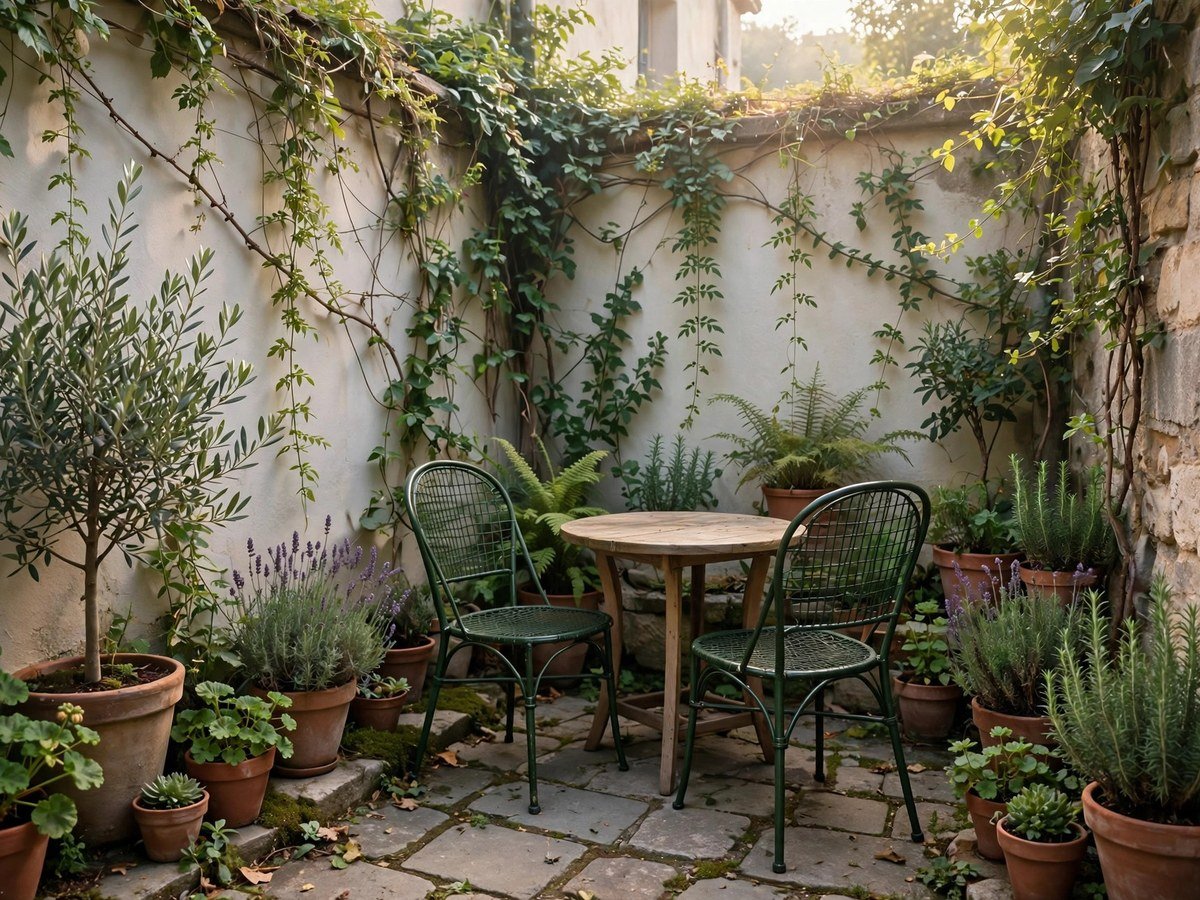
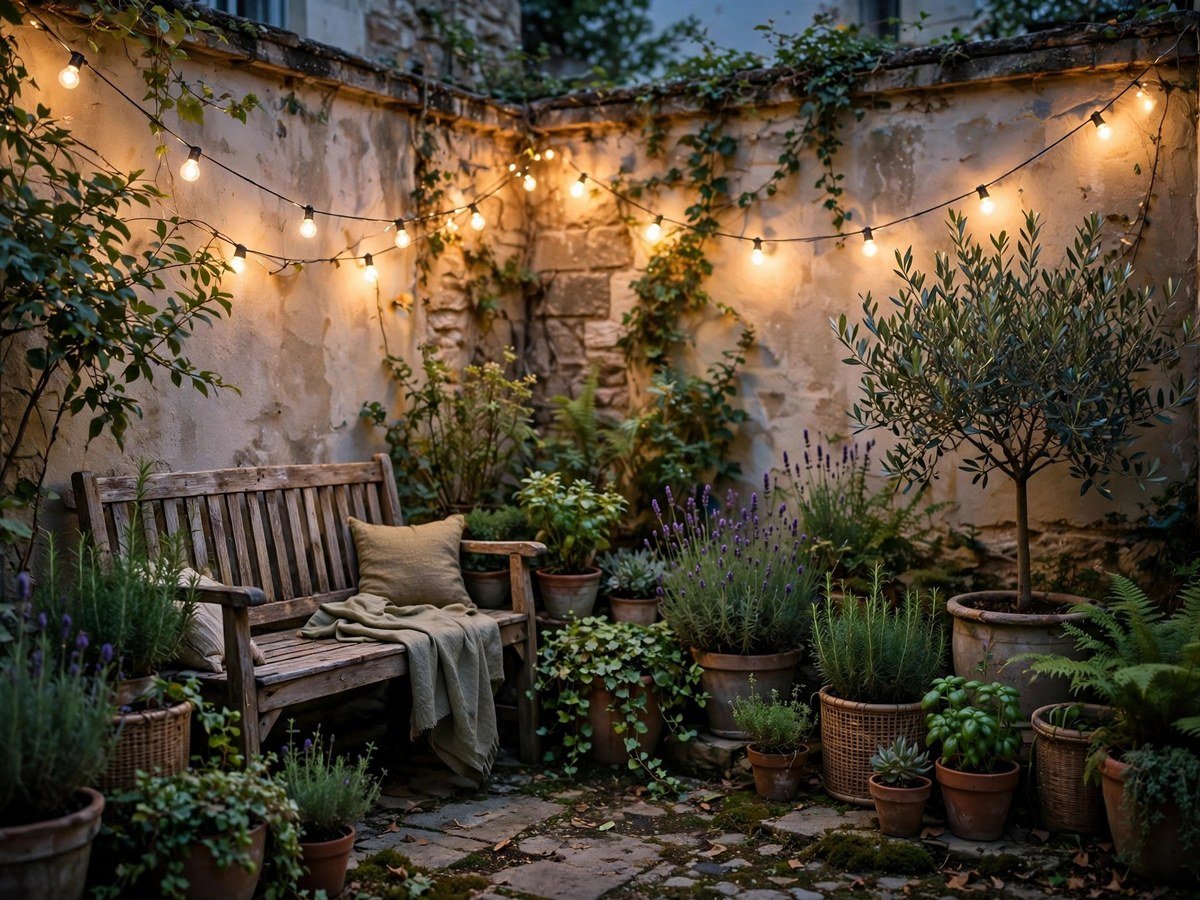
Turn a forgotten corner into the spot everyone fights over. A small bistro set, a couple of generous pots and a climbing jasmine or clematis on the wall create an outdoor room in under two square metres. Add outdoor cushions, a lantern or two and a small water feature for sound, and your nook becomes a morning-coffee haven. Because the space is enclosed, it feels private and cocooning — the very qualities large gardens struggle to achieve.
2. Container Clusters
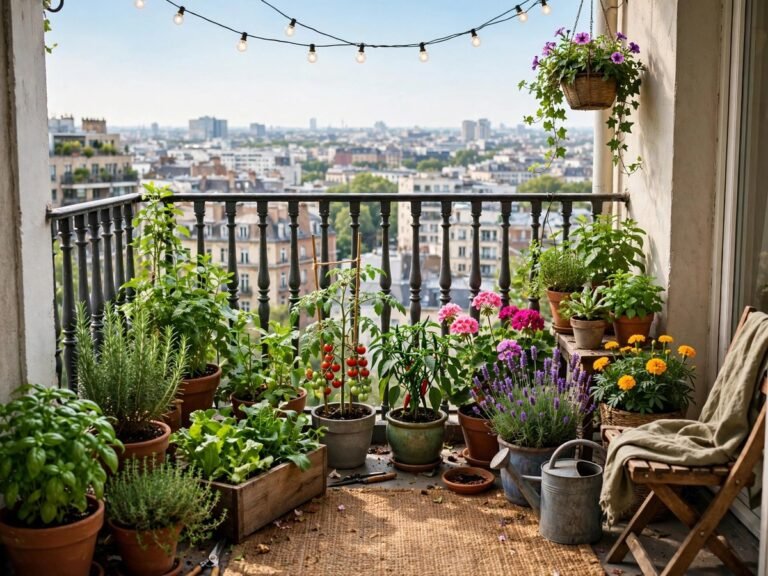
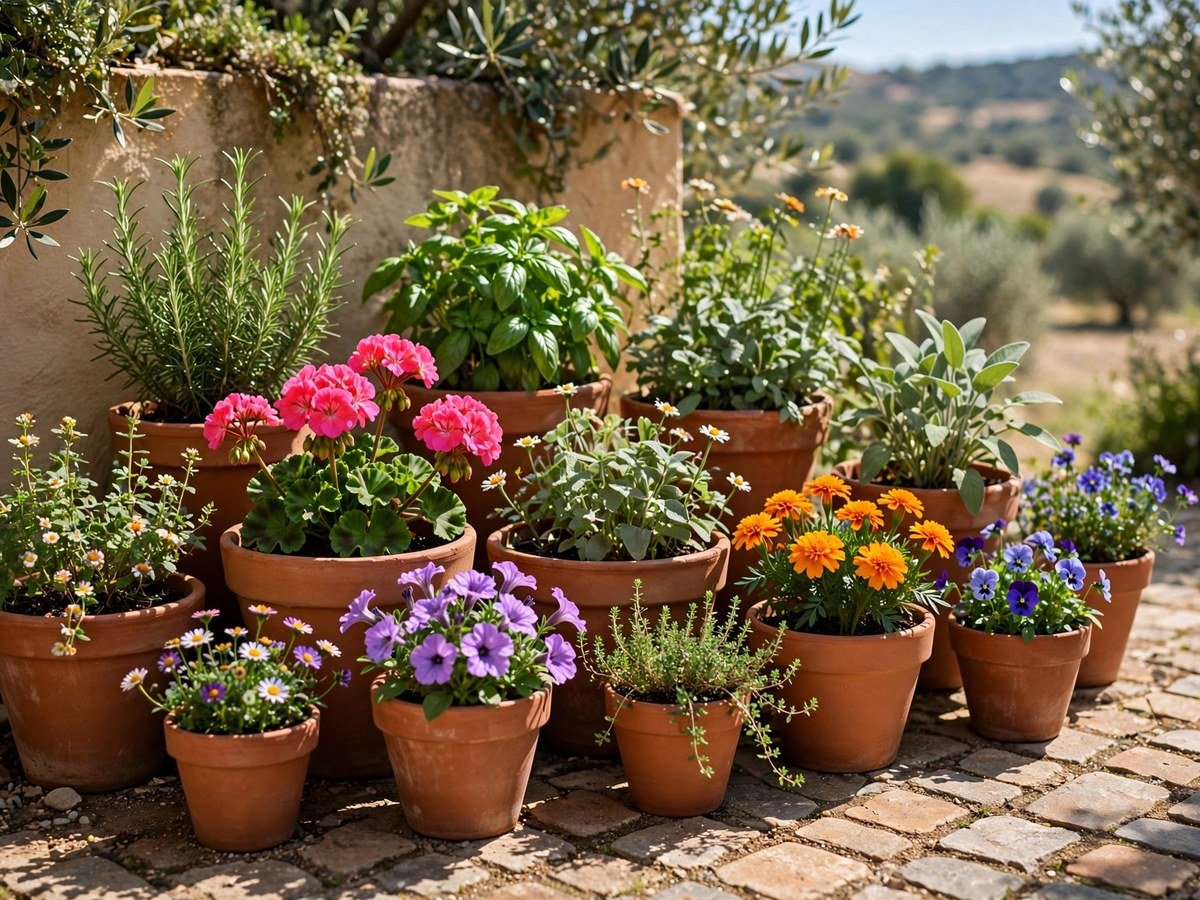
Groups of pots beat single lonely containers every time. Cluster five to nine pots of different heights and materials, pack them with a mix of thrillers, fillers and spillers, and you have an instant garden bed without digging a single hole. Containers let you garden on concrete, move tender plants indoors for winter and redesign the whole display in an afternoon. Stick to a tight colour palette so the cluster reads as one deliberate composition.
3. Mini Greenhouse
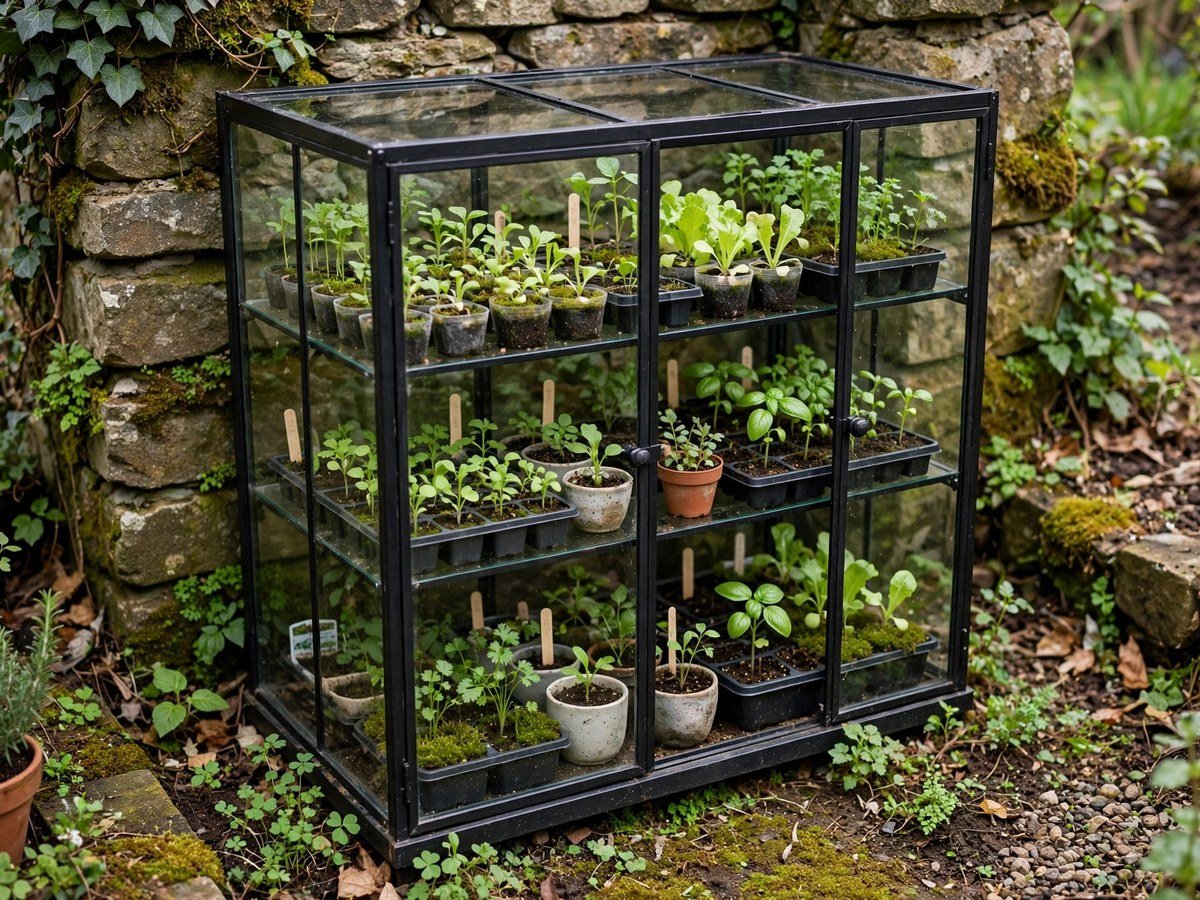
A mini greenhouse — even a shelving unit wrapped in clear plastic or a handsome glass cabinet — extends your season by months. Start seeds in late winter, shelter tender herbs through cold snaps and grow crops that need extra warmth. In the smallest gardens, a lean-to greenhouse against a sunny wall takes up almost no floor space while adding vertical growing room. It is also deeply satisfying to step inside your own tiny glasshouse on a frosty morning.
4. Espalier Fruit Tree
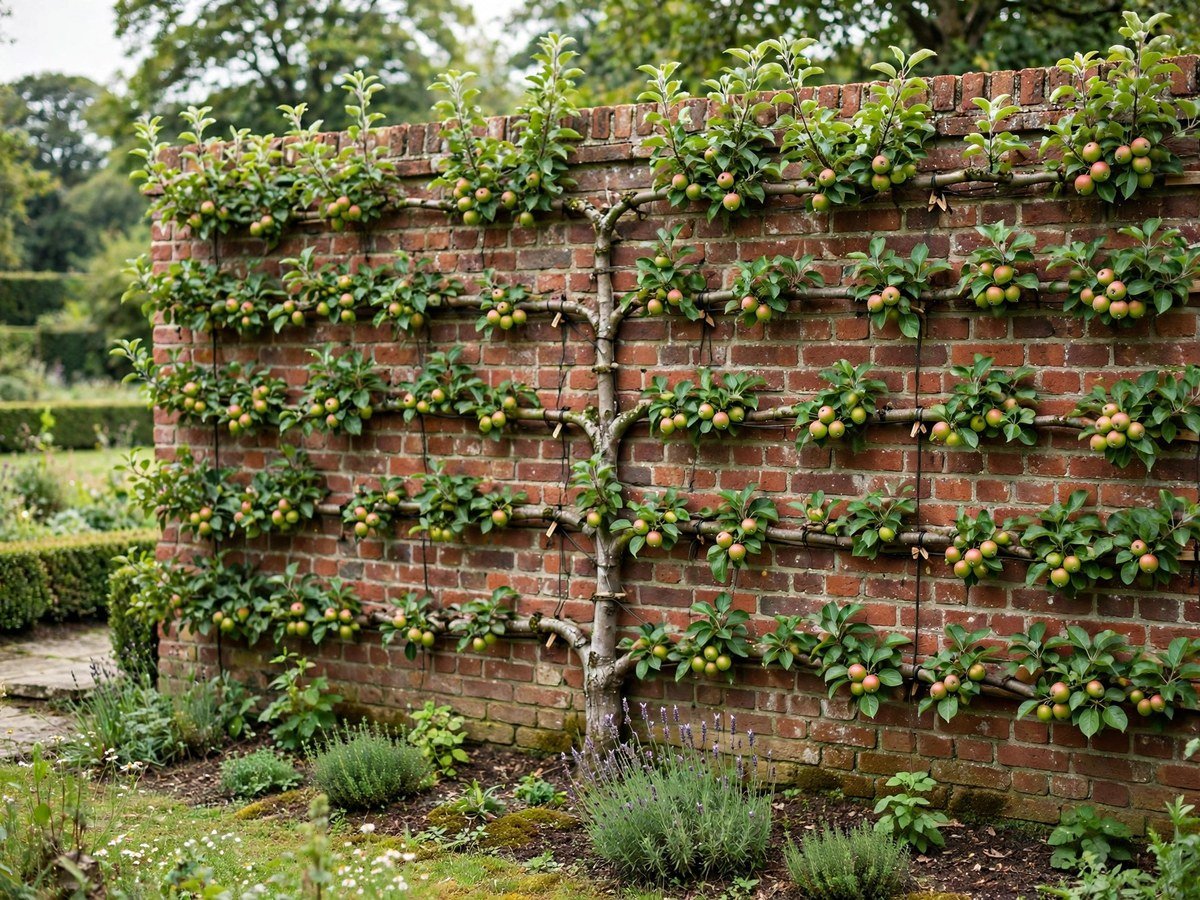
An espaliered fruit tree is the ultimate small-space showpiece: apples, pears or figs trained flat against a wall or fence in elegant horizontal tiers. It needs only a few centimetres of depth yet produces real harvests and looks sculptural year-round — blossom in spring, fruit in summer, bare architectural branches in winter. Plant one against a sunny wall and you gain an orchard without sacrificing a single square metre of ground.
5. Layered Planting
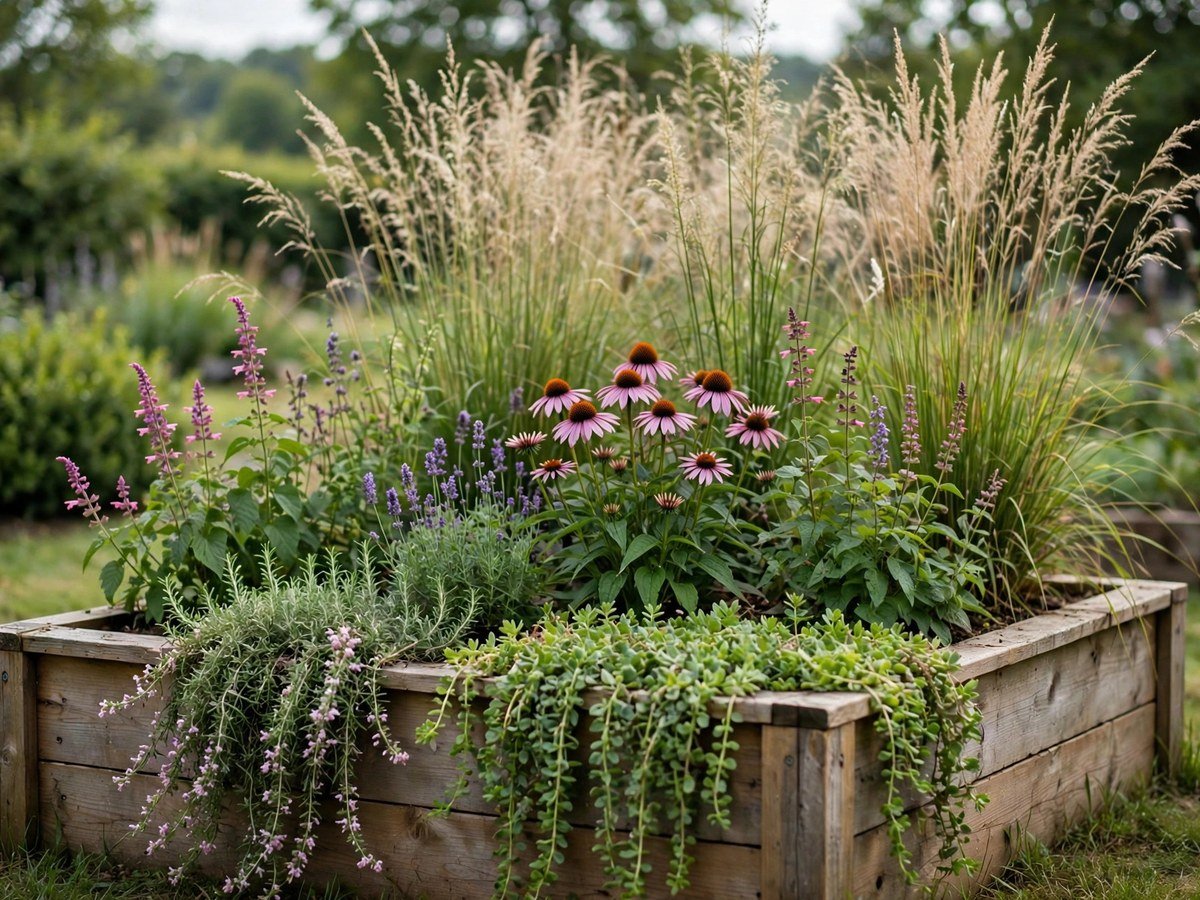
Layering makes a small bed feel deep and abundant. Put tall plants or grasses at the back, mounding perennials in the middle and trailing edgers at the front, then weave bulbs and groundcover through the gaps. Each layer hides the bare stems of the one behind it, so the bed looks full from every angle. In a bed just a metre deep, three layers can hold a dozen species — a whole garden ecosystem in miniature.
6. Mirror Illusion
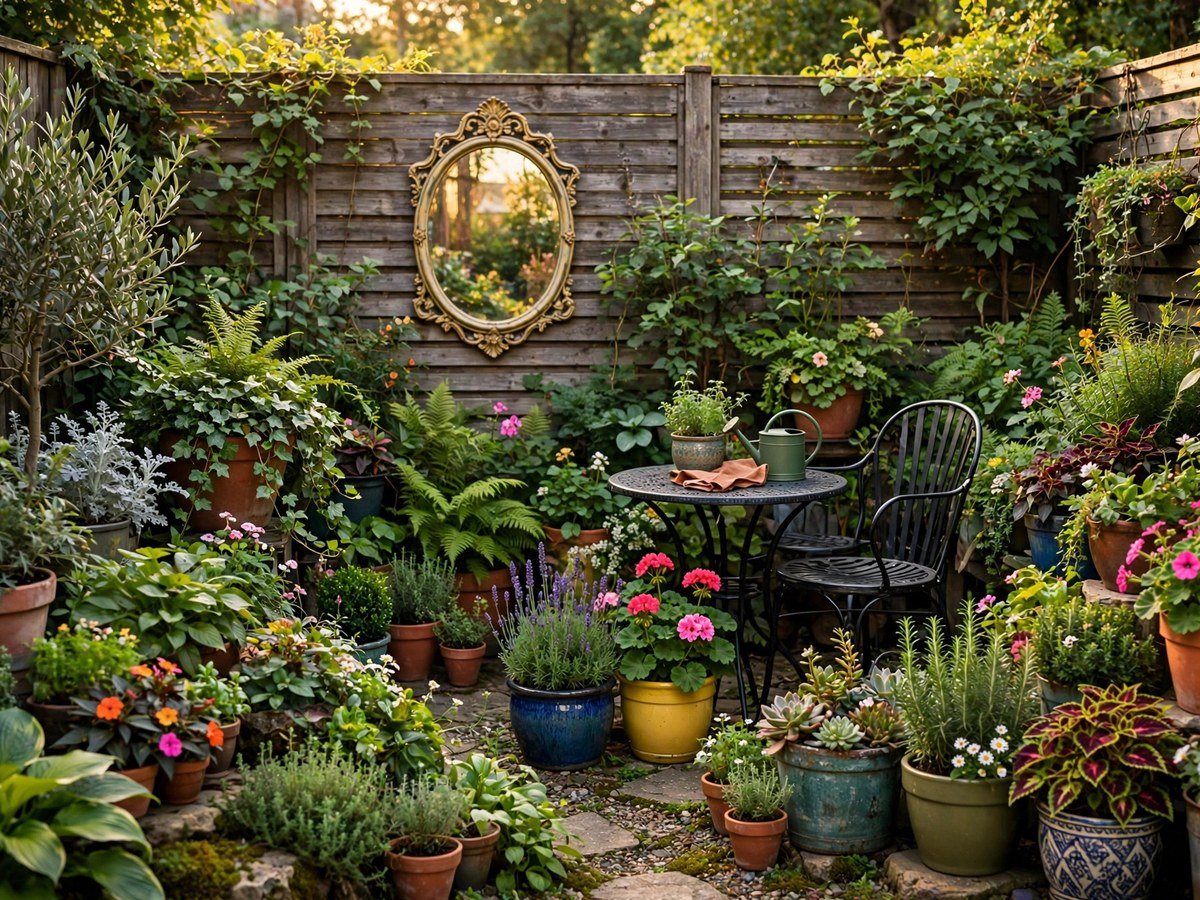
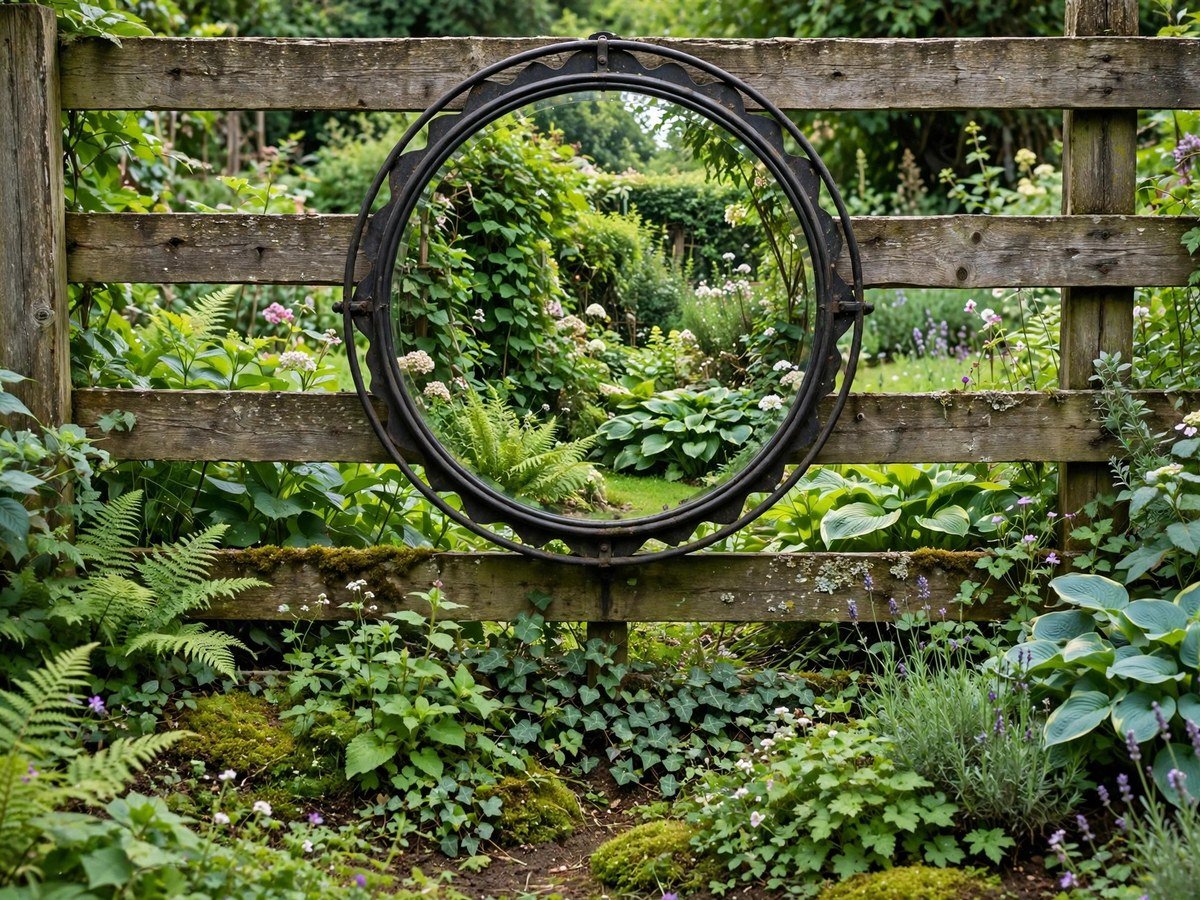
A weatherproof garden mirror is the oldest small-space trick in the book, and it genuinely works. Mounted on a fence or wall among planting, it reflects greenery and light, doubling the sense of depth. Tuck it where it catches the sky or a beautiful plant rather than the house wall, and frame it with foliage so the edges disappear. Visitors will swear your garden is twice its real size.
Smart Rules for Tiny-Space Gardening
Small gardens reward a few simple disciplines. First, repeat plants and colours rather than collecting one of everything — repetition reads as design. Second, keep the palette tight: two or three colours plus green looks intentional, while a rainbow looks chaotic in miniature. Third, invest in good soil and drainage, because every plant is on display. Fourth, light it: a couple of solar lanterns make a tiny garden magical after dark. Finally, edit ruthlessly each season — in a small space, one tired plant drags down the whole show.
Frequently Asked Questions
How do I make a small garden look bigger?
Use the classic tricks together: lay paths or decking on a diagonal, keep planting in layered drifts rather than fussy dots, add a mirror or a glimpse of something beyond the boundary, and repeat a limited palette so the eye flows instead of stopping.
What grows best in a compact garden?
Choose multitaskers: herbs you can eat, dwarf fruit trees, compact hydrangeas, grasses for movement and trailing plants to soften edges. Anything that earns its place with more than one season of interest is gold.
Can I grow vegetables in a tiny space?
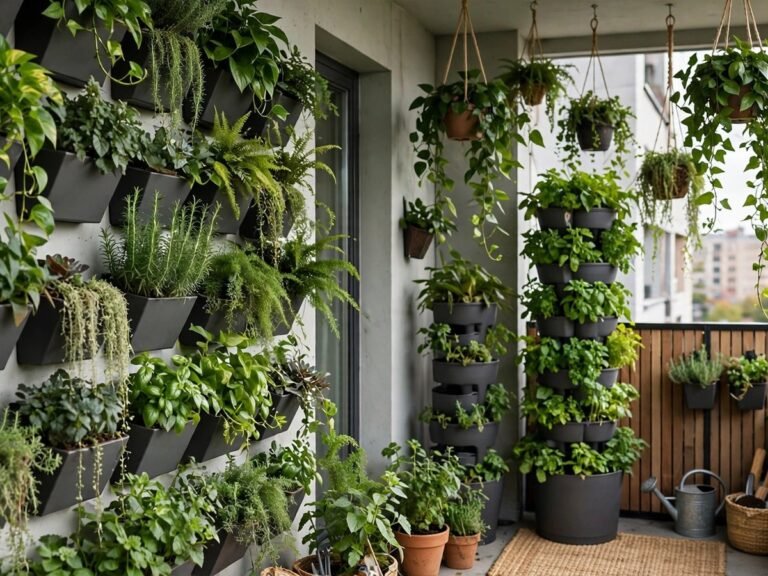
Absolutely. Salad leaves, tomatoes, chillies, beans and herbs all thrive in pots and vertical planters. A two-metre balcony can produce fresh salads all summer with surprisingly little effort.
How much sun does a small garden need?
Most flowering plants want at least six hours, but many small gardens are shady — and shade is fine. Hostas, ferns, astilbe and hydrangeas all love it. Match plants to your light and you will barely need to intervene.
Are small gardens cheaper to maintain?
Yes — less water, less feed, fewer plants to buy and minutes of weeding. The main cost is the initial setup: good containers, soil and a few statement plants pay off for years.
The Takeaway
Your garden’s size is not its destiny. With vertical thinking, layered planting and a few clever illusions, the smallest plot can feel like a private Eden. Start with one idea from this list this weekend — a cluster of pots, a mirror, a nook — and watch your compact garden begin to punch far above its size.