How to Grow a Thriving Vegetable Garden at Home 2026
How to grow a thriving vegetable garden at home is more than just a satisfying hobby—it’s a pathway to healthier eating, sustainable living, and a stronger connection to the food you consume. For U.S. homeowners, whether you have a spacious backyard or a small urban balcony, cultivating a thriving vegetable garden is entirely achievable with the right planning, techniques, and care. This guide will walk you through everything from selecting the right space to maintaining a productive, vibrant garden to How to grow a thriving vegetable garden at home.
How to grow a thriving vegetable garden at home
Follow the steps below for How to grow a thriving vegetable garden at home.
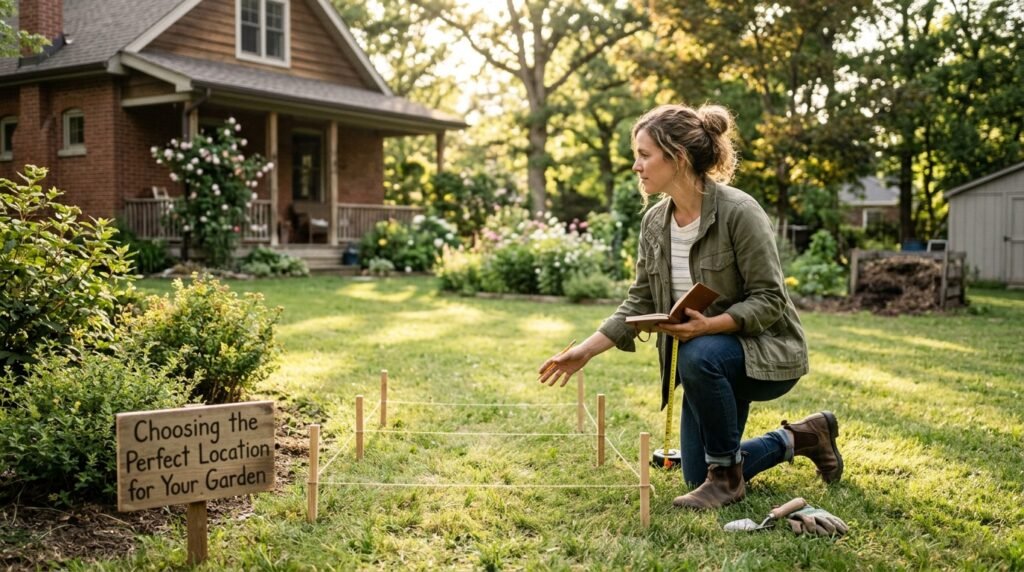
Choosing the Perfect Location for Your Garden
Selecting the right location is the foundation of a successful vegetable garden. Most vegetables require at least 6–8 hours of sunlight per day, so start by observing your yard or outdoor space to identify sunny spots. Avoid shaded areas near large trees or buildings that block sunlight, as limited light can stunt plant growth and reduce yields. these steps will help you on How to grow a thriving vegetable garden.
Soil Quality essential for how to grow a thriving vegetable garden at home
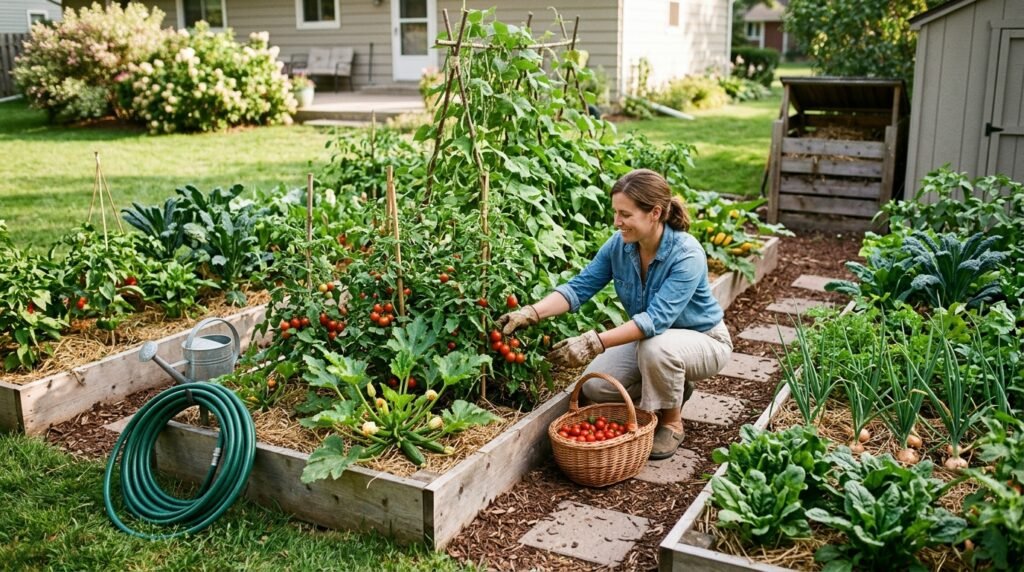
Soil quality is equally critical. While many U.S. homes have soil that supports basic plant growth, vegetable gardens thrive in well-drained, nutrient-rich soil. Conduct a soil test using a home kit or through your local cooperative extension office to check for pH levels, nutrient deficiencies, and soil composition. Ideal garden soil is loamy, slightly acidic to neutral (pH 6–7), and rich in organic matter.
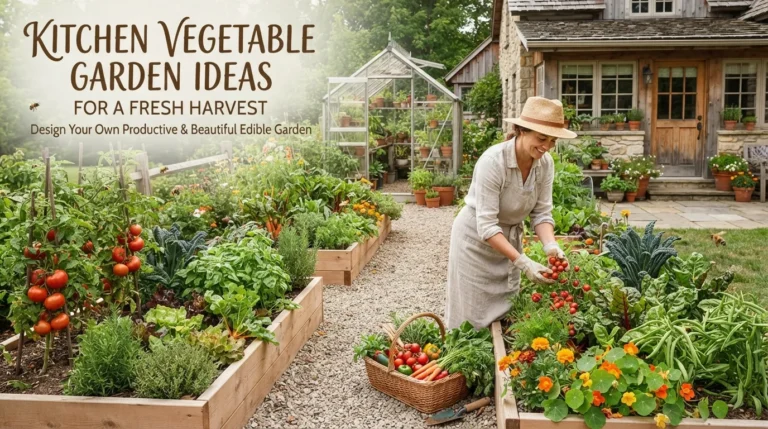
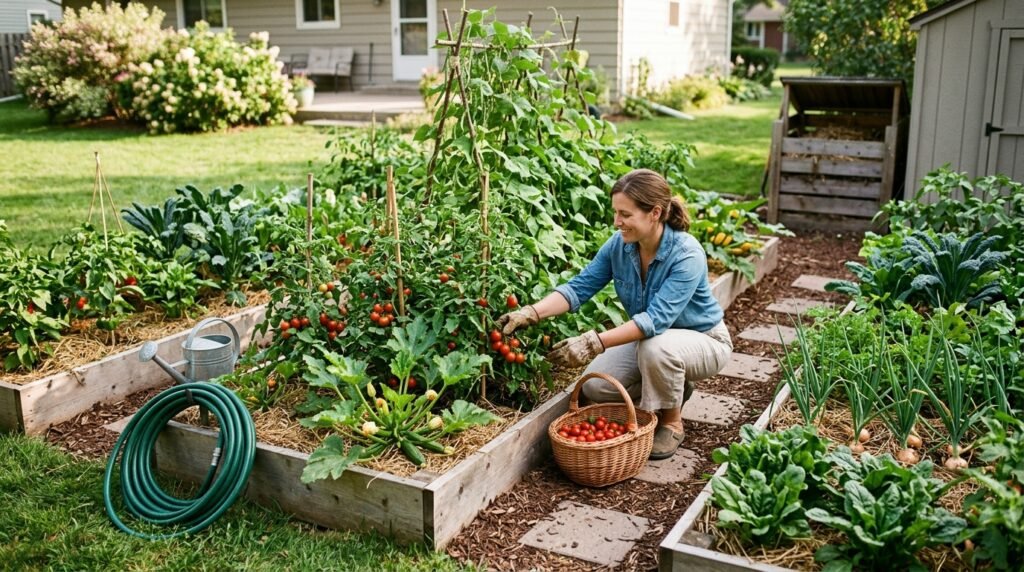
For urban gardeners with limited space, raised beds or container gardens offer excellent alternatives. Raised beds improve drainage, reduce soil compaction, and allow for precise control over soil quality. Containers, from pots to vertical garden structures, enable vegetable growing even on patios or balconies. Consider the mature size of your plants when selecting containers; deeper-rooted vegetables like carrots or tomatoes need at least 12–18 inches of soil depth.
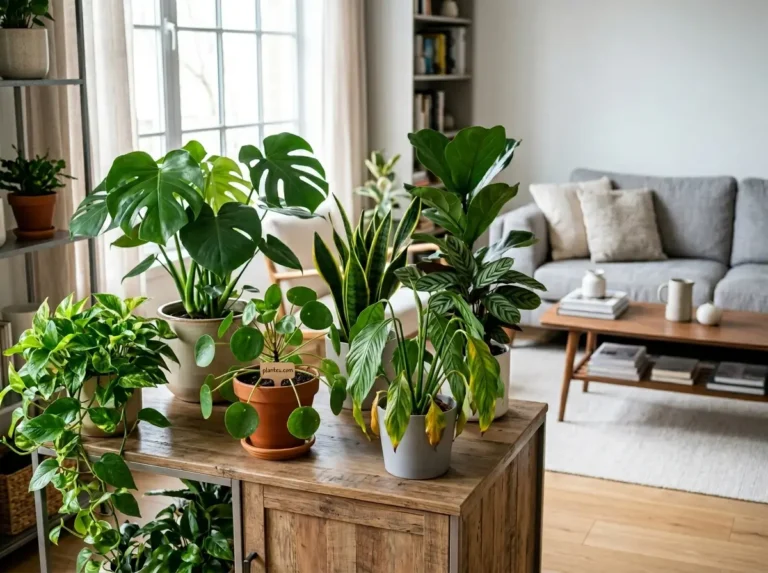
also check for 25 Indoor Plants That Will Instantly Brighten Your Home
Selecting Vegetables for Your Garden
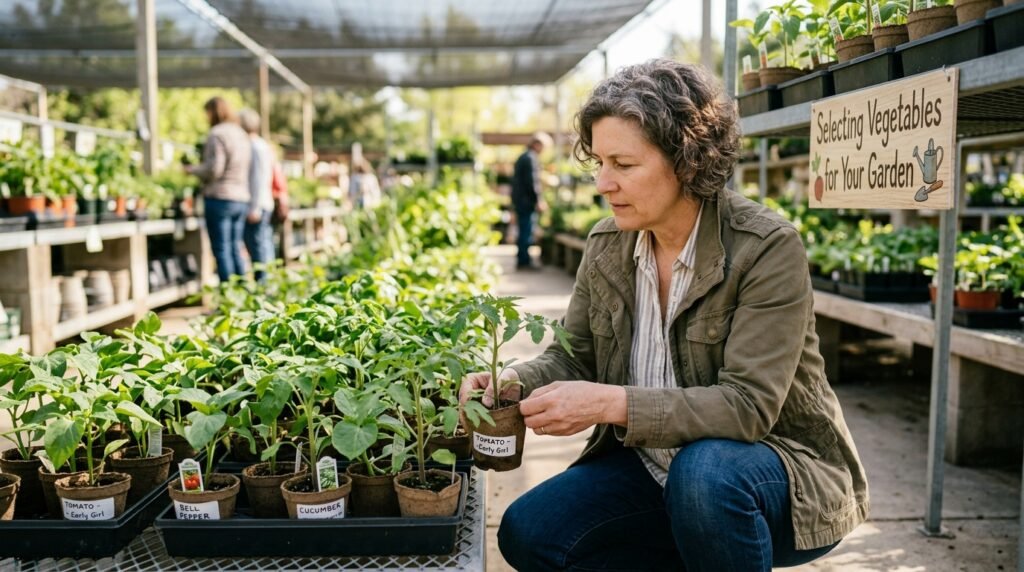
Once you’ve chosen your location, it’s time to select vegetables suited to your climate, growing season, and personal preferences. In the U.S., regional climates vary widely—from the humid Southeast to the arid Southwest—so understanding your USDA hardiness zone will guide your plant selection. Common vegetables that thrive in most zones include tomatoes, peppers, lettuce, spinach, carrots, cucumbers, and beans.
When planning your garden, consider seasonal planting. Cool-season vegetables like broccoli, kale, and radishes grow best in spring and fall, while warm-season crops such as tomatoes, squash, and corn flourish during summer. Staggering planting times, a technique called succession planting, ensures a continuous harvest throughout the growing season, preventing large gaps in vegetable production.
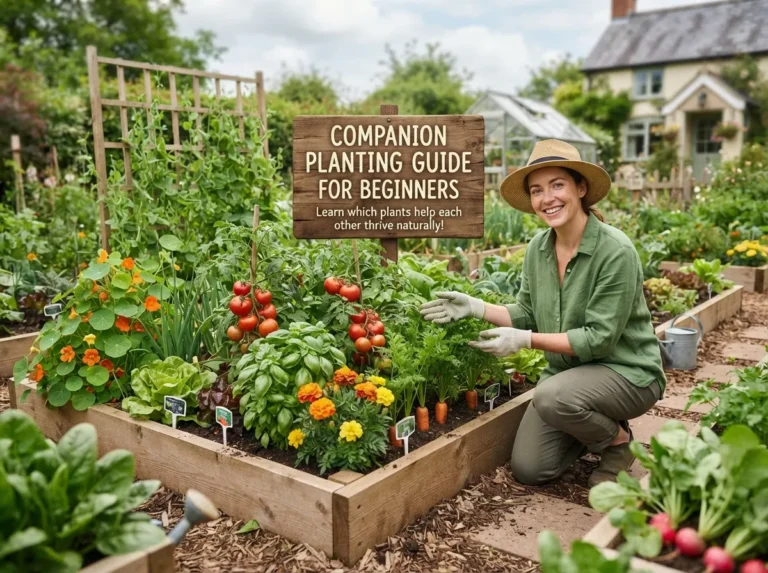
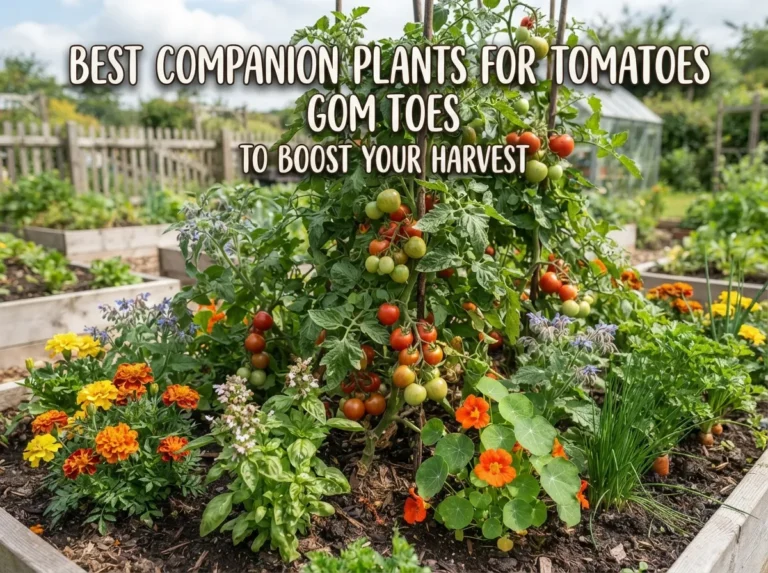
Companion planting can enhance productivity naturally. Pairing vegetables that support each other—for example, planting basil near tomatoes—can improve flavor and deter pests. Avoid planting crops from the same family in the same spot year after year to reduce the risk of soil-borne diseases.
Preparing the Soil and Planting
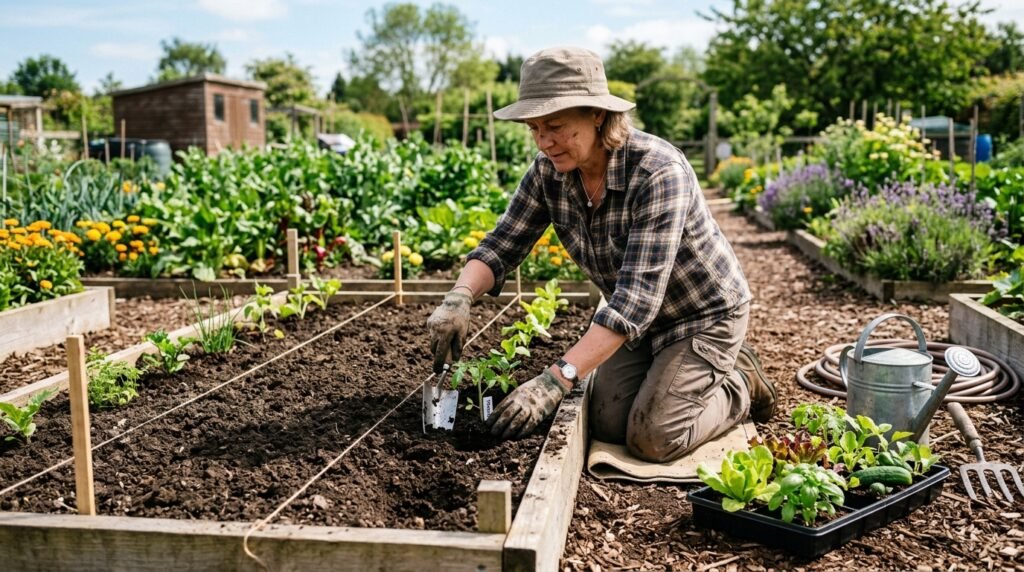
Healthy soil is the backbone of a thriving vegetable garden. Begin by clearing the area of weeds and debris. Loosen the soil with a spade or garden fork, breaking up clumps and ensuring aeration for root growth. Incorporate compost or organic matter to enrich nutrients and improve soil structure. U.S. gardeners can source high-quality compost from local garden centers, municipal compost programs, or by creating their own.
Planting method
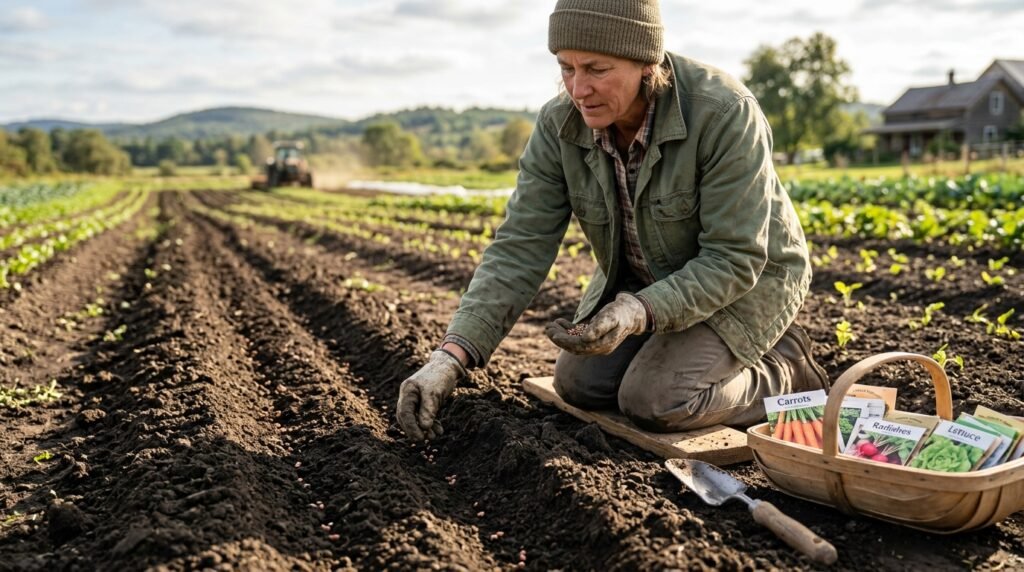
Planting methods vary depending on vegetable type. Seeds are a cost-effective choice and provide a sense of accomplishment as they grow. Start seeds indoors for early spring planting in colder climates, using seed trays or small pots under grow lights or near a sunny window. Transplant seedlings outdoors once they are strong enough and the risk of frost has passed. For direct sowing, follow seed packet instructions for spacing and depth to avoid overcrowding, which can lead to poor growth and disease.
Mulching
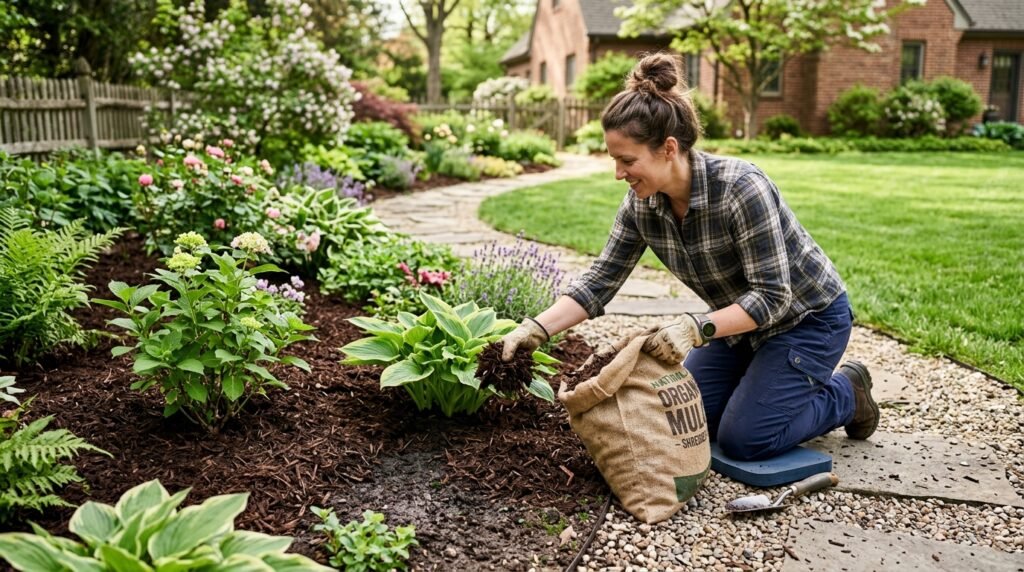
Mulching is an essential step after planting. Applying a 2–3 inch layer of organic mulch, such as straw, shredded leaves, or grass clippings, helps retain moisture, suppress weeds, and maintain consistent soil temperature. Mulching also gradually adds nutrients as it decomposes, improving long-term soil health.
Watering and Maintenance
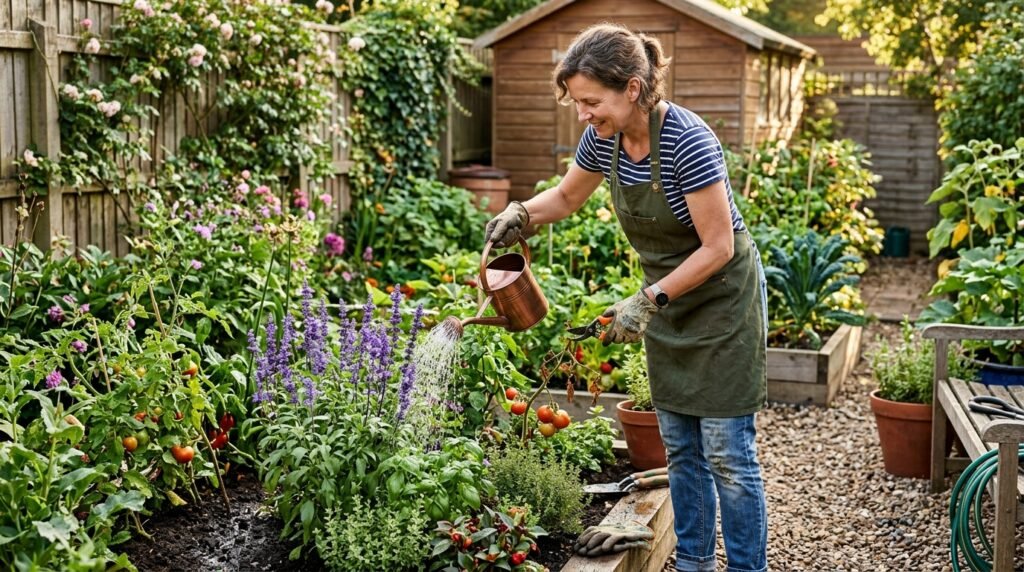
Consistent watering is crucial for vegetable growth. Most vegetables require 1–1.5 inches of water per week, but the frequency depends on soil type, weather, and plant maturity. Early morning watering is ideal, as it reduces evaporation and allows leaves to dry during the day, minimizing the risk of fungal diseases. Drip irrigation or soaker hoses provide water directly to the roots, reducing water waste and preventing wet foliage.
Regular maintenance includes weeding, pruning, and monitoring for pests and diseases. Weeds compete for nutrients and water, so remove them promptly. Pruning certain plants, such as indeterminate tomatoes, encourages better air circulation and higher fruit production. Be vigilant for common U.S. garden pests like aphids, caterpillars, and slugs, and employ natural remedies such as neem oil, insecticidal soap, or introducing beneficial insects like ladybugs.
Rotate crops annually to prevent soil depletion and reduce pest and disease pressure. Crop rotation is especially effective for families like nightshades (tomatoes, peppers, eggplants) and legumes (beans, peas) to maintain soil balance and health.
Harvesting and Extending Your Garden Season
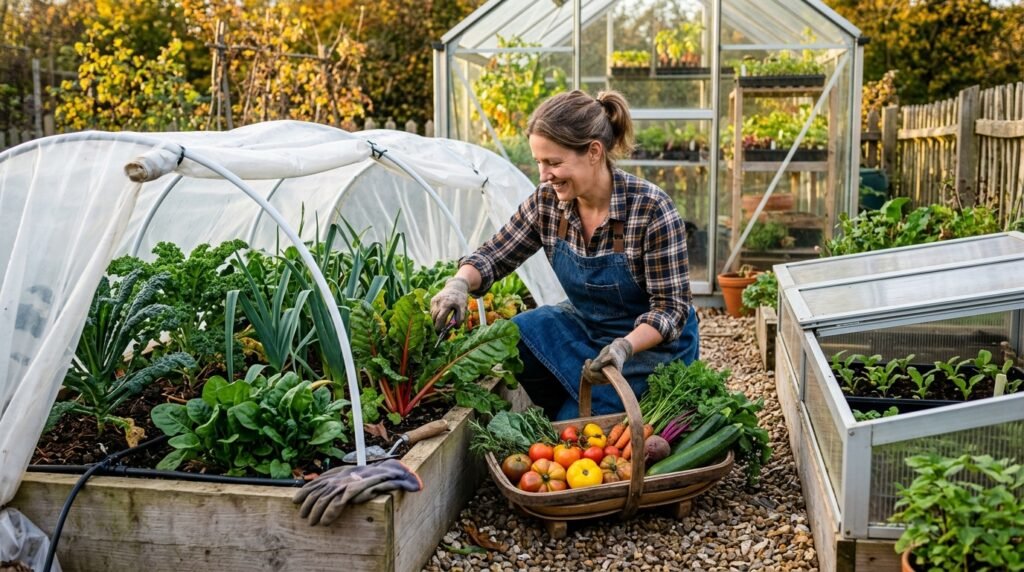
Knowing when to harvest ensures the best flavor and maximum nutritional value. Most vegetables are ready for harvest when they reach mature size but are still tender. Pick regularly to encourage continued production, especially for crops like beans, zucchini, and cucumbers. Early harvesting also prevents overripe vegetables from attracting pests or disease.
For U.S. gardeners in cooler regions, consider extending your growing season with cold frames, row covers, or high tunnels. These protective structures can shield plants from frost, wind, and excessive rain, allowing for an earlier start in spring and a later harvest in fall. Indoor gardening using grow lights is another option to grow vegetables year-round, particularly leafy greens and herbs.
Preserving your harvest through freezing, canning, or drying ensures that your hard work benefits your household well beyond the growing season. Proper storage techniques maintain freshness and reduce food waste.
Tips for a Sustainable and Thriving Garden
- Use organic fertilizers: Natural fertilizers like compost tea, fish emulsion, or bone meal provide essential nutrients without harming the environment.
- Encourage pollinators: Plant flowers such as marigolds, sunflowers, and zinnias to attract bees and butterflies, which are crucial for vegetable production.
- Track growth and experiment: Keep a gardening journal noting planting dates, weather conditions, and harvest yields. Over time, this data helps you refine your techniques and improve outcomes.
In addition to enhancing yields, sustainable practices such as water conservation, composting, and integrated pest management create a healthier ecosystem, benefiting both your garden and your local environment.
Conclusion
In above article we have described how to grow a thriving vegetable garden at home is both rewarding and practical. By selecting the right location, preparing nutrient-rich soil, choosing suitable vegetables, and maintaining consistent care, you can enjoy a steady supply of fresh, healthy produce. Gardening is not just about food—it’s about cultivating patience, learning about your environment, and reconnecting with nature. Whether you’re a beginner in a small apartment garden or managing an expansive backyard plot, these strategies will help you cultivate a vibrant, productive vegetable garden year after year.