How to Start a Sustainable Garden at Home 2026
How to start a sustainable garden at home is not just a trend—it’s a way to grow your own food, conserve resources, and support the environment. Sustainable gardening focuses on eco-friendly practices that reduce waste, promote biodiversity, and minimize chemical usage. Whether you have a small backyard, a balcony, or a suburban yard, these strategies will help you start a sustainable garden that thrives while being kind to the planet.
Moreover, for more guides on how to start a sustainable garden at home keep exploring this article below:
How to start a sustainable garden at home
Check these information below on How to start a sustainable garden at home.
1. Choose the Right Location
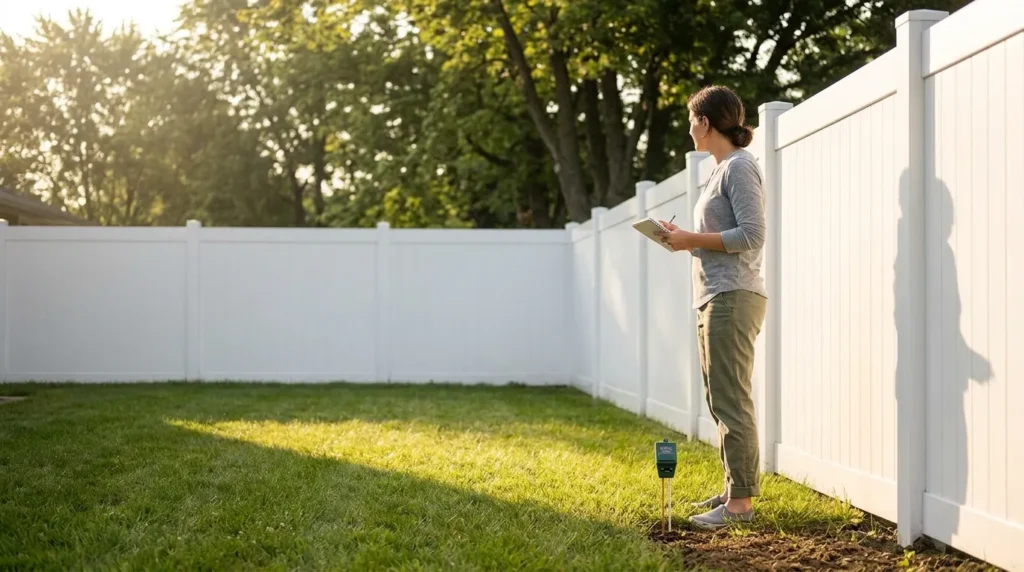
Selecting the best location is the first step in sustainable gardening. Look for an area with adequate sunlight for vegetables, herbs, and flowering plants. South-facing spots usually get the most sunlight. Make sure your garden is accessible for watering and maintenance, and consider natural windbreaks to protect delicate plants.
2. Test and Improve Your Soil
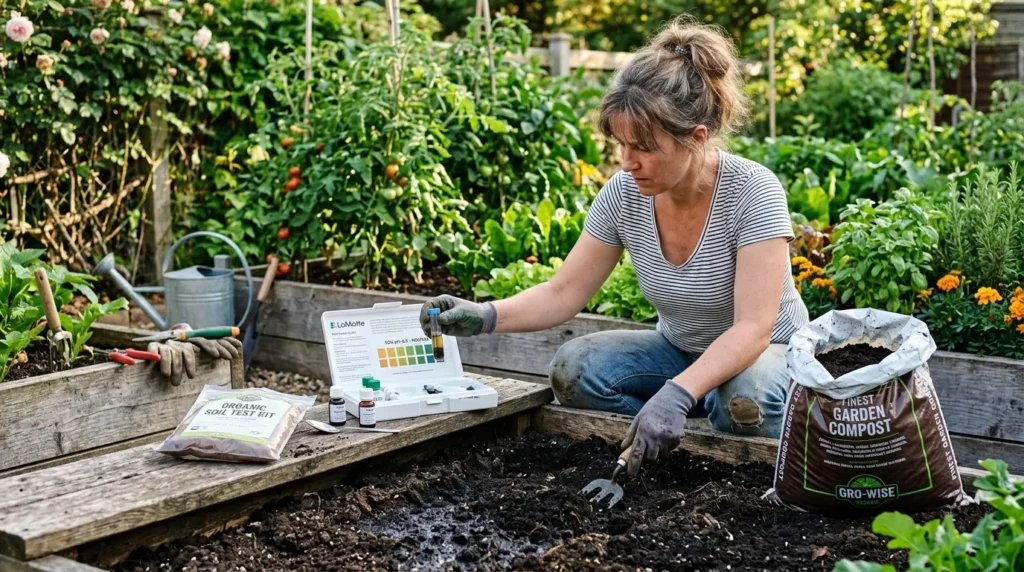
To know How to Start a Sustainable Garden you need Healthy soil is the foundation of a sustainable garden. Test your soil for pH, nutrients, and texture. Incorporate compost, organic matter, and natural fertilizers to improve fertility. Avoid synthetic chemicals that can harm beneficial soil organisms. Mulching with straw, leaves, or wood chips also helps retain moisture and reduce weeds.
3. Use Native and Drought-Tolerant Plants
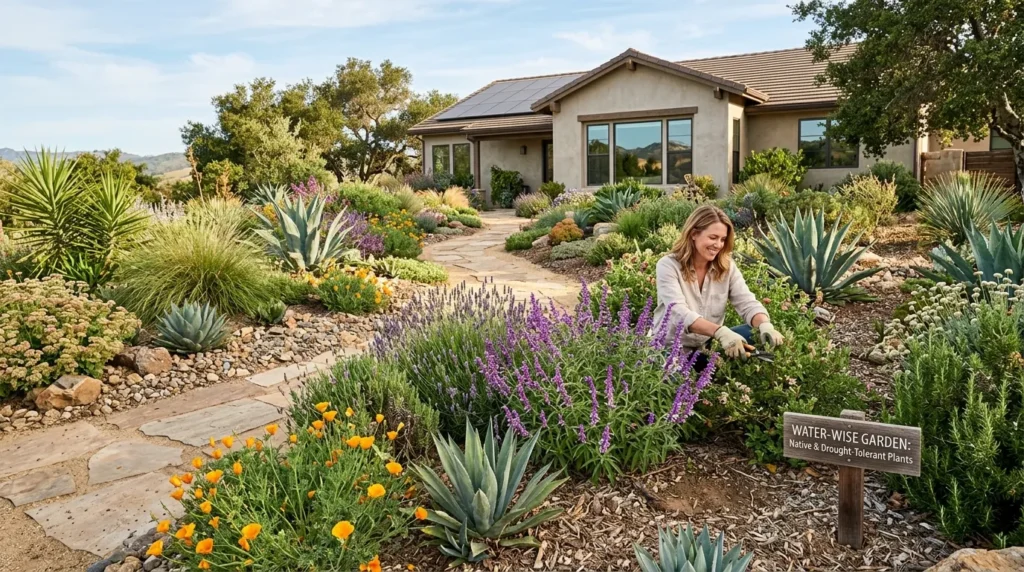
Native plants are adapted to your local climate, making them low-maintenance and more resilient. Drought-tolerant species, such as lavender, coneflowers, and succulents, reduce water usage while supporting local pollinators. Planting a mix of perennials, annuals, and shrubs can create a diverse, sustainable ecosystem.
Look more ways below on How to Start a Sustainable Garden at Home.
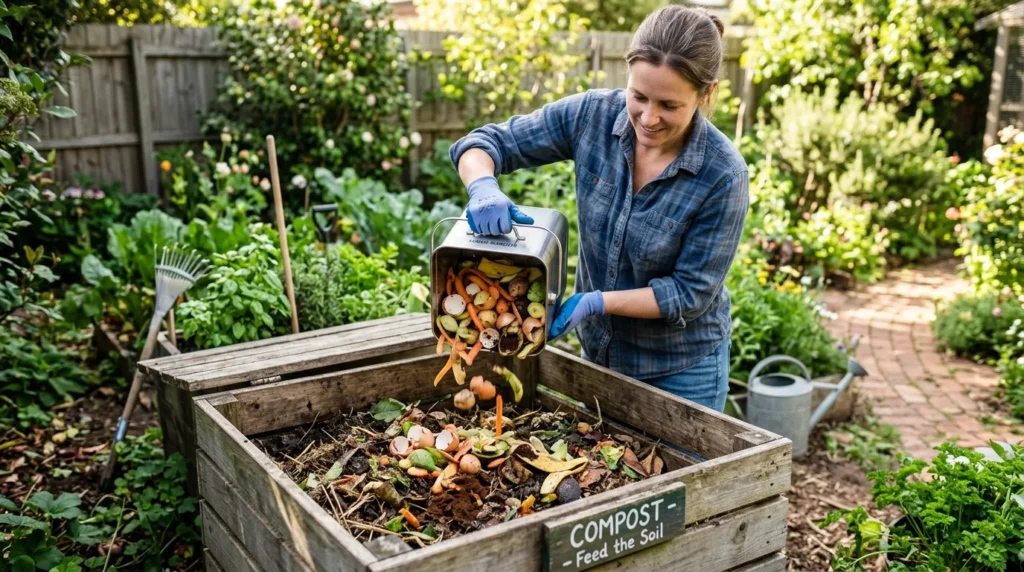
4. Start Composting at Home
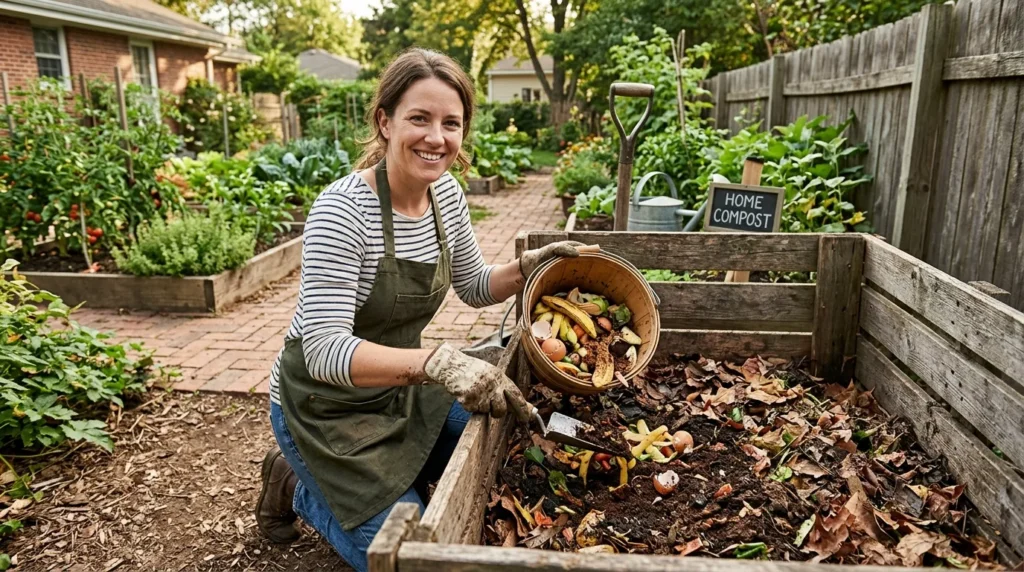
Composting is one of the most effective ways to recycle kitchen and yard waste. Use a compost bin or pile to turn food scraps, grass clippings, and leaves into nutrient-rich soil. Compost reduces landfill waste, enriches your garden naturally, and helps retain soil moisture, promoting sustainable growth.
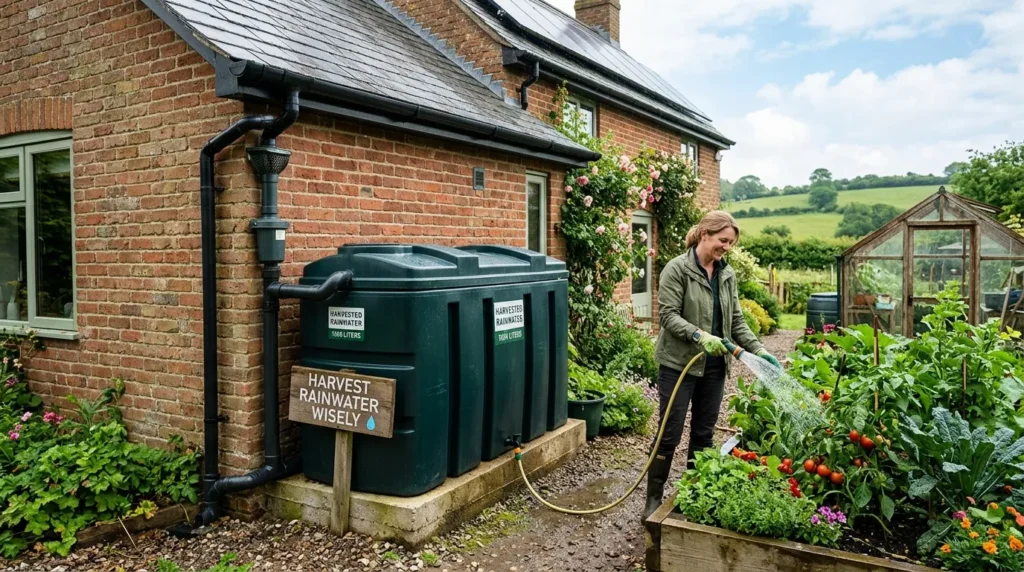
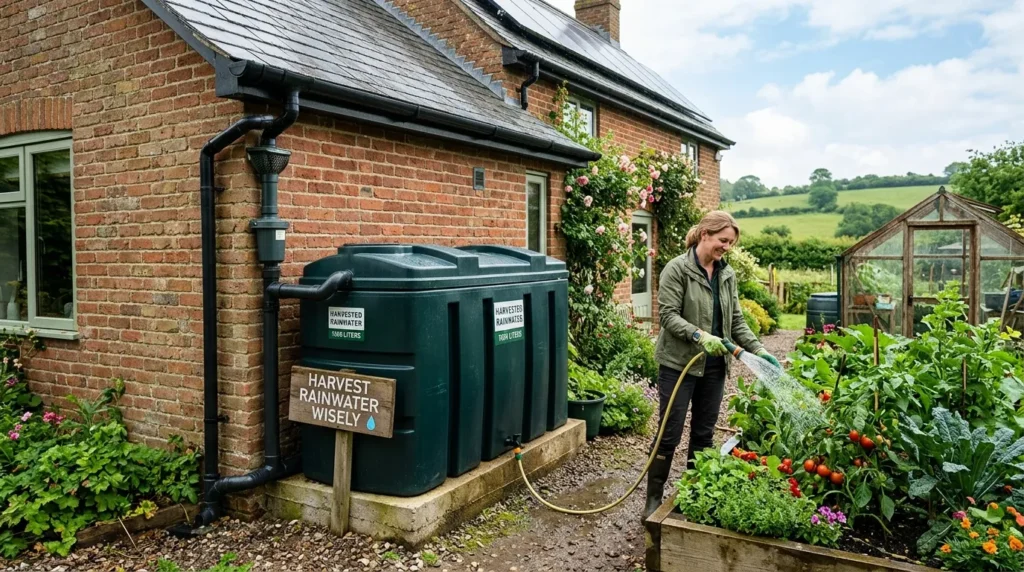
5. Collect and Reuse Rainwater
Installing a rainwater harvesting system is a sustainable way to water your garden. Rain barrels or larger cisterns collect runoff from roofs, providing free, chemical-free water for plants. This method conserves water and reduces your dependence on municipal water supplies.
also check out: 25 Flower Garden Ideas That Will Brighten Your Yard
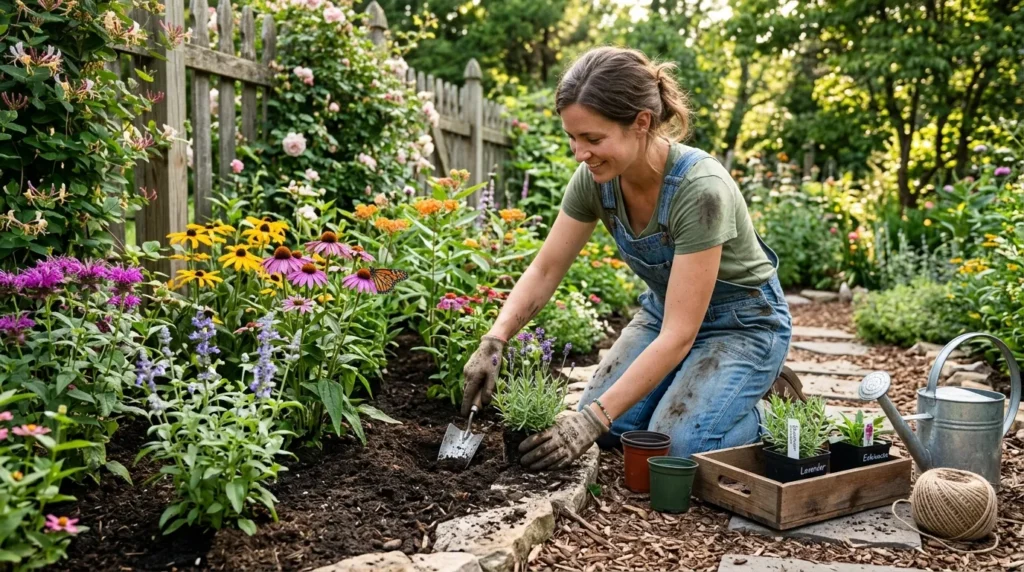
6. Plant a Pollinator Garden
Pollinators like bees, butterflies, and hummingbirds are essential for a thriving garden. Include flowers such as sunflowers, zinnias, milkweed, and lavender. By creating a pollinator-friendly space, you help maintain local biodiversity and improve crop yields for fruits and vegetables.
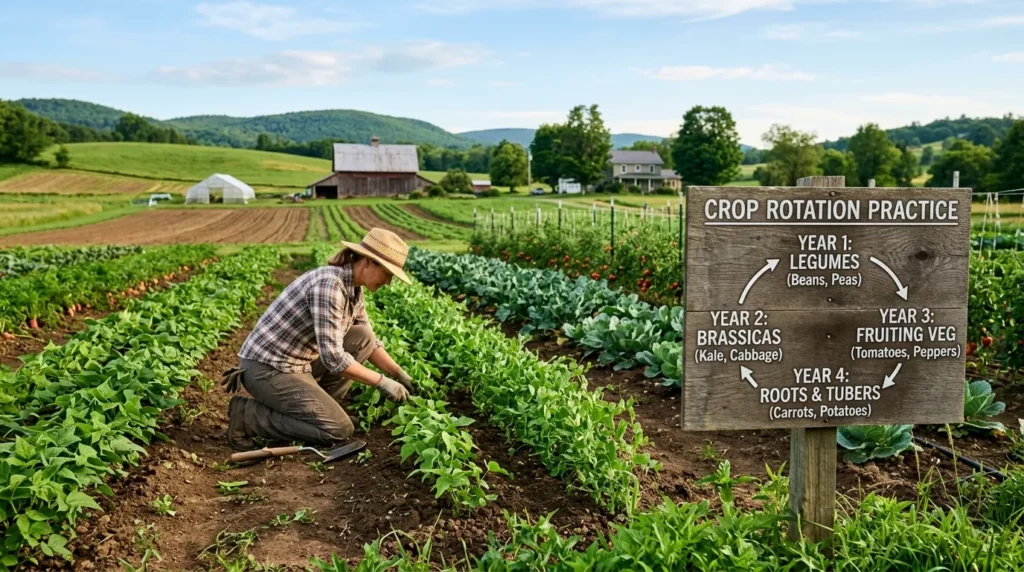
7. Practice Crop Rotation
If you’re growing vegetables, practice crop rotation to maintain healthy soil. Rotate crops such as leafy greens, root vegetables, and legumes in different garden beds each season. This prevents soil depletion, reduces pests and disease, and promotes long-term sustainability.
8. Implement Companion Planting
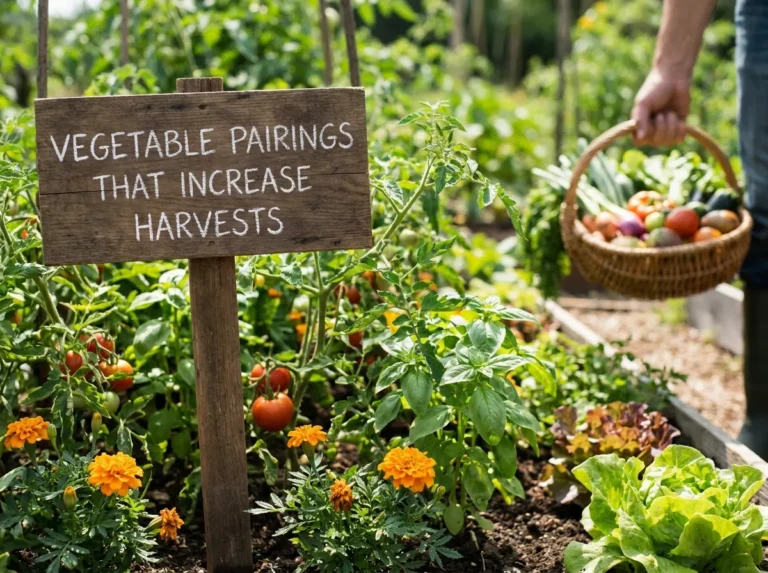
Companion planting is a natural way to boost growth and deter pests. For example, plant basil near tomatoes to improve flavor and repel harmful insects. Marigolds can be used alongside vegetables to prevent nematodes and other soil pests. Companion planting reduces the need for chemical pesticides.
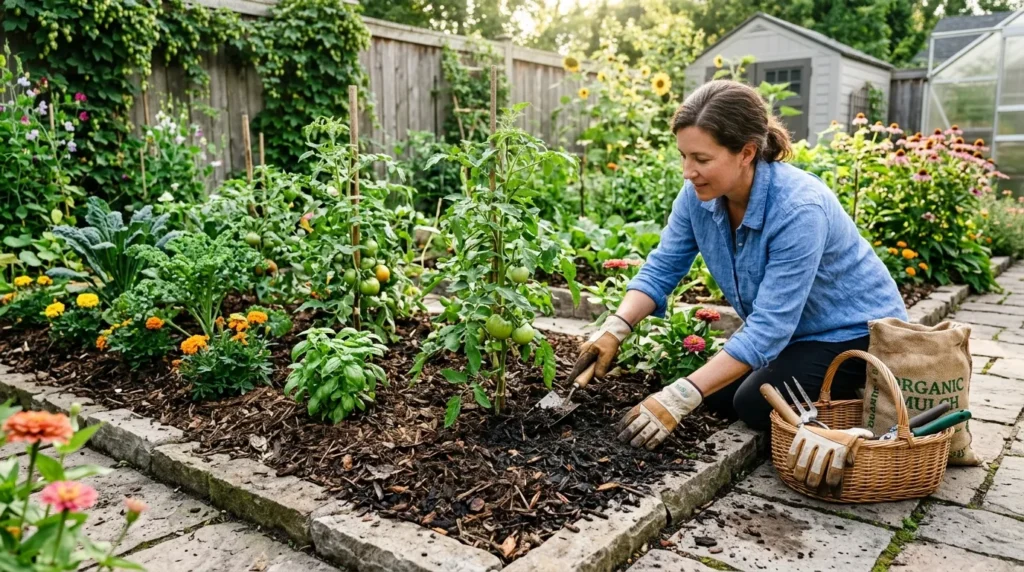
9. Use Organic Mulch
Mulching with organic materials like wood chips, straw, or shredded leaves helps retain soil moisture, suppress weeds, and gradually improve soil fertility. Mulch also moderates soil temperature, protecting plants during extreme weather conditions.
10. Incorporate Perennial Vegetables and Herbs
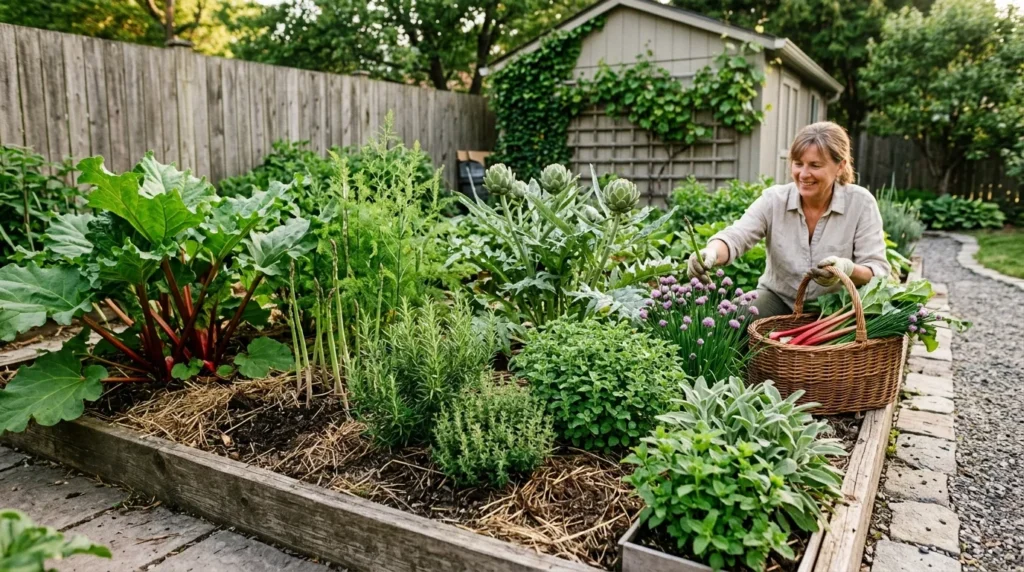
Perennials such as asparagus, rhubarb, and rosemary return year after year, reducing the need for replanting. They provide continuous harvests with minimal maintenance, making them ideal for sustainable home gardens.
11. Grow Edible Landscaping
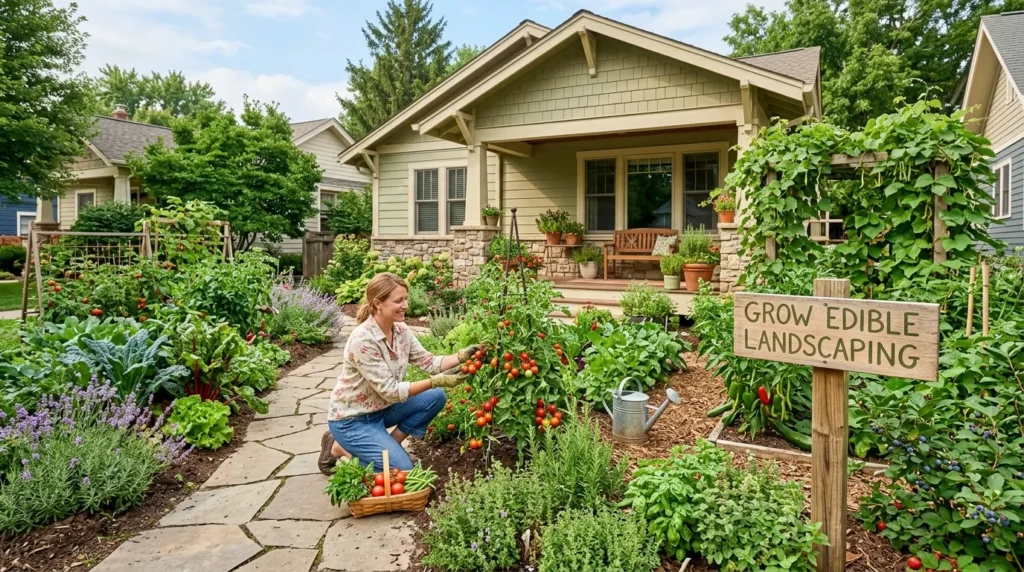
Combine aesthetics and function by integrating edible plants into your garden design. Fruit trees, berry bushes, and herbs can be planted alongside decorative flowers or shrubs. This approach maximizes space and adds beauty while producing fresh, organic food.
12. Reduce Chemical Inputs
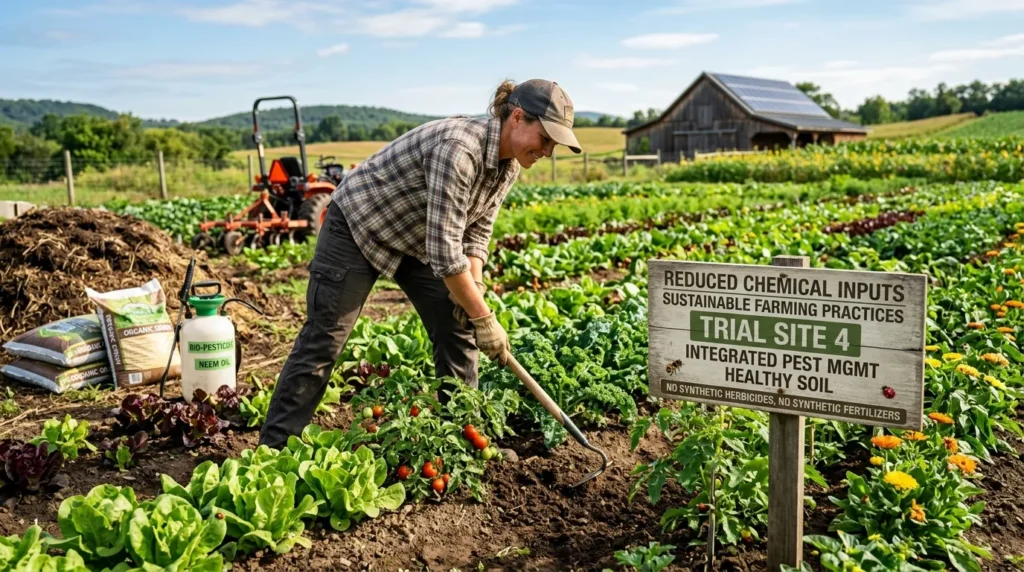
Avoid synthetic fertilizers, herbicides, and pesticides. Use natural alternatives like neem oil, insecticidal soaps, or organic fertilizers. Encouraging beneficial insects such as ladybugs and predatory wasps helps control pests naturally, keeping your garden chemical-free.
13. Conserve Water Efficiently
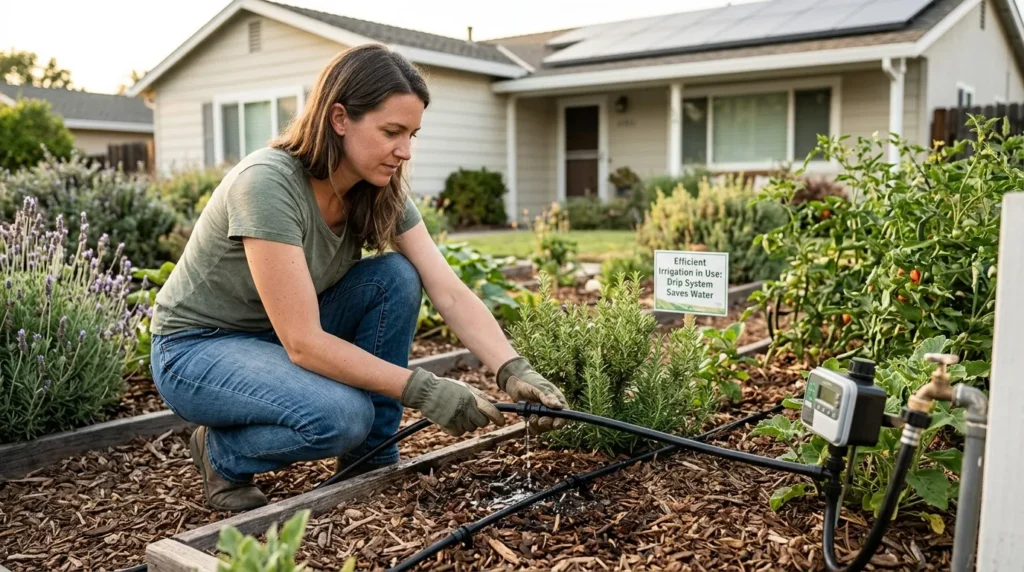
Water-efficient gardening is key to sustainability. Use drip irrigation, soaker hoses, or self-watering containers to minimize water waste. Water plants early in the morning or late in the evening to reduce evaporation. Group plants with similar water needs to streamline irrigation.
14. Create Habitat for Wildlife
Leave areas of your yard wild or add birdhouses, insect hotels, and small ponds to attract wildlife. Native birds and insects provide natural pest control and contribute to a balanced ecosystem, supporting your garden’s long-term health.
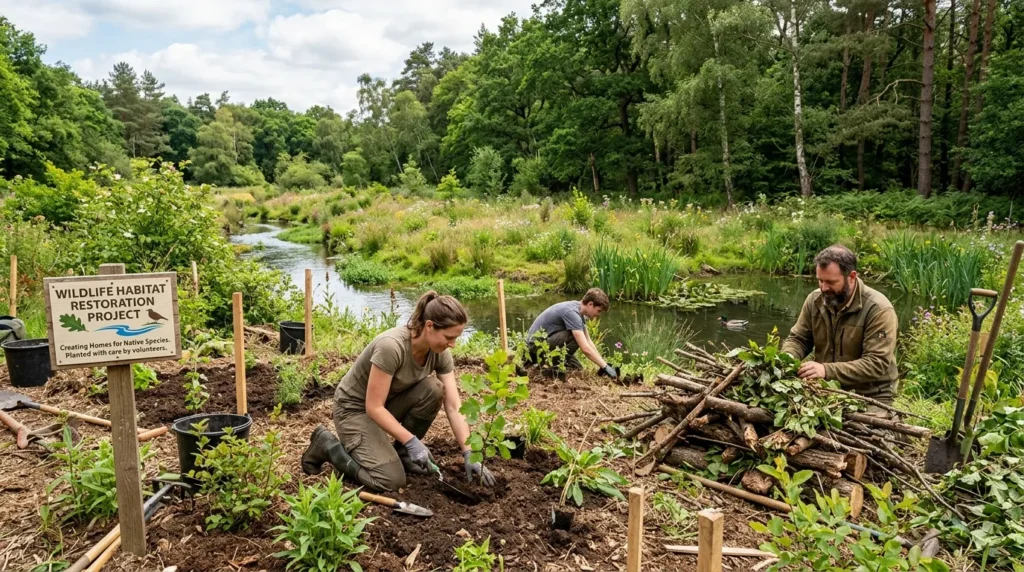
15. Start Seeds Indoors
Growing plants from seeds reduces waste from commercial seedlings and allows you to control the quality of your plants. Start seeds indoors in small pots or trays using organic soil and transplant seedlings when ready. This method is eco-friendly and cost-effective.
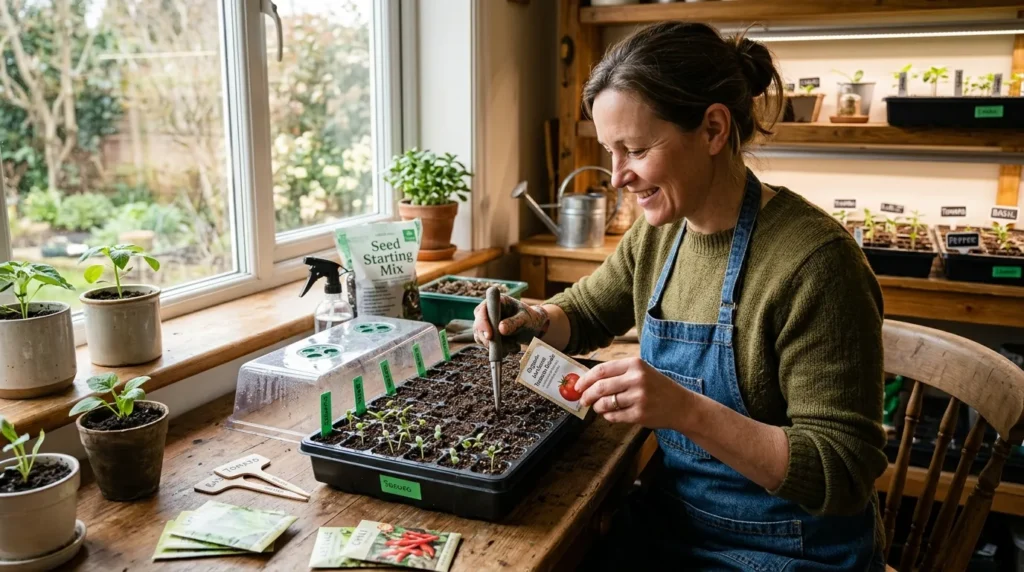
16. Rotate Seasonal Crops
Sustainable gardens benefit from growing a variety of seasonal crops. Plant cool-season vegetables like lettuce and spinach in spring and fall, and warm-season crops like tomatoes and peppers in summer. Seasonal rotation improves soil health and provides fresh produce year-round.
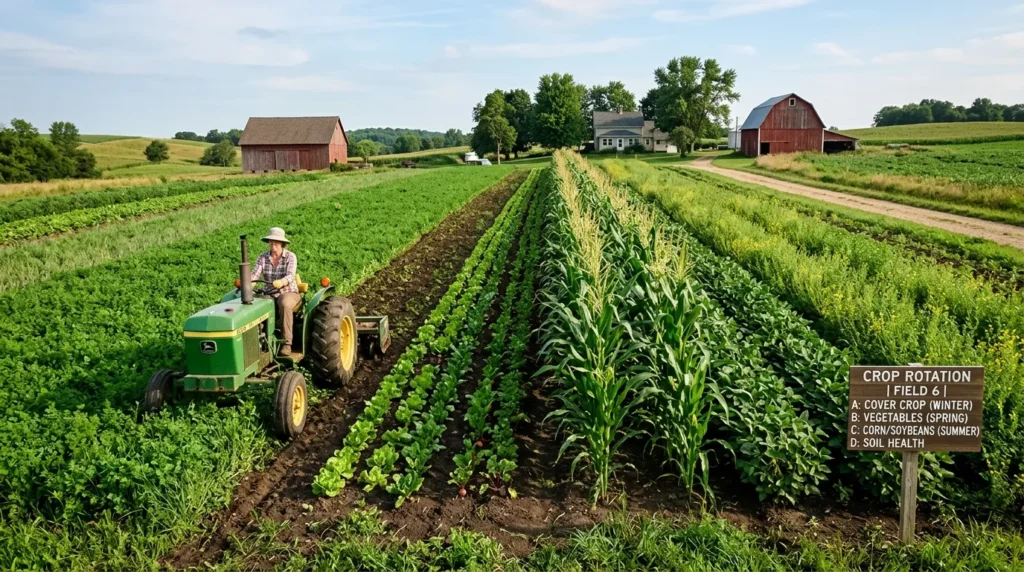
17. Build Raised Beds
Raised garden beds improve drainage, reduce soil compaction, and make gardening accessible. Use sustainably sourced wood or recycled materials to construct your beds. Raised beds allow better control over soil quality and reduce the need for chemical inputs.
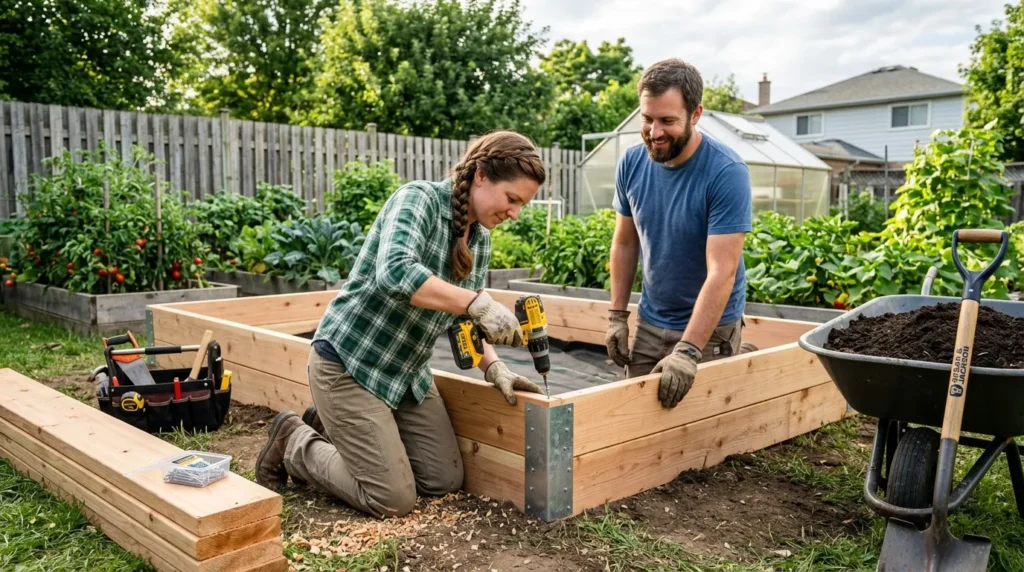
18. Incorporate Vertical Gardening
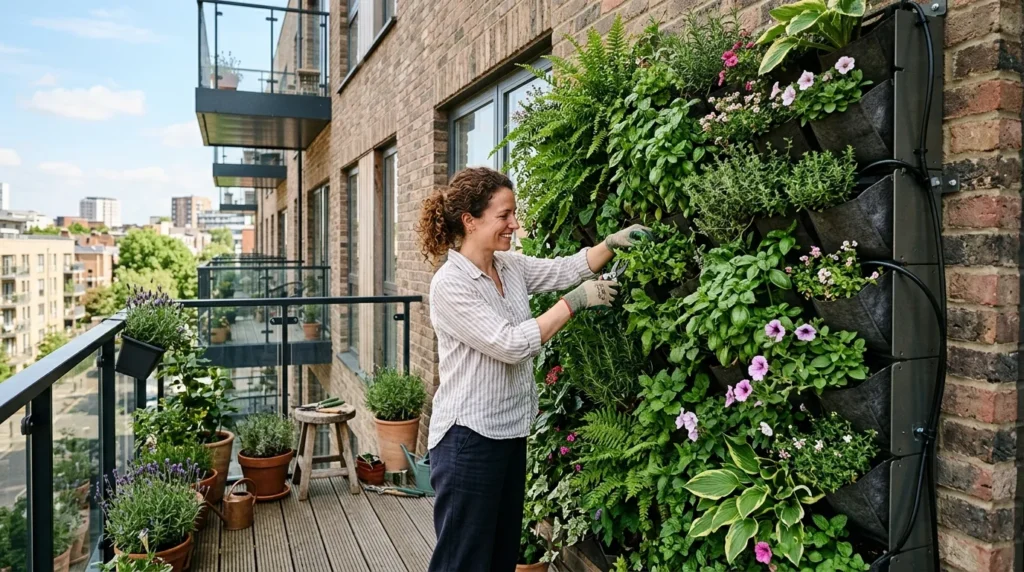
Maximize limited space with vertical gardening. Use trellises, wall planters, or hanging baskets for climbing vegetables and flowers. Vertical gardening increases yield, improves air circulation, and adds visual interest to small yards or patios.
19. Practice No-Dig Gardening
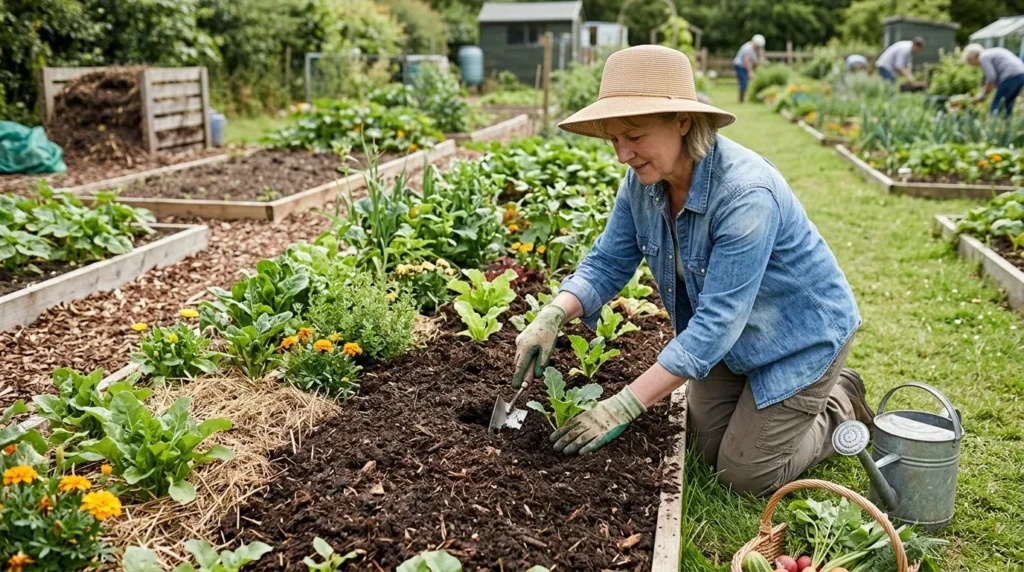
No-dig gardening preserves soil structure and reduces erosion. Instead of tilling, layer organic materials like compost, mulch, and straw directly on top of the soil. This approach promotes healthy soil organisms and reduces labor while maintaining sustainable growth.
20. Use Recycled and Upcycled Materials
Repurpose containers, old pallets, and tires to create garden planters and structures. Upcycling reduces waste and adds a creative, eco-friendly element to your sustainable garden.

21. Focus on Low-Maintenance Plants
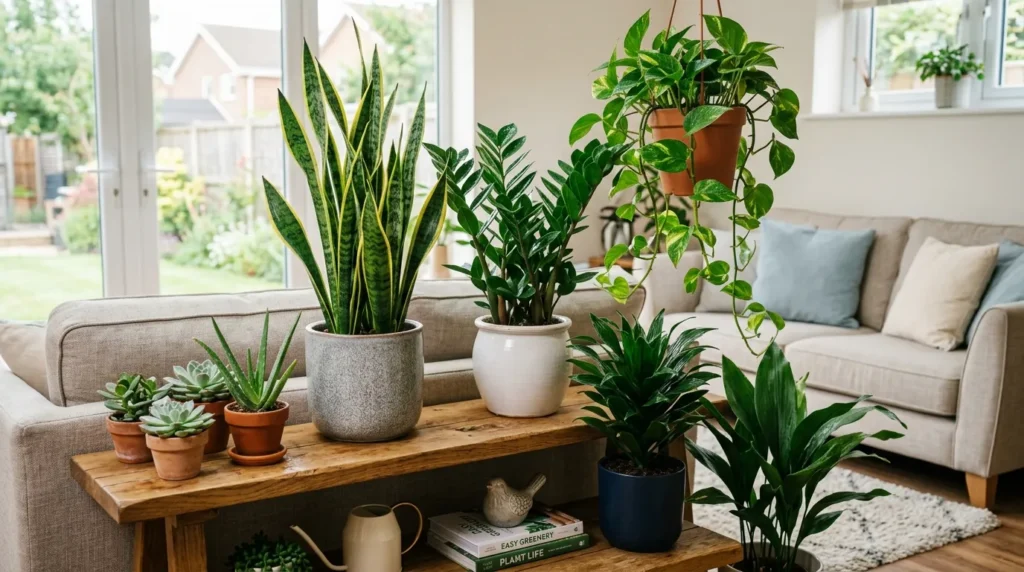
Select plants that require minimal care, such as sedum, lavender, and ornamental grasses. Low-maintenance plants reduce water use, labor, and chemical needs, supporting a sustainable and manageable garden.
22. Encourage Beneficial Insects
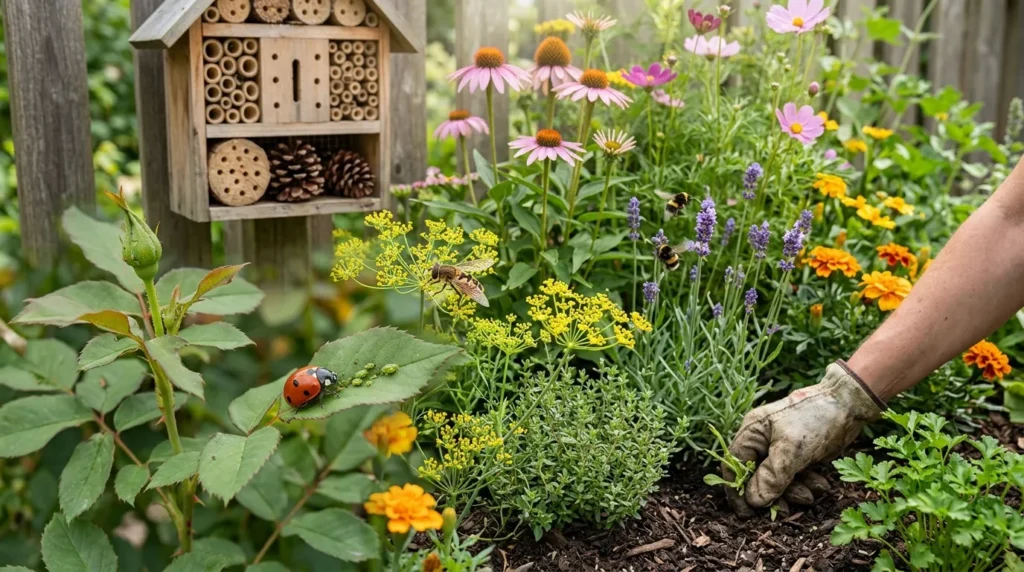
Introduce ladybugs, lacewings, and ground beetles to control pests naturally. Beneficial insects reduce the need for chemical pesticides and help maintain a balanced garden ecosystem.
23. Harvest Rainwater Wisely
Use collected rainwater to irrigate your garden and reduce municipal water use. Rainwater is free of chlorine and other chemicals, making it healthier for plants. A simple rain barrel system can supply much of your garden’s water needs sustainably.
24. Compost Kitchen Waste
Kitchen scraps like vegetable peelings, coffee grounds, and eggshells can be composted to enrich your garden soil. Composting reduces landfill waste, lowers carbon footprint, and provides nutrient-rich soil for healthy plants.
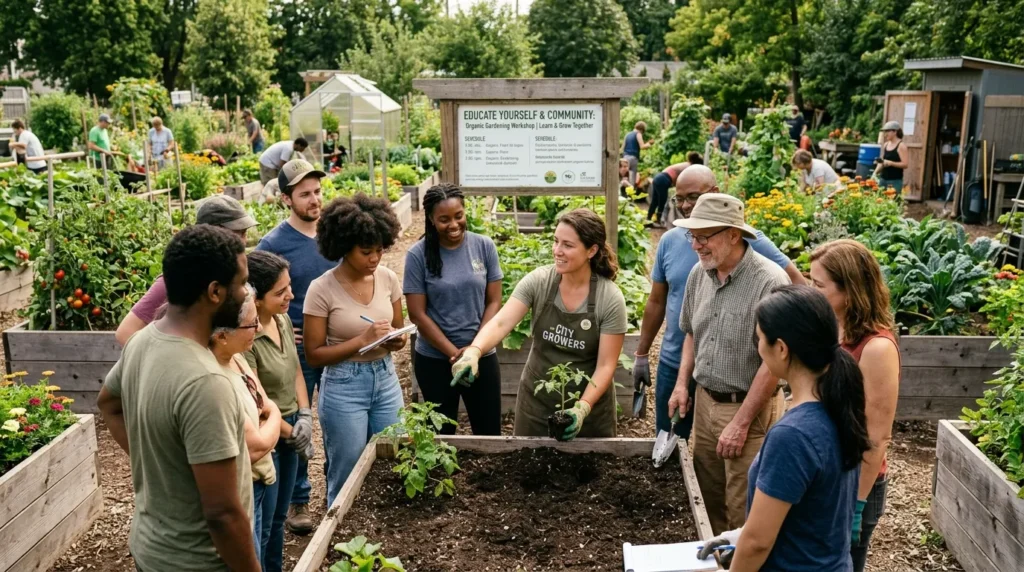
25. Educate Yourself and Community
Sustainable gardening is a continuous learning process. Join local gardening groups, attend workshops, or follow online sustainable gardening guides. Sharing knowledge with neighbors and friends helps spread eco-friendly practices and benefits the wider community.
Tips for Maintaining a Sustainable Garden
- Plan and Rotate Crops – Avoid soil depletion by changing plant locations yearly.
- Monitor Water Usage – Use efficient irrigation and conserve water whenever possible.
- Avoid Chemicals – Rely on natural fertilizers and pest control methods.
- Support Pollinators – Plant flowers that attract bees, butterflies, and hummingbirds.
- Maintain Healthy Soil – Regularly add compost and organic matter.
Conclusion
We have provided all information on how to start a sustainable garden at home. This is a rewarding way to improve your yard, support the environment, and grow your own fresh food. By implementing eco-friendly practices like composting, water conservation, native planting, and chemical-free gardening, you can create a thriving, low-maintenance garden that benefits both your household and the planet. Begin small, plan carefully, and watch your sustainable garden flourish over time.