Best LED Grow Lights for Plants
Best LED Grow Lights for Plants
Choosing the best LED grow lights for plants can feel overwhelming with hundreds of options on the market. The best LED grow lights for plants combine full-spectrum output, solid efficiency, and the right intensity for your specific setup — and they do not have to cost a fortune. Whether you are nurturing a few herbs on a shelf or running a dedicated grow tent, the right light is the single biggest factor in healthy indoor growth. This guide breaks down the six things that actually matter, so you can buy with confidence and skip the marketing hype.
What Makes an LED Grow Light Good?
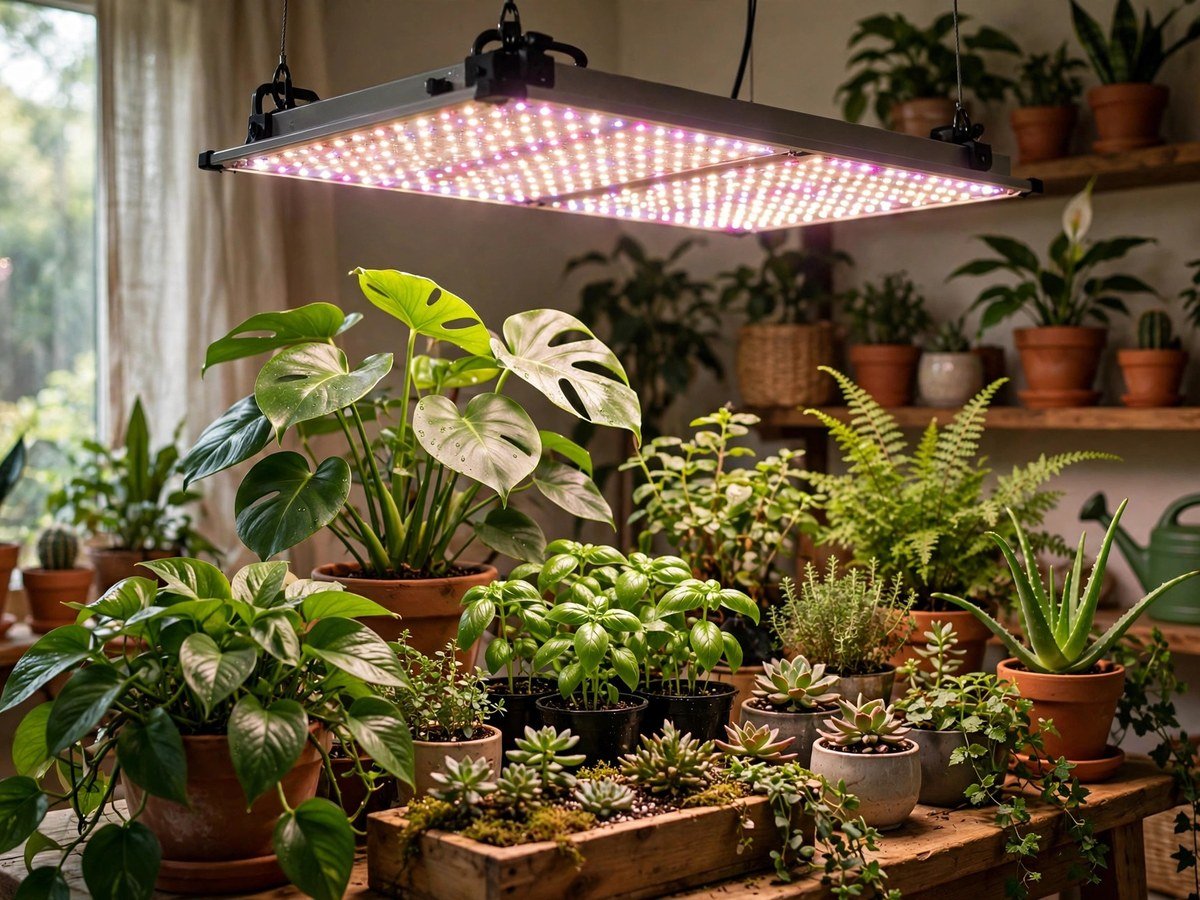
A great grow light does three things: delivers the right spectrum, enough intensity, and even coverage. Full-spectrum white LEDs that mimic sunlight suit almost every plant and growth stage, while older blurple panels can distort how your garden looks. Efficiency matters too — measured in micromoles per joule, it tells you how much plant-usable light you get per watt. Finally, coverage: a light that is intense in the center but dim at the edges produces uneven growth. Understanding these basics helps you compare any two lights on specs instead of hype.
6 Things That Matter When Choosing LED Grow Lights
1. Full-Spectrum Panels
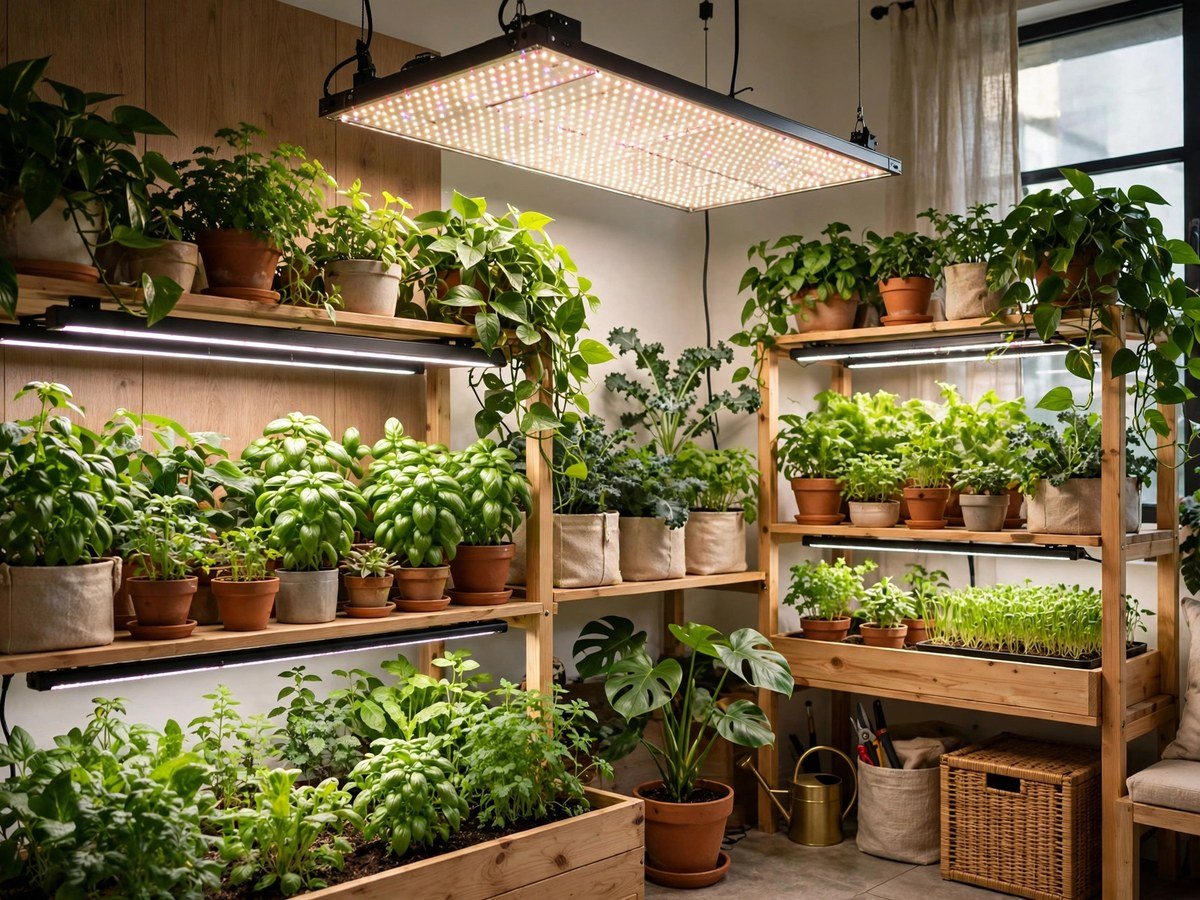
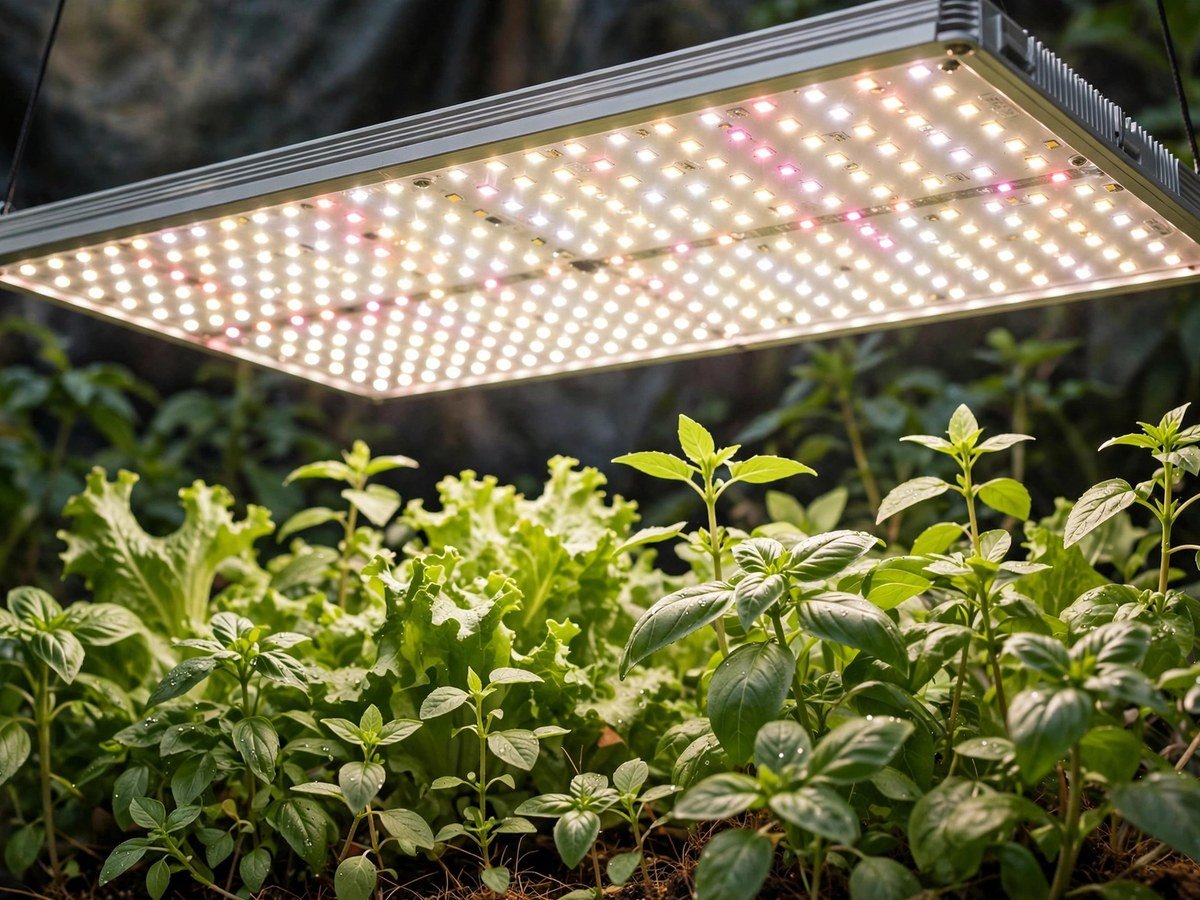
Full-spectrum panels are the workhorses of indoor gardening. These flat fixtures emit balanced white light that supports seedlings, leafy growth, and flowering alike, so you never need to swap bulbs between stages. Look for panels with Samsung LM301-series diodes or equivalent high-efficiency chips, which convert electricity into plant-friendly photons with minimal heat. They are ideal for grow tents and shelves up to four feet wide, and their even spread prevents hot spots.
2. Bar-Style Lights
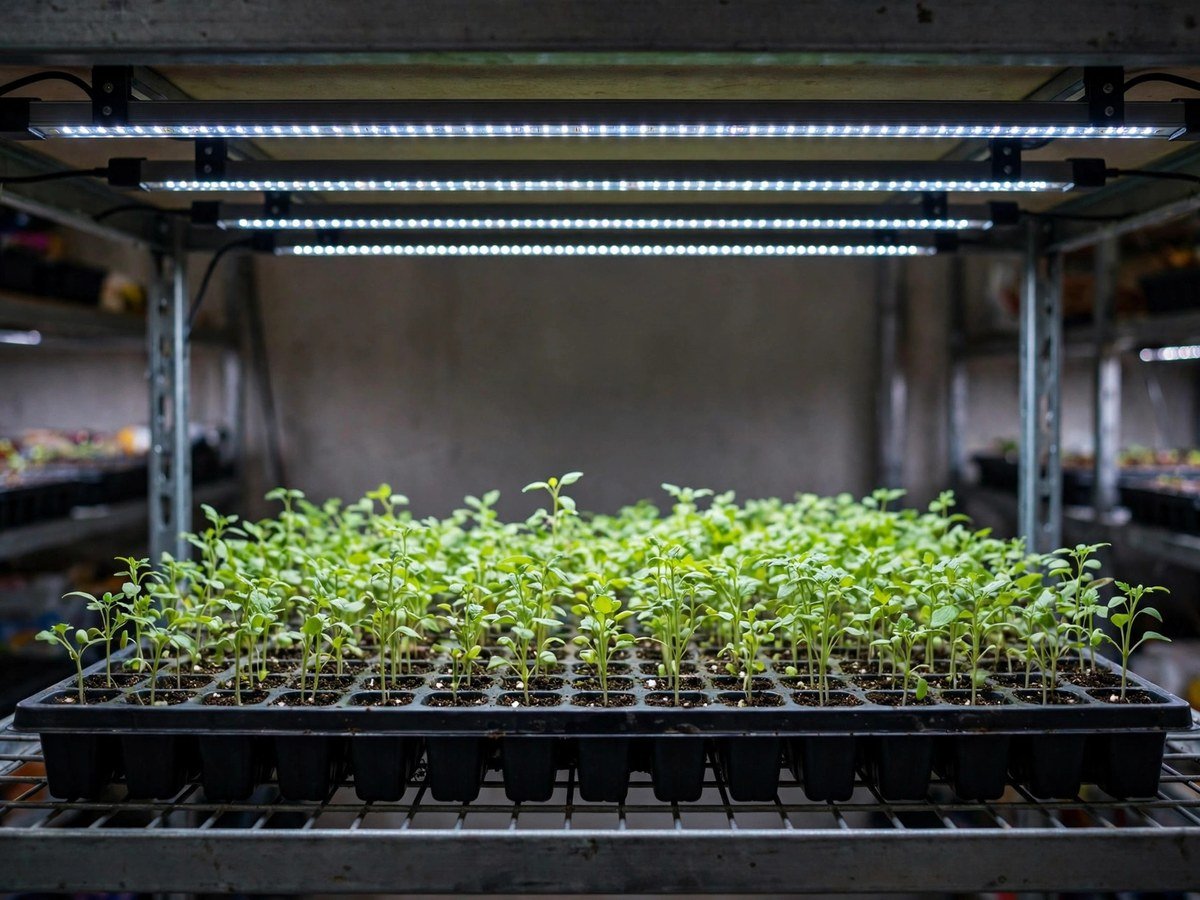
Bar-style fixtures arrange LED diodes along several slim bars, delivering remarkably even coverage across wide growing areas. Because the light sources are spread out, plants get consistent intensity from edge to edge with less heat buildup than a single dense panel. They are a favorite for multi-shelf racks and larger tents. Many bar lights are dimmable and linkable, letting you daisy-chain several fixtures off one outlet for a clean, scalable setup.
3. Checking PAR Output
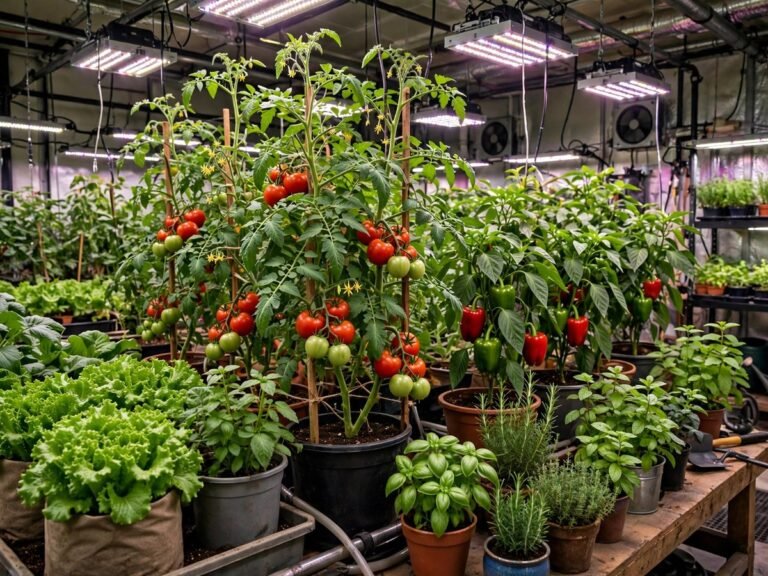
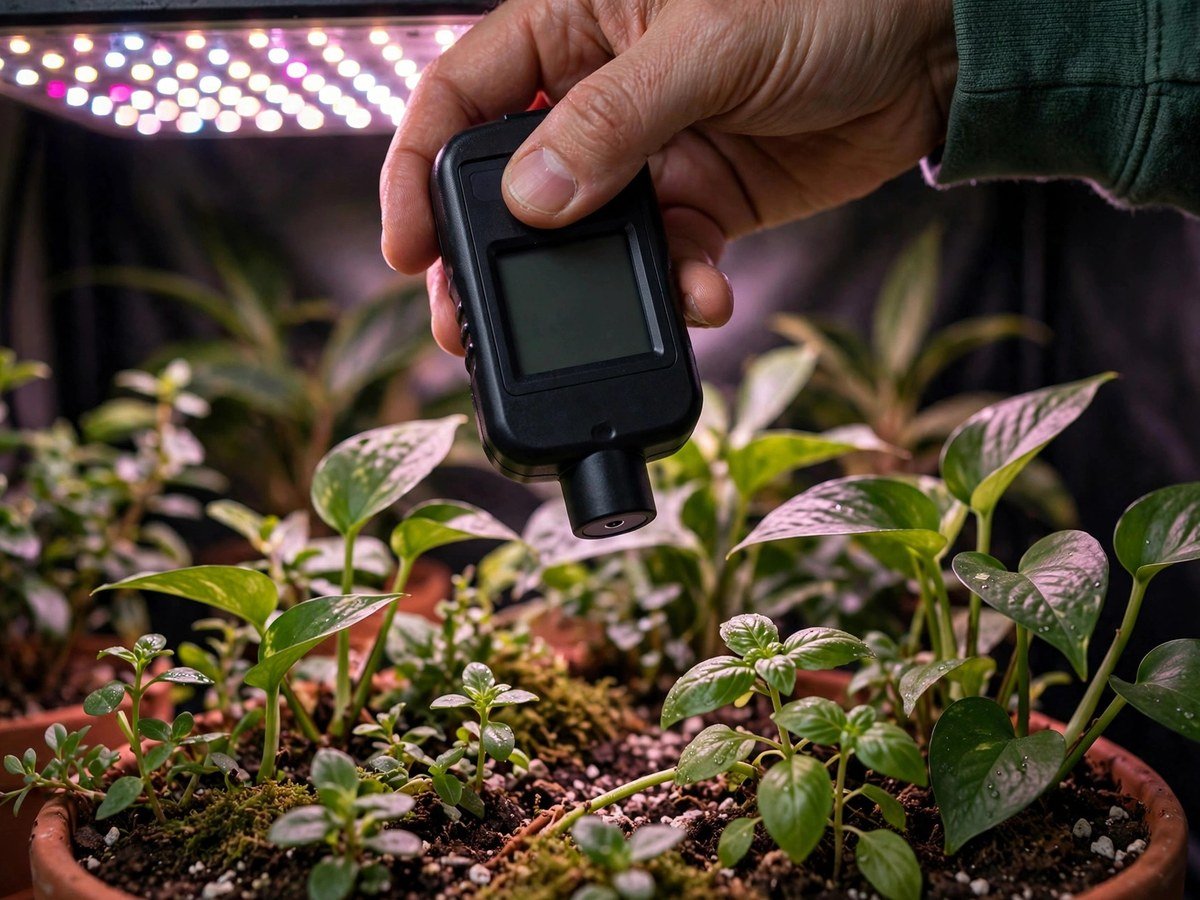
PAR — photosynthetically active radiation — is the true measure of a grow light’s usefulness, expressed as PPFD in micromoles per square meter per second. Leafy greens thrive around 200 to 400 PPFD, while fruiting plants like tomatoes want 400 to 600 or more. Reputable brands publish PPFD maps showing intensity across the coverage area; beware of lights that only advertise wattage. A cheap PAR meter or even a phone app gives you a rough check at home.
4. Wattage Guide
Wattage tells you power draw, not plant results — but it is still a useful starting rule. For leafy greens and herbs, aim for roughly 20 to 30 watts per square foot of canopy; fruiting plants need 30 to 40 or more. A two-by-two-foot tent does well with 100 to 150 watts of quality LED. Remember that efficient diodes produce more light per watt, so a premium 100-watt light can outperform a cheap 200-watt one.
5. Hanging Height
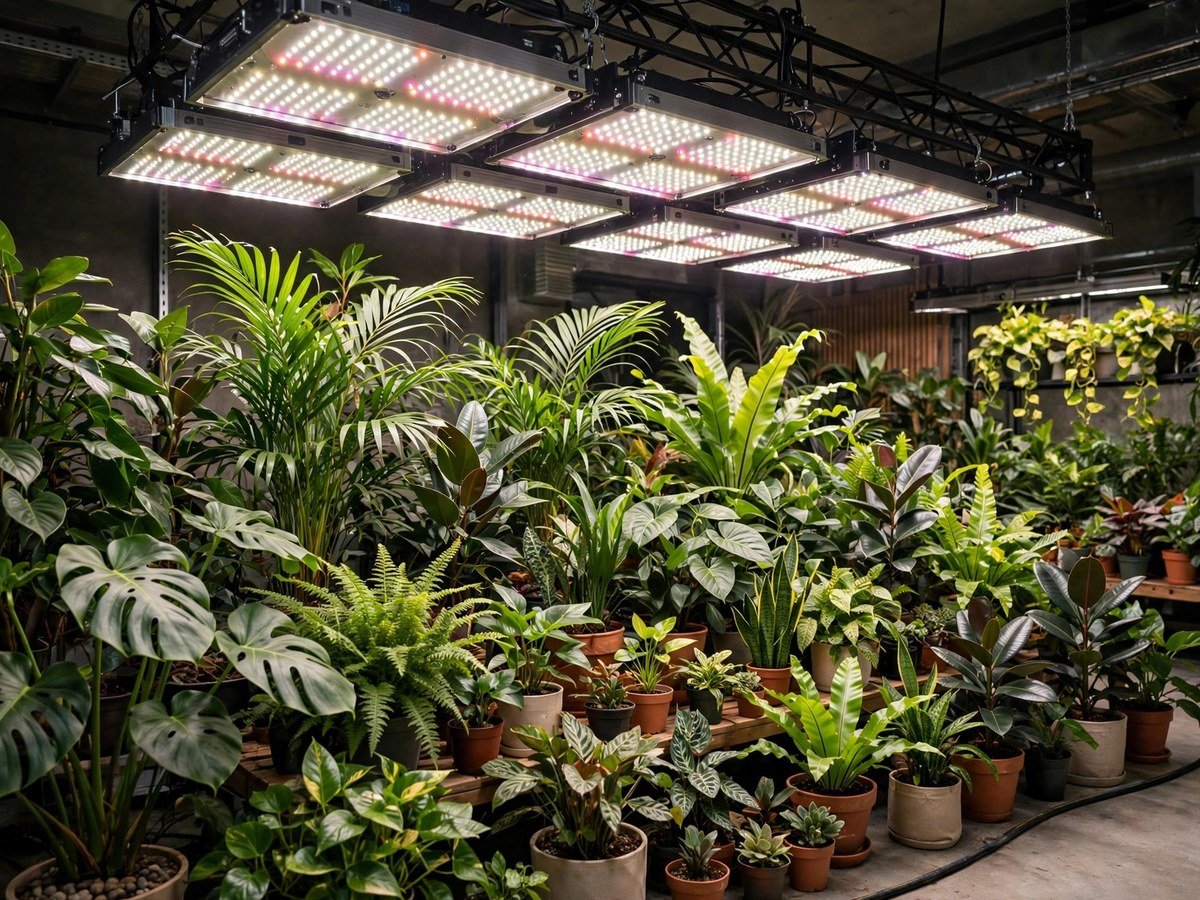
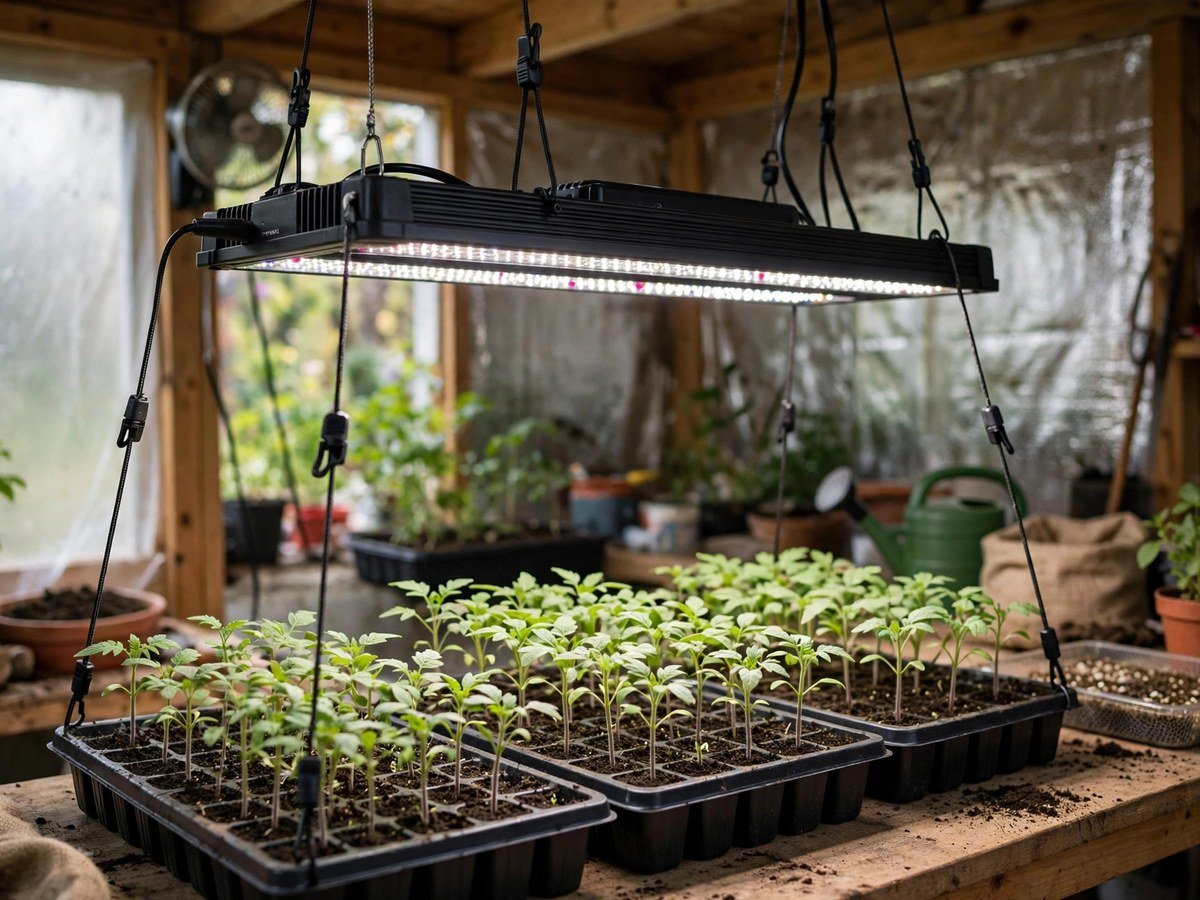
Distance dramatically changes intensity, so hanging height is a free adjustment most growers underuse. Seedlings and clones like gentle light 24 to 30 inches away; established vegetative plants do best at 12 to 18 inches; flowering and fruiting plants can handle 10 to 14 inches with strong fixtures. Watch your plants: bleached or taco-shaped leaves mean too close, while stretching means too far. Adjust gradually and give plants a few days to respond.
6. Using Timers
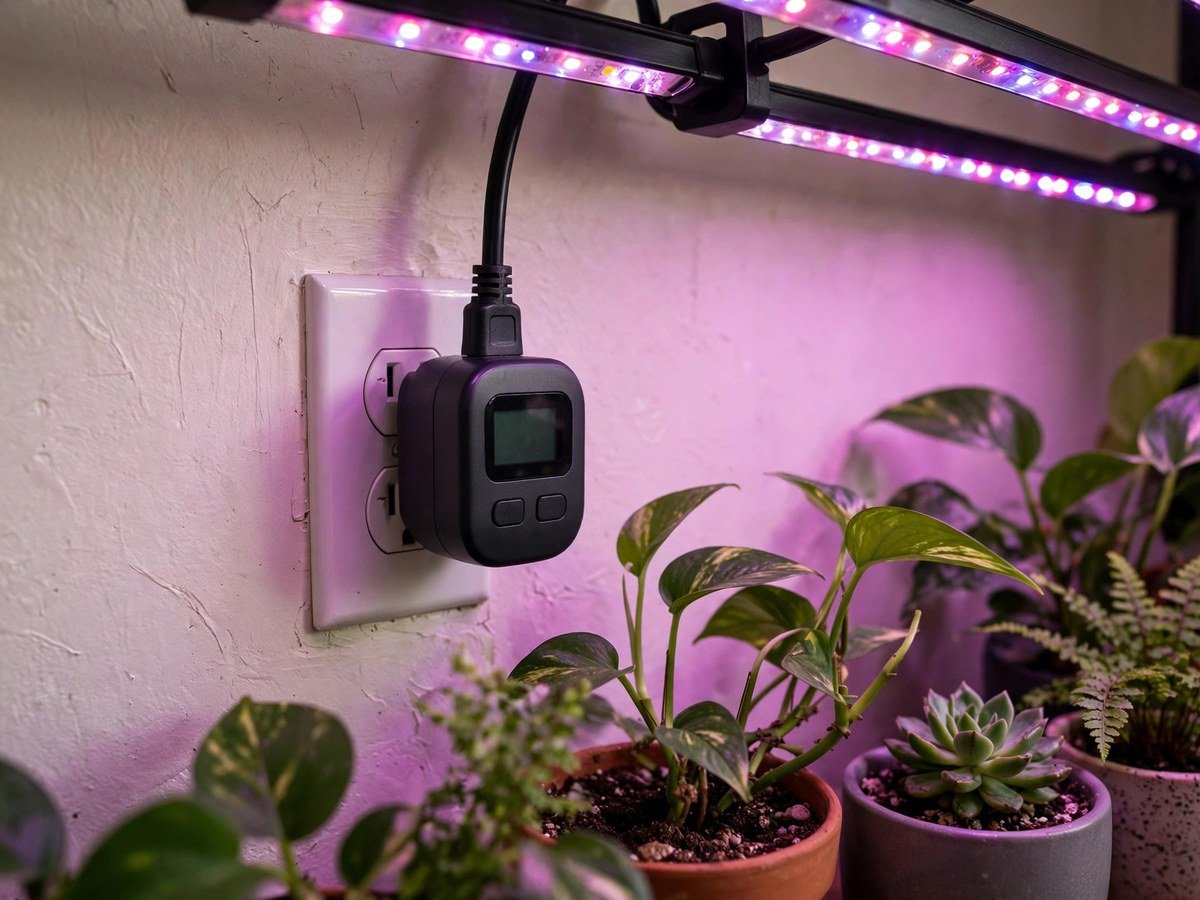
Even the best LED grow lights for plants need a schedule — plants require daily dark periods to rest and respire. Leafy greens and herbs flourish with 14 to 18 hours of light; fruiting plants prefer 12 to 14. A simple outlet timer automates this perfectly and costs less than ten dollars. Keep the schedule consistent: erratic light cycles stress plants more than slightly imperfect timing.
Smart Shopping Tips
Buy for your space, not your ambitions — measure your shelf or tent before choosing a fixture size. Prioritize efficiency ratings and real PPFD data over flashy wattage claims, and read grower reviews rather than just star ratings. Dimmable lights are worth the small premium because they let you tune intensity for seedlings versus mature plants. Check that the fixture runs cool enough to touch and has a decent warranty, ideally three years or more. Finally, budget for a timer and adjustable hangers; they are cheap accessories that unlock the light’s full potential.
Frequently Asked Questions
Are LED grow lights better than fluorescent?
Yes for most growers. LEDs use less electricity, produce less heat, last far longer, and modern full-spectrum diodes deliver better plant growth than old fluorescent tubes.
How long do LED grow lights last?
Quality LED fixtures typically last 50,000 hours or more — roughly 10 years at 14 hours a day. Diodes slowly dim over time rather than burning out suddenly.
Can LED grow lights burn plants?
They can if hung too close, especially high-powered fixtures. Start at the manufacturer’s recommended height and watch for bleached or curled leaves, then adjust.
Do I need different lights for seedlings vs flowering?
Not with full-spectrum LEDs. One quality fixture serves every stage; simply adjust hanging height and hours as plants mature.
What size grow light do I need?
Match the fixture to your canopy: about 20 to 30 watts per square foot for greens and herbs, 30 to 40 or more for fruiting plants, using efficient full-spectrum LEDs.
The Bottom Line
The best LED grow light is the one matched to your plants, space, and budget — not the most expensive one on the shelf. Focus on spectrum, real PAR data, and even coverage, automate with a timer, and your indoor garden will reward you with vigorous growth year-round. Buy once, buy right, and let the light do the heavy lifting.