10+ Easy Indoor Gardening Projects You Can Start Today
Indoor gardening has become one of the most popular home hobbies across the United States. Whether you live in a small apartment, a suburban home, or a busy urban loft, growing plants indoors offers an easy way to bring nature into your living space. Beyond adding beauty, indoor gardening can improve air quality, reduce stress, and provide a rewarding activity that fits almost any lifestyle.
The best part is that you do not need a large budget, extensive gardening knowledge, or a dedicated greenhouse to get started. Many indoor gardening projects require only a few supplies and can be completed in a single afternoon.
If you are looking for beginner-friendly ways to create a greener home, here are some easy indoor gardening projects you can start today.
Why Indoor Gardening Is Growing in Popularity
More Americans are embracing indoor gardening because it combines wellness, sustainability, and home décor into one enjoyable activity. Indoor plants can brighten a room, make spaces feel more inviting, and provide a sense of accomplishment as they grow.
Unlike traditional outdoor gardening, indoor gardening is not limited by weather conditions. You can grow plants year-round, making it a practical hobby regardless of where you live in the United States.
Additionally, many indoor plants require very little maintenance, making them ideal for busy professionals, students, and families.
Create a Windowsill Herb Garden
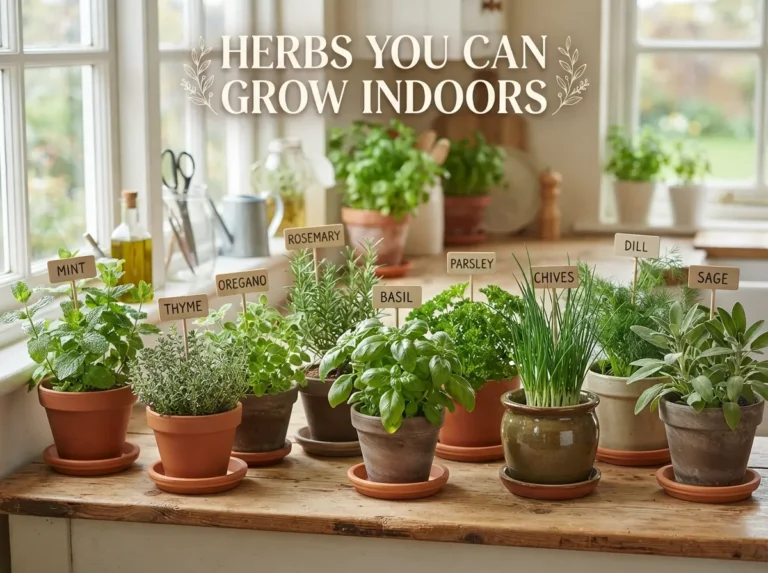
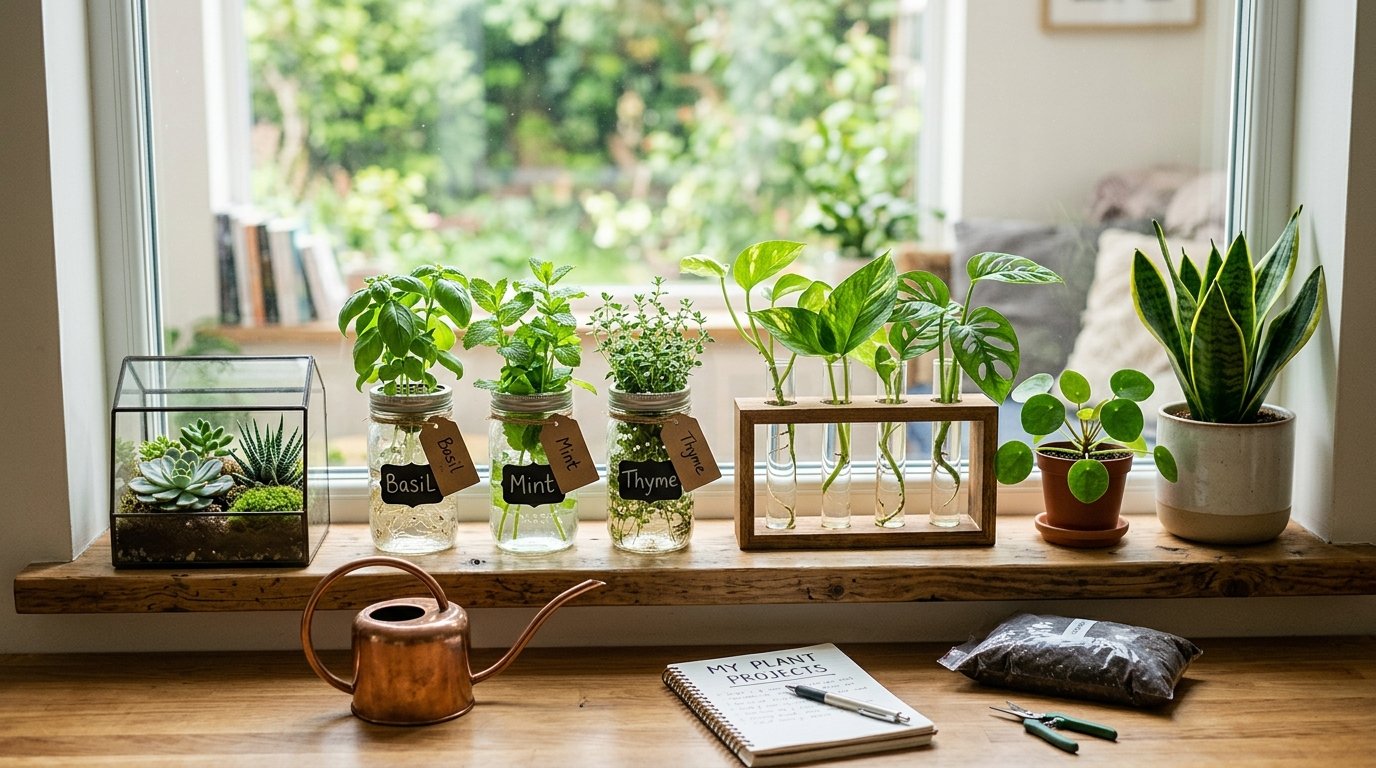
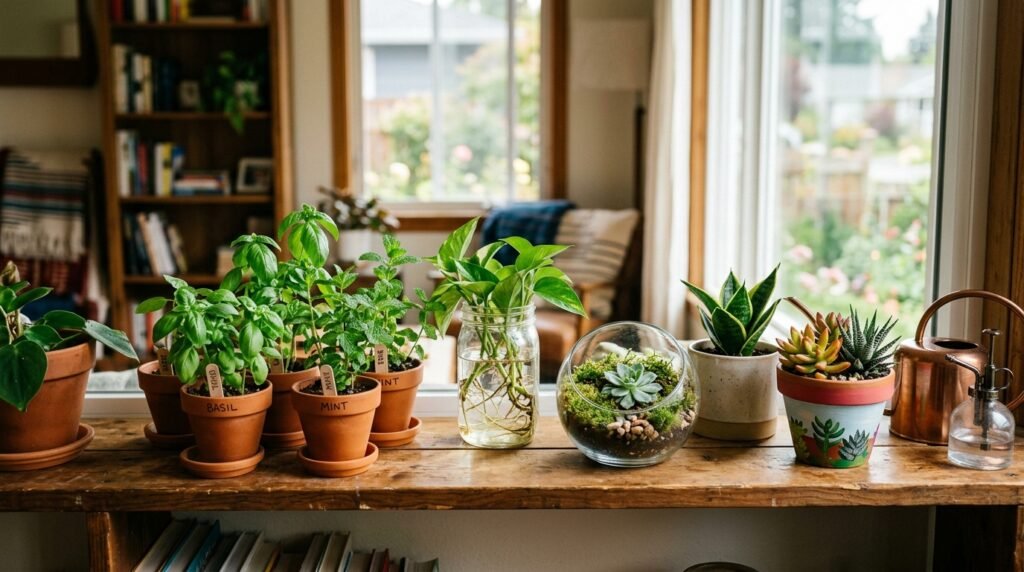
One of the easiest indoor gardening projects for beginners is starting a windowsill herb garden. Fresh herbs are useful in everyday cooking and can thrive in small containers.
Popular herbs for indoor growing include:
- Basil
- Mint
- Parsley
- Chives
- Cilantro
Choose a sunny window that receives at least six hours of light daily. Plant herbs in small pots with quality potting soil and water them regularly.
A windowsill herb garden not only provides fresh ingredients but also adds a pleasant fragrance and greenery to your kitchen.
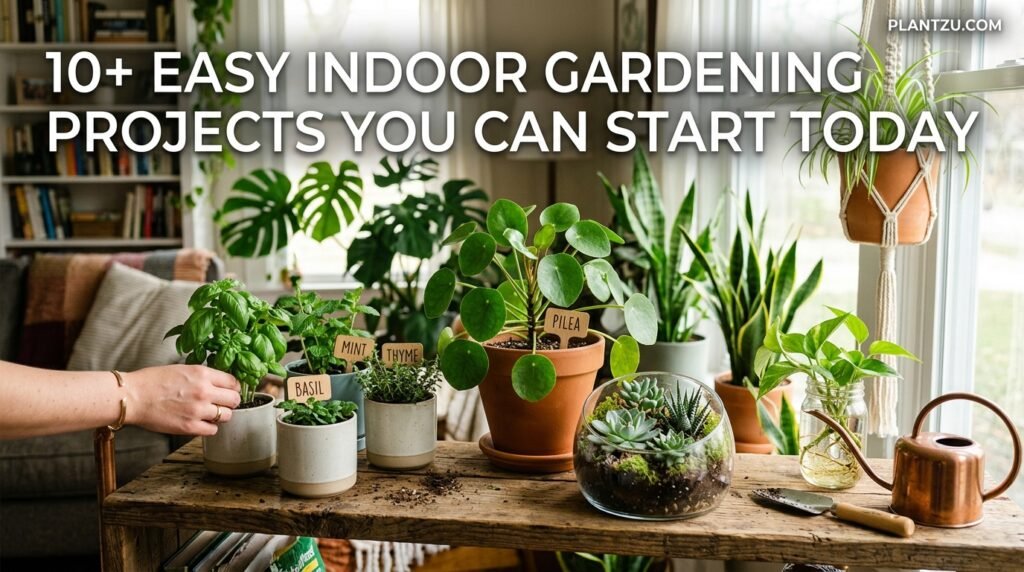
Grow Plants in Decorative Mason Jars
Mason jar gardening has become a popular trend because it is simple, affordable, and visually appealing. Clear jars allow you to watch root development while creating a stylish display.
To start this project:
- Add small stones to the bottom for drainage.
- Place activated charcoal over the stones.
- Add potting soil.
- Plant a small houseplant or herb.
This project works especially well for small succulents, pothos cuttings, and herbs. Mason jar gardens make excellent decorations for kitchens, offices, and living rooms.
indoor plants lighting solution.
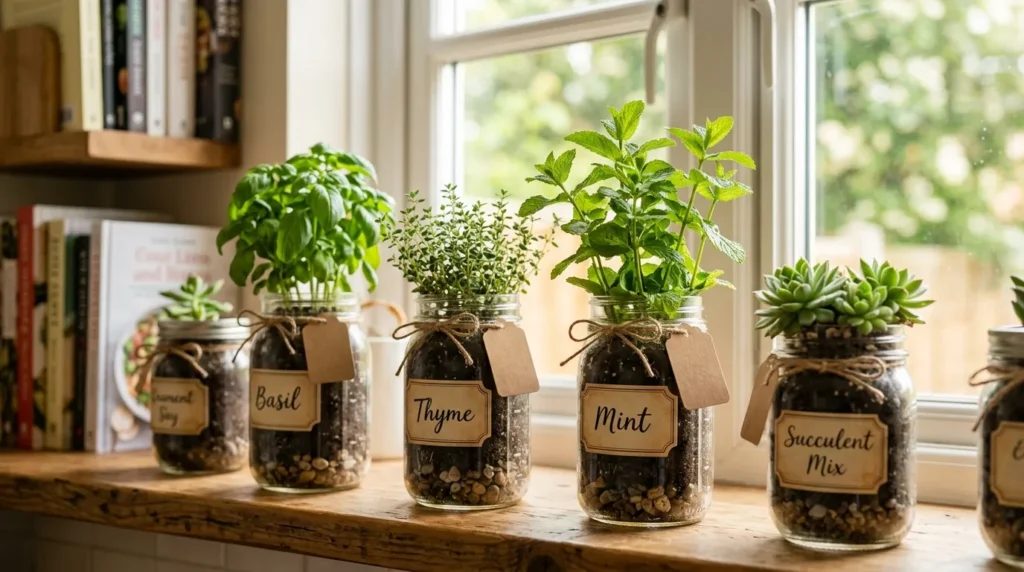
Start a Succulent Collection
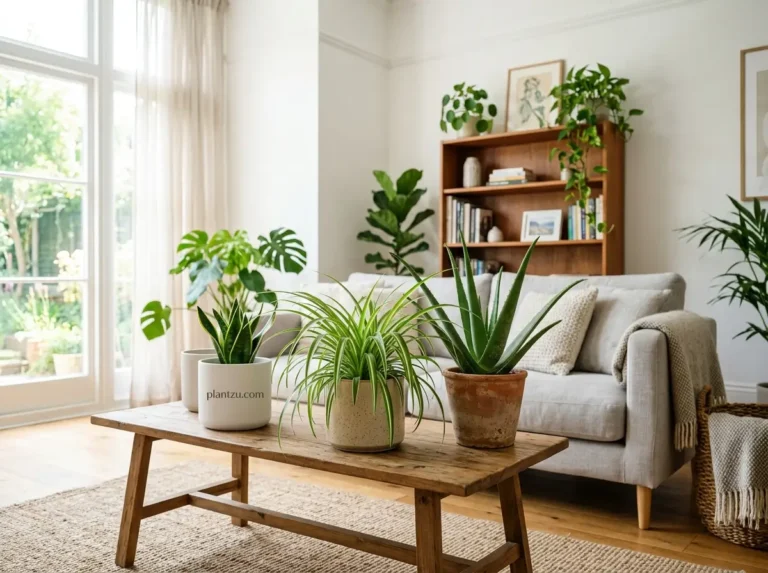
Succulents are among the easiest indoor plants to care for, making them perfect for beginners.
These plants store water in their leaves and require minimal watering. Popular varieties include:
- Aloe Vera
- Echeveria
- Jade Plant
- Zebra Haworthia
Arrange several succulents in decorative containers to create a beautiful indoor display. Because they come in various shapes, colors, and textures, succulents add visual interest to any room.
Place them near a bright window and water only when the soil becomes completely dry.
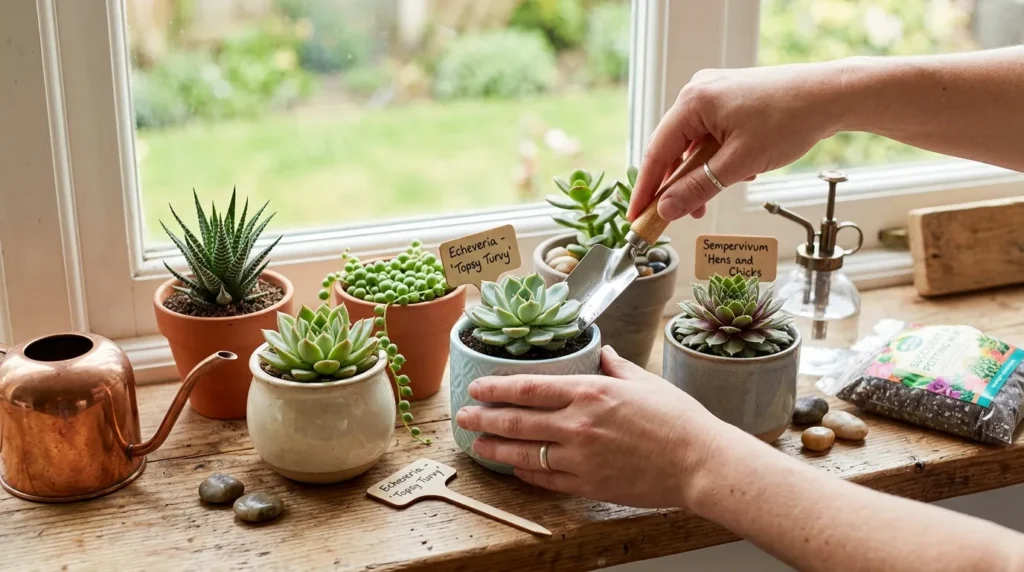
Build a Mini Indoor Terrarium
Terrariums are self-contained miniature gardens that create a stunning natural display. They are ideal for people who want a creative gardening project without needing much space.
To build a terrarium:
- Choose a clear glass container.
- Add drainage stones.
- Add a layer of activated charcoal.
- Fill with potting mix.
- Plant small tropical plants or moss.
Terrariums help maintain humidity levels and require relatively little maintenance. They make attractive centerpieces and conversation starters.
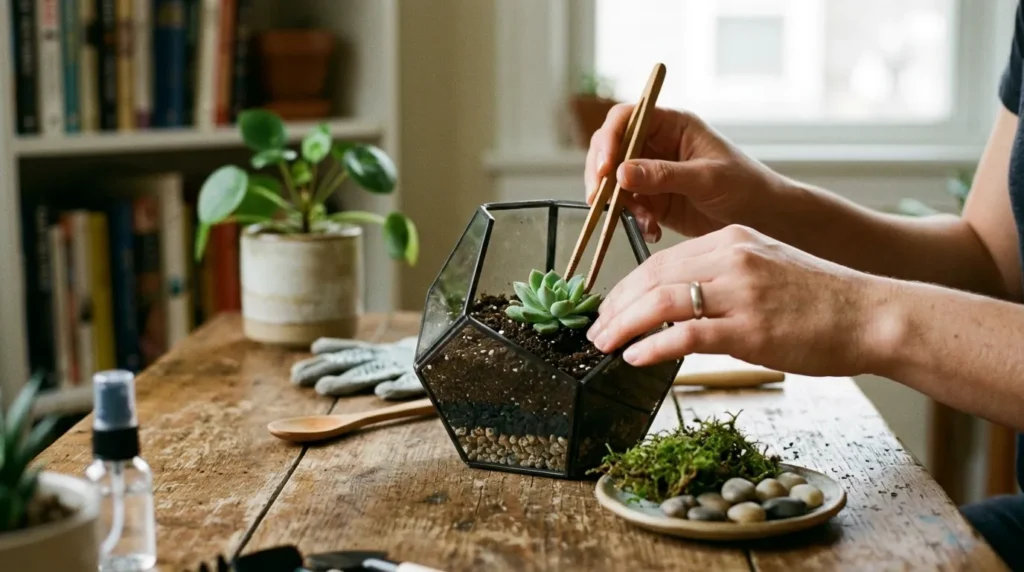
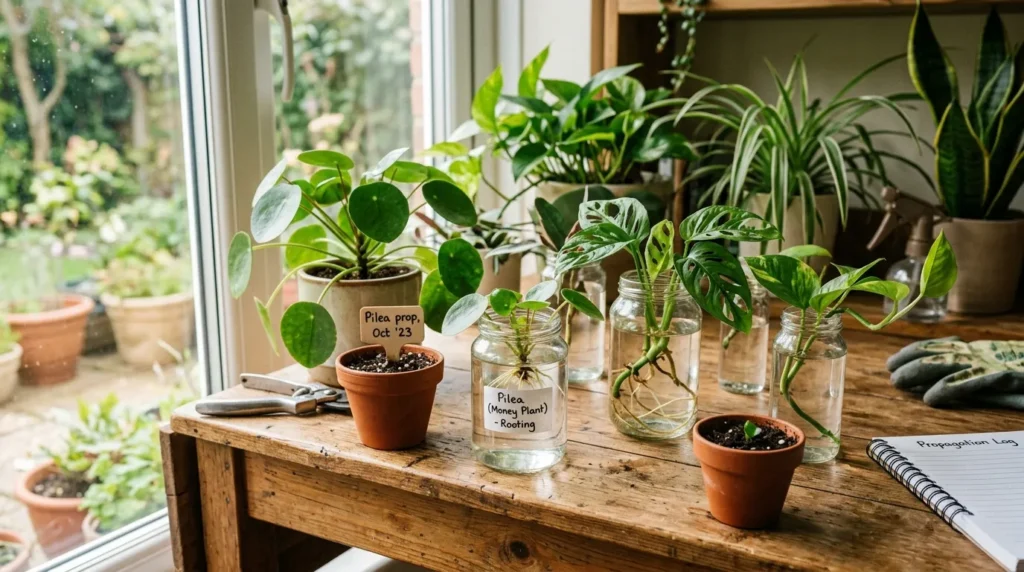
Propagate Houseplants from Cuttings
Plant propagation is one of the most satisfying indoor gardening activities. Instead of purchasing new plants, you can create additional plants from cuttings.
Some easy-to-propagate houseplants include:
- Pothos
- Spider Plant
- Philodendron
- Tradescantia
Simply place a healthy cutting in water and wait for roots to develop. Once roots become established, transfer the cutting into soil.
Propagation allows you to expand your indoor garden at little to no cost.
Create a Vertical Indoor Garden
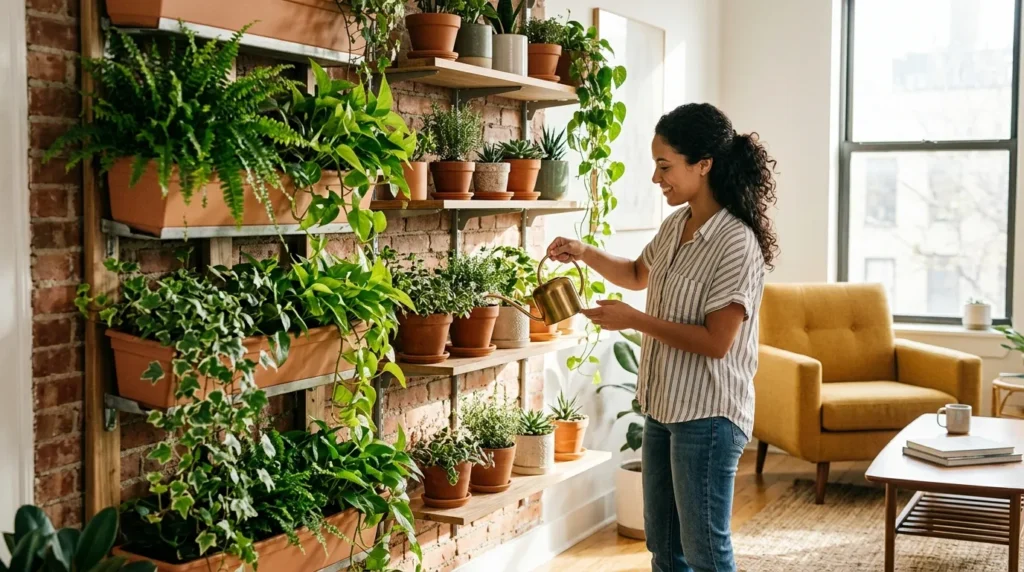
If floor space is limited, a vertical indoor garden can maximize your growing area while creating an eye-catching feature wall.
Vertical gardens can be built using:
- Wall-mounted planters
- Hanging baskets
- Wooden pallets
- Floating shelves
This project works especially well in apartments and smaller homes where every square foot matters.
Growing plants vertically can transform an empty wall into a vibrant living display while improving room aesthetics.
Grow Microgreens Indoors
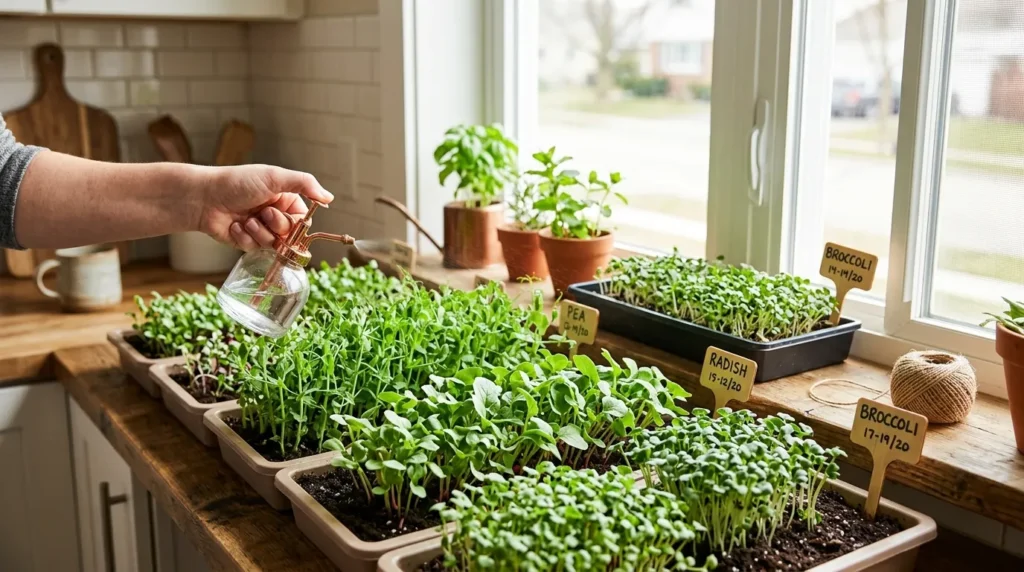
Microgreens have gained popularity due to their nutritional value and rapid growth cycle. These young vegetable greens are packed with flavor and nutrients.
Common microgreens include:
- Broccoli
- Radish
- Kale
- Mustard
- Arugula
Most microgreens are ready to harvest within two weeks, making them one of the fastest indoor gardening projects available.
All you need is a shallow tray, potting mix, seeds, and a sunny location. Harvest them when they reach a few inches in height and add them to salads, sandwiches, and smoothies.
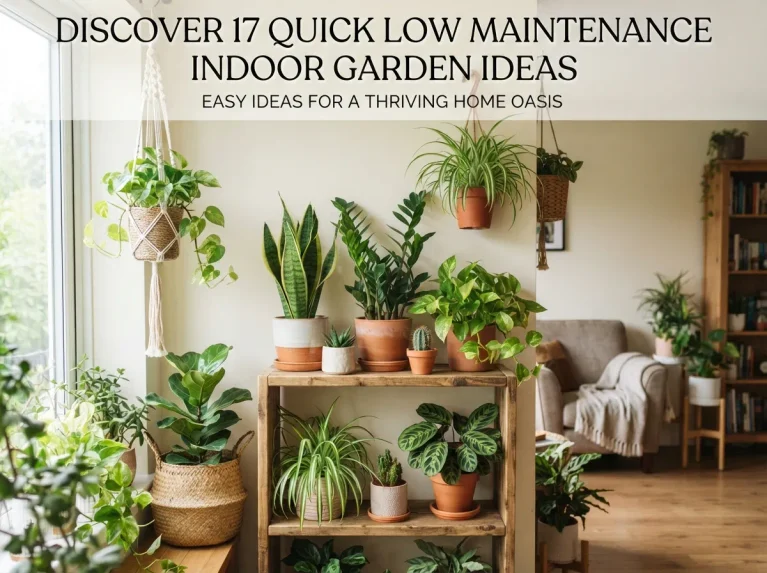
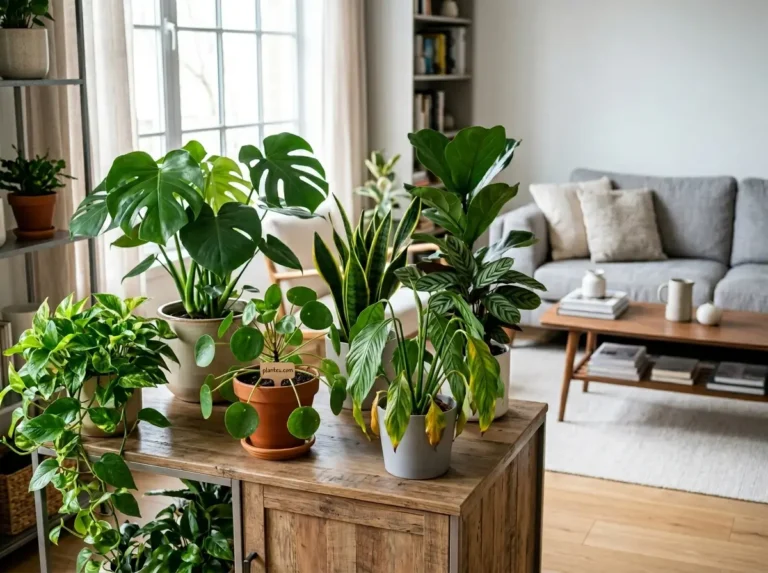
Design a Low-Maintenance Plant Corner
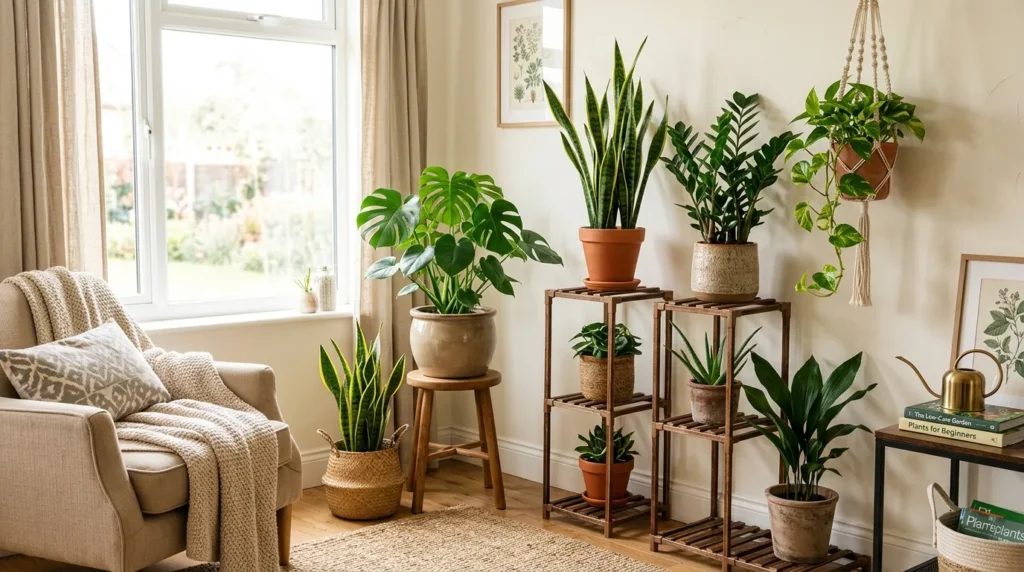
A dedicated plant corner can instantly elevate your home’s atmosphere.
Select a bright area and arrange plants of different heights and textures. Consider combining:
- Snake Plants
- ZZ Plants
- Peace Lilies
- Pothos
- Rubber Plants
Adding decorative plant stands and baskets creates a professional designer look while keeping maintenance simple.
This project allows you to showcase your indoor garden as part of your home décor.
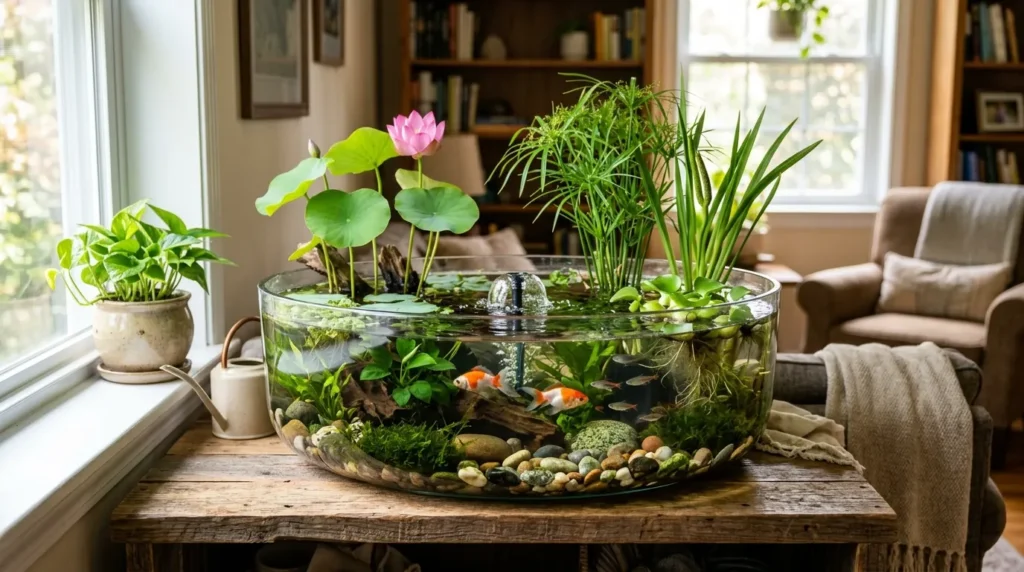
Create a Water Garden Indoors
Indoor water gardens provide a unique alternative to traditional potted plants.
Place aquatic plants in a clear glass container filled with water. Popular choices include lucky bamboo and water-grown pothos.
Adding decorative stones and colorful containers enhances the visual appeal.
Water gardens require minimal maintenance and can serve as attractive centerpieces for dining tables, desks, or countertops.
Start an Indoor Vegetable Garden
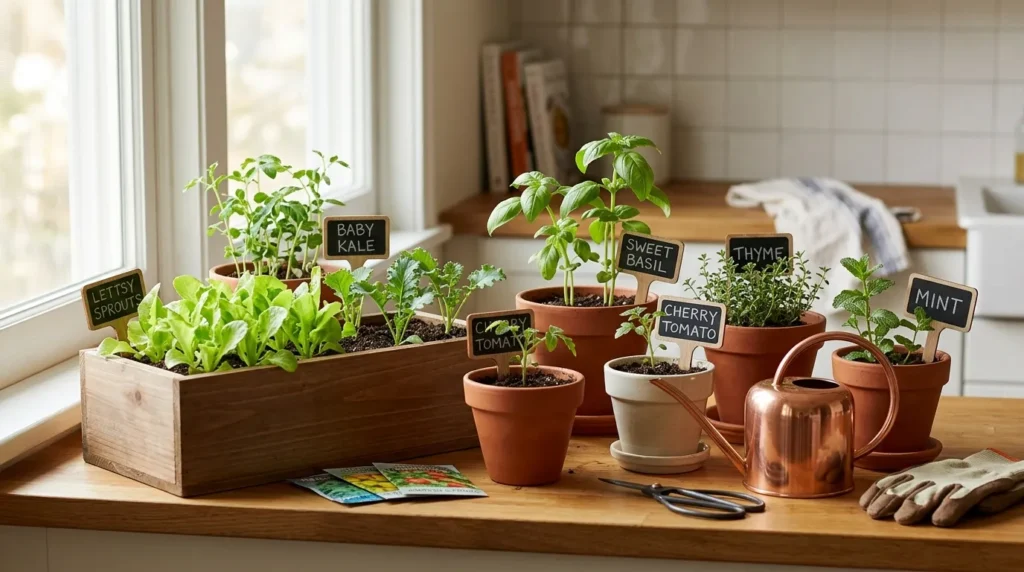
Many people assume vegetables require outdoor gardens, but several varieties thrive indoors.
Beginner-friendly indoor vegetables include:
- Lettuce
- Spinach
- Green onions
- Cherry tomatoes
- Peppers
Growing vegetables indoors provides fresh produce throughout the year and can help reduce grocery expenses.
Use containers with proper drainage and place them near a sunny window or under grow lights for optimal growth.
Build a Hanging Plant Display
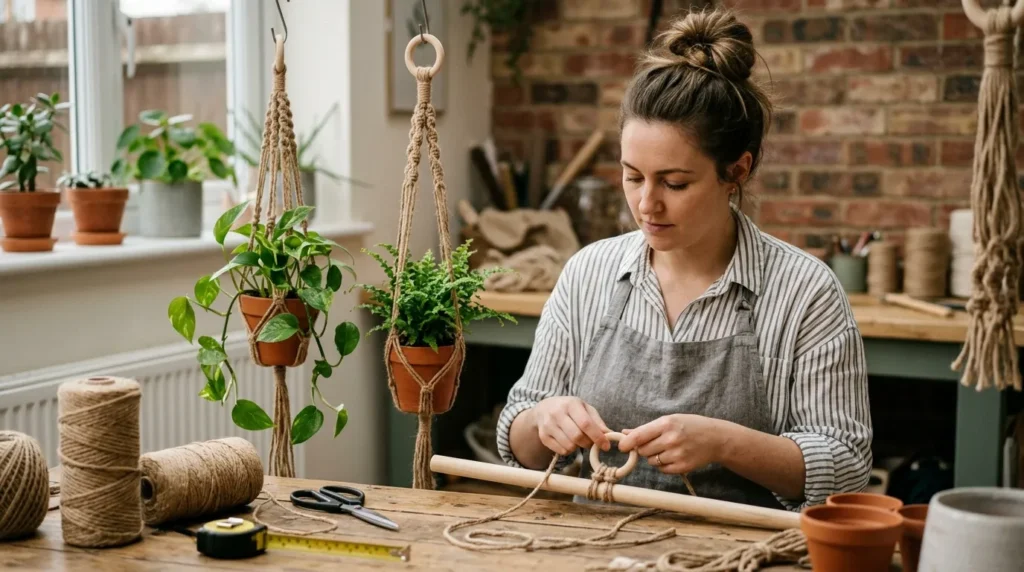
Hanging plants can make any room feel more dynamic and inviting.
Choose trailing plants such as:
- English Ivy
- String of Pearls
- Pothos
- Heartleaf Philodendron
Install ceiling hooks or wall-mounted brackets and suspend your plants at varying heights.
A hanging display draws attention upward, making rooms feel larger while adding natural beauty.
Upcycle Household Items into Planters
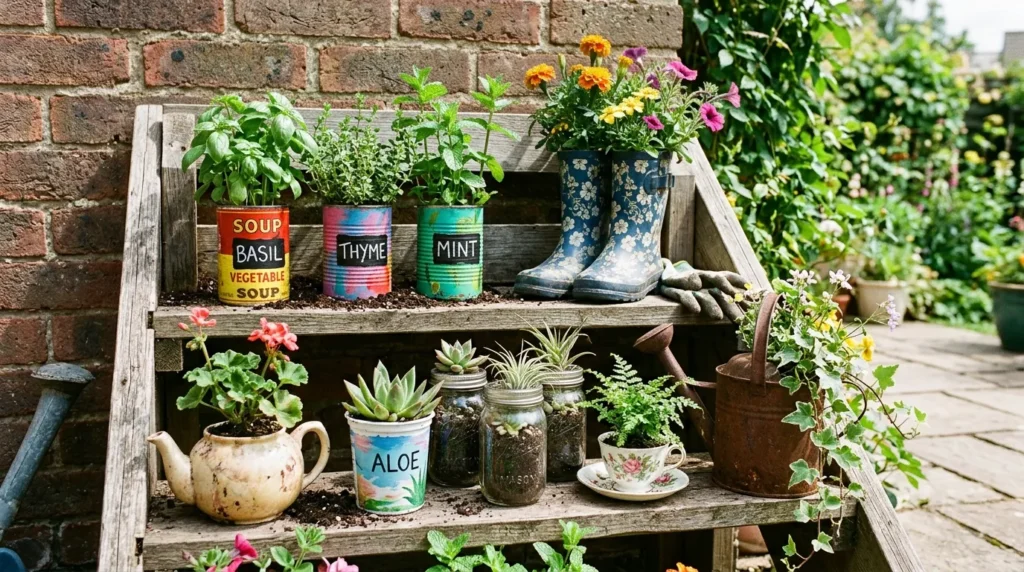
Indoor gardening is an excellent opportunity to repurpose old household items.
Creative planter ideas include:
- Coffee mugs
- Teapots
- Wooden crates
- Metal tins
- Glass bowls
Upcycling reduces waste and gives your indoor garden a unique, personalized style.
Ensure containers have proper drainage or use them as decorative covers for nursery pots.
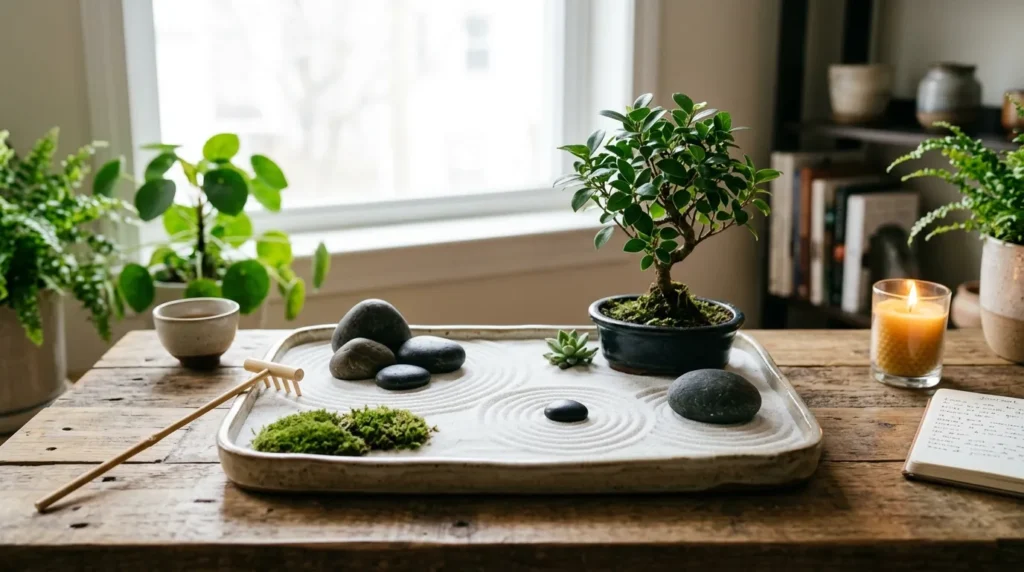
Create a Relaxing Indoor Zen Garden
A Zen garden combines simplicity, mindfulness, and natural beauty.
Use a shallow tray filled with sand and add small plants, decorative stones, and miniature garden accessories.
This project is ideal for offices, meditation spaces, or quiet corners of the home.
Maintaining a Zen garden can be a calming activity that promotes relaxation and focus.
Tips for Indoor Gardening Success
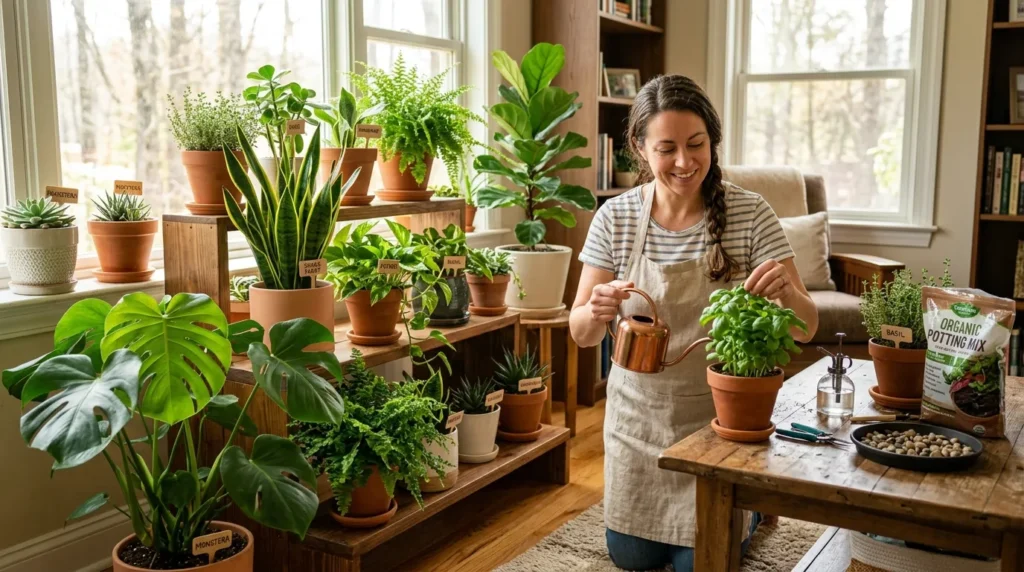
Successful indoor gardening starts with understanding your plants’ basic needs.
Light is one of the most important factors. Most indoor plants thrive near bright windows, although some varieties tolerate lower light conditions.
Watering correctly is equally important. Overwatering is one of the most common mistakes beginners make. Always check soil moisture before adding water.
Choosing the right container also helps support healthy growth. Pots with drainage holes prevent excess moisture from damaging plant roots.
Finally, regularly inspect your plants for signs of pests, yellowing leaves, or other issues so problems can be addressed early.
The Benefits of Indoor Gardening
Indoor gardening offers far more than decorative appeal.
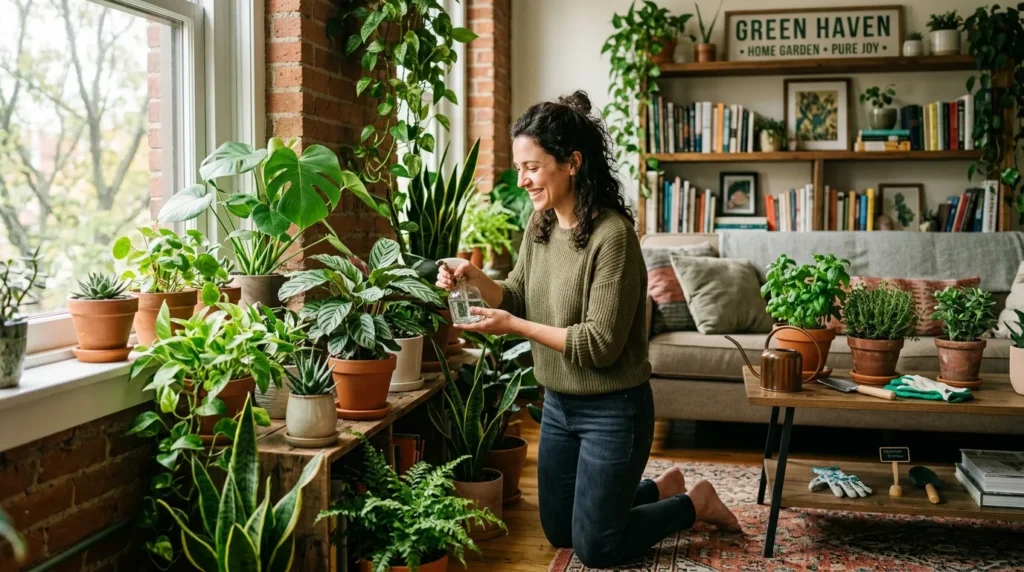
Many people find caring for plants relaxing and therapeutic. The process of nurturing growth can reduce stress and provide a welcome break from screens and daily responsibilities.
Indoor plants can also improve the overall ambiance of a home by adding color, texture, and life to interior spaces.
Whether you want fresh herbs for cooking, healthier living spaces, or simply a rewarding hobby, indoor gardening provides benefits that extend well beyond aesthetics.
Final Thoughts
Starting an indoor garden does not require extensive experience or expensive equipment. From growing herbs on a windowsill to creating beautiful terrariums and vertical gardens, there are countless projects suitable for beginners.
The key is to start small, choose plants that match your lifestyle, and enjoy the process. As your confidence grows, you can expand your collection and explore more advanced gardening techniques.
With these easy indoor gardening projects, you can begin transforming your home into a greener, more vibrant space today.
Frequently Asked Questions
1. What are the easiest plants for indoor gardening beginners?
Snake plants, pothos, spider plants, ZZ plants, and succulents are among the easiest indoor plants to grow and maintain.
2. How much sunlight do indoor plants need?
Most indoor plants prefer bright, indirect sunlight for several hours daily, though requirements vary by plant species.
3. Can I grow vegetables indoors year-round?
Yes. Many vegetables such as lettuce, spinach, green onions, and cherry tomatoes can be grown indoors throughout the year.
4. How often should indoor plants be watered?
Watering frequency depends on the plant type, container size, and indoor environment. Always check soil moisture before watering.
5. Do indoor plants improve air quality?
Many indoor plants can help support cleaner indoor environments while adding natural beauty and freshness to your home.