Best Kitchen Herbs for Beginners
Best Kitchen Herbs for Beginners
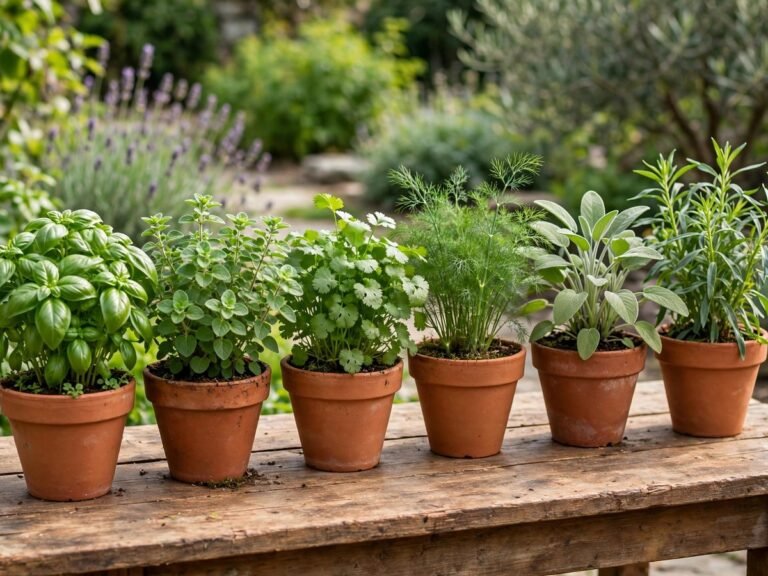
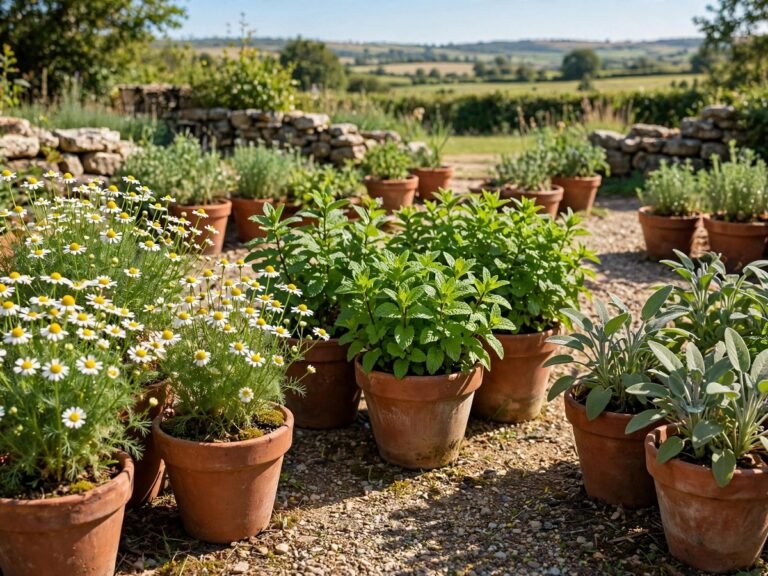
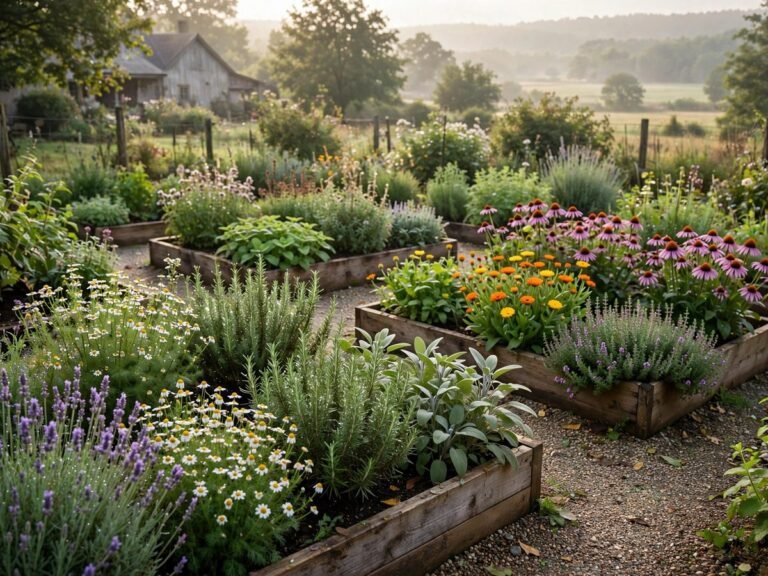
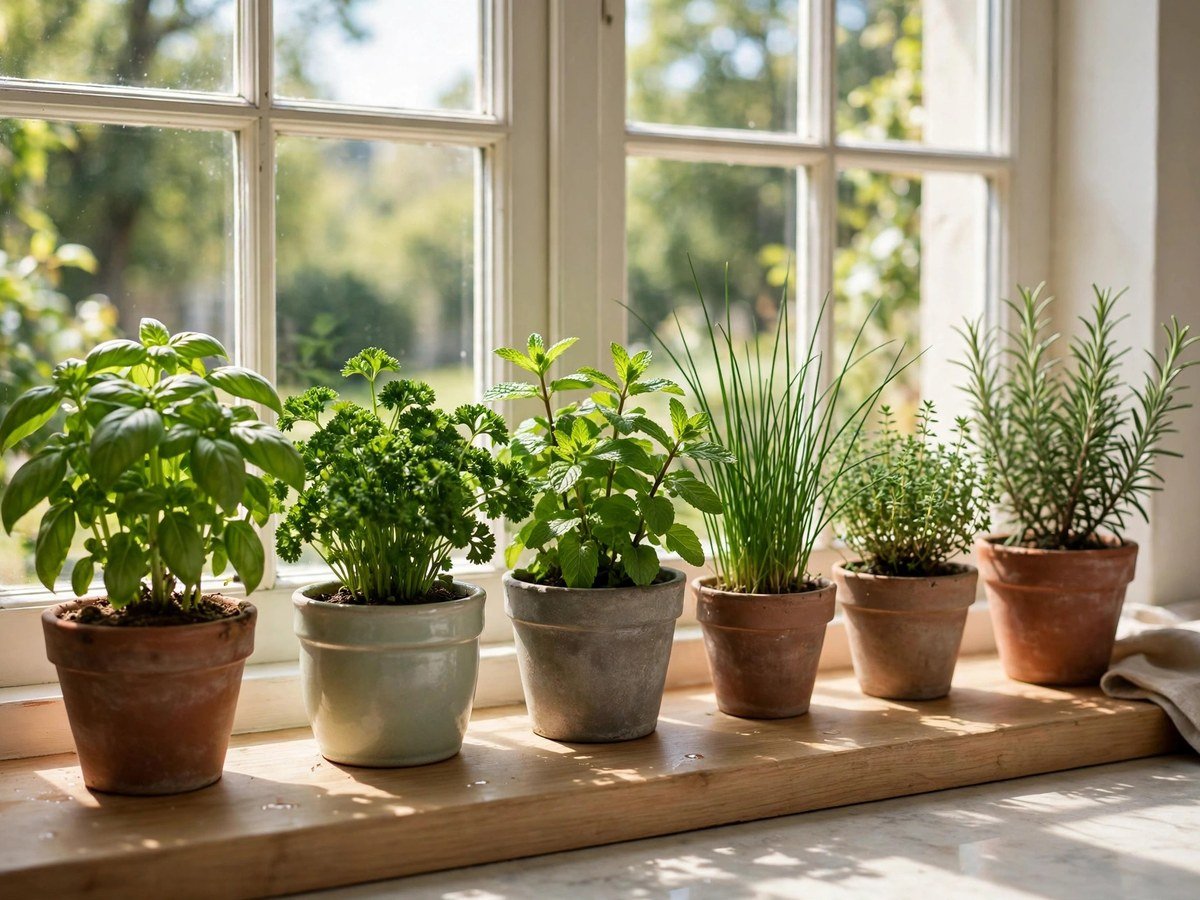
Fresh herbs are the fastest way to make home cooking taste extraordinary, and the best kitchen herbs for beginners practically grow themselves. A small pot of basil on the windowsill or a few herbs by the back door means flavor is always within arm’s reach — no more wilted grocery-store bundles. These six herbs are forgiving, fast-growing, and endlessly useful in everyday cooking, making them the perfect starting lineup for your very first herb garden.
Why Herbs Are the Perfect First Garden
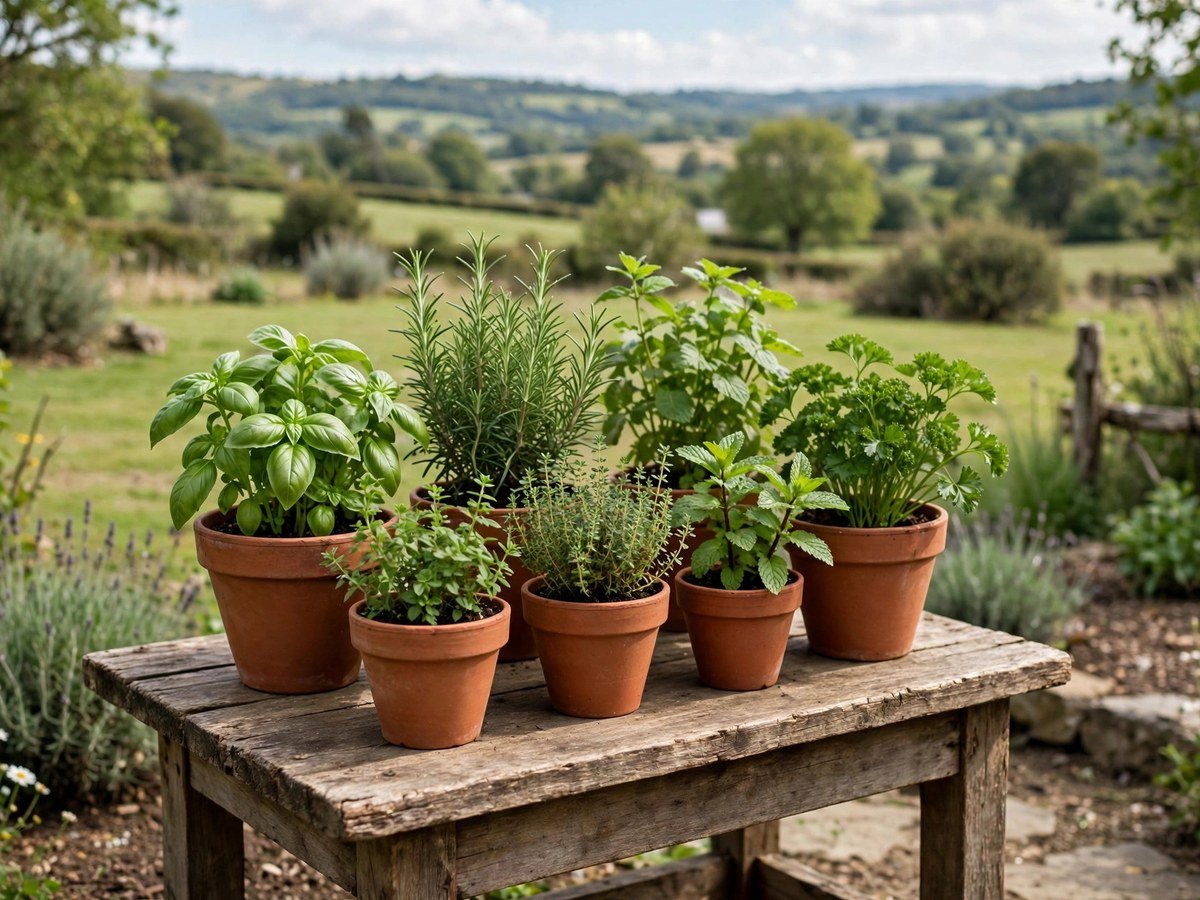
Herbs forgive beginner mistakes that would doom fussier plants. Most tolerate a missed watering, bounce back from enthusiastic harvesting, and thrive in containers, so you do not need a yard to succeed. They also deliver instant gratification: snip a few leaves and dinner is transformed tonight. Growing your own herbs saves surprising money over time, and brushing past fragrant foliage on your way to the kitchen is one of gardening’s simplest daily pleasures.
Herbs also teach you the fundamentals of gardening — watering rhythms, sunlight needs, and harvesting techniques — on plants that bounce back from almost anything. Once you have kept basil alive through a summer, you will have the confidence to try vegetables, flowers, or an entire kitchen garden. Many gardeners trace their whole growing journey back to a single pot of mint on a windowsill.
6 Best Kitchen Herbs for Beginners
Basil
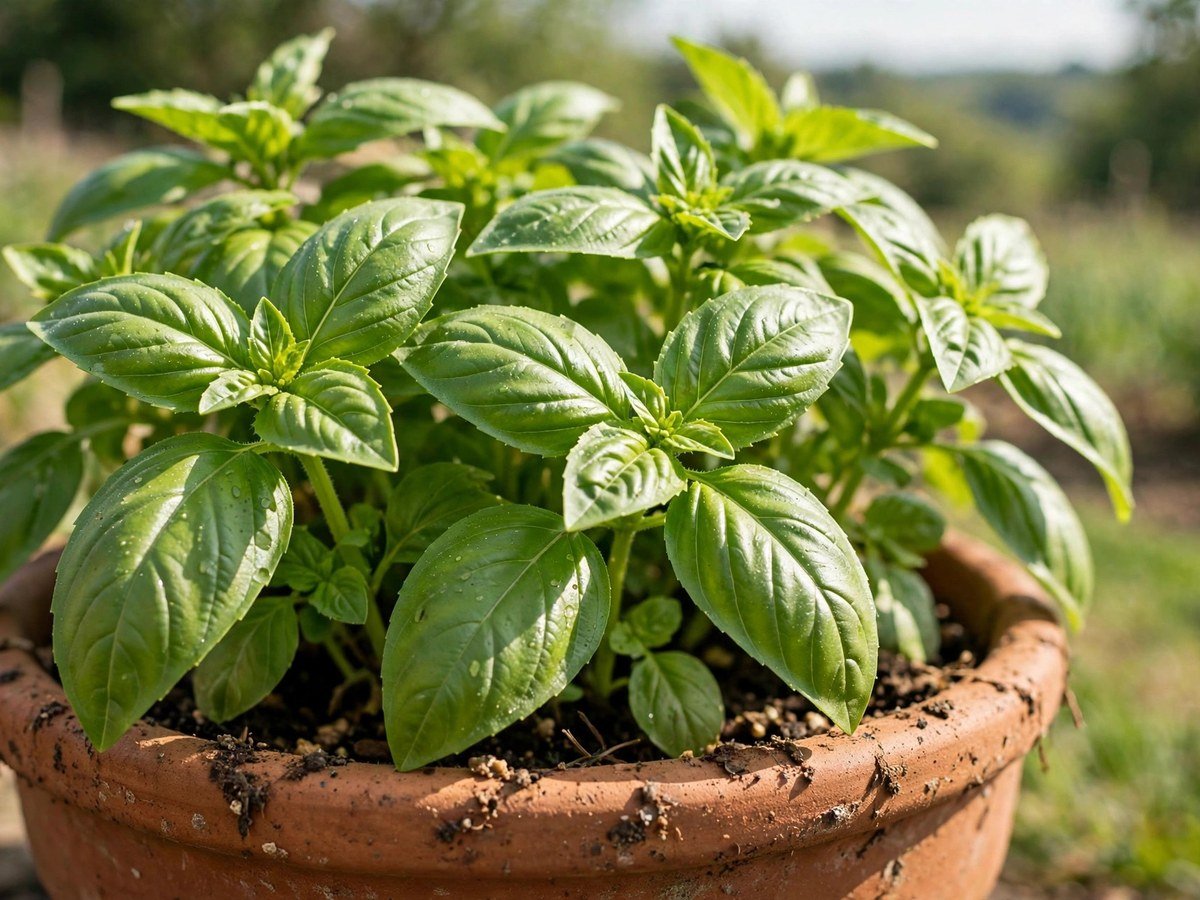
Basil is the superstar of beginner herbs — fast, fragrant, and endlessly useful in pastas, salads, and sauces. Give it warmth, full sun, and consistently moist soil, and pinch the growing tips regularly to keep plants bushy. Never let it flower if you want tender leaves; snip flower buds the moment they appear and your basil will produce all summer long.
Parsley
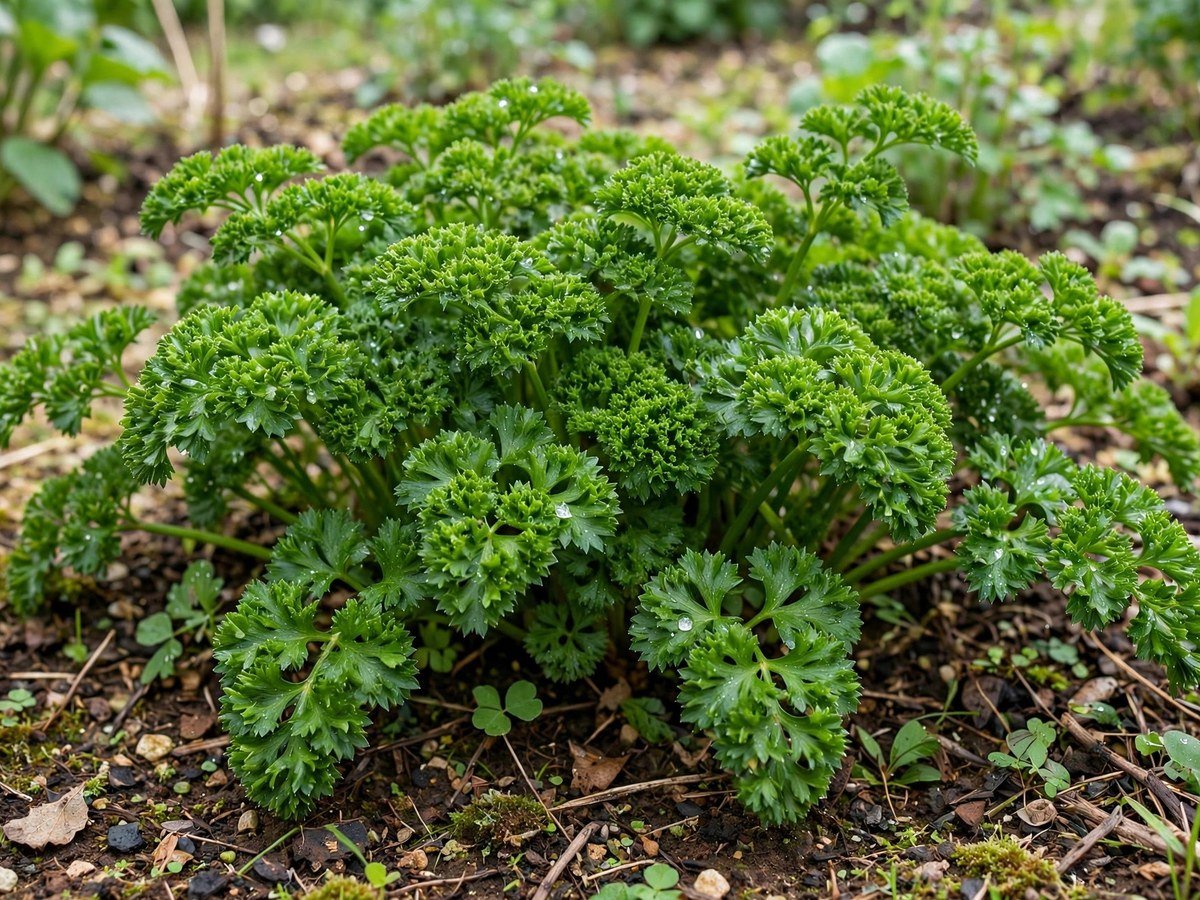
Parsley is far more than a garnish — it is a vitamin-rich workhorse for tabbouleh, chimichurri, and soups. This biennial grows slowly from seed, so beginners should start with transplants for instant results. It tolerates partial shade, likes steady moisture, and keeps producing if you harvest outer stems first. Plant extra: swallowtail butterfly caterpillars love it too.
Mint
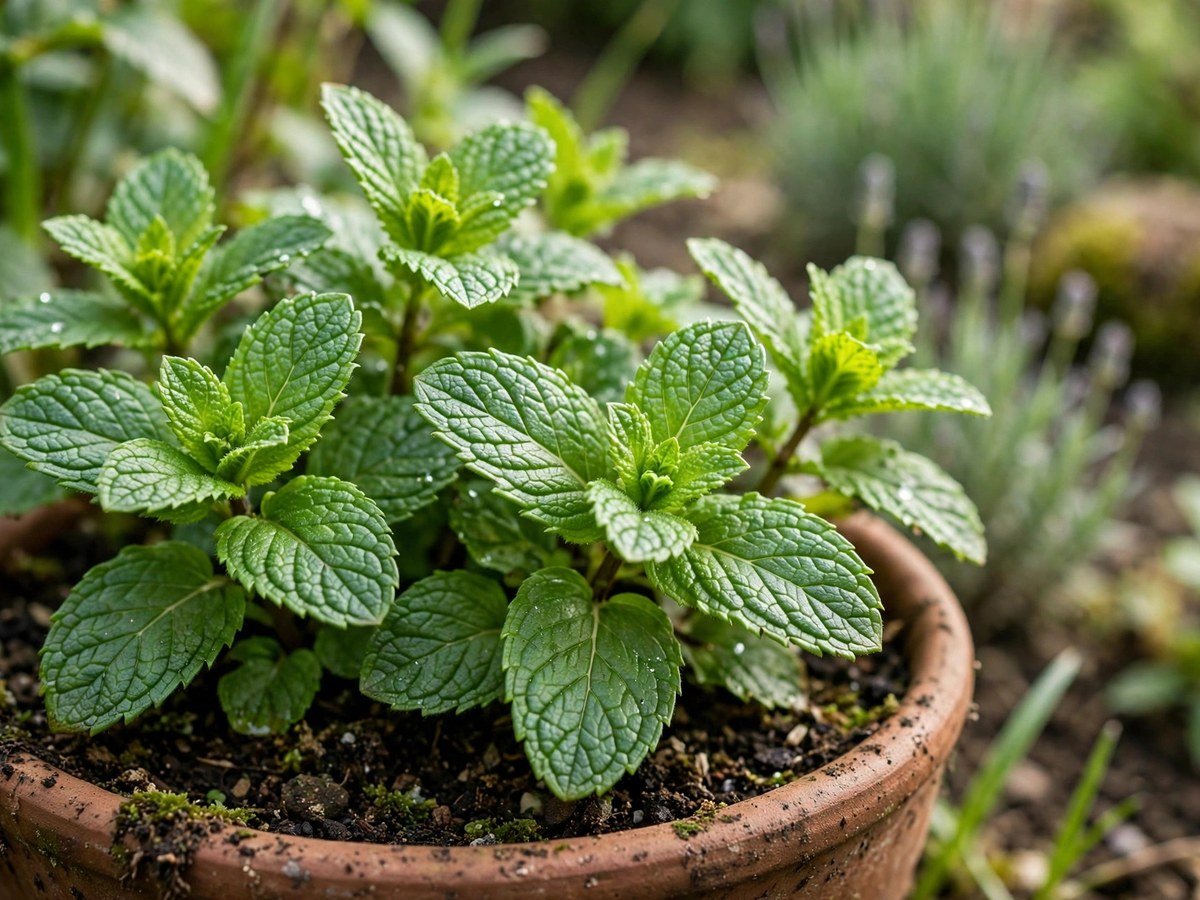
Mint is nearly indestructible, which makes it perfect for beginners — and slightly dangerous for garden beds. Always grow mint in its own container, or it will happily take over. It tolerates shade, loves moisture, and rewards frequent cutting with bushier growth. Keep a pot by the kitchen for teas, desserts, and summer drinks.
Chives
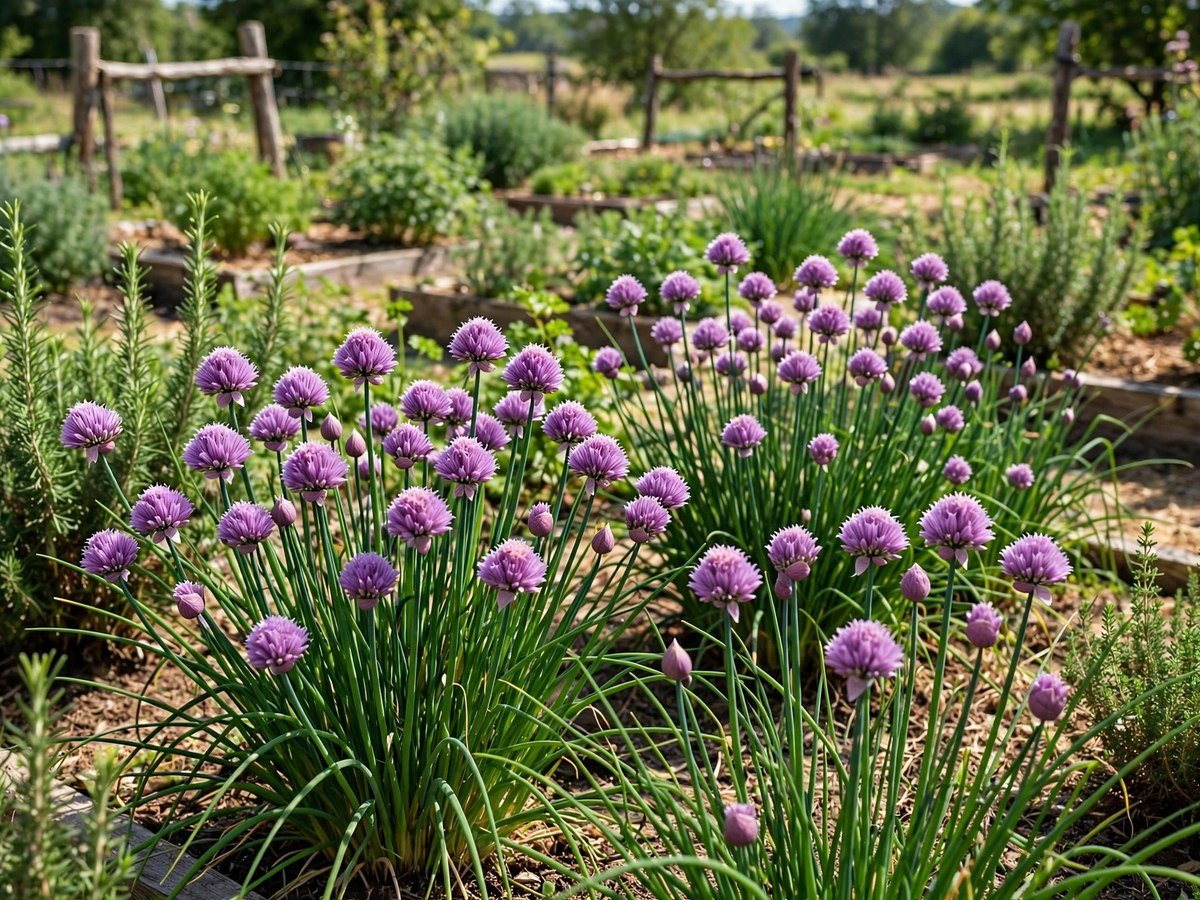
Chives are the set-and-forget herb every beginner should own. This hardy perennial pops up early each spring with mild onion-flavored blades and charming purple pompom flowers that bees adore. Snip blades an inch above the base and they regrow in days. Divide the clump every few years and you will have free plants to share.
Thyme
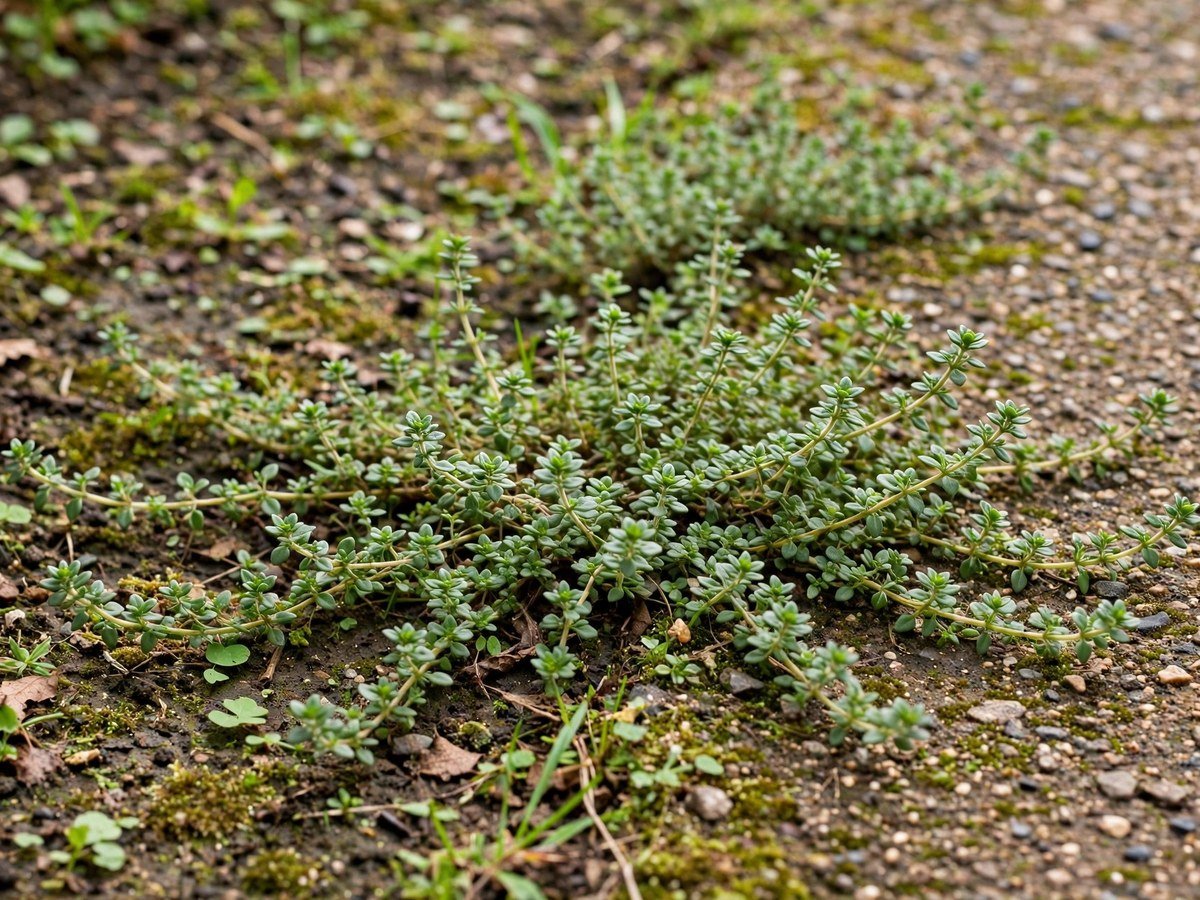
Thyme is a tiny-leafed powerhouse that shrugs off neglect. This Mediterranean perennial loves full sun and well-drained — even poor — soil, and actually tastes better when slightly stressed. It is perfect for edging paths or spilling from pots, and a few sprigs elevate roasted vegetables, soups, and stews. Trim lightly after flowering to keep it compact.
Rosemary
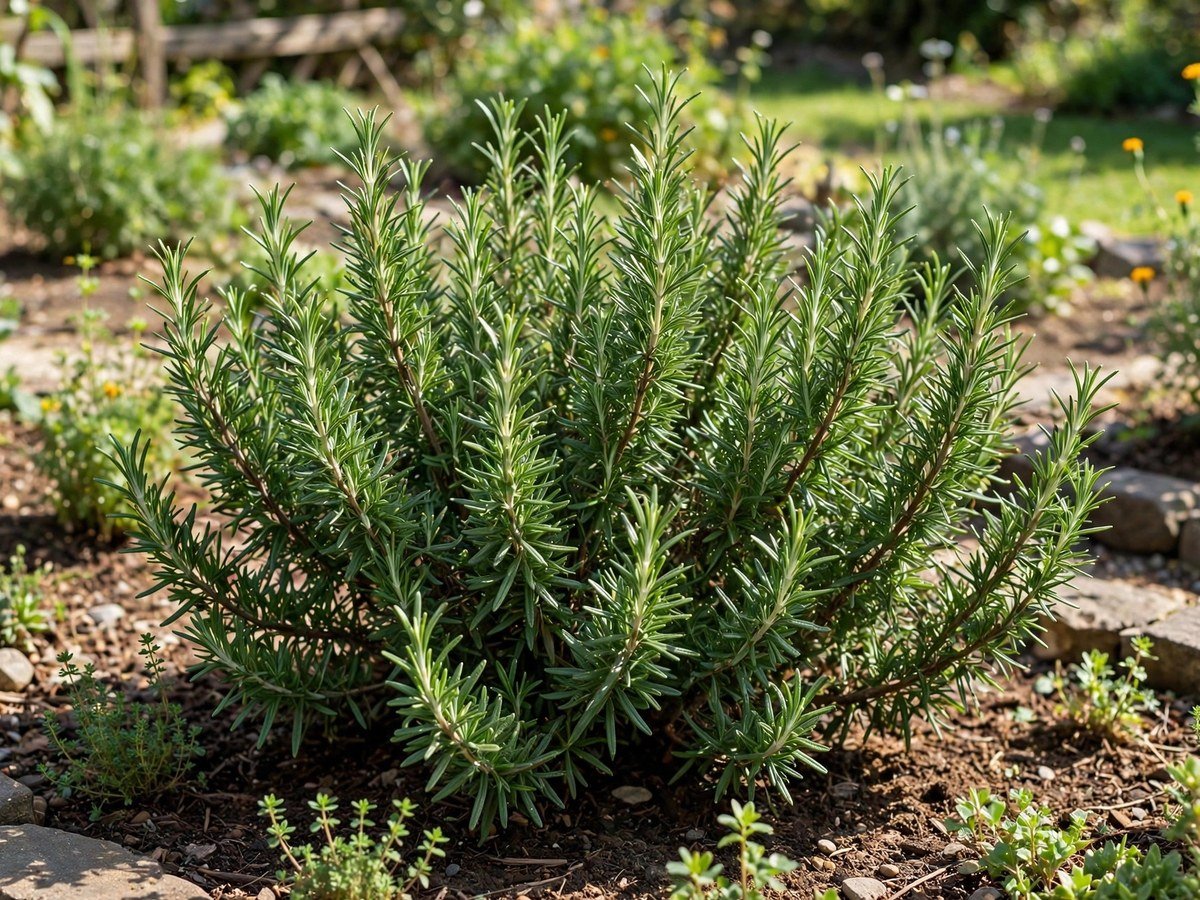
Rosemary brings year-round structure and piney fragrance to the herb garden. In mild climates it grows into an evergreen shrub; in cold zones, grow it in a pot and bring it indoors for winter. It demands excellent drainage and hates wet feet — a terracotta pot with sandy soil is ideal. Snip sprigs as needed for roasts, breads, and fragrant kitchen wreaths.
Beginner Herb Care Tips
Harvest little and often — regular snipping keeps herbs productive and prevents legginess. Water when the top inch of soil feels dry, but avoid soggy pots, the number one herb killer. Most herbs want at least six hours of sun, so choose your brightest windowsill or patio corner. Feed lightly every few weeks with diluted liquid fertilizer, and bring tender herbs like basil indoors before the first frost to extend the season.
Start with transplants rather than seeds for instant success — a small basil plant beats a packet of seeds for a first-timer. Group pots together so they create a slightly humid microclimate, and rotate containers every few days so all sides get even light. If a plant looks tired mid-summer, a hard trim and a week of shade often revives it completely.
Frequently Asked Questions
Should I grow herbs indoors or outdoors?
Both work. Outdoors gives bigger harvests, but a sunny south-facing windowsill grows basil, parsley, mint, and chives beautifully year-round. Rosemary and thyme prefer outdoor sun when possible.
Which herbs can share a pot?
Group herbs with similar needs: basil and parsley both like moisture, while thyme and rosemary prefer drier soil. Always give mint its own pot — it will crowd out everything else.
Why does my basil keep dying?
The usual culprits are cold, soggy soil, or flowering. Keep basil warm, let soil dry slightly between waterings, ensure good drainage, and pinch off any flower buds immediately.
Which of these herbs come back every year?
Chives, thyme, and rosemary (in mild climates) are perennials. Basil is an annual, parsley is biennial, and mint is perennial but best grown in pots you can manage.
How do I preserve extra herbs?
Air-dry thyme and rosemary in bundles; freeze basil and parsley in ice cube trays with olive oil; and dry mint flat for teas. Properly stored, they keep for months.
Your Herb Garden Awaits
Six pots, a sunny spot, and a little curiosity are all you need to join the fresh-herb revolution. Start with basil and mint this weekend, add the rest as confidence grows, and taste the difference homegrown flavor makes. Your cooking — and your windowsill — will never be the same.