Container Gardening for Small Backyards
You might think you need a massive farm to grow your own food or flowers. That is simply not true. If you have a tiny backyard, a patio, or even just a balcony, you have enough space. Container Gardening for Small Backyards is the best way to turn a small patch of concrete into a lush, green escape.
I started gardening in pots years ago because I lived in a small apartment. I learned quickly that you do not need acres of land to enjoy fresh herbs or pretty blooms. At Plantzu, we believe that anyone can be a gardener. You just need the right pots and a little bit of sunshine.
Choosing Container Gardening for Small Backyards
Not every pot works for every plant. You must think about what you are growing before you buy your supplies. The most important thing is drainage. If water cannot escape, your plant roots will rot. Always check for holes at the bottom of your containers.
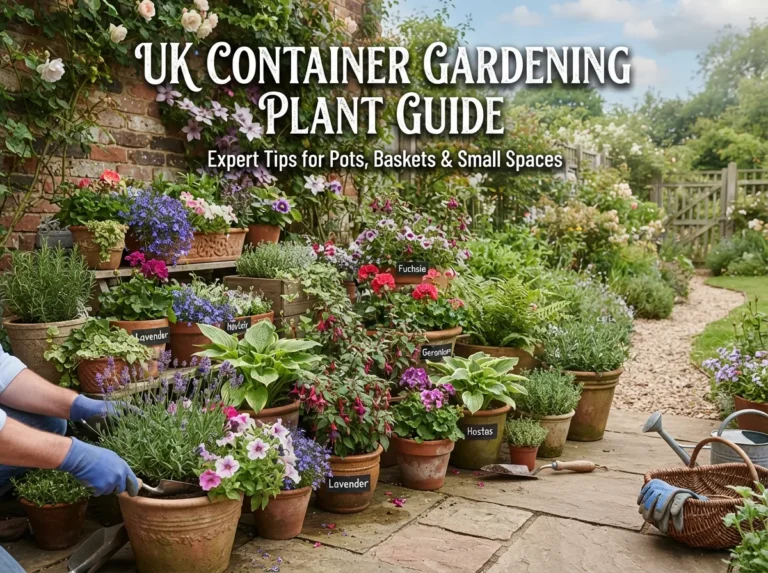
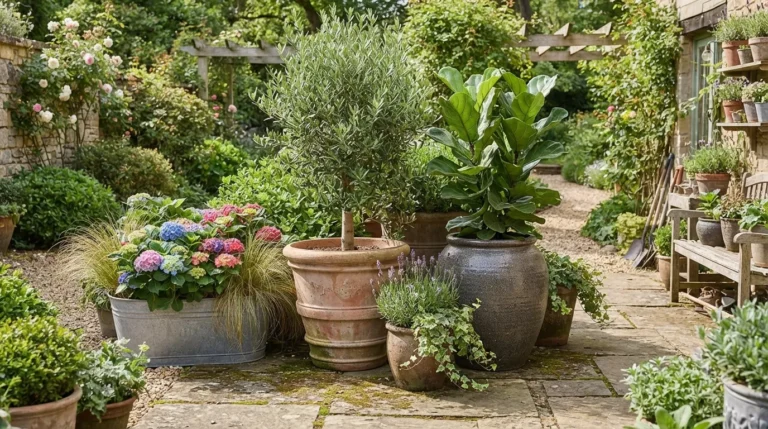
You can use almost anything as a pot. Old wooden crates, plastic buckets, or pretty ceramic planters work great. Just make sure the container is big enough for the roots to grow. A tiny pot for a large tomato plant will just lead to stress for both you and the plant.
Consider the material of the pot too. Terracotta is heavy and looks nice, but it dries out fast. Plastic is lighter and keeps moisture better. Think about how often you want to water your plants. If you are busy, plastic or glazed pots might be a better choice for you.
Picking the Best Plants for Small Spaces
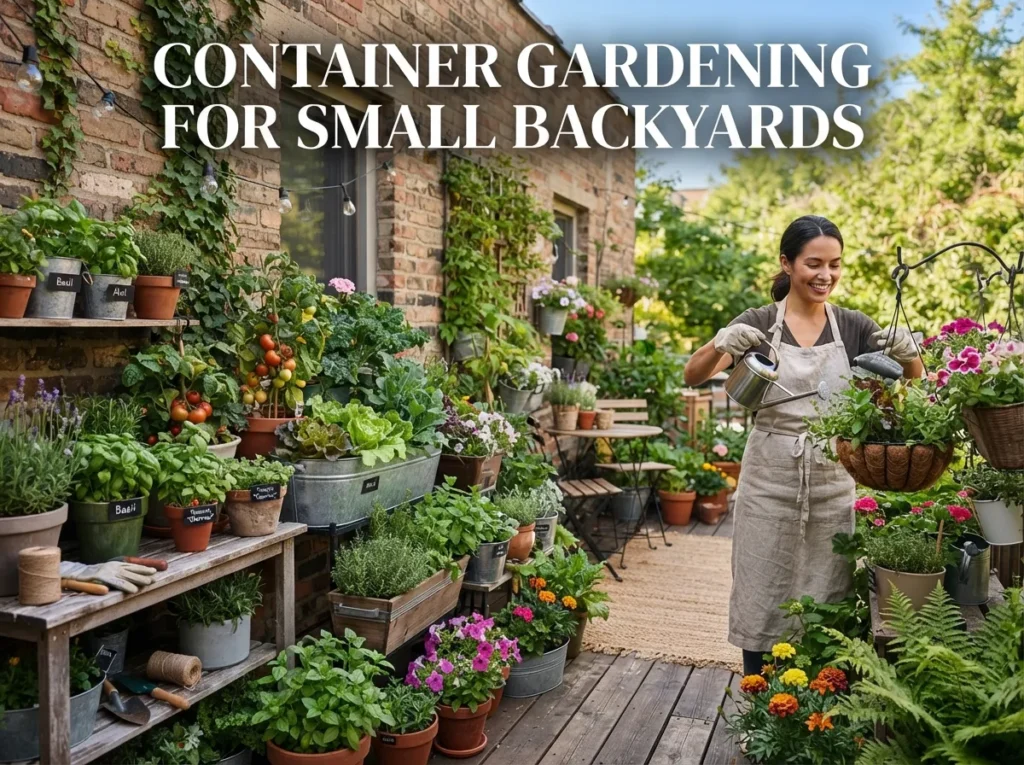
When you have limited space, you have to be smart about what you grow. Do not pick plants that grow five feet wide. Instead, look for compact or bush varieties. Many seed packets now say “patio” or “dwarf” right on the front. These are perfect for your small backyard.
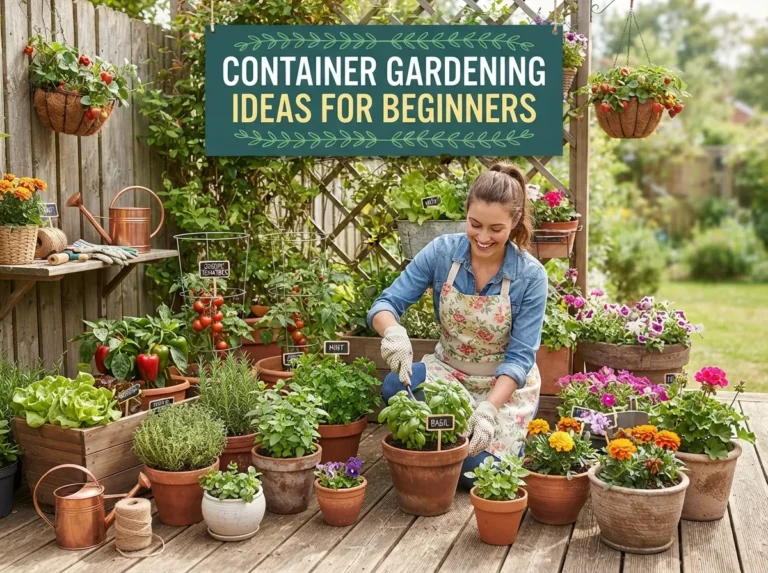
Leafy greens are my favorite for small spaces. Lettuce, spinach, and kale grow well in shallow pots. You can pick leaves as you need them for a salad. It is very satisfying to eat food that you grew just steps from your back door.
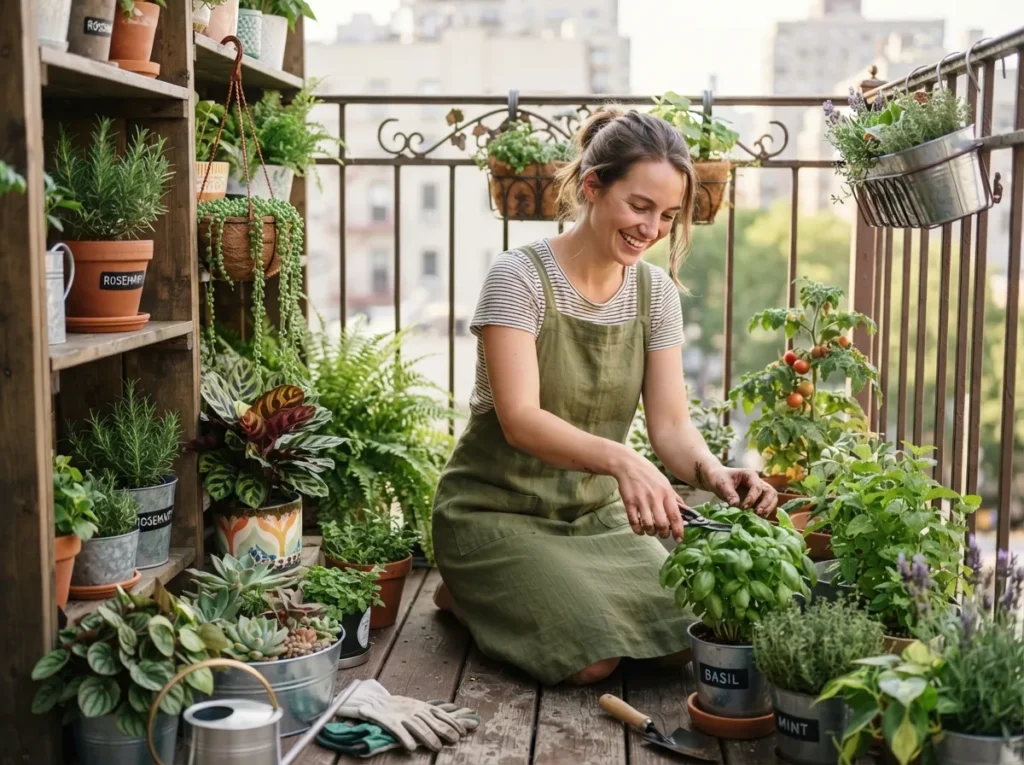
Herbs are also fantastic. Basil, parsley, and mint do not need much room. You can group them together in one large container. This creates a mini herb garden that smells amazing. It can even help you create a healing garden in your backyard where you can relax after a long day.
Soil and Fertilizer Essentials
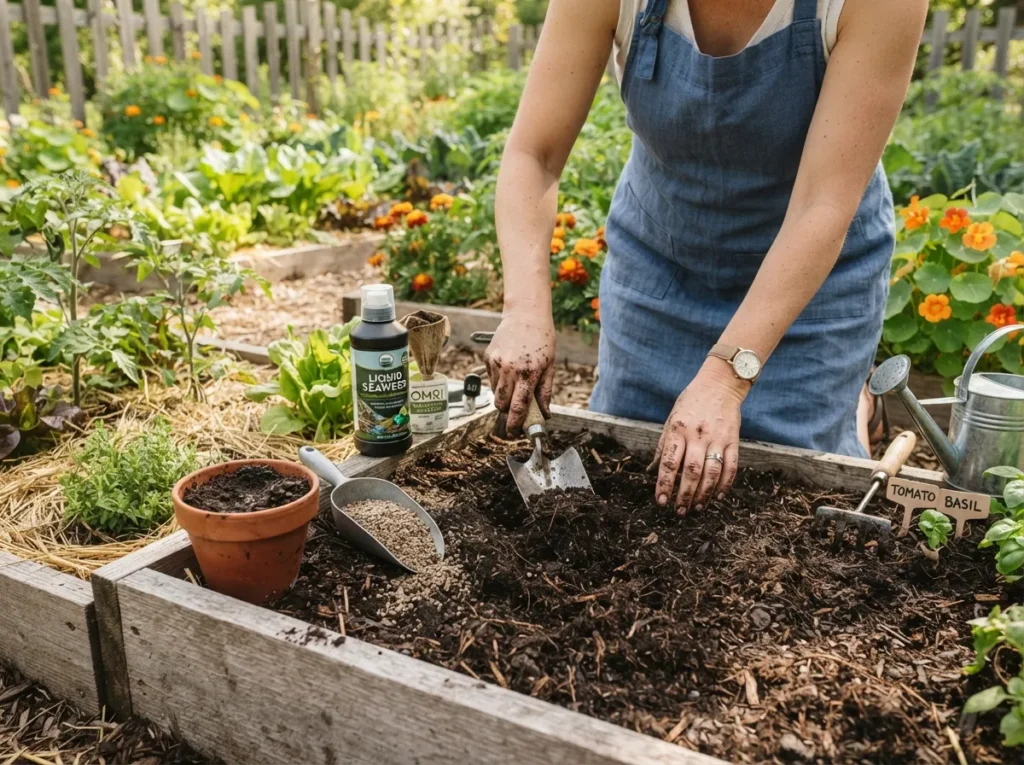
Never use plain dirt from your backyard in a pot. It is too heavy and might have bugs or diseases. Always buy high-quality potting mix. This is light, fluffy, and designed to help roots grow. It holds enough water but still lets extra air in.
Potted plants need extra food because they cannot get nutrients from the ground. They are stuck in a limited amount of soil. Use a slow-release fertilizer or liquid plant food every few weeks during the growing season. This ensures your plants have the fuel they need to keep looking good.
Keep an eye on the soil moisture. Stick your finger into the dirt about an inch deep. If it feels dry, give it a drink. If it feels wet, wait a day or two. Overwatering is actually the most common mistake new gardeners make.
Making the Most of Vertical Space
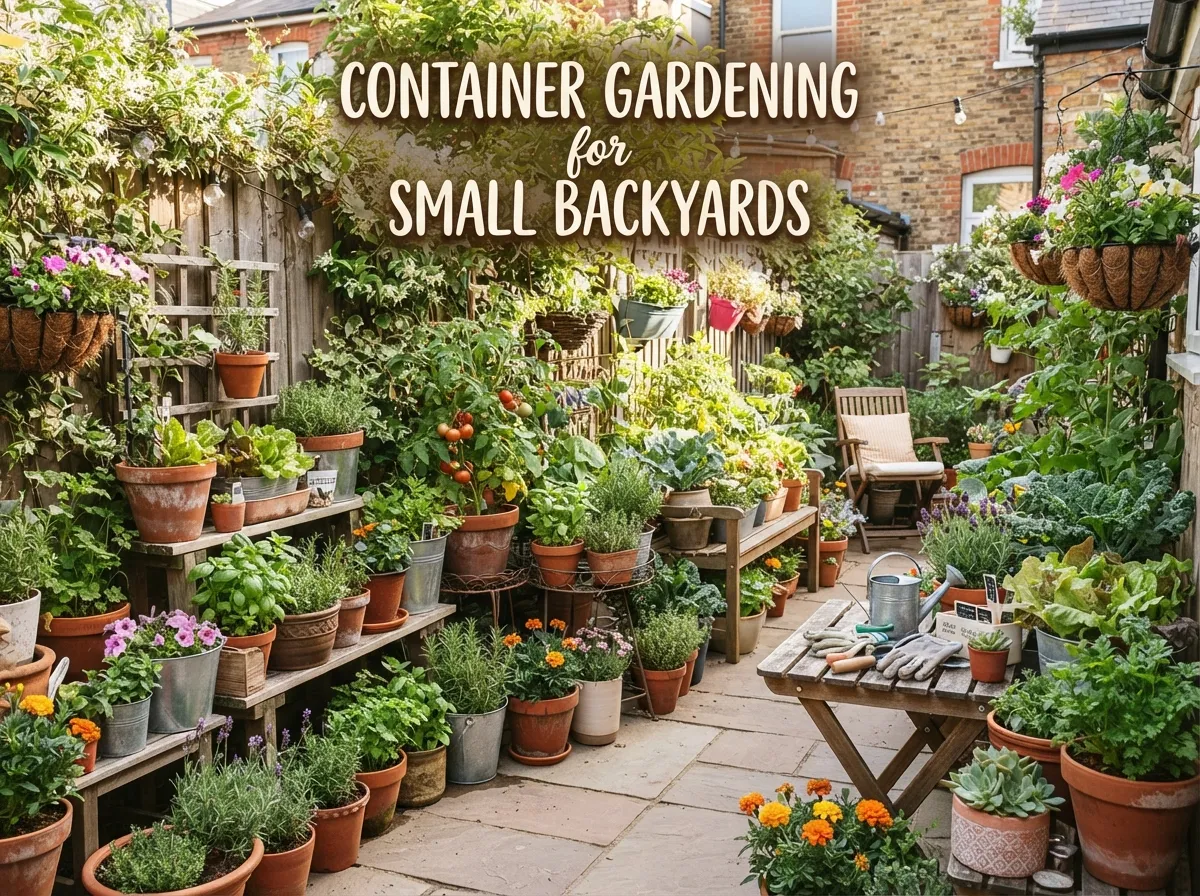
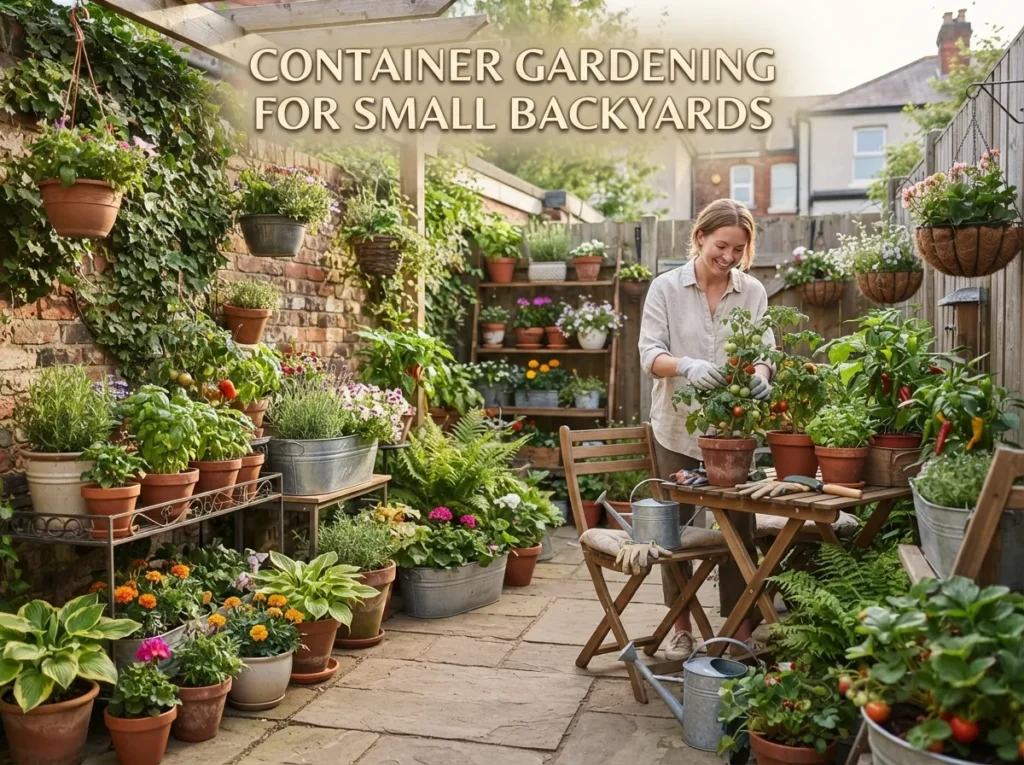
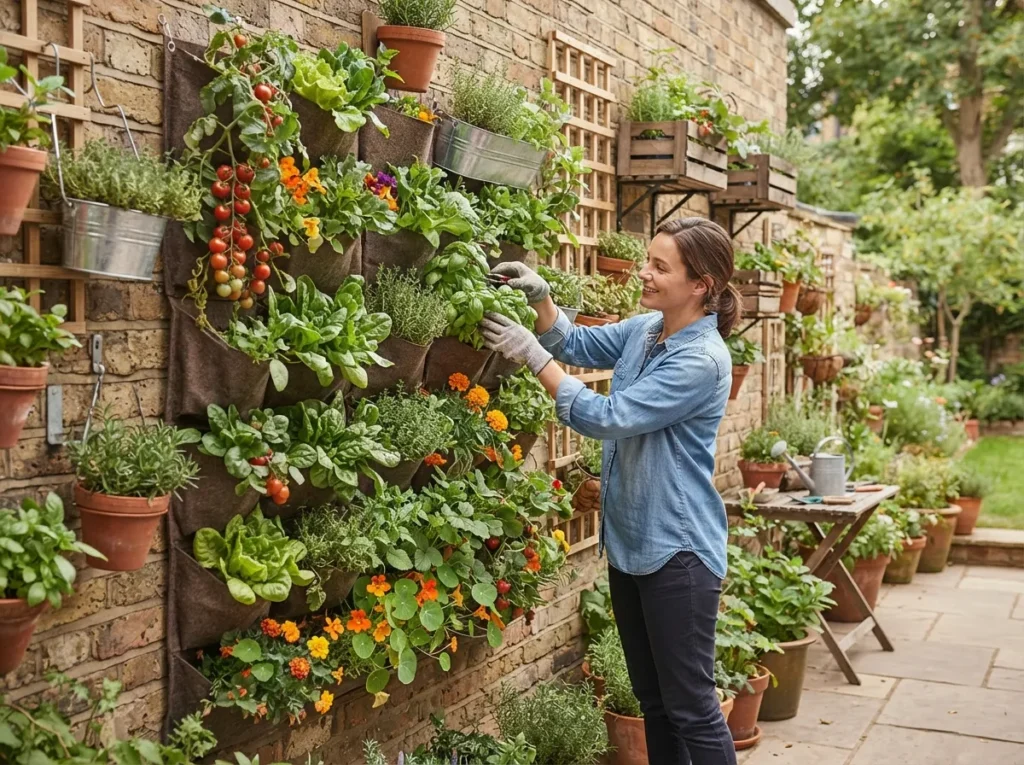
If your floor space is full, look up. You can hang pots from railings or walls. Using vertical space is the secret to making a small backyard feel like a jungle. You can use hanging baskets for trailing plants like strawberries or ivy.
Shelves are another great trick. Build or buy a simple plant stand to hold your pots at different heights. This creates visual interest and lets you pack more plants into a small area. Plus, it makes it much easier to reach your plants when it is time to prune or harvest.
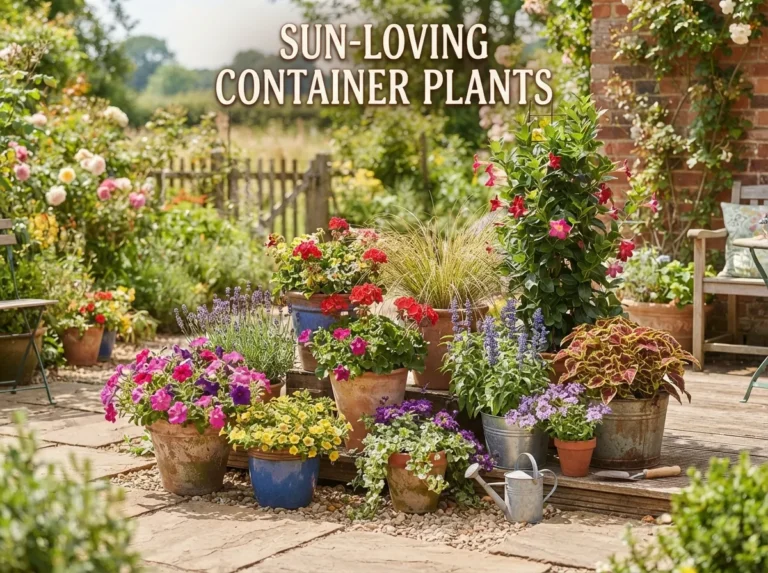
Think about the light in your yard. Some areas might get full sun, while others stay in the shade. Place your sun-loving plants on the higher shelves where they can soak up the rays. Put your shade-loving plants, like ferns or hostas, in the lower, darker corners.
Dealing with Common Issues
Gardening is not always perfect. You might find aphids on your basil or yellow leaves on your tomatoes. Do not panic. Check your plants often so you can catch these problems early. Often, a quick spray with water or a little soap solution is all you need.
Weather is another factor. In the heat of August 2026, your pots might dry out in just a few hours. Check your containers every morning. If you live in a very hot area, you might need to move your pots into a spot with afternoon shade.
Lastly, remember to have fun. Gardening should be a way to lower your stress, not add to it. If a plant dies, do not give up. Even the best gardeners lose plants sometimes. Just learn from it and try something different next season.
FAQ Container Gardening for Small Backyards
How often should I water my container plants?
It depends on the weather and the plant. Check the soil with your finger. If it feels dry to the touch, it is time to water. In the height of summer, you might need to water every single day.
Can I grow vegetables in small pots?
Yes, absolutely. Tomatoes, peppers, lettuce, and radishes all grow very well in containers. Just ensure the pots are large enough for the roots and that they get plenty of sunlight.
What is the best potting mix to use?
Look for a standard, high-quality potting mix at your local garden center. Avoid “garden soil” or “topsoil,” as these are too heavy and do not drain well in containers.
Do I need to fertilize my plants?
Yes. Because the soil in a pot is limited, the nutrients run out quickly. Adding a liquid fertilizer every few weeks will help your plants grow strong and produce plenty of flowers or food.
Can I leave my containers outside all year?
This depends on where you live and what you are growing. If your plants are annuals, they will die when it gets cold. If you live in a place with freezing winters, ceramic pots might crack. You may need to bring your pots indoors or choose frost-hardy plants.