UK Container Gardening Plant Guide
If you have a small patio, a balcony, or just a tiny corner that needs some life,UK Container Gardening Plant Guide, our weather can be a bit unpredictable, but that does not mean you cannot have a stunning garden. In 2026, the trend is all about being practical, saving time, and choosing plants that actually want to grow in our changing climate.
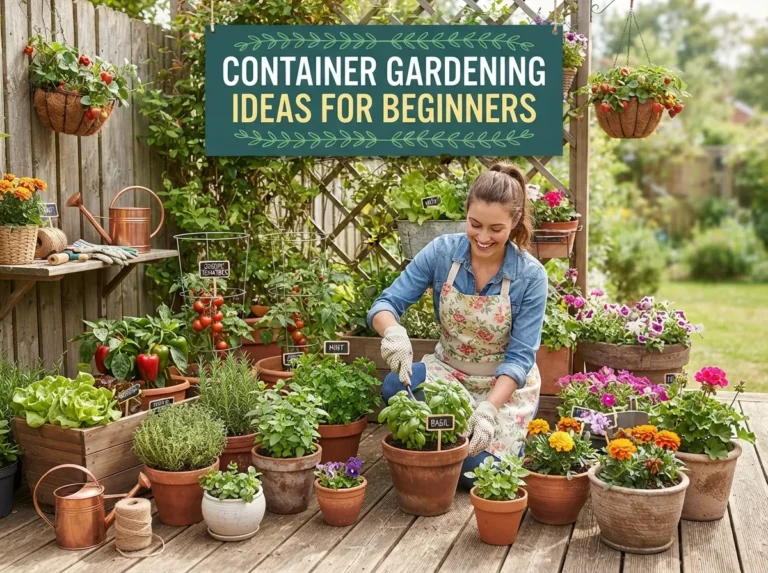
You do not need a massive garden to grow beautiful things. Whether you want to grow your own food or just want a splash of colour, you can do it all in pots. If you want to get creative with your space, you might like looking at 25 Easy DIY Garden Projects to Transform Your Yard to see how you can arrange your pots for the best look.
Choosing the Right Plants for 2026
This year, gardeners are moving toward plants that are tough and can handle both wet winters and hot, dry summers. We call this climate-smart gardening. You want plants that work for you, not the other way around.
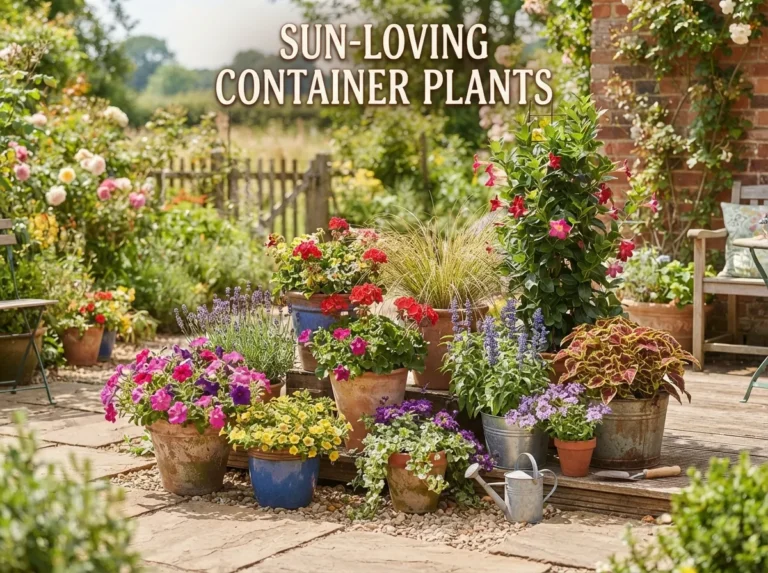
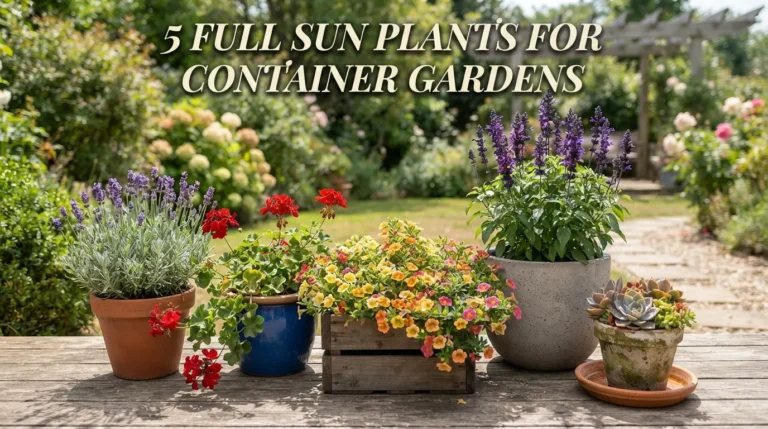
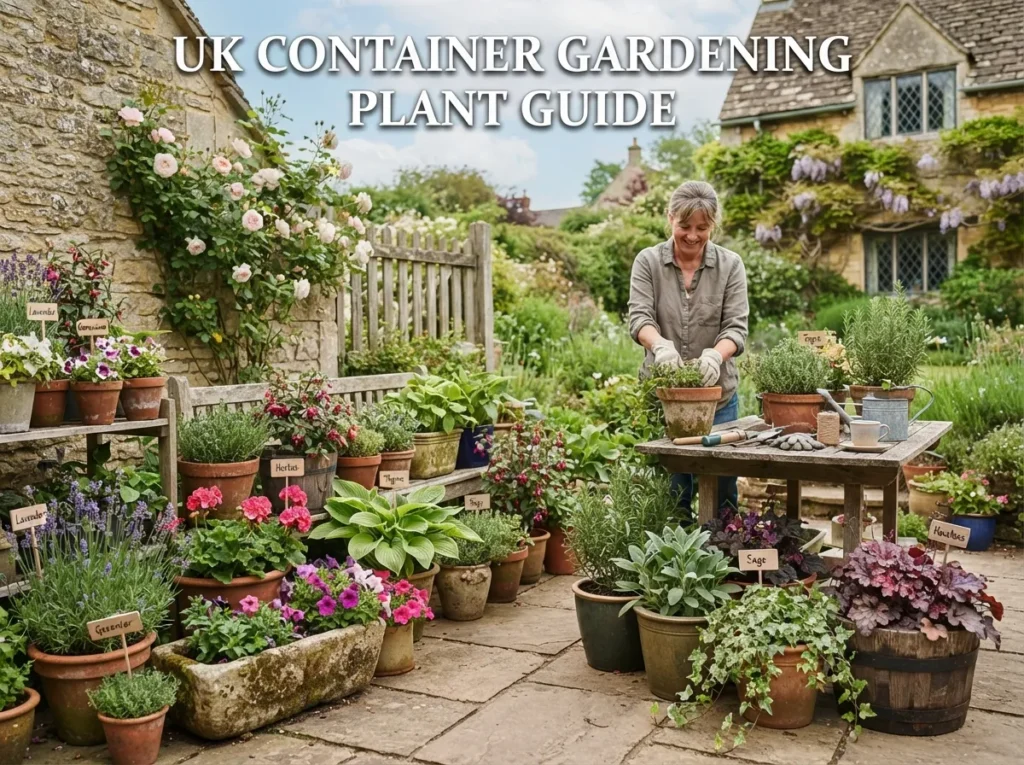
For a beautiful display that lasts, try these options:
- Lavender: This is a classic for a reason. It loves the sun, handles dry spells like a pro, and smells amazing.
- Sedum: These are perfect for busy people. They hold water in their leaves and do not mind if you forget to water them for a few days.
- Dahlias: If you want bold, bright colour late in the season, these are your best bet. They keep flowering well into autumn.
- Herb gardens: Growing things you can eat is huge right now. Thyme, rosemary, and chives are very happy in pots and save you a trip to the supermarket.
- Ornamental grasses: These add lovely movement and texture to your patio, especially when the wind blows.
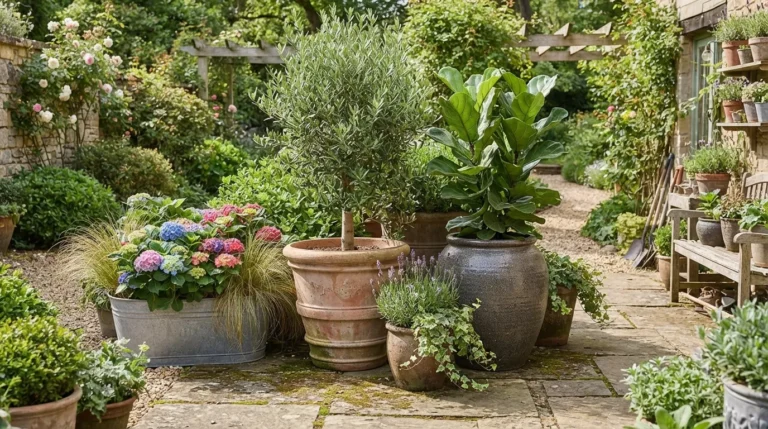
If you are new to this, Plantzu has some great ideas on how to mix and match these plants to create a look that feels personal to you. Remember, the trick is to group your pots together. It makes them look like a intentional garden design rather than just scattered pots.
UK Container Gardening Plant Guide
Our weather can be the biggest challenge for container plants. To keep your garden happy all year, follow these simple rules.
Drainage is Everything
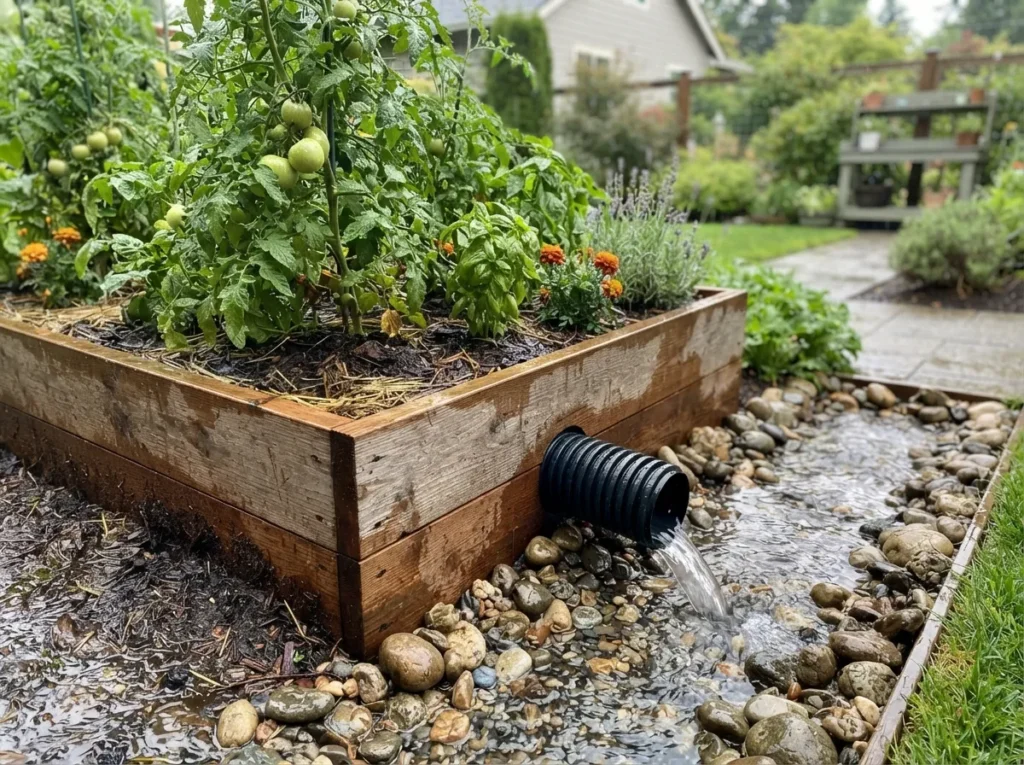
Never forget the drainage holes. If your pots do not have them, your plants will sit in soggy soil and their roots will rot. It is also a good idea to put your pots on little feet or bricks to lift them off the ground. This helps water flow out freely and stops the pots from freezing to the patio in winter.
Watering Your Pots
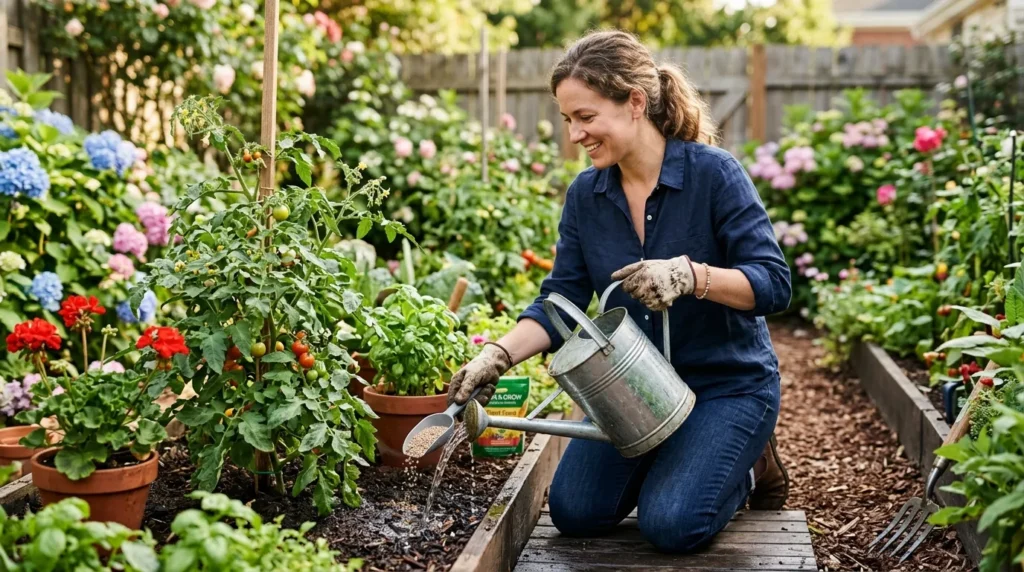
Plants in pots dry out much faster than plants in the ground. In the summer heat, check your pots daily. If you are going away, try to set up a simple watering system or ask a neighbour to help. You can also use mulches like bark chips on the top of the soil to help keep moisture in for longer.
Choosing Your Soil
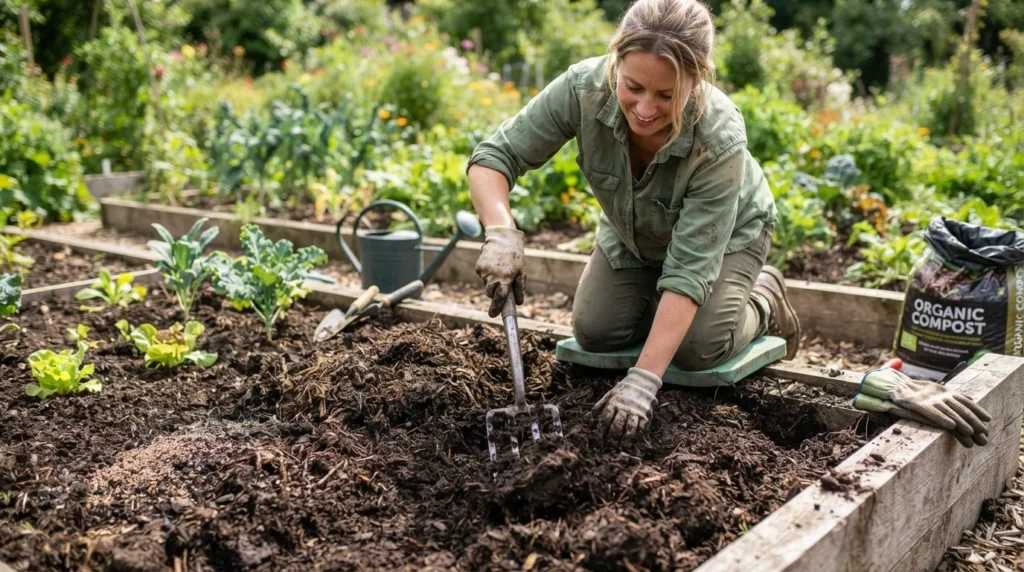
Do not just dig up soil from your garden. It is usually too heavy and will get packed down in a pot. Use a good quality potting compost. If you are planting shrubs or perennials that will stay in the same pot for a long time, use a loam-based compost. It is heavier and gives the plants more stability.
Creating a Stylish Look
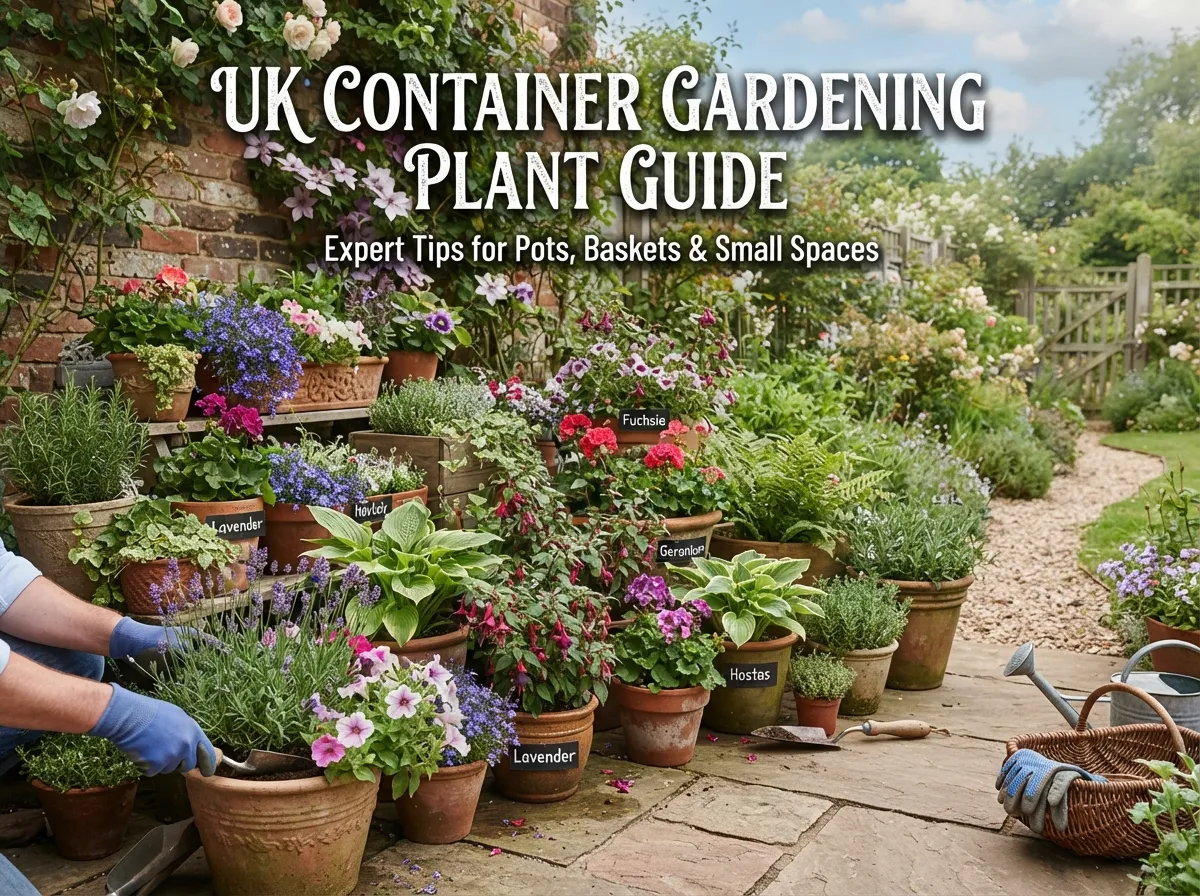
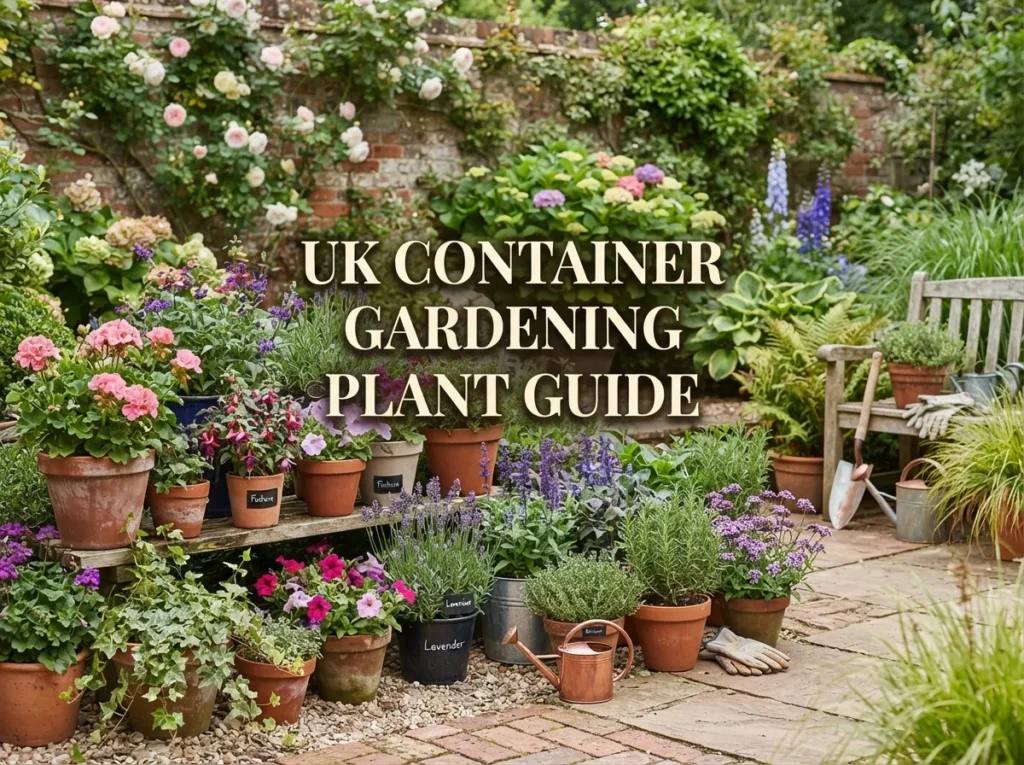
You can make your space feel bigger by using different heights. Do not put all your pots on the ground. Use a wooden crate or a plant stand to raise some of them up. This creates layers and makes your garden look much more professional.
Stick to a simple colour palette. Too many colours can look messy. In 2026, soft pastels like pale pinks and creamy whites are very popular. They make a small balcony or patio feel calm and relaxing after a long day.
Finally, do not be afraid to move your plants around. That is the beauty of containers! If a plant looks like it is struggling in one spot, move it to a shadier or sunnier area. You are the boss of your garden, so keep experimenting until you find what works.
Frequently Asked Questions
Can I keep my container plants outside all winter?
Most hardy perennials will be fine, but you should check the label. If you have tender plants like some fuchsias or exotic flowers, move them into a greenhouse or a sheltered spot against the house wall when the cold weather starts.
How often should I feed my plants?
Since plants in pots use up the nutrients in their soil quite quickly, you should feed them during the growing season. A liquid fertiliser added to your watering can once every two weeks during the summer is usually plenty.
Is it really cheaper to grow my own food in pots?
Yes, it can be. Herbs and salad greens are very expensive in shops but very cheap to grow from seeds. Even if you only have space for one pot of tomatoes, you will notice the difference in taste and cost by the end of the summer.
What should I do if my pots get too heavy?
Always use lightweight pots if you plan to move them around. Plastic or resin pots that look like stone or metal are excellent choices. They are much easier to move and often have better insulation for plant roots.