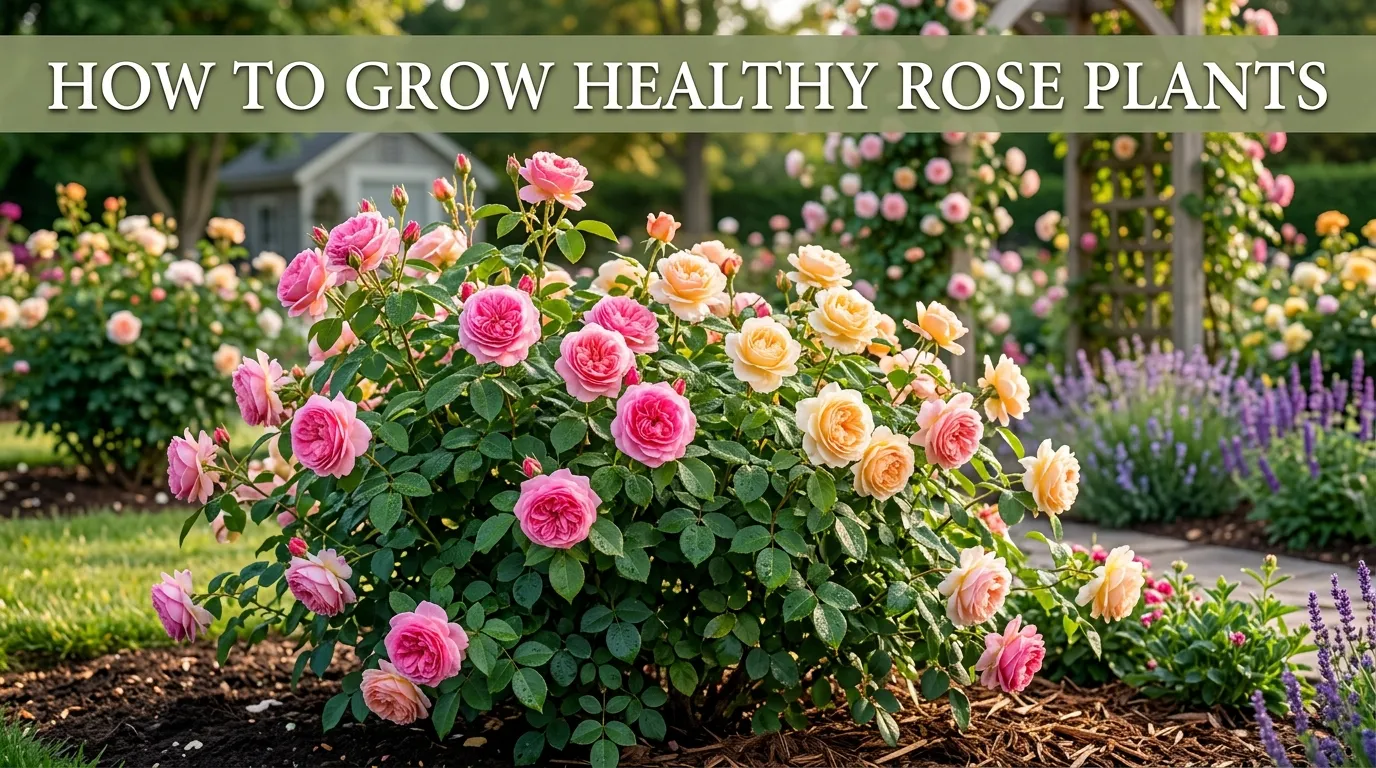
How to Grow Healthy Rose Plants
Roses are the queens of the garden. Many people think they are hard to grow, but that is not always true. If you give them what they need, they will reward you with beautiful flowers all season long. Whether you are a new gardener or have been planting for years, you should know How to Grow Healthy Rose Plants.
At Plantzu, we love helping people get their hands dirty. You do not need a massive estate to enjoy these blooms. In fact, if you have limited space, you might want to look at our guide on Easy Container Plants That Thrive to see if roses fit your setup.
Choose the Right Spot for Your Roses
The most important step happens before you even dig a hole. Roses are hungry for sunshine. They need at least six to eight hours of direct sunlight every single day. If they stay in the shade, they will get weak and stop blooming.
Airflow is the next big thing. You want to pick a place where the breeze can reach your plants. Good air movement stops many common diseases from taking hold. Try not to crowd your roses too close to a wall or a fence where the air feels stuck.
How to Grow Healthy Rose Plants Correctly
When you are ready to put your roses in the ground, dig a hole that is wide and deep enough for the roots. You want to make sure the roots have plenty of room to stretch out. Mix some good quality compost into the soil you dug out.
Place the plant in the hole at the right depth. A good rule is to keep the bud union, which is the knobby part at the base of the stem, just level with or slightly above the soil line. Fill the hole back in with your soil mixture and press it down gently with your hands.
Water your new plant right away. This helps the soil settle around the roots and removes any air pockets. Giving your plant a good start makes all the difference for the rest of the year.

Watering and Feeding Your Plants
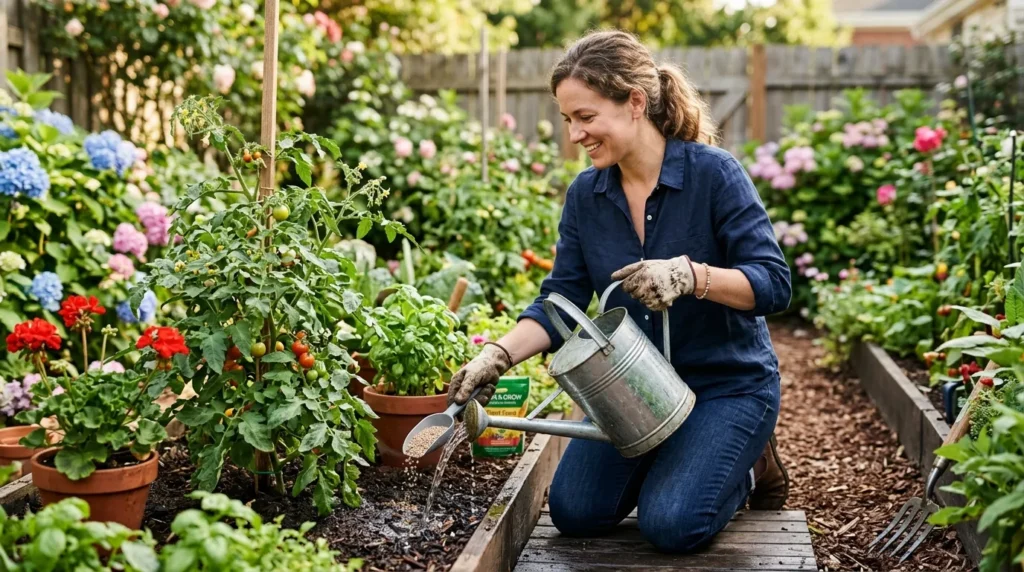
Roses get thirsty, especially when the weather gets hot in the middle of summer. It is better to water them deeply once or twice a week rather than giving them a tiny sprinkle every day. Deep watering encourages the roots to grow down into the earth where it is cooler.
Try to water the base of the plant instead of getting the leaves wet. Wet leaves can lead to fungus and black spots. A simple watering can or a slow-dripping hose works wonders for this.
Feeding is also important. Roses are heavy feeders. You should use a balanced fertilizer made specifically for roses. Follow the instructions on the bag so you do not burn the roots. Many gardeners choose to feed their roses when the first leaves appear in spring and then again after the first big flush of flowers.
Pruning for Better Growth
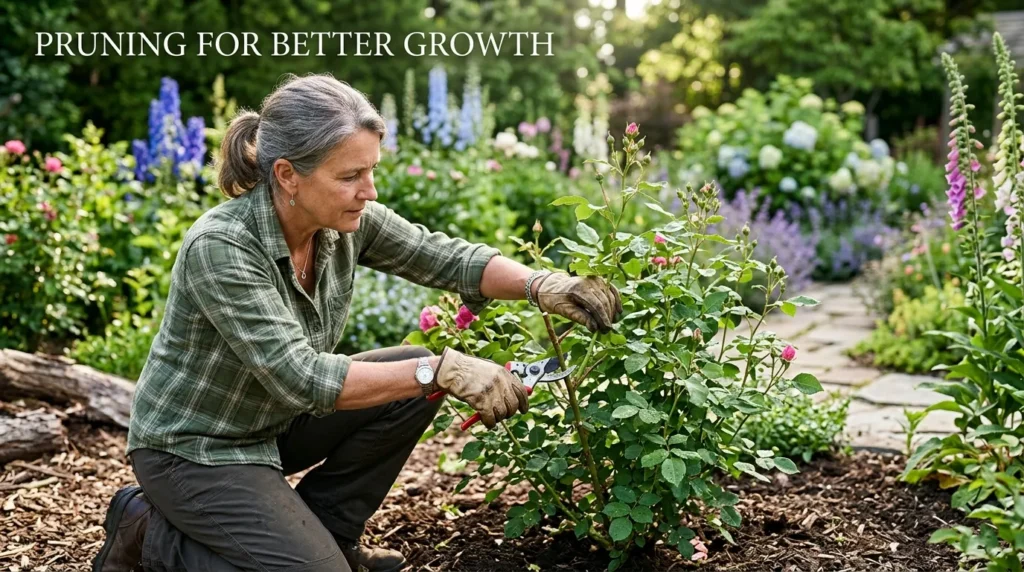
Pruning sounds scary, but it is actually quite simple. You mainly want to remove dead or damaged wood. When you see a stem that looks brown or shriveled, cut it back to where you see healthy green tissue.
You also want to thin out the middle of the plant. If the branches are growing toward each other or rubbing together, cut one of them off. This opens up the center of the bush so light and air can get inside.
The best time to do your main pruning is in late winter or early spring. Look for when the buds start to swell but before the leaves fully open. This is when the plant is just waking up and getting ready for the new season.
Managing Pests and Diseases
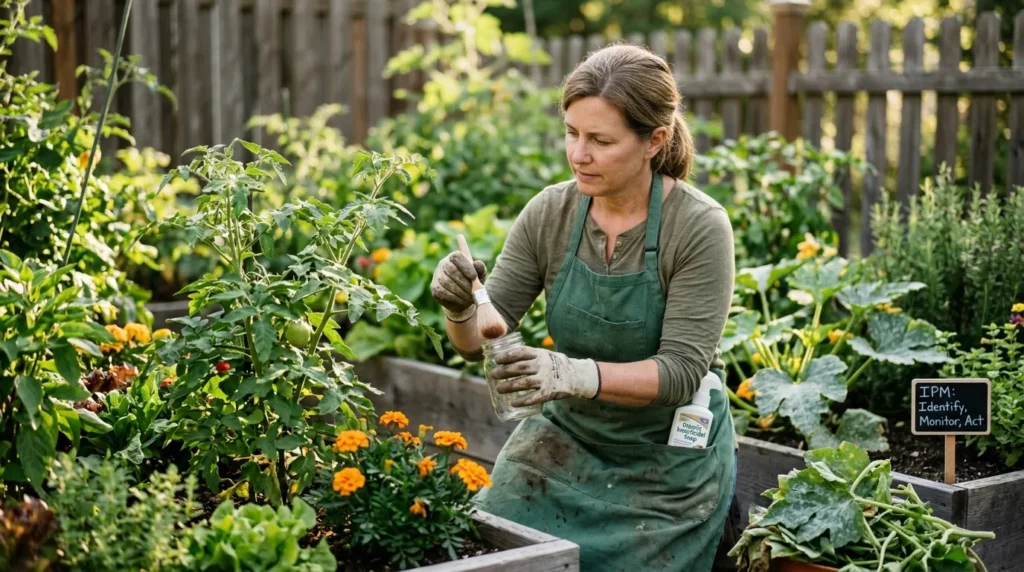
Even with great care, you might see some bugs. Aphids are small insects that love to hang out on the tender new growth. You can often wash them off with a strong spray of water from your garden hose.
If you see black spots on the leaves, that is a common fungus. Pick off the infected leaves and throw them in the trash, not in your compost pile. Keeping the ground clean around your roses helps stop these problems from coming back.
Stay observant. Walk through your garden often and look at your plants. If you catch a problem early, it is usually very easy to fix. Do not wait until the whole plant looks sick to take action.
Enjoying Your Hard Work
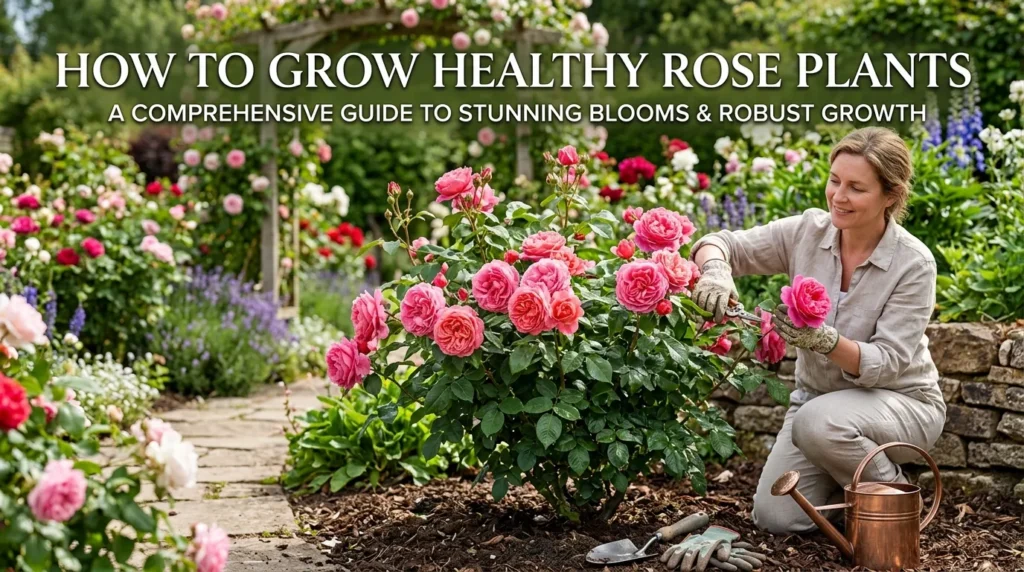
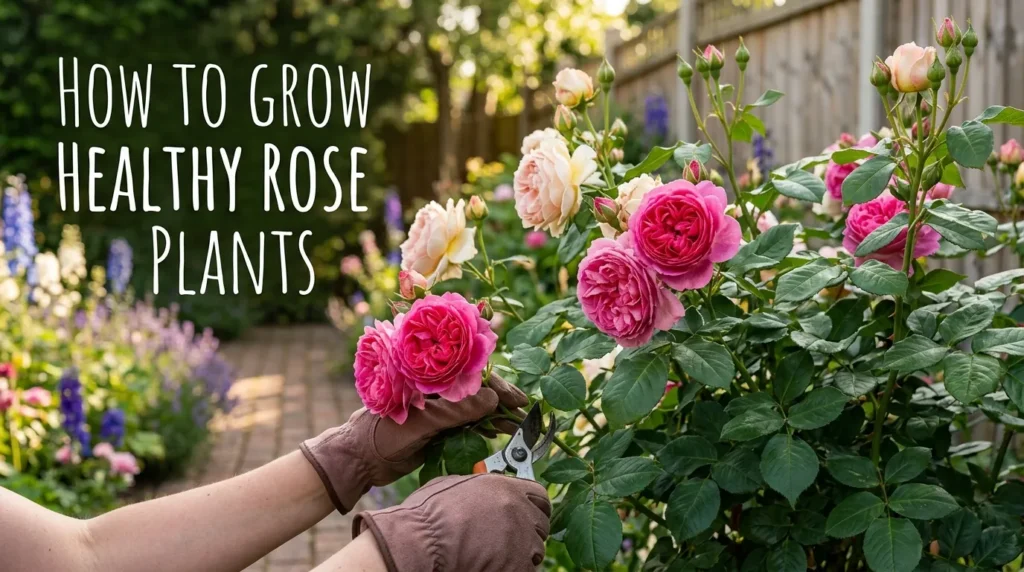
The best part of growing roses is bringing them inside. Cut your flowers when the buds are just starting to open. Use sharp garden shears and make a clean cut at a forty-five-degree angle.
Place your cut flowers in a clean vase with fresh water. Change the water every couple of days to keep them looking fresh. There is nothing quite like the smell of fresh roses from your own backyard.
Frequently Asked Questions
Do roses need a lot of fertilizer?
Yes, they do. Roses bloom a lot, and that takes energy. Using a rose-specific fertilizer during the growing season will help them produce more flowers.
Can I grow roses in pots?
Absolutely. You need a large pot with good drainage holes. Make sure you use a high-quality potting mix and keep an eye on watering since pots dry out faster than the ground.
How often should I prune my roses?
You should do a major prune once a year in early spring. Throughout the season, you can remove dead flowers and any diseased or damaged stems to keep the plant neat.
Why are my rose leaves turning yellow?
Yellow leaves can mean the plant is getting too much water or not enough nutrients. Check your soil moisture and make sure you are on a regular feeding schedule.
What is the secret to big blooms?
The secret is consistent care. Regular water, good sun, and keeping the plant free of pests will naturally lead to bigger and better flowers.