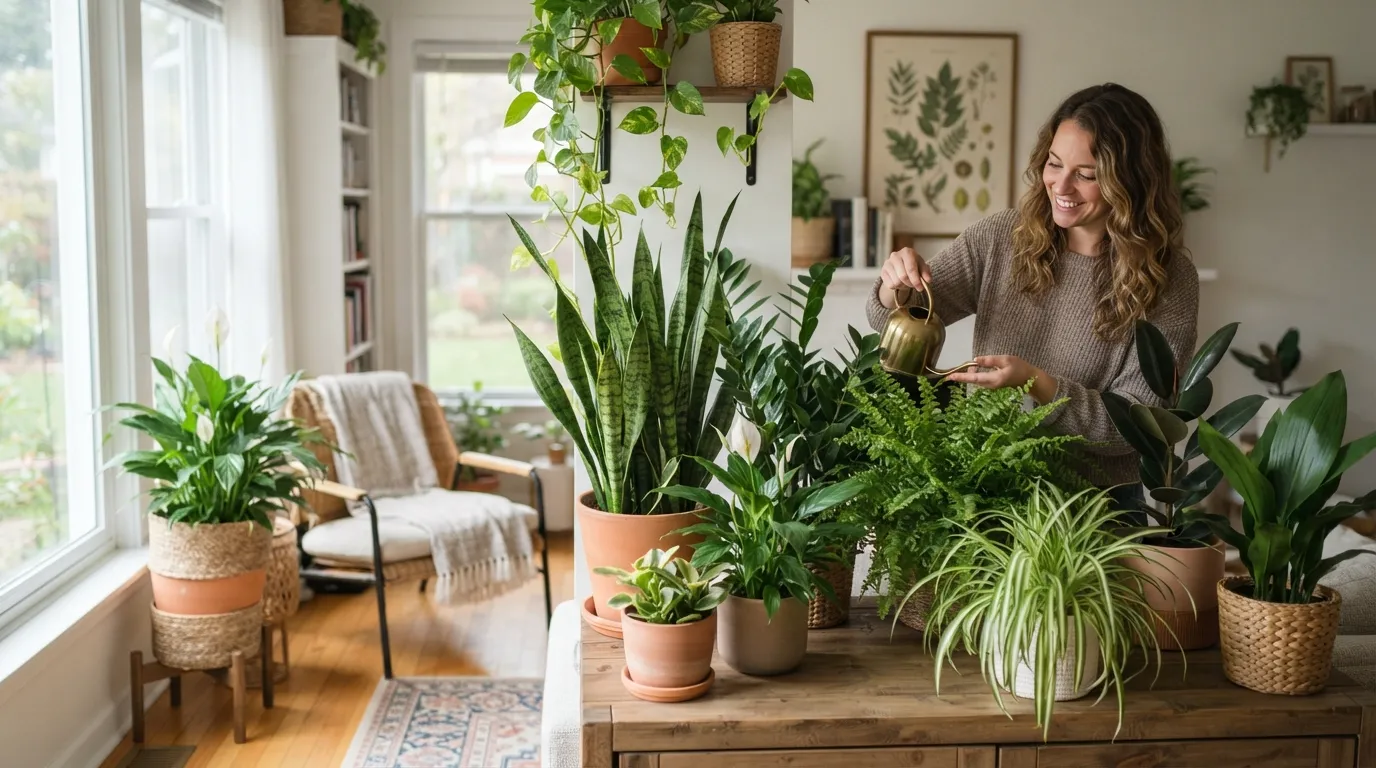
Indoor Plants That Improve Air Quality
Wouldn’t it be great to have Indoor Plants That Improve Air Quality in your home? Many of us spend a lot of time indoors, and the air quality inside can sometimes be worse than outside. Luckily, there are some beautiful indoor plants that can help. These plants don’t just look nice; they can also help make your living space feel fresher and healthier. If you’re a beginner looking to add some greenery to your home or apartment, this guide is for you.
We’ll explore some of the best indoor plants that improve air quality, what makes them special, and how to care for them. You’ll learn how to choose the right plants for your space and keep them thriving. Let’s discover how houseplants for better air quality can transform your home environment.
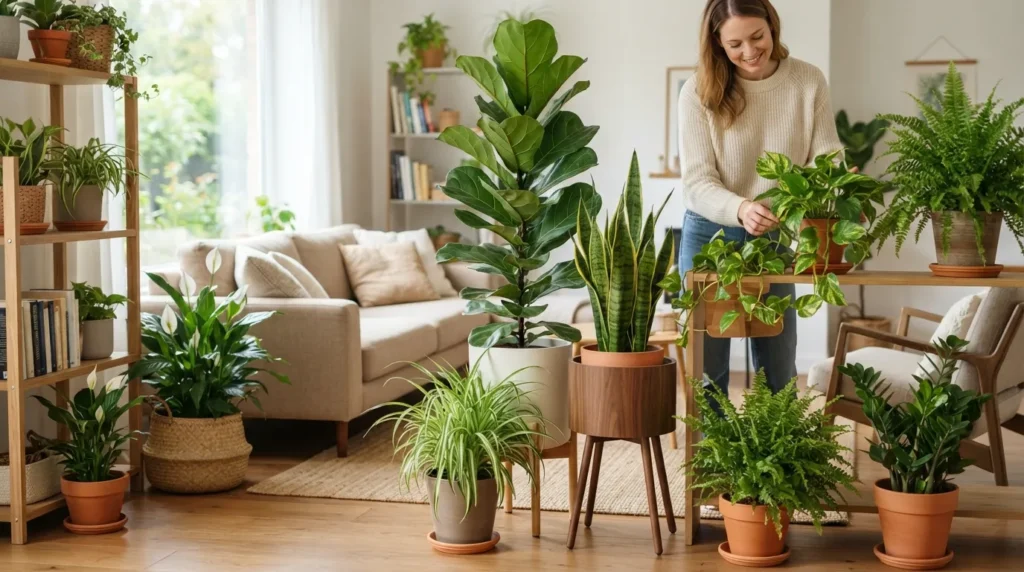
What Makes Indoor Plants That Improve Air Quality?
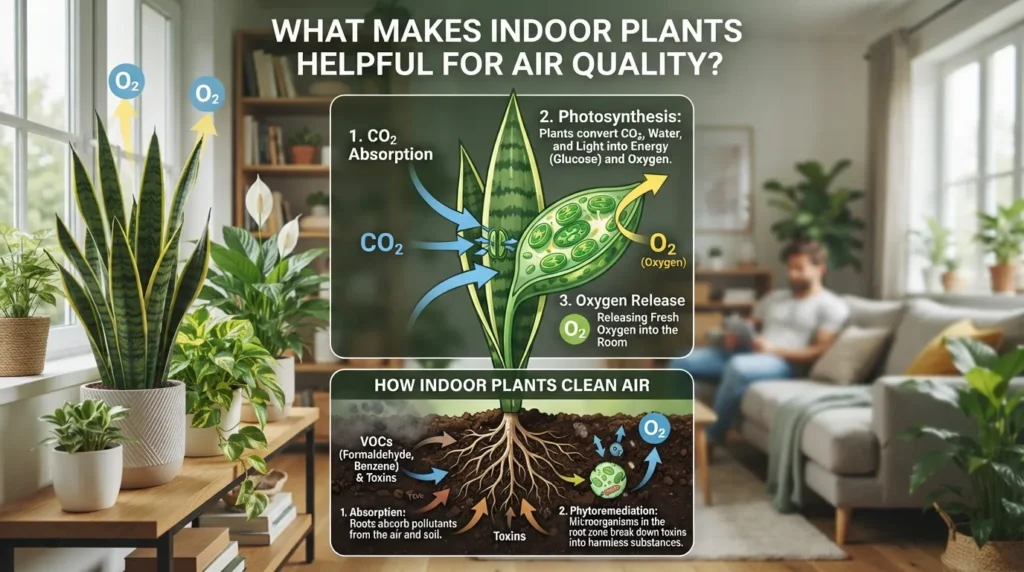
Plants are amazing. Through a process called photosynthesis, they take in carbon dioxide and release oxygen. This is something we all need to breathe. But some indoor plants that improve air quality do a bit more than just produce oxygen.
Research, including studies from NASA, has shown that certain houseplants can help filter out common indoor air pollutants. Things like formaldehyde, benzene, and trichloroethylene can be found in everyday household items, from furniture to cleaning products. These plants can absorb some of these compounds through their leaves and roots, helping to reduce their presence in the air.
While these plants contribute to a more pleasant indoor atmosphere, it’s important to have realistic expectations. They are a wonderful addition to a healthy home, but they should not be seen as a replacement for good ventilation or air filtration systems. Think of them as a natural boost to your air quality efforts. Also check 7 space saving balcony plants.
Best Indoor Plants That Improve Air Quality
There are many houseplants that are known for their air-purifying qualities. Here are some of the most popular and effective ones:
Snake Plant
The snake plant, also known as Mother-in-Law’s Tongue, is incredibly hardy and popular. It’s one of the best indoor plants for air quality because it’s known to remove toxins like formaldehyde and benzene from the air. A unique feature of the snake plant is that it releases oxygen at night, making it a great choice for bedrooms.
Care: Snake plants are very low-maintenance indoor plants. They prefer bright, indirect light but can tolerate low light conditions. Water them only when the soil is completely dry, typically every 2-4 weeks. Overwatering is the quickest way to kill a snake plant, so err on the side of underwatering.
Spider Plant
Spider plants are a favorite among beginners because they are easy to grow and care for. They are excellent air purifying plants, known for filtering out formaldehyde and xylene. They also produce little baby plantlets, which are fun to propagate.
Care: These plants thrive in bright, indirect light. They like to be watered when the top inch of soil feels dry. Spider plants can be sensitive to fluoride in tap water, which can cause brown tips on their leaves. Using filtered or distilled water can help prevent this.
Peace Lily
The peace lily is a beautiful plant with elegant white flowers that can also help clean your air. It’s known to filter out common toxins like ammonia, benzene, formaldehyde, and trichloroethylene. Peace lilies also help increase humidity, which can be beneficial in dry indoor environments.
Care: Peace lilies prefer medium to low indirect light. They like consistently moist soil, so water them when the top inch of soil is dry. You’ll know your peace lily needs water when its leaves start to droop slightly. Avoid direct sunlight, as it can scorch the leaves.
Pothos
Pothos, also called Devil’s Ivy, is a very forgiving and adaptable plant with trailing vines. It’s a fantastic option for those looking for indoor plants for clean air, as it’s effective at removing formaldehyde, benzene, and xylene. Pothos plants are also great houseplants for better air quality in various rooms, including kitchens and living areas.
Care: Pothos can tolerate a wide range of light conditions, from low light to bright indirect light. Water when the soil feels dry to the touch. They are quite resilient, but if the leaves turn yellow, it might be a sign of overwatering.
Rubber Plant
The rubber plant (Ficus elastica) is a tropical tree that makes a striking addition to any home. It’s known for its large, glossy leaves and its ability to remove toxins like formaldehyde from the air. This plant can also help to increase the humidity around it.
Care: Rubber plants prefer bright, indirect light. They like their soil to dry out slightly between waterings. Overwatering can lead to root rot, so ensure good drainage. Wipe the leaves occasionally with a damp cloth to keep them clean and help the plant breathe better.
English Ivy
English ivy is a classic climbing or trailing vine that is not only beautiful but also a potent air purifier. Studies have shown it can be effective at removing airborne mold and formaldehyde. It’s a good choice for spaces that need a touch of natural elegance.
Care: English ivy prefers bright, indirect light and consistently moist soil. It can be sensitive to heat and dry air, so occasional misting might be helpful. Ensure the soil drains well to prevent waterlogged roots.
Areca Palm
The areca palm is a popular choice for its lush, feathery fronds and its air-purifying capabilities. It’s excellent at removing toxins like formaldehyde, xylene, and toluene from the air. It also acts as a natural humidifier, releasing a good amount of moisture into the air.
Care: Areca palms thrive in bright, indirect light. They prefer to be kept consistently moist but not waterlogged. Allow the top inch or two of soil to dry out before watering again. They appreciate higher humidity, so misting or placing them near a humidifier can be beneficial.
How to Choose the Right Indoor Plant for Your Home
Selecting the perfect indoor plants that improve air quality for your home involves a few simple considerations. Think about the space you have available and the amount of natural light each room receives. For instance, a small apartment might benefit from a compact snake plant or a trailing pothos.
Consider your lifestyle. Are you someone who remembers to water plants regularly, or do you tend to forget? For busy individuals or those new to plant care, low-maintenance indoor plants like snake plants or pothos are excellent choices. If you have a bright, sunny window, a rubber plant or areca palm might be a good fit.
Tips for Keeping Indoor Plants Healthy
Keeping your houseplants for better air quality healthy is key to their air-purifying benefits and overall appeal.
Watering
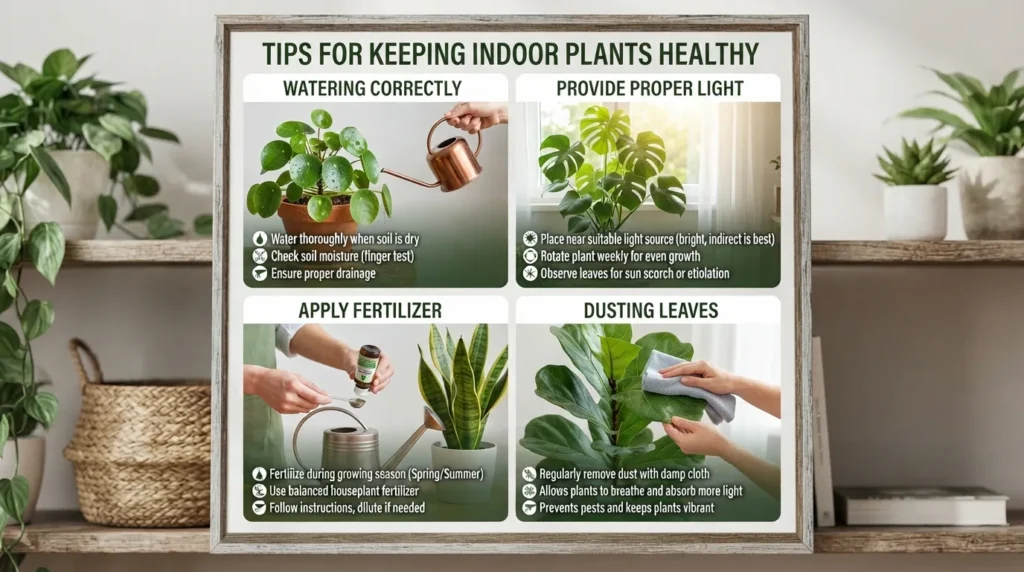
The most common mistake people make is overwatering. Always check the soil moisture before watering. Stick your finger about an inch or two into the soil; if it feels dry, it’s time to water. If it feels moist, wait a few more days.
Light
Light is crucial. Most of the plants mentioned prefer bright, indirect light. Direct sunlight can scorch their leaves. If you don’t have a lot of natural light, consider plants that tolerate low light, like the snake plant or pothos.
Fertilizing
Fertilizing generally isn’t needed very often for most of these plants, especially if they are in good potting soil. A balanced liquid fertilizer diluted to half strength once or twice during the growing season (spring and summer) is usually sufficient. Too much fertilizer can harm the plant.
Remove Dust
Dust can build up on leaves, hindering the plant’s ability to photosynthesize and absorb anything from the air. Gently wipe the leaves with a damp cloth every few weeks. This not only helps the plant but also makes it look more beautiful. Taking care of your plants ensures they can perform their best and contribute to a healthier home environment.
Conclusion
Adding indoor plants that improve air quality to your home is a wonderful way to create a more pleasant and potentially healthier living space. From the nearly indestructible snake plant to the elegant peace lily, there are fantastic options for every home and every level of plant care experience. While these air purifying plants offer benefits, they work best as part of a comprehensive approach to indoor air quality, alongside good ventilation.