Best House Plants for Indoor Gardening
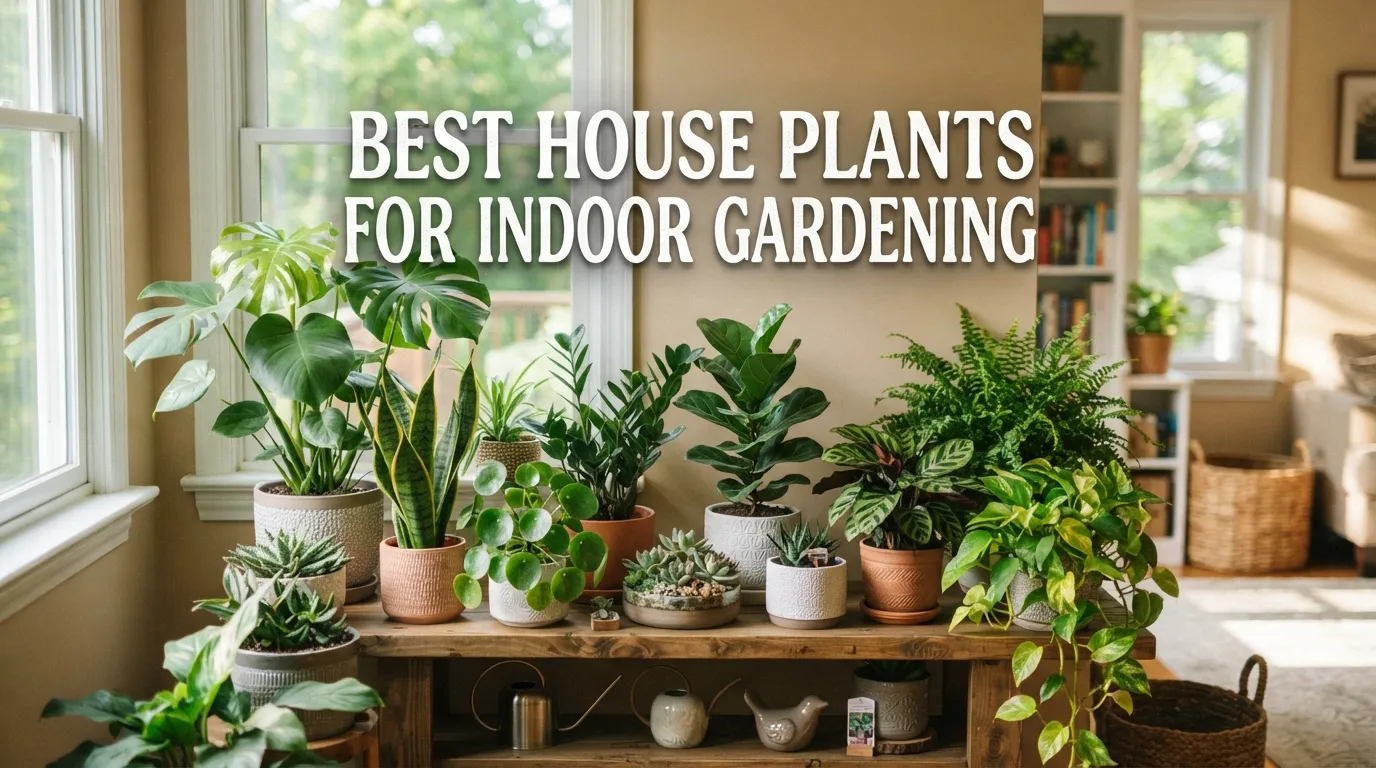
Want to bring some green into your home? Best House Plants for Indoor Gardeningis super popular right now. It makes your space look great and can even make you feel better. Plus, you don’t need a big yard to grow plants. You can have a little green oasis right inside your house!
Choosing the right plants is key. Some plants are super easy to care for. Others need a bit more attention. We’ll go over some of the best house plants for indoor gardening. These will help you get started or add to your collection. Let’s make your home a little greener.
Best House Plants for Indoor Gardening
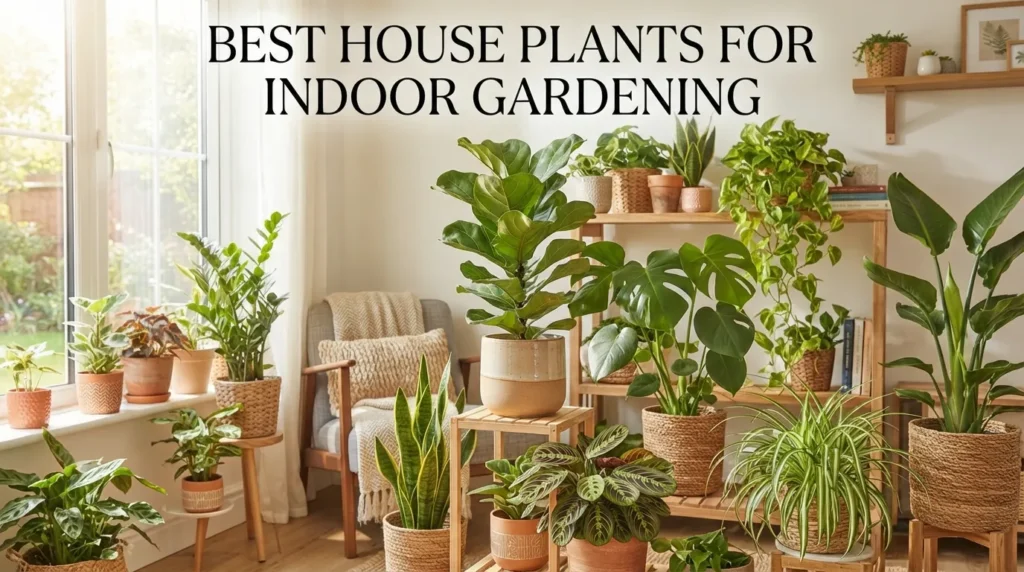
If you’re new to indoor plants, start with Best House Plants for Indoor Gardening. These plants forgive you if you forget to water them sometimes. They don’t need a lot of fuss. They are great for busy people or anyone just starting out.
Snake Plant (Sansevieria)
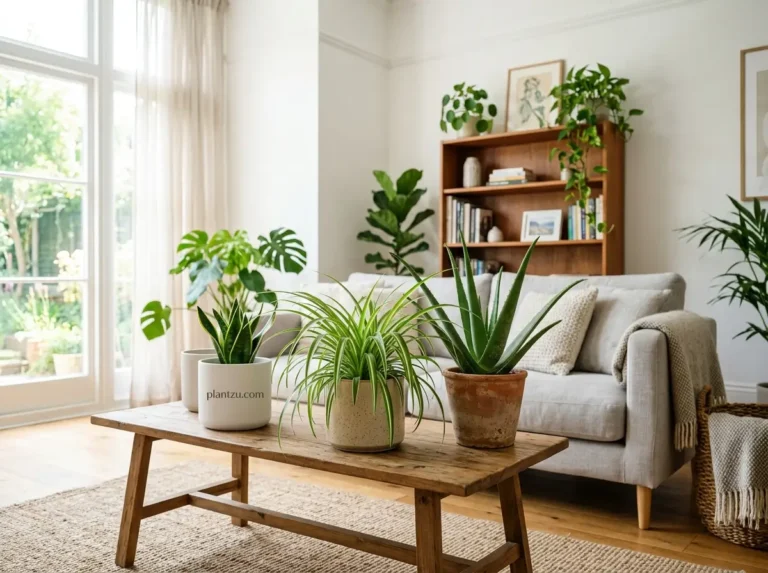
The snake plant is a true champion of easy care. It looks modern with its upright, sword-like leaves. You can place it in almost any spot in your home. It tolerates low light conditions well. It also doesn’t need watering too often.
Let the soil dry out completely between waterings. Overwatering is the main way to kill a snake plant. They can even help clean the air in your home. They are very forgiving, making them perfect for beginners.
ZZ Plant (Zamioculcas zamiifolia)
The ZZ plant is another super tough plant. Its glossy, dark green leaves look amazing. It can go for weeks without water. This makes it ideal if you travel a lot or are forgetful.
ZZ plants prefer bright, indirect light. But they can also handle low light situations. Just like the snake plant, avoid overwatering. It’s better to underwater than to give it too much water.
Spider Plant (Chlorophytum comosum)
Spider plants are fun and easy. They produce little baby plants called “spiderettes.” These hang down from the mother plant. It looks like a spider hanging from its web. They grow quickly and are very rewarding.
They like bright, indirect light. Water them when the top inch of soil feels dry. Spider plants are also non-toxic, so they are safe for homes with pets and kids. Plus, they are great air purifiers.
Plants for Low Light Spaces
Not all homes have tons of bright, sunny windows. But that doesn’t mean you can’t have plants! Many plants do great in lower light conditions. These are perfect for darker corners or rooms with north-facing windows.
Cast Iron Plant (Aspidistra elatior)
The name says it all. The cast iron plant is incredibly tough. It can survive neglect, low light, and temperature changes. Its dark green, lance-shaped leaves add a classic look to any room.
It prefers low to medium indirect light. Water it when the soil starts to dry out. This plant is a survivor. It’s a great choice for those really challenging spots in your home.
Peace Lily (Spathiphyllum)
Peace lilies are beautiful plants. They have dark green leaves and elegant white flowers. They also let you know when they need water. Their leaves will droop a bit. This makes watering them very easy to know.
Peace lilies prefer medium to low indirect light. Keep the soil moist but not waterlogged. When they get thirsty, they’ll tell you. Water them, and they usually perk right back up.
Pothos (Epipremnum aureum)
Pothos plants are incredibly versatile. They can grow long vines. You can let them trail from a shelf or hang them in a basket. They come in many varieties with different leaf patterns.
They do well in low to bright indirect light. Water them when the top inch or two of soil is dry. Pothos plants are also easy to propagate. You can cut a stem and grow a new plant in water.
Plants That Add a Pop of Color
Sometimes you want more than just green. Adding plants with colorful foliage or blooms can really liven up your space. They add personality and visual interest.
Prayer Plant (Maranta leuconeura)
Prayer plants get their name because their leaves fold up at night. It looks like hands in prayer. The leaves have beautiful patterns of red and green. They are truly stunning.
Prayer plants like medium indirect light. They prefer higher humidity. Keep the soil consistently moist. These plants are a bit more sensitive but worth it for their unique beauty.
Chinese Evergreen (Aglaonema)
Chinese evergreens are available in many stunning varieties. They feature leaves with silver, pink, or red markings. They are relatively easy to care for. They can tolerate lower light conditions.
Keep the soil lightly moist. Avoid direct sunlight, which can scorch their leaves. These plants are great for adding color without needing a lot of bright light.
Orchid (Phalaenopsis)
Orchids are famous for their exotic and beautiful flowers. The Phalaenopsis orchid, or moth orchid, is one of the easiest to care for indoors. They bloom for a long time.
Orchids need bright, indirect light. Water them about once a week. Let the potting medium dry out between waterings. They prefer to be slightly root-bound. Their blooms can bring a touch of elegance to any room.
Plants for a Healthier Home
Beyond just looking good, some plants can help improve your indoor environment. They can help filter the air. This can make your home feel fresher.
Areca Palm (Dypsis lutescens)
The Areca palm is a popular choice for air purification. It’s a larger plant with feathery fronds. It can add a tropical feel to your home.
It needs bright, indirect light. Keep the soil moist. Palms can help increase humidity too. They are a great way to bring a bit of the outdoors in.
Boston Fern (Nephrolepis exaltata)
Boston ferns are classic for a reason. They have lush, green fronds. They are known for their air-purifying qualities. They also love humidity, which can be a nice bonus in dry indoor environments.
They prefer medium to bright indirect light. Keep their soil consistently moist. Misting them regularly can help them thrive. They look wonderful hanging in a basket.
Tips for Successful Indoor Gardening
No matter which plants you choose, a few basic tips will help them thrive. Think about light, water, and soil. These are the main things your plants need.
Understanding Light Needs
Bright, indirect light is what most houseplants love. This means a spot near a window, but not where the sun’s rays directly hit the leaves for hours. Too much direct sun can scorch leaves. Too little light can make plants leggy or stop them from flowering.
Observe your space. Notice where the sun hits during the day. You can even use sheer curtains to diffuse strong sunlight. If you don’t have much natural light, consider grow lights. They can make a big difference for your plants.
Watering Wisely
Overwatering is a common mistake. It’s better to underwater slightly than to overwater. Always check the soil before watering. Stick your finger about an inch or two into the soil.
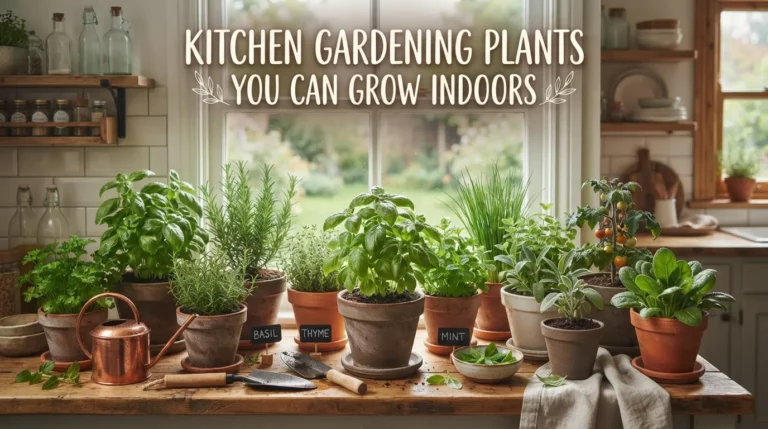
If it feels dry, it’s time to water. If it feels moist, wait a few more days. Make sure your pots have drainage holes. This allows excess water to escape. If you’re interested in growing edible plants indoors, check out these Smart Kitchen Vegetable Garden Ideas.
Choosing the Right Soil and Pot
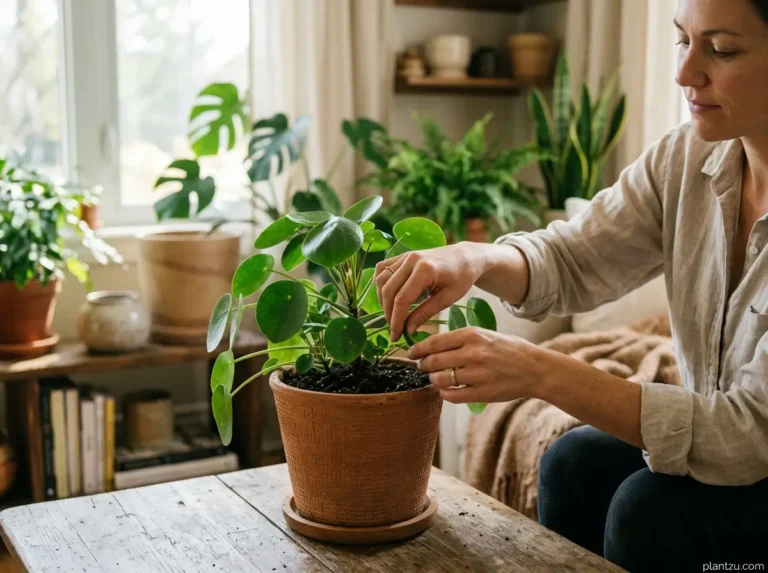
Use a good quality potting mix designed for indoor plants. Avoid using soil from your garden, as it can be too dense. It might also contain pests or diseases.
Pots should have drainage holes. Terracotta pots allow soil to dry out faster. Plastic or glazed pots retain moisture longer. Choose a pot size that is appropriate for the plant’s root ball.
Humidity Matters
Many houseplants come from tropical climates. They love humidity. Our homes, especially in winter, can be very dry. Low humidity can cause brown leaf tips.
You can increase humidity by misting plants regularly. Grouping plants together can also help. Placing plants on pebble trays filled with water is another good method. Your plants will thank you for the extra moisture.
Frequently Asked Questions (FAQ)
What is the easiest house plant to care for?
The snake plant and the ZZ plant are generally considered the easiest. They are very forgiving and can tolerate neglect. They don’t need frequent watering and can handle low light.
Can I grow plants indoors without much sunlight?
Yes, you can! Plants like the snake plant, ZZ plant, cast iron plant, peace lily, and pothos are known to do well in low light conditions. Just be aware that their growth might be slower than in brighter light.
How often should I water my indoor plants?
It really depends on the plant, the pot, the light, and the humidity. A good rule of thumb is to check the soil by sticking your finger in about an inch or two deep. Water only when the topsoil feels dry. It’s better to underwater than to overwater.
What are the benefits of having indoor plants?
Indoor plants can improve air quality by filtering pollutants. They can also boost your mood, reduce stress, and add beauty and life to your home. Some plants, like the Areca palm and Boston fern, are known for their air-purifying qualities. For more on indoor gardening, visit Plantzu.
How do I know if my plant is getting too much or too little light?
Too much light often shows as brown, crispy spots or scorched leaves. Too little light can result in leggy growth (long stems with few leaves) or pale green leaves. Yellowing leaves can be a sign of either too much or too little water, or light issues, so observe your plant closely.