Smart Kitchen Vegetable Garden Ideas
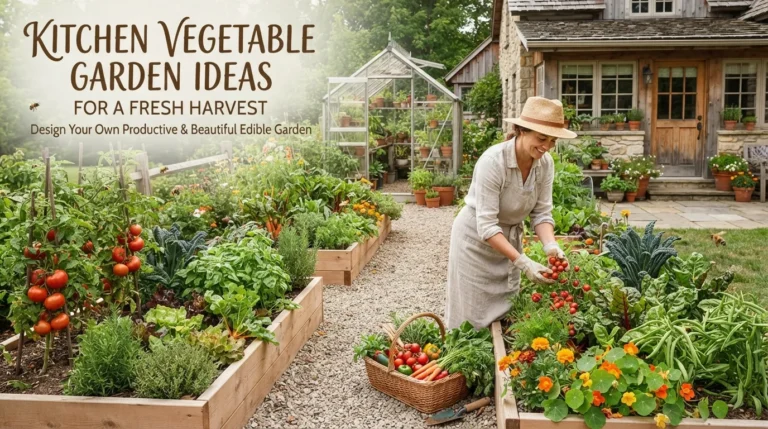
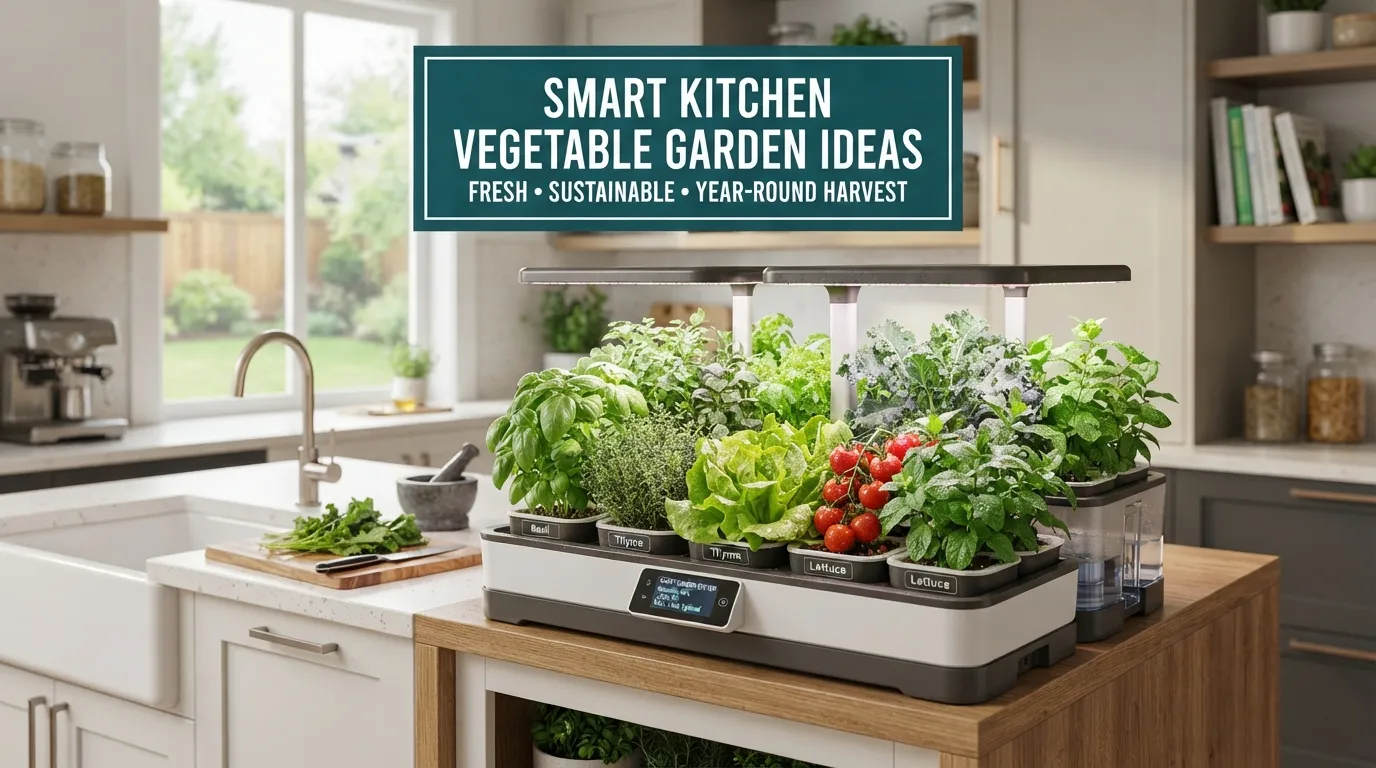
Smart Kitchen Vegetable Garden Ideas Wouldn’t it be amazing to step into your kitchen and pluck fresh herbs or veggies right from your own little garden? It’s totally doable, even if you don’t have a huge backyard. We’re talking about kitchen vegetable gardens. These are gardens designed to be close to where you cook and eat. They make healthy eating super convenient and add a lovely touch to your home. Let’s explore some cool ideas to get your kitchen garden growing!
Why a Kitchen Garden is a Game Changer
Having a kitchen garden means you have the freshest ingredients right at your fingertips. Imagine snipping fresh basil for your pasta or grabbing ripe cherry tomatoes for a salad. It’s not just about convenience though. Growing your own food connects you to nature. It can also be a fun, rewarding hobby. Plus, you know exactly what goes into your food, with no pesticides or weird chemicals. It’s a simple way to make your meals healthier and tastier.
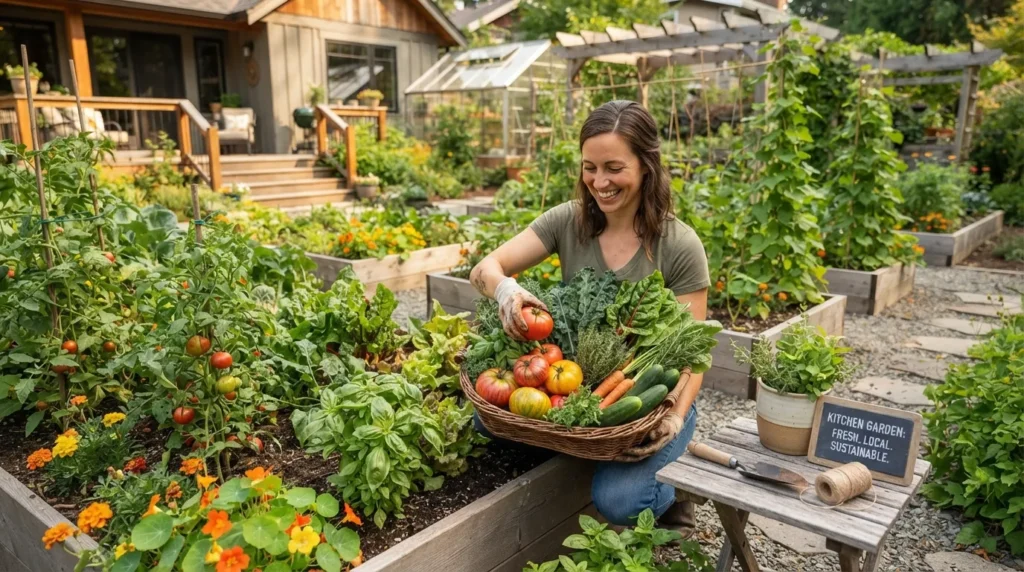
Smart Kitchen Vegetable Garden Ideas
check out smart kitchen vegetable garden ideas below:
Space-Saving Solutions for Small Kitchens
Don’t have acres to play with? No problem! Many kitchen gardens are designed for small spaces. Think vertical gardening. You can stack planters or use wall-mounted systems. This way, you use the vertical space instead of spreading out horizontally. Window boxes are also fantastic. They fit right on your windowsills, bringing greenery and fresh flavors into your kitchen. Even a small corner can become a productive little garden with the right setup.
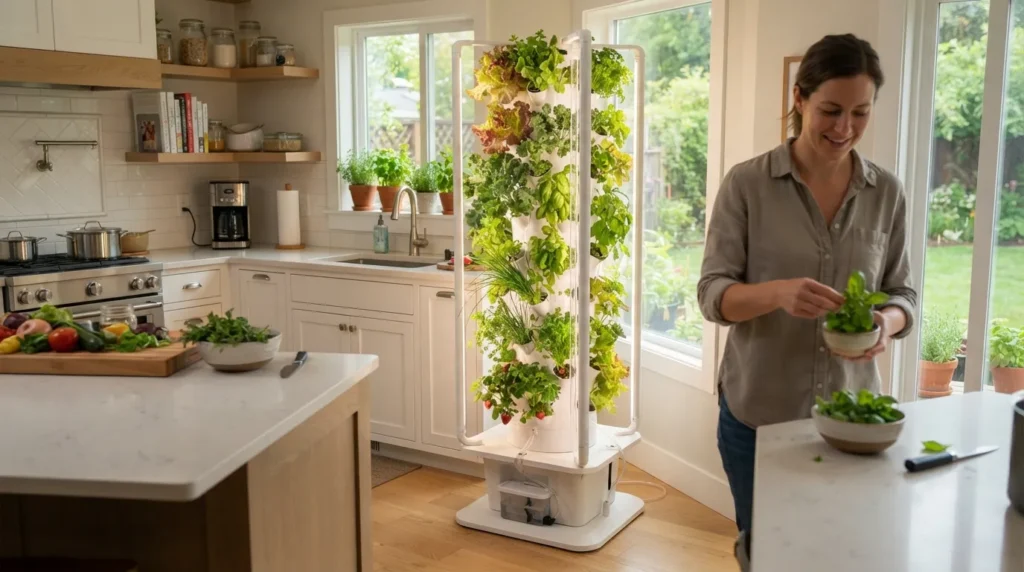
Vertical Veggie Towers
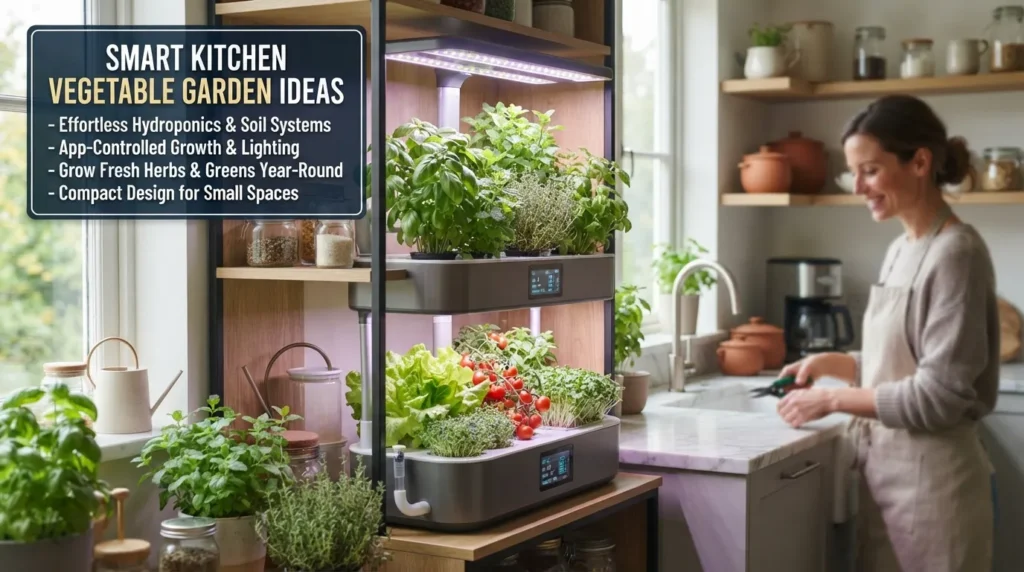
Vertical garden towers are brilliant for tight spaces. These are usually tiered planters. You can grow multiple plants in a small footprint. They look great too, adding a lush feel to your kitchen. Many designs are self-watering, which helps if you sometimes forget to water. You can grow herbs, small leafy greens, and even strawberries in these towers.
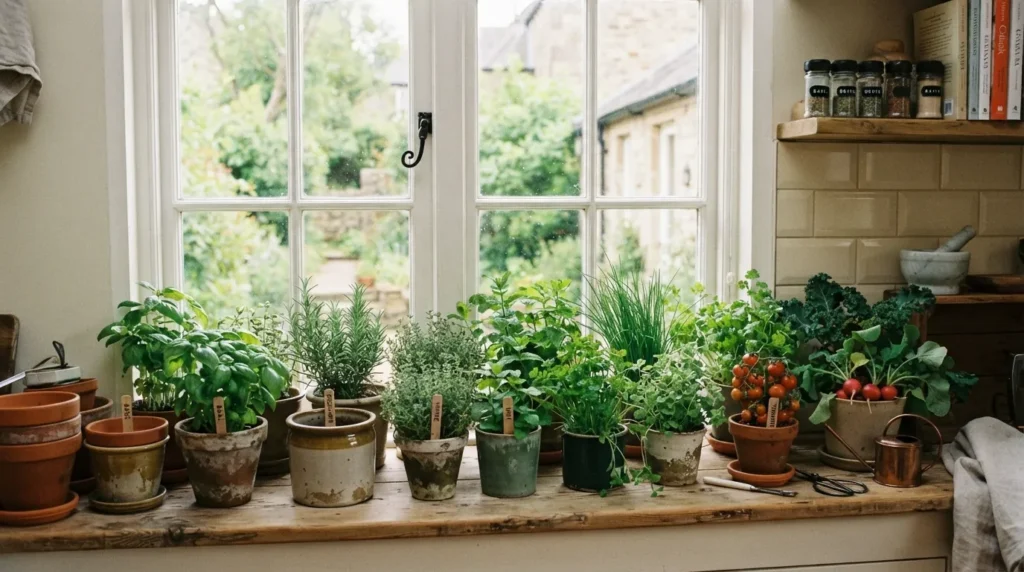
Windowsill Wonders
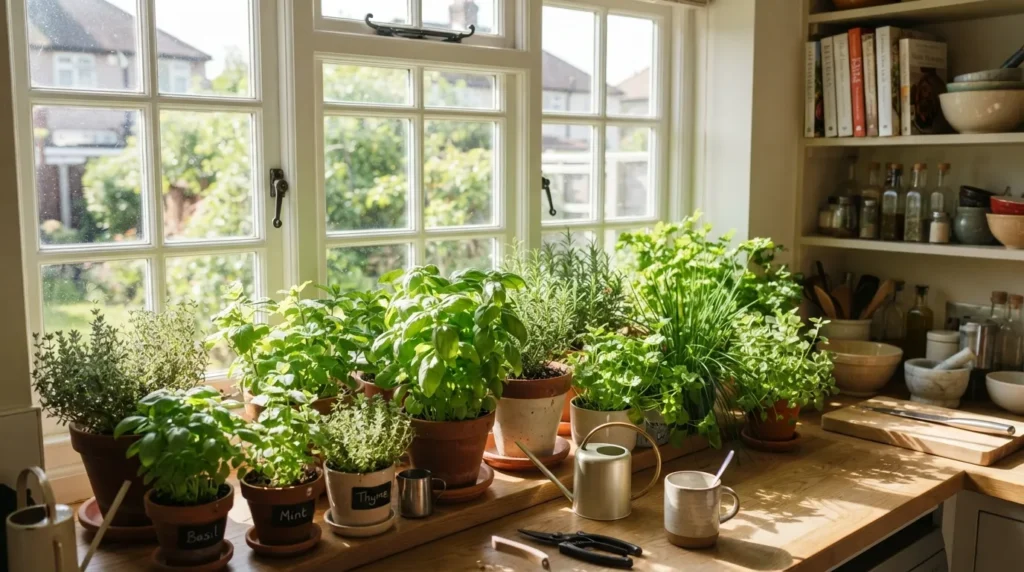
Your windowsills are prime real estate for a kitchen garden. They get plenty of sunlight, which is essential for most plants. Small pots are perfect here. You can grow herbs like mint, parsley, chives, and cilantro. They’ll be right there when you need them for cooking. Just make sure your windowsills can handle the weight of pots and are sturdy enough.
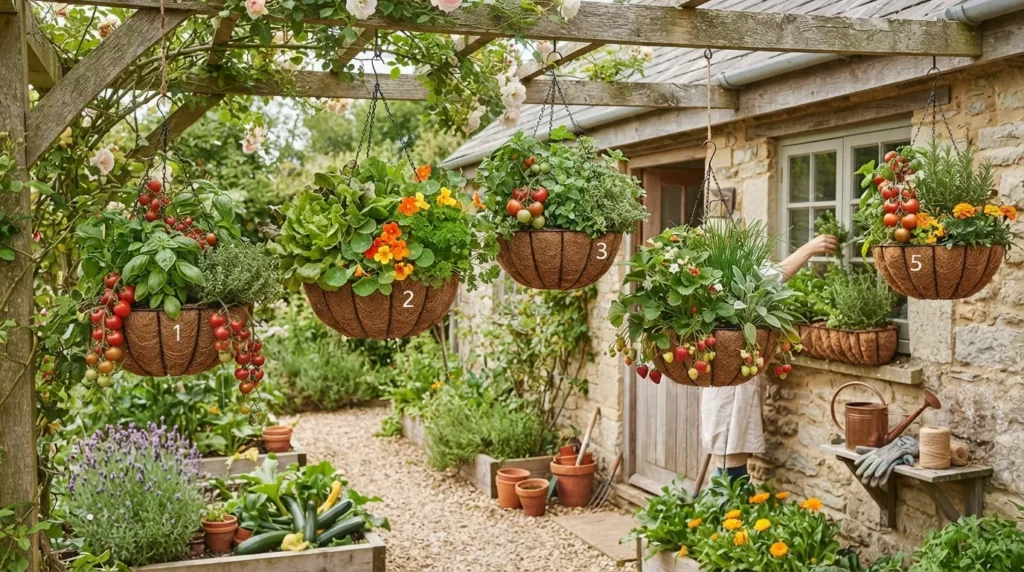
Hanging Baskets Brilliance
Don’t underestimate the power of hanging baskets. You can hang them near a sunny window or even from your ceiling if you have the space. This frees up your countertops and floor space. Think about growing cascading plants like cherry tomatoes or even some types of peppers. They look beautiful and are super accessible.
Choosing the Right Plants for Your Kitchen Garden
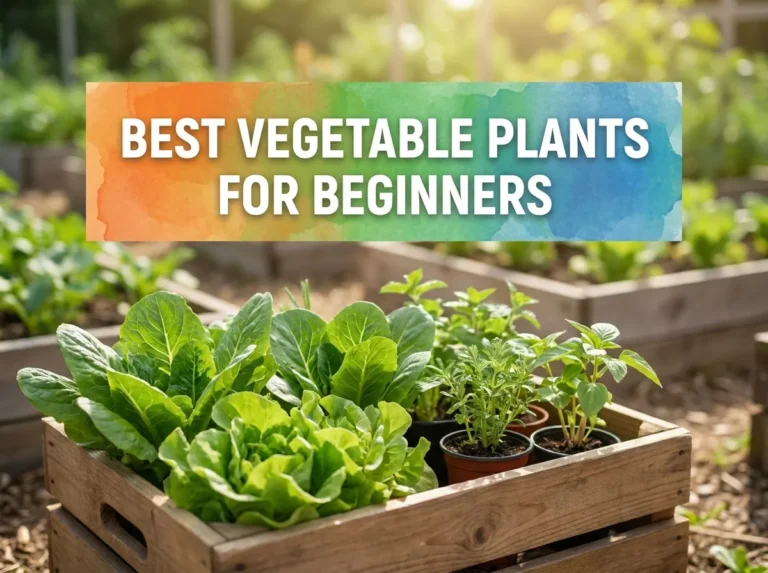
The best plants for a kitchen garden are those you use often. Think about your favorite meals and the ingredients you buy most. Herbs are a fantastic starting point. They grow well in pots and don’t need a lot of space. Leafy greens are also great choices. They grow quickly and can be harvested multiple times.
Must-Have Herbs
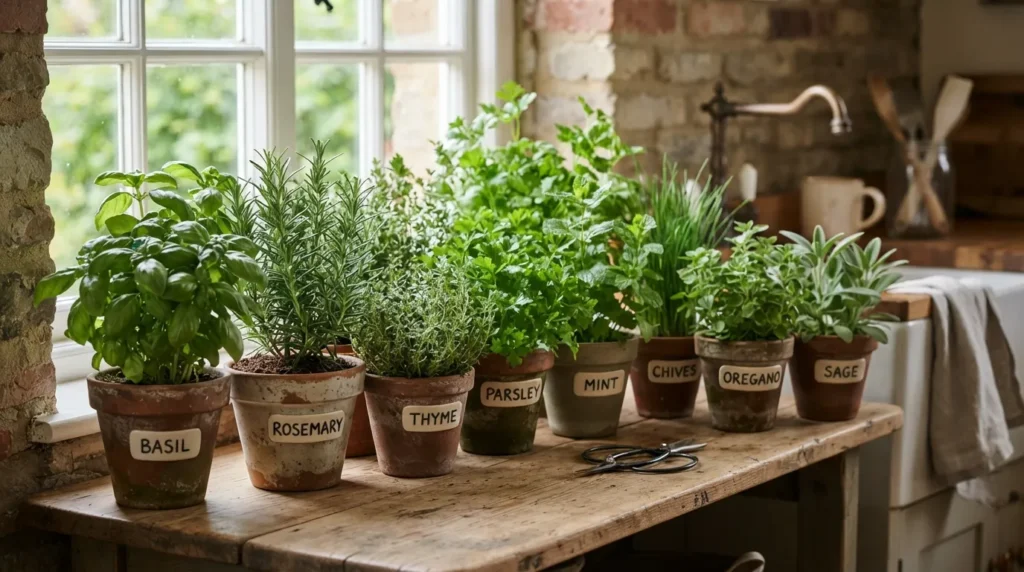
Herbs are the stars of most kitchen gardens. They add so much flavor to dishes. Basil, mint, parsley, cilantro, chives, oregano, and thyme are all excellent choices. They grow well indoors with good light. You can even snip them as needed, and they’ll keep growing back.
Leafy Greens Galore
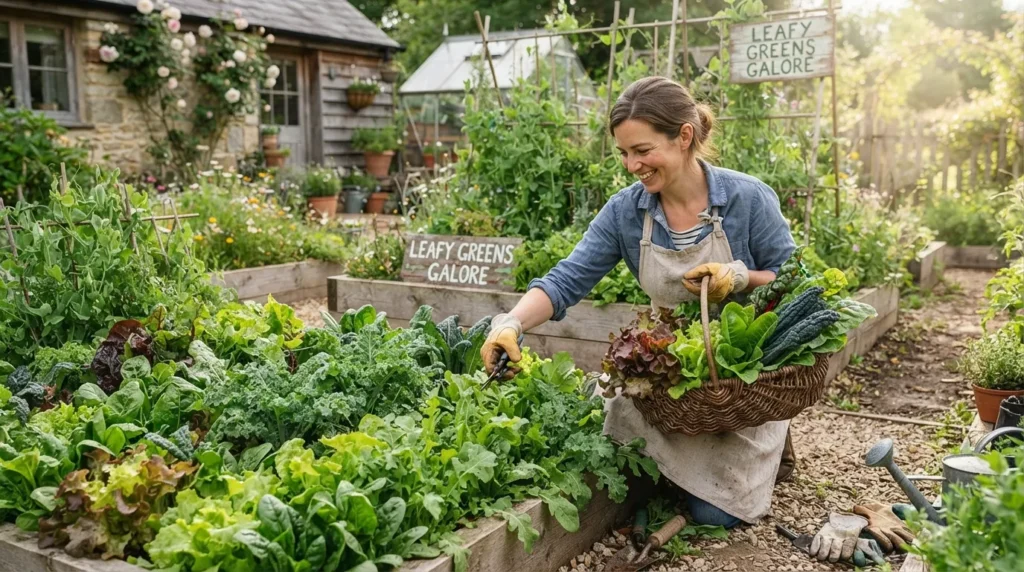
Salad lovers, rejoice! Leafy greens like lettuce, spinach, arugula, and kale can be grown right in your kitchen. You can harvest the outer leaves, and the plant will continue to produce more. This means you get a continuous supply of fresh greens for your salads and sandwiches.
Tiny Tomatoes and Peppers
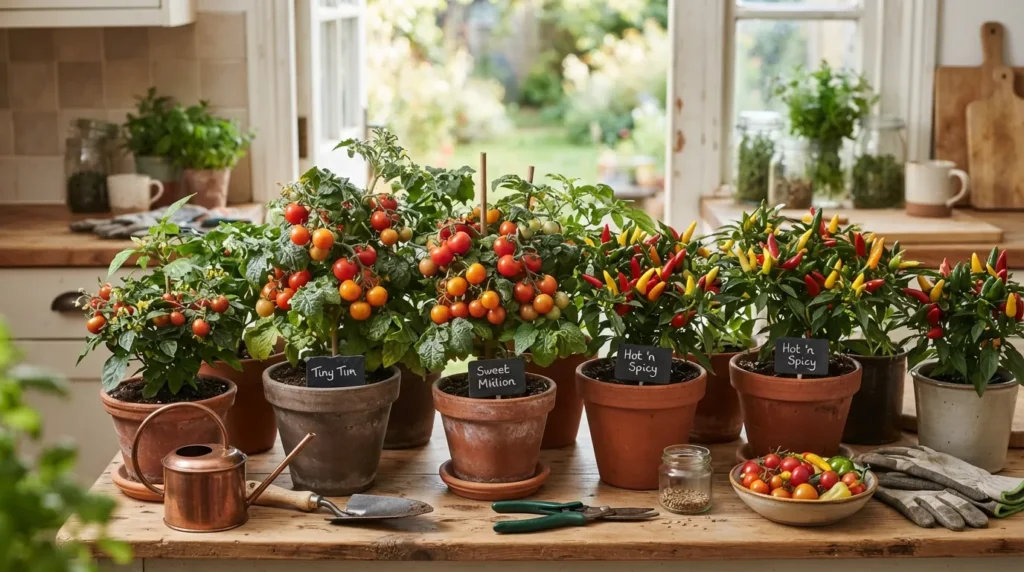
Believe it or not, you can grow small varieties of tomatoes and peppers indoors. Look for “bush” or “dwarf” varieties. These are bred to be compact. They might need a bit more sunlight, so a south-facing window is ideal. A little bit of care can yield delicious, homegrown tomatoes and peppers.
Light, Water, and Soil: The Essentials
Even the prettiest kitchen garden needs the right conditions to thrive. Plants need light, water, and good soil. Since you’re growing indoors, you might need to supplement natural light. Make sure you water your plants correctly. And using good quality potting mix is key for healthy growth.
Getting Enough Light
Most vegetables and herbs need at least 6 hours of sunlight per day. If your kitchen doesn’t get enough natural light, consider using grow lights. These are special lights designed to mimic sunlight. You can find LED grow lights that are energy-efficient and come in various sizes. Placing your garden near your sunniest window is always the first step. You can also rotate your plants to ensure they get even light exposure.
Watering Wisely
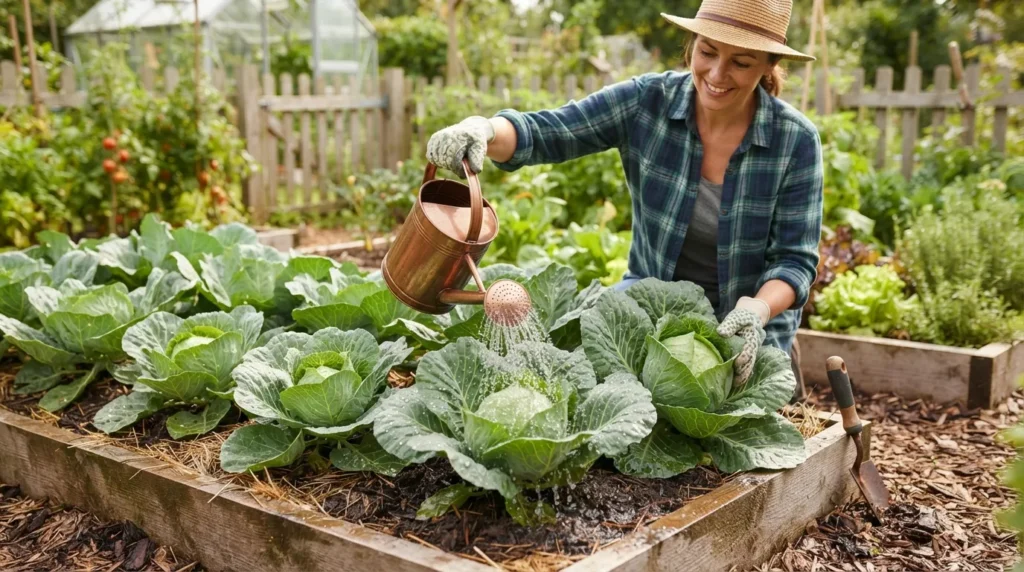
Overwatering is a common mistake. It’s better to let the soil dry out slightly between waterings. Stick your finger about an inch into the soil. If it feels dry, it’s time to water. If it feels moist, wait a bit longer. Drainage is also crucial. Make sure your pots have holes at the bottom so excess water can escape. This prevents root rot.
The Right Soil Mix
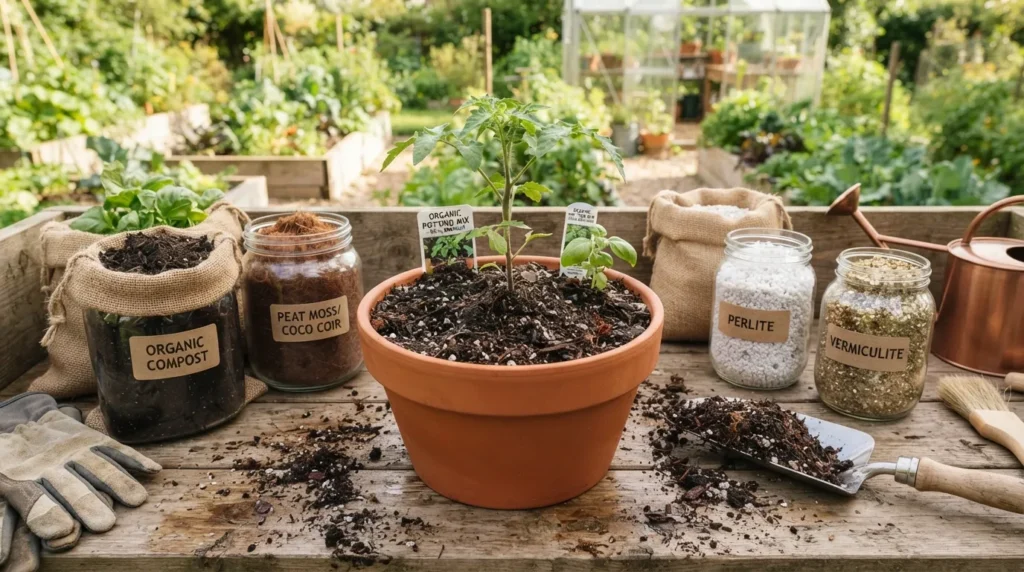
Don’t just grab dirt from your yard. Use a good quality potting mix. These mixes are designed for containers. They provide good drainage and aeration for plant roots. You can find potting mixes at any garden center or home improvement store. Some mixes even contain slow-release fertilizers to feed your plants over time. Preparing your garden soil is an important step before planting anything new. You can learn more about how to prepare your garden for summer planting, even if it’s just a small indoor one.
Creative Container Ideas
The containers you choose can add style to your kitchen garden. Forget boring plastic pots (unless you like them!). Think outside the box. You can use repurposed items, stylish ceramic pots, or even fabric grow bags.
Repurposed Treasures
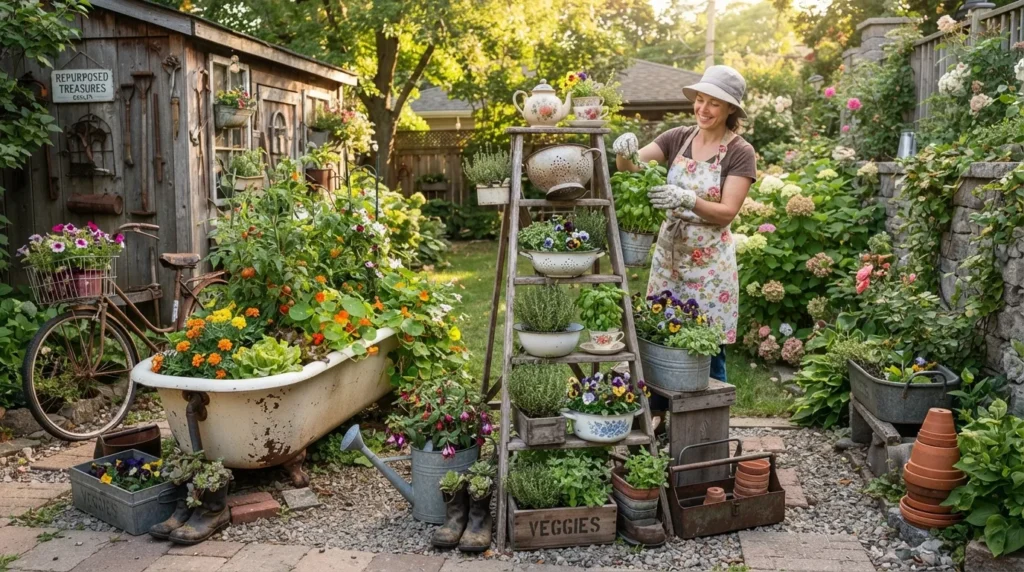
Get creative with items you already have. Old tin cans (with drainage holes added), mason jars, teacups, or even colanders can make unique planters. Just make sure they have a way for water to drain out. This adds personality and a rustic charm to your kitchen garden. It’s also a sustainable way to garden.
Stylish Ceramic and Terracotta
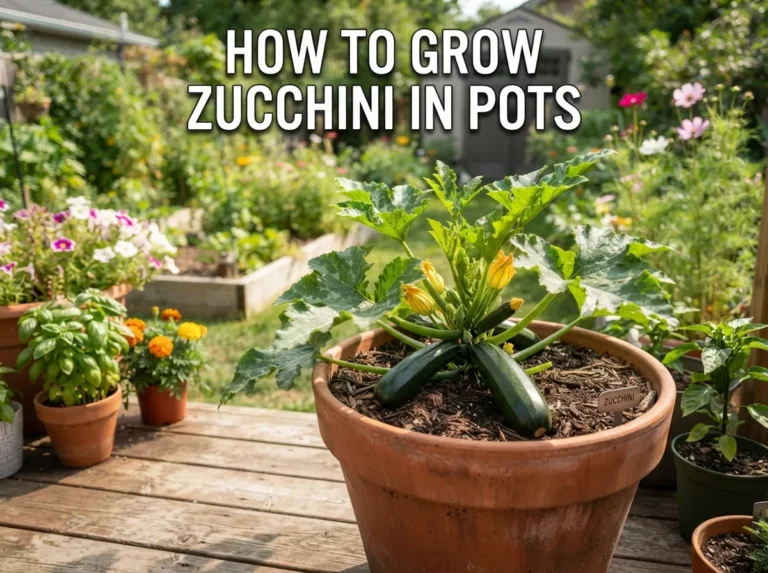
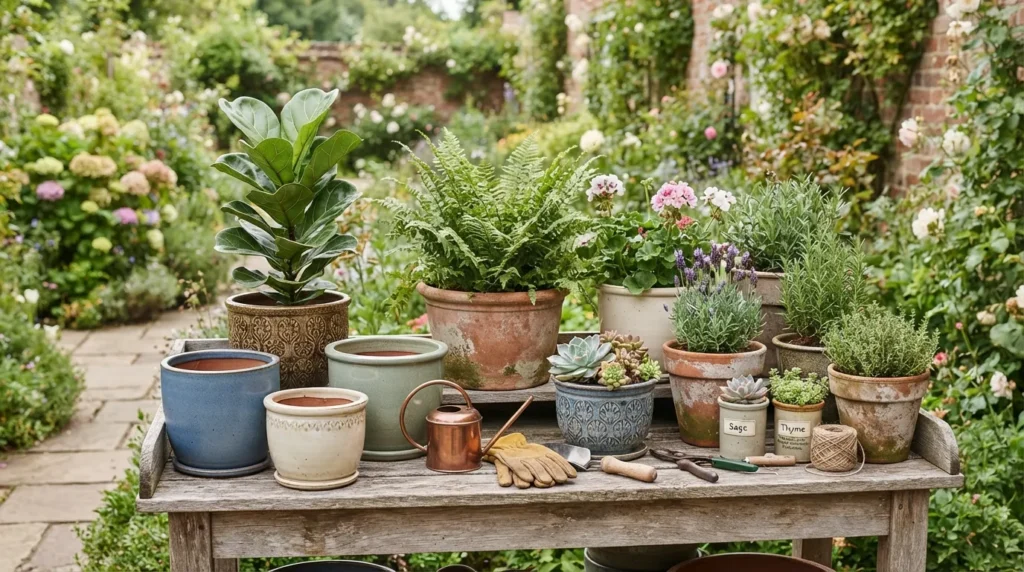
For a more polished look, consider ceramic or terracotta pots. They come in endless colors and designs. Terracotta pots are breathable, which is good for plant roots. Ceramic pots can be very decorative. Choose pots that match your kitchen’s style.
Fabric Grow Bags
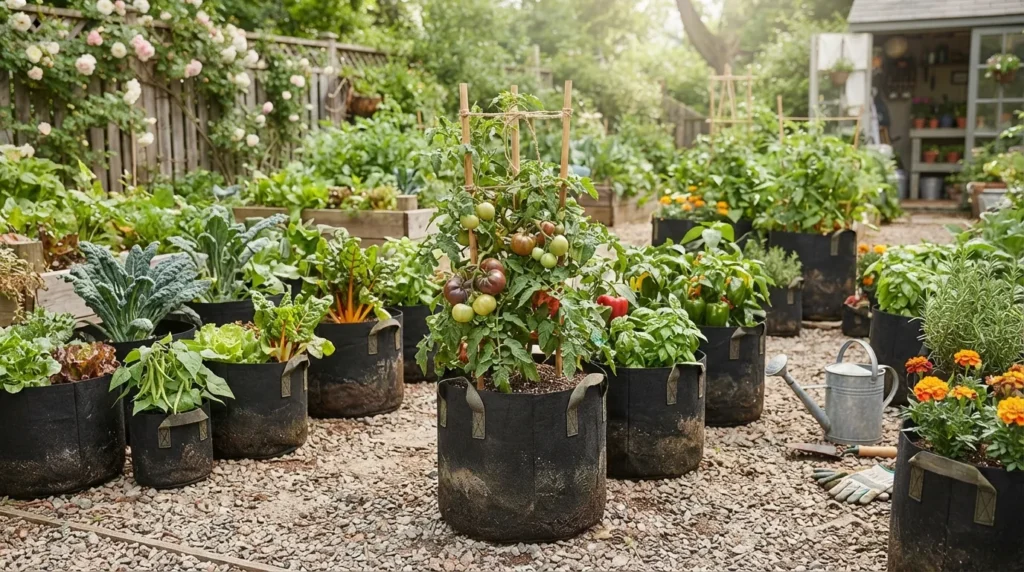
Fabric grow bags are a popular choice for a reason. They are lightweight, durable, and provide excellent drainage and aeration. This helps prevent root circling and promotes healthier root systems. They are also easy to store when not in use. You can find them in many sizes and colors.
Maintaining Your Kitchen Garden
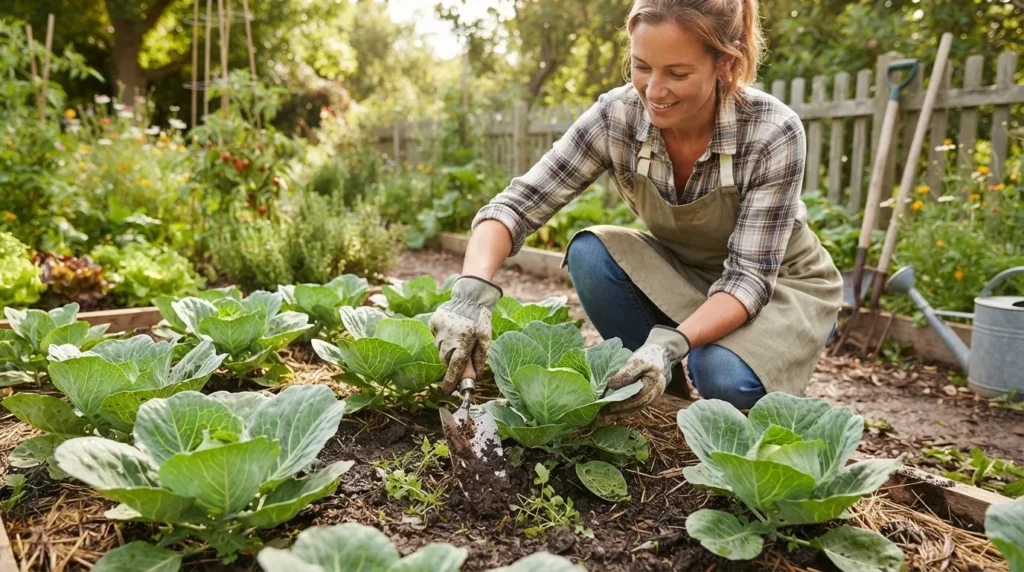
Keeping your kitchen garden happy involves a little regular care. It’s not a lot of work, but consistency is key. A little attention each week will go a long way.
Feeding Your Plants
Most potting mixes have nutrients, but plants will eventually use them up. You might need to fertilize your plants every few weeks. Use a balanced liquid fertilizer diluted according to the package instructions. Be careful not to over-fertilize, as this can harm your plants.
Dealing with Pests
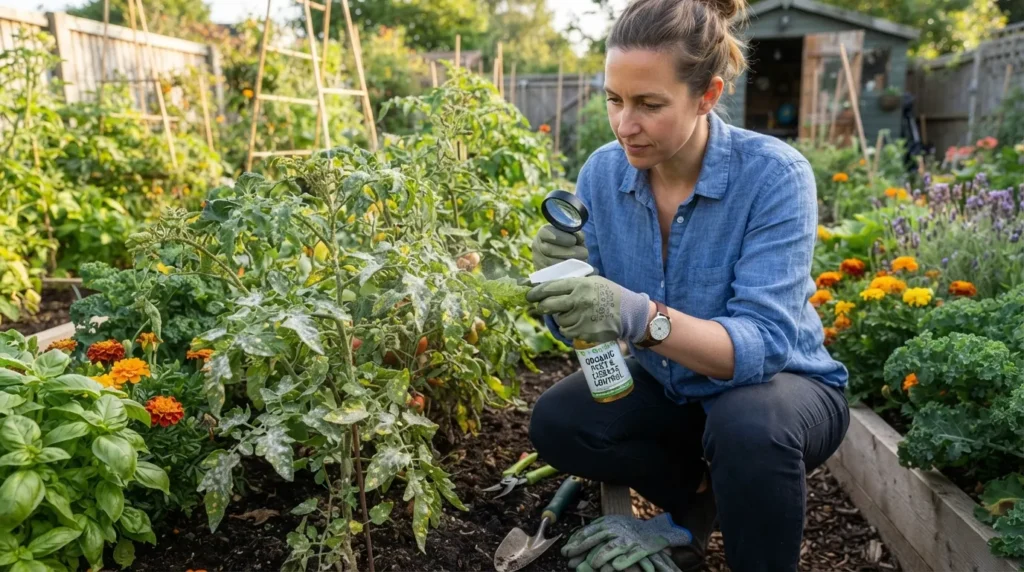
Indoor gardens are less prone to pests, but they can still happen. Look out for common pests like aphids or spider mites. If you spot any, try natural remedies first. A gentle spray of water or insecticidal soap can often do the trick. Keeping your plants healthy is the best defense against pests.
Pruning and Harvesting
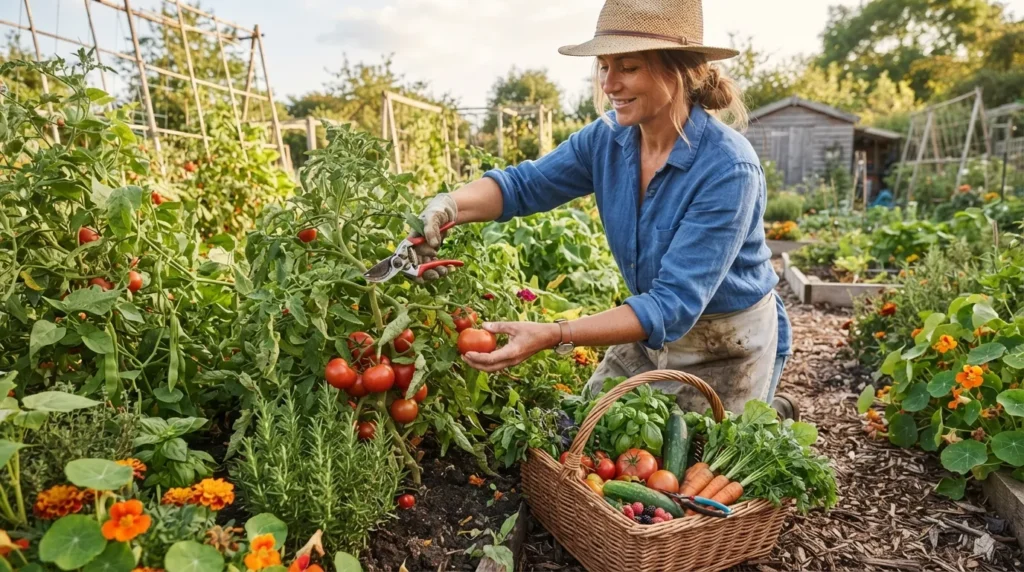
Regularly harvesting your herbs and greens encourages more growth. Snip off what you need. For herbs, pinch back the growing tips to make the plant bushier. Pruning also helps maintain the shape of your plants and removes any yellowing or dead leaves.
Final Words
Creating a kitchen vegetable garden is a wonderful way to bring the outdoors in. It’s about more than just having fresh ingredients; it’s about the joy of growing. Whether you have a tiny apartment or a spacious home, there’s a kitchen garden idea for you. Start small with a few favorite herbs and see how rewarding it can be. Happy gardening from all of us at Plantzu!
Frequently Asked Questions
Q1: What are the easiest vegetables to grow in a kitchen garden?
A1: The easiest vegetables are typically herbs like basil, mint, and chives, along with leafy greens such as lettuce, spinach, and arugula. Radishes and green onions also grow quickly and are quite forgiving.
Q2: How much sunlight does a kitchen garden need?
A2: Most vegetables and herbs need at least 6 hours of sunlight per day. If you don’t have a sunny window, you’ll likely need to use grow lights.
Q3: Can I grow vegetables in a kitchen garden without a garden bed?
A3: Absolutely! Kitchen gardens are perfect for growing in containers, pots, window boxes, hanging baskets, and vertical garden systems. You don’t need a traditional garden bed at all.
Q4: How often should I water my kitchen garden plants?
A4: Water when the top inch of soil feels dry. It’s better to check the soil moisture than to water on a strict schedule, as needs can vary.
Q5: What is the best soil for a kitchen garden?
A5: Use a high-quality potting mix designed for containers. This ensures good drainage and provides the necessary aeration for healthy root growth.