Witchy Herbs with Dark Histories for Halloween
Witchy Herbs with Dark Histories for Halloween
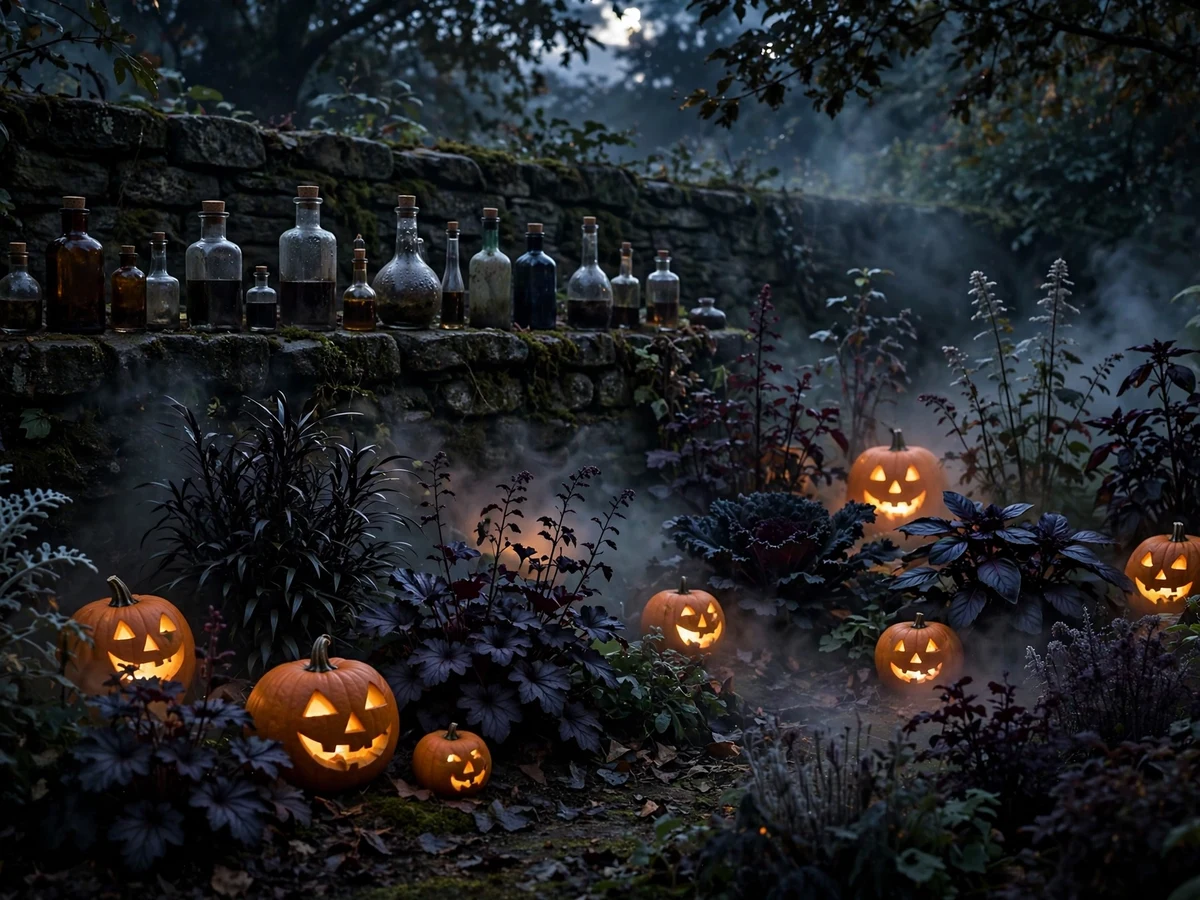
witchy herbs halloween Some plants are beautiful. Others are beautiful and carry centuries of deliciously dark folklore. These witchy herbs have haunted apothecaries, spell books, and whispered legends for generations — from shrieking mandrake roots to the infamous belladonna. This Halloween, grow a garden with a little mystery in it. Below are ten bewitching herbs, each with its shadowy story and a safe, modern way to enjoy it.
Belladonna
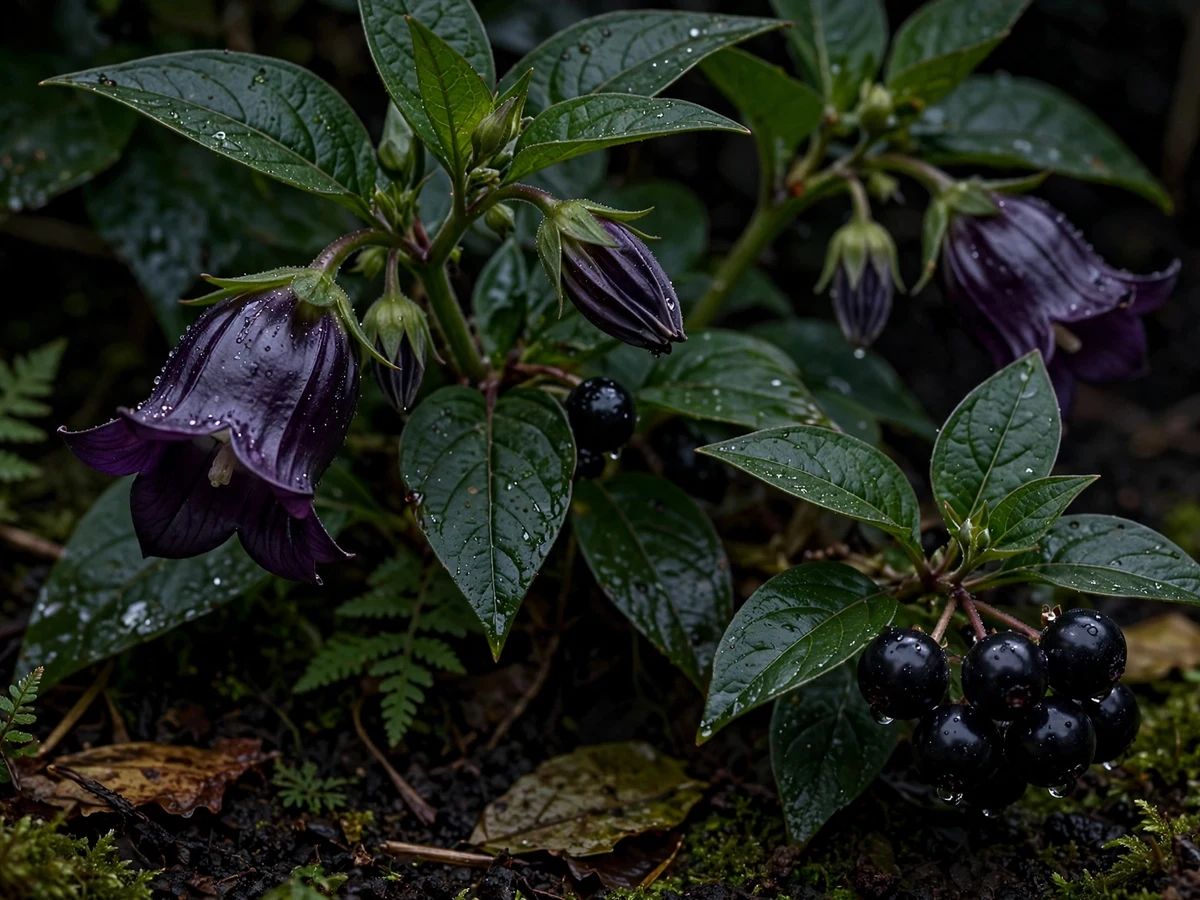
Deadly nightshade earned its name honestly — Italian women once used its juice to dilate their pupils for a “beautiful” gaze, and witches were said to brew it into flying ointments. Its glossy black berries look like forbidden candy. Safety note: every part is highly toxic, so grow belladonna strictly as an ornamental curiosity, well away from children and pets.
Mandrake
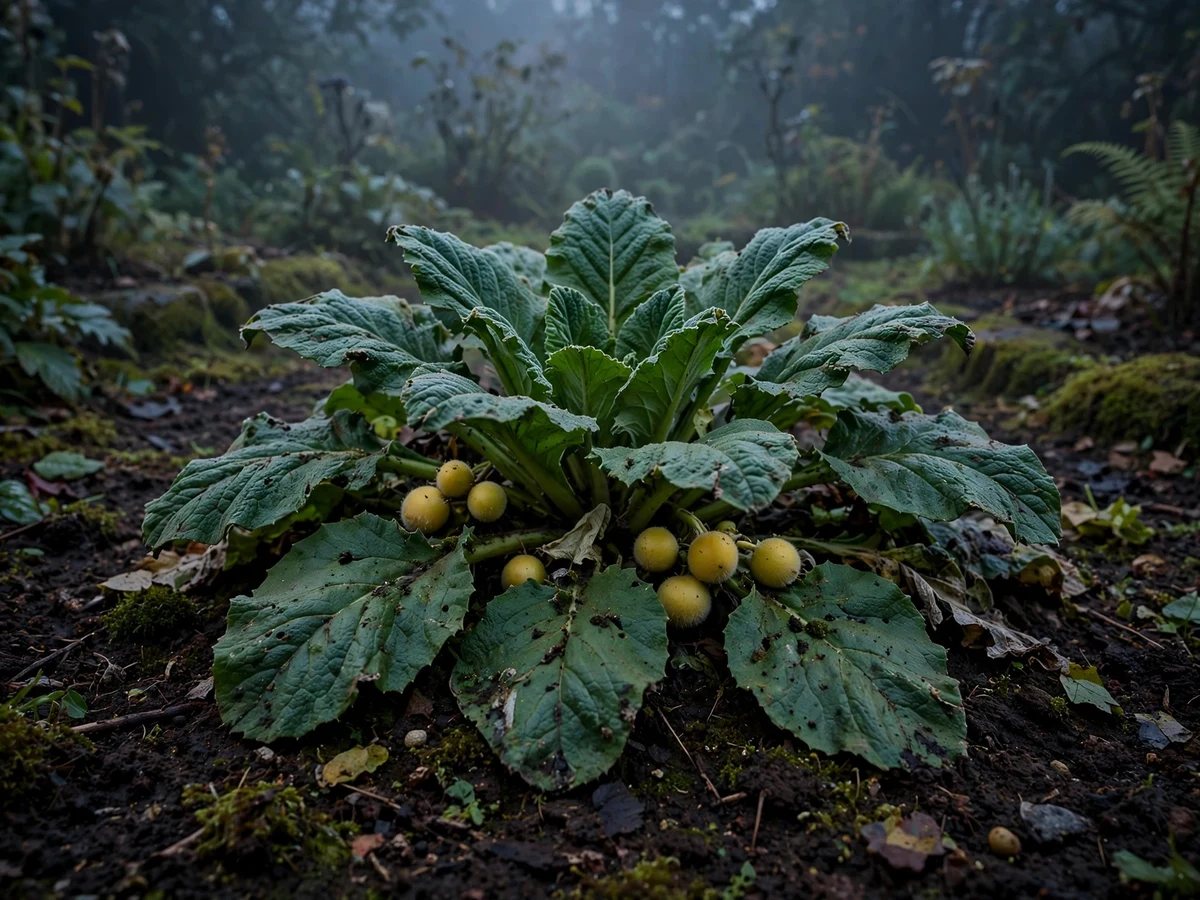
witchy herbs halloween Legend says the mandrake root screams when pulled from the earth, killing anyone who hears it — medieval herbalists supposedly used dogs to harvest it. Its forked, human-shaped roots only fed the myth. Today, mandrake makes a fascinating container plant for a spooky Halloween display; admire its strange roots in photos, not in person.
Wormwood
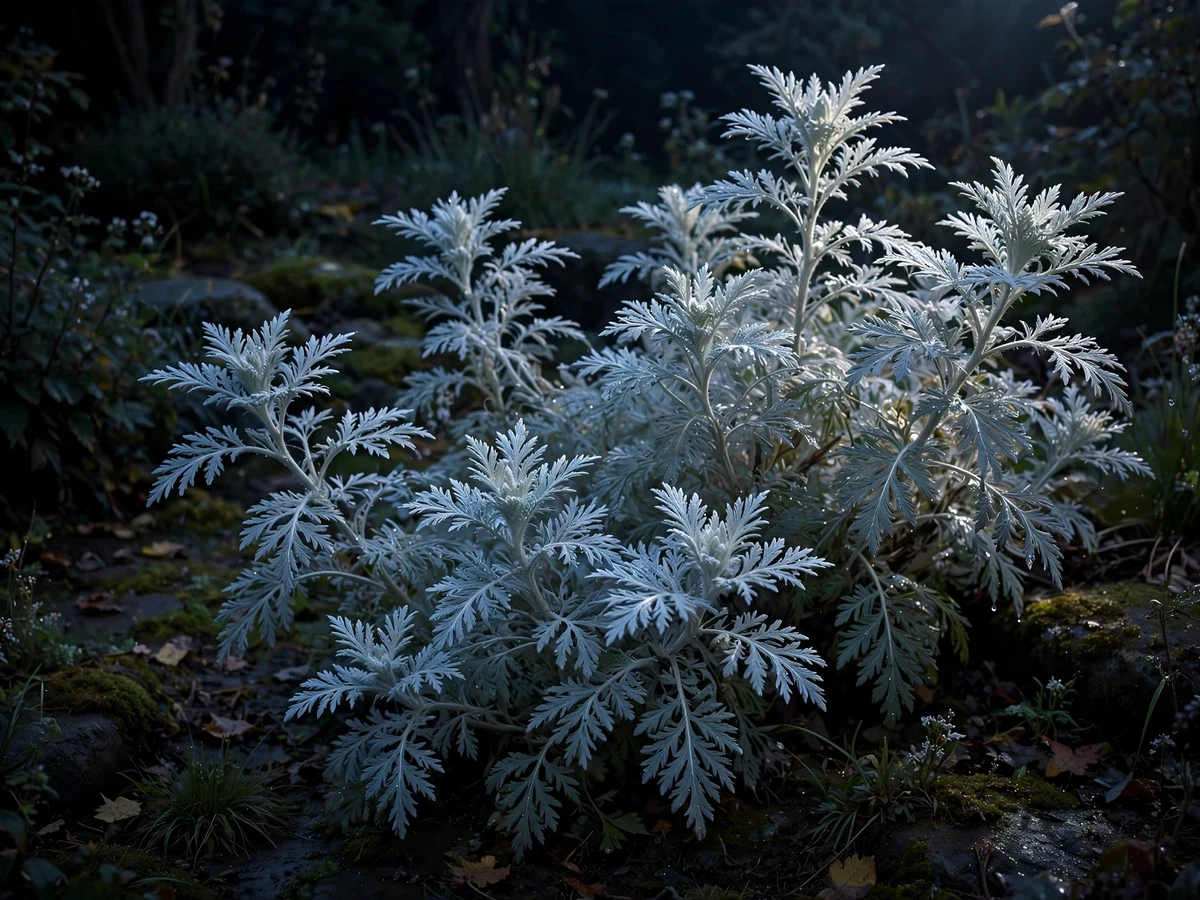
This silvery, bitter herb was the notorious soul of absinthe, the “green fairy” drink blamed for driving 19th-century artists to madness. Witches hung it over doorways to ward off evil spirits. In a modern garden, wormwood’s shimmering silver foliage is pure moonlight — plant it along paths where its ghostly color glows after dark.
Mugwort

Called the “dream herb,” mugwort was tucked under pillows to summon prophetic dreams and burned in Midsummer rites to banish demons. Travelers carried it for protection on dark roads. Grow it in a sunny corner and dry bundles for fragrant, all-natural wreaths — a perfectly safe way to honor its mystical past.
Henbane
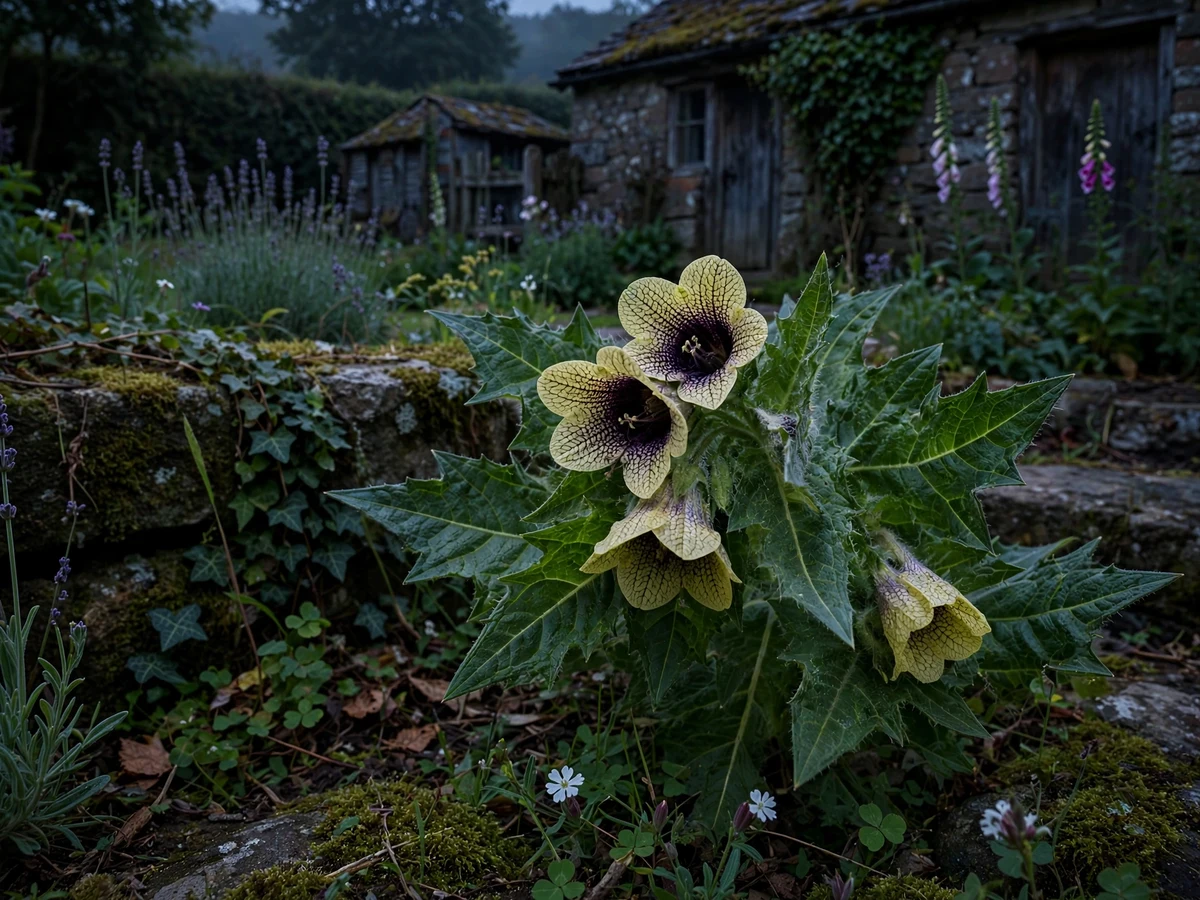
With its eerie veined, jaundiced flowers, henbane was a staple of witches’ brews and ancient oracles’ visions — the priestesses at Delphi may have inhaled its fumes. It is dangerously toxic, so treat it as a look-but-don’t-touch garden oddity. Its otherworldly blooms alone earn it a spot in any Halloween garden.
Wolfsbane (Monkshood)
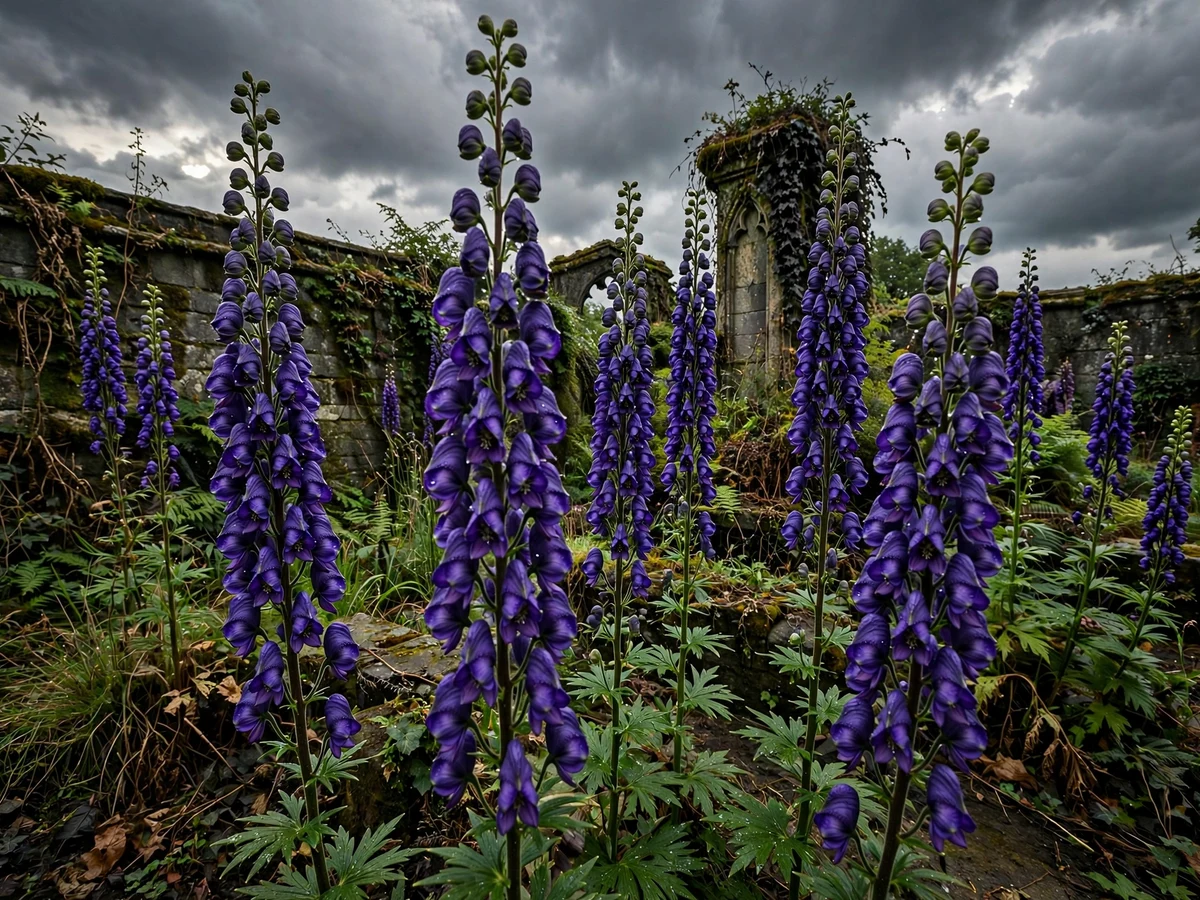
Towering spires of deep purple helmets made wolfsbane the stuff of werewolf legends — it was believed to repel the beasts, and also to create them. One of Europe’s most poisonous garden plants, it demands respect. Plant it at the back of a border where its dramatic, gothic spires can be admired from a safe distance.
Foxglove
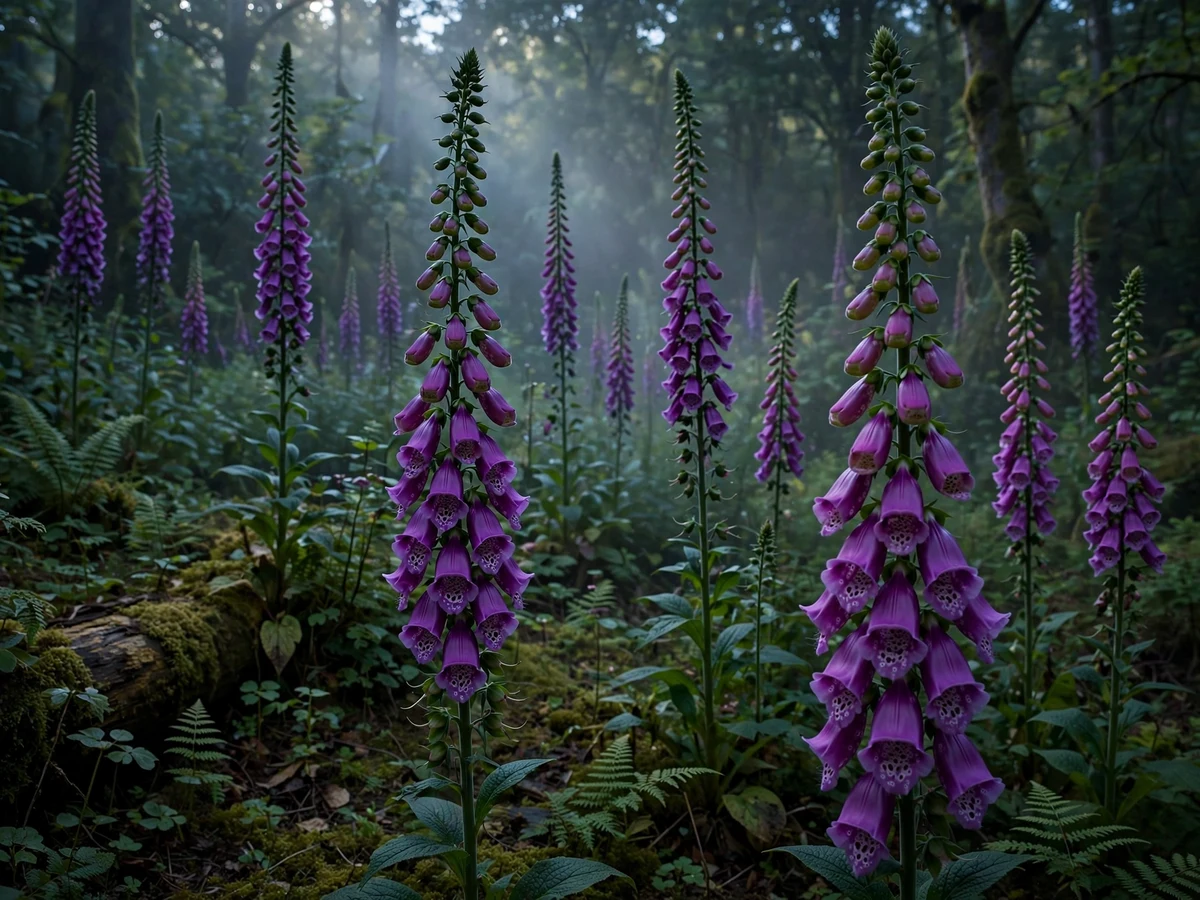
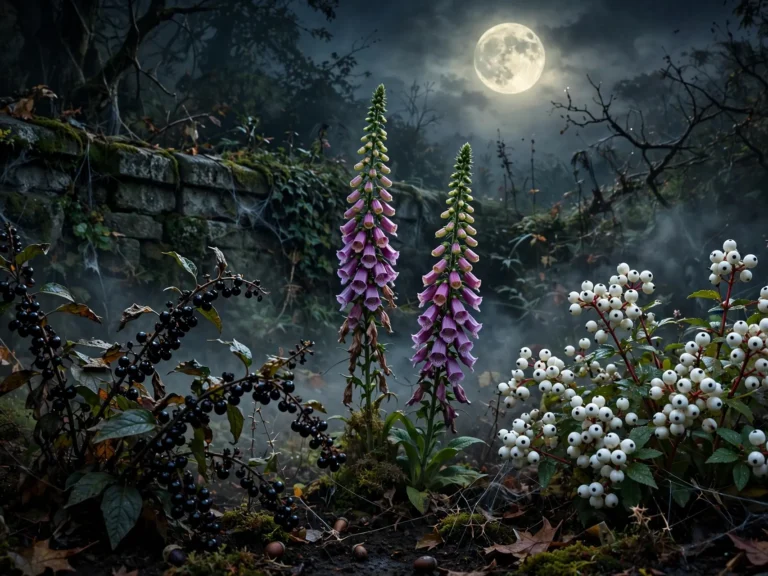
Fairies were said to give foxglove its spotted throats, and witches used it in flying potions — fitting, since it also gave us digitalis, the heart medicine. Its tall, haunted spires look straight out of a spell book. Grow foxglove for its breathtaking flowers, but teach kids its “fairy thimbles” are strictly for looking.
Rue
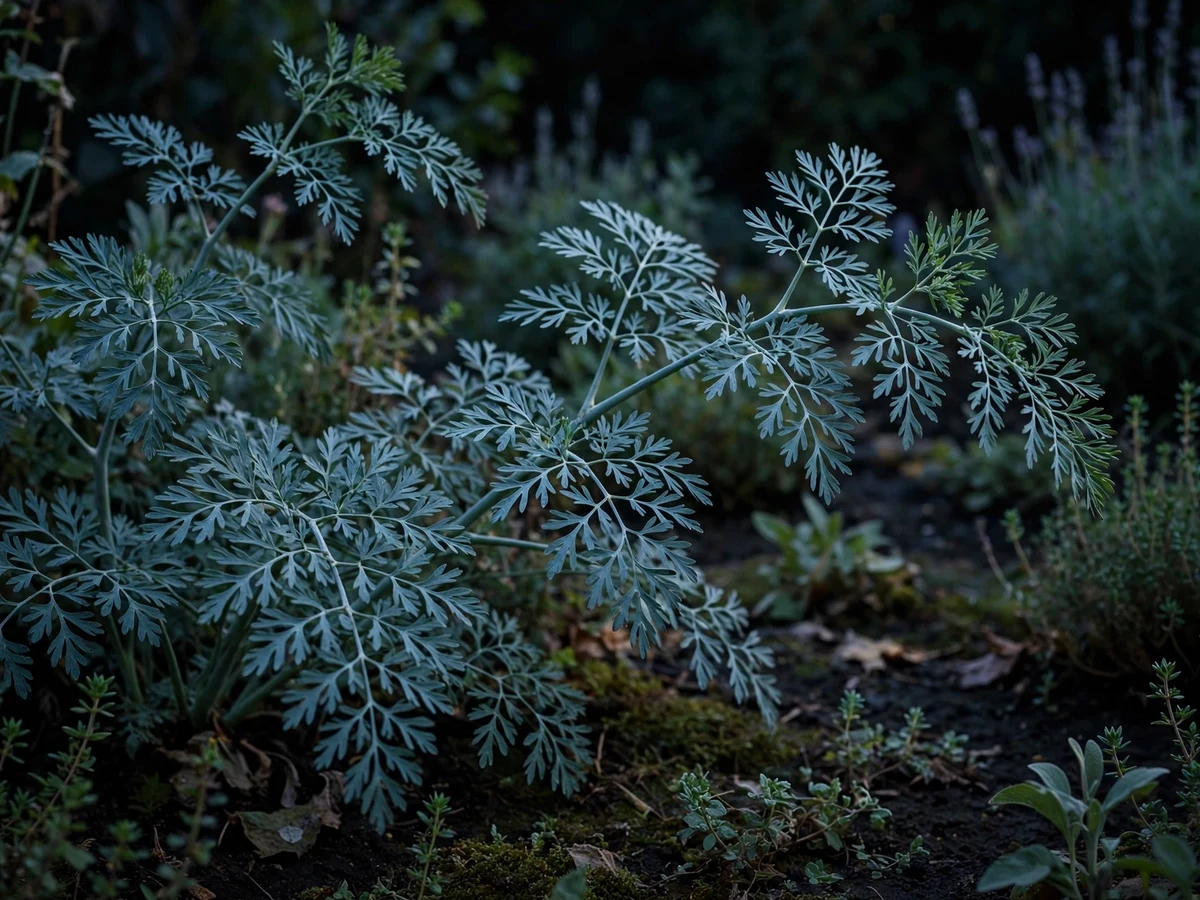
Known as the “herb of grace,” rue was sprinkled as holy water to drive out witches — ironically making it the witch’s nemesis. Its blue-green, lace-like foliage looks almost supernatural in moonlight. Tuck rue into borders for its strange beauty and citrusy scent; just wear gloves, as its oils can irritate skin.
Yarrow
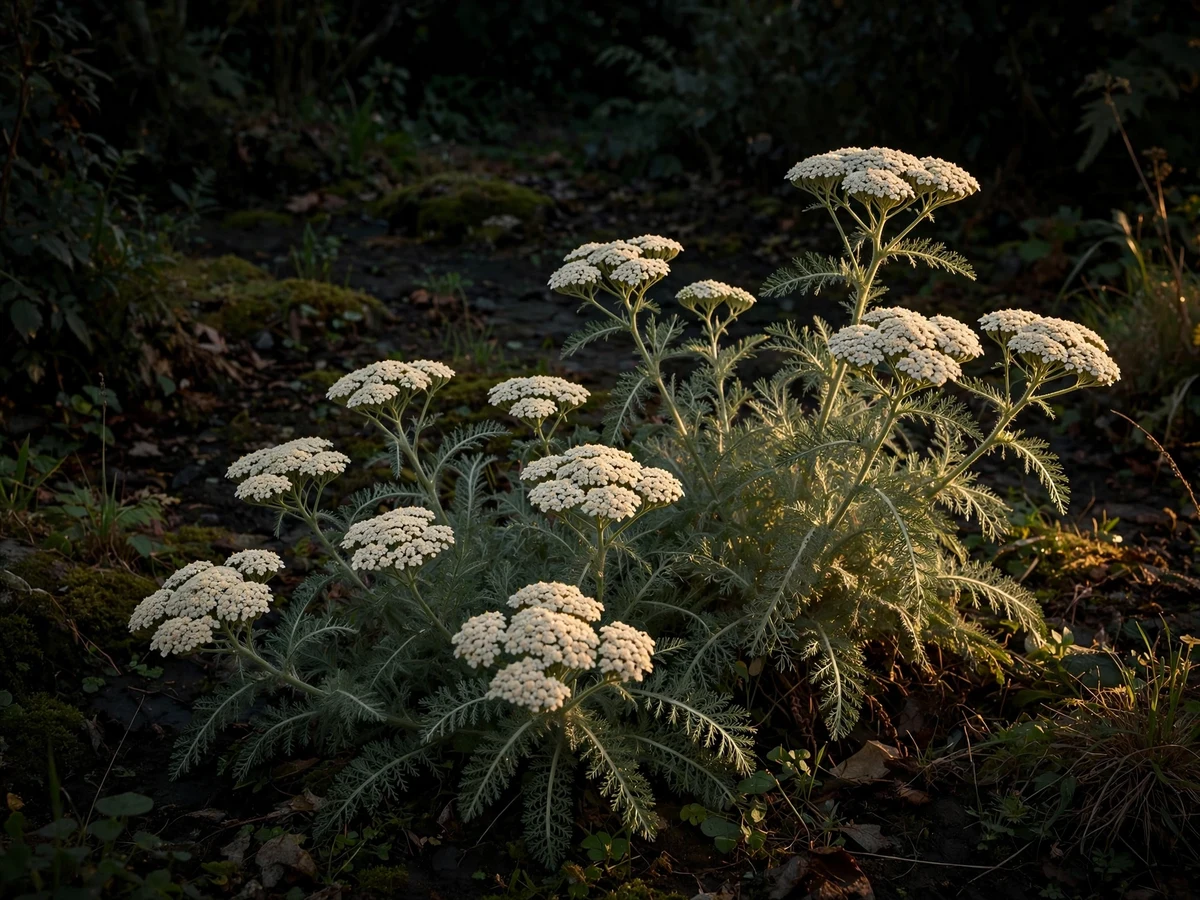
Achilles supposedly carried yarrow into battle to heal his soldiers’ wounds, while witches used it in love divinations — maidens placed it under pillows to dream of future husbands. This hardy, feathery plant is a pollinator magnet. Let it naturalize in a wild corner for blooms that feel plucked from an old grimoire.
Elder
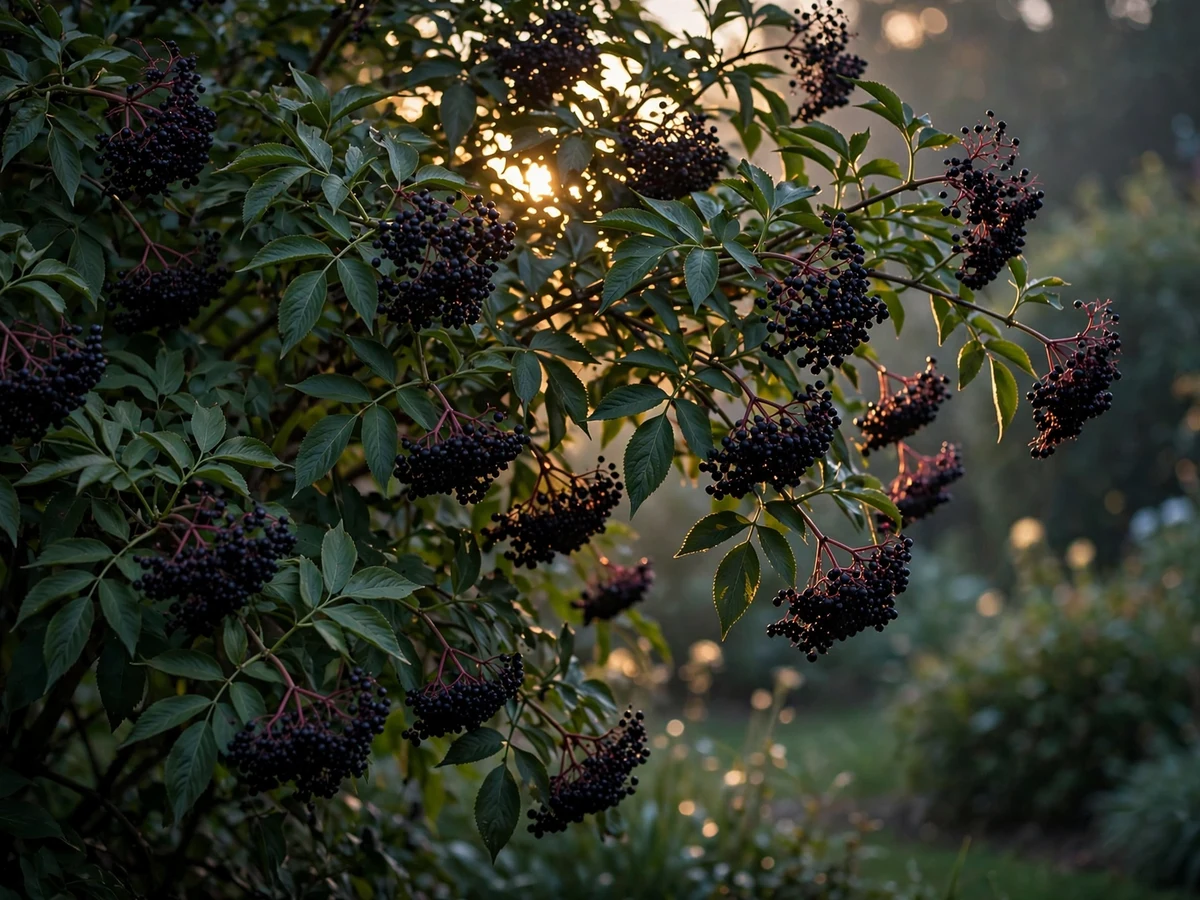
The elder tree was believed to house the Elder Mother, a spirit you had to ask permission before cutting — refuse, and misfortune followed. Its creamy blossoms and inky berries have enchanted folklore for millennia. Plant an elderberry for its haunting beauty and (cooked) delicious berries, and always thank the Elder Mother.
A quick word of caution before you plant your witch’s garden: several of these legends involve genuinely toxic plants, included here for ornamental and educational interest only. Never ingest ornamental herbs unless you are certain of their identity and safety — when in doubt, admire the folklore and grow the safe ones. If you love growing useful plants with deep histories, our guide to the best medicinal plants to grow at home pairs beautifully with this spooky lineup.
This Halloween, let your garden tell stories. Whether it is the ghostly shimmer of wormwood or the spell-book spires of foxglove, these witchy herbs prove that the most enchanting gardens have a deliciously dark side — much like the infamous mandrake of legend. Happy haunting, and happy planting.
Styling Your Witchy Herb Display
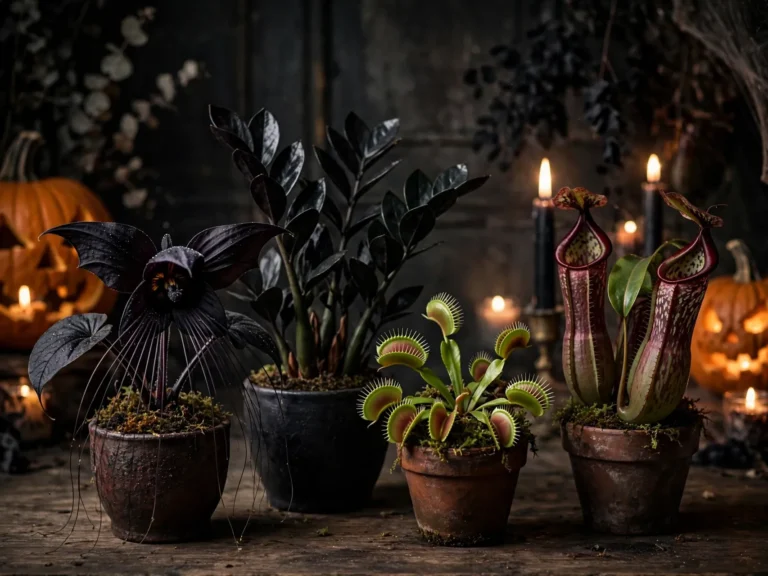
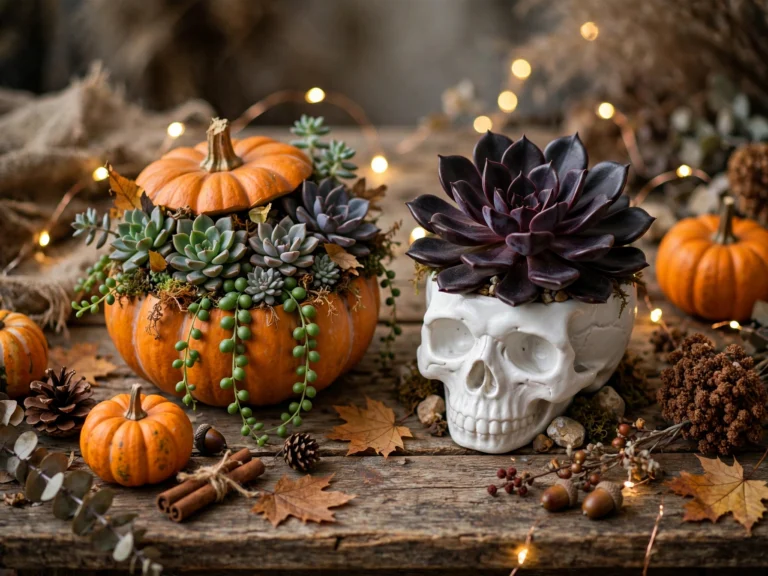
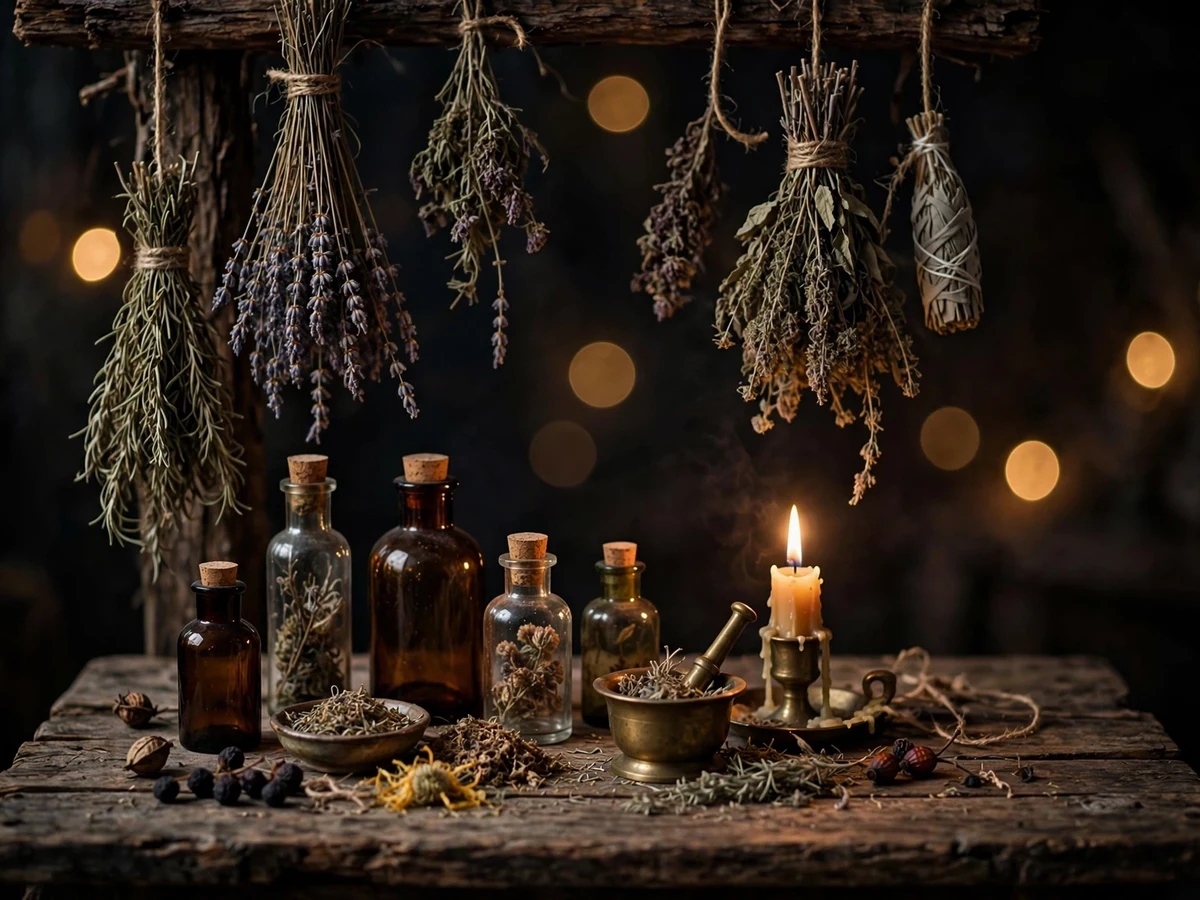
Want the full haunted-apothecary effect? Group your witchy herbs in weathered terracotta pots on a wooden bench, tuck in a few mini pumpkins, and add handwritten plant labels on aged paper tags — guests will think they have wandered into a potion shop. String warm fairy lights overhead for evening gatherings, and let the silvery wormwood and blue-green rue catch the glow. A shallow bowl of dried mugwort and yarrow on the table completes the spell. Remember: this display is about atmosphere and storytelling, so keep the toxic beauties clearly ornamental and out of reach, and let the safe herbs do the hands-on work.
Frequently Asked Questions
Are witchy herbs safe to grow at home?
Many are, like mugwort, yarrow, and rue — but several (belladonna, henbane, wolfsbane, foxglove) are toxic and should be grown as ornamentals only, away from kids and pets.
What is the most famous witchy herb?
Mandrake, thanks to its human-shaped root and the legend that it screams when pulled from the ground — a story that has terrified gardeners for centuries.
Can I use these herbs in cooking or tea?
Only the known-safe ones like elder (cooked berries) and yarrow — never experiment with toxic species. Always verify identity with a reliable source first.
Which witchy herbs are easiest for beginners?
Mugwort, yarrow, wormwood, and rue are all hardy, low-maintenance, and forgiving — perfect first “dark garden” plants.
Do these plants have real medicinal history?
Yes — foxglove gave us the heart drug digitalis, and elderberry has genuine traditional uses. Their folklore grew from real, powerful chemistry.