9 Creepy Houseplants for Spooky Halloween Decor
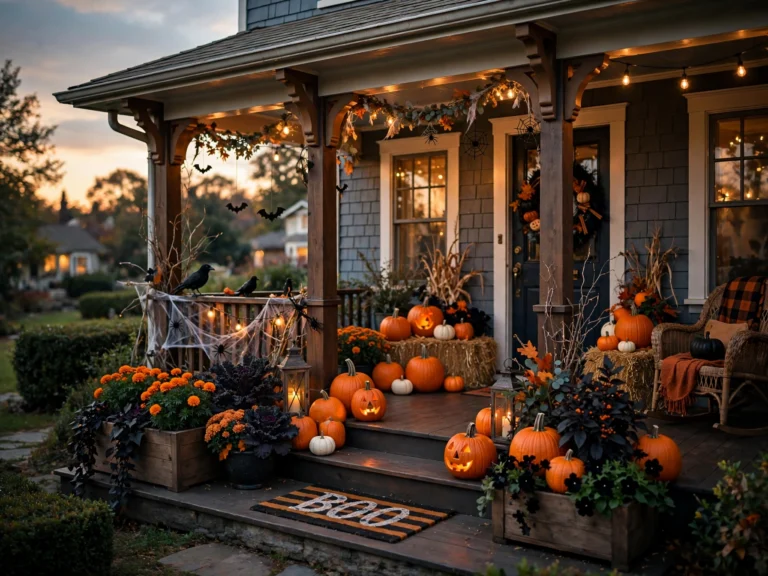
Some people decorate for Halloween with plastic skeletons and rubber bats. I decorate with creepy houseplants — because nothing is spookier, or more alive, than a plant that looks like it crawled out of a horror film. From flowers that look like bats in flight to carnivorous traps that snap shut on real insects, these nine houseplants bring the perfect amount of macabre magic to your home this October. Best of all, they keep growing long after the pumpkins are gone.
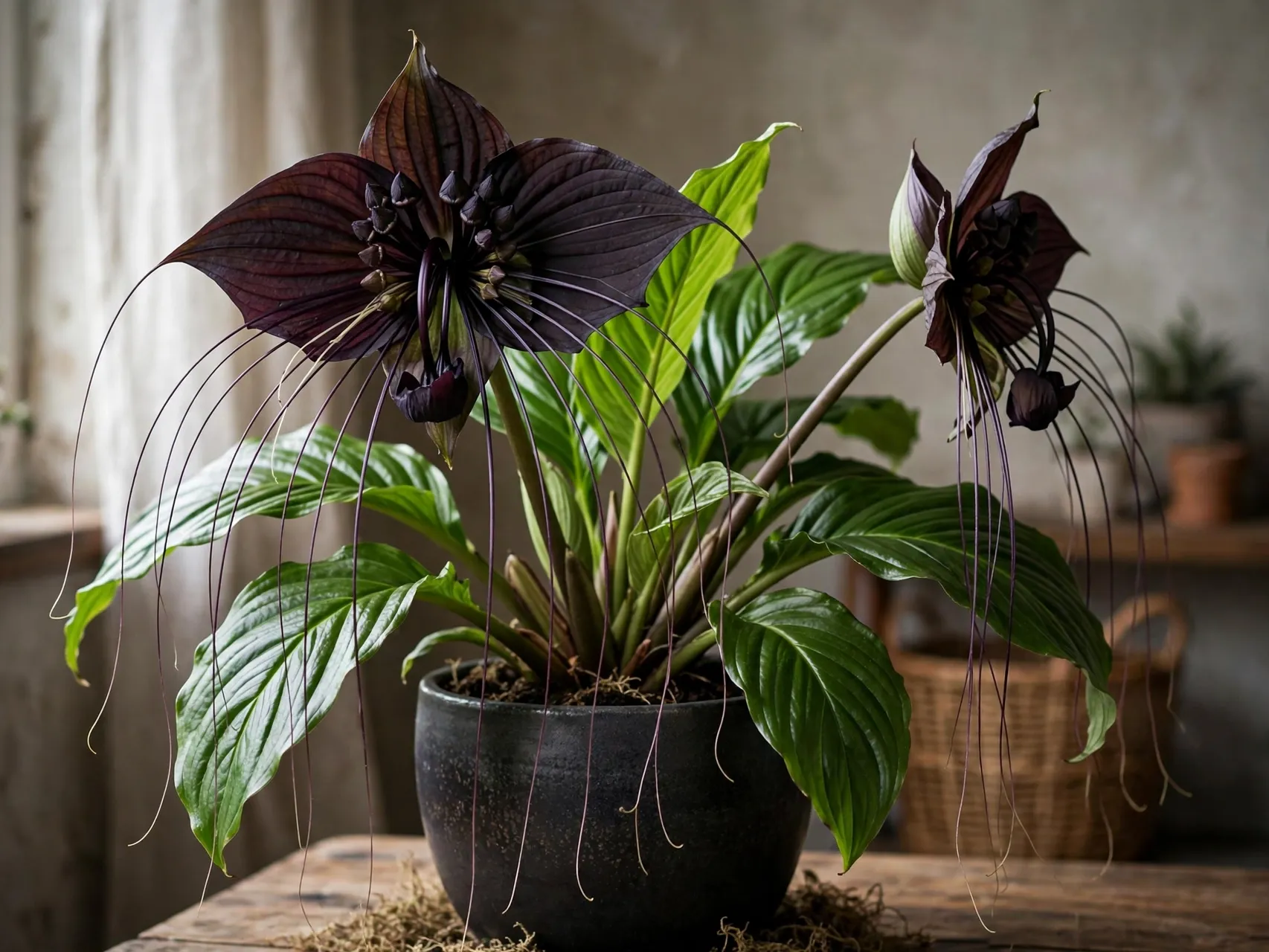
Bat Flower
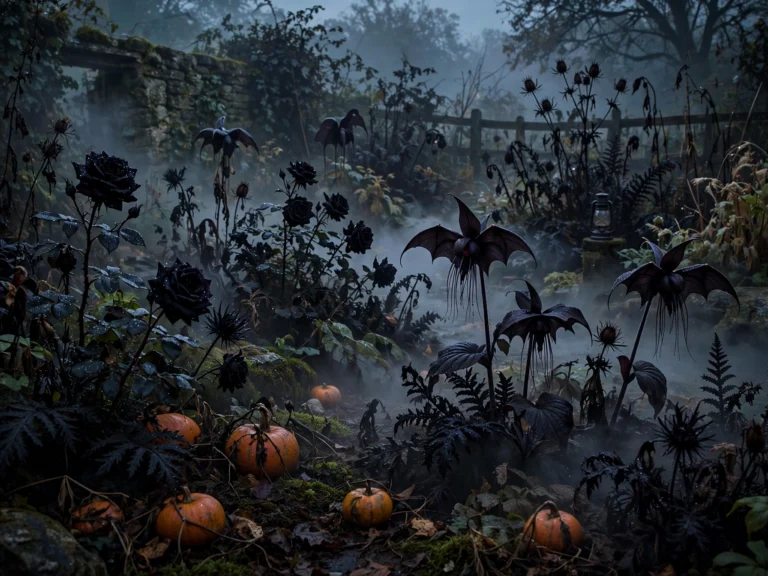
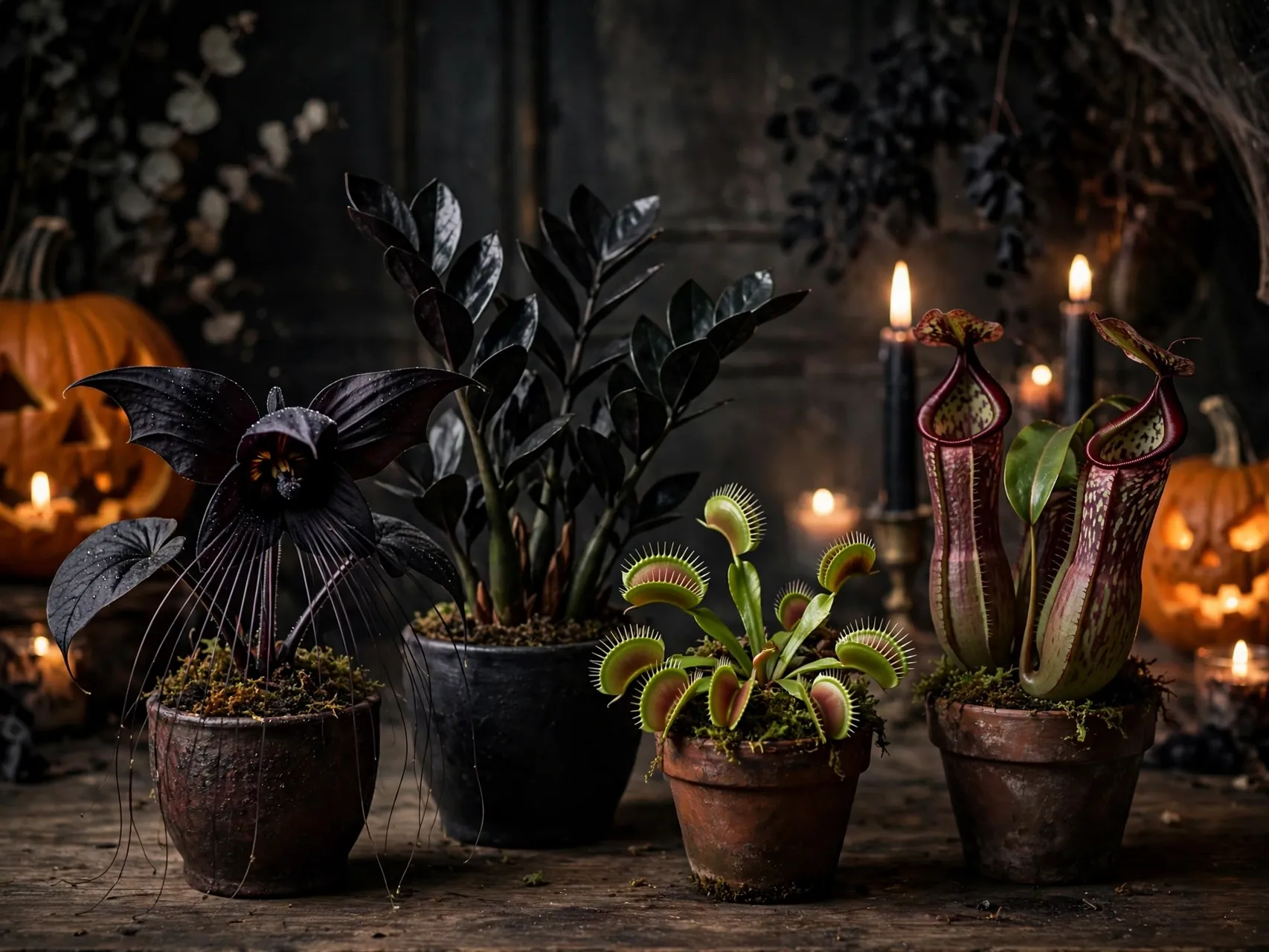
The bat flower (Tacca chantrieri) is a tropical stunner whose dark, bat-shaped blooms unfurl with long, whisker-like bracts that dangle like something from a gothic novel. In a dimly lit room beside a jack-o’-lantern, it looks less like a plant and more like a creature mid-flight — Halloween perfection. Care tip: it loves humidity and indirect light, so mist it regularly and keep it away from cold drafts.
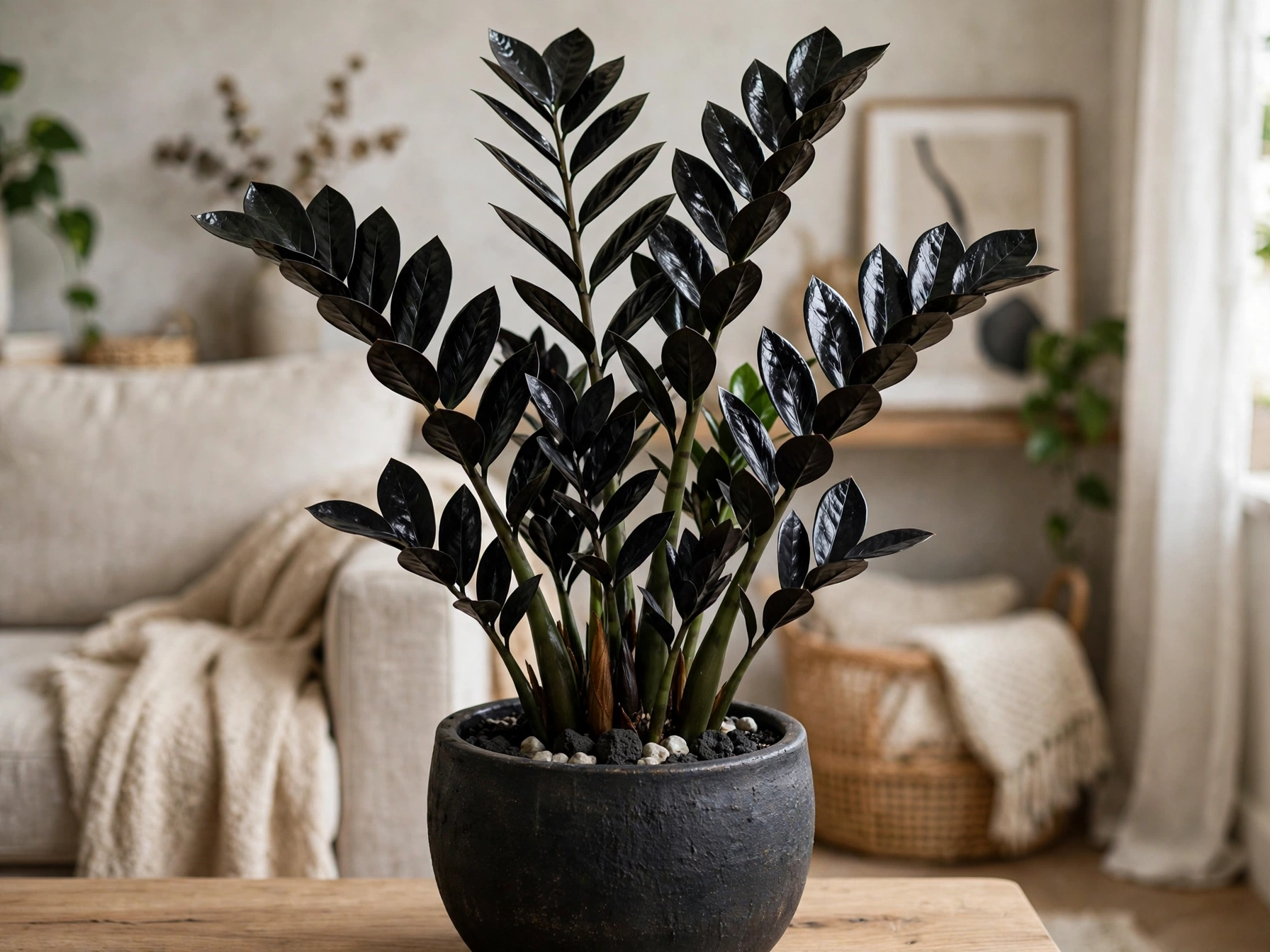
Black ZZ Raven
The ZZ Raven is the goth queen of houseplants, with glossy, feather-like leaflets in a deep purple-black that looks almost unreal. Clustered with orange pumpkins and dried corn stalks, its dark silhouette instantly sets a haunted-house mood — no fake cobwebs required. Care tip: it is nearly indestructible; water only when the soil is fully dry and give it medium to low light, as explained in our indoor plant lighting guide.
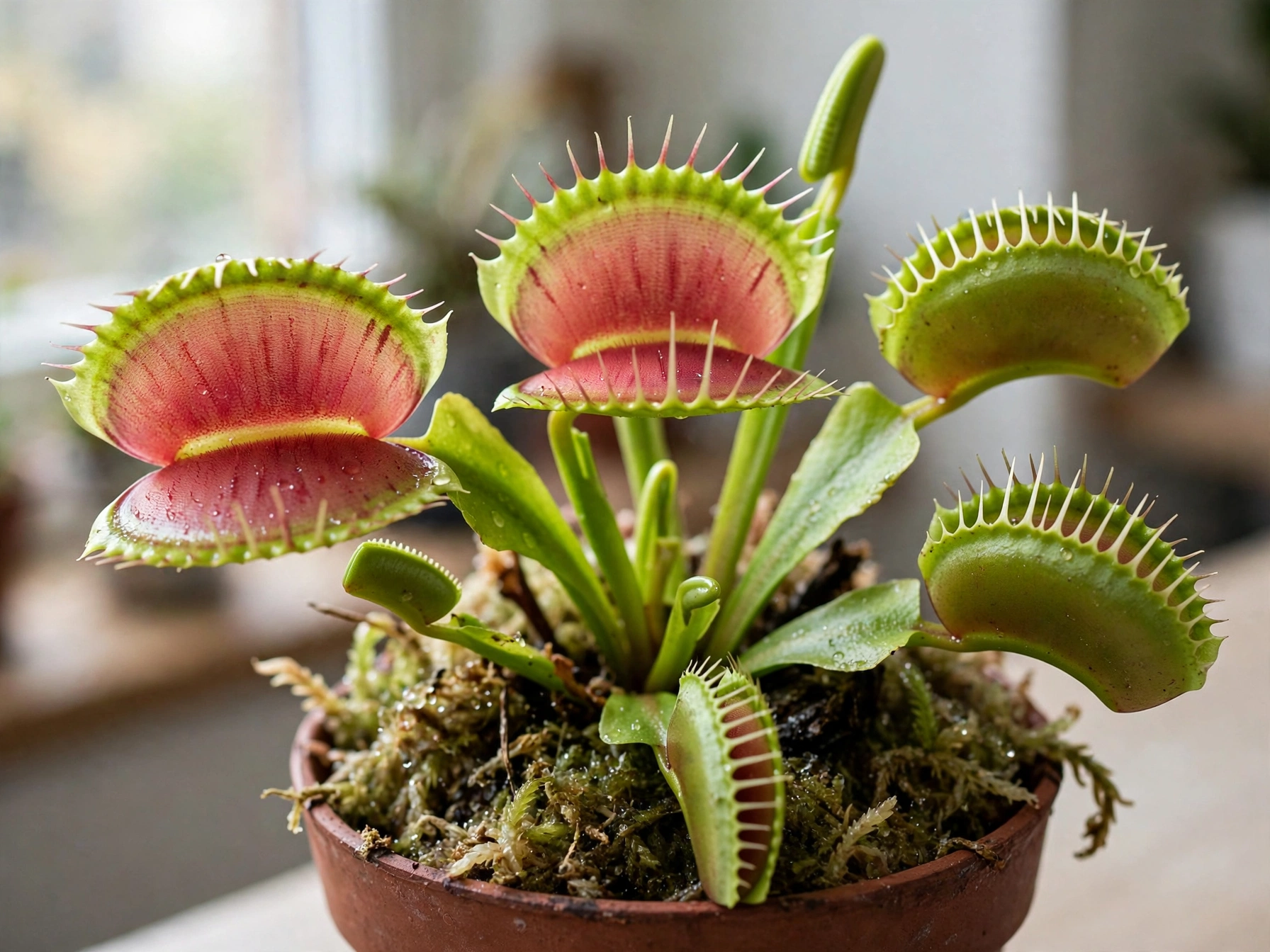
Venus Flytrap
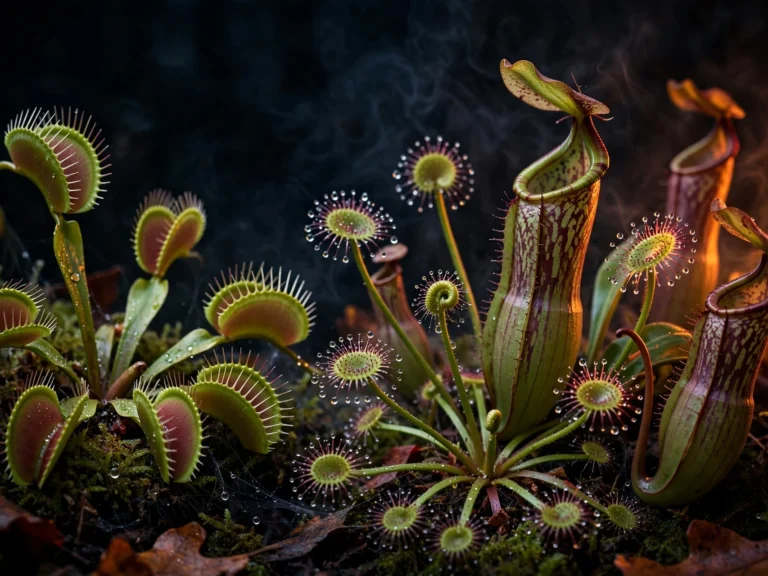
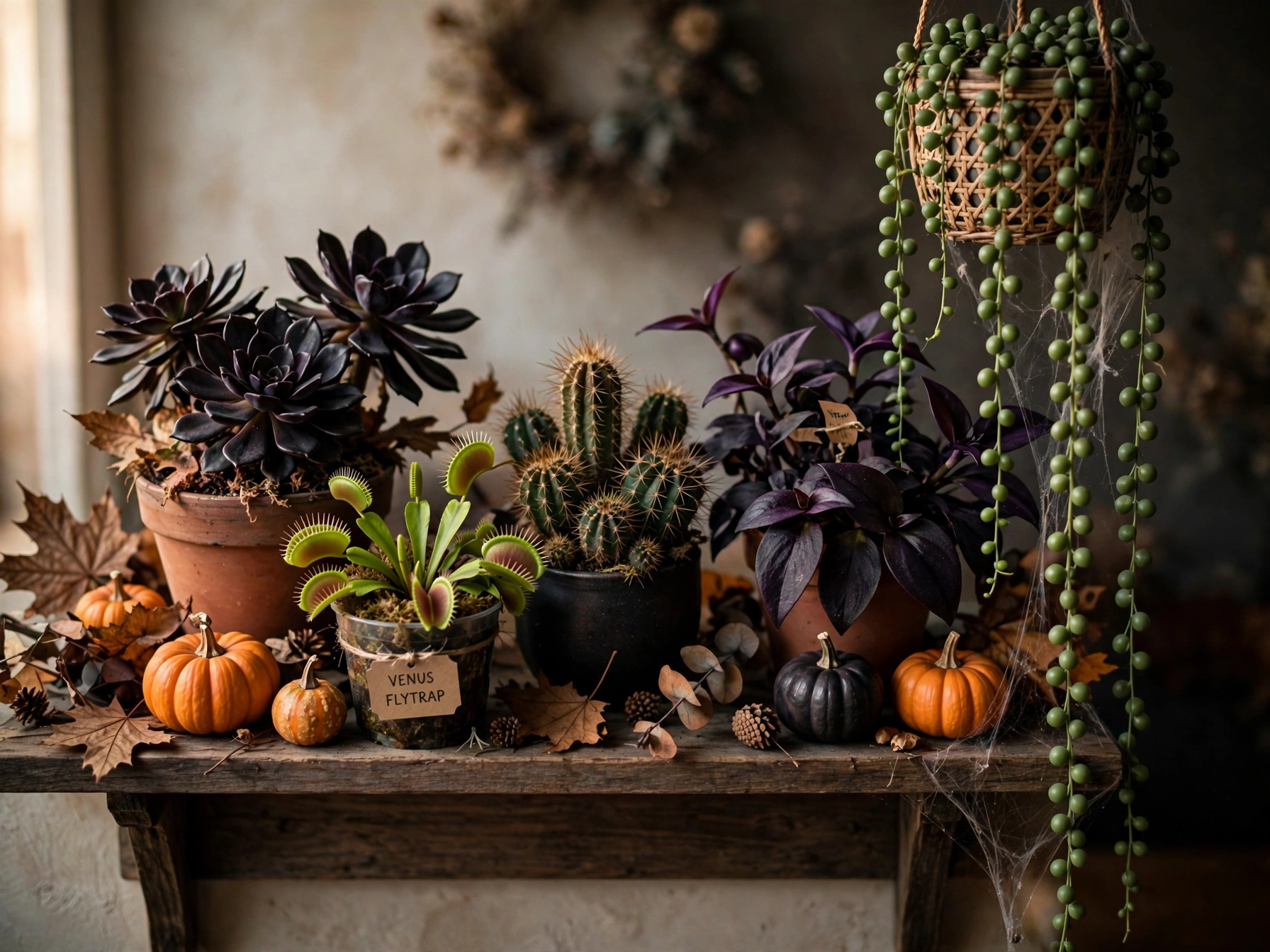
No Halloween plant lineup is complete without the world’s most famous carnivorous plant. The Venus flytrap’s jaw-like traps — rimmed with spiky “teeth” and blushing red inside — snap shut on flies and spiders in a fraction of a second, giving your windowsill genuine monster energy. Care tip: it needs lots of bright light and rainwater or distilled water only; tap water will kill it.
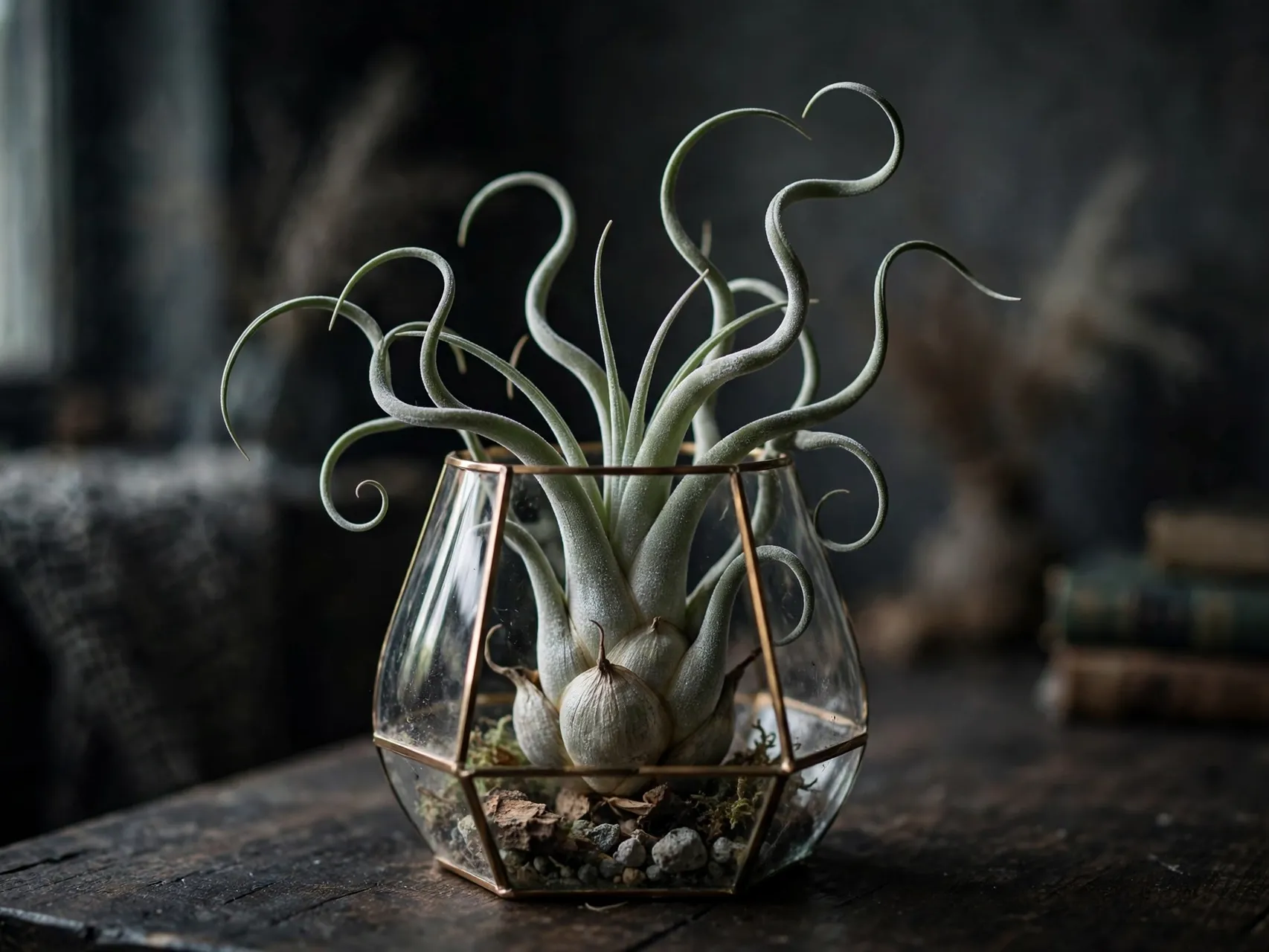
Medusa Air Plant
Named for the snake-haired Gorgon of Greek myth, Tillandsia caput-medusae sends out twisting, tentacle-like silvery leaves from a bulbous base that honestly look like they’re reaching for something. Mounted in a glass terrarium with a few tiny pumpkins, it’s pure Halloween theater. Care tip: mist it a few times a week or soak it for 20 minutes weekly, then let it dry upside down so water never sits in the base.
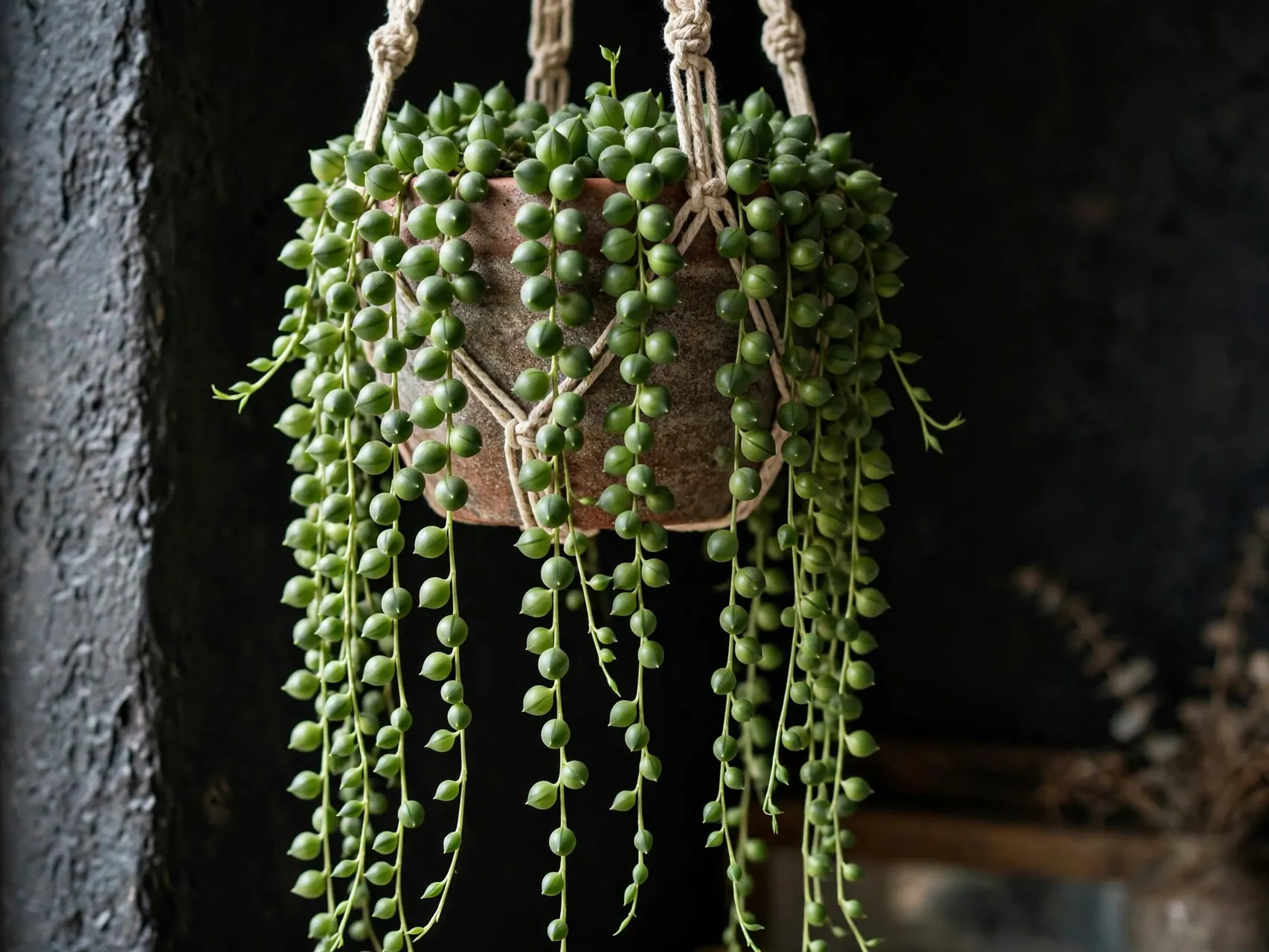
String of Pearls
At first glance, string of pearls looks like strands of green beads spilling from a hanging pot — but look closer and each bead is a tiny orb with a translucent “window” that resembles a miniature eyeball. Draped over a shelf like a living curtain, it gives serious creepy-crawler vibes. Care tip: it hates wet feet, so plant it in fast-draining cactus mix and water deeply only when the pearls start to shrivel slightly.
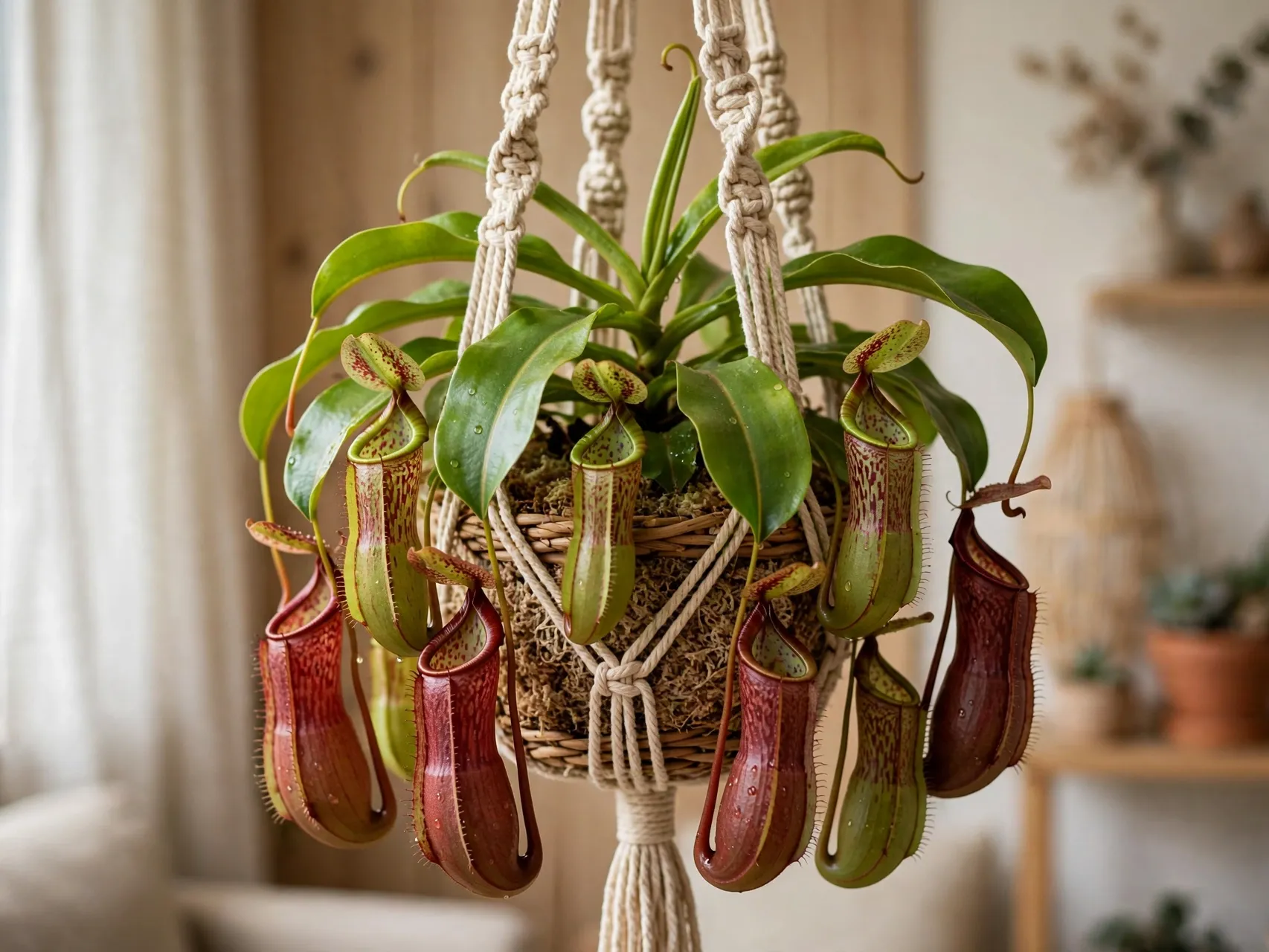
Pitcher Plant
With dangling, lidded pitchers in deep reds and speckled greens that trap and digest insects, the tropical pitcher plant (Nepenthes) looks like it belongs in a monster movie swamp. Hanging in a basket with low amber light behind it, those eerie goblets are an unforgettable Halloween centerpiece. Care tip: it craves humidity and bright indirect light; keep the soil damp but never waterlogged.
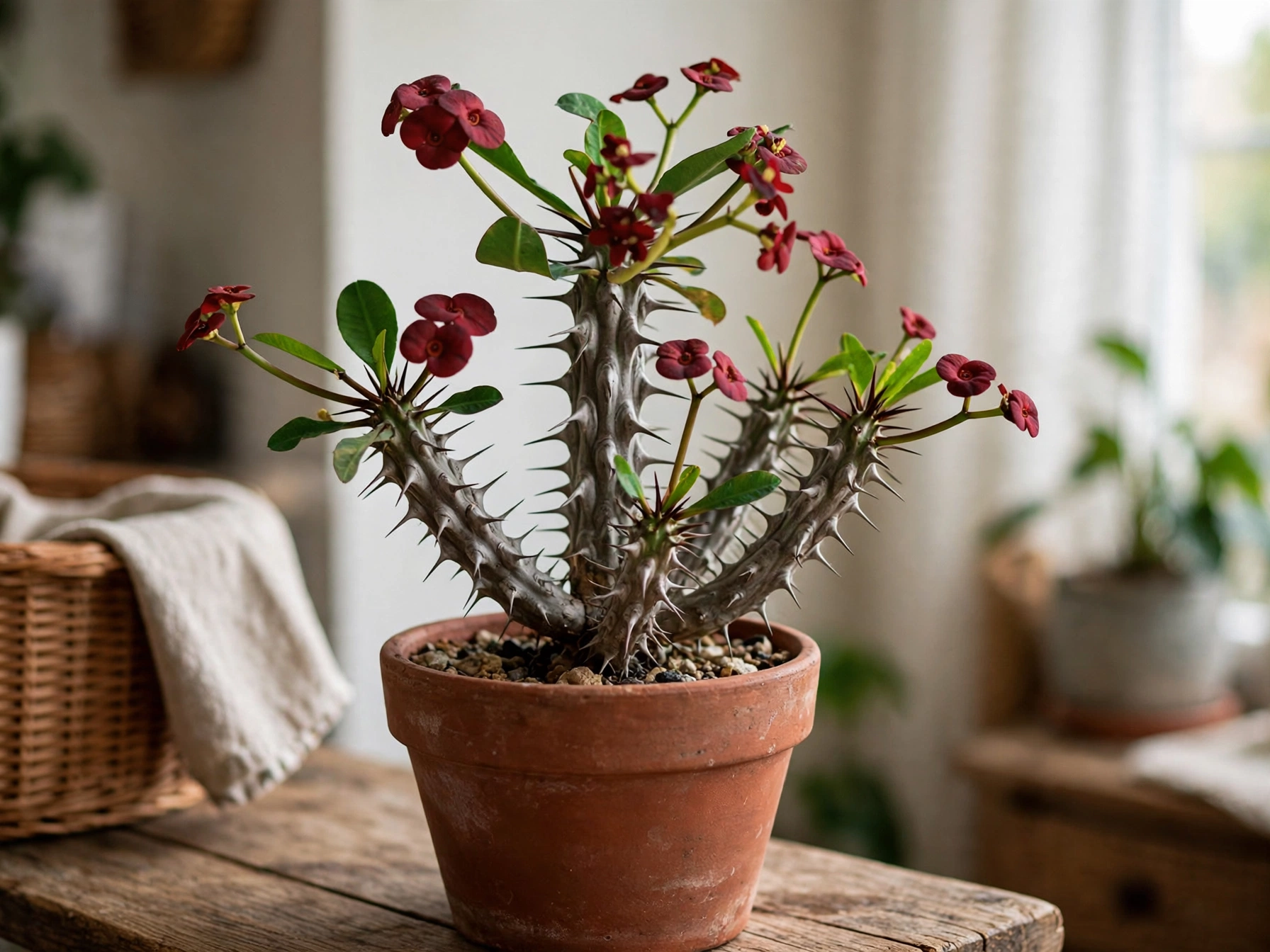
Crown of Thorns
The crown of thorns (Euphorbia milii) earns its spooky status honestly: thick, grey, thorn-armored stems topped with blood-red blooms, said to be the plant of the biblical crown. Its spiky, almost medieval appearance fits right in with haunted-house decor — just place it where curious hands won’t reach. Care tip: it is a sun-worshipper that thrives in bright light and needs very little water, especially in winter.
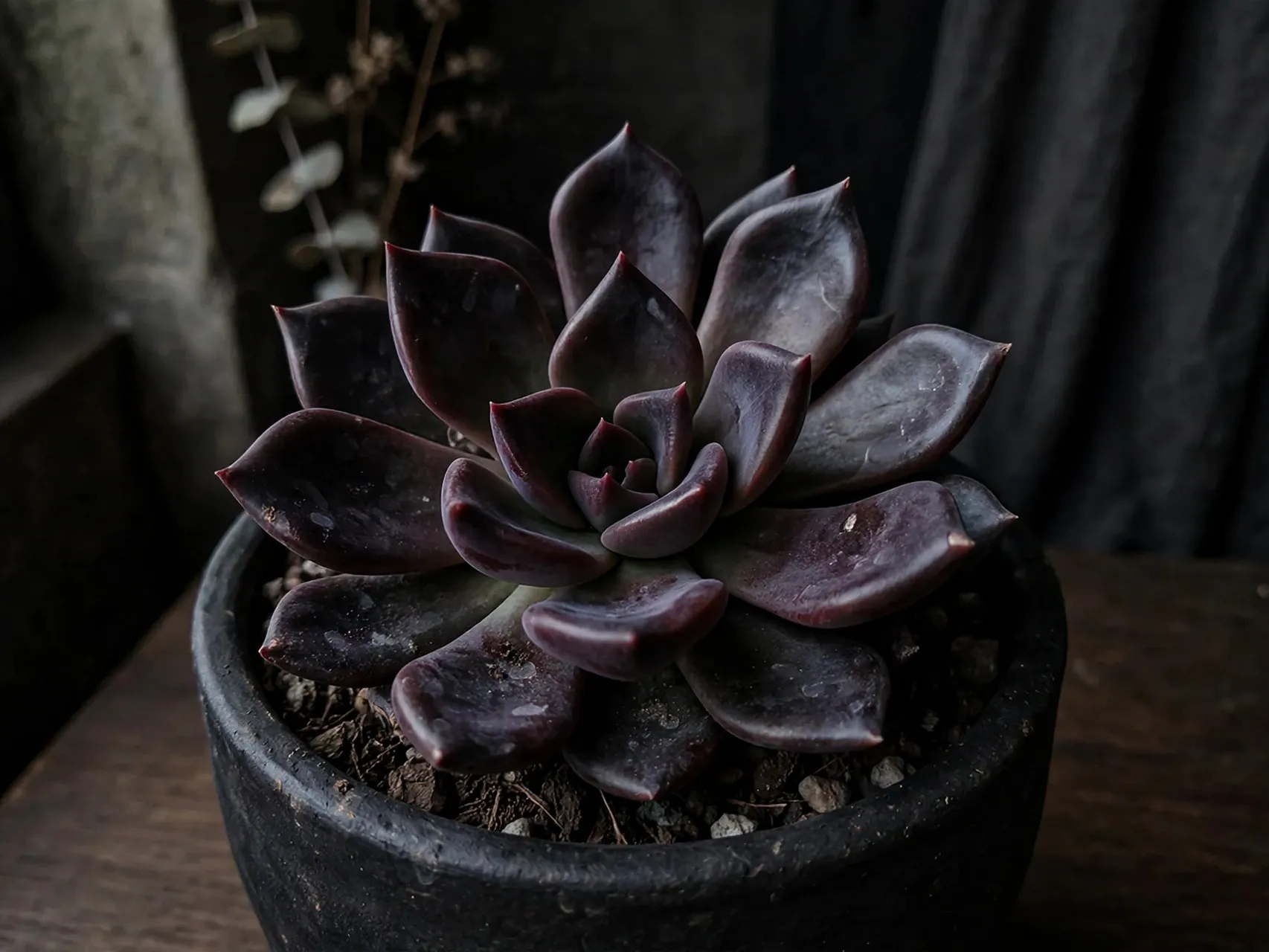
Black Prince Echeveria
The Black Prince echeveria forms a perfect rosette of deep purple-black leaves that glow eerily at the edges in candlelight, like a flower from a vampire’s garden. Tuck it into a black pot with moss and a plastic spider and you have an instant Halloween vignette for your coffee table. Care tip: give it as much bright light as possible — the darker the leaves, the happier it is — and water sparingly.
Golden Barrel Cactus
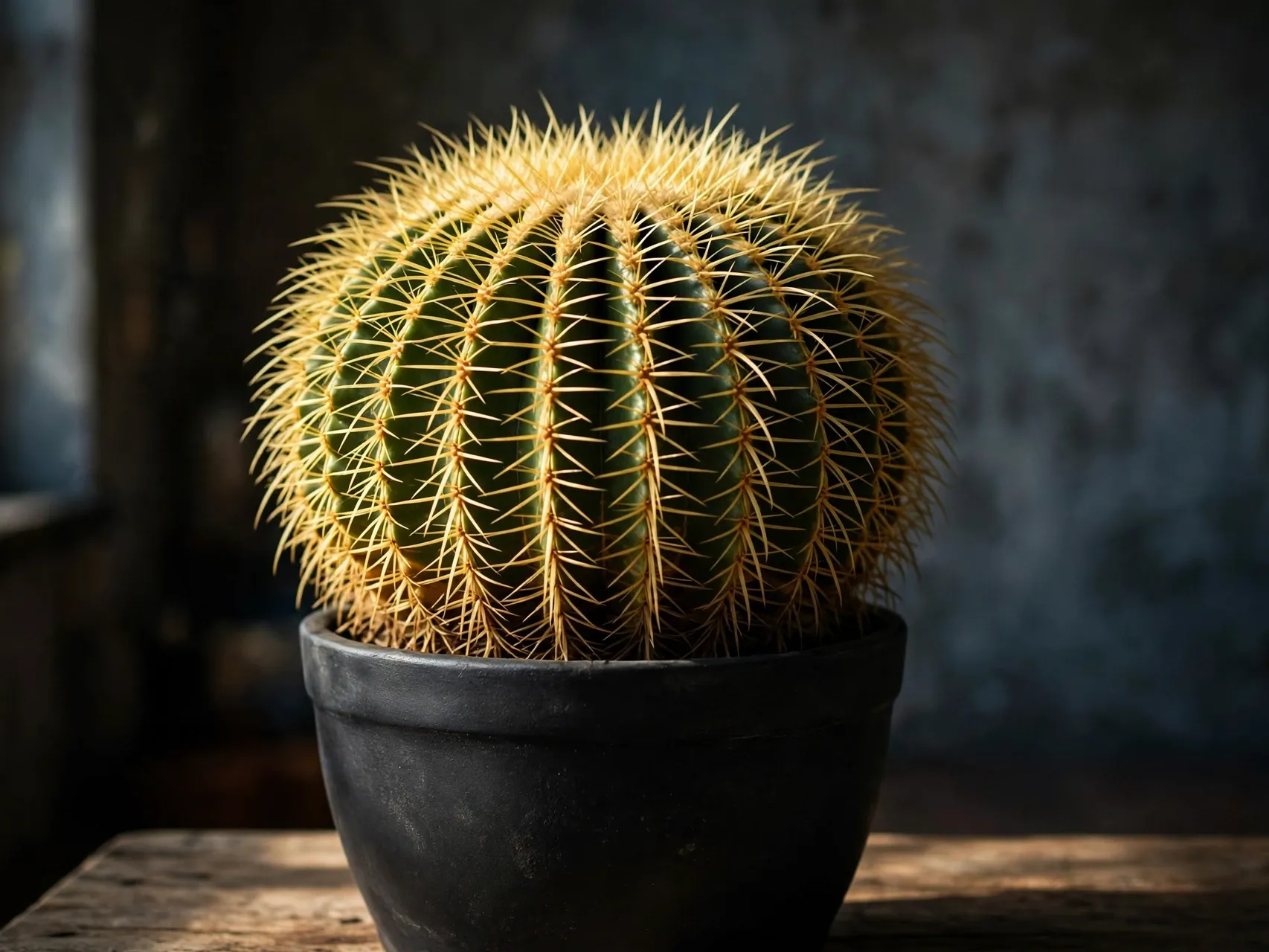
A golden barrel cactus may look friendly in daylight, but line it up with carved pumpkins and flickering candles and its dense crown of golden spines turns it into a menacing little guardian of your Halloween display. It’s the perfect “don’t touch” prop that also happens to be nearly impossible to kill. Care tip: maximum sun, minimal water — let the soil dry out completely between drinks, and cut back to almost nothing in winter.
Halloween decor doesn’t have to go back in a box on November 1st. Unlike plastic spiders, creepy houseplants stay creepy — and beautiful — all year round, each one a little living conversation piece that rewards you long after the trick-or-treaters are gone. If you’re just starting out, learning the basics of caring for any houseplant will make these spooky beauties thrive for seasons of Halloweens to come.
FAQ
Which creepy houseplant is best for beginners?
The Black ZZ Raven and the golden barrel cactus are the most forgiving — both tolerate neglect, low light, and missed waterings while still looking gloriously dark.
Are Venus flytraps hard to keep alive indoors?
They need more attention than most houseplants: bright light, consistently moist soil, and distilled or rainwater. Give them that and they’ll reward you with snapping traps.
Are any of these creepy houseplants toxic to pets?
Yes — the crown of thorns, ZZ plant, string of pearls, and Venus flytrap can be toxic to cats and dogs. Keep them on high shelves or in rooms your pets can’t access.
Can I keep these spooky plants after Halloween?
Absolutely — that’s the whole point. They make dramatic year-round decor and many, like the ZZ Raven and echeveria, are excellent low-maintenance houseplants.
Where should I place creepy houseplants for the best Halloween effect?
Group dark-leafed plants like the Black ZZ Raven and Black Prince echeveria with pumpkins, candles, and amber lighting on mantels, entryway tables, or windowsills for maximum haunted-house atmosphere.