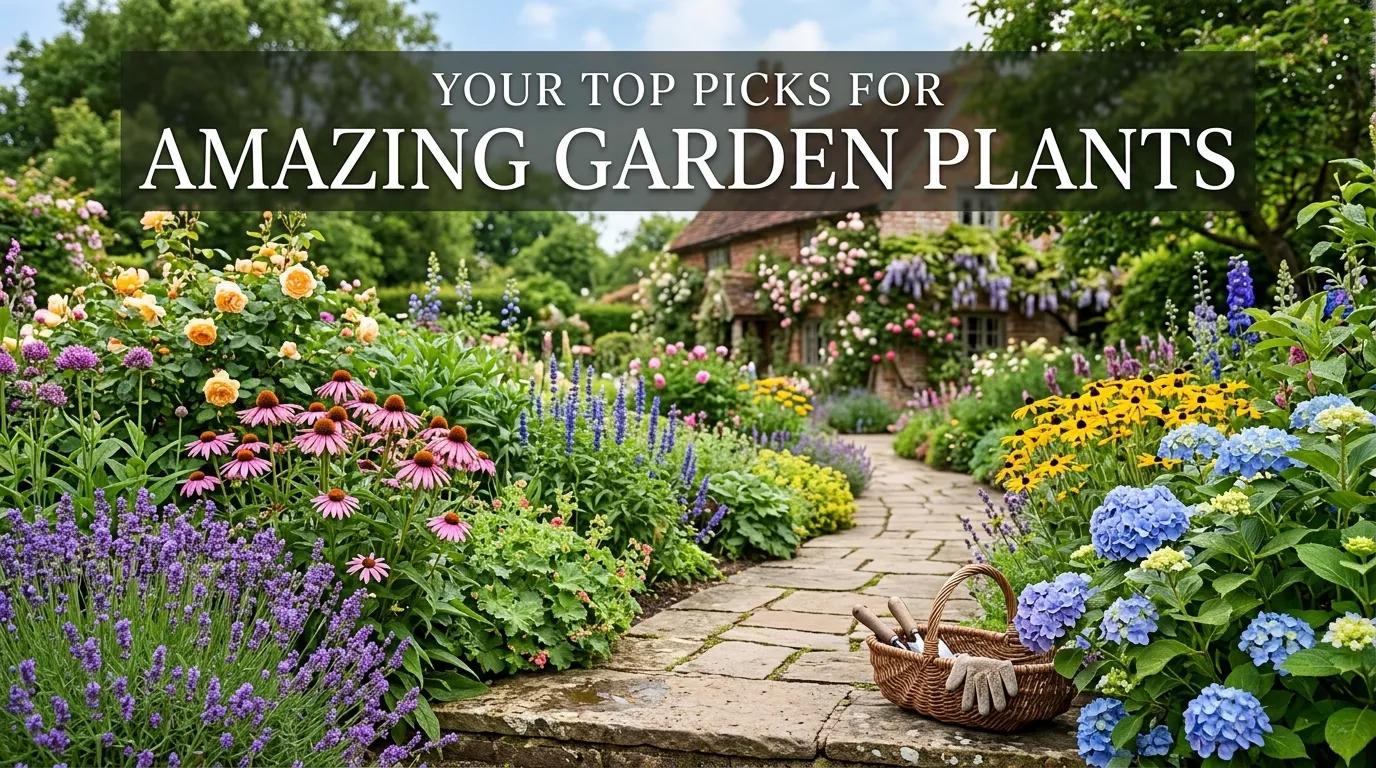
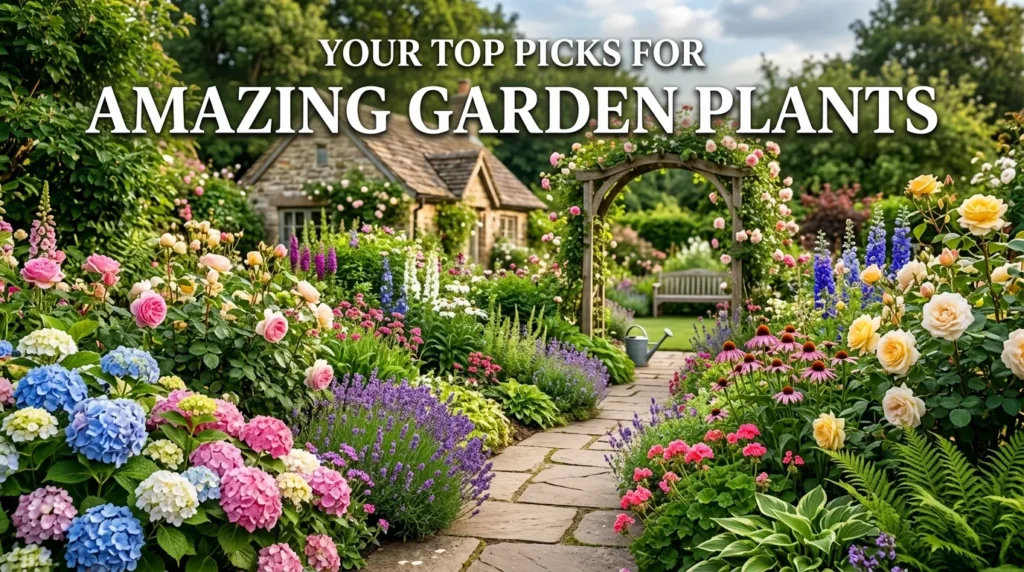
Your Top Picks for Amazing Garden Plants
are you looking for Your Top Picks for Amazing Garden Plants? It’s that time of year again to get our hands dirty and bring some serious beauty and bounty to our yards. Choosing the right plants can feel a bit overwhelming, right? There are so many options out there! But don’t worry, I’ve done some digging to find out what’s trending and what’s really worth your time and effort this 2026 season. Whether you’re a seasoned pro or just starting out, we’ve got some fantastic ideas that will make your garden the envy of the neighborhood.
Why Choose the Right Plants for 2026?
Picking the best plants isn’t just about looks. It’s about success! We want plants that are suited for our climate, easy to care for, and give us the most bang for our buck, whether that’s beautiful blooms or delicious harvests. This year, there’s a big focus on plants that are good for pollinators and those that can handle a bit of changing weather. We’re also seeing a rise in low-maintenance beauties that still pack a visual punch. Let’s get into some of the stars of the show for this year.
Must Grow Flowers for Stunning Displays
Flowers are the heart and soul of any garden, adding color and life. This year, several varieties are really standing out for their performance and charm.
Zinnias for Nonstop Color
If you want a flower that blooms its heart out all summer long, zinnias are your go-to. They come in almost every color imaginable, from fiery reds and oranges to soft pinks and sunny yellows. Plus, they are super easy to grow from seed, making them perfect for beginners. Zinnias also attract butterflies, which is a lovely bonus for any garden.
Sunflowers for a Sunny Disposition
What’s more cheerful than a giant sunflower? This year, we’re seeing a lot of interest in different types of sunflowers, not just the classic tall ones. There are dwarf varieties perfect for containers, and multi-headed types that offer a mass of blooms. Sunflowers are incredibly rewarding to grow and are a magnet for bees and birds.
Dahlias for Elegant Blooms
For a touch of sophistication, dahlias are making a huge comeback. They offer stunning, intricate flower shapes and a wide range of colors and sizes. While they might seem a bit more high-maintenance than zinnias, the payoff is absolutely worth it. Planting dahlia tubers in the spring will reward you with breathtaking blooms throughout the summer and fall. They make fantastic cut flowers for arrangements too.
Marigolds for Easy Care and Pest Control
Marigolds are garden workhorses. They are incredibly tough, love the sun, and are known for deterring some common garden pests. Their cheerful orange and yellow blooms add a pop of color and are super easy to grow from seed or small plants. They bloom reliably from spring until the first frost, so you get a long season of enjoyment.
Edible Garden Stars for Your Plate
Growing your own food is incredibly satisfying, and this year, there are some easy wins for your vegetable patch.
Cherry Tomatoes for Sweetness
Who doesn’t love a sun-ripened cherry tomato? These little gems are relatively easy to grow, whether in the ground or in pots. Varieties like ‘Sungold’ or ‘Sweet Million’ are known for their prolific fruit production and incredible sweetness. Just make sure they have plenty of sun and some support to climb on.
Bush Beans for Quick Harvests
If you’re looking for a fast crop that provides a good yield, bush beans are a great choice. They don’t need staking like pole beans and mature quickly. You can sow them directly into the ground after the last frost, and you’ll be harvesting tender beans in about 50-60 days. They are also good for succession planting, meaning you can sow more seeds every few weeks for a continuous harvest.
Leafy Greens for Healthy Salads
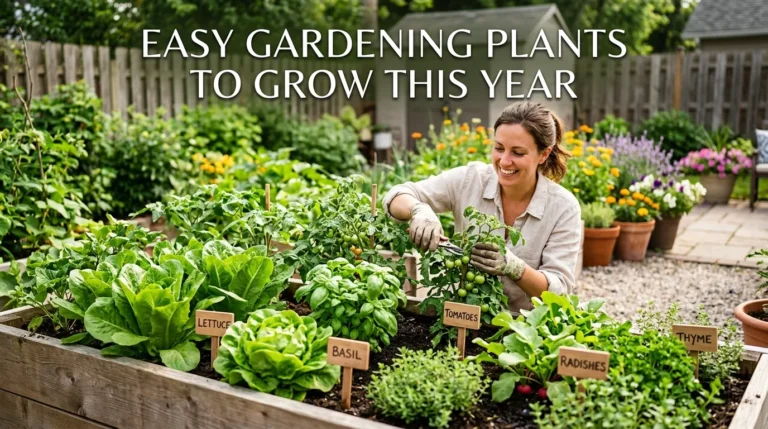
Growing your own lettuce, spinach, and kale is a fantastic way to ensure you always have fresh, healthy greens on hand. Many varieties can be grown in containers or small spaces. You can often harvest outer leaves, allowing the plant to keep producing. This year, look for heat-tolerant varieties of lettuce if you live in a warmer climate, as they are less likely to bolt (go to seed) in the summer heat.
Herbs for Flavor and Fragrance
Herbs are essential for any kitchen garden. Basil, mint, parsley, and cilantro are relatively easy to grow and add so much flavor to your cooking. Many herbs, like rosemary and thyme, are perennial, meaning they come back year after year. It’s also great to have them for their lovely scents. You can find some great ideas for easy outdoor flower gardens that can also incorporate herbs. 6 Easy Outdoor Flower Gardens plans You Can Plant This Weekend could offer some inspiration here.
Low-Maintenance Wonders for Busy Gardeners
Don’t have a ton of time but still want a beautiful garden? These plants are perfect for you.
Hostas for Shade Gardens
Hostas are the kings and queens of shade gardening. They offer beautiful foliage in a huge range of colors, textures, and sizes. Once established, they are incredibly low-maintenance, requiring little more than a bit of water during dry spells. Their leaves provide structure and color to shady spots where many other plants struggle.
Coneflowers (Echinacea) for Drought Tolerance
Coneflowers are hardy perennials that are tough as nails. They love the sun, are drought-tolerant once established, and attract pollinators like bees and butterflies. Their daisy-like flowers, often in shades of purple, pink, and white, bloom for a long time in the summer. They are a fantastic choice for adding color to a sunny border with minimal fuss.
Sedum for All-Season Interest
Sedums are succulents that are incredibly forgiving. They store water in their leaves, making them very drought-tolerant. Many varieties have attractive foliage that lasts all season, and in late summer and fall, they produce beautiful flower heads that often provide winter interest and food for birds. They are perfect for rock gardens, borders, or even containers.
Tips for a Successful 2026 Garden
Choosing the right plants is just the first step. Here are a few extra tips to help your garden thrive this year:
Know Your Zone
Understanding your USDA Plant Hardiness Zone is crucial. It tells you which plants are likely to survive the winter in your area. You can easily find this information online. This prevents a lot of heartache trying to grow plants that aren’t suited for your climate.
Soil is Key
Good soil is the foundation of a healthy garden. Amend your soil with compost before planting. This improves drainage, aeration, and provides essential nutrients. Healthy soil means healthier, more resilient plants.
Water Wisely
Water deeply and less frequently, rather than shallowly every day. This encourages plants to develop deep root systems, making them more drought-tolerant. Water in the morning to reduce evaporation and prevent fungal diseases.
Mulch, Mulch, Mulch!
Applying a layer of mulch around your plants helps retain soil moisture, suppress weeds, and regulate soil temperature. Organic mulches like wood chips or straw break down over time, adding nutrients to the soil.
FAQ about Your Top Picks for Amazing Garden Plants
Q1: What are the easiest flowers to grow for beginners this year?
For beginners, zinnias, marigolds, and sunflowers are excellent choices. They are forgiving, grow quickly, and provide a lot of color with minimal effort. You can even start them from seed directly in the garden.
Q2: Can I grow vegetables in containers?
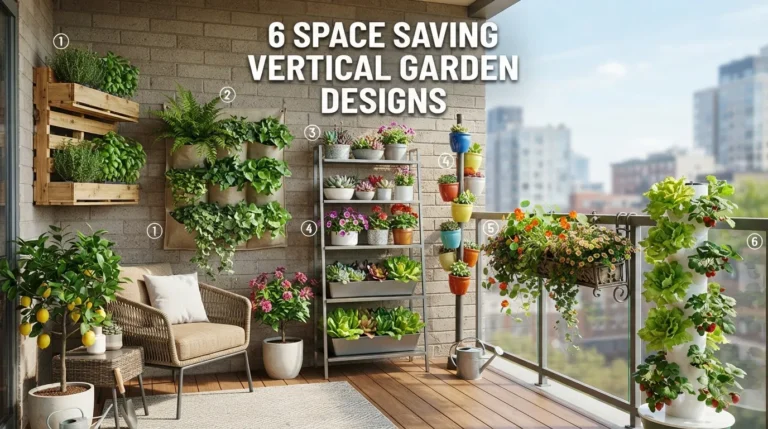
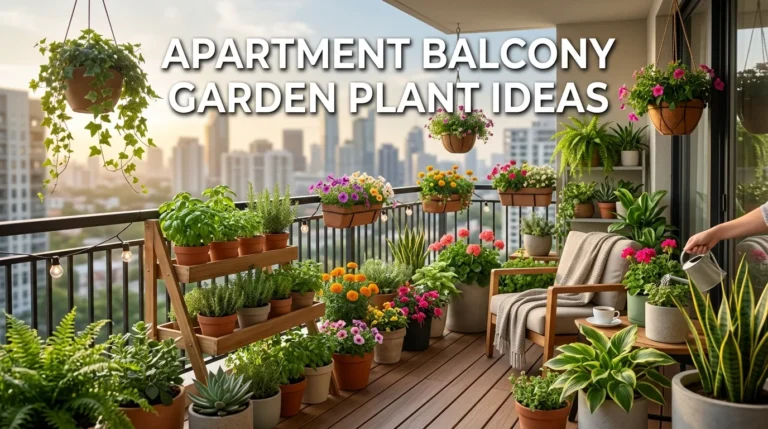
Absolutely! Many vegetables do very well in containers, including cherry tomatoes, bush beans, lettuce, spinach, and herbs. Just make sure your containers have good drainage and are large enough for the plants to grow.
Q3: Which plants are best for attracting pollinators in 2026?
Plants like coneflowers, sunflowers, zinnias, and butterfly bush are fantastic for attracting bees, butterflies, and other beneficial pollinators to your garden. Lavender and bee balm are also excellent choices.
Q4: How much sun do most of these recommended plants need?
Most of the flowering plants mentioned, like zinnias, sunflowers, coneflowers, and marigolds, thrive in full sun, meaning at least 6-8 hours of direct sunlight per day. Hostas are the exception, preferring shady conditions. Leafy greens and herbs can often tolerate partial shade.
Q5: When is the best time to plant these garden stars?
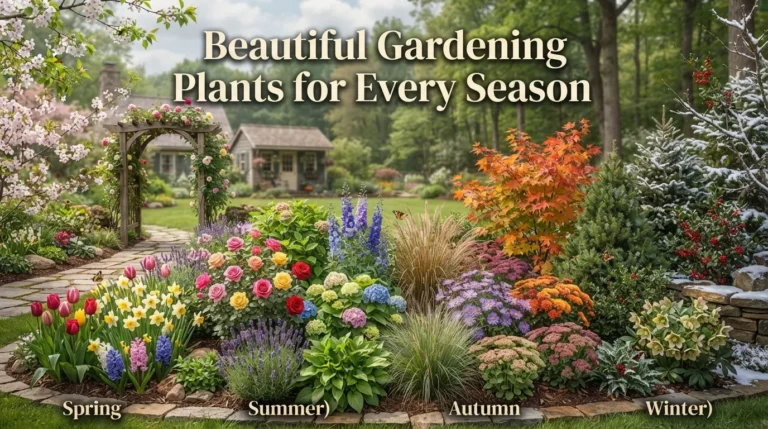
For most annual flowers and vegetables, you’ll want to plant after the danger of the last frost has passed in your area. Perennials like coneflowers and hostas can often be planted in spring or fall. Always check the specific planting instructions for each variety you choose. You can learn more about planting at Plantzu.