10 Indoor Gardening Hacks That Save Time and Water
Follow these awesome 10 Indoor Gardening Hacks Indoor gardening has become increasingly popular across the United States, as people discover the joys of growing fresh herbs, vegetables, and decorative plants right in their homes. However, managing indoor gardens can sometimes be time-consuming and water-intensive. Luckily, there are clever hacks that help you save both time and water without sacrificing plant health. Whether you’re a seasoned plant parent or just starting, these indoor gardening tips will revolutionize your indoor green space. want more ideas ? visit plantzu.
10 Indoor Gardening Hacks
check out these awesome 10 indoor gardening hack below:
1. Use Self-Watering Containers
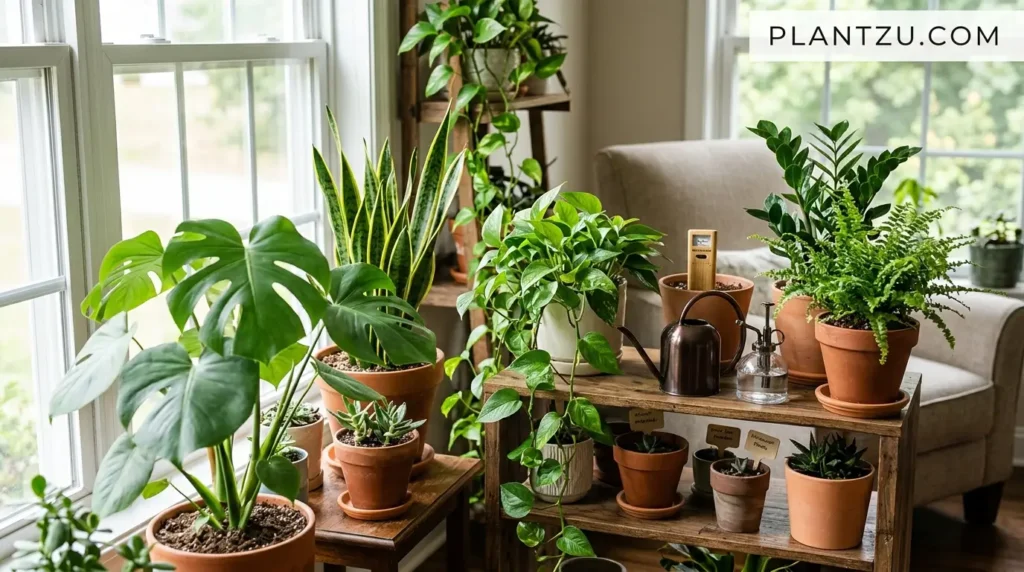
Self-watering containers are a game-changer for indoor gardeners who want to reduce watering frequency. These containers have a reservoir at the bottom that allows plants to absorb water as needed through capillary action. This not only prevents overwatering but also saves a significant amount of water over time. For busy households or apartments where watering schedules can be inconsistent, self-watering pots offer a practical and eco-friendly solution.
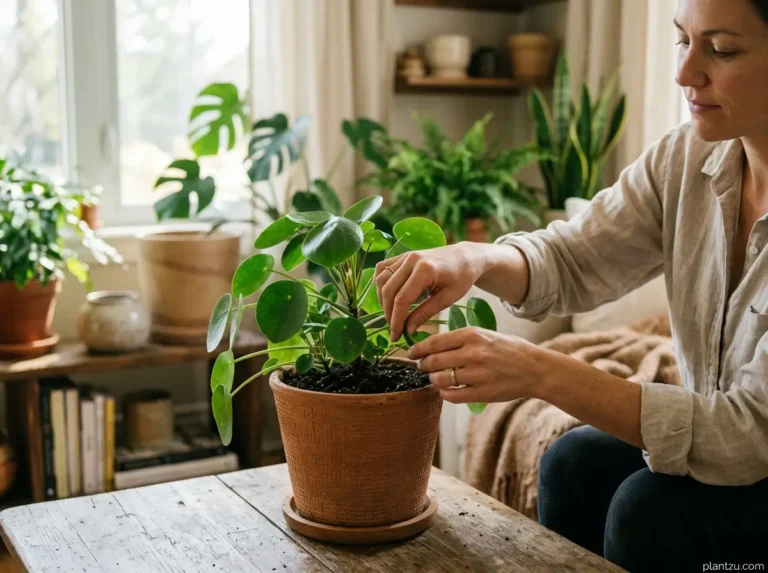
When selecting self-watering containers, consider the type of plants you are growing. Herbs and leafy greens thrive in these containers because their roots prefer consistent moisture, while succulents may need a modified setup with better drainage. Investing in a few self-watering containers can drastically reduce daily maintenance and make indoor gardening feel effortless.
2. Group Plants with Similar Needs
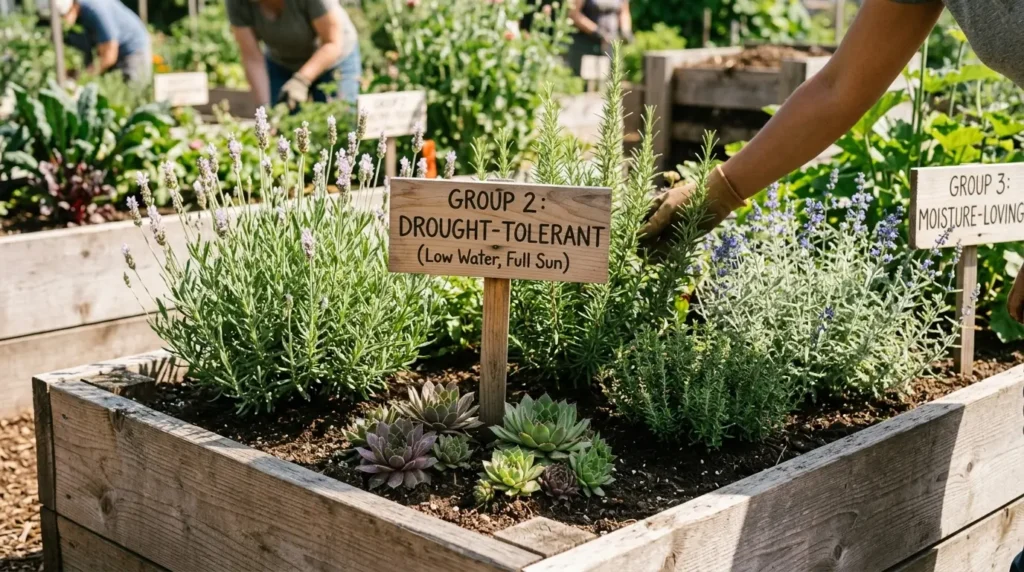
Grouping plants that have similar water, light, and humidity requirements is an often-overlooked strategy that can save time and resources. When plants with comparable needs are kept together, you can water them efficiently and ensure that no plant is under or overwatered. This method also simplifies care routines, making it easier to monitor plant health and reduce water wastage.
For instance, tropical plants such as ferns, peace lilies, and calatheas enjoy higher humidity and consistent moisture, so keeping them together in a bathroom or near a humidifier makes watering more predictable. Conversely, desert plants like cacti and succulents prefer drier conditions and can be grouped in sunny windowsills. This hack not only saves water but also helps prevent diseases caused by inconsistent care.
3. Install Drip Irrigation Systems
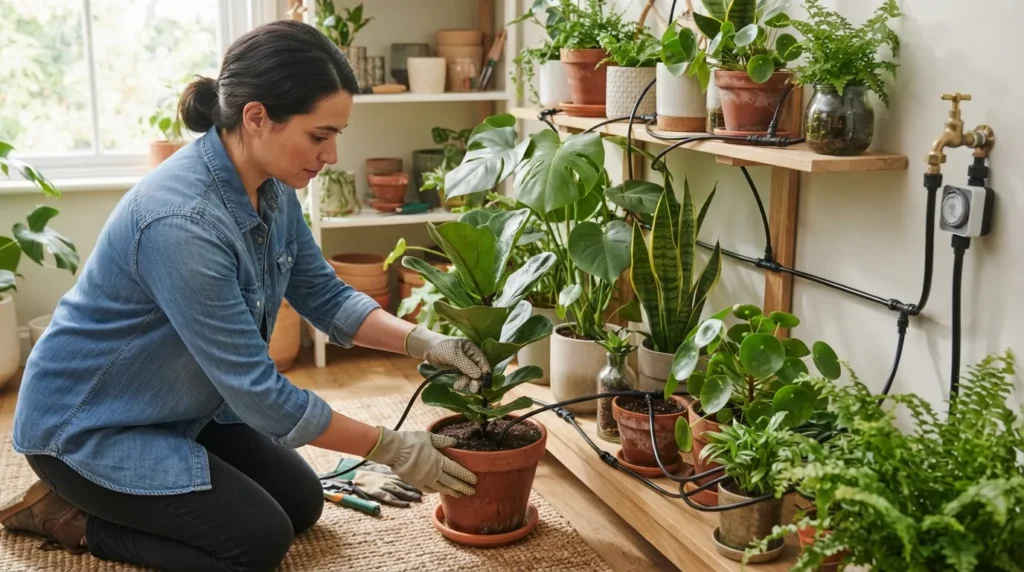
Drip irrigation is no longer just for large outdoor gardens—it can be adapted for indoor use. A drip irrigation system delivers water directly to the soil at a slow and steady rate, minimizing evaporation and runoff. For indoor gardening enthusiasts, installing a compact drip system can significantly reduce daily watering time and ensure that plants receive the precise amount of water they need.
Drip systems can be automated with timers, so you never have to worry about forgetting to water your plants. They are particularly effective for larger indoor plant collections or urban apartments with multiple plant shelves. By targeting the roots rather than the foliage, drip irrigation also reduces the risk of mold and fungal issues indoors.
Learn about 25 urban gardening ideas
4. Reuse Water From Household Activities
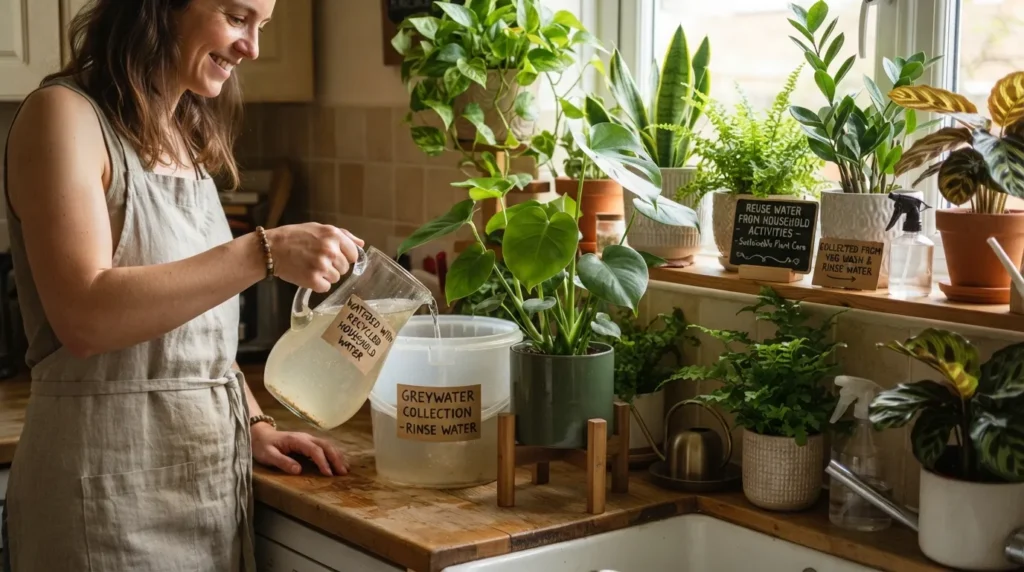
Water conservation in indoor gardening isn’t just about how you water plants; it’s also about smart reuse. Reusing water from cooking, rinsing vegetables, or even from boiling eggs can provide nutrient-rich hydration for your indoor plants. For example, cooled pasta water contains starch that can be beneficial for leafy plants, while water from boiled vegetables contains trace minerals that support growth.
This technique not only reduces the overall water consumption but also saves money and introduces a sustainable habit into your daily routine. Just be sure to avoid using water with salt, soap, or chemicals, as these can harm your plants. Reusing water creatively is one of the most effective ways to maintain a lush indoor garden while practicing eco-friendly habits.
5. Optimize Lighting With Reflective Surfaces
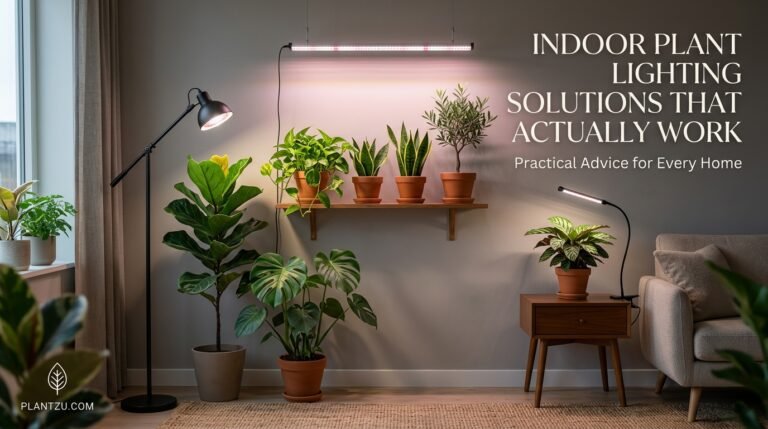
Light is essential for indoor plant growth, but maximizing natural light can save you both time and energy. By strategically placing reflective surfaces like mirrors, white walls, or metallic trays near your plants, you can amplify available sunlight. This ensures that plants receive adequate light without the need for constant artificial lighting.
Optimizing light reduces the risk of leggy or weak plants, which often require extra attention and frequent watering. In the U.S., where winter months bring shorter daylight hours, reflective surfaces can make a noticeable difference in plant health. Additionally, combining this approach with energy-efficient grow lights ensures that your plants thrive year-round with minimal effort.

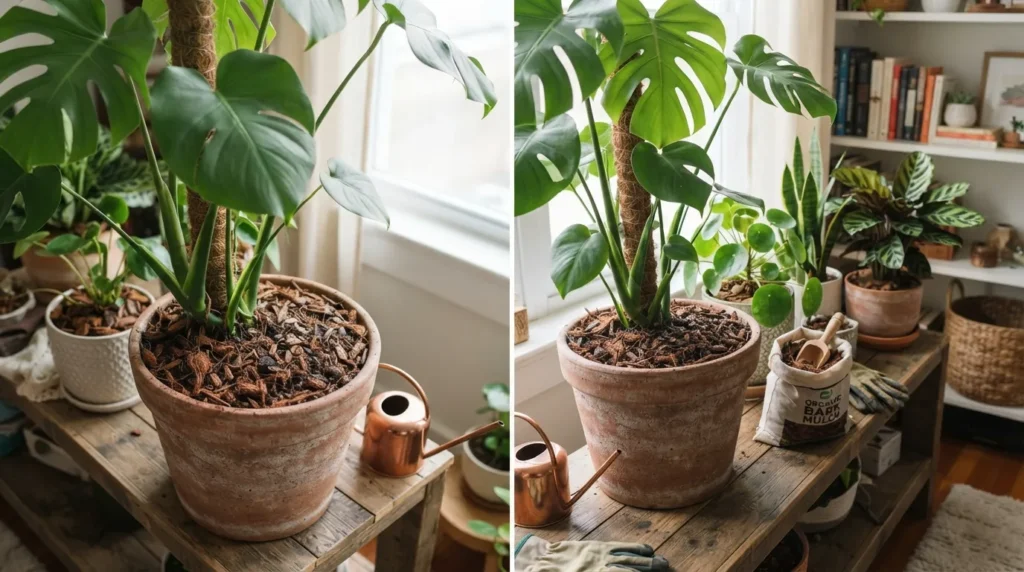
6. Employ Mulching Techniques
Mulching is a simple yet effective hack to retain soil moisture and reduce watering frequency. For indoor plants, using organic materials such as shredded bark, coconut coir, or even pebbles helps keep the soil cool and prevents evaporation. Mulching also protects delicate roots and improves soil structure, which leads to healthier plants overall.
A thin layer of mulch can drastically cut down on the time you spend watering each week. It’s especially beneficial for potted herbs and vegetables, which tend to dry out faster than larger indoor plants. By integrating mulching into your indoor gardening routine, you create a self-sustaining environment that supports consistent growth while conserving water.
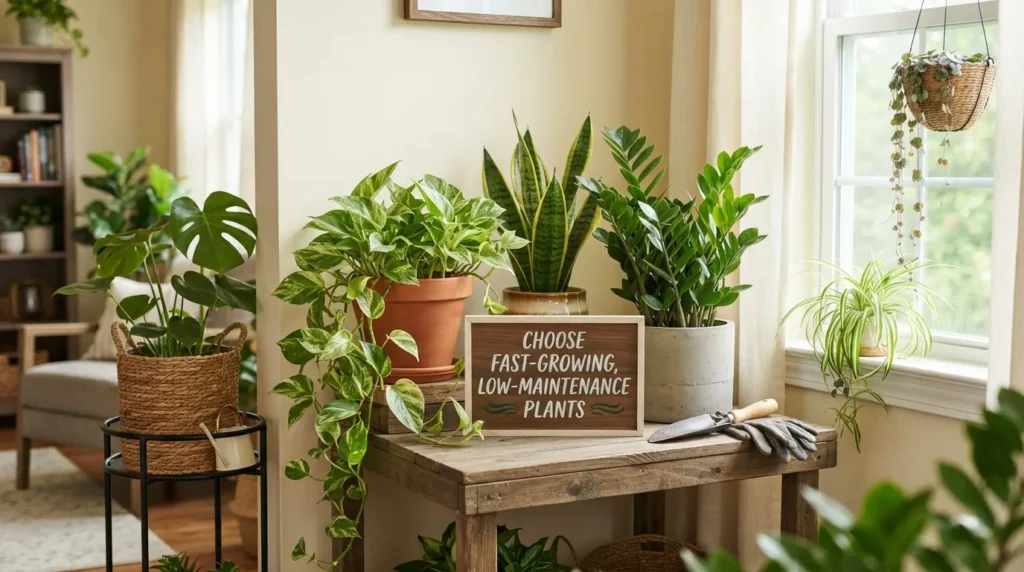
7. Choose Fast-Growing, Low-Maintenance Plants
Selecting the right plant varieties is a critical factor in saving time and water. Fast-growing and low-maintenance plants like spider plants, pothos, and basil require less frequent attention while providing maximum rewards. These plants are resilient, adaptable, and generally more forgiving if watering schedules are inconsistent.
Herbs like mint, thyme, and rosemary are perfect for U.S. kitchens, offering culinary benefits without demanding constant care. Similarly, ornamental plants such as snake plants and ZZ plants thrive on neglect, making them ideal for beginners. Focusing on easy-to-grow species allows you to enjoy indoor gardening with minimal stress and resource usage.
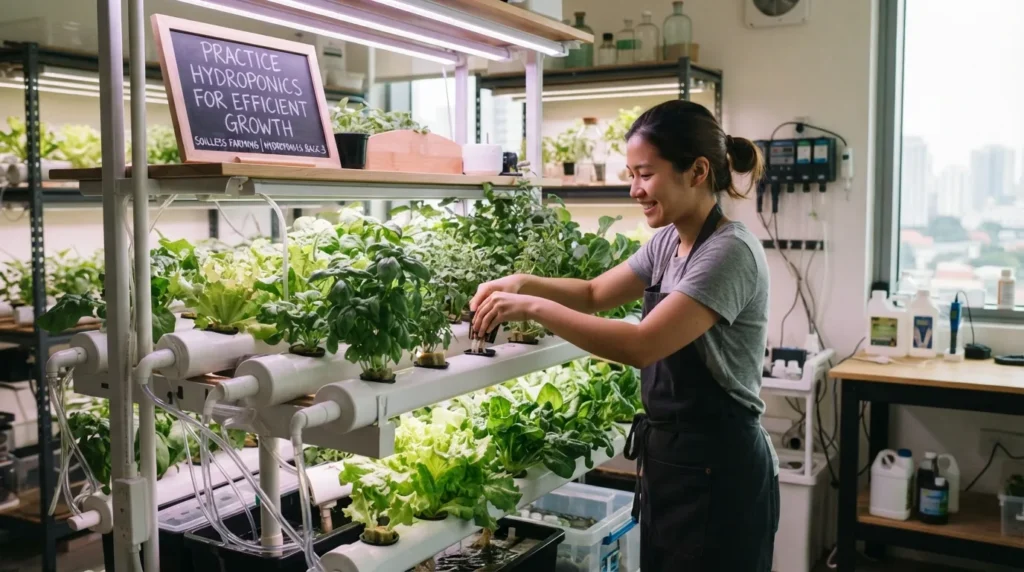
8. Practice Hydroponics for Efficient Growth
Hydroponic systems are gaining traction among indoor gardening enthusiasts who want to save water while achieving rapid plant growth. These systems use nutrient-rich water solutions instead of soil, allowing plants to absorb nutrients more efficiently. Hydroponics requires less water than traditional soil gardening because water is recirculated and reused within the system.
For U.S. gardeners, compact hydroponic setups are perfect for small apartments or urban homes. They are highly customizable, allowing you to grow vegetables, herbs, and leafy greens year-round. While hydroponics may require an initial investment, the time and water savings, combined with faster harvests, make it a worthwhile strategy for serious indoor gardeners.
9. Automate With Smart Sensors
Technology can transform indoor gardening by reducing manual labor and optimizing water usage. Smart sensors monitor soil moisture, temperature, and humidity, sending alerts when plants need attention. These devices help prevent overwatering and under-watering, which are common causes of plant stress.
Incorporating smart sensors into your indoor garden allows you to focus on other tasks while maintaining plant health. Many sensors connect to apps, giving you real-time data and automated watering schedules. This hack is particularly useful for households with busy schedules or for gardeners who want precise control over their indoor environment.
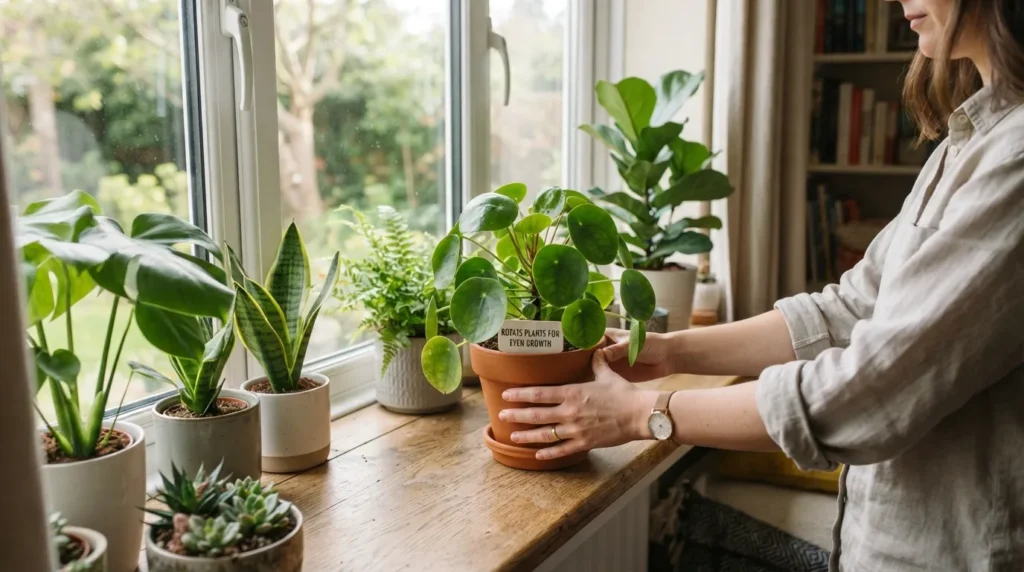
10. Rotate Plants for Even Growth
Rotating your indoor plants may seem minor, but it can save you time and water in the long run. Plants grow towards light sources, and uneven exposure can result in leggy growth, requiring more frequent trimming and attention. By rotating pots every few weeks, you ensure even light distribution, promoting balanced growth.
Even growth reduces stress on plants, decreases water loss through uneven transpiration, and minimizes the need for corrective pruning. This simple practice keeps your indoor garden looking vibrant and healthy, while streamlining your daily plant care routine.
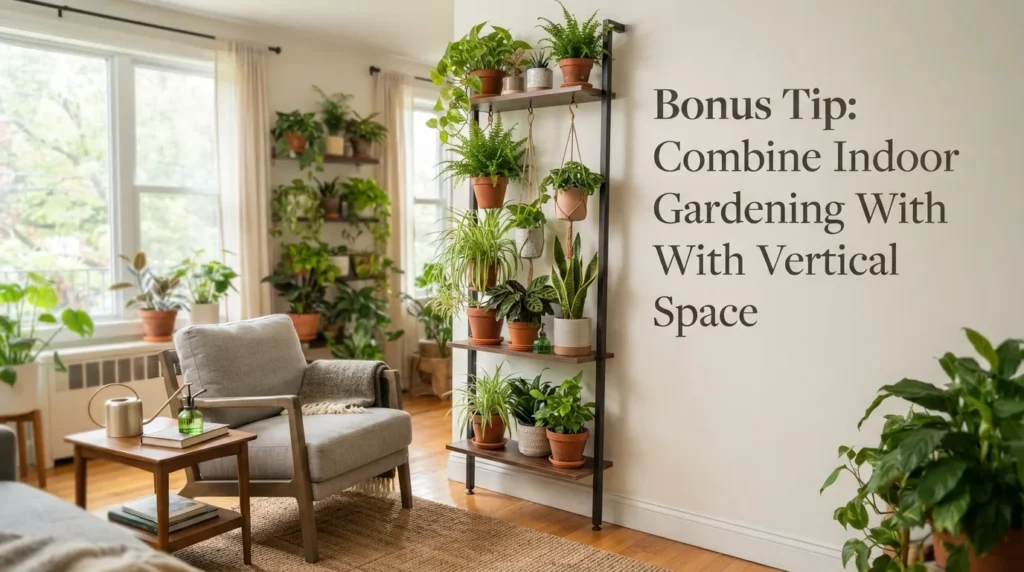
Bonus Tip: Combine Indoor Gardening With Vertical Space
For urban U.S. apartments where floor space is limited, vertical gardening maximizes plant capacity while simplifying maintenance. Wall-mounted planters, tiered shelves, and hanging baskets create a mini indoor jungle without clutter. Vertical arrangements improve airflow, reduce soil-borne diseases, and make watering more efficient because plants can share reservoirs or drip systems.
This method also adds an aesthetic element, transforming any living area into a lush, green retreat. Pairing vertical gardening with self-watering containers or hydroponic setups further reduces maintenance time and water consumption.
Conclusion
Indoor gardening doesn’t have to be time-consuming or water-intensive. By incorporating self-watering containers, grouping plants strategically, using drip irrigation, reusing household water, optimizing light, mulching, choosing low-maintenance plants, embracing hydroponics, leveraging smart sensors, and rotating your plants, you can create a thriving indoor garden with minimal effort. These hacks are particularly relevant for U.S. households facing busy schedules, limited space, or water conservation concerns.
With the right techniques, your indoor plants can flourish year-round, saving you time, conserving water, and adding a natural, vibrant touch to your home. Start small, implement one or two of these hacks, and gradually build a sustainable, efficient indoor garden that fits your lifestyle perfectly.