15+ Indoor Gardening Ideas to Reduce Anxiety
Indoor gardening has become more than a home décor trend in the United States. For many people, it has become a calming daily ritual, a way to reconnect with nature, and a simple method for creating a more peaceful living space. In a world filled with digital noise, busy work schedules, rising stress levels, and constant responsibilities, bringing plants indoors can help make your home feel softer, quieter, and more emotionally supportive.
Why Indoor Gardening Can Help Reduce Anxiety
Indoor gardening offers a unique combination of sensory comfort, routine, creativity, and connection with nature. Plants bring color, texture, fragrance, and life into rooms that might otherwise feel plain or stressful. Caring for them can become a quiet daily habit that helps shift your attention away from worry and toward the present moment.
The act of nurturing plants can also provide emotional satisfaction. Plants respond to consistent care, but they do not demand perfection. They grow gradually, reminding us that healing, rest, and balance also take time. This makes indoor gardening especially comforting for people who want a low-pressure hobby that supports mental wellness. Read How to Create a Low-Maintenance Indoor Garden for Beginners.
15+ Indoor Gardening Ideas to Reduce Anxiety
Start with a Calm Plant Corner
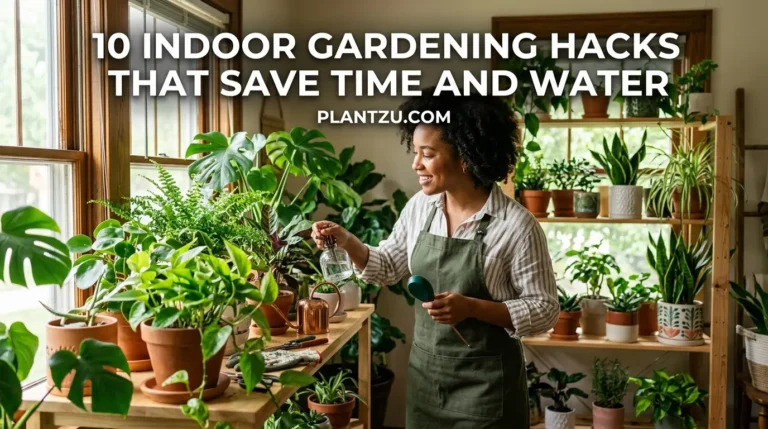
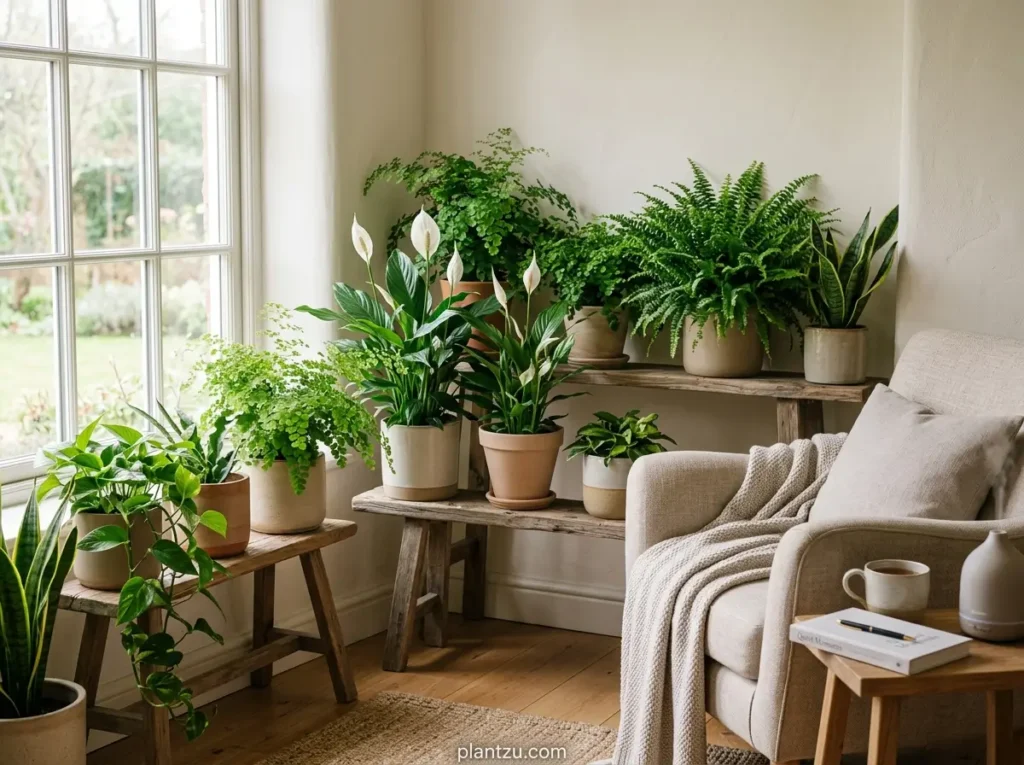
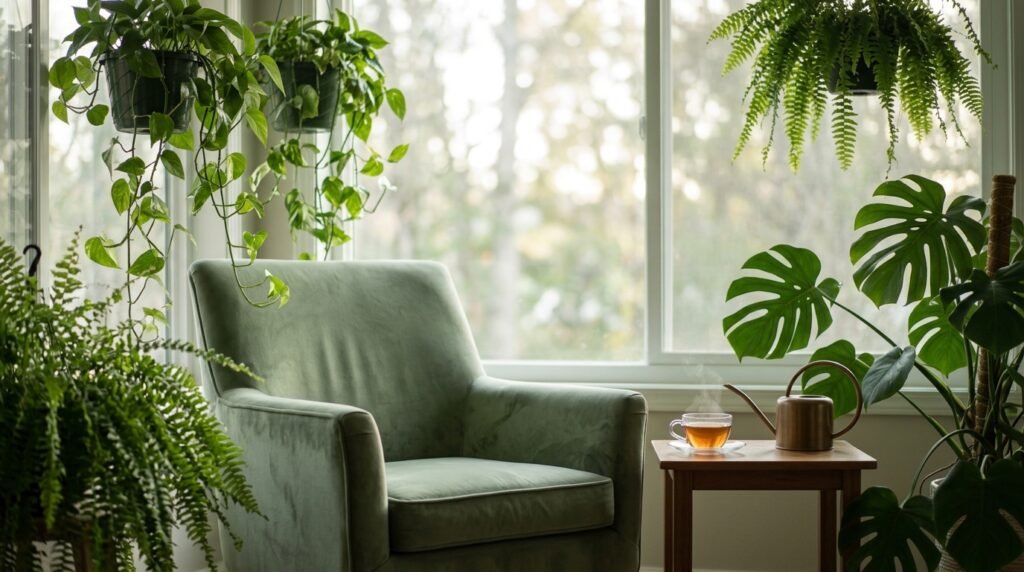
One of the easiest indoor gardening ideas to reduce anxiety is creating a dedicated plant corner. This does not require much space. A quiet corner near a window, an unused area in the living room, or a small section of your bedroom can become a peaceful green retreat.
Choose a spot where you naturally spend time or where you would like to create a calming atmosphere. Place a few plants at different heights using a plant stand, side table, small shelf, or hanging planter. Add a comfortable chair, floor cushion, soft blanket, or reading lamp to make the space inviting. The goal is to create a corner that signals rest.
Create a Mindful Watering Routine
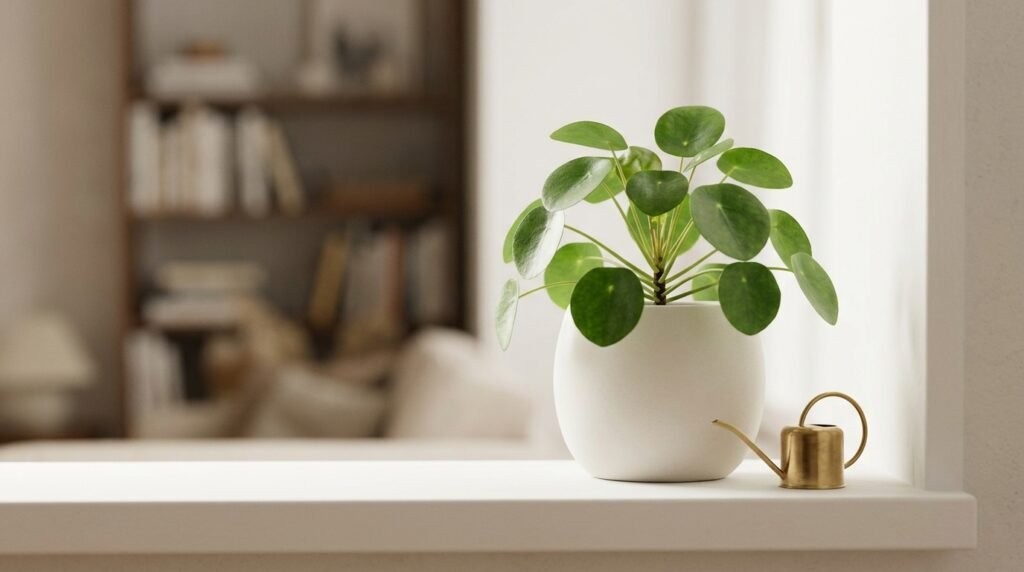
Watering plants may seem like a basic chore, but it can become a calming ritual when done with intention. Instead of rushing through the task, use it as a mindful pause in your day. Check the soil with your finger, observe the leaves, notice the weight of the pot, and water slowly.
Using a beautiful watering can, moisture meter, or plant journal can make the experience even more enjoyable. A plant journal allows you to track watering dates, new growth, and changes in your plants. Writing these observations down can become another calming habit, especially if you enjoy journaling or creative reflection.
Grow Herbs in the Kitchen for Comfort and Freshness
A kitchen herb garden is one of the most practical indoor gardening ideas for anxiety relief. Herbs are useful, fragrant, and rewarding to grow. They bring freshness to your meals while adding a soothing sensory experience to your home.
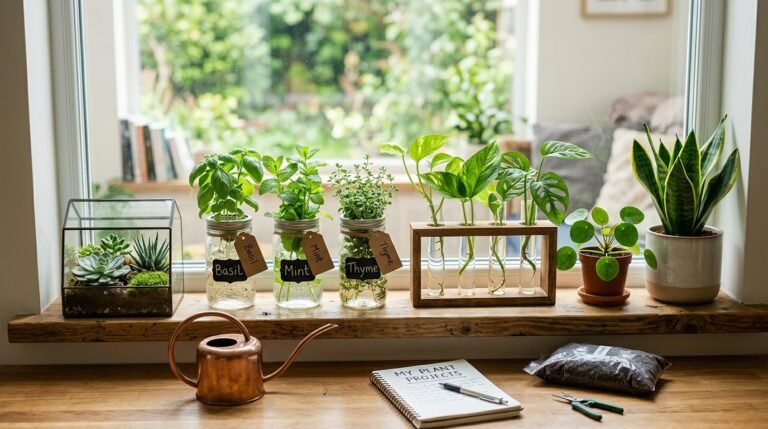
Popular indoor herbs include basil, mint, rosemary, thyme, parsley, oregano, and chives. These herbs can grow in small pots on a sunny windowsill or under a simple grow light. Their scents can make the kitchen feel more comforting and alive. Brushing your fingers against mint or rosemary while cooking can create a small but pleasant moment of calm.
Herb gardening is especially rewarding because it connects plant care with everyday nourishment. Adding fresh basil to pasta, mint to tea, or rosemary to roasted vegetables can make meals feel more intentional. For people who experience anxiety around busy routines, small acts like preparing tea with homegrown mint can become grounding rituals.
Use Lavender and Aromatic Plants for a Soothing Atmosphere
Fragrance can have a strong effect on how a room feels. Aromatic plants are a wonderful addition to an indoor garden designed for relaxation. Lavender is often associated with calm, but it can be somewhat particular indoors because it needs bright light and good airflow. If you have a sunny window, lavender can be a beautiful and fragrant choice.
Aromatic plants can also become part of relaxing routines. You might trim a sprig of mint for tea, place a small rosemary cutting in a vase, or sit near a jasmine plant in the evening. These simple experiences help make indoor gardening feel personal and emotionally nourishing.
Build a Bedroom Garden for Better Relaxation
The bedroom should feel like a place of rest, but many bedrooms become crowded with screens, laundry, work materials, and mental clutter. Adding plants can soften the space and make it feel more peaceful. A bedroom garden does not need to be large. Even one or two well-placed plants can change the mood of the room.
Keep your bedroom plant design uncluttered. Place a plant on a nightstand, dresser, windowsill, or wall shelf. Avoid overfilling the room, especially if clutter makes you anxious. The goal is to create visual calm.
Try a Small Indoor Zen Garden
An indoor Zen-inspired garden can be a beautiful option for people who enjoy simplicity and mindfulness. This type of garden often includes sand, stones, small plants, and minimal design. It can be placed on a desk, coffee table, bookshelf, or meditation space.
A tabletop Zen garden may include a shallow tray, fine sand, smooth stones, and a small rake. Slowly drawing patterns in the sand can become a calming activity during anxious moments. You can also add small succulents, air plants, or moss for a natural touch.
Add Plants to Your Home Office
Work-related stress is one of the most common sources of anxiety for adults in the United States. If you work from home or spend long hours at a desk, adding plants to your office area can make the space feel less harsh and more balanced.
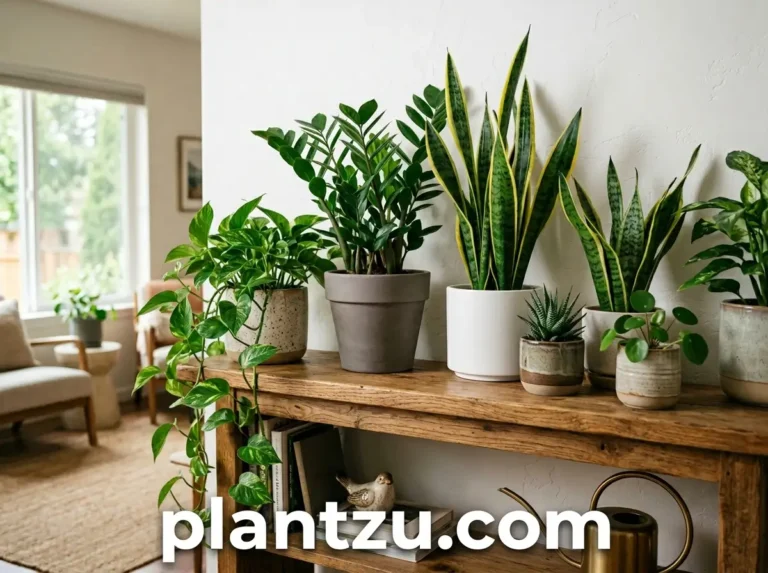
A desk plant can provide a visual break from screens. Small plants like pothos cuttings, peperomia, jade plant, haworthia, or small snake plants are good choices for desks and shelves. If you have more space, a larger floor plant like a rubber plant, dracaena, or parlor palm can create a calming backdrop.
Create a Bathroom Spa Garden
Bathrooms can be excellent spaces for indoor gardening, especially if they receive natural light. The humidity from showers can benefit certain plants and help create a spa-like atmosphere. A few well-chosen plants can make an ordinary bathroom feel more refreshing and relaxing.
Good bathroom plants include ferns, pothos, spider plant, peace lily, calathea, and orchids. These plants often enjoy humidity, though they still need proper light and airflow. If your bathroom has no window, you may need a grow light or should choose realistic faux greenery instead of struggling with plants that cannot thrive.
Use Low-Maintenance Plants to Avoid Stress
Indoor gardening should reduce anxiety, not create more of it. That is why low-maintenance plants are often the best choice, especially for beginners or busy households. Plants that require constant watering, perfect humidity, or exact lighting can become stressful if you are still learning.
The right plant is not always the trendiest plant. It is the plant that fits your home, your light conditions, and your routine. A thriving easy-care plant can bring much more peace than a dramatic plant that constantly struggles.
Design with Natural Materials
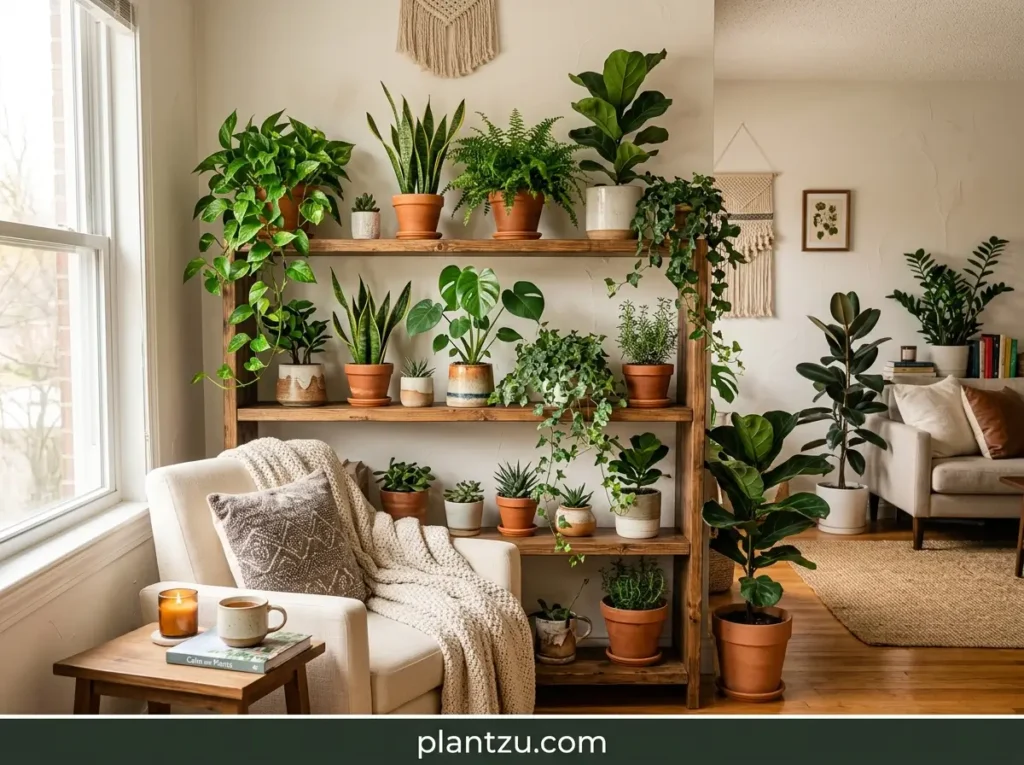
The containers, shelves, and accessories you choose can influence the emotional feeling of your indoor garden. Natural materials often create a warmer and more calming atmosphere. Terracotta pots, ceramic planters, woven baskets, wooden plant stands, stone trays, and linen textures can make your indoor garden feel grounded and organic.
Terracotta is especially popular because it has an earthy appearance and allows soil to breathe. Ceramic pots offer more design variety and can match modern, farmhouse, coastal, or traditional U.S. home styles. Woven baskets can soften the look of larger floor plants and make a room feel cozy.
Grow Plants from Cuttings
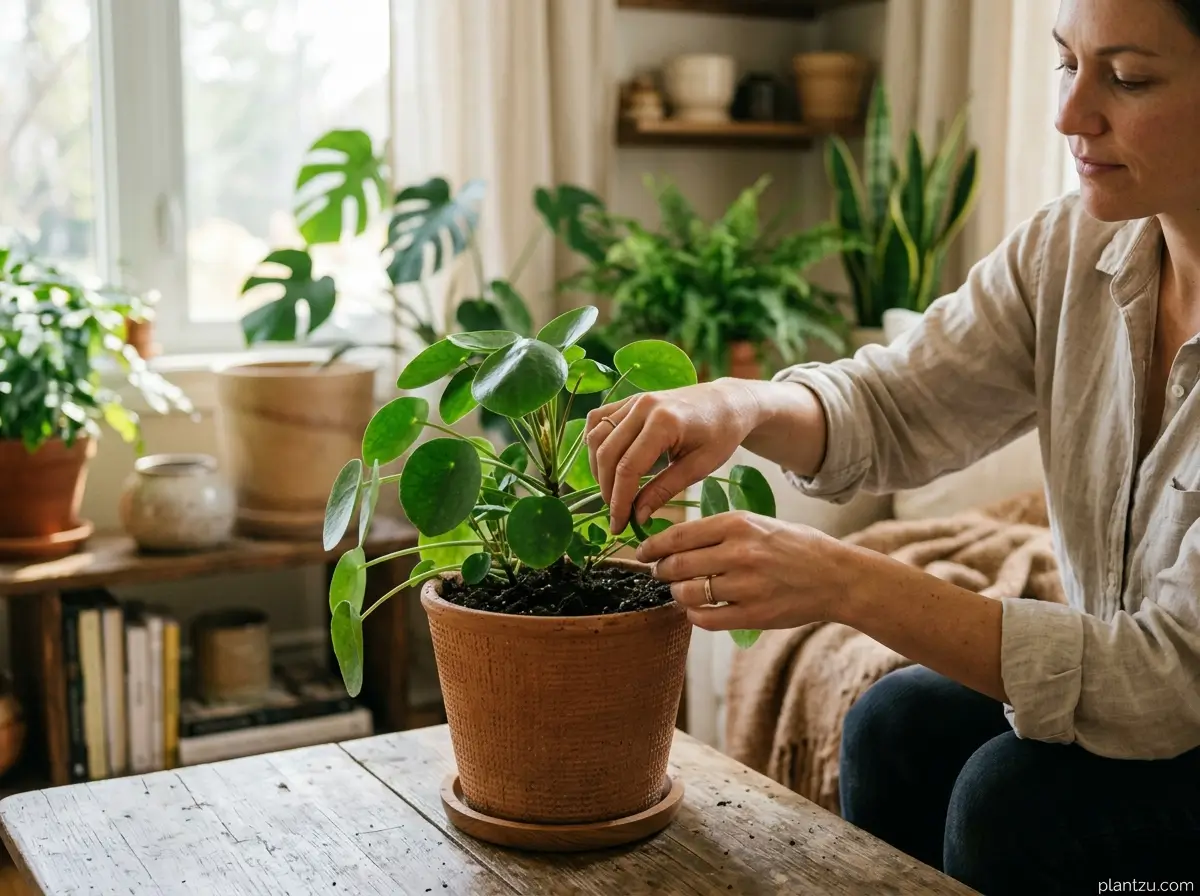
Propagating plants from cuttings is one of the most rewarding indoor gardening activities. It allows you to watch roots develop and new life begin from a simple stem. This process can be deeply calming because it encourages patience and curiosity.
Pothos, philodendron, spider plant, coleus, mint, and many succulents are easy to propagate. You can place cuttings in water jars near a window and watch the roots grow over several weeks. This slow transformation can become a peaceful reminder that growth often happens quietly.
Create a Seasonal Indoor Garden Display
Seasonal changes can affect mood, especially in areas of the United States with long winters, hot summers, or limited daylight. Creating seasonal indoor garden displays can help your home feel fresh and connected to the rhythm of the year.
In spring, you might add fresh herbs, flowering bulbs, or pastel planters. In summer, tropical plants and bright greenery can make your home feel vibrant. In fall, warm-toned pots, dried flowers, and cozy textures can create comfort. In winter, evergreens, rosemary, paperwhites, or amaryllis can bring life into darker months.
Make a Meditation Space with Plants
Plants can help define a meditation or breathing space inside your home. This can be as simple as a floor cushion surrounded by a few plants or as elaborate as a dedicated wellness room. The goal is to create a quiet area where you can pause and reset.
Choose plants that feel calming to you. Some people prefer soft trailing vines, while others like structured plants with upright leaves. Add a small table for a candle, journal, tea cup, or sound bowl. Keep the space free of clutter and distractions.
Choose the Right Lighting for Indoor Plants and Mood
Light is essential for indoor gardening, but it also affects how a room feels emotionally. A dark, neglected corner may not support healthy plant growth or relaxation. A bright, naturally lit area can feel uplifting and energizing.
Start by observing your home’s light throughout the day. South-facing windows usually provide the brightest light, while east-facing windows offer gentle morning sun. West-facing windows can bring strong afternoon light, and north-facing windows are typically lower light. Choose plants based on the light you actually have, not the light you wish you had.
Keep Plant Care Simple and Enjoyable
A calming indoor garden depends on realistic maintenance. If plant care becomes overwhelming, it can defeat the purpose. Keep your routine simple by choosing the right plants, grouping plants with similar needs, and using tools that make care easier.
Avoid buying too many plants at once. It can be tempting to fill your home quickly, but gradual growth is often more enjoyable. Start small, learn what works in your space, and add new plants as your confidence grows.
Indoor Gardening for Apartments and Small Spaces
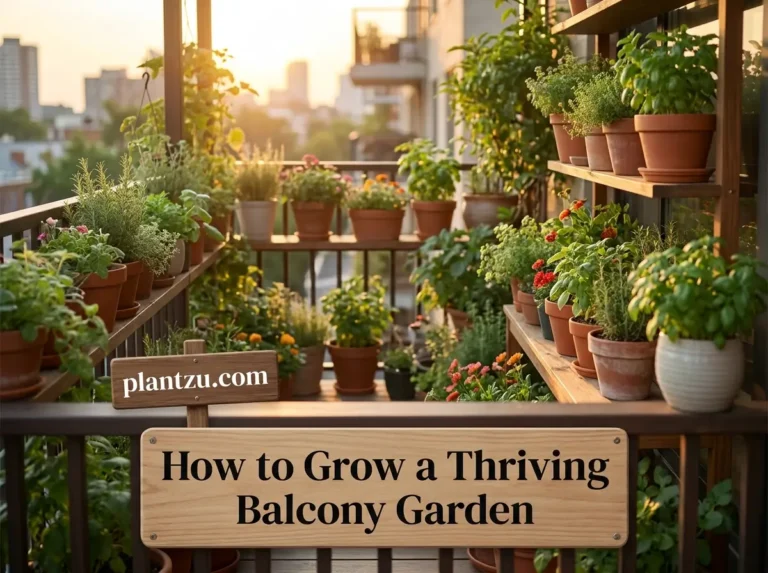
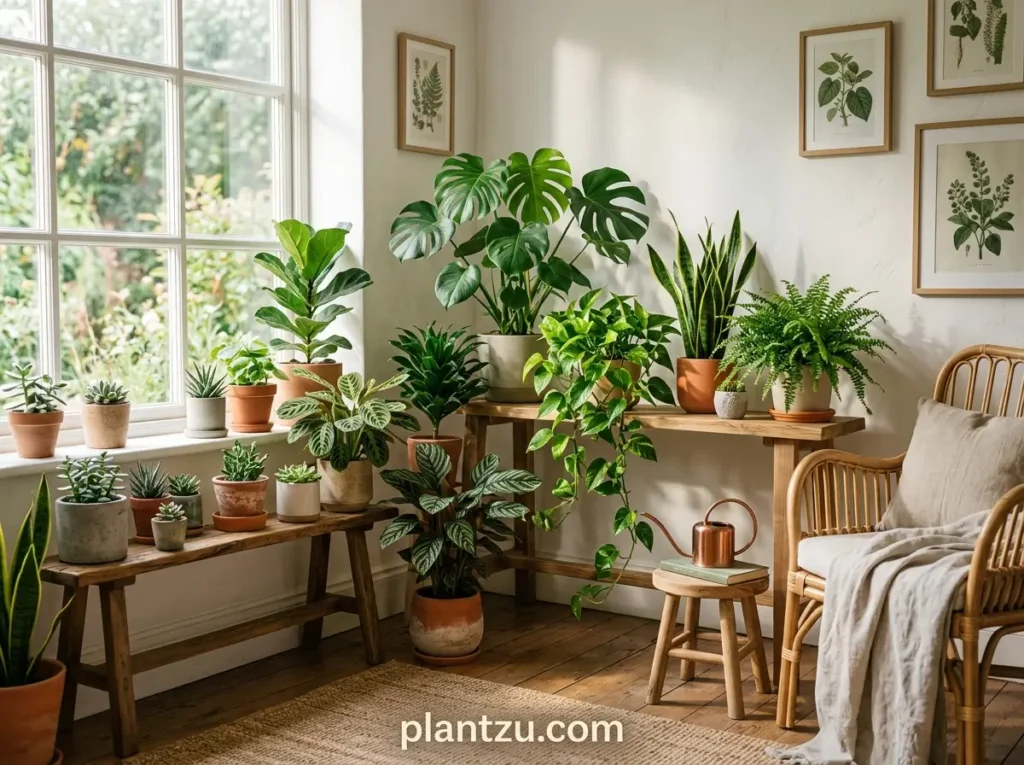
You do not need a large house to enjoy anxiety-reducing indoor gardening. Many apartment dwellers across the United States use creative solutions to bring greenery into small spaces. Vertical shelves, hanging baskets, wall planters, windowsills, and compact plant stands can make a big difference.
A small balcony can also extend your indoor garden, but even without outdoor access, you can create a calming plant environment. A kitchen herb garden, bedroom plant shelf, or desk plant collection can provide the benefits of greenery without taking over your home.
In small spaces, simplicity matters. A few healthy plants arranged with care can feel more relaxing than a crowded room full of plants. Focus on creating breathing room, both visually and physically.
Make Indoor Gardening a Family Activity
Indoor gardening can also reduce anxiety by creating moments of connection. Families can care for plants together, children can learn responsibility, and partners or roommates can share a calming hobby. Growing herbs, watering plants, or propagating cuttings can become simple household rituals.
Indoor gardening can also support older adults by offering a gentle activity that brings routine and purpose. Small pots, raised plant stands, and easy-care plants can make gardening accessible without the physical demands of outdoor yard work.
Final Thoughts:
Indoor gardening is a simple, beautiful, and accessible way to create a calmer home. It does not promise to erase anxiety, but it can support a more peaceful lifestyle by bringing nature into your daily routine. Plants encourage patience, mindfulness, sensory comfort, and connection. They remind us to slow down and notice small signs of growth.
A home filled with greenery can become more than a place to live. It can become a place to breathe, reset, and feel supported. With thoughtful indoor gardening ideas, you can reduce stress, create beauty, and build a more peaceful environment one plant at a time.