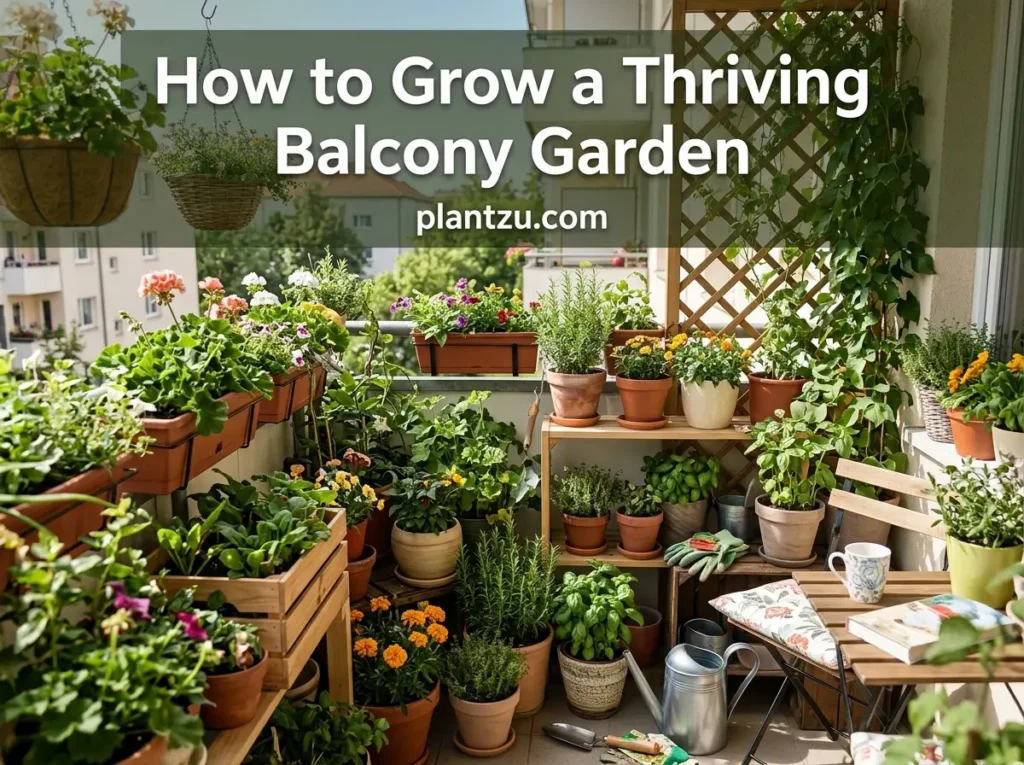
How to Grow a Thriving Balcony Garden
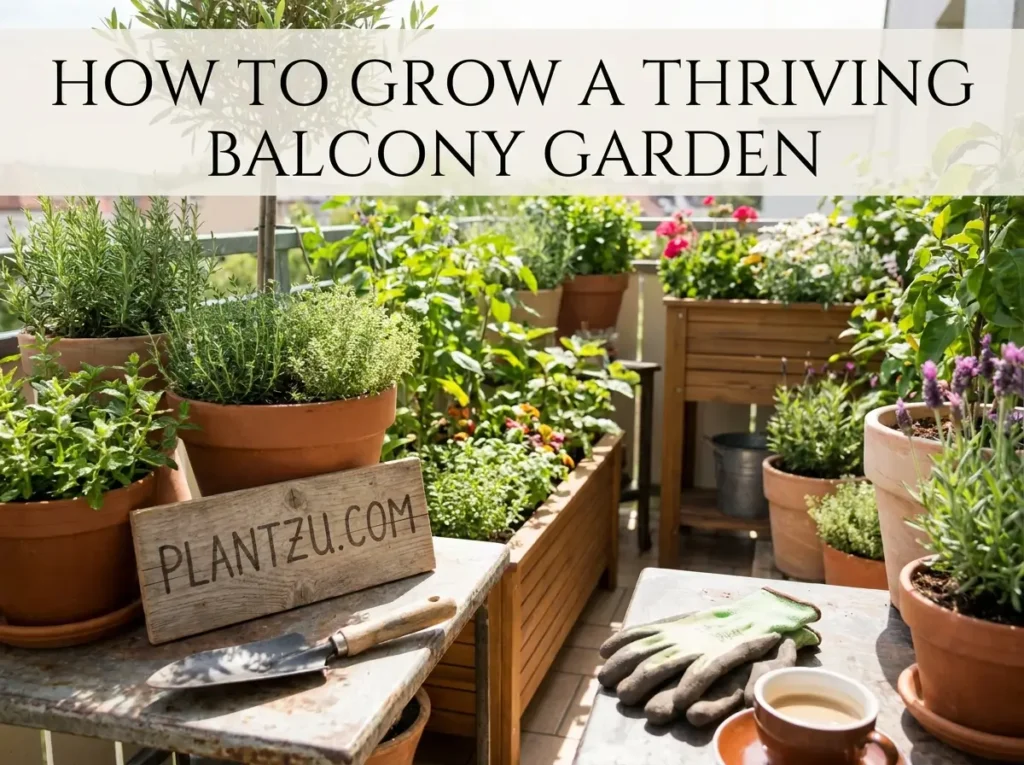
Grow a Thriving Balcony Garden Urban living often comes with limited outdoor space, but that doesn’t mean you can’t enjoy the beauty and benefits of a flourishing garden. Balcony gardening has become increasingly popular in the United States, offering city dwellers an opportunity to cultivate greenery, grow vegetables, and create a personal oasis. Even with a small balcony, thoughtful planning, proper techniques, and consistent care can transform a modest outdoor area into a thriving, productive garden.
Balcony gardens are not only aesthetically pleasing but also promote mental well-being, encourage mindfulness, and provide fresh produce for everyday meals. Creating a successful balcony garden requires understanding the unique challenges of container gardening, maximizing space, and selecting plants that thrive in your environment. This guide provides a comprehensive approach to cultivating a thriving balcony garden, covering design, plant selection, care, and maintenance strategies.
Understanding Your Balcony Environment
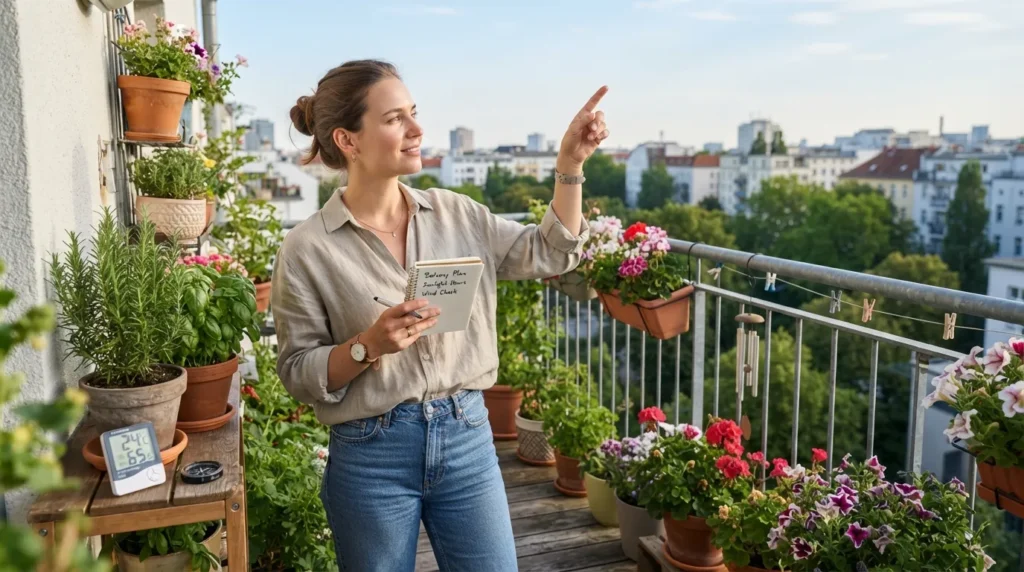
Grow a Thriving Balcony Garden Before planting, assess your balcony’s environmental conditions. Sun exposure, wind, temperature, and structural limitations all influence plant growth. Some balconies receive full sun for most of the day, while others may be shaded for long periods. Understanding these conditions is crucial for selecting appropriate plants and planning the layout of your garden.
Wind exposure can stress plants and dry soil quickly. Installing screens, railings, or trellises can provide wind protection. Temperature fluctuations in urban areas may also affect plant growth, so selecting resilient plant varieties and using insulated pots can help maintain stable growing conditions. A thorough understanding of your balcony environment ensures that your plants receive the right care for optimal growth. Prepare Your Garden for Summer Planting.
Choosing the Right Containers
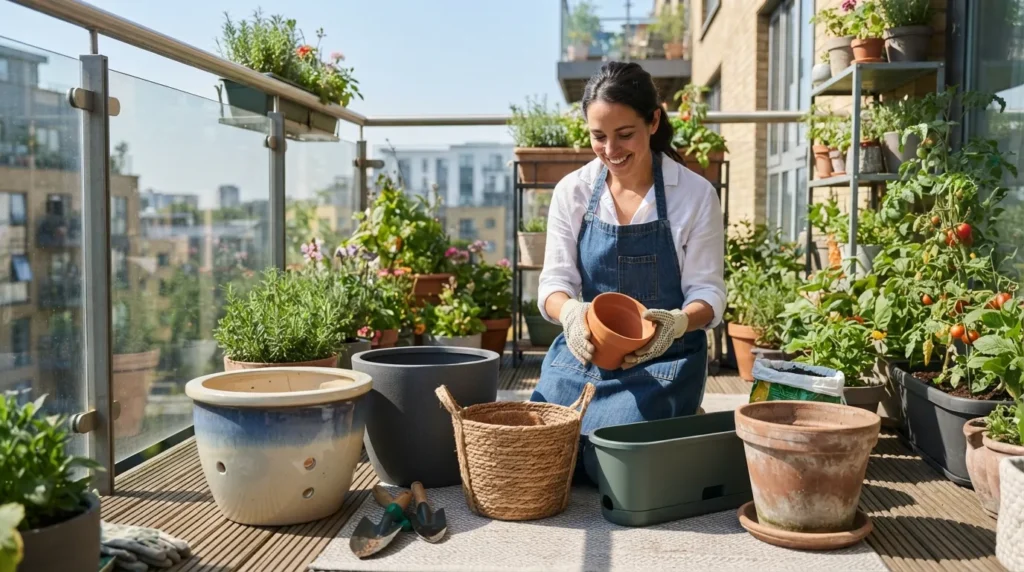
Containers are the foundation of any balcony garden. The choice of pots, planters, and boxes impacts soil volume, drainage, and plant health. Consider the size, material, and weight of containers. Larger pots allow for deeper root systems and retain moisture longer, reducing the frequency of watering. Lightweight materials such as plastic or resin are ideal for upper-story balconies to avoid excessive load, while ceramic or terracotta pots offer durability and aesthetic appeal for lower floors.
Good drainage is essential to prevent root rot and ensure healthy plant growth. Most containers should have drainage holes, and adding a layer of gravel or mesh at the bottom helps prevent soil from clogging the holes. Proper container selection sets the stage for a thriving balcony garden.
Selecting the Right Soil
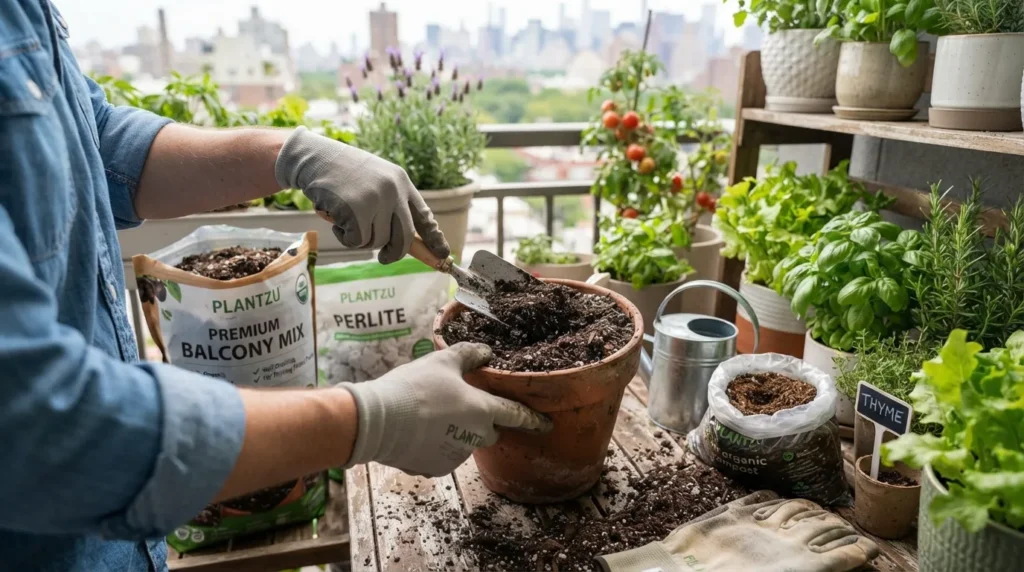
Soil is one of the most critical factors in balcony gardening success. Unlike ground-level gardens, container plants rely entirely on the soil provided, making quality and composition vital. Use high-quality potting soil designed for containers rather than garden soil, which may be too dense or contain pests.
Adding organic matter such as compost enhances nutrient availability and soil structure. Some gardeners also incorporate slow-release fertilizers to provide continuous nutrients throughout the growing season. Well-draining, nutrient-rich soil supports healthy root development and ensures that your plants thrive in a confined space.
Maximizing Limited Space
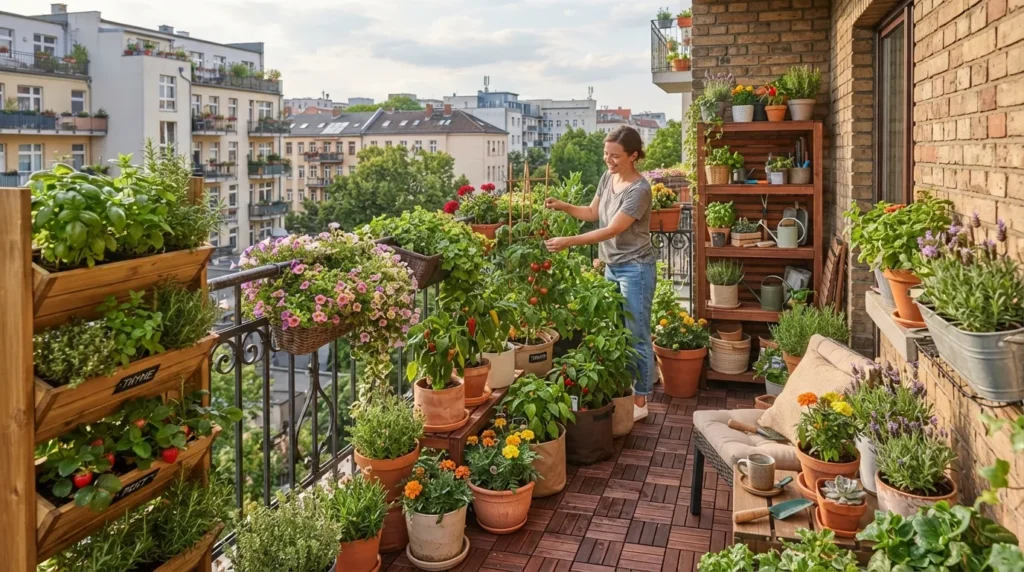
Balcony gardens often face space constraints, so using vertical and creative layouts can significantly increase growing capacity. Hanging planters, wall-mounted shelves, and tiered plant stands allow you to cultivate more plants without cluttering the floor.
Trellises and climbing structures are ideal for vining plants like tomatoes, cucumbers, or beans. Vertical gardening not only optimizes space but also improves air circulation and sunlight exposure for each plant. Smart space utilization is key to turning a small balcony into a productive and beautiful garden.
Selecting the Right Plants
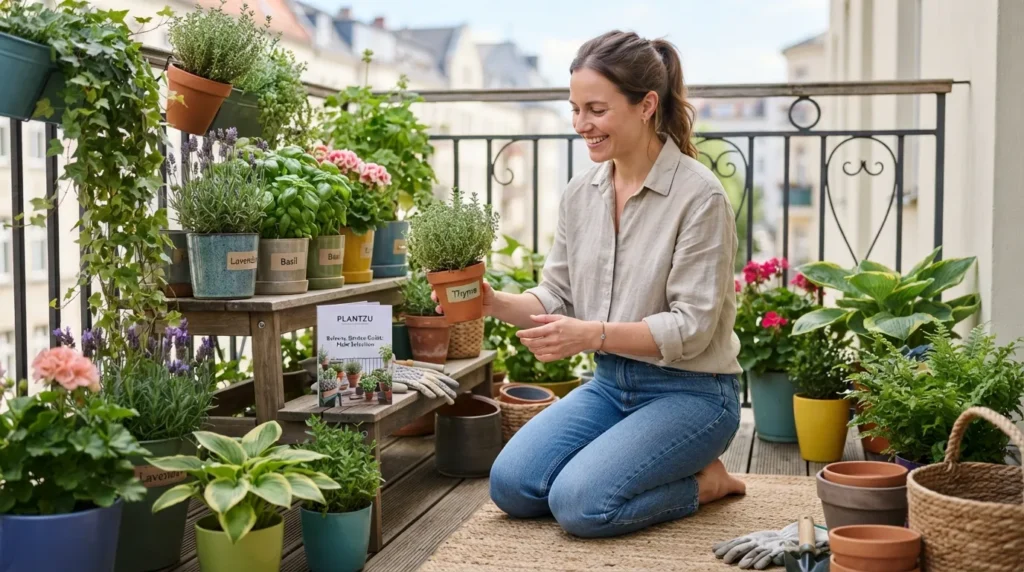
Plant selection is critical to success in a balcony garden. Choose plants suited to the available sunlight, temperature range, and container size. For sunny balconies, herbs like basil, rosemary, and thyme, along with vegetables like peppers and tomatoes, thrive. Shaded areas may support leafy greens, ferns, and certain flowers like impatiens.
Consider plant growth habits and height. Compact or dwarf varieties are ideal for container gardening, while trailing plants like strawberries or petunias can add visual interest when placed in hanging baskets. Selecting the right mix of plants ensures a productive, manageable, and visually appealing garden.
Planning for Seasonal Changes
Seasonal considerations play a significant role in balcony gardening. In most U.S. climates, plants need to be chosen according to the growing season and temperature variations. Warm-season crops such as tomatoes, peppers, and cucumbers grow best in spring and summer, while cool-season plants like lettuce, kale, and spinach thrive in fall and early spring.
Using portable containers allows you to move sensitive plants indoors during colder months. Understanding seasonal cycles and adjusting plant choices accordingly ensures a thriving garden year-round.
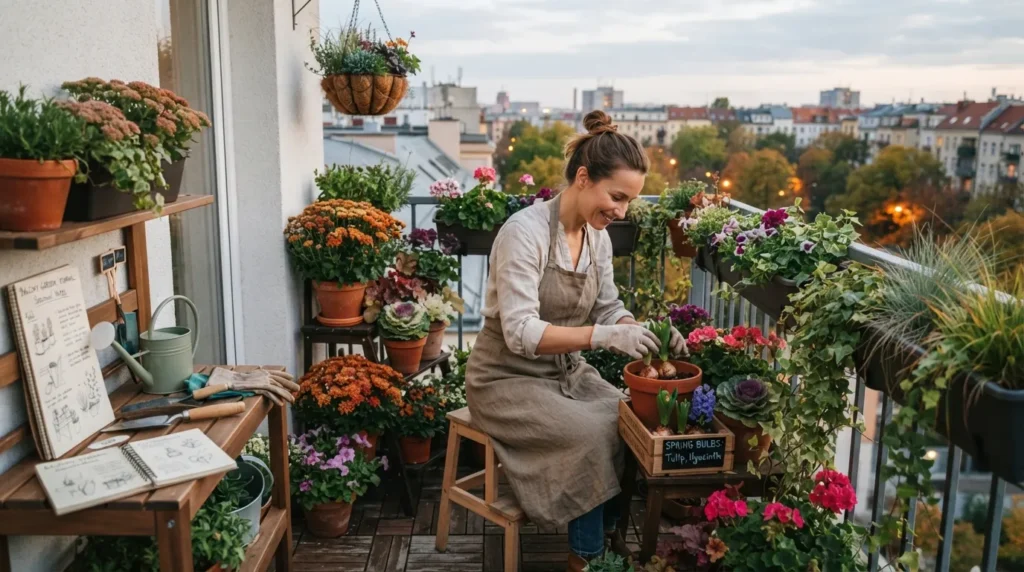
Watering Strategies
Watering is essential for container plants, as soil in pots dries out faster than in-ground gardens. Consistent, adequate watering keeps plants healthy and prevents stress. Check soil moisture regularly and water deeply to ensure that roots receive sufficient hydration.
Self-watering containers or drip irrigation systems can simplify watering routines and maintain consistent soil moisture. Grouping plants with similar water needs together also prevents over- or under-watering. Efficient watering practices support plant health and reduce maintenance challenges for busy urban gardeners.
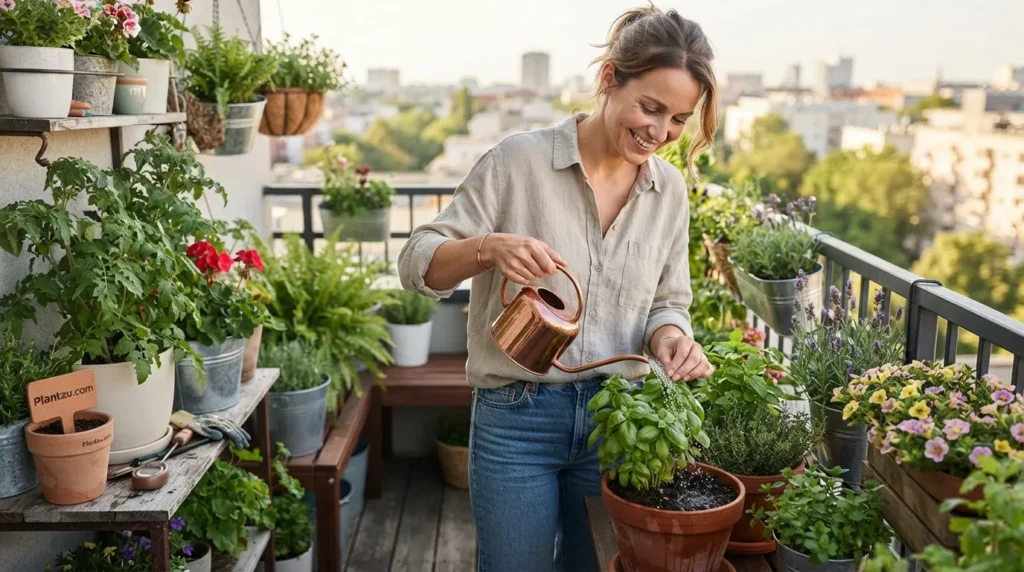
Fertilization and Nutrient Management
Plants in containers rely entirely on the soil provided for nutrients, making fertilization essential. Use balanced, water-soluble fertilizers or slow-release options to maintain nutrient levels throughout the growing season.
Monitoring plant growth and leaf color can help identify nutrient deficiencies. Regular fertilization promotes healthy foliage, robust root systems, and abundant flowering or fruiting. Understanding nutrient requirements ensures that your balcony garden flourishes and produces vibrant, healthy plants.
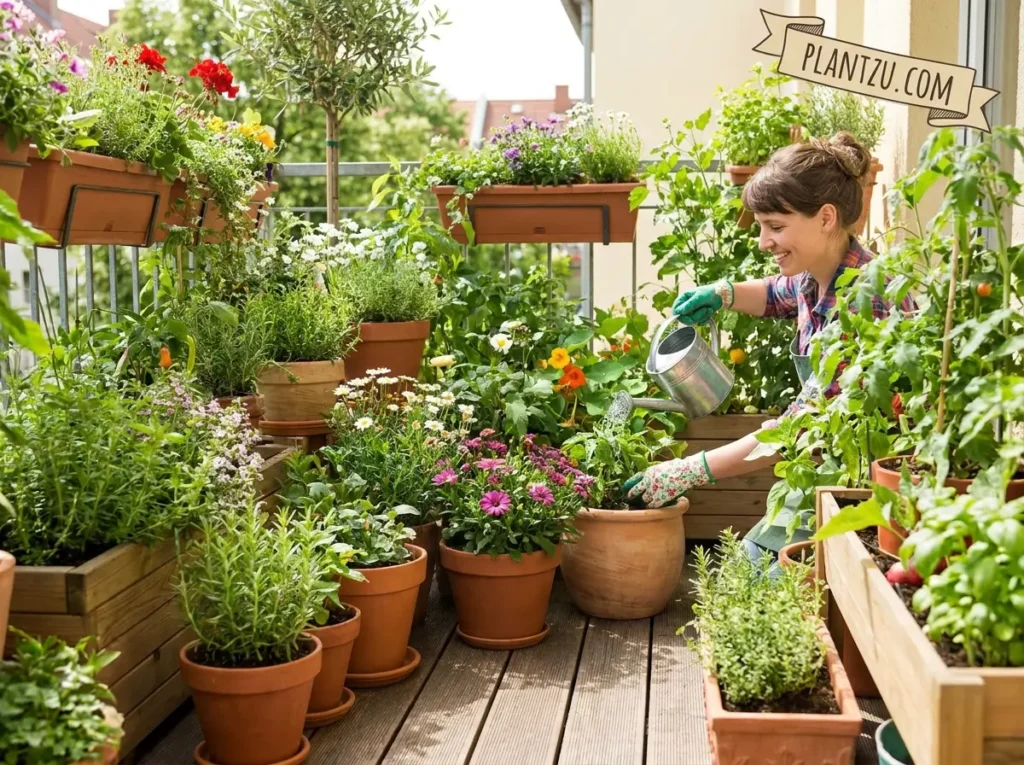
Pest Management
Even balcony gardens can attract pests. Common urban garden pests include aphids, spider mites, and whiteflies. Maintaining healthy soil, using companion planting techniques, and inspecting plants regularly helps prevent infestations.
Natural remedies such as neem oil, insecticidal soap, or introducing beneficial insects can control pests without harming plants or the environment. Effective pest management is crucial for maintaining plant health and achieving a thriving balcony garden.
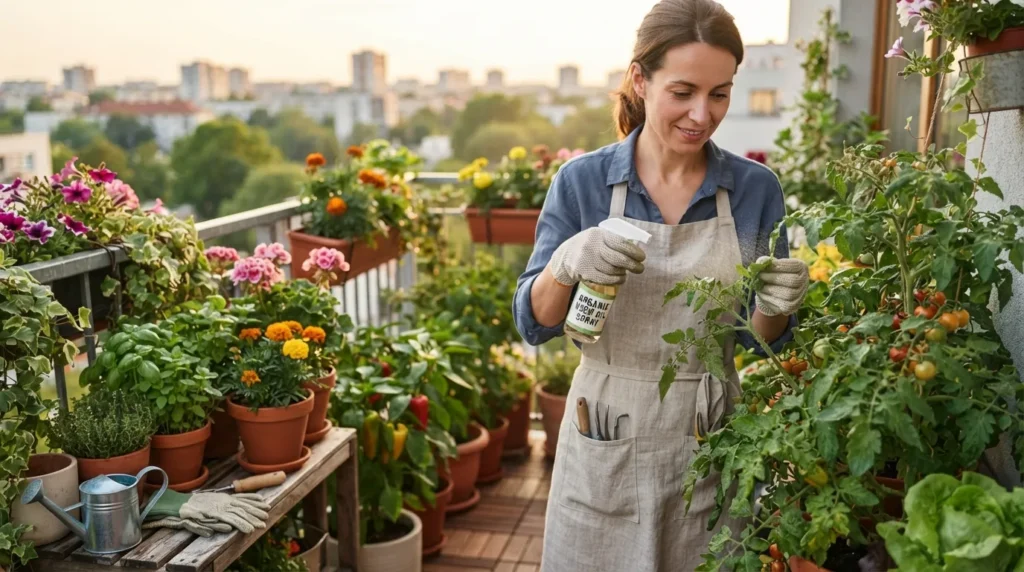
Encouraging Pollination
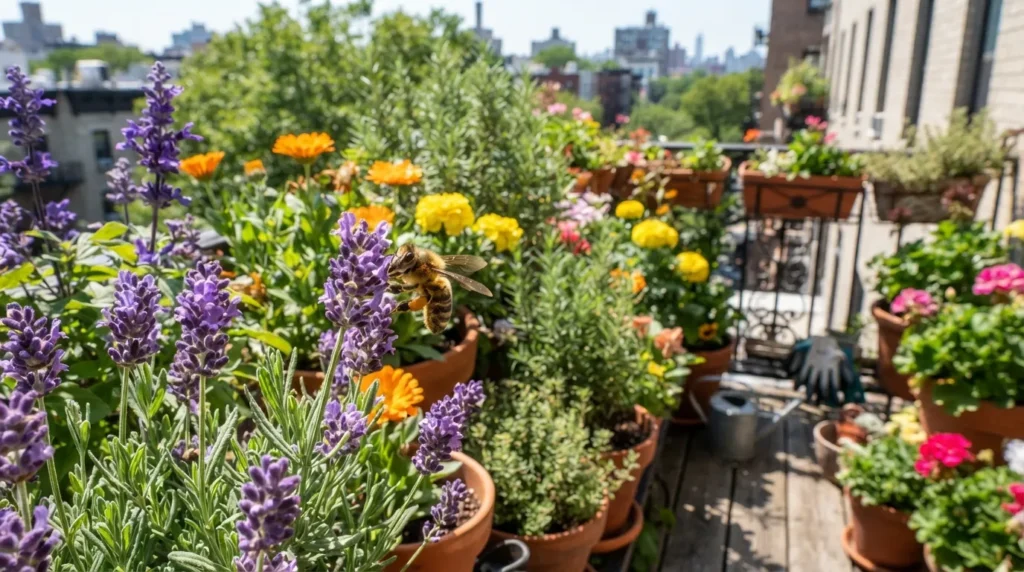
Pollination is vital for flowering plants and fruiting vegetables. Balcony gardens may have limited access to natural pollinators like bees and butterflies. Hand-pollination using a small brush or tapping flowers gently can help improve fruit set. Planting pollinator-friendly flowers or herbs can also attract beneficial insects to your garden.
Proper pollination ensures that plants produce flowers, fruits, and seeds successfully, contributing to the overall productivity and beauty of your balcony garden.
Pruning and Maintenance
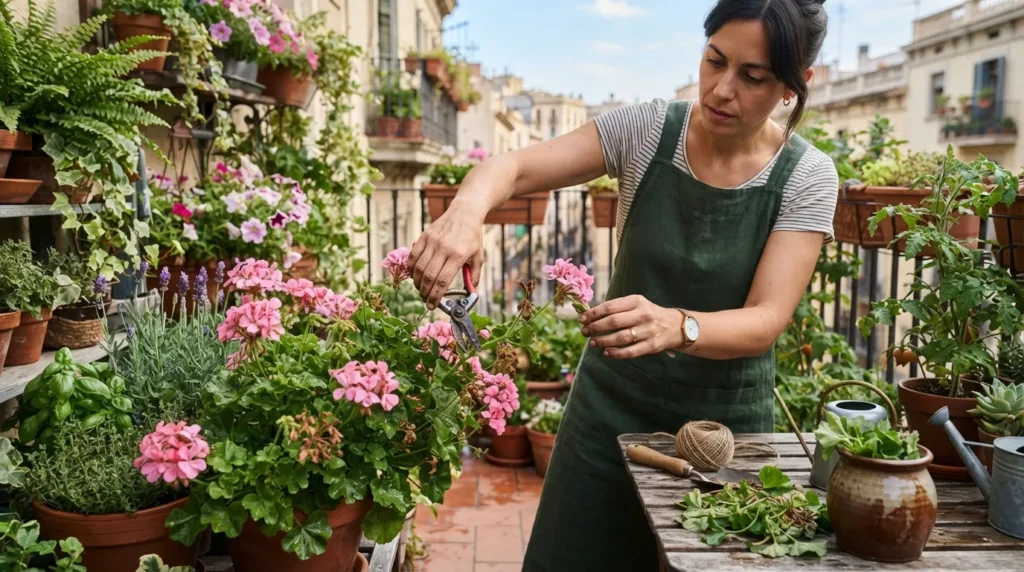
Regular pruning keeps plants healthy, encourages growth, and prevents overcrowding. Remove dead or damaged leaves and trim overgrown branches to improve airflow and light penetration.
Maintenance tasks such as staking tall plants, cleaning containers, and rotating pots to ensure even sunlight exposure contribute to a thriving garden. Consistent care minimizes plant stress and enhances overall garden performance.
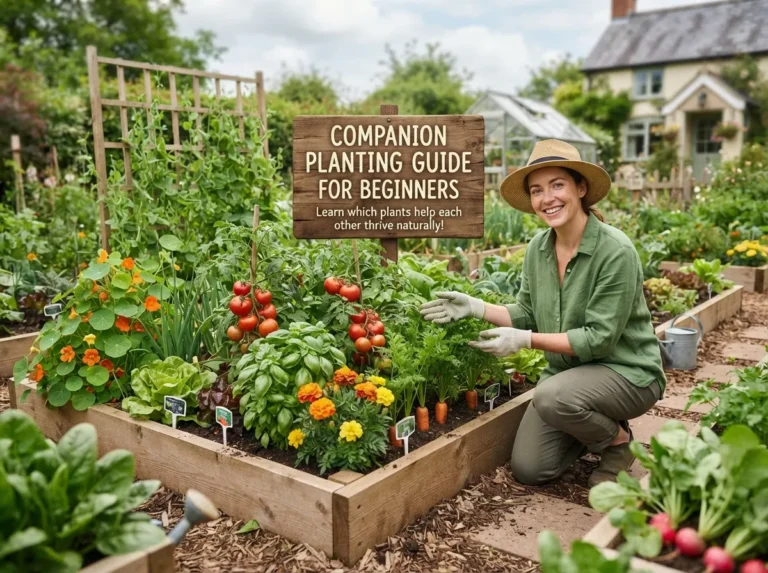
Companion Planting for Success
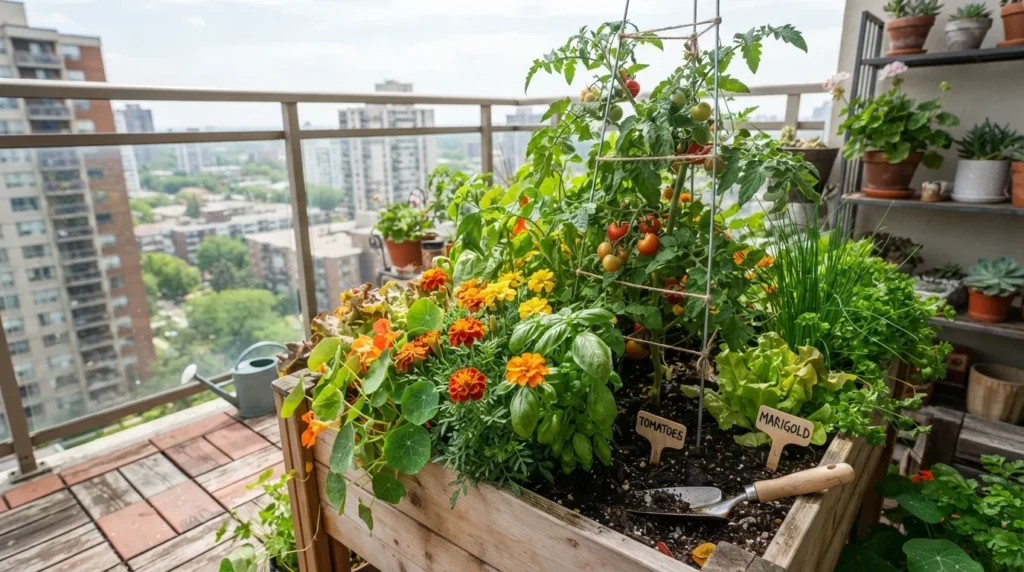
Companion planting involves growing complementary plants together to enhance growth and deter pests. For example, planting marigolds alongside tomatoes can help repel insects, while basil near peppers may improve flavor and growth.
In balcony gardens, careful companion planting maximizes space efficiency, promotes healthier plants, and can improve yields. This strategic approach combines aesthetics with practical benefits for a more productive garden.
Utilizing Containers for Water Conservation
Container gardening allows for better control over water usage. Using pots with proper drainage, self-watering systems, or moisture-retaining soil reduces water waste and ensures that plants receive consistent hydration.
Efficient water management is essential for maintaining healthy plants, particularly in urban environments where water conservation may be necessary. Proper hydration supports growth, flowering, and fruit production in balcony gardens.
Creating Visual Appeal
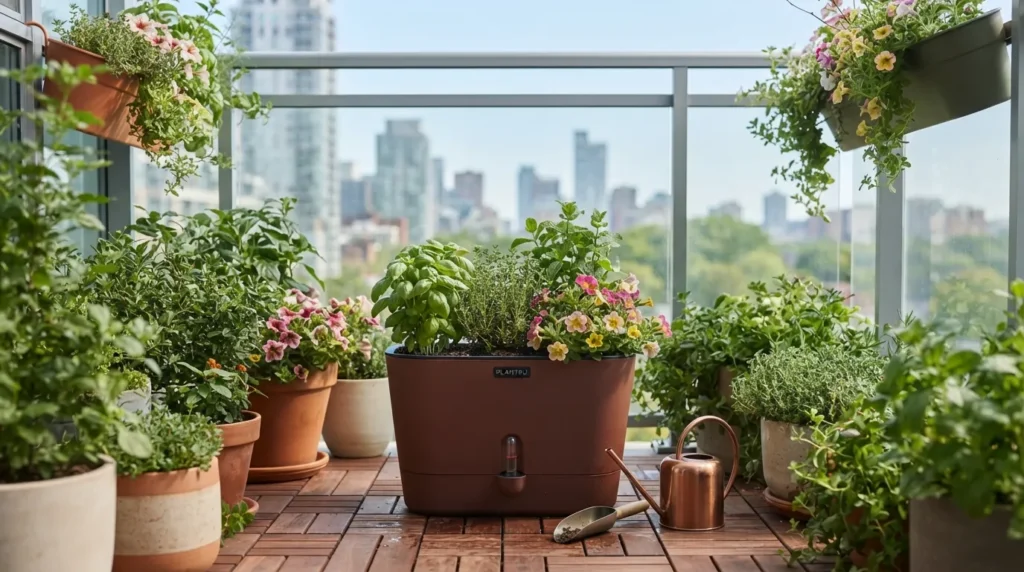
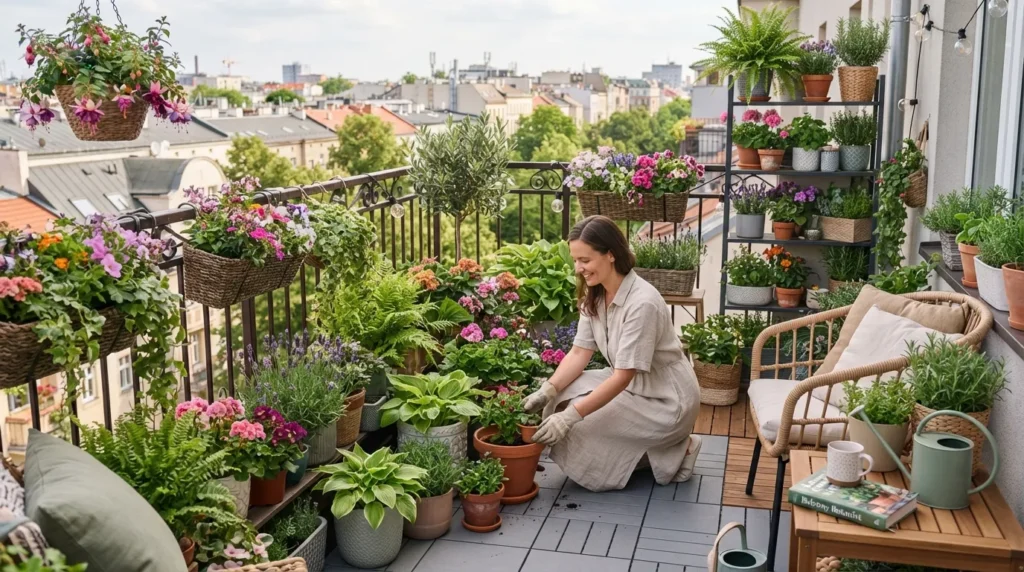
A balcony garden can be both functional and beautiful. Combining plants of different heights, colors, and textures creates a visually appealing space. Hanging baskets, trailing vines, and colorful flowers add dimension and interest.
Thoughtful arrangement of containers, decorative elements, and plants enhances the balcony’s aesthetic, creating a relaxing and inviting atmosphere. A visually pleasing garden encourages mindfulness and daily enjoyment of your outdoor space.
Incorporating Edibles
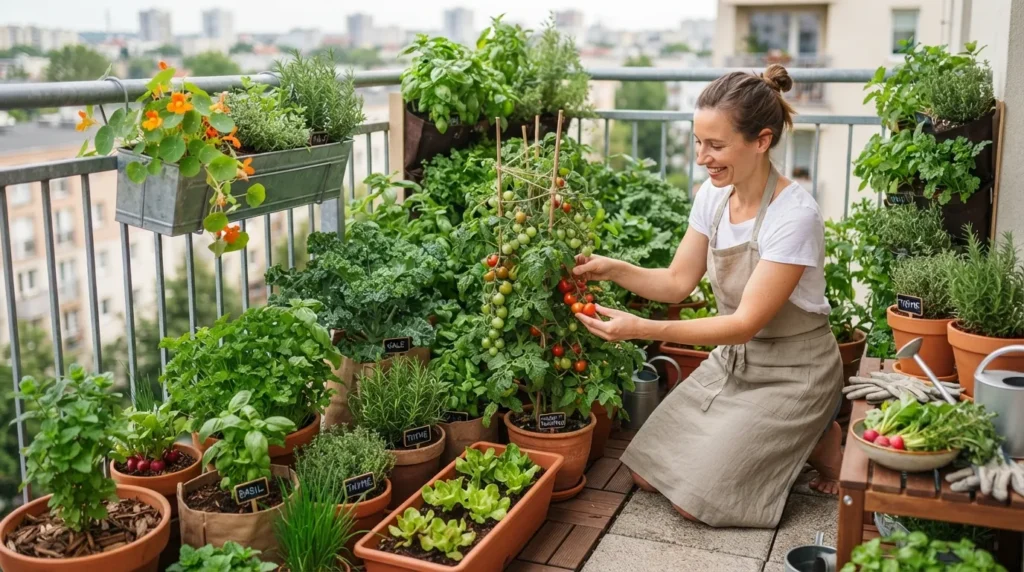
Growing edible plants such as herbs, vegetables, and small fruits adds practical benefits to a balcony garden. Freshly harvested produce enhances meals, encourages healthy eating, and provides a sense of accomplishment.
Edible plants also serve as an excellent way to teach mindfulness, as caring for plants and observing growth cycles fosters patience and presence. A balcony garden that produces food combines utility with relaxation and satisfaction.
Creating Microclimates
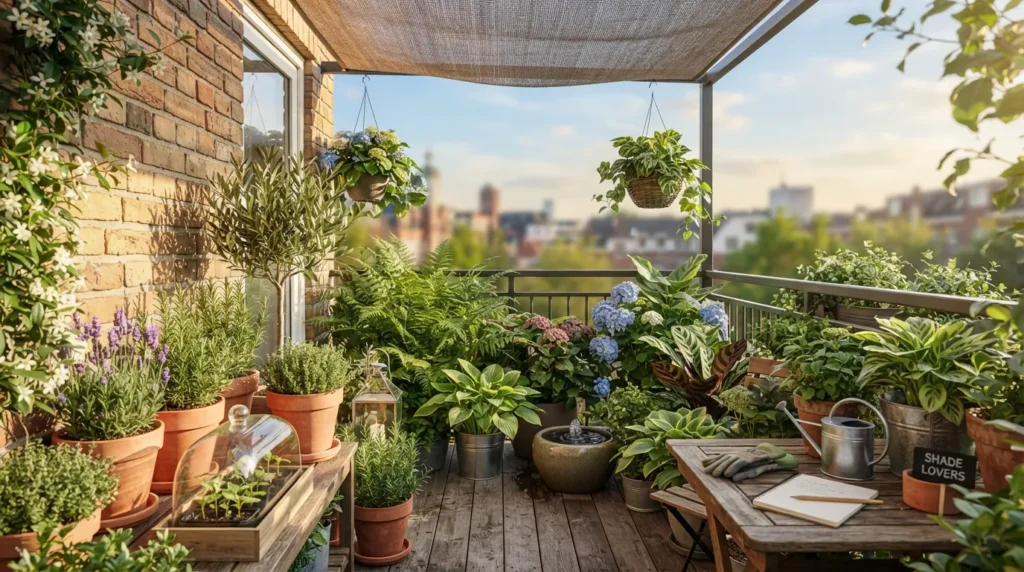
Balconies may experience varying sun, wind, and temperature conditions. Grouping plants strategically can create microclimates, protecting sensitive plants and optimizing growth. Tall plants can provide shade for smaller, sun-sensitive species, while windbreaks can protect delicate foliage.
Creating microclimates allows you to expand plant variety and improve survival rates, ensuring a more diverse and resilient balcony garden.
Composting and Soil Health
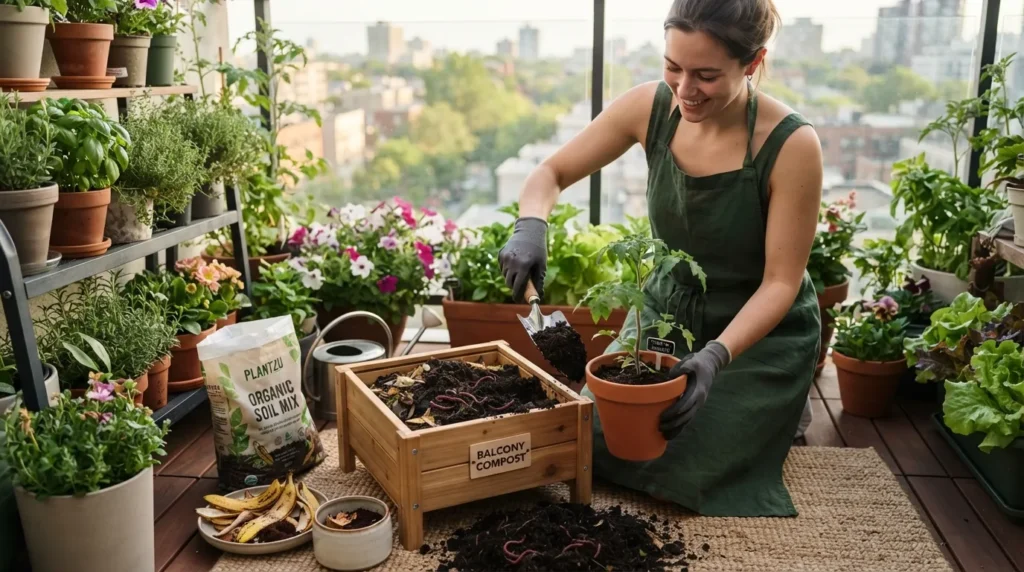
Even small balconies can support composting, which improves soil health and reduces waste. Using a small compost bin or worm composting system generates nutrient-rich material for container plants, enhancing growth and productivity.
Composting encourages mindfulness by connecting gardeners to natural cycles and the importance of sustainability. Healthy, nutrient-rich soil ensures vibrant plants and reduces the need for chemical fertilizers.
Seasonal Decor and Adaptation
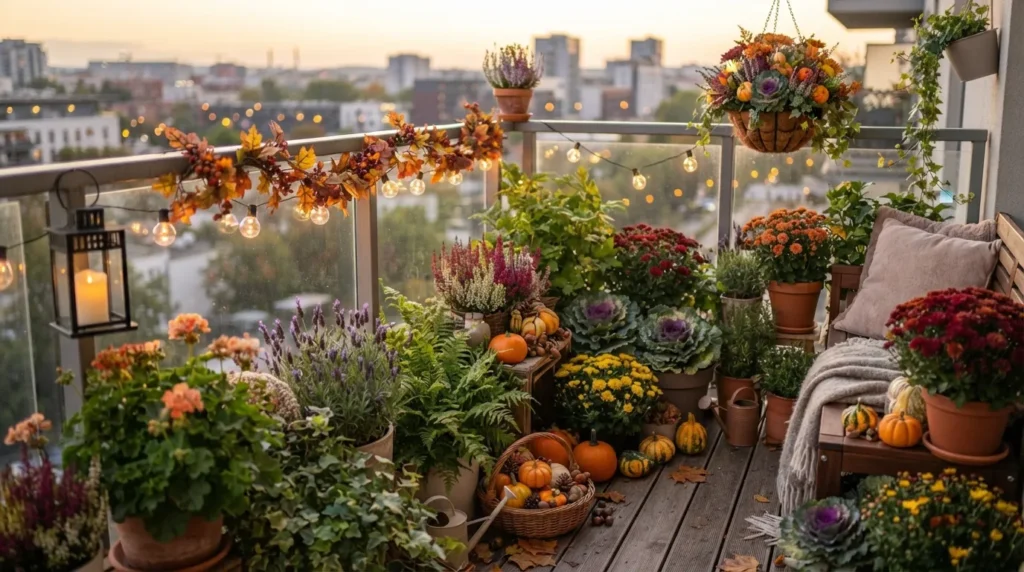
Seasonal adjustments in your balcony garden enhance both mindfulness and aesthetics. Rotating seasonal flowers, incorporating decorative elements, and adjusting plant placement for optimal light helps maintain interest and productivity throughout the year.
Adapting your garden to seasonal changes encourages observation, reflection, and attentiveness, reinforcing mindfulness practices and providing ongoing relaxation.
Mindful Garden Practices
Mindful gardening involves deliberate, attentive engagement with each task. Whether planting, pruning, or watering, focusing fully on the activity encourages presence, reduces stress, and nurtures satisfaction. Mindful gardeners experience deeper enjoyment and relaxation compared to hurried, distracted care.
Daily mindfulness in gardening fosters a calm and balanced mindset, encouraging reflection, gratitude, and connection with nature.
Utilizing Vertical Gardens
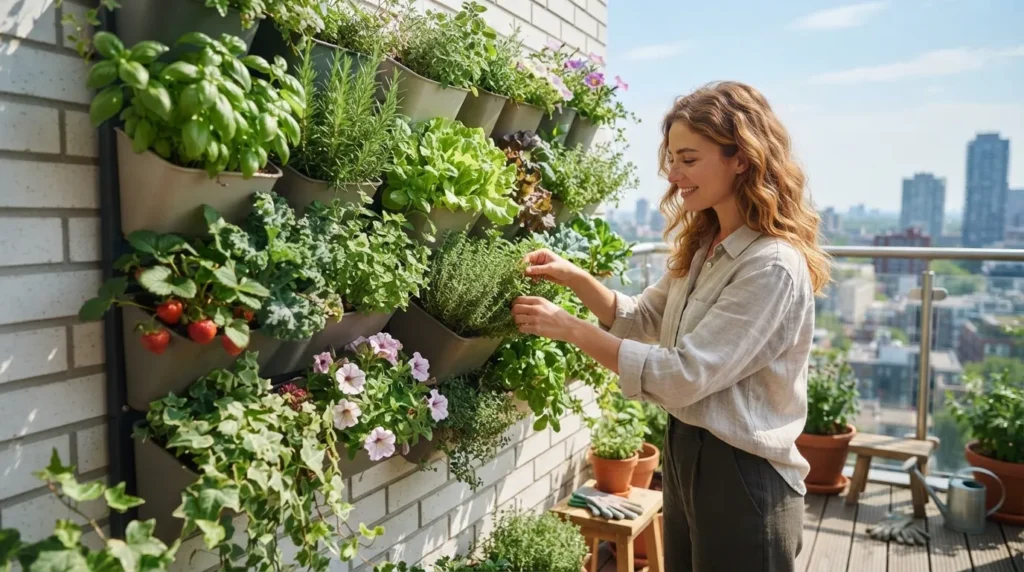
Vertical gardening maximizes limited balcony space. Trellises, wall-mounted planters, and hanging baskets allow you to grow more plants without overcrowding the floor. Vertical structures also improve airflow, sunlight exposure, and visual appeal.
Integrating vertical gardening techniques expands possibilities for plant variety and encourages creativity, contributing to a thriving balcony garden that is both productive and relaxing.
Engaging Family and Community
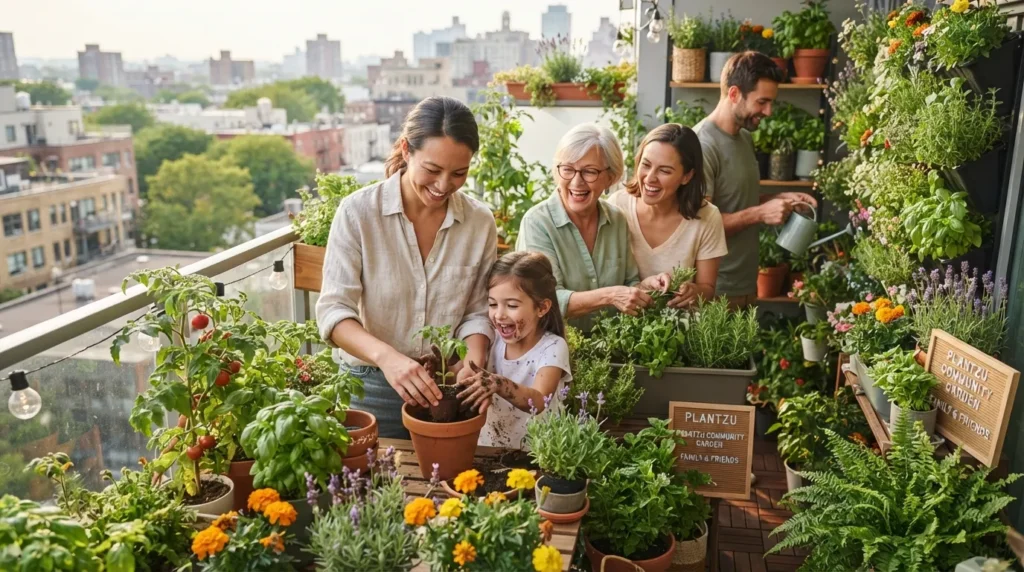
Balcony gardening can involve family members or neighbors, creating shared experiences that enhance relaxation and mindfulness. Collaborative gardening encourages learning, shared responsibility, and social connection, all of which support emotional well-being.
Engaging others in gardening fosters community, reduces stress, and provides a sense of purpose beyond individual effort.
Tracking Growth and Celebrating Success
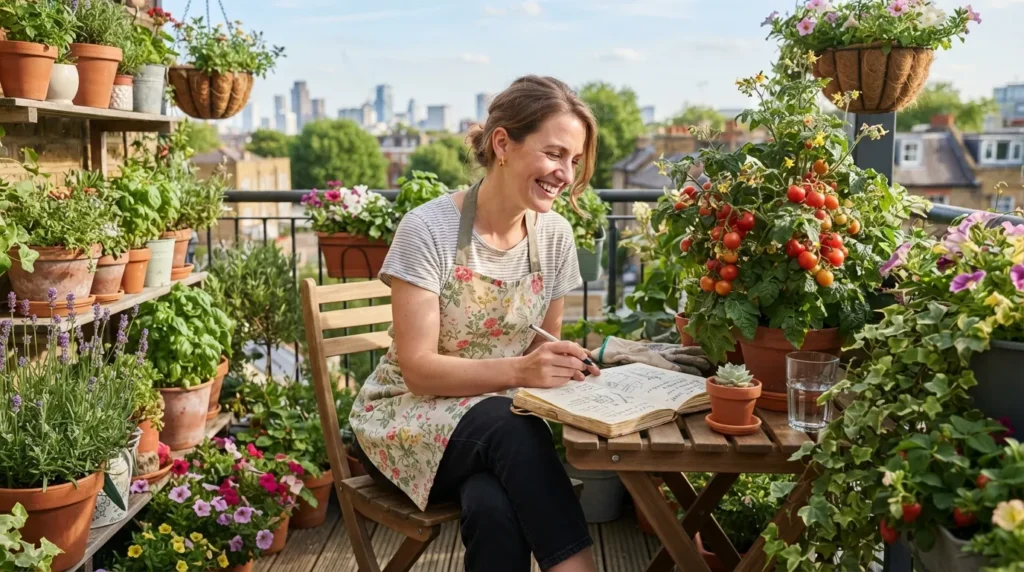
Monitoring plant progress, documenting harvests, and noting changes over time reinforce mindfulness and provide a sense of accomplishment. Keeping a small gardening journal or photo log allows reflection on successes, challenges, and growth patterns.
Celebrating small wins, such as the first bloom or a successful harvest, fosters motivation, emotional satisfaction, and a deeper connection with the gardening process.
Conclusion
A thriving balcony garden is achievable with thoughtful planning, appropriate plant selection, and consistent care. For urban residents in the United States, balcony gardening offers a unique blend of beauty, productivity, and relaxation. By understanding your environment, choosing the right containers and soil, maximizing space, and integrating mindfulness practices, even the smallest balcony can become a lush, thriving oasis.
Gardening promotes mental clarity, reduces stress, encourages mindfulness, and fosters a sense of accomplishment. The combination of sensory engagement, physical activity, creativity, and reflection enhances both well-being and daily satisfaction. Whether cultivating ornamental plants, edibles, or a combination, a balcony garden provides an accessible, rewarding, and therapeutic connection to nature.