Indoor Plant Lighting Solutions That Actually Work
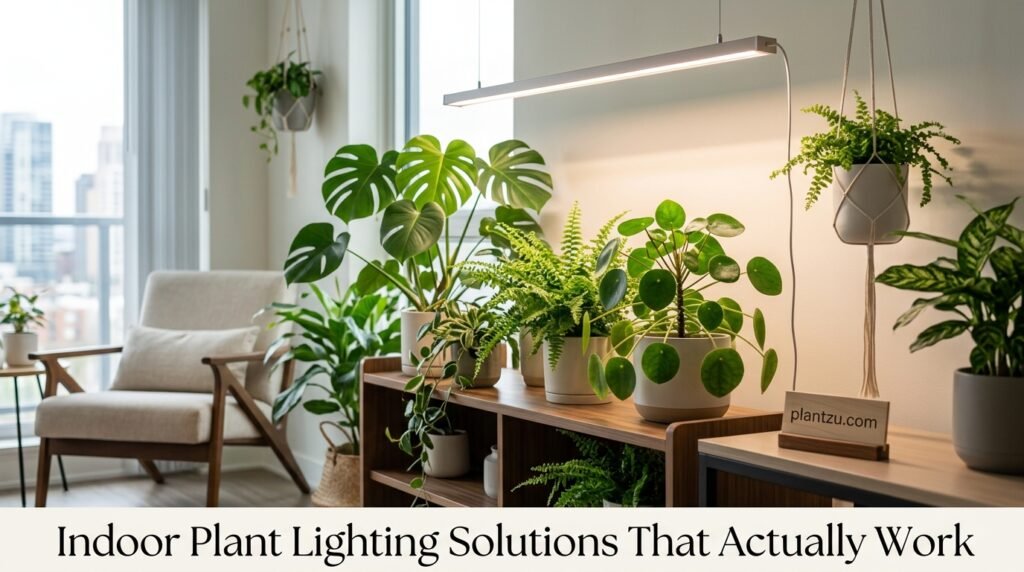
Indoor plants can transform any home into a vibrant, welcoming space. They add color, improve the atmosphere, and bring a touch of nature indoors. However, one of the biggest challenges for plant owners is providing enough light. Many houseplants struggle not because of watering mistakes or poor soil but because they simply do not receive the light they need to thrive.
This guide explores indoor plant lighting solutions that actually work, helping beginners and experienced plant enthusiasts create the ideal environment for thriving houseplants year-round.
Why Light Matters for Indoor Plants
Light is one of the most important factors in plant growth. Plants use light to perform photosynthesis, the process that converts light energy into the nutrients they need to survive.
Without adequate light, plants may experience:
- Slow growth
- Yellowing leaves
- Weak stems
- Leaf drop
- Reduced flowering
Even plants known for tolerating low-light conditions still require some level of illumination to remain healthy.
Understanding how indoor lighting affects plant growth is the first step toward creating a successful indoor garden.
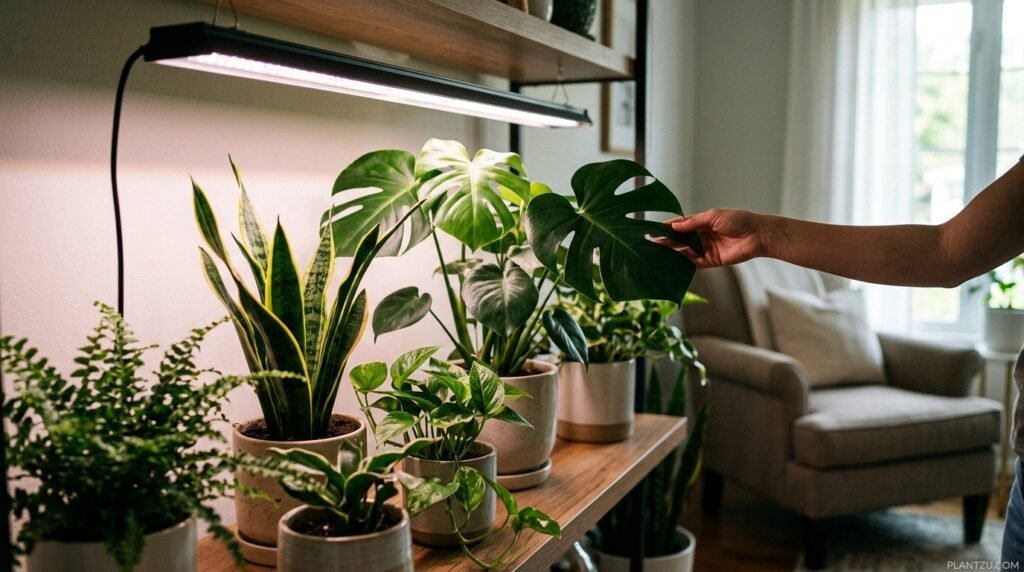
Indoor Plant Lighting Solutions:
Understanding Different Light Levels
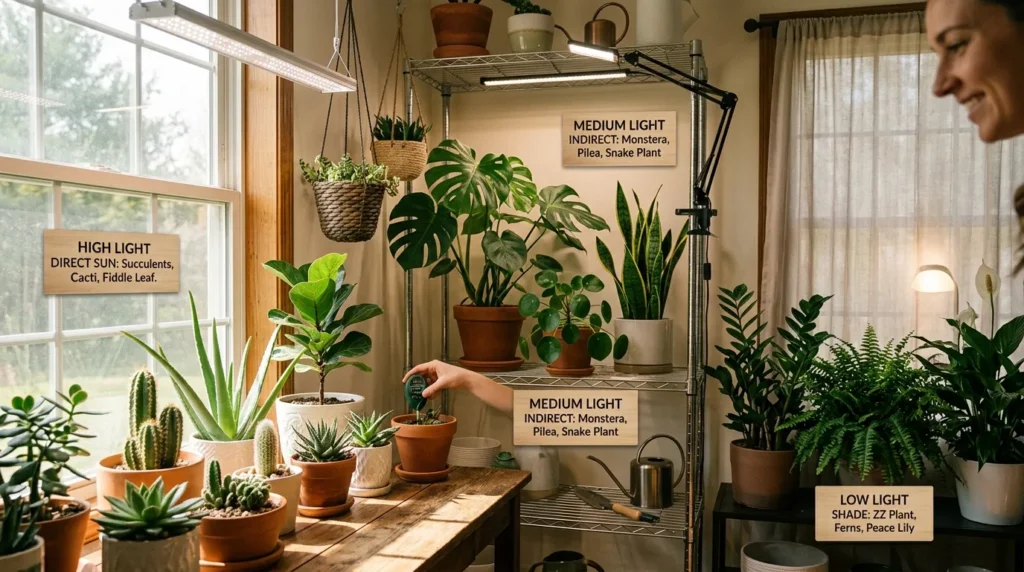
Not all plants have the same lighting needs. Some species thrive in bright conditions, while others naturally grow beneath forest canopies and prefer lower light levels.
Bright Direct Light
Bright direct light occurs when sunlight shines directly onto a plant for several hours each day. South-facing windows in many U.S. homes often provide the strongest direct sunlight.
Plants that enjoy bright direct light include:
- Succulents
- Aloe Vera
- Jade Plants
- Cacti
Bright Indirect Light
Bright indirect light is often considered the ideal condition for many houseplants. The plant receives plenty of light without direct sun exposure.
Popular plants that thrive in bright indirect light include:
- Monstera
- Philodendron
- Rubber Plant
- Fiddle Leaf Fig
Medium Light
Medium light conditions occur in rooms that receive filtered sunlight or are positioned farther from windows.
Plants suited for medium light include:
- Spider Plants
- Peace Lilies
- Dracaena
Low Light
Low-light environments receive little natural sunlight but are not completely dark.
Plants that tolerate low light include:
- Snake Plants
- ZZ Plants
- Chinese Evergreens
Knowing your plant’s preferred light level helps determine which lighting solution will work best.
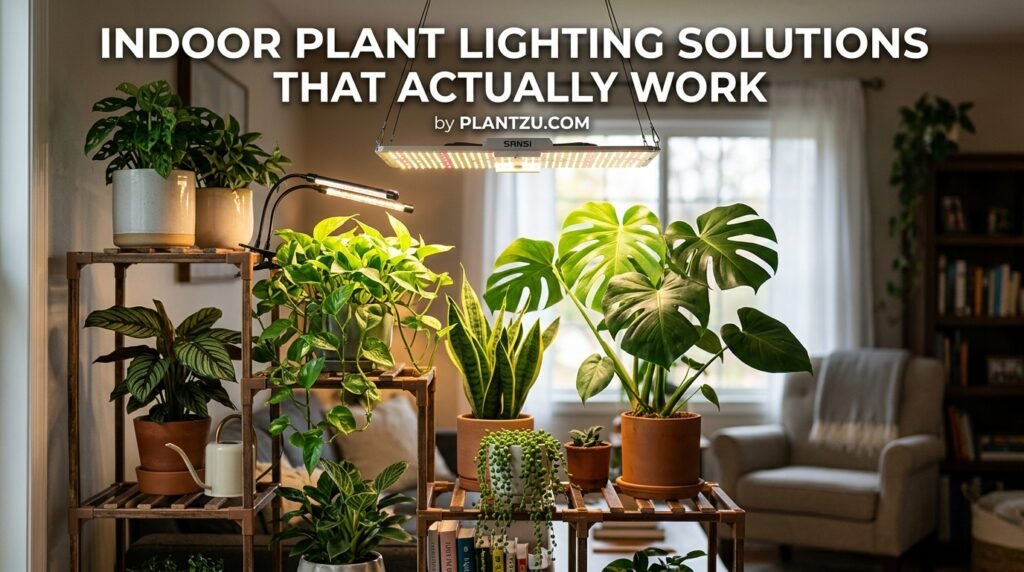
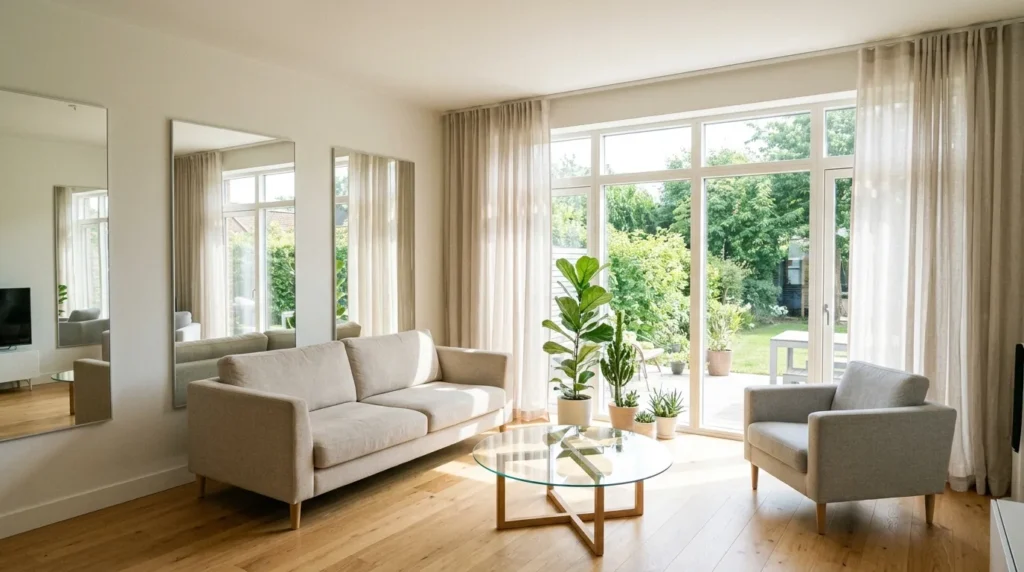
Maximizing Natural Light Indoors
Before investing in artificial lighting, it’s important to make the most of available natural sunlight.
Window placement plays a major role in plant health. In most U.S. homes:
- South-facing windows provide the strongest light.
- East-facing windows offer gentle morning sunlight.
- West-facing windows provide stronger afternoon light.
- North-facing windows generally receive the least sunlight.
Rotating plants regularly helps ensure balanced growth. Dusting leaves also improves light absorption and supports healthier development.
In many cases, simply relocating plants closer to an appropriate window can significantly improve their condition.
When Natural Light Isn’t Enough
Not every home receives abundant sunlight. Apartments, office spaces, shaded properties, and rooms with small windows often present challenges for indoor gardeners.
During winter months, many regions of the United States experience shorter daylight hours, reducing available sunlight even further.
Signs your plants may need supplemental lighting include:
- Leggy growth
- Small leaves
- Pale foliage
- Leaning toward windows
- Lack of new growth
This is where artificial plant lighting becomes an effective solution.
Why LED Grow Lights Are the Best Choice
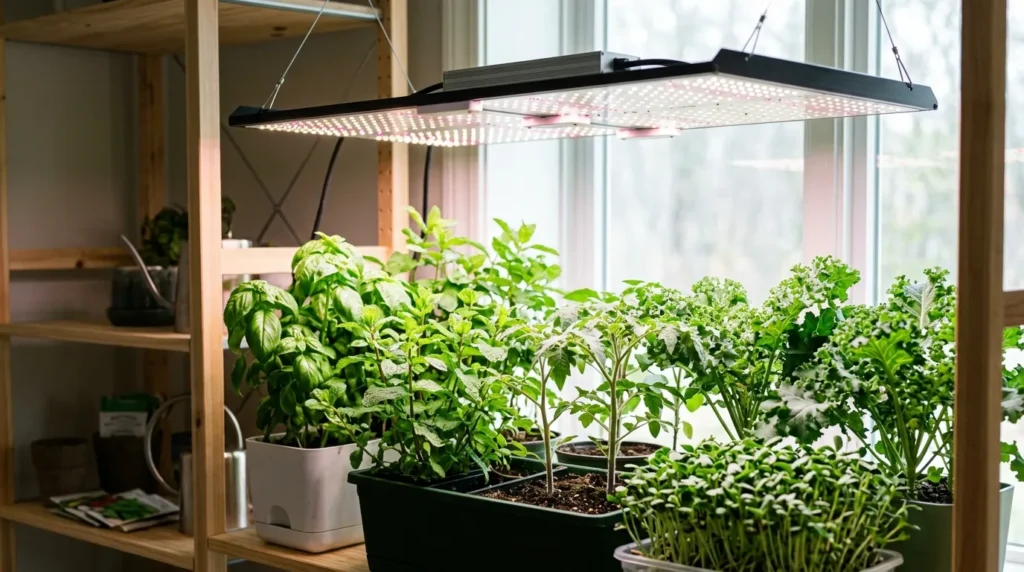
LED grow lights have become the preferred option for indoor plant enthusiasts because they are energy-efficient, affordable, and highly effective.
Modern LED grow lights provide the specific light spectrum plants need while producing minimal heat. This reduces the risk of leaf damage and allows lights to be positioned closer to plants.
Benefits of LED grow lights include:
- Lower electricity costs
- Long lifespan
- Minimal heat output
- Full-spectrum lighting options
- Easy installation
For most indoor gardeners, LED technology offers the best balance between performance and convenience.
Full-Spectrum Grow Lights Explained
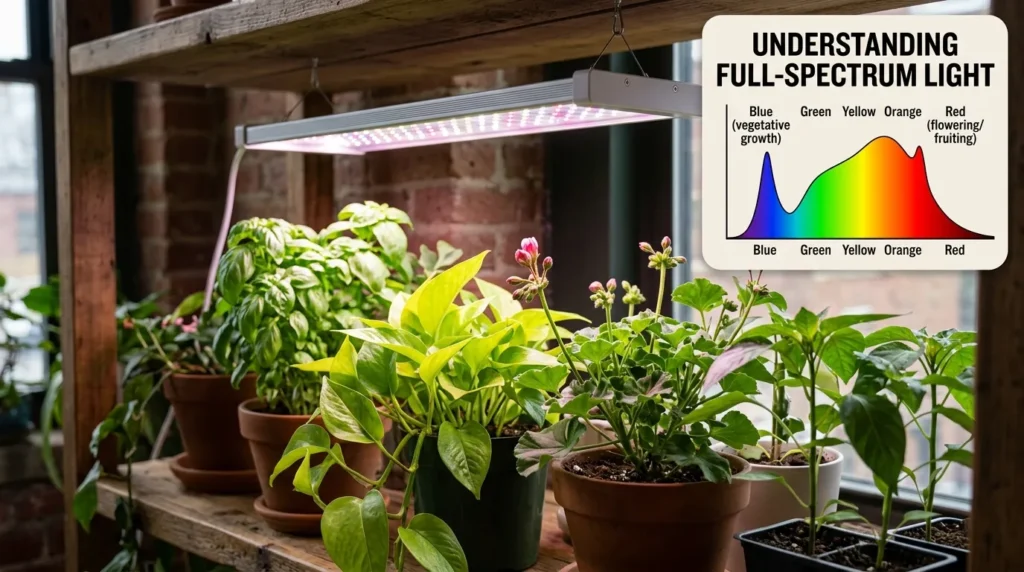
Full-spectrum grow lights are designed to mimic natural sunlight.
These lights provide a balanced range of wavelengths that support all stages of plant growth, from seedling development to mature foliage and flowering.
Because they closely resemble sunlight, full-spectrum LEDs work well for a wide variety of houseplants.
Whether you are growing tropical plants, herbs, vegetables, or succulents, full-spectrum lighting is often the most versatile choice.
Grow Light Bulbs for Existing Fixtures
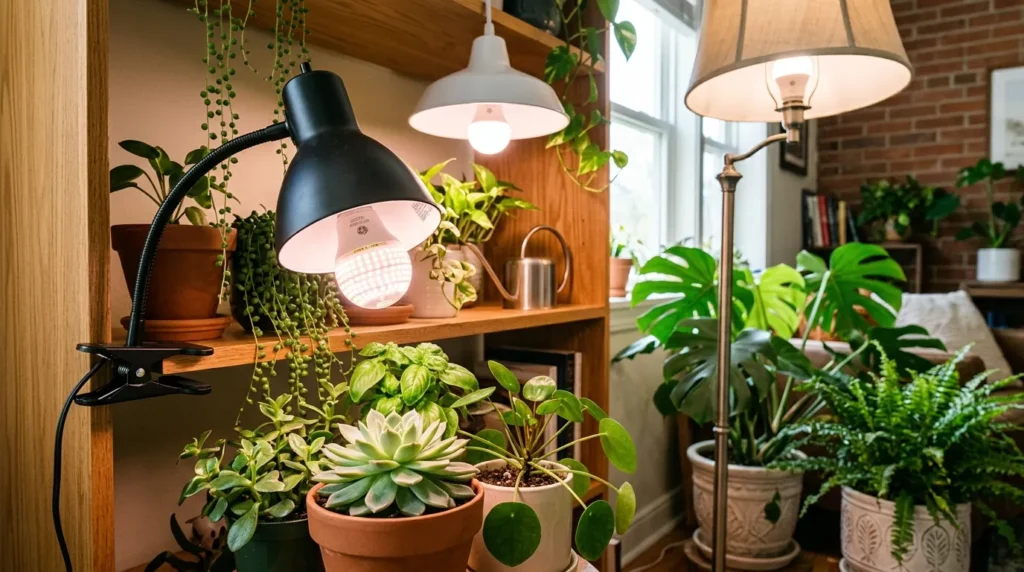
One of the simplest indoor lighting solutions involves replacing standard bulbs with grow light bulbs.
These bulbs fit into common household lamps and fixtures, making them ideal for beginners who want an affordable upgrade.
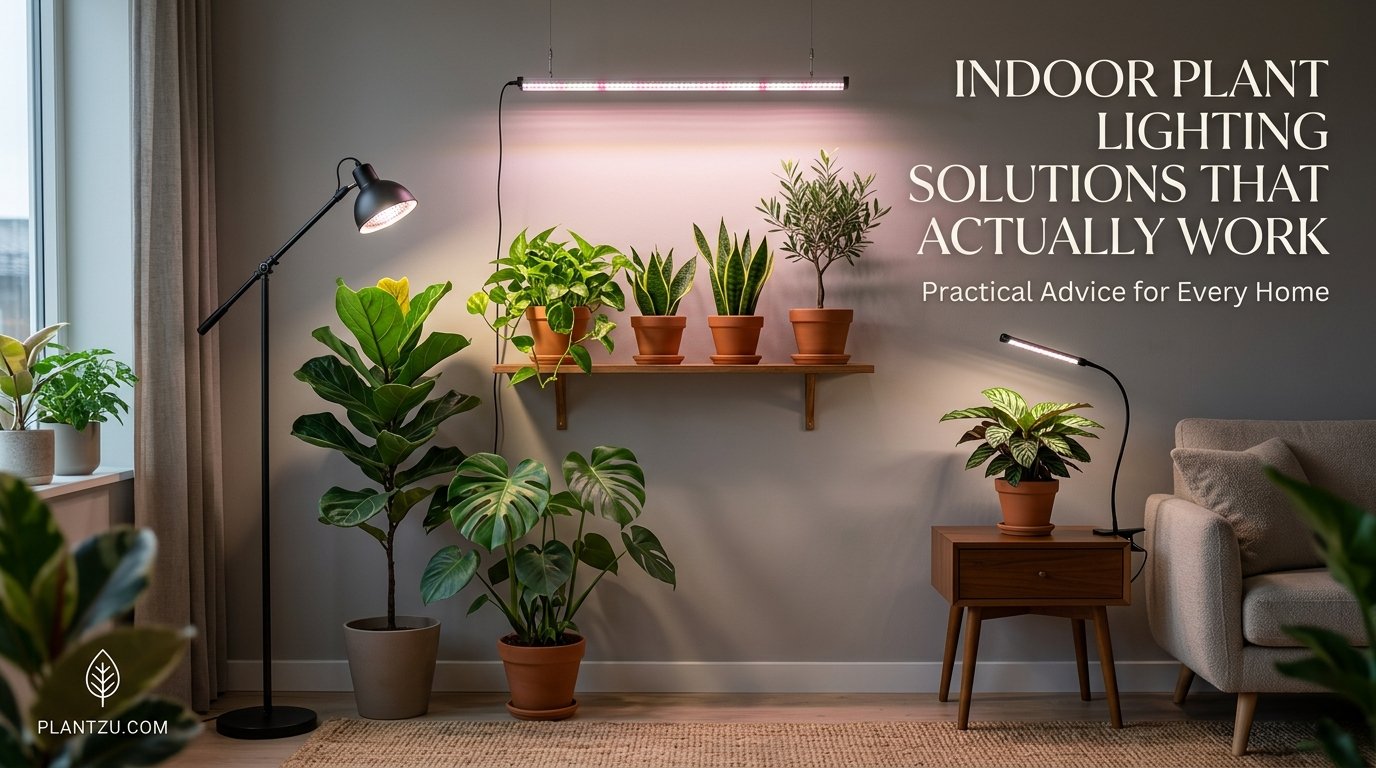
A floor lamp, desk lamp, or hanging fixture can often become a functional plant light source with a simple bulb replacement.
This approach works particularly well for small plant collections.
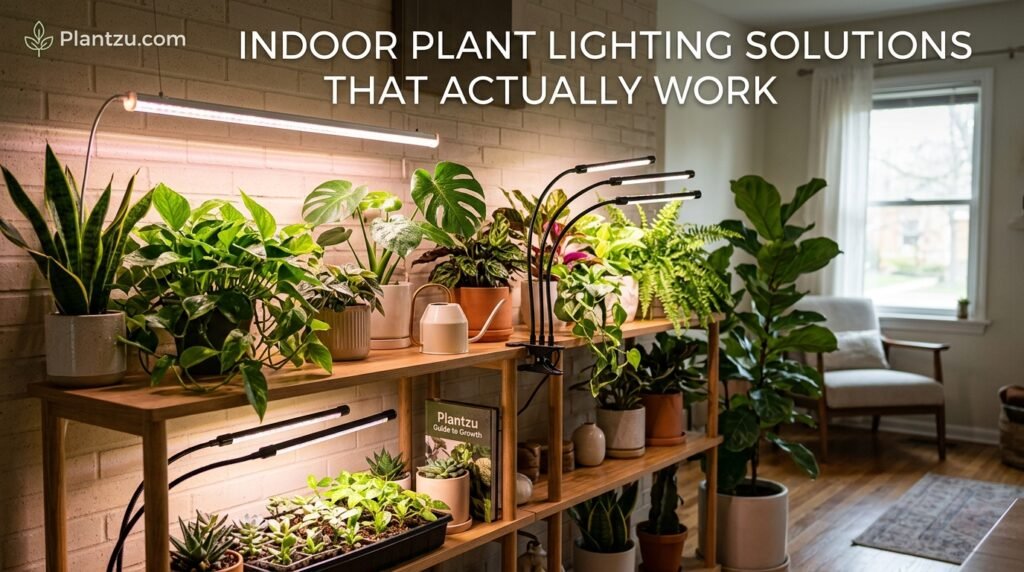
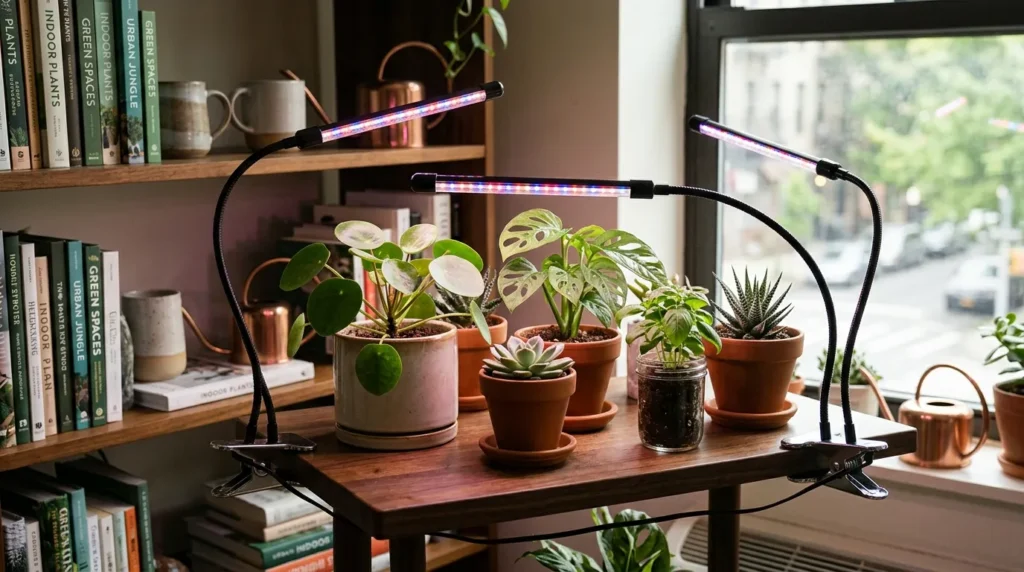
Clip-On Grow Lights for Small Spaces
Clip-on grow lights have become increasingly popular among apartment residents and indoor gardeners with limited space.
These lights attach directly to shelves, desks, plant stands, or furniture and can be adjusted to direct light where needed.
Their flexibility makes them ideal for:
- Small apartments
- Home offices
- Dorm rooms
- Kitchen herb gardens
Many clip-on models also include timers and adjustable brightness settings.
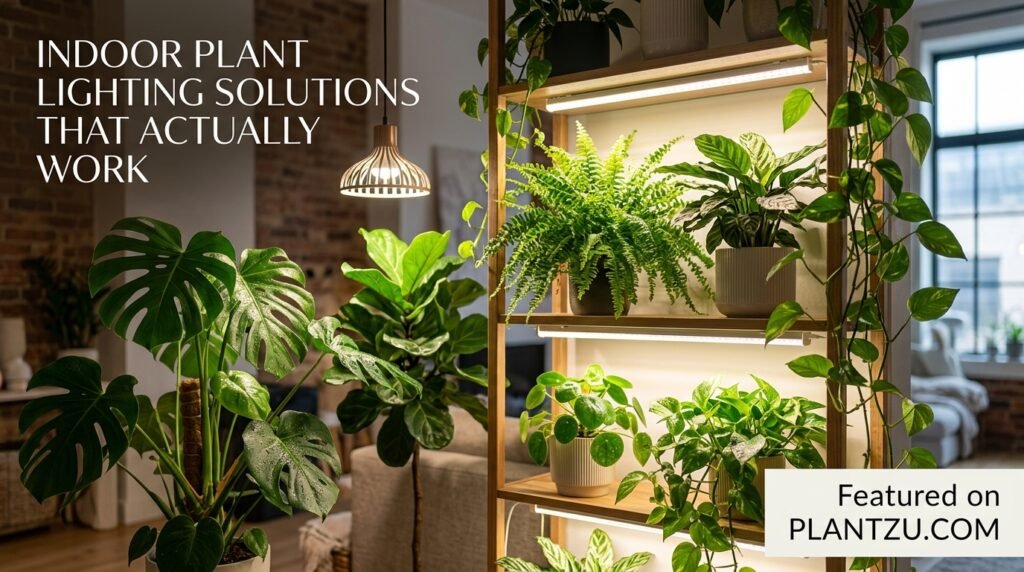
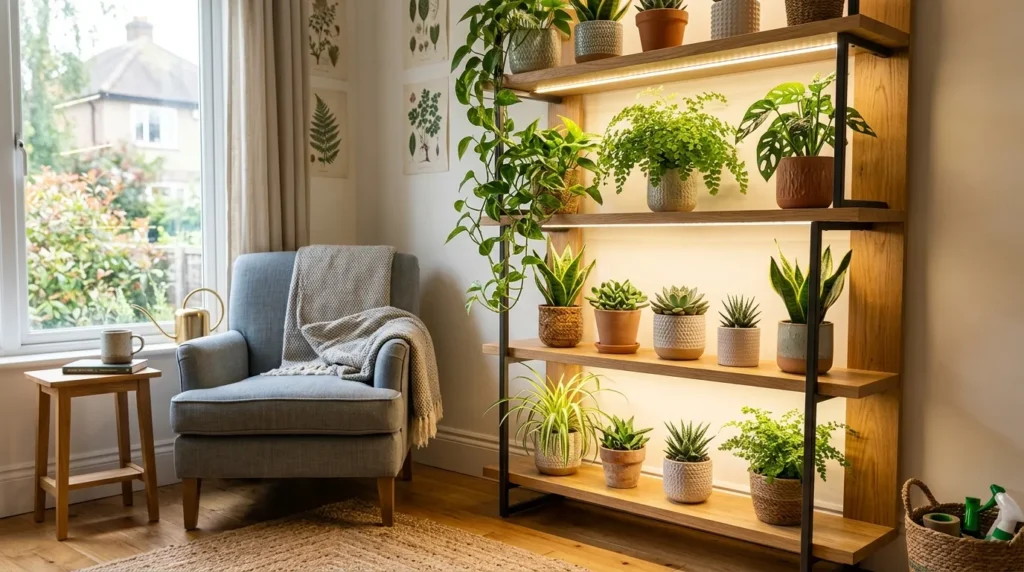
Plant Shelves with Integrated Lighting
Dedicated plant shelves equipped with lighting systems offer a practical and attractive solution for indoor gardening.
These setups combine storage and illumination in one space-saving design.
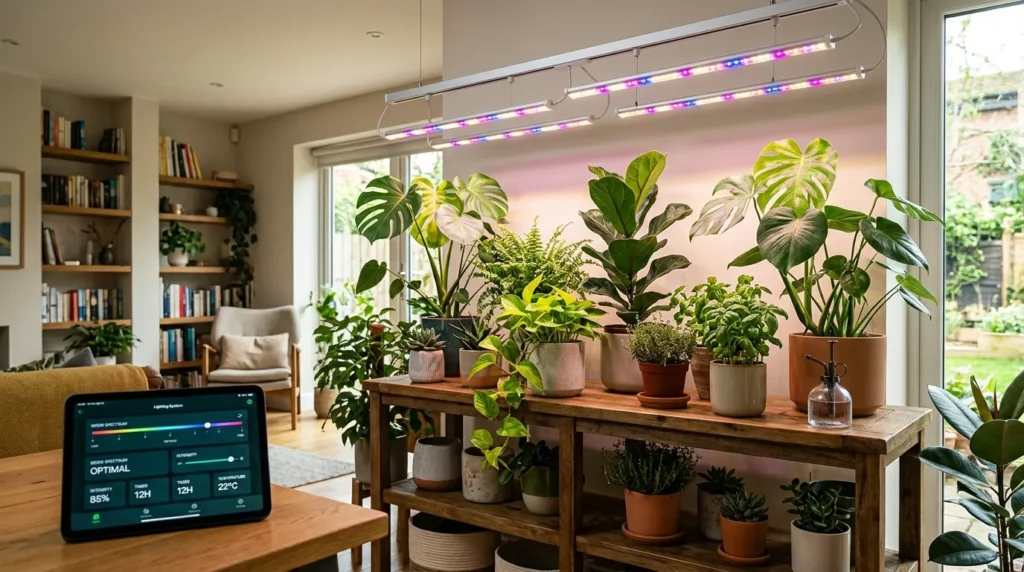
Plant shelves with built-in lighting are particularly useful for people growing multiple plants indoors. They provide consistent light distribution and create a visually appealing indoor garden display.
Many homeowners use them as decorative focal points in living rooms and offices.
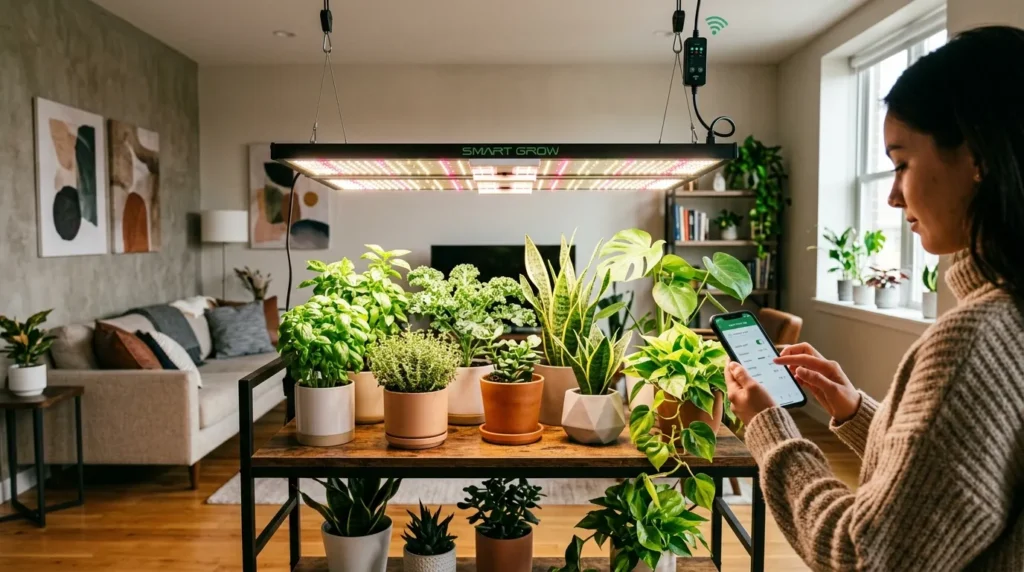
Smart Grow Lights for Modern Homes
Smart home technology has entered the indoor gardening world.
Smart grow lights allow users to control brightness, schedules, and lighting duration through smartphone apps.
Some systems automatically adjust light intensity throughout the day to simulate natural sunlight patterns.
These advanced features simplify plant care and help maintain consistent growing conditions.
For busy individuals, automation can significantly improve plant health and reduce maintenance efforts.
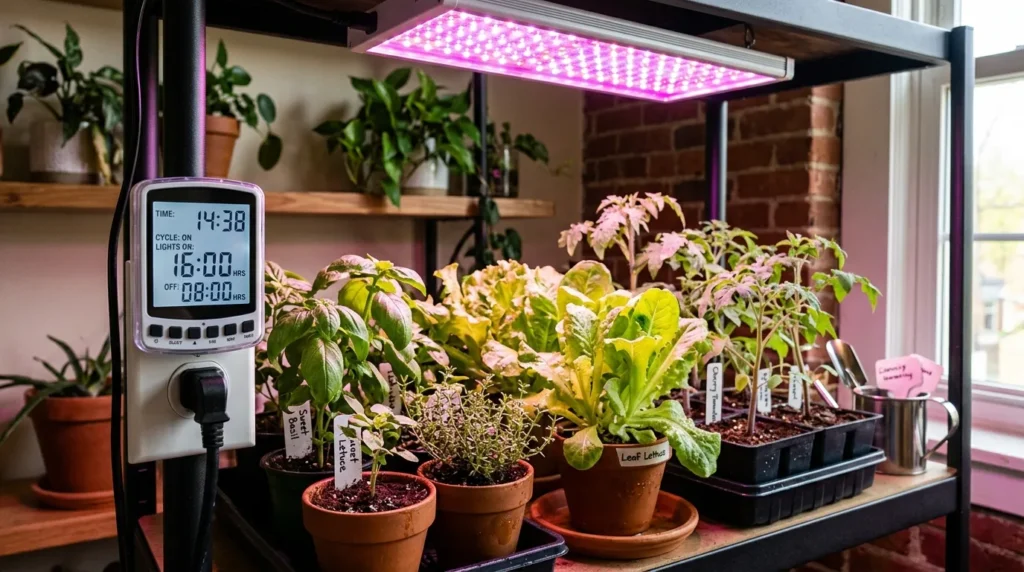
How Long Should Grow Lights Stay On?
One common question among beginners is how long grow lights should remain on each day.
Most indoor plants perform well with 10 to 14 hours of light daily.
Plants that require higher light levels may benefit from longer exposure, while low-light plants often need less.
Using a timer is one of the easiest ways to maintain a consistent schedule.
Consistency is often more important than intensity when it comes to supporting healthy growth.
Proper Grow Light Placement
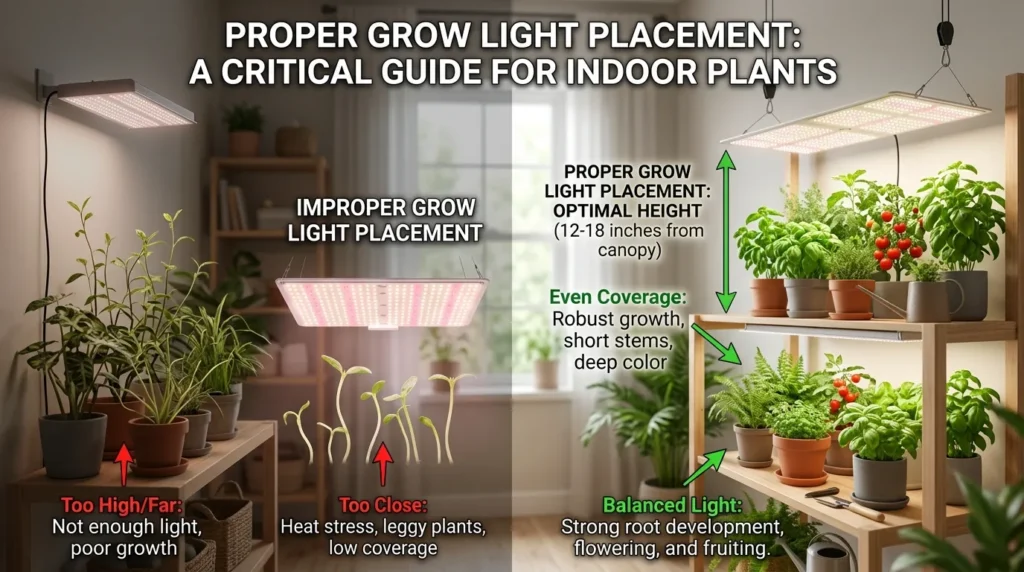
Even the best grow light can be ineffective if positioned incorrectly.
The ideal distance depends on the light’s strength and the plant’s needs.
Most LED grow lights perform best when placed between 6 and 24 inches above the plant canopy.
If lights are too far away, plants may stretch toward the light source. If positioned too close, leaves may become stressed or discolored.
Monitoring plant responses helps determine the ideal placement.
Best Lighting Solutions for Different Plant Types
Different plants benefit from different lighting strategies.
Succulents and cacti generally require stronger light and often perform best under high-output LED systems.
Tropical foliage plants such as monsteras and philodendrons typically thrive under moderate full-spectrum lighting.
Herbs and indoor vegetables often need brighter conditions and longer daily exposure to support productive growth.
Matching the lighting solution to the plant’s natural habitat increases the likelihood of success.
Common Indoor Plant Lighting Mistakes
Many plant owners unknowingly make lighting mistakes that hinder plant growth.
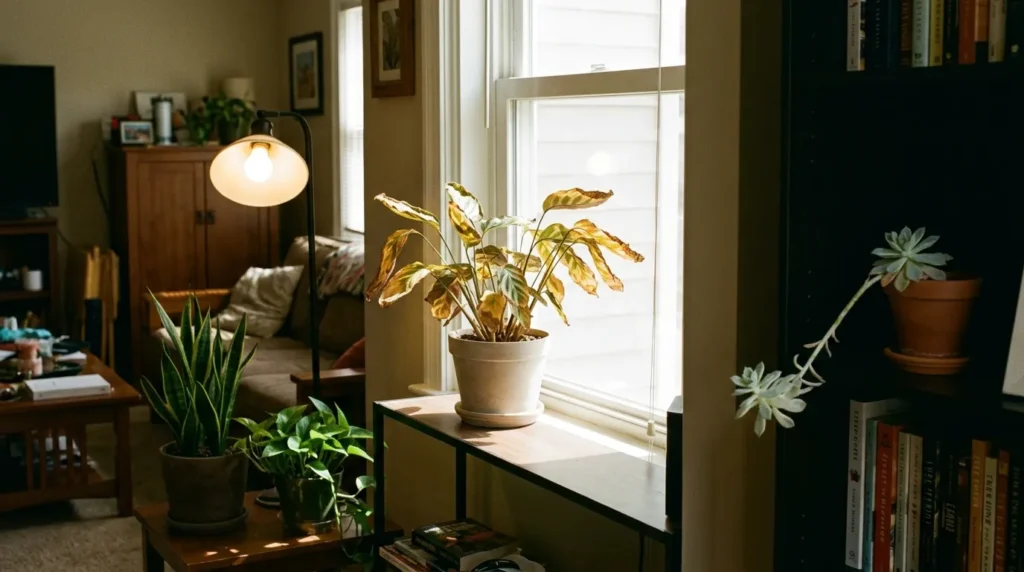
One common issue is assuming all windows provide sufficient light. Indoor conditions can vary dramatically depending on orientation, season, and surrounding structures.
Another mistake involves leaving grow lights on continuously. Plants need periods of darkness just as they do in nature.
Using weak decorative lights instead of actual grow lights is another frequent problem. While decorative lights may look attractive, they often lack the intensity needed to support plant health.
Avoiding these common mistakes can dramatically improve indoor gardening results.
Creating a Year-Round Indoor Growing Environment
Reliable lighting allows indoor gardeners to enjoy healthy plants throughout the year.
Instead of relying solely on seasonal sunlight changes, artificial lighting creates consistency. Plants receive the illumination they need regardless of weather conditions or geographic location.
This is particularly valuable in northern states where winter daylight hours are limited.
With proper lighting, indoor gardeners can maintain lush greenery and even grow herbs and vegetables year-round.
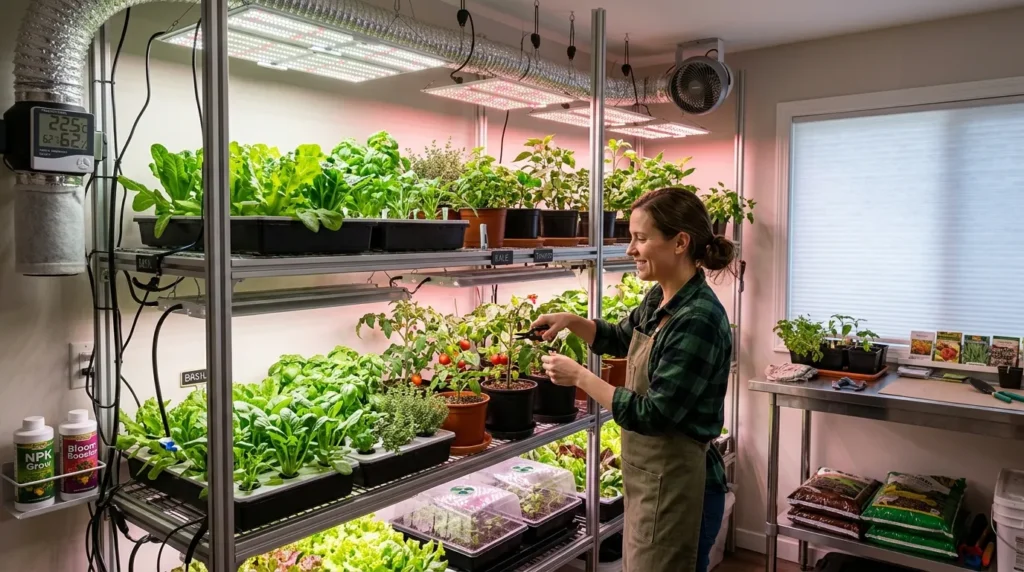
The Future of Indoor Plant Lighting
Indoor gardening technology continues to evolve.
Modern lighting systems are becoming more efficient, customizable, and affordable. Advances in LED technology allow plant owners to achieve professional-quality results without significant energy costs.
As more Americans embrace indoor gardening, innovative lighting solutions will continue making plant care easier and more accessible.
Whether you’re growing a single pothos or an entire indoor jungle, effective lighting remains one of the most important investments you can make.
Final Thoughts
Providing adequate light is one of the most critical aspects of successful indoor gardening. While natural sunlight remains ideal, modern lighting solutions offer practical alternatives for homes and apartments with limited exposure.
LED grow lights, full-spectrum systems, smart lighting technology, and integrated plant shelves all provide effective ways to support healthy plant growth. By understanding your plants’ needs and selecting the right lighting setup, you can enjoy thriving indoor greenery throughout the year.
The right lighting solution doesn’t just keep plants alive—it helps them flourish.
Frequently Asked Questions
1. What is the best grow light for indoor plants?
Full-spectrum LED grow lights are generally considered the best option because they closely mimic natural sunlight.
2. How many hours should indoor plants receive light?
Most indoor plants need approximately 10 to 14 hours of light each day.
3. Can regular LED bulbs grow plants?
Standard LED bulbs may provide some light, but specialized grow lights are much more effective for plant growth.
4. Do low-light plants still need grow lights?
Low-light plants can benefit from supplemental lighting if natural light is extremely limited.
5. Are grow lights expensive to operate?
Modern LED grow lights are energy-efficient and typically cost very little to run compared to older lighting technologies.