How to Create a Colorful Flower Garden at Home
Creating a colorful flower garden at home is one of the most rewarding ways to improve your outdoor space, boost curb appeal, and bring more beauty into everyday life. Whether you live in a suburban house with a large backyard, a small city home with a narrow side yard, or an apartment with a sunny patio, a flower garden can transform your space into something cheerful, welcoming, and full of personality.
For many beginners, flower gardening may seem complicated at first. You might wonder which flowers to choose, when to plant them, how much sunlight they need, or how to keep them blooming throughout the season. The good news is that creating a beautiful home flower garden does not have to be difficult. With a little planning, the right plant choices, and a simple care routine, you can grow a colorful flower garden that looks stunning from spring through fall.
This guide will walk you through everything you need to know about how to create a colorful flower garden at home, including flower selection, garden design, soil preparation, watering, maintenance, and seasonal color planning. Whether you are a beginner or simply want to refresh your outdoor space, these practical tips will help you build a garden that feels vibrant, relaxing, and easy to enjoy.
Why a Colorful Flower Garden Is Worth Creating
A colorful flower garden does more than make your yard look pretty. It creates a warm and inviting atmosphere around your home. Bright blooms near the front porch can make your entrance feel more welcoming, while flower beds in the backyard can turn an ordinary lawn into a peaceful retreat. Flowers also attract butterflies, bees, and hummingbirds, helping support local pollinators that play an important role in the environment.
In the United States, where home styles and climates vary widely from region to region, flower gardens can be adapted to almost any location. A homeowner in Florida may grow tropical-looking flowers with bold colors, while someone in Colorado may choose drought-tolerant blooms that handle dry conditions. Gardeners in the Midwest may enjoy classic perennials that return year after year, while those in the Northeast may focus on spring bulbs and summer annuals.
A flower garden is also a creative outlet. You can choose colors that match your home’s exterior, reflect your personality, or create a specific mood. Soft pastels can feel calm and romantic, while reds, oranges, and yellows create a bright, energetic look. Purple, blue, and white flowers can make a garden feel cool and elegant. The possibilities are nearly endless. Top Perennial Flowers.
Start with a Simple Garden Plan
Before buying flowers, take time to plan your garden. A colorful flower garden begins with understanding your space. Walk around your yard and notice how much sunlight different areas receive during the day. Most flowering plants need at least six hours of direct sunlight to bloom well, but some flowers can thrive in partial shade.
Look at your available space and decide where your flower garden will have the most impact. Front yard flower beds can improve curb appeal, especially along walkways, driveways, fences, and porches. Backyard flower gardens can create a relaxing outdoor living area. Side yards, patio edges, raised beds, and container gardens can also become beautiful flower-filled spaces.
Think about how much time you want to spend maintaining your garden. A large flower bed may look impressive, but it will require more watering, weeding, and pruning. If you are new to gardening, it is better to start small and expand later. A small, well-designed flower garden often looks more attractive than a large garden that becomes difficult to manage.
Your garden plan does not need to be professional or complicated. A simple sketch is enough. Mark where you want taller flowers, medium-height flowers, and low-growing border plants. This will help you create a balanced look and avoid overcrowding.
Choose the Right Location for Your Flower Garden
Location is one of the most important parts of creating a successful flower garden at home. Flowers need the right combination of sunlight, soil, water, and space to grow well. If you choose a location that matches your flowers’ needs, your garden will be much easier to maintain.
For a bright and colorful flower garden, a sunny location is usually best. Many popular flowers, including zinnias, marigolds, petunias, sunflowers, coneflowers, black-eyed Susans, and geraniums, bloom best in full sun. Full sun generally means at least six hours of direct sunlight per day.
If your yard has more shade than sun, you can still create a beautiful flower garden. Shade-friendly flowers such as impatiens, begonias, hostas, astilbe, bleeding hearts, and certain varieties of hydrangeas can add color to darker areas. Shade gardens often have a softer, calmer look, especially when combined with leafy green plants and white or pastel blooms.
Also consider visibility. A flower garden should be placed where you can enjoy it often. If you spend time on your porch, plant flowers near the seating area. If you want to improve curb appeal, plant near the front entrance. If you enjoy looking outside from your kitchen or living room window, create a garden where it can be seen from indoors.
Understand Your Colorful Flower Garden Growing Zone
The United States has many different climates, so flowers that grow beautifully in one state may struggle in another. Before choosing plants, it helps to understand your USDA plant hardiness zone. This zone gives you a general idea of which perennial flowers can survive winter in your area.
For example, gardeners in northern states such as Minnesota, Wisconsin, and Maine need flowers that can handle cold winters. Gardeners in southern states such as Texas, Georgia, and Arizona need flowers that tolerate heat. Coastal gardeners may need plants that handle humidity, wind, or salty air.
Annual flowers usually grow for one season and are replanted each year, so hardiness zones are less important for them. Perennials, however, return year after year, so choosing varieties suited to your region can save time and money over the long term.
If you are unsure what grows best in your area, visit a local garden center. Plants sold locally are often selected because they perform well in your region. This makes local nurseries a great resource for beginner gardeners.
Pick a Color Scheme That Feels Intentional
One of the easiest ways to make a flower garden look beautiful is to choose a color scheme before planting. While a mix of many colors can look cheerful, a garden can feel more polished when the colors work well together.
A warm color scheme uses red, orange, yellow, and coral flowers. This creates a bold, sunny, energetic garden that stands out from the street. Warm colors are great for front yards, walkway borders, and spaces where you want a lively look.
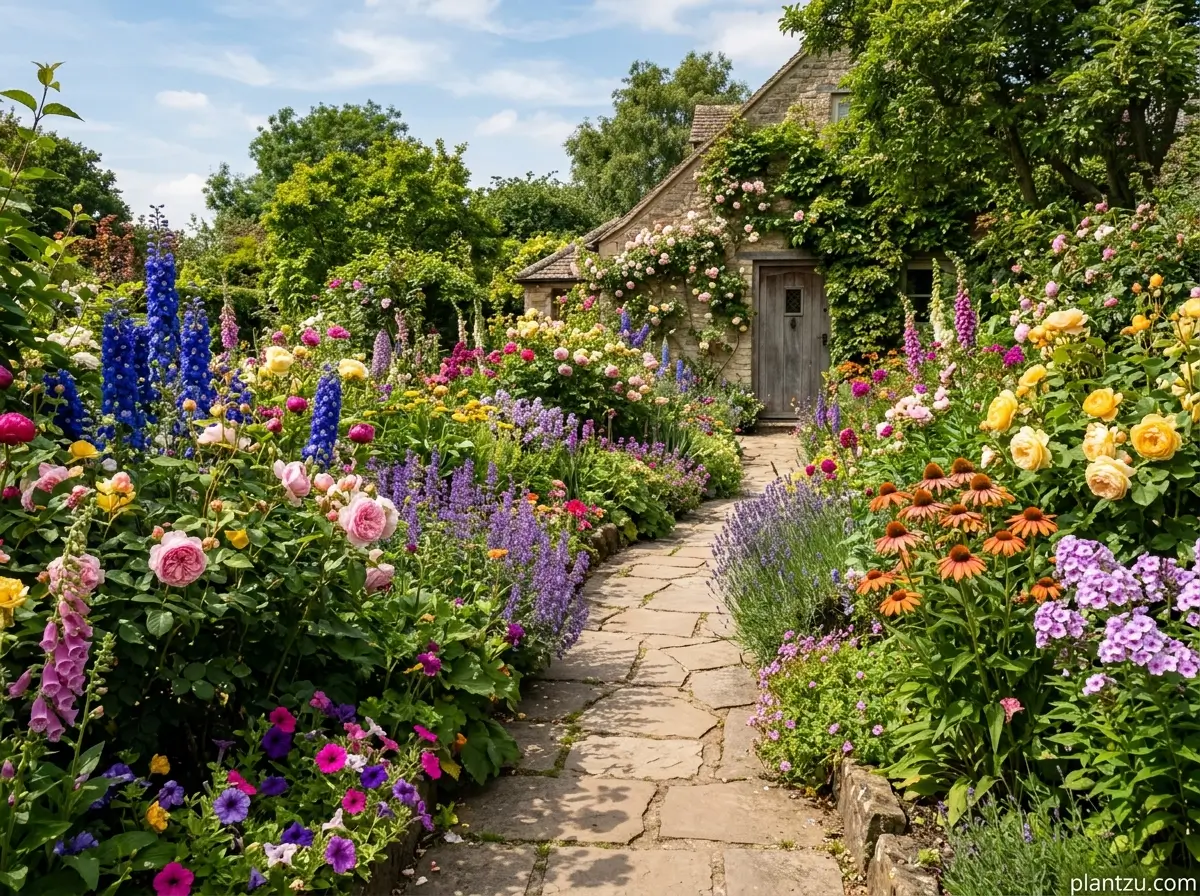
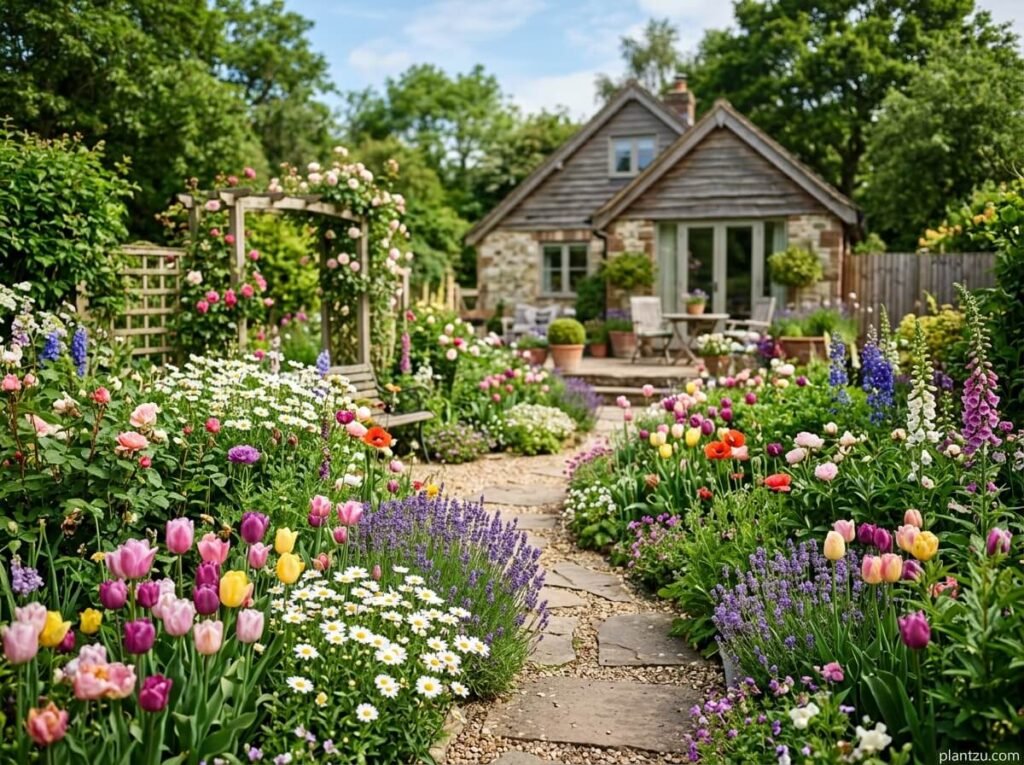
A cool color scheme uses purple, blue, lavender, white, and soft pink flowers. This creates a peaceful and elegant garden. Cool colors work beautifully near patios, backyard seating areas, and cottage-style gardens.
A monochromatic garden focuses on one color family, such as all pink flowers or all white flowers. This can look clean, modern, and sophisticated. White flower gardens are especially attractive in evening light because the blooms stand out after sunset.
You can also choose flower colors that complement your home. A white house looks beautiful with almost any flower color. A brick home pairs well with yellow, purple, white, and soft pink flowers. A gray or blue home can look stunning with white, lavender, pink, and deep purple blooms.
Mix Annuals and Perennials for Long-Lasting Color
A colorful home flower garden works best when it includes both annuals and perennials. Annuals are flowers that complete their life cycle in one growing season. They often bloom heavily and provide instant color. Popular annuals include petunias, marigolds, zinnias, impatiens, snapdragons, pansies, and geraniums.
Perennials are flowers that come back year after year. They may not bloom as long as annuals, but they provide structure and long-term value in the garden. Popular perennials include coneflowers, daylilies, hostas, salvia, black-eyed Susans, peonies, phlox, lavender, and coreopsis.
The best approach is to use perennials as the foundation of your flower garden and annuals as seasonal color boosters. Perennials give your garden consistency, while annuals fill in empty spaces and keep the garden looking bright.
For example, you might plant coneflowers, black-eyed Susans, and daylilies as your main summer perennials. Then, you can add zinnias, marigolds, or petunias around them for extra color. This combination creates a full, layered look without requiring you to redesign the garden every year.
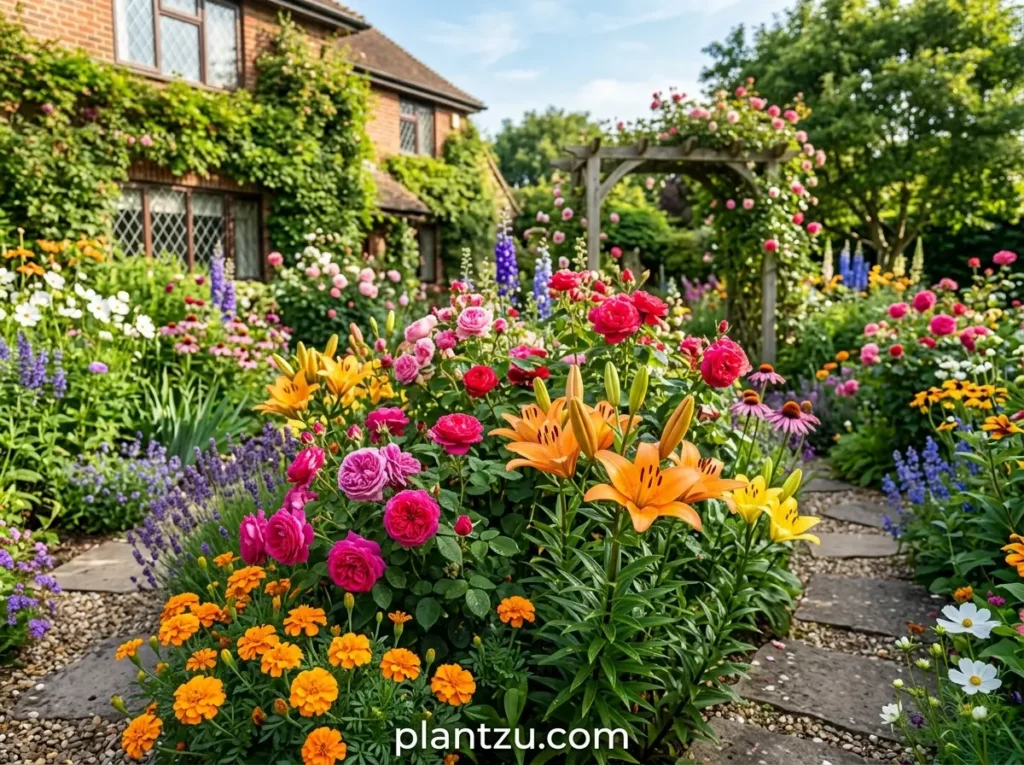
Choose Beginner-Friendly Flowers
If you are just starting out, choose flowers that are known for being easy to grow. Beginner-friendly flowers are more forgiving, more adaptable, and less likely to fail if conditions are not perfect.
Some of the easiest flowers to grow at home include marigolds, zinnias, sunflowers, petunias, pansies, cosmos, black-eyed Susans, coneflowers, daylilies, and geraniums. These flowers are popular across the United States because they offer strong color, reliable blooms, and simple care needs.
Marigolds are excellent for sunny flower beds and garden borders. They come in yellow, orange, and red tones and can bloom for a long season. Zinnias are another favorite because they grow quickly from seed and produce bright flowers in many colors. Sunflowers are perfect for adding height and drama, especially along fences or at the back of a garden bed.
Colorful Flower Garden Petunias are great for containers, hanging baskets, and flower beds. Pansies are especially useful in spring and fall because they tolerate cooler weather. Coneflowers and black-eyed Susans are durable perennials that attract pollinators and handle summer heat well in many regions.
Prepare the Soil Before Planting
Colorful Flower Garden Healthy soil is the foundation of a successful flower garden. Even the most beautiful flowers will struggle if the soil is too compacted, too sandy, too wet, or lacking nutrients. Before planting, spend time improving the soil so your flowers have the best possible start.
Start by removing weeds, rocks, and debris from the garden area. Then loosen the soil with a garden fork or shovel. This helps plant roots spread more easily and improves drainage. If your soil is heavy clay, mix in compost to improve texture and reduce compaction. If your soil is sandy, compost can help it hold moisture and nutrients.
Adding organic matter is one of the best things you can do for a flower garden. Compost improves soil structure, supports beneficial organisms, and helps plants grow stronger. You do not need to overcomplicate this step. A few inches of compost mixed into the top layer of soil can make a noticeable difference.
For container flower gardens, use a high-quality potting mix instead of yard soil. Potting mix drains better and gives container plants the lighter texture they need.
Design with Height, Texture, and Layers
A colorful flower garden looks more attractive when plants are arranged in layers. Instead of planting everything at the same height, place taller flowers in the back, medium-height flowers in the middle, and shorter flowers along the front edge.
In a flower bed against a fence, wall, or house, taller plants should usually go in the back. Medium plants go in the center, and low-growing flowers go near the front. In an island flower bed that can be viewed from all sides, taller flowers can go in the center, surrounded by shorter plants.
Height creates depth and makes the garden feel fuller. Tall flowers such as sunflowers, hollyhocks, delphiniums, and tall phlox add vertical interest. Medium-height flowers such as coneflowers, salvia, zinnias, and black-eyed Susans create the main body of the garden. Low-growing flowers such as alyssum, lobelia, creeping phlox, pansies, and calibrachoa soften the edges.
Texture also matters. Mixing different leaf shapes and flower forms makes the garden more interesting. Large round blooms, spiky flowers, delicate petals, and trailing plants all add variety. Even when certain flowers are not blooming, interesting foliage can keep the garden looking attractive.
Plan for Blooms Throughout the Season
One common mistake beginners make is planting flowers that all bloom at the same time. The garden looks beautiful for a few weeks, then fades. To keep your flower garden colorful for months, choose plants with different bloom times.
Spring flowers bring early color after winter. Tulips, daffodils, hyacinths, pansies, creeping phlox, and bleeding hearts can brighten the garden early in the year. Summer flowers provide the biggest burst of color. Zinnias, petunias, coneflowers, black-eyed Susans, daylilies, cosmos, and geraniums are excellent warm-season choices. Fall flowers extend the beauty of the garden as temperatures cool. Mums, asters, pansies, sedum, and ornamental grasses can keep your landscape colorful into autumn.
By combining spring, summer, and fall bloomers, your flower garden will feel alive throughout much of the year. This approach is especially helpful for U.S. homeowners who want a yard that looks appealing in more than one season.
Use Containers for Extra Color
Container gardening is one of the easiest ways to add flowers at home, especially if you have limited space. Pots, window boxes, hanging baskets, and railing planters can bring color to patios, balconies, porches, and entryways.
Containers are also beginner-friendly because they give you more control over soil, water, and placement. If a plant needs more sun, you can move the pot. If a color combination does not work, you can rearrange containers without digging up a garden bed.
For a full-looking container, use the classic “thriller, filler, spiller” method. A thriller is a tall or eye-catching plant placed in the center or back. A filler is a medium plant that adds fullness. A spiller trails over the edge of the pot. For example, you might combine a geranium as the thriller, petunias as the filler, and sweet potato vine as the spiller.
Containers do dry out faster than garden beds, especially during hot U.S. summers, so regular watering is important. Choosing larger pots can help because they hold moisture longer than small containers.
Water Your Flower Garden the Right Way
Watering is essential, but more water is not always better. Overwatering can cause root rot, weak growth, and disease. Underwatering can stress plants and reduce blooming. The goal is to water deeply and consistently based on your garden’s needs.
Most flower gardens do best with deep watering rather than frequent shallow watering. Deep watering encourages roots to grow downward, making plants stronger and more drought-tolerant. Early morning is usually the best time to water because plants have time to absorb moisture before the heat of the day.
Try to water the soil rather than the leaves. Wet leaves can increase the risk of fungal problems, especially in humid regions. A soaker hose or drip irrigation system can make watering easier and more efficient. For small gardens, a watering can or garden hose works fine.
Container flowers need more frequent watering than flowers planted in the ground. During hot weather, hanging baskets and small pots may need water every day.
Add Mulch for a Cleaner, Healthier Garden
Mulch is one of the simplest ways to make a flower garden easier to maintain. A layer of mulch helps retain soil moisture, reduce weeds, regulate soil temperature, and give the garden a neat finished appearance.
Organic mulches such as shredded bark, wood chips, pine straw, or compost are popular choices for flower beds. Apply mulch around your flowers, but avoid piling it directly against plant stems. Too much mulch around stems can trap moisture and cause rot.
Mulch is especially helpful in areas with hot summers because it keeps soil from drying out too quickly. It also reduces the amount of time you spend pulling weeds, which makes gardening more enjoyable.
Feed Flowers Without Overdoing It
Flowers need nutrients to produce healthy leaves and colorful blooms, but too much fertilizer can cause problems. Over-fertilizing may lead to lots of leafy growth with fewer flowers. It can also stress plants or harm the soil.
For most home flower gardens, compost and a balanced flower fertilizer are enough. Slow-release fertilizers are convenient for beginners because they feed plants gradually over time. Liquid fertilizers can also be used for annuals and container plants, especially during peak blooming season.
Always follow the instructions on the fertilizer package. More is not better. A steady, moderate feeding routine will support healthy plants and long-lasting color.
Keep Your Garden Blooming with Simple Maintenance
A colorful flower garden does require some care, but it does not need to take over your schedule. A few simple habits can keep your garden looking fresh and healthy.
Deadheading is one of the most useful maintenance tasks. This means removing faded or spent flowers so the plant can focus energy on producing new blooms. Many annuals, including zinnias, marigolds, and petunias, benefit from regular deadheading.
Weeding is also important because weeds compete with flowers for water, nutrients, and sunlight. Pulling weeds when they are small is much easier than waiting until they spread. Mulch can greatly reduce weed growth.
Pruning and trimming help keep plants shaped and prevent overcrowding. Some flowers may become leggy in midsummer, especially in containers. Light trimming can encourage fuller growth and fresh blooms.
Attract Butterflies, Bees, and Hummingbirds
A colorful flower garden becomes even more enjoyable when it attracts pollinators. Butterflies, bees, and hummingbirds bring movement and life to your outdoor space. To attract them, choose flowers rich in nectar and pollen.
Coneflowers, zinnias, bee balm, salvia, lavender, black-eyed Susans, milkweed, lantana, cosmos, and butterfly bush are popular pollinator-friendly options. Native flowers are especially valuable because they support local wildlife and are often well adapted to regional growing conditions.
Try to include a variety of flower shapes and bloom times. This gives pollinators food throughout the season. Avoid using harsh chemicals in your garden whenever possible, especially when flowers are blooming.
Create Curb Appeal with Front Yard Flowers
If your goal is to make your home look more inviting, focus on front yard flower garden ideas. A colorful flower bed near the front door can create a warm first impression. Flowers along a walkway can guide visitors toward the entrance. Window boxes and porch containers can add charm even to a small front yard.
For curb appeal, repeat colors and plant types for a more organized look. Instead of planting one of everything, use groups of the same flower. Repetition makes the garden look intentional and easier to view from the street.
Low-maintenance front yard flowers such as daylilies, salvia, coneflowers, petunias, marigolds, and ornamental grasses can provide color without constant attention. Choose plants that match your home’s style and your local climate.
Make Small Spaces Feel Full of Flowers
You do not need a large yard to create a colorful flower garden at home. Small spaces can be just as beautiful when designed thoughtfully. Balcony gardens, patio gardens, narrow side yards, and townhouse entrances can all become colorful with the right approach.
Use vertical space when ground space is limited. Hanging baskets, wall planters, trellises, railing boxes, and tiered plant stands can hold more flowers without taking up much room. Climbing flowers such as clematis, morning glories, and climbing roses can add height and charm.
Containers are especially useful in small spaces because they can be moved and rearranged. A few large pots filled with colorful flowers can have more impact than many small pots scattered around.
Avoid Common Beginner Mistakes
Colorful Flower Garden Many new gardeners make the same mistakes when starting a flower garden. One of the most common is planting too many flowers too close together. While small plants may look spaced out at first, they need room to grow. Overcrowding can reduce airflow and increase disease problems.
Another common mistake is choosing flowers based only on appearance without considering sunlight and climate. A flower that needs full sun may not bloom well in shade. A plant that dislikes heat may struggle in southern summers.
Overwatering is also a frequent issue. Beginners often water too much because they worry their plants are thirsty. Check the soil before watering. If it still feels moist, wait a little longer.
Finally, avoid trying to create a perfect garden all at once. Gardening is a learning process. Start with reliable flowers, observe what works, and improve your garden each season.
Final Thoughts
Creating a colorful flower garden at home is a simple and enjoyable way to make your outdoor space more beautiful. With the right location, beginner-friendly flowers, healthy soil, and a thoughtful color plan, you can design a garden that feels bright, welcoming, and personal.
The best Colorful Flower Gardens are not always the largest or most expensive. They are the ones that fit your home, your climate, and your lifestyle. Start small, choose flowers that match your growing conditions, and build your confidence over time. Mix annuals for instant color with perennials that return year after year. Use containers for flexibility, mulch for easier maintenance, and seasonal bloom planning for long-lasting beauty.
Whether you want to improve curb appeal, create a peaceful backyard retreat, attract butterflies, or simply enjoy fresh flowers outside your window, a home flower garden can bring lasting joy. With patience and care, your Colorful Flower Garden will become one of the most loved spaces around your home.