How to Create a Colorful Flower Garden at Home
A colorful flower garden is one of the most rewarding additions to any home. learn about indoor gardening tips Not only does it enhance your outdoor space, but it also brings joy, serenity, and a sense of accomplishment. Whether you have a small balcony, a backyard, or even just pots on your windowsill, creating a vibrant flower garden is possible for anyone, even beginners. In this guide, we’ll explore everything you need to know to design and maintain a colorful flower garden at home.
1. Plan Your Garden Layout
Before planting, it’s essential to plan your garden layout. Consider the available space, sunlight, and watering options. Decide whether you want a formal garden with structured patterns or a more casual, natural look with random bursts of color.
- Sunlight Assessment: Observe how much sun each area of your garden receives. Most flowers need at least 6 hours of sunlight per day.
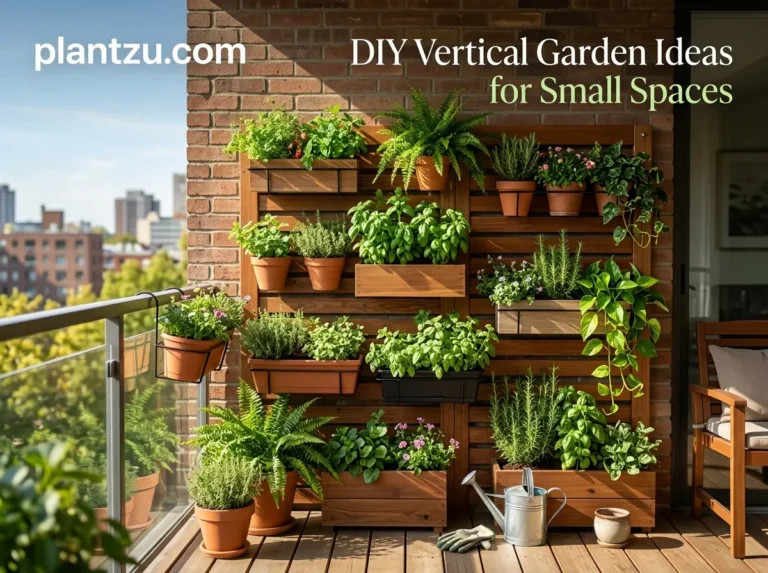
- Garden Beds and Pots: Decide if you want raised beds, flower borders, or container gardens. Container gardening is perfect for small spaces.
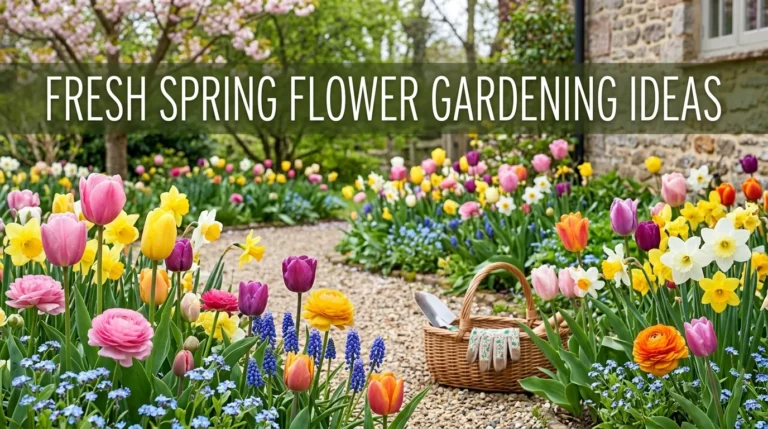
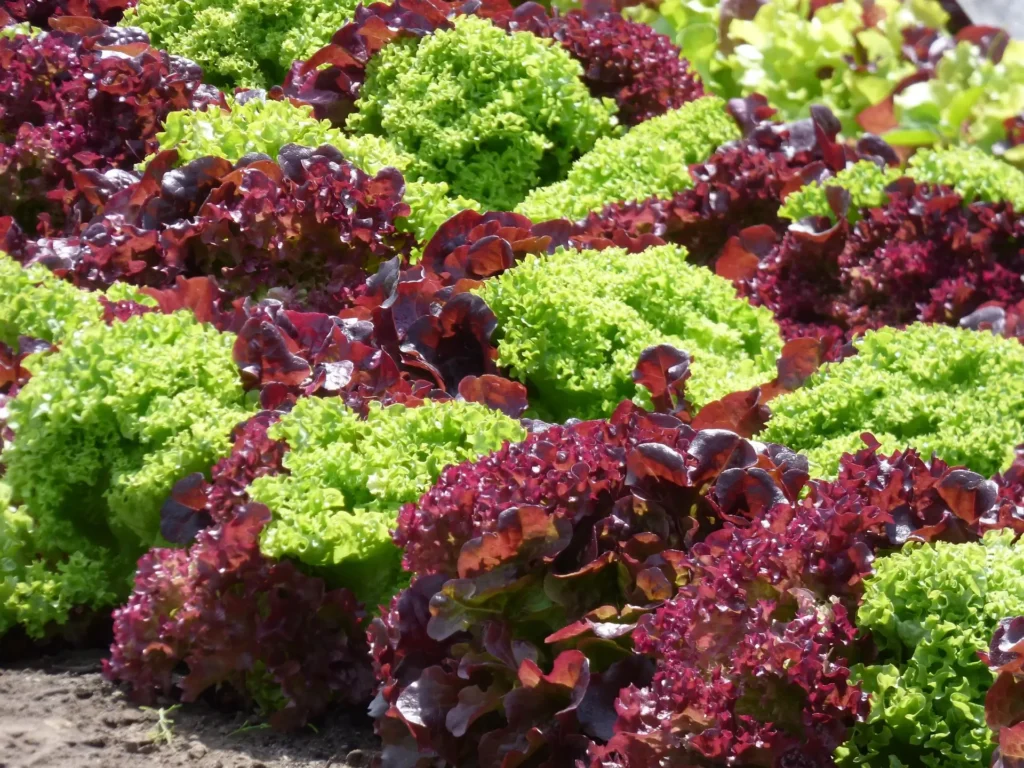
- Color Scheme: Choose a color palette for your garden. Combining complementary colors like purple and yellow or creating a rainbow effect with multiple flower colors adds visual interest.
2. Choose the Right Flowers
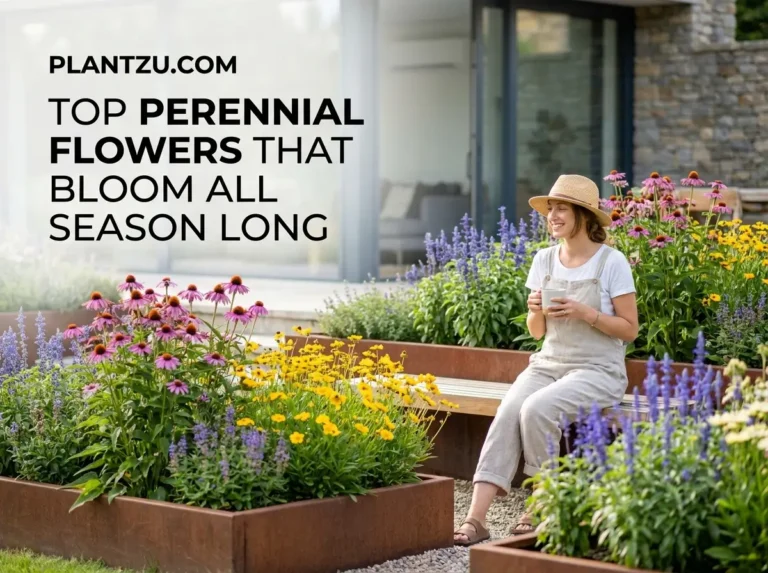
The flowers you choose are the heart of your garden. To ensure your garden is colorful year-round, select a mix of flowers with different blooming periods and colors.
- Annuals: Flowers like marigolds, petunias, and zinnias bloom all season and provide instant color.
- Perennials: Flowers such as coneflowers, daylilies, and lavender return each year, giving lasting beauty.
- Bulbs: Plant tulips, daffodils, and hyacinths for spring bursts of color.
- Climbers: Clematis and morning glories add height and vertical interest to fences or trellises.
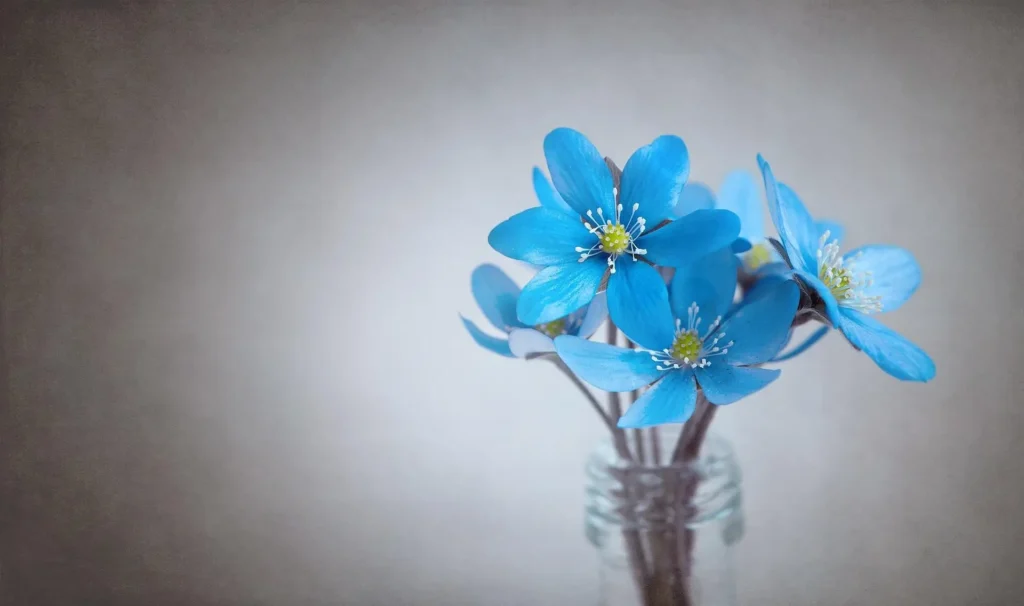
Tip: Plant flowers with varying heights to create layers and depth. Place taller plants at the back and shorter ones at the front of your garden beds.
3. Prepare the Soil Properly
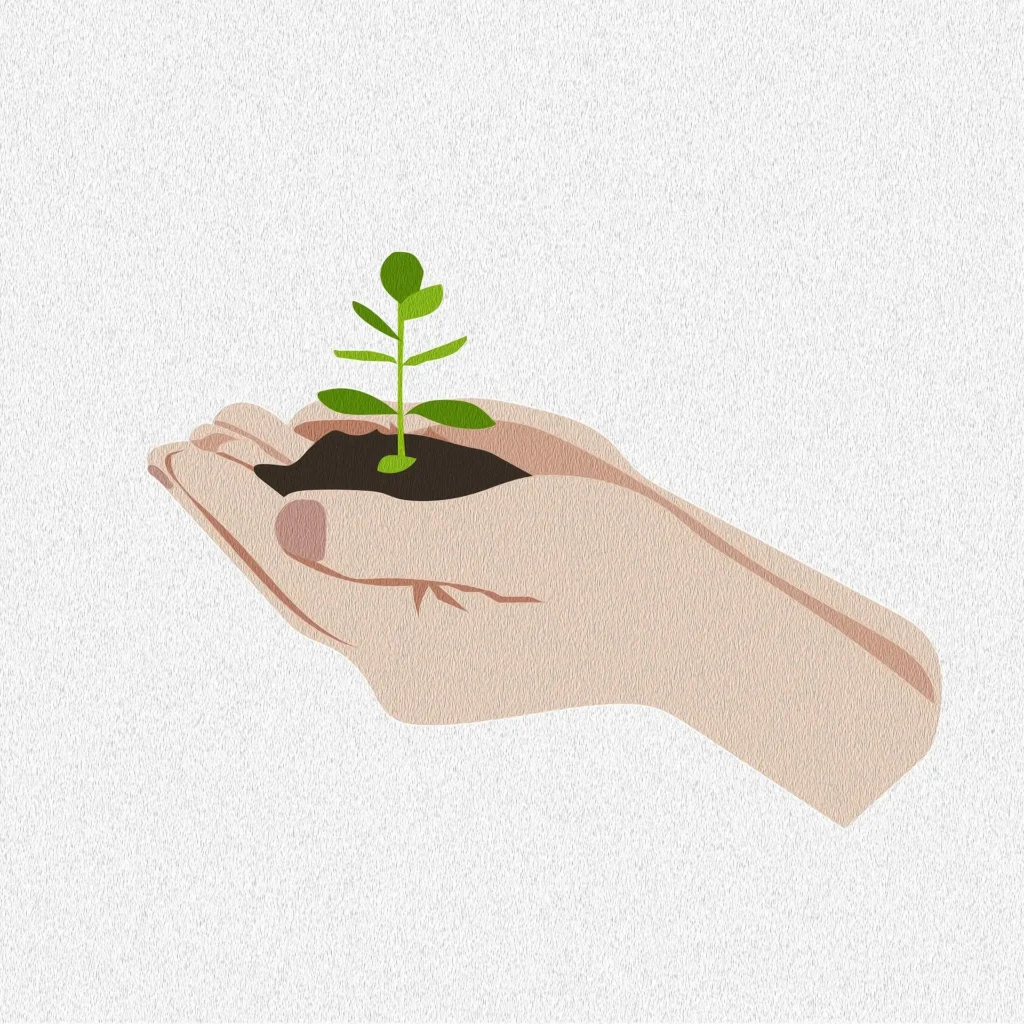
Healthy soil is the foundation of a thriving flower garden. Without nutrient-rich soil, your flowers may struggle to grow or bloom.
- Test the Soil: Check pH levels and nutrient content. Most flowers thrive in slightly acidic to neutral soil (pH 6.0–7.0).
- Add Compost: Organic compost improves soil fertility, texture, and water retention.
- Ensure Proper Drainage: Flowers don’t like “wet feet,” so make sure the soil drains well. Raised beds or amended garden soil can prevent waterlogging.
4. Plant Strategically
Planting is more than just putting flowers in the ground. Strategic planting ensures your garden thrives and looks visually stunning.
- Grouping: Plant flowers in clusters of three or more for a bold splash of color.
- Bloom Time Planning: Mix early, mid, and late-season bloomers for continuous color.
- Spacing: Follow recommended spacing to allow airflow and reduce disease risk. Crowding plants can lead to stunted growth.
5. Watering and Fertilization
Proper watering and fertilization keep your flower garden lush and colorful.
- Watering: Water early in the morning or late in the evening to reduce evaporation. Deep watering encourages strong root growth.
- Fertilization: Use a balanced, slow-release fertilizer to promote blooms. Organic options like compost tea or fish emulsion are also effective.
6. Mulching for Healthy Plants
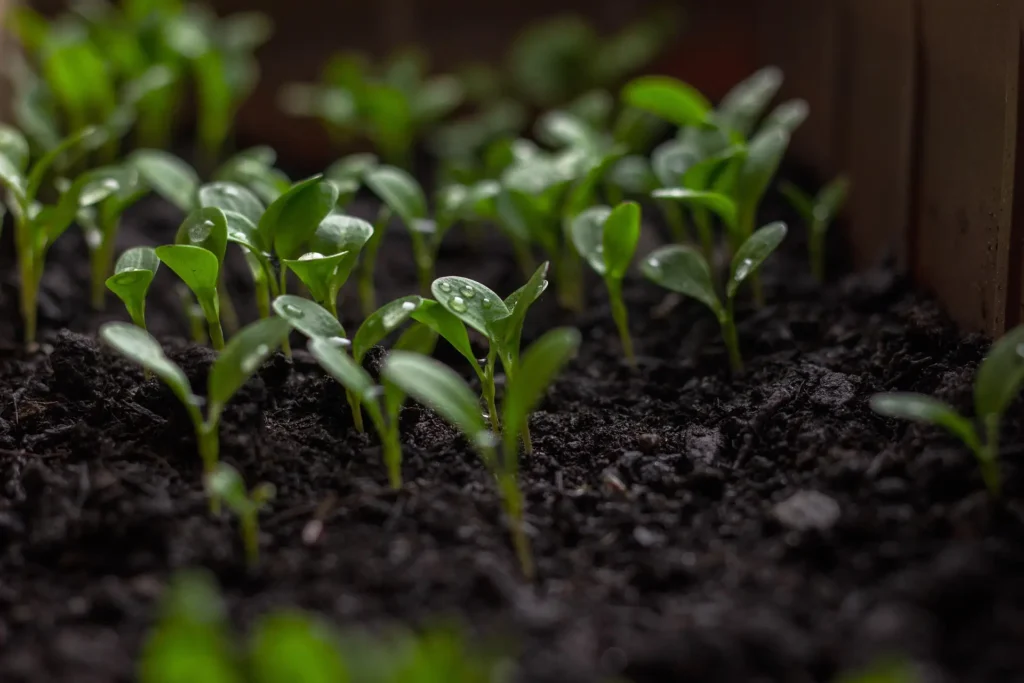
Mulching is a simple step that makes a big difference in flower gardening.
- Retain Moisture: Mulch reduces water loss from soil and keeps roots cool.
- Suppress Weeds: A 2–3 inch layer of organic mulch like wood chips or straw keeps weeds at bay.
- Improve Soil: As mulch decomposes, it enriches the soil with nutrients.
7. Pest and Disease Management
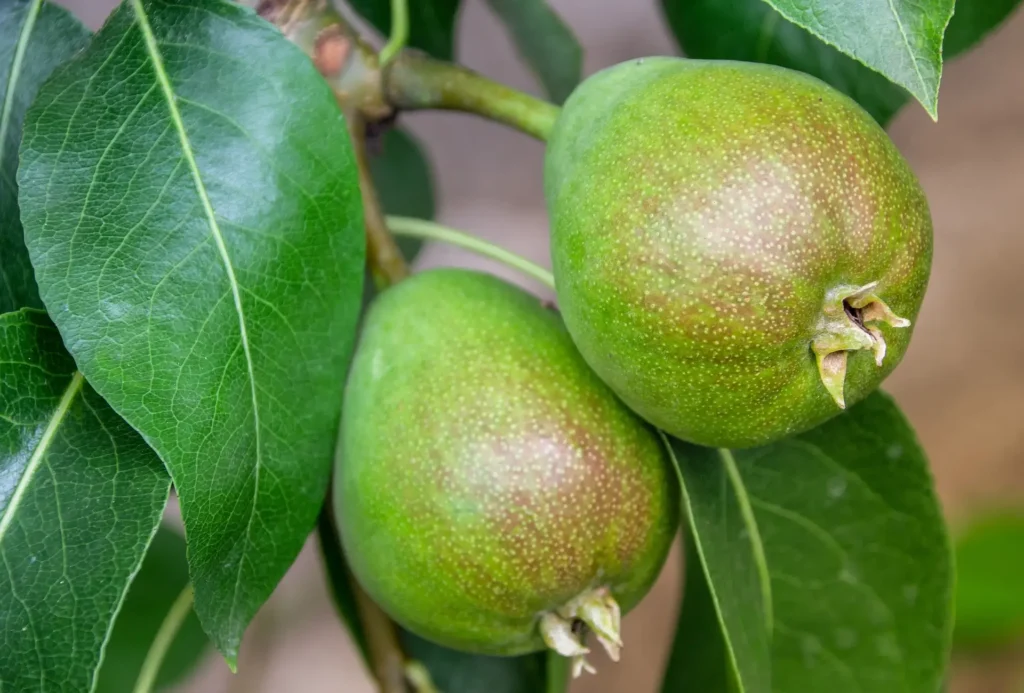
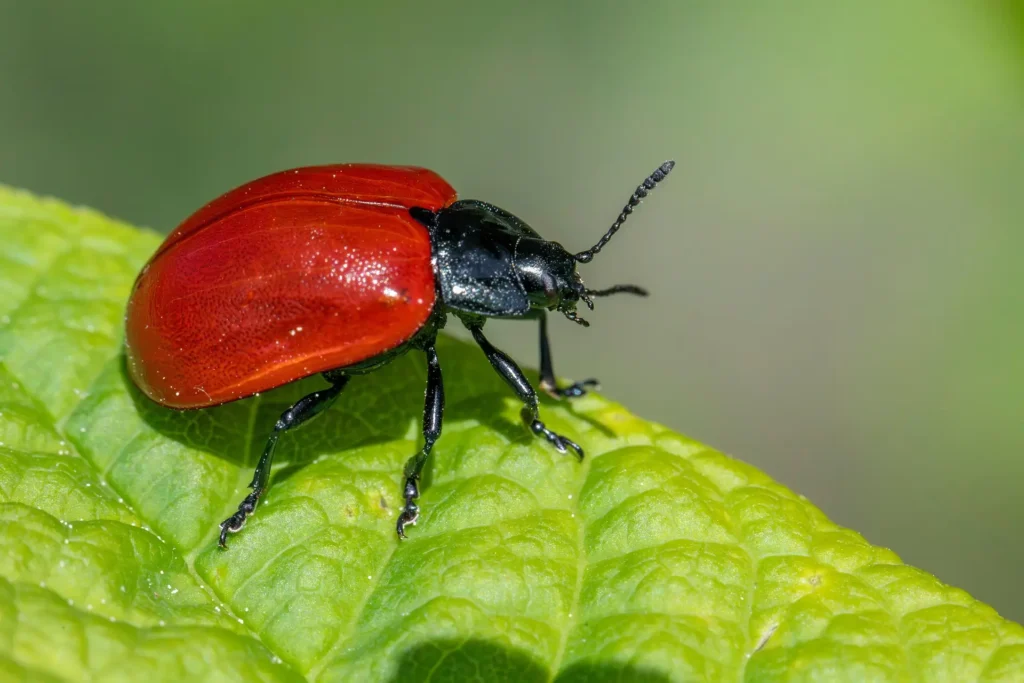
Even a beautiful garden can face threats from pests and diseases. Early detection and natural remedies are key.
- Common Pests: Aphids, slugs, and spider mites are frequent garden visitors. Introduce beneficial insects like ladybugs or use neem oil sprays.
- Disease Prevention: Avoid overhead watering and ensure proper spacing for airflow to reduce fungal infections.
- Regular Monitoring: Inspect your flowers weekly to catch problems early.
8. Add Accessories for Extra Charm
Accessories like garden lights, decorative pots, and small garden statues enhance the beauty of your colorful flower garden.
- Pathways: Use stones or gravel to create walking paths that also highlight your flower beds.
- Containers: Mix and match pots in different sizes and colors to add visual interest.
- Vertical Elements: Trellises, arches, and hanging baskets add height and dimension.

9. Seasonal Care Tips
Maintaining a flower garden year-round requires attention to seasonal changes.
- Spring: Plant new flowers, prune dead stems, and add mulch.
- Summer: Water frequently, deadhead spent flowers, and monitor pests.
- Autumn: Remove dead plants, harvest seeds, and prepare bulbs for next spring.
- Winter: Protect perennials with mulch and consider indoor planting for frost-sensitive flowers.
10. Enjoy and Share Your Garden
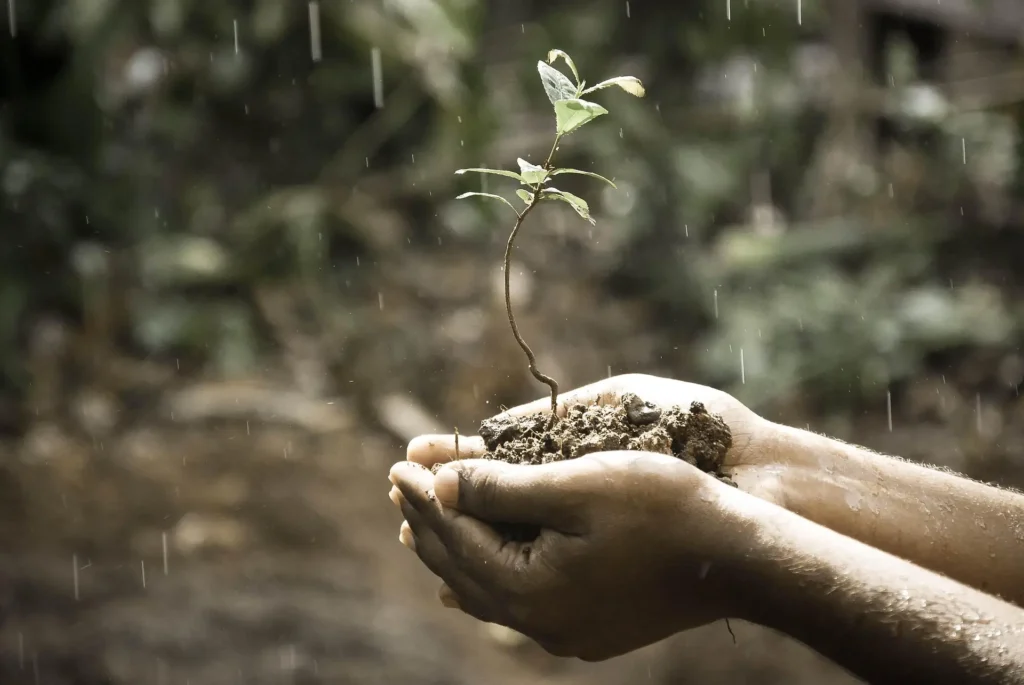
A colorful flower garden isn’t just for looks; it’s a source of joy and relaxation. Invite friends over, take photos, or even start a garden journal to track your plant growth and blooming patterns. Engaging with your garden daily helps you notice subtle changes and ensures your plants remain healthy.
Conclusion
Creating a colorful flower garden at home is easier than it seems. By carefully planning your layout, choosing the right flowers, preparing healthy soil, and maintaining proper care, you can transform any space into a vibrant floral haven. Remember, gardening is a journey, and each flower you plant adds beauty and life to your surroundings. Start small, experiment with colors, and enjoy watching your garden flourish season after season.
Your dream garden is just a few steps away – grab your seeds, soil, and pots today, and bring a burst of color to your home!