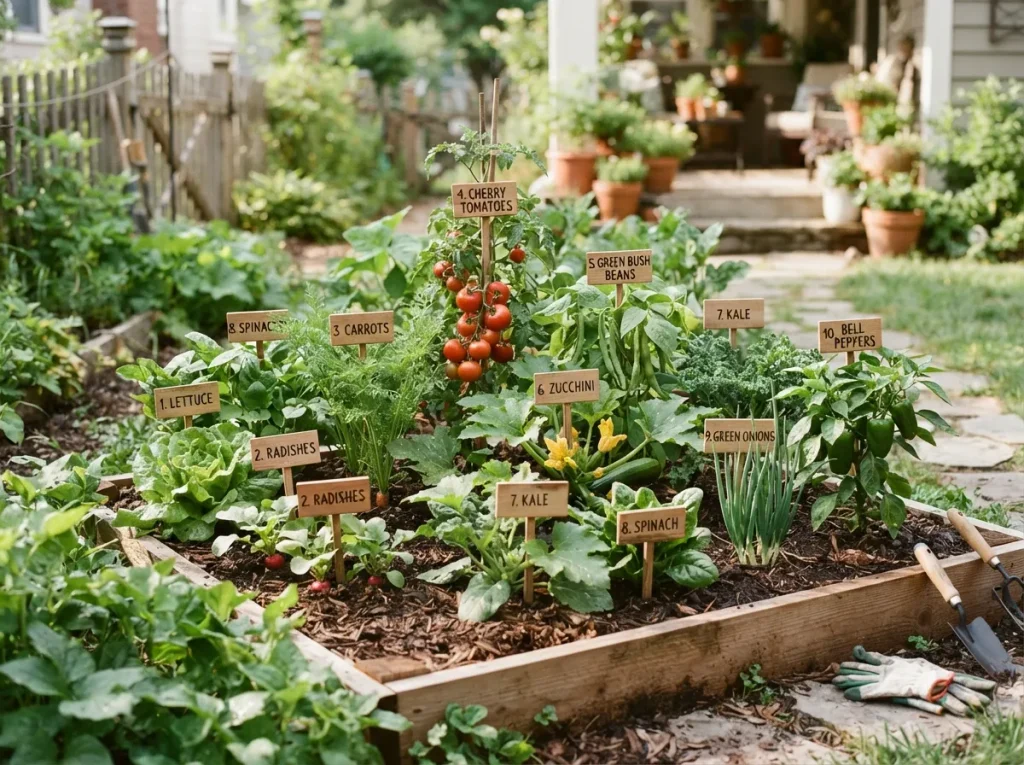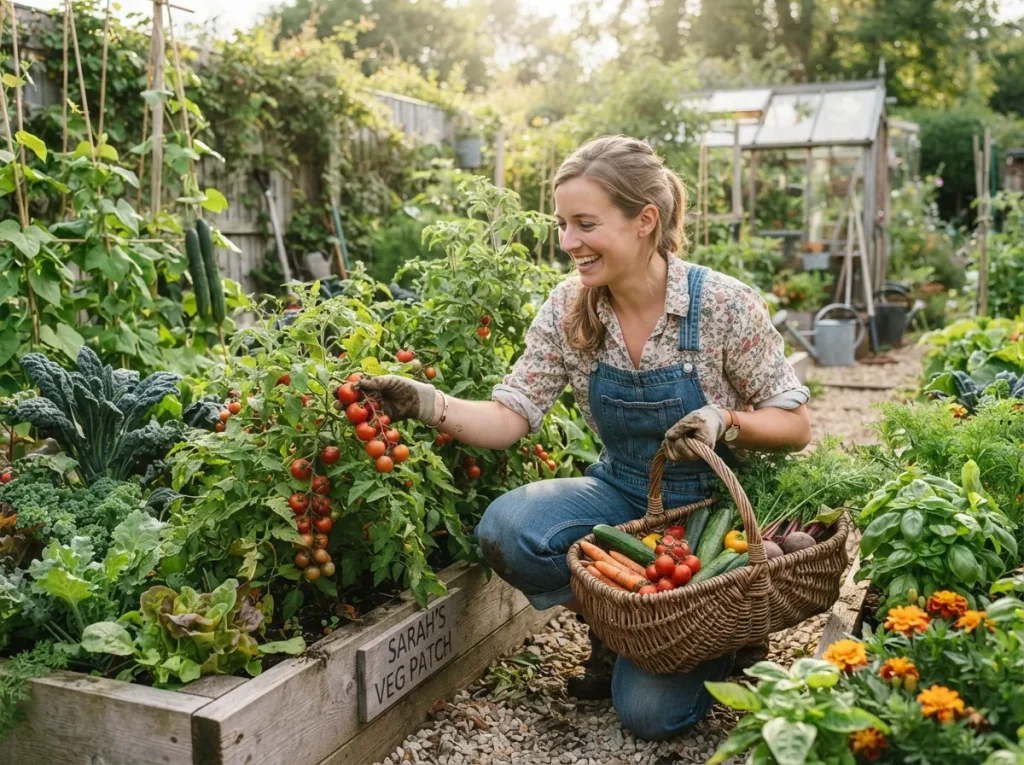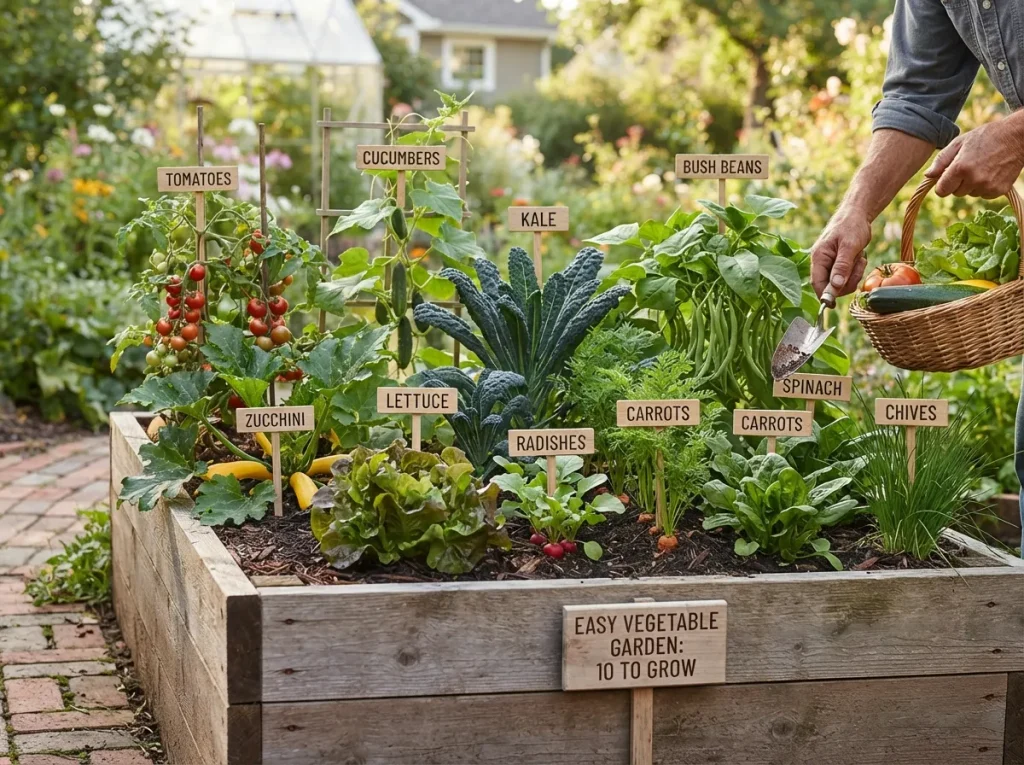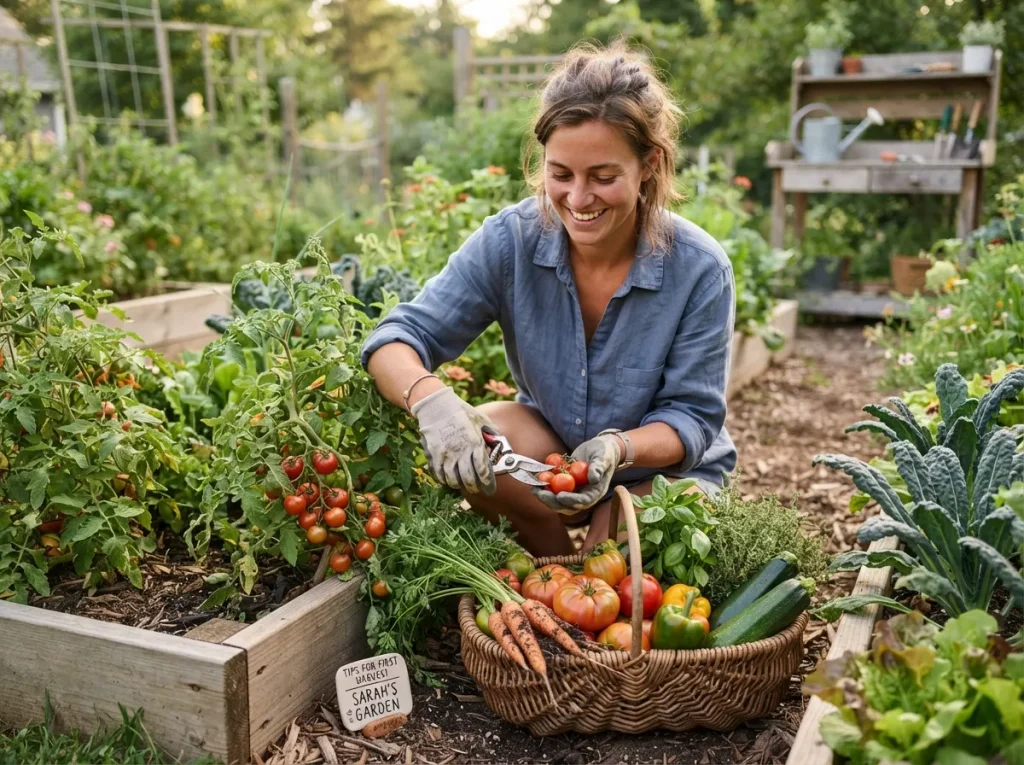
10 Easy Vegetables to Grow Even for Beginners
Easy Vegetables to Grow your own vegetables may sound intimidating at first, especially if you have never planted anything beyond a houseplant or a small herb pot on the kitchen windowsill. Many beginners imagine gardening as something that requires acres of land, expensive tools, perfect soil, and years of experience. The truth is much more encouraging. With the right vegetable choices and a simple plan, almost anyone can grow fresh food at home.
Across the United States, more people are turning to beginner vegetable gardening as a practical, healthy, and rewarding hobby. Some want to save money on groceries. Others want fresher ingredients, fewer trips to the store, or a relaxing outdoor activity that helps them unplug from daily stress. Whether you live in a suburban home with a backyard, a townhouse with a patio, or an apartment with a sunny balcony, there are plenty of easy vegetables to grow even if you are just getting started.
The best vegetables for beginners are forgiving. They grow quickly, adapt to different spaces, and do not require constant attention. Many can be grown in raised beds, containers, grow bags, or traditional garden rows. You do not need to become a master gardener overnight. You simply need to start with crops that give you a good chance of success.
This guide covers 10 easy vegetables to grow for beginners, along with practical tips on sunlight, watering, planting, harvesting, and avoiding common mistakes. By the end, you will have a clear idea of which vegetables to plant first and how to build confidence as a new gardener.
Why Start a Beginner Vegetable Garden?
A beginner vegetable garden offers more than fresh produce. It gives you a hands-on connection to your food. When you harvest lettuce for a salad, pull carrots from the soil, or pick tomatoes from the vine, you experience food in a completely different way. Vegetables from your own garden often taste fresher because they can be harvested at peak ripeness instead of traveling long distances before reaching a grocery store shelf.
Gardening can also help families spend more time outdoors. For many U.S. households, especially those with children, growing vegetables becomes an educational activity. Kids learn patience, responsibility, and where food comes from. Adults benefit too. Even a small garden can offer stress relief, gentle exercise, and a sense of accomplishment.
Easy Vegetables to Grow Another major advantage is control. When you grow your own vegetables, you decide what goes into your soil and onto your plants. You can choose organic methods, avoid unnecessary chemicals, and harvest exactly what you need. Even if your garden only produces a few meals each week, the satisfaction is worth it. Read a Create a Colorful Flower Garden at Home.

What Makes a Vegetable Easy to Grow?
Not all vegetables are equally beginner-friendly. Some crops require long growing seasons, precise timing, pest control, or special care. Easy vegetables usually share a few qualities. They germinate reliably, grow well in common U.S. climates, tolerate small mistakes, and produce a harvest without complicated maintenance.
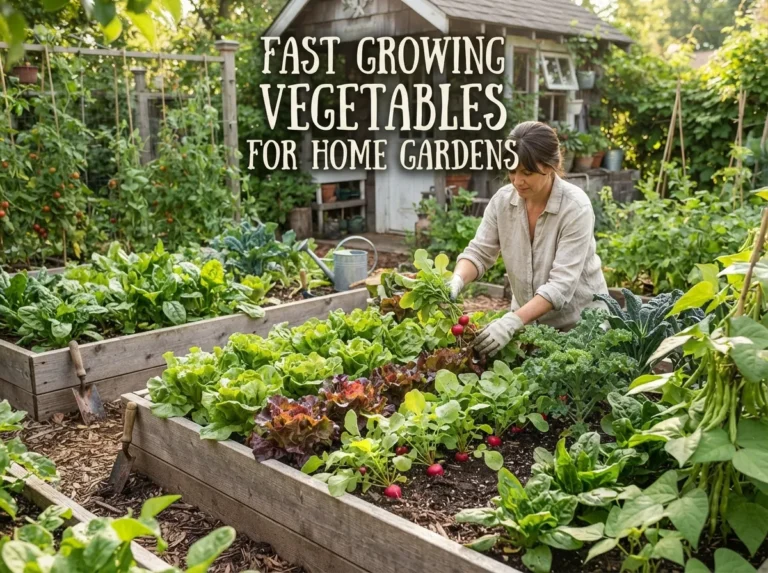
Fast-growing vegetables are especially rewarding for beginners because they provide visible progress. Radishes, lettuce, spinach, and green beans can produce results quickly, which helps keep motivation high. Vegetables that grow well in containers are also excellent choices because they allow gardeners to start small.
Before choosing what to plant, think about your space, sunlight, and local climate. Most vegetables need at least six hours of direct sunlight per day. Some leafy greens can handle partial shade, especially in warmer areas. If you live in the northern United States, your growing season may be shorter, while gardeners in southern states may need to protect cool-season crops from intense heat. The good news is that the vegetables in this guide are flexible enough for many regions.
1. Lettuce
Lettuce is one of the easiest vegetables to grow for beginners because it grows quickly, does not need much space, and can be harvested multiple times. It is perfect for raised beds, containers, window boxes, and small backyard gardens. If you want a vegetable that gives fast results, lettuce is a great place to start.
There are many types of lettuce, including romaine, butterhead, loose-leaf, and crisphead. Loose-leaf lettuce is often the best choice for new gardeners because it grows fast and allows repeated harvesting. Instead of pulling the whole plant, you can cut outer leaves and let the center keep growing.
Lettuce prefers cooler weather, making it ideal for spring and fall gardens in most parts of the United States. In warmer states, lettuce grows best during mild seasons because summer heat can cause it to bolt, which means it sends up a flower stalk and becomes bitter. To extend your harvest, plant lettuce in partial shade when temperatures rise.
The soil should stay evenly moist but not soggy. Lettuce has shallow roots, so it benefits from regular light watering. If you are growing lettuce in containers, check the soil often because pots dry out faster than garden beds. A simple container with drainage holes and good potting mix is usually enough.
Lettuce can be ready to harvest in as little as 30 days, depending on the variety. This quick turnaround makes it one of the most satisfying beginner garden vegetables. You can use it in salads, sandwiches, wraps, tacos, and homemade bowls.
2. Radishes
Radishes are famous for being one of the fastest vegetables to grow. Many varieties are ready to harvest in three to four weeks, which makes them ideal for impatient beginners who want quick success. They are also compact, making them a smart choice for small gardens and containers.
Radishes grow best in cool weather, especially spring and fall. They prefer loose soil because the edible root needs room to expand. If your soil is heavy clay or rocky, grow radishes in a raised bed or container with loose potting mix. This helps them form smooth, round roots instead of becoming misshapen.
Plant radish seeds directly in the soil. They do not need to be started indoors. Because the seeds are fairly easy to handle, radishes are also a good crop for children to plant. Once seedlings appear, thin them so each plant has enough space. Crowded radishes may grow lots of leaves but small roots.
Water consistently to keep the roots crisp and mild. Dry soil can make radishes tough or spicy. Harvest them when they reach the recommended size for the variety. Waiting too long can make them woody or overly sharp in flavor.
Radishes are not just for salads. They can be roasted, pickled, sliced into tacos, added to sandwiches, or served with butter and salt. Their fast growth also makes them useful for marking rows of slower-growing vegetables like carrots.
3. Green Beans
Green beans are productive, reliable, and beginner-friendly. They grow well in many areas of the United States and produce a generous harvest from a relatively small space. There are two main types: bush beans and pole beans. Bush beans grow in compact plants and do not usually need support. Pole beans climb and require a trellis, fence, or garden stake.
For beginners, bush beans are often the easiest option. They are simple to plant, easy to care for, and usually mature faster than pole beans. However, pole beans are excellent if you have limited ground space because they grow vertically.
Green beans need warm soil, so plant them after the danger of frost has passed. They like full sun and well-drained soil. Seeds can be planted directly in the garden, and they usually sprout quickly in warm conditions. Avoid overwatering because beans do not like soggy soil.
One reason green beans are great for beginners is that they improve with regular harvesting. The more often you pick mature beans, the more the plant is encouraged to keep producing. Harvest when pods are firm and crisp but before the seeds inside become too large.
Fresh green beans can be steamed, sautéed, roasted, added to casseroles, or frozen for later use. Their productivity makes them one of the most rewarding vegetables for new gardeners.
4. Tomatoes
Tomatoes are one of the most popular vegetables to grow at home, even though botanically they are fruits. For many beginners, tomatoes are the crop that makes gardening exciting. A homegrown tomato picked at peak ripeness can taste sweeter, juicier, and more flavorful than many store-bought options.
Tomatoes need full sun, warm weather, and consistent watering. They grow best after all danger of frost has passed. Most beginners have the best success by buying young tomato plants from a local garden center instead of starting from seed. This saves time and gives you a stronger start.
There are many tomato varieties, but cherry tomatoes are especially beginner-friendly. They mature quickly, produce heavily, and are less likely to have problems than some large slicing tomatoes. Patio and dwarf varieties are great for containers, while larger indeterminate tomatoes need cages, stakes, or trellises.
Consistent watering is important. If tomato plants receive too much water at once after drying out, the fruit can crack. Mulch around the base of the plant helps keep soil moisture even and reduces weeds. Water at the base rather than over the leaves to lower the risk of disease.
Tomatoes can be used in salads, sauces, sandwiches, salsa, pasta, soups, and countless summer recipes. Because they are so versatile, they are a favorite in American home gardens from coast to coast.
5. Zucchini
Zucchini is one of the easiest vegetables to grow if you have enough space. It grows fast, produces heavily, and can give you more harvest than expected from just one or two plants. In fact, many gardeners joke that the biggest challenge with zucchini is figuring out what to do with all of it.
Zucchini is a warm-season vegetable, so plant it after the soil has warmed and frost risk is gone. It needs full sun and rich, well-drained soil. Because zucchini plants can become large, give them plenty of room to spread. If your space is limited, look for compact bush varieties or grow them in a large container.
The plants produce large yellow flowers before the fruit appears. Bees and other pollinators help zucchini develop, so a garden that attracts pollinators will usually produce better. If flowers appear but fruit does not form, poor pollination may be the issue.
Zucchini grows quickly once fruit begins forming. Check plants often because small zucchini can become oversized almost overnight. Harvest when they are tender, usually around six to eight inches long. Larger zucchini can still be used for baking, but smaller ones usually have better texture and flavor.
You can grill zucchini, roast it, sauté it, spiralize it into noodles, bake it into bread, or add it to soups and casseroles. Its mild flavor makes it one of the most flexible vegetables for home cooking.

6. Cucumbers
Cucumbers are another easy vegetable for beginners, especially if you enjoy fresh salads, pickles, or crunchy snacks. They grow quickly in warm weather and can be highly productive with basic care. Like zucchini, cucumbers need full sun, warm soil, and consistent watering.
There are slicing cucumbers, pickling cucumbers, and compact varieties for containers. Vining cucumbers grow best with a trellis, which saves space and keeps the fruit cleaner. Bush cucumbers are better for small gardens or patios.
Cucumbers have shallow roots, so they need steady moisture. If they experience drought stress, the fruit may become bitter. Mulching around the plants helps keep moisture consistent. Watering at the base is best because wet leaves can encourage disease.
Harvest cucumbers when they are firm and the right size for the variety. Do not let them become oversized and yellow on the vine, because that can slow production. Frequent harvesting encourages the plant to keep growing more fruit.
Cucumbers are refreshing and easy to use in everyday meals. They can be sliced into salads, added to sandwiches, blended into cold soups, infused into water, or turned into homemade pickles.
7. Carrots
Carrots are a classic beginner vegetable, especially for gardeners who enjoy the surprise of pulling a bright orange root from the ground. They are not difficult to grow, but they do need loose soil and patience. If the soil is compacted, rocky, or heavy, carrots may become short, twisted, or forked.
For best results, plant carrot seeds directly outdoors in loose, well-drained soil. Raised beds and deep containers work especially well. Carrot seeds are tiny, so it is easy to plant them too close together. Once the seedlings grow, thin them carefully so each carrot has room to develop.
Carrots prefer cooler weather and are commonly grown in spring and fall. In many parts of the United States, fall-grown carrots become sweeter after light frost. They need consistent moisture during germination, which can take longer than some other vegetables. Keep the soil surface damp until seedlings appear.
One helpful beginner tip is to cover newly planted carrot seeds with a light layer of fine soil or compost and water gently. Strong watering can wash seeds away. Once carrots are growing, keep weeds under control because young carrot seedlings do not compete well.
Harvest time depends on the variety. Some small carrots mature quickly, while larger types take longer. Carrots can be eaten fresh, roasted, steamed, shredded into salads, added to soups, or used in baked goods.
8. Spinach
Spinach is a nutritious, fast-growing leafy green that works well for beginners. It grows best in cool weather, making it ideal for spring and fall planting. In warm climates, spinach may perform better during winter or early spring because hot weather can cause it to bolt.
Spinach does not require a lot of space. It can be grown in garden beds, containers, and even small balcony planters. Like lettuce, spinach has shallow roots and appreciates regular moisture. Dry soil can cause stress and reduce leaf quality.
Plant spinach seeds directly in the soil or start with young plants from a garden center. Give the plants enough space for good airflow. Spinach grows well in full sun during cool weather, but in warmer regions, light afternoon shade can help extend the harvest.
You can harvest spinach by cutting outer leaves while allowing the center to keep growing. This cut-and-come-again method provides multiple harvests from the same plant. Baby spinach leaves are tender and excellent for salads, while larger leaves are great for cooking.
Spinach is easy to include in everyday meals. Add it to omelets, smoothies, pasta, soups, sandwiches, wraps, and stir-fries. Because it grows quickly and is highly useful in the kitchen, it deserves a place in any beginner vegetable garden.
9. Peppers
Peppers are a colorful and rewarding crop for beginner gardeners, especially in warm, sunny locations. Both sweet peppers and hot peppers can be grown at home, but beginners often find smaller pepper varieties easier and more productive than large bell peppers.
Peppers need warm weather and full sun. Like tomatoes, they are usually easiest to grow from starter plants rather than seeds. Plant them outdoors after frost danger has passed and nighttime temperatures are consistently mild. They grow well in garden beds and containers, making them a good choice for patios and small spaces.
Consistent watering helps peppers develop properly, but the soil should not stay soggy. A container with drainage holes is essential if you are growing peppers in pots. Mulch can help regulate moisture and protect roots during hot summer weather.
Peppers may take some time to produce, but once they begin, they can continue for weeks. Many peppers can be harvested green or left on the plant to ripen to red, yellow, orange, or purple depending on the variety. The flavor often becomes sweeter or more complex as peppers mature.
Use homegrown peppers in fajitas, salads, stir-fries, soups, omelets, sauces, and grilled dishes. Hot peppers can also be dried, pickled, or turned into homemade hot sauce.
10. Kale
Kale is one of the most dependable vegetables for beginners. It is hardy, nutritious, and more tolerant of cold than many other crops. In fact, kale often tastes sweeter after cool weather. It can be grown in spring, fall, and even winter in some parts of the United States.
Kale grows well in garden beds and containers. It prefers full sun in cool weather but can tolerate partial shade, especially in warmer climates. Like other leafy greens, it benefits from consistent moisture and fertile soil.
One reason kale is beginner-friendly is that it can be harvested over a long period. Instead of pulling up the entire plant, remove the lower outer leaves and let the center continue growing. This provides repeated harvests from the same plant.
Kale is also fairly resilient. It can handle temperature changes better than delicate greens and is less likely to fail from minor mistakes. However, gardeners should watch for common pests like cabbage worms. Checking the undersides of leaves regularly can help catch problems early.
Kale can be used in salads, soups, smoothies, pasta dishes, sautés, and baked kale chips. Its strong nutritional reputation and long harvest window make it a smart choice for beginner gardeners who want steady results.

How to Choose the Best Vegetables for Your Space
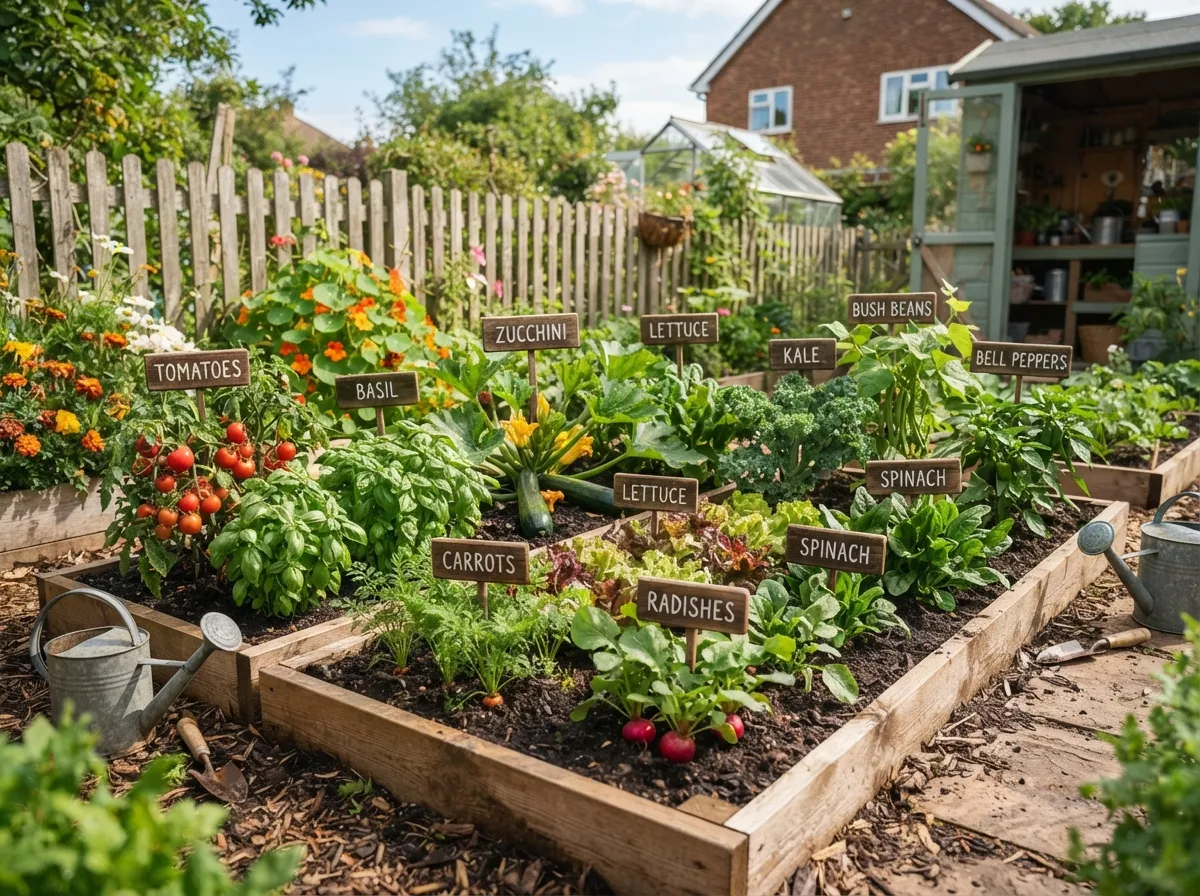
The easiest vegetables for your garden depend on where you live and how much space you have. If you have a sunny backyard, you can grow almost everything on this list. If you have a patio or balcony, focus on container-friendly crops like lettuce, radishes, spinach, peppers, cherry tomatoes, bush beans, and compact cucumbers.
Sunlight is the most important factor. Fruiting vegetables like tomatoes, peppers, cucumbers, zucchini, and beans need plenty of direct sun. Leafy greens like lettuce, spinach, and kale can handle a little less light, especially in hot regions.
Also consider how much time you want to spend gardening. If you want very quick results, plant radishes, lettuce, and spinach. If you want big summer harvests, choose tomatoes, zucchini, cucumbers, and beans. If you want crops that can handle cooler weather, grow kale, carrots, spinach, lettuce, and radishes.
Basic Supplies for a Beginner Vegetable Garden
You do not need a shed full of tools to start growing vegetables. Most beginners can start with a few essentials: quality soil or potting mix, containers or a small garden bed, seeds or starter plants, a watering can or hose, and simple hand tools. If you are growing in containers, drainage holes are a must.
Good soil makes a major difference. For raised beds, use a blend made for vegetable gardening. For pots, use potting mix rather than regular garden soil, which can compact in containers. Compost can improve soil quality and support healthy plant growth.
Starter plants are useful for crops like tomatoes, peppers, and sometimes kale. Seeds are usually best for radishes, carrots, beans, lettuce, spinach, cucumbers, and zucchini because they sprout easily when planted directly.
Common Beginner Gardening Mistakes to Avoid
Beginner gardeners often make the same few mistakes, and most are easy to fix. One of the biggest is planting too much at once. A large garden can quickly become overwhelming. It is better to start small and expand as you gain confidence.
Overwatering is another common issue. Many new gardeners water every day because they want to help their plants, but soggy soil can damage roots. A better approach is to check the soil. If the top inch feels dry, it may be time to water. If it still feels moist, wait.
Planting at the wrong time can also cause frustration. Warm-season crops like tomatoes, peppers, cucumbers, zucchini, and beans should not be planted outdoors before frost danger is gone. Cool-season crops like lettuce, spinach, kale, carrots, and radishes may struggle in hot summer weather.
Crowding plants is another problem. Tiny seedlings may look harmless, but mature plants need room for roots, airflow, and sunlight. Following spacing recommendations helps prevent disease and improves harvest quality.