Cottage Garden Plant Ideas for a Charming and Cozy Space
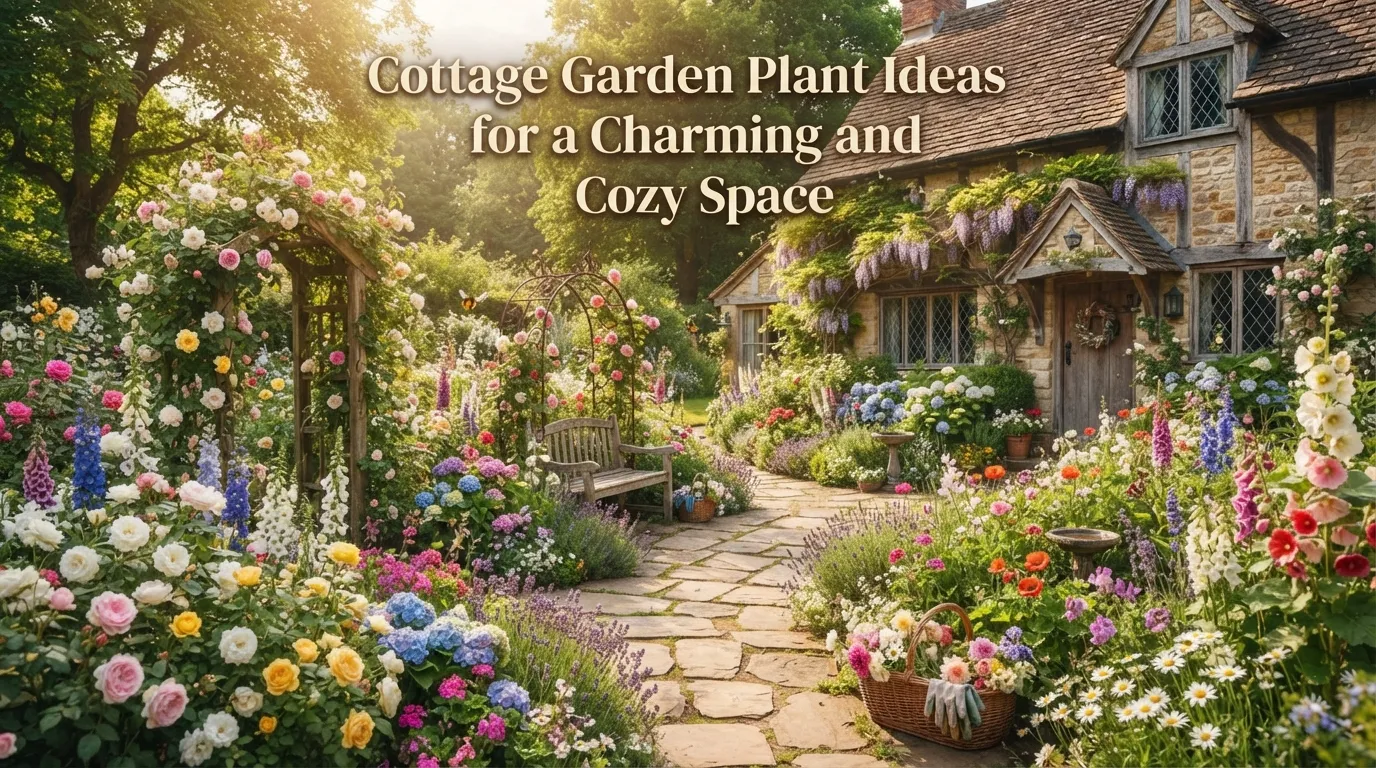
Imagine stepping into a garden that feels like a warm hug. A place bursting with color, fragrance, and a touch of wild beauty. That’s the magic of a cottage garden. It’s not about perfect rows or manicured lawns. It’s about charm, comfort, and a relaxed, natural feel. If you’re dreaming of creating your own little piece of paradise, you’ve come to the right place. We’ll explore some wonderful cottage garden plant ideas to get you started.
What Exactly is a Cottage Garden?
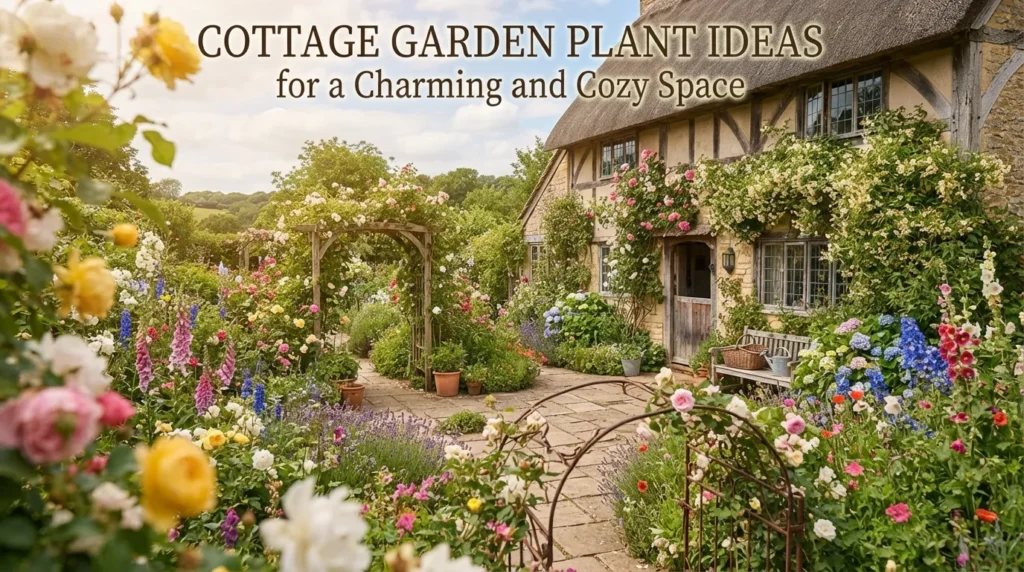
A cottage garden started centuries ago in England. It was often the space around a small cottage. People grew what they needed, like vegetables and herbs. They also grew flowers for beauty and to cut for their homes. The style is informal and abundant. Plants spill over paths and mingle together. It looks a bit wild, but it’s very intentional. It’s a garden that feels lived in and loved.
Key Elements of a Cottage Garden
Before we jump into specific plants, let’s think about what makes a cottage garden special. Think overflowing beds, a mix of textures and heights, and lots of blooms. Fragrance is also a big part of it. You want flowers that smell wonderful as you walk by. Don’t forget the wildlife! Bees, butterflies, and birds love these gardens.
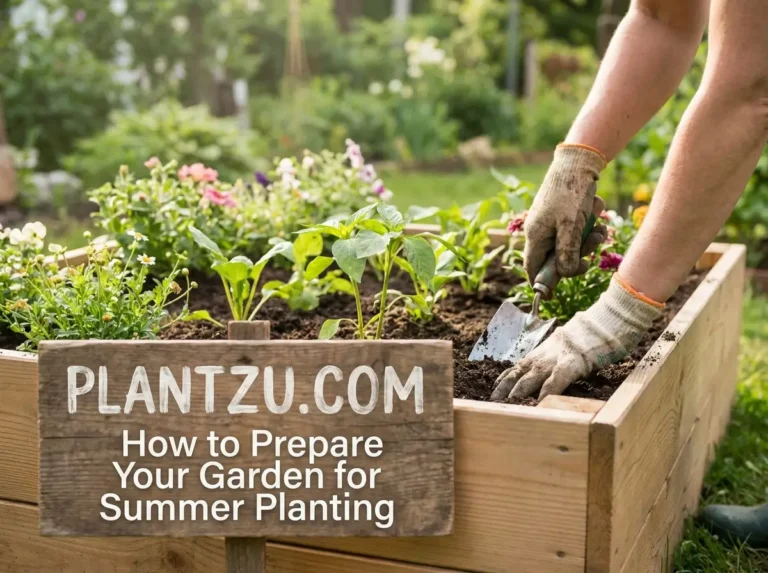
A cottage garden doesn’t need a lot of fancy tools or a lot of money to start. It’s more about a feeling. You can start small and build it up over time. If you’re wondering how to prepare your garden for planting, especially as we move into warmer months, checking out resources on summer planting can be super helpful.
Cottage Garden Plant Ideas for a Charming and Cozy Space
check out below for Cottage Garden Plant Ideas for a Charming and Cozy Space.
Classic Cottage Garden Flowers
These are the stars of the show. They have that timeless cottage garden appeal. Let’s look at some favorites.
Roses
No cottage garden is complete without roses. You don’t need fussy hybrid teas. Think climbing roses that tumble over arches or walls. Or shrub roses that are tough and bloom a lot. Old-fashioned varieties often have a beautiful scent. Some great choices include ‘Gertrude Jekyll’, ‘Queen of Sweden’, or ‘Darcey Bussell’. also check gardenging plants that grow fast.
Lavender
This is a must-have for scent and color. Lavender loves sunshine and well-drained soil. Its purple spikes attract bees and butterflies. Plus, the smell is so relaxing. ‘Munstead’ and ‘Hidcote’ are popular varieties that stay a good size for borders.
Peonies
Peonies offer big, beautiful blooms in late spring or early summer. They look so lush and romantic. They come in shades of pink, white, and deep red. Give them a sunny spot and they’ll reward you for years. They are a bit of a splurge, but totally worth it.
Hollyhocks
These tall beauties add vertical interest. They stand straight and tall, often reaching for the sky. Hollyhocks come in many colors. They can sometimes get a bit of rust, so choose disease-resistant varieties if you can. They look amazing planted against a fence or wall.
Foxgloves
With their tall spires of bell-shaped flowers, foxgloves are truly enchanting. They bring a whimsical feel to the garden. They come in speckled patterns and a range of colors. Be aware that all parts of the foxglove plant are poisonous, so keep them away from pets and small children. They often self-seed, so you’ll find new plants popping up each year.
Delphiniums
Delphiniums create a dramatic statement with their towering flower spikes. They add a wonderful blue hue to the garden, though they also come in pink, purple, and white. Plant them in a spot that gets sun but is protected from strong winds. They might need staking to keep them upright.
Coneflowers (Echinacea)
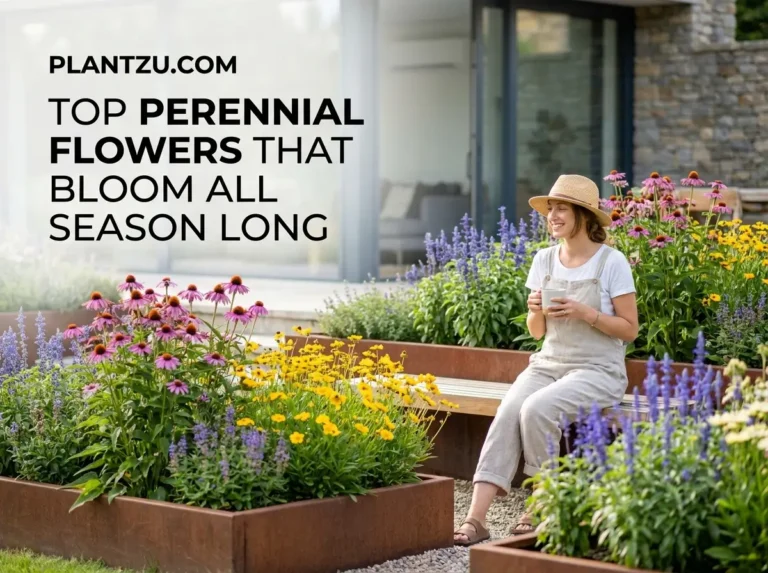
These cheerful flowers are great for attracting pollinators. They have a classic daisy-like shape with a prominent cone in the center. They come in many colors now, not just the traditional purple. They are tough and bloom for a long time through the summer.
Shasta Daisies
You can’t go wrong with Shasta daisies. Their bright white petals and yellow centers are so classic. They bloom profusely and look lovely in bouquets. They are easy to grow and make a cheerful addition to any border.
Adding Texture and Fillers
It’s not just about the big blooms. Cottage gardens thrive on a mix of plants. These add layers and keep the garden looking full.
Ferns
Ferns bring lovely, delicate texture. They love shady spots, making them perfect for under trees or in north-facing areas. Their lacy fronds add a soft, green element.
Hostas
Hostas are wonderful for shady areas. They come in a huge variety of leaf colors, shapes, and sizes. Their lush foliage provides a great backdrop for flowering plants.
Herbs
Many herbs fit right into a cottage garden. Think fragrant rosemary, thyme, sage, and mint. Not only do they smell amazing and look good, but you can also use them in your cooking. Just be careful with mint, as it can spread quickly! Try to plant it in a pot to keep it contained.
Grasses
Ornamental grasses add movement and a different kind of texture. They sway in the breeze and add a soft, natural look. Varieties like ‘Feather Reed Grass’ or ‘Little Bluestem’ work well.
Creating the Cottage Garden Look
Once you have your plant ideas, how do you put it all together? Think about layering your plants. Put taller plants at the back, medium-sized ones in the middle, and shorter ones at the front. Let them spill over edges and paths. Don’t be afraid to mix flowers, herbs, and even some veggies like colorful Swiss chard.
Paths are important too. Gravel paths or stepping stones add to the charm. A rustic wooden bench or a bird bath can be lovely focal points. You want the garden to feel inviting and a place to relax. It’s a space that feels personal to you. For more tips on creating a welcoming garden space, you might find it useful to explore resources from sites like Plantzu.
Planting Tips for Success
When you’re planting, consider the light conditions in your garden. Does the area get full sun, partial shade, or full shade? Choose plants that will thrive in those conditions. Most cottage garden flowers love a sunny spot.
Make sure your soil drains well. Many cottage garden plants, especially roses and lavender, don’t like wet feet. You can improve drainage by adding compost or grit to your soil. This is a good practice to follow when you’re preparing your garden beds.
Don’t overcrowd your plants too much. Give them a little space to grow. While we want that abundant look, plants need air circulation and room to spread their roots. Read the plant tags to see how big they will get.
Maintenance for a Relaxed Feel
Cottage Garden Plant Ideas aren’t meant to be high maintenance. Deadheading spent flowers will encourage more blooms. Occasional watering during dry spells is usually all that’s needed. In the fall, you can cut back some perennials, but leaving seed heads can provide food for birds and add winter interest.
The key is to work with nature, not against it. Let some plants self-seed. Allow a few leaves to remain over winter. It’s about creating a garden that feels alive and evolving.
FAQ About Cottage Garden Ideas
What are the easiest flowers for a cottage garden?
Some of the easiest flowers include Shasta daisies, coneflowers, coreopsis, and cosmos. Lavender and many herbs are also very forgiving.
Can I grow vegetables in a cottage garden?
Absolutely! Many vegetables, like colorful Swiss chard, bush beans, and even some types of lettuce, can add great color and texture to a cottage garden. They blend in beautifully with the flowers.
How do I keep a cottage garden looking neat?
While the style is informal, you can keep it looking tidy by edging your beds and paths. Deadheading flowers regularly also helps. Pruning shrubs and perennials in late winter or early spring can shape them up for the new season.
What kind of soil do cottage garden plants need?
Most cottage garden plants prefer well-drained soil. Adding compost before planting is always a good idea to enrich the soil and improve its structure.
Do cottage gardens need a lot of water?
It depends on your climate and the specific plants you choose. Established plants are often quite drought tolerant. However, during very dry periods, regular watering will be beneficial, especially for flowering plants.