10 Best Plants for Container Gardening
Got a small balcony? A tiny patio? Or maybe just a sunny windowsill? No problem! 10 Best Plants for Container Gardening is your secret weapon to greening up any space, no matter how small. You can grow beautiful flowers, tasty veggies, and even herbs right in pots. It’s super flexible and lets you move your plants around to catch the best sun. Plus, it’s a great way to add some charm and color to your home. We’ll show you the best plants that thrive in pots, so you can create your own little garden paradise.
Choosing the Right Plants for Pots
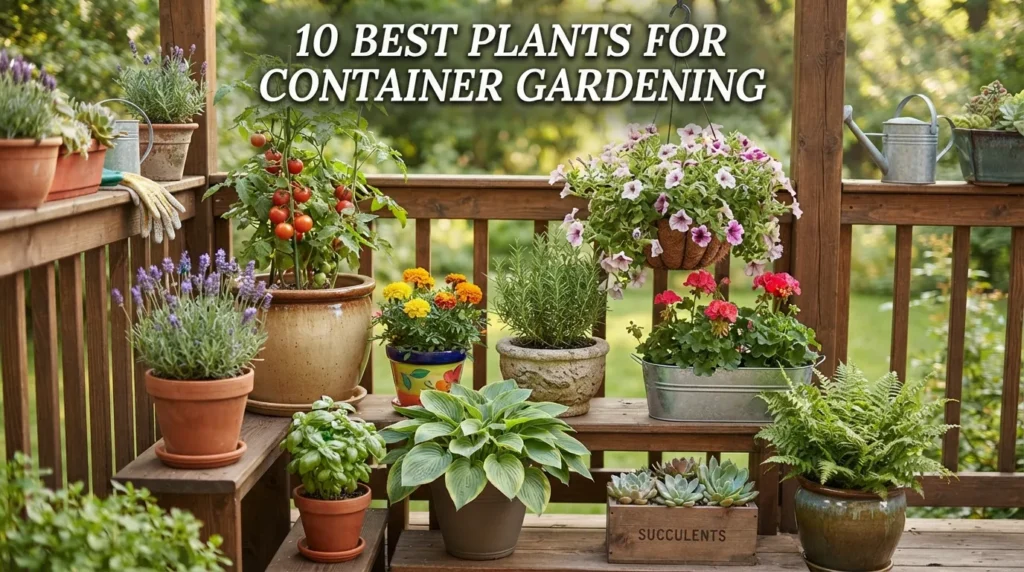
Not all plants are created equal when it comes to container living. Some plants get too big, others need tons of space for their roots. The trick is to pick plants that naturally stay a bit smaller or have a compact growth habit. You also want plants that are happy to have their roots a little more confined. Think about what you want to grow. Are you dreaming of colorful blooms? Fresh salad greens? Or fragrant herbs for your kitchen? Knowing your goal helps pick the best plants.
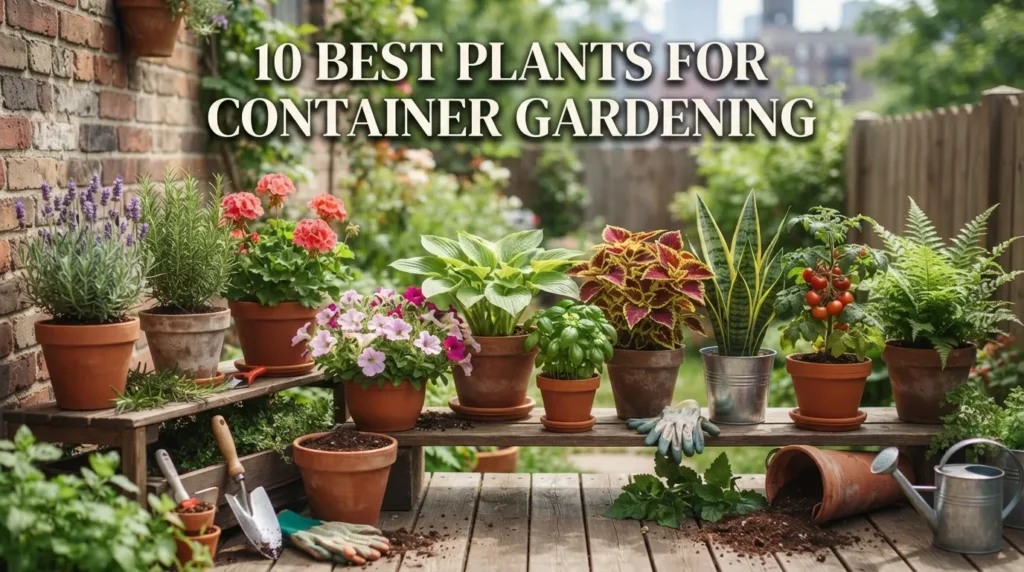
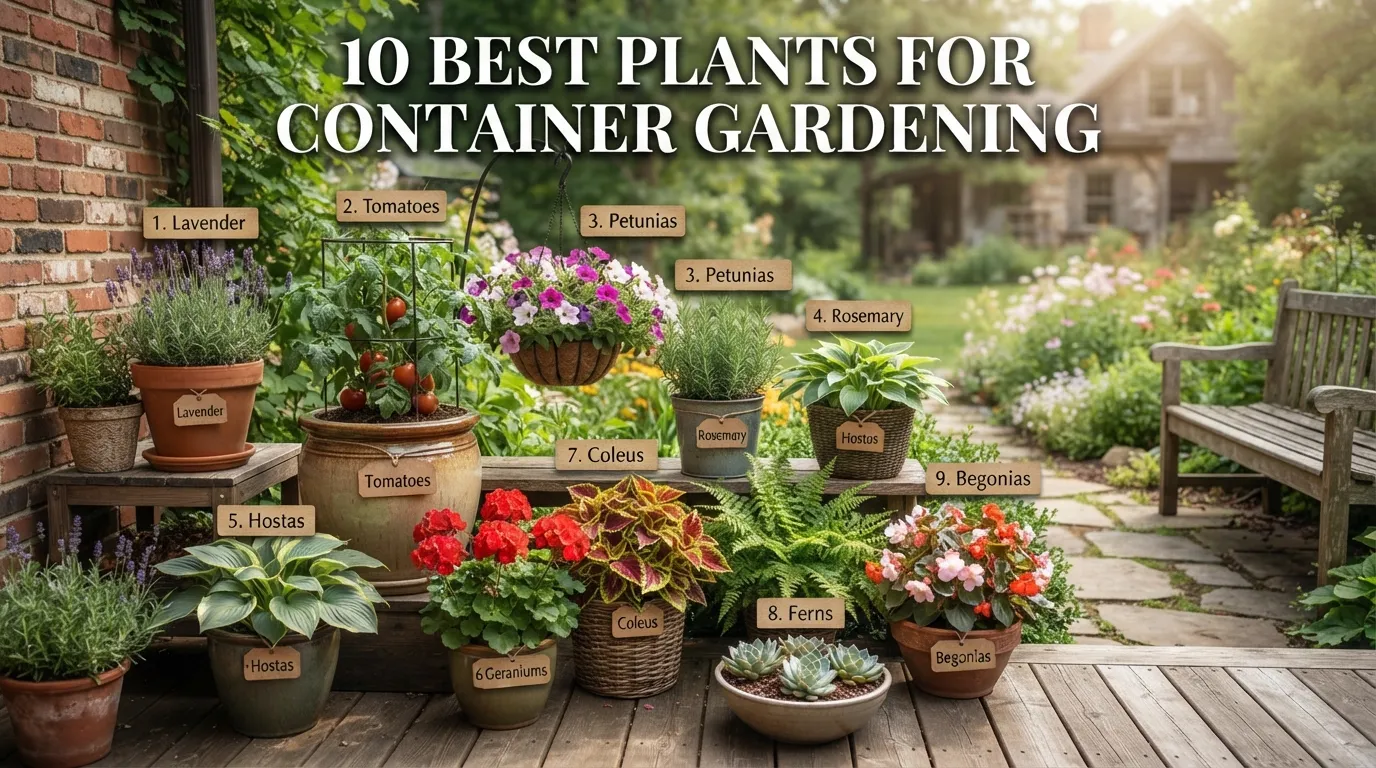
10 Best Plants for Container Gardening
Flowers are a fantastic way to add pops of color. Many popular flowering plants do exceptionally well in containers. They bring cheer and beauty to your doorstep or balcony. Here are some of the best choices for a dazzling display.
Petunias
Petunias are absolute showstoppers in pots. They bloom like crazy all summer long, offering a huge range of colors. From deep purples and bright reds to soft pinks and crisp whites, there’s a petunia for every taste. They love sunshine and a good watering. Look for trailing varieties to spill over the edges of your pots for a cascading effect. They pair wonderfully with other plants, adding a full, colorful look to your arrangements.
Geraniums
Geraniums are super reliable container plants. They come in bright, cheerful colors like red, pink, and white. Many also have lovely scented leaves, which is an added bonus. Geraniums prefer a good amount of sun but can handle a little shade. They don’t like to be overwatered, so let the soil dry out a bit between waterings. Their sturdy nature makes them a great choice for busy gardeners.
Marigolds
Marigolds are cheerful, low-maintenance flowers known for their bright orange and yellow blooms. They are super hardy and can tolerate heat well. Plus, they have a natural ability to deter some garden pests, which is a nice perk for your other plants. They thrive in full sun and well-drained soil. Marigolds are a classic choice for adding a sunny disposition to any container garden.
Begonias
If you have a shadier spot, begonias are your go-to. They offer beautiful blooms and attractive foliage in a wide variety of colors and patterns. There are wax begonias that are compact and bloom all season, and tuberous begonias with huge, showy flowers. They prefer moist soil but don’t like to sit in water. Begonias add elegance and color to shaded corners.
Impatiens
For shady areas that need a burst of color, impatiens are perfect. They come in almost every color imaginable and provide continuous blooms from spring until the first frost. They love shade and consistently moist soil. Just be sure to water them regularly, especially during hot weather, as they can wilt if they dry out too much. They are a fantastic way to brighten up a shady patio.
Best Veggies and Herbs for Containers
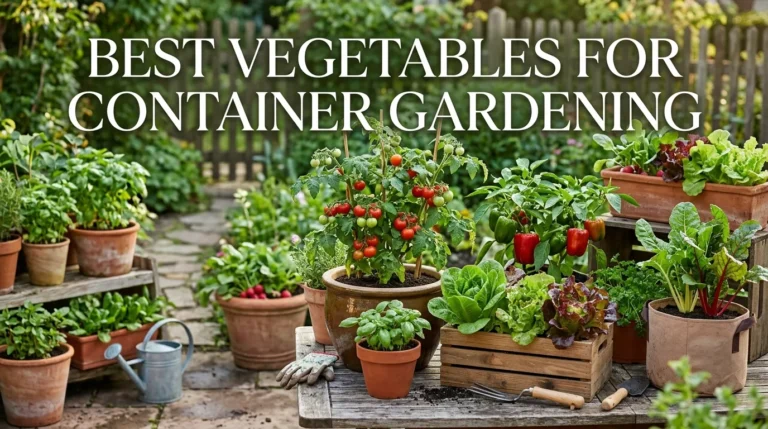
Don’t think you need a big yard to grow your own food! Container gardening is perfect for fresh produce. You can have delicious, homegrown veggies and herbs right outside your door. It’s incredibly rewarding to snip your own ingredients for meals.
Tomatoes (Bush or Patio Varieties)
Yes, you can grow tomatoes in pots! The key is to choose compact or ‘bush’ or ‘patio’ varieties. These are bred specifically for containers and stay smaller. Cherry tomatoes are especially good choices. They need a sunny spot, plenty of water, and a good-sized pot. Support them with a cage or stake as they grow. Nothing beats the taste of a homegrown tomato.
Peppers (Bell and Chili)
Peppers are surprisingly easy to grow in containers. Both sweet bell peppers and spicy chili peppers do well. They love heat and sunshine. Make sure your pot is big enough and has good drainage. Keep the soil consistently moist. You’ll be rewarded with colorful peppers that add flavor and excitement to your cooking.
Lettuce and Leafy Greens
If you want quick results, grow lettuce and other leafy greens. Varieties like spinach, arugula, and kale are perfect for containers. You can even grow them in shallow boxes or window boxes. They prefer cooler weather but can handle some sun. Harvest the outer leaves, and the plant will keep producing more. It’s a continuous supply of fresh greens!
Strawberries
Growing strawberries in pots is a delight. You can use hanging baskets or tiered planters to maximize space. Choose everbearing varieties for a longer harvest season. Strawberries need at least 6 hours of sun per day and well-drained soil. Keep them watered, and you’ll soon be enjoying sweet, homegrown berries. They are also quite pretty with their white flowers and red fruit.
Herbs (Basil, Mint, Rosemary, Parsley)
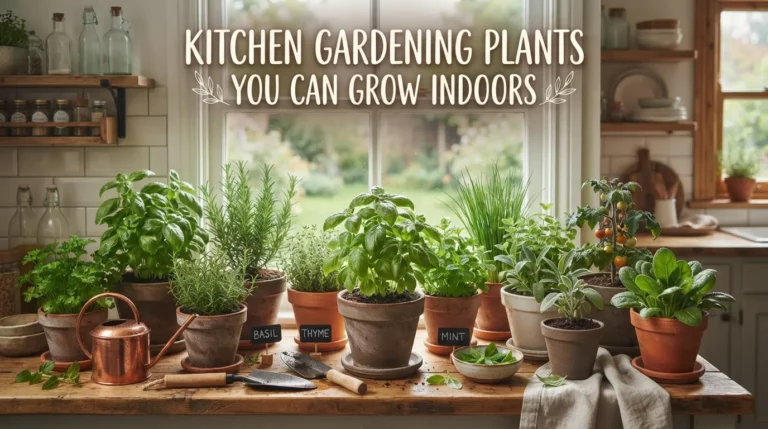
Herbs are perhaps the easiest and most rewarding plants for container gardening. They don’t need huge pots and many are quite forgiving. Basil loves sun and warmth. Mint is vigorous and can even be grown in a pot to control its spread , it does well in moist soil. Rosemary prefers drier conditions and lots of sun. Parsley is happy in sun or partial shade. Having fresh herbs readily available makes cooking so much more enjoyable. You can find great ideas for using herbs in your garden too, like in a cottage garden style.
Sunlight is Key
Most plants need sunlight to grow and produce flowers or fruit. Before you buy plants, know how much sun your chosen spot gets. Full sun means 6 or more hours of direct sunlight per day. Partial sun or partial shade means about 4 to 6 hours of direct sun, often in the morning. Shade means less than 4 hours of direct sun, or filtered light all day. Match your plants to the light conditions you have. This is one of the biggest secrets to success.
Choose the Right Soil
Never use soil straight from your garden in pots. Garden soil is too dense and compacts easily in containers. This prevents good drainage and air circulation for the roots. Always use a good quality potting mix. Potting mixes are specially formulated to be lightweight, drain well, and provide the right environment for roots. You can find them at any garden center. It makes a world of difference for your plants.
Creating Beautiful Container Combinations
One of the fun parts of container gardening is creating stunning arrangements. Think about combining plants with different heights, textures, and colors. A good rule of thumb is to use a “thriller, spiller, and filler” approach.
- Thriller: This is your tall, dramatic plant that goes in the center of the pot. Think a small ornamental grass, a taller salvia, or a compact tomato plant.
- Spiller: These are plants that cascade or trail over the edge of the pot. Sweet potato vine, trailing petunias, or lobelia work great.
- Filler: These are mounding plants that fill in the space around the thriller and spillers. Geraniums, marigolds, or smaller leafy greens can fill this role.
Don’t be afraid to mix and match! You can create combinations that are all flowers, all herbs, or a mix of both. Your creativity is the only limit. It’s like painting with plants!
Frequently Asked Questions About Container Gardening
What is the best potting mix for containers?
Use a high-quality potting mix specifically designed for containers. These mixes are lightweight, drain well, and provide good aeration for roots. Never use soil from your garden.
How often should I water plants in containers?
Check the soil moisture daily, especially in hot weather. Water when the top inch of soil feels dry. Water thoroughly until it drains from the bottom.
Can I grow vegetables in small pots?
Yes, but choose compact or dwarf varieties of vegetables like bush beans, peppers, and cherry tomatoes. Leafy greens and herbs are also excellent for smaller pots.
How do I prevent pests in container gardens?
Healthy plants are less susceptible to pests. Ensure good air circulation, proper watering, and adequate sunlight. Some plants, like marigolds, can also help deter pests naturally.
When should I fertilize container plants?
Start fertilizing a few weeks after planting, as the initial nutrients in the potting mix get used up. Feed with a balanced liquid fertilizer every 2 to 4 weeks, following product instructions.