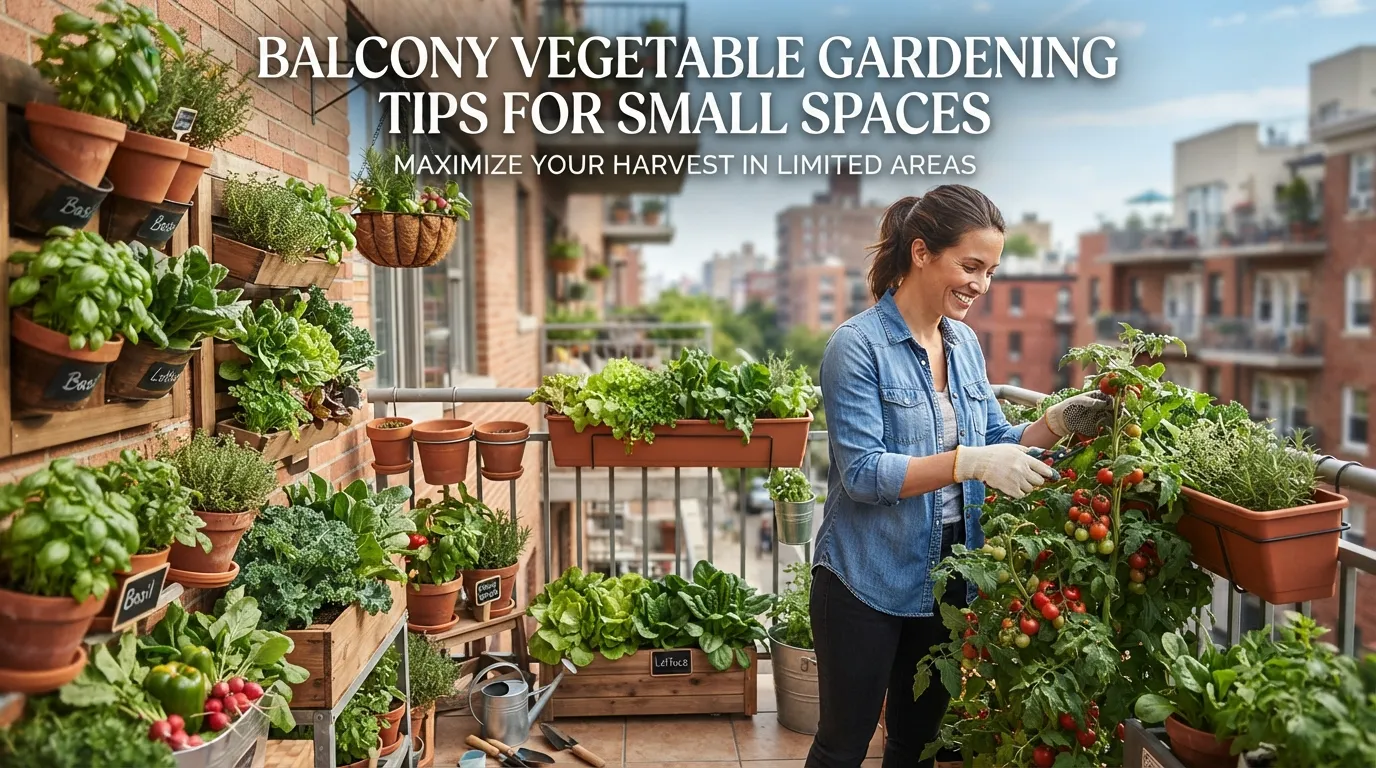
Balcony Vegetable Gardening Tips for Small Spaces
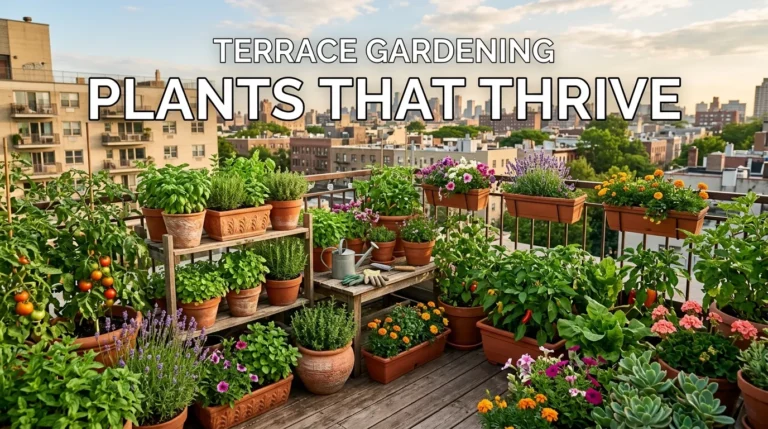
Having a Balcony Vegetable Gardening Tips is a fantastic way to get fresh veggies. You don’t need a big backyard to grow your own food. A small balcony can be a productive little farm. Imagine picking fresh tomatoes or herbs right outside your door! It’s totally doable, and I’m here to show you how.
This guide will give you all the tips you need to make your balcony a vegetable-growing haven. We’ll cover everything from picking the right plants to keeping them happy and healthy. Let’s get started on creating your own green oasis.
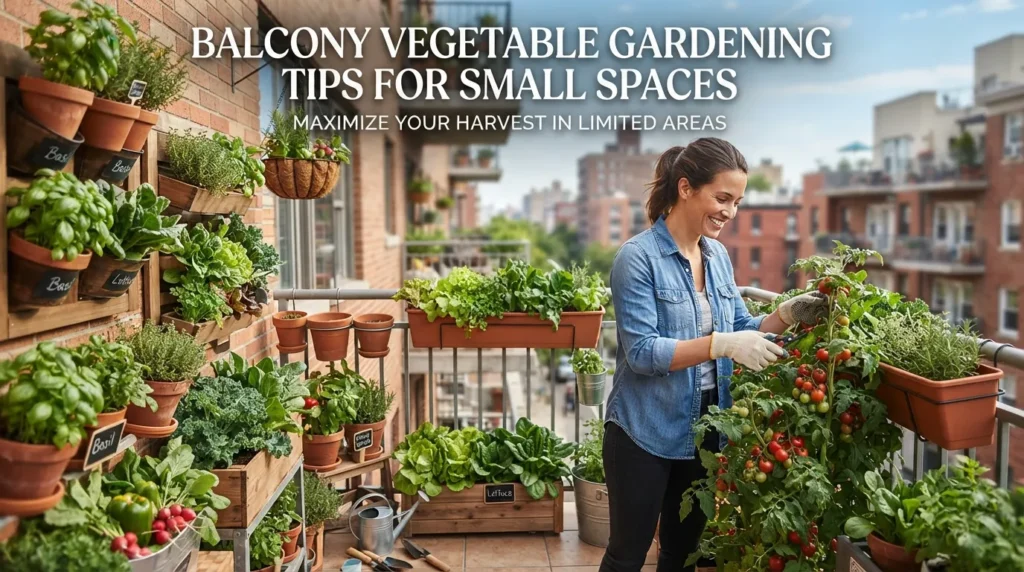
Choosing the Right Balcony Vegetable Gardening Tips
Not all vegetables are suited for balcony life. You need to pick plants that don’t need a lot of space. Compact varieties are your best friend here. Think about what you love to eat and what grows well in containers.
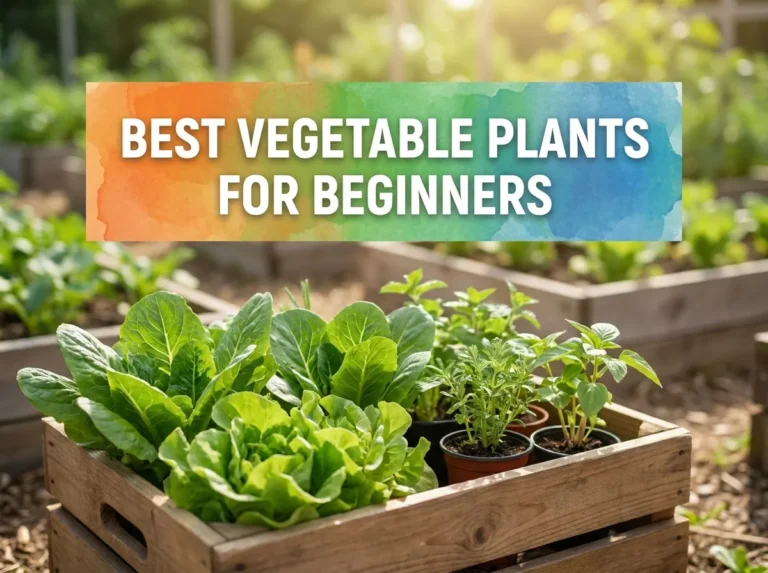
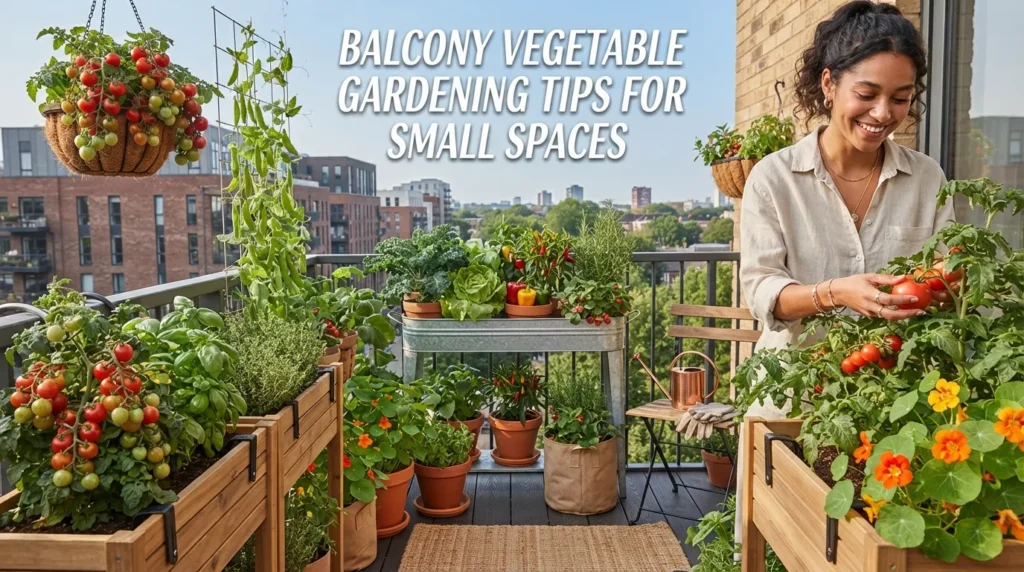
Some great choices include leafy greens like lettuce, spinach, and kale. These grow quickly and don’t need deep soil. Cherry tomatoes are also a good option, especially the bush or dwarf varieties. Herbs like basil, mint, parsley, and chives do wonderfully in pots too. Don’t forget about peppers, especially smaller hot pepper varieties, and even small eggplants.
Consider Sunlight Exposure
This is super important. Most vegetables need at least 6 to 8 hours of sunlight a day. Look at your balcony. Where does the sun hit? And for how long? South-facing balconies usually get the most sun. North-facing balconies get less, so you’ll need to choose plants that tolerate shade.
If you don’t get much direct sun, don’t worry! You can still grow things like lettuce, spinach, kale, and radishes. They are more forgiving when it comes to sunlight. You might need to experiment a bit to see what works best in your specific spot.
Container Choices Matter
The size and type of containers you use are key to success. Make sure your containers have drainage holes. Without them, your plants’ roots will rot. You can use pots, grow bags, window boxes, or even repurposed containers like buckets or bins.
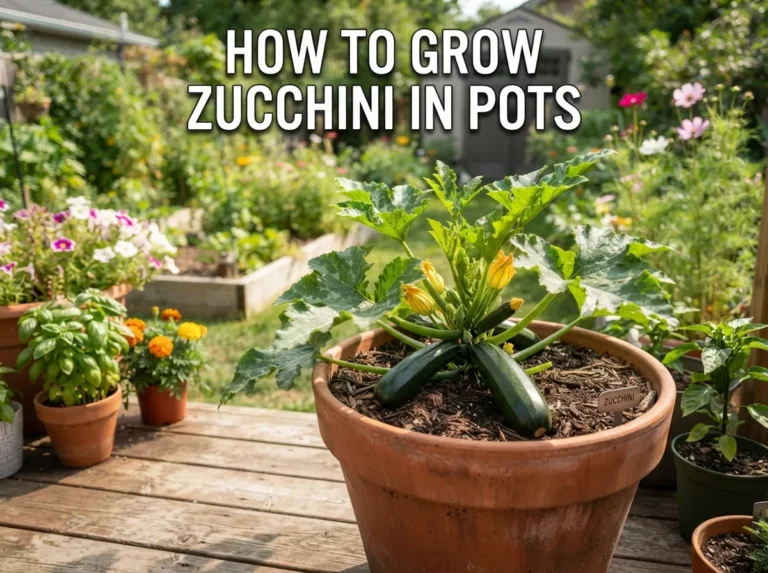
Bigger plants need bigger containers. For tomatoes or peppers, aim for pots that are at least 5 gallons in size. For herbs and leafy greens, smaller pots or window boxes will work fine. Lighter-colored pots can help keep the soil cooler in the hot sun. Consider self-watering containers if you tend to forget to water.
Soil and Fertilizing Your Balcony Garden
Good soil is the foundation of any healthy garden, even a small balcony one. Don’t use soil from your yard. It can be too heavy and might contain pests or diseases. Instead, buy a good quality potting mix specifically designed for containers.
Potting mix is lighter and drains better. It provides the right environment for roots to grow. You can also add compost to your potting mix to give it extra nutrients. This will help your plants thrive.
Feeding Your Plants
Container plants need regular feeding. Nutrients in the potting mix get used up pretty quickly. You’ll need to fertilize your plants throughout the growing season. Use a balanced liquid fertilizer or a slow-release granular fertilizer.
Follow the instructions on the fertilizer package carefully. Over-fertilizing can harm your plants. Organic options like fish emulsion or worm castings are also great for balcony gardens. They provide nutrients gently and improve soil health over time.
Watering Wisely on the Balcony
Watering is crucial, especially on a balcony. Containers can dry out much faster than garden beds. The sun and wind can really dry things out. You’ll likely need to water more often than you think, possibly every day in hot weather.
Check the soil moisture by sticking your finger about an inch deep. If it feels dry, it’s time to water. Water thoroughly until you see water draining from the bottom of the pot. Avoid watering the leaves if possible, as this can encourage fungal diseases. Water the soil directly.
How Often to Water
The frequency of watering depends on several factors. These include the weather, the size of your containers, and the type of plants you’re growing. On hot, sunny, or windy days, you might need to water twice a day. Cooler, cloudy days will require less watering.
It’s better to water deeply less often than to give a little water every day. This encourages roots to grow deeper into the pot, making the plant more resilient. You can also use mulch on top of the soil to help retain moisture. This helps keep the soil cooler too.
Support and Pest Control
Some plants, like tomatoes and climbing beans, will need support as they grow. You can use stakes, cages, or trellises. Make sure the support is sturdy enough to hold the plant and its fruit. Attaching supports when the plant is young makes it easier.
Keep an eye out for pests. Small gardens can sometimes attract bugs like aphids or spider mites. Early detection is key. If you spot pests, try to remove them manually first. You can also use insecticidal soap or neem oil, which are generally safe for edible plants.
Dealing with Common Pests
Aphids are tiny, pear-shaped insects that often cluster on new growth. They can be washed off with a strong spray of water. If that doesn’t work, use insecticidal soap. Spider mites are very small and create fine webbing on leaves. They thrive in dry conditions, so increasing humidity can help.
For more persistent problems, consider introducing beneficial insects like ladybugs. They are natural predators of aphids. Always choose the least toxic method first. Remember, you’re growing food, so you want to be careful about what you spray.
Maximizing Your Balcony Space
Balconies are often limited in space. Think vertically! Use hanging baskets, wall planters, or tiered shelves to grow more plants. This makes great use of the vertical space you have.
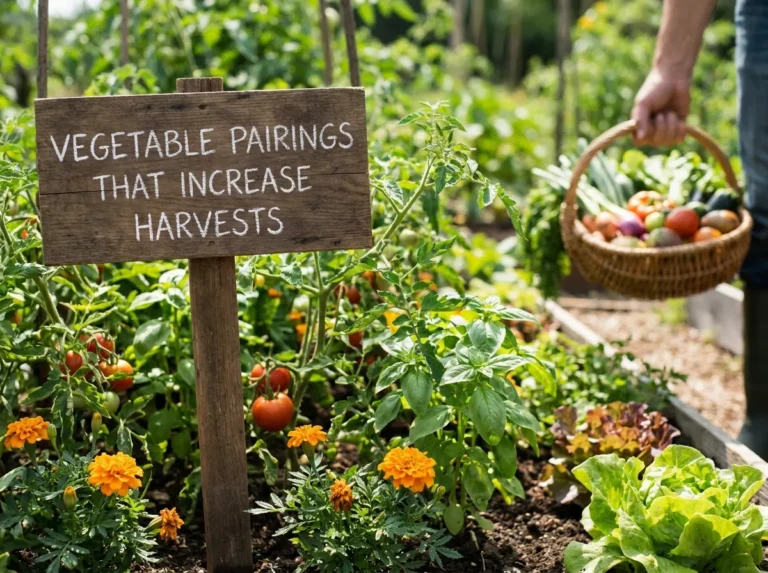
Consider companion planting. Some plants can help each other grow better. For example, basil is said to improve the flavor of tomatoes. You can also choose compact or dwarf varieties of vegetables that are bred specifically for small spaces and containers. This is a great way to get more out of your garden. You might even want to explore cottage garden plant ideas for inspiration on maximizing charm in small spaces.
Vertical Gardening Techniques
Vertical gardening is a game-changer for small balconies. Install shelves or a tiered planter system. You can also attach trellises to walls or railings for vining plants like cucumbers or pole beans. Hanging baskets are perfect for strawberries or trailing herbs.
Make sure whatever vertical system you choose is secure. You don’t want anything falling off the balcony. Also, ensure that plants higher up still get enough light and water. Sometimes the top can dry out faster.
Harvesting Your Bounty
The best part of gardening is harvesting! Harvest vegetables regularly to encourage more production. For leafy greens, you can often harvest outer leaves, and the plant will continue to grow.
For fruiting plants like tomatoes and peppers, pick them when they are ripe. Don’t let them over-ripen on the plant, as this can signal the plant to stop producing. Enjoy the fresh taste of your homegrown produce!
FAQ About Balcony Vegetable Gardening Tips
Q: What are the easiest vegetables to grow on a balcony?
A: Leafy greens like lettuce, spinach, and arugula are very easy. Radishes grow quickly. Herbs like basil, mint, and chives are also beginner-friendly. Bush beans and cherry tomatoes are good choices for slightly more experienced gardeners.
Q: How much sunlight do balcony vegetables need?
A: Most vegetables need at least 6 to 8 hours of direct sunlight per day. If your balcony gets less sun, focus on shade-tolerant crops like lettuce, spinach, and kale.
Q: How often should I water my balcony plants?
A: Container plants dry out quickly. Check the soil moisture daily by sticking your finger an inch deep. Water when the soil feels dry. You may need to water every day, especially in hot weather.
Q: Can I grow root vegetables on a balcony?
A: Yes, you can grow root vegetables like carrots and radishes. You need to choose containers that are deep enough for the roots to develop. Look for shorter varieties of carrots.
Q: What is the best soil for balcony gardening?
A: Use a high-quality potting mix designed for containers. Never use soil from your garden. Potting mix provides good drainage and aeration for plant roots. Happy gardening from Plantzu!