What to Plant Together in Your Garden
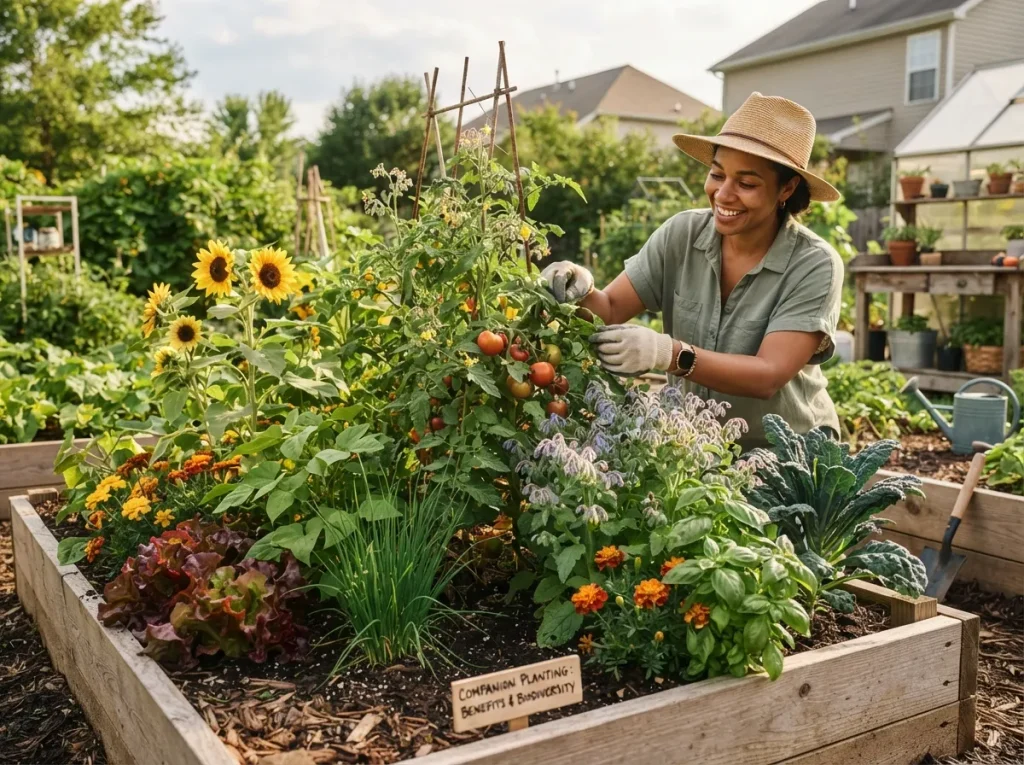
Gardening is much more than just putting seeds in the dirt and hoping for the best. Have you ever noticed how some plants seem to grow big and strong while others just struggle right next to them? This often happens because of companion planting. It is the simple idea of What to Plant Together in Your Garden
When you pick the right neighbors for your vegetables and flowers, your garden works better. Some plants help keep bugs away. Others put nutrients back into the soil. At Plantzu, we love seeing how these plant friendships change the way a garden grows. It makes your job as a gardener much easier because nature does some of the hard work for you.
Why Companion Planting Matters in 2026
The weather has been tricky lately. Many gardeners are looking for ways to grow more food with less stress. Companion planting is a natural way to protect your crops. You do not need harsh sprays to stop pests when you have the right plants standing guard. Plus, it makes the most of your space if you have a small yard.
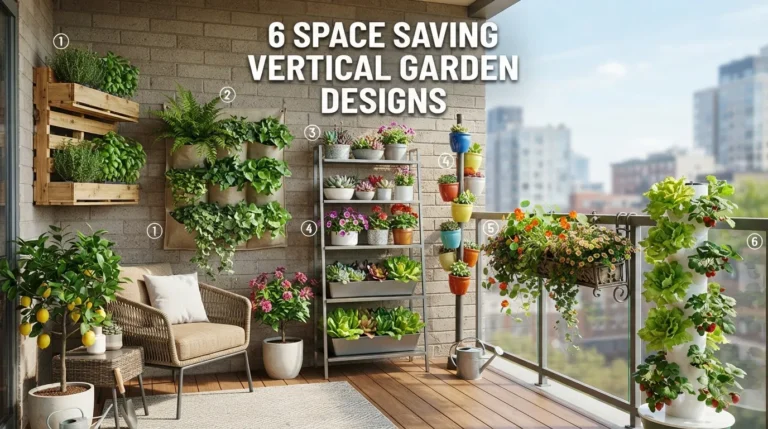
If you also have a small area for pots, you might want to look at some Beautiful Balcony Flower Plants to Brighten Your Space. Even in small spots, placing the right flowers next to your herbs can stop bad insects. It keeps your plants healthy and keeps your garden looking nice all season long.
What to Plant Together in Your Garden
learn What to Plant Together in Your Garden below:
The Best Vegetable Pairings
Certain vegetables are best friends. They help each other grow faster or taste better. Here are some classic combinations that work well in almost any garden:
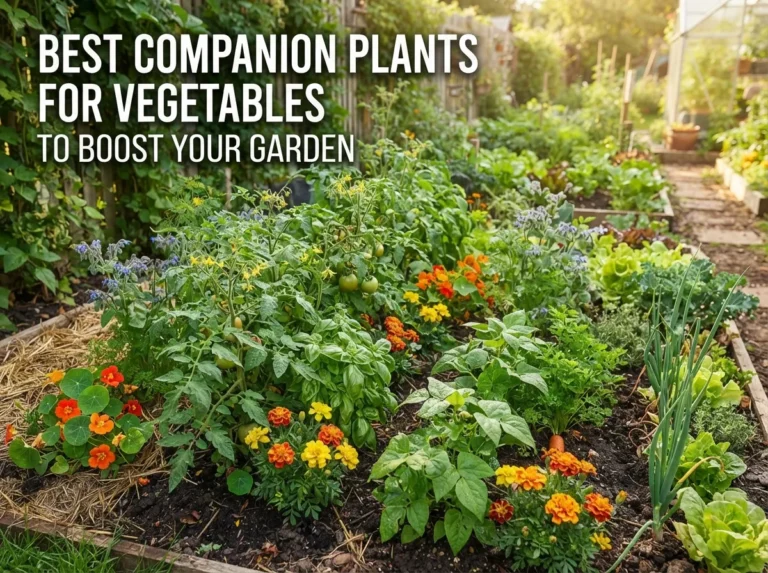
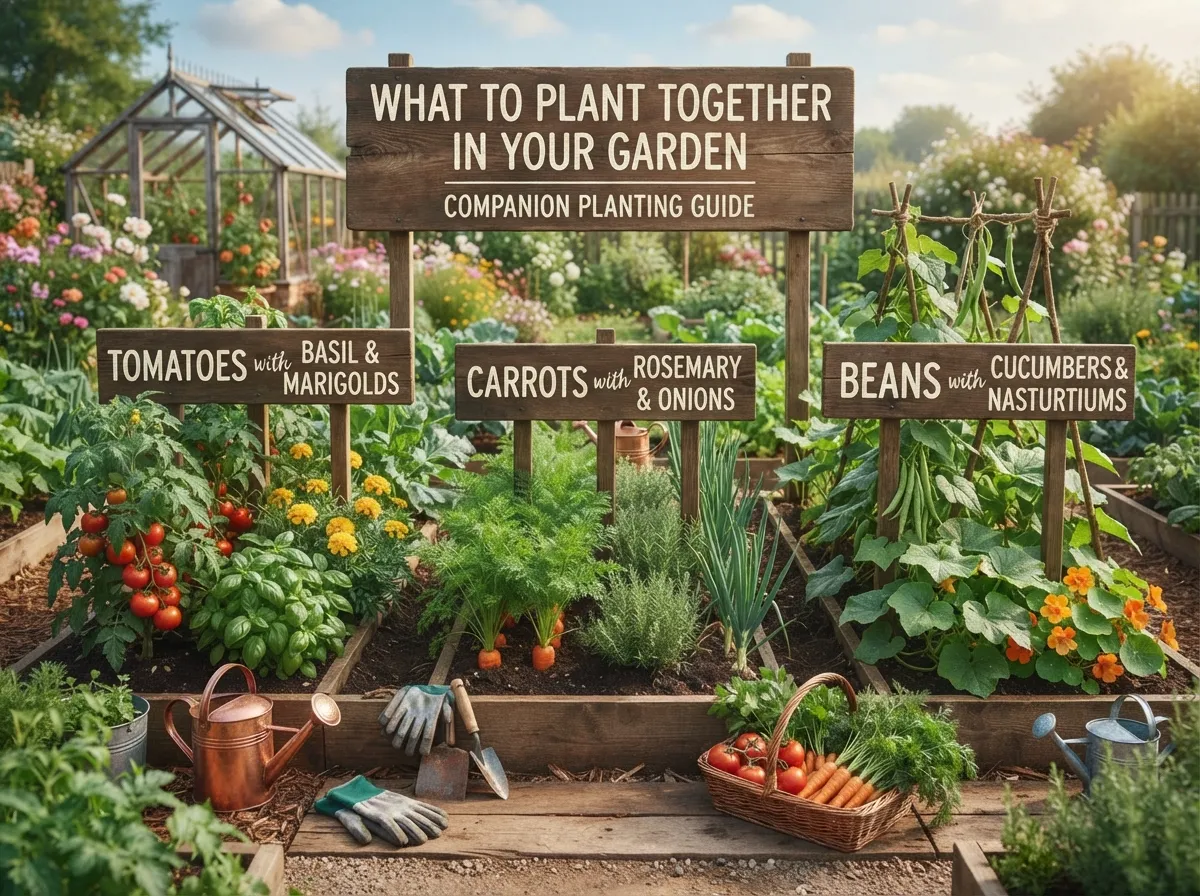
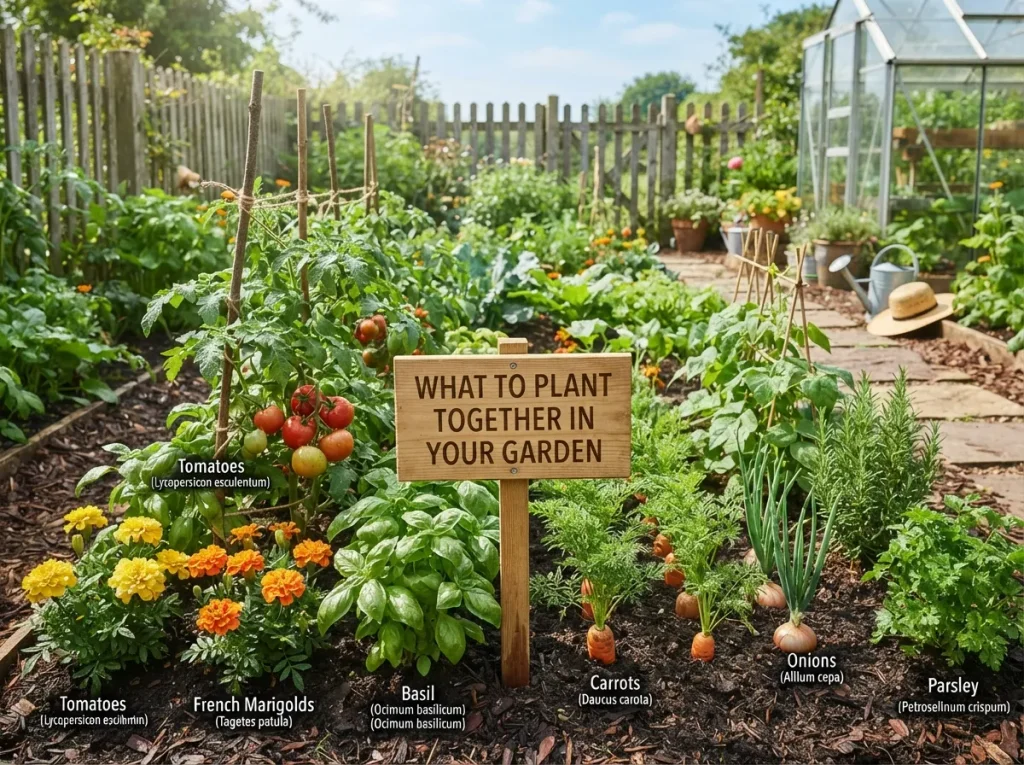
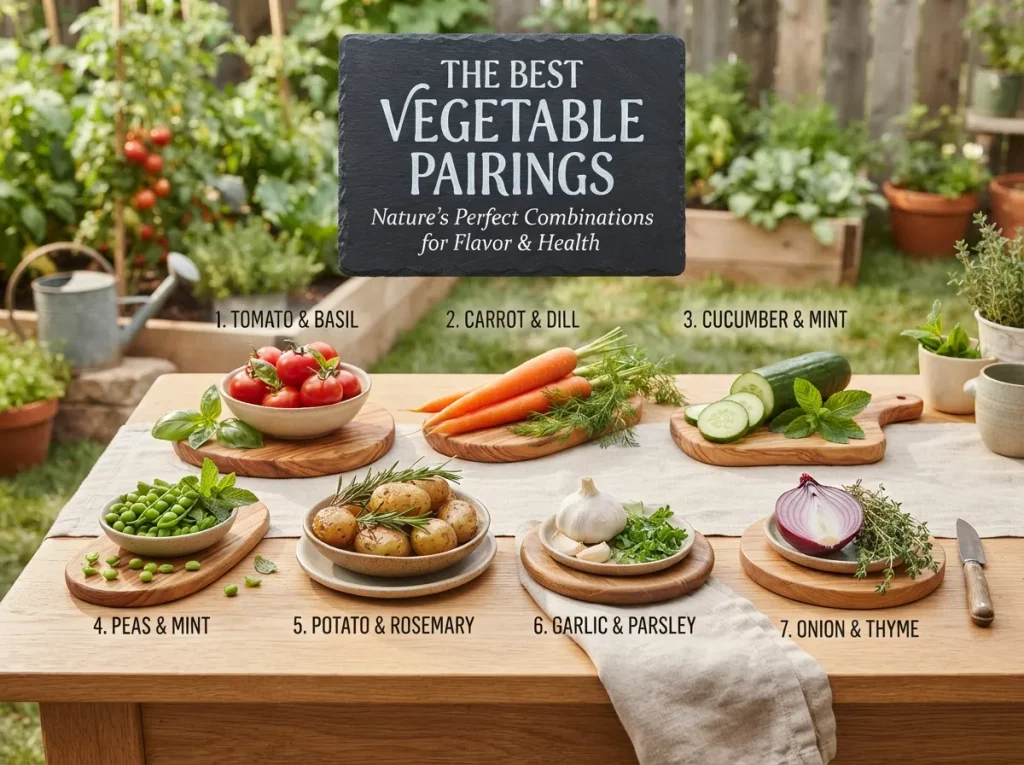
- Tomatoes and Basil: This is the most famous pair. Basil helps tomatoes grow stronger and might even improve their flavor. Plus, basil helps keep away some of the pests that love tomato leaves.
- Carrots and Onions: Carrots often get attacked by carrot flies. Onions have a strong smell that confuses these flies. Planting them in the same bed is a smart move for a better harvest.
- Corn, Beans, and Squash: This is an old way of planting called the Three Sisters. The corn gives the beans something to climb. The beans put nitrogen into the soil to feed the corn. The squash grows on the ground and blocks out weeds.
Try to keep these groups together in your garden beds. You will notice that you have fewer problems with pests and your plants will stay green for a longer time.
Flowers That Protect Your Garden
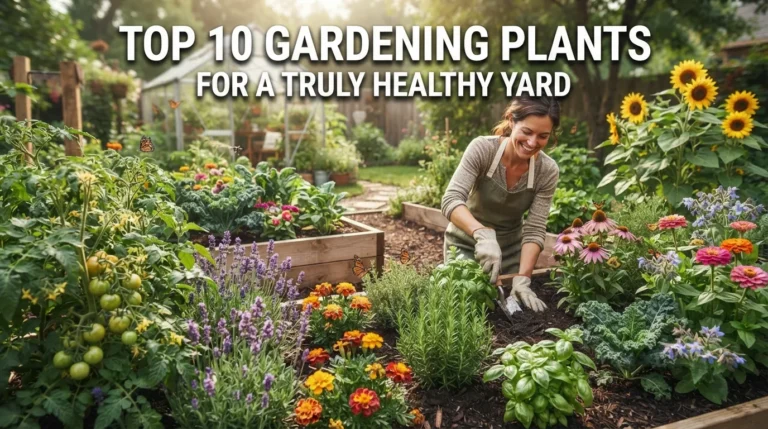
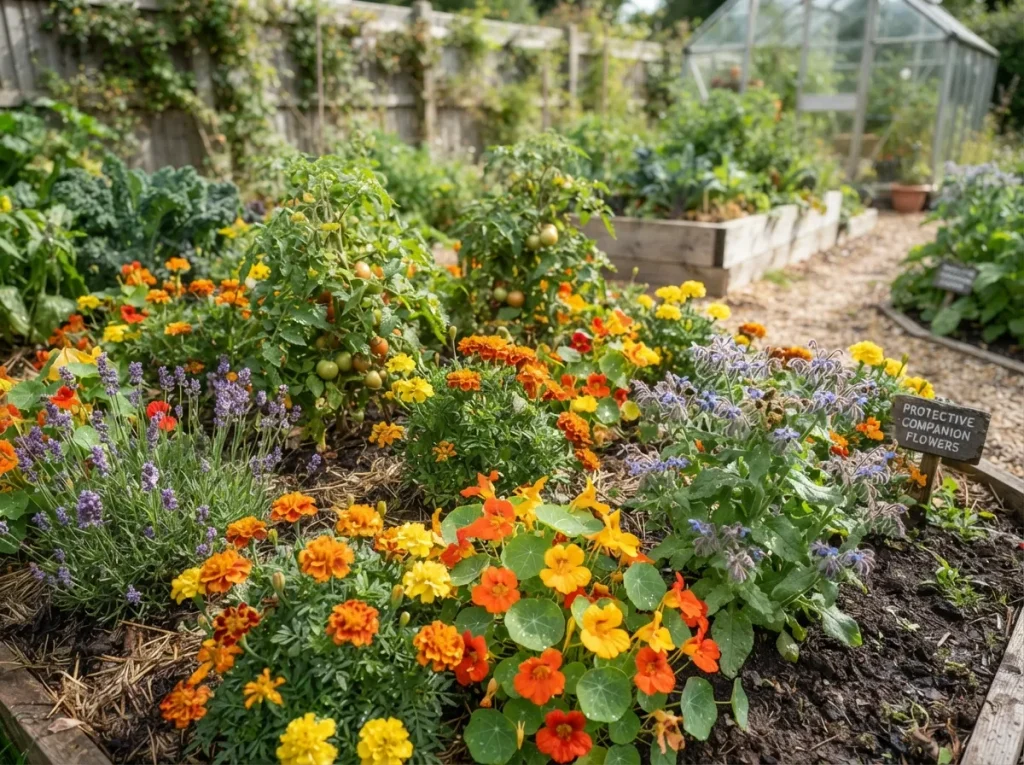
Do not just stick to vegetables. Flowers are very important for a healthy garden. They bring in bees and other good insects that help pollinate your plants. Some flowers also act like a shield against bad bugs.
Marigolds are a top choice for any gardener. They have a smell that bugs really hate. I like to plant them right at the edge of my vegetable rows. It is like a little fence that keeps the bad guys away from my lettuce and peppers.
Nasturtiums are another great option. They grow fast and look beautiful. Some people call them a trap crop because bugs often go to the nasturtiums instead of your precious vegetables. It is a win for the flowers and a win for your dinner plate.
Plants That Should Stay Apart
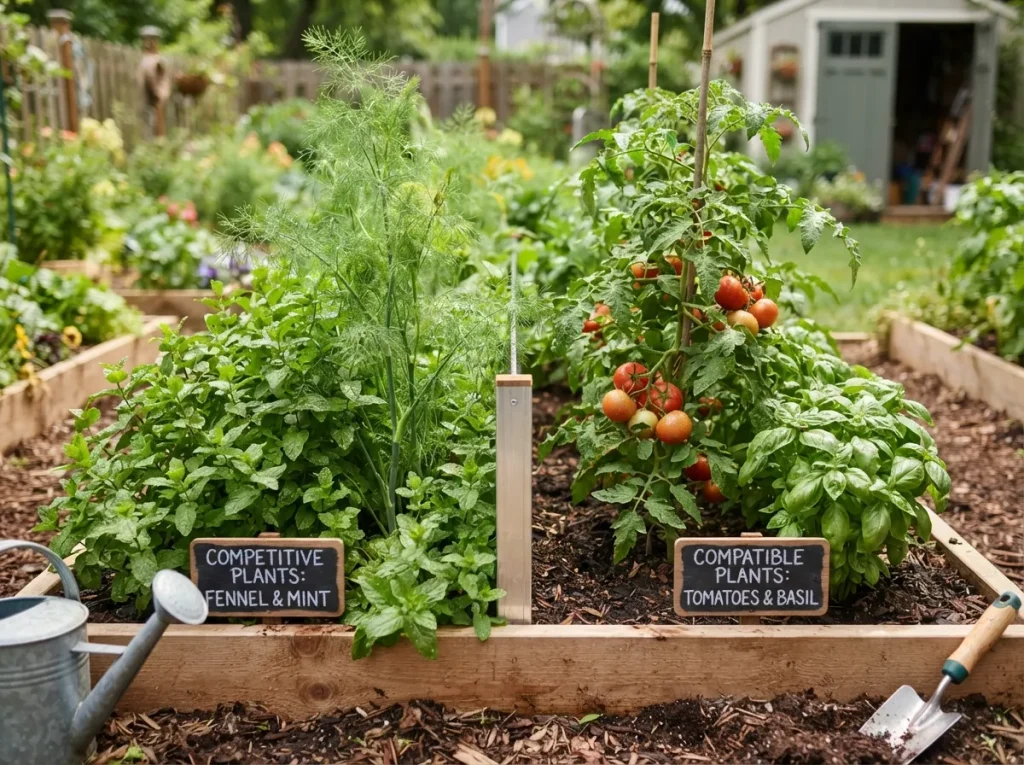
Just like people, some plants just do not get along. If you put them too close, one might stop the other from growing. Or, they might fight for the same food in the soil.
For example, onions and garlic are great for pest control, but they can hurt your beans and peas. They seem to stop the beans from growing as big as they should. Keep your onions and garlic in a different part of the garden from your legumes.
Also, keep tomatoes away from potatoes. They are in the same plant family and often get the same diseases. If one gets sick, the other will likely get sick too. It is safer to put them on opposite sides of your yard.
Planning Your Garden Layout
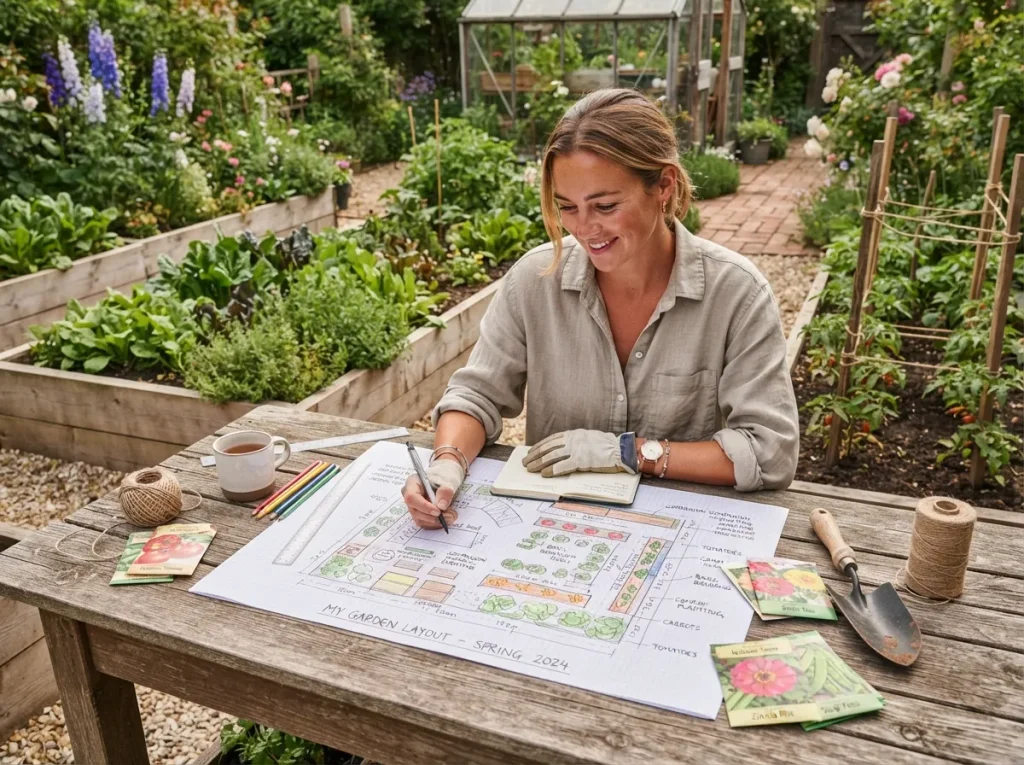
Before you start digging in the spring, grab a piece of paper and draw a map. You do not need to be an artist. Just draw squares for your garden beds and label what goes where.
Think about height too. Tall plants like corn or sunflowers can shade out smaller plants. Make sure your taller plants are on the north side of the garden. This way, they do not block the sun for the shorter plants like spinach or herbs.
Pay attention to water needs as well. It is easier to put plants that need a lot of water in one area. If you mix a plant that likes dry soil with a plant that likes wet soil, one of them will suffer. Grouping by water needs saves you time when you go out to water everything.
Making Gardening Fun
Gardening should not be a chore. When you use companion planting, you are learning how nature works. It is very satisfying to see a bed of tomatoes and basil growing perfectly. It shows that you understand what your garden needs.
Do not be afraid to experiment. If you have a plant that you love, look up what it likes to be next to. Keep a little garden journal. Write down what worked and what did not. You will be a much better gardener by next year just by watching how your plants interact.
Always remember that your garden is a place to relax. If a plant dies or a pairing does not work perfectly, do not worry. Just try something new next season. That is the beauty of growing your own plants.
Frequently Asked Questions
Can I plant herbs with my vegetables?
Yes, absolutely. Herbs are some of the best companions for vegetables. Many herbs have strong scents that confuse pests, and they attract good insects like bees.
Do I need a big garden to use companion planting?
Not at all. You can use these methods in raised beds, small patches of ground, or even in large containers on your porch. The rules are the same no matter the size.
How do I know if my plants are fighting?
If you see one plant looking yellow or wilting while its neighbor is doing great, they might be competing for space or food. Sometimes, certain plants just release chemicals into the soil that the other plant does not like.
Should I plant flowers throughout my vegetable garden?
Yes, I suggest spreading flowers throughout your rows rather than keeping them in one spot. This helps bring good insects into the middle of your vegetable crops where they are needed most.