DIY Vertical Garden Projects
DIY Vertical Garden Projects
A DIY vertical garden is the most satisfying kind of weekend project: cheap to build, quick to finish and transformative to look at. With basic tools and reclaimed materials, you can turn pallets, gutters, bottles and crates into thriving planters. Building it yourself means every system fits your exact wall, budget and style — no compromises. These six projects range from one-hour builds to full weekend adventures, and all of them grow beautifully.
Before You Pick Up a Saw
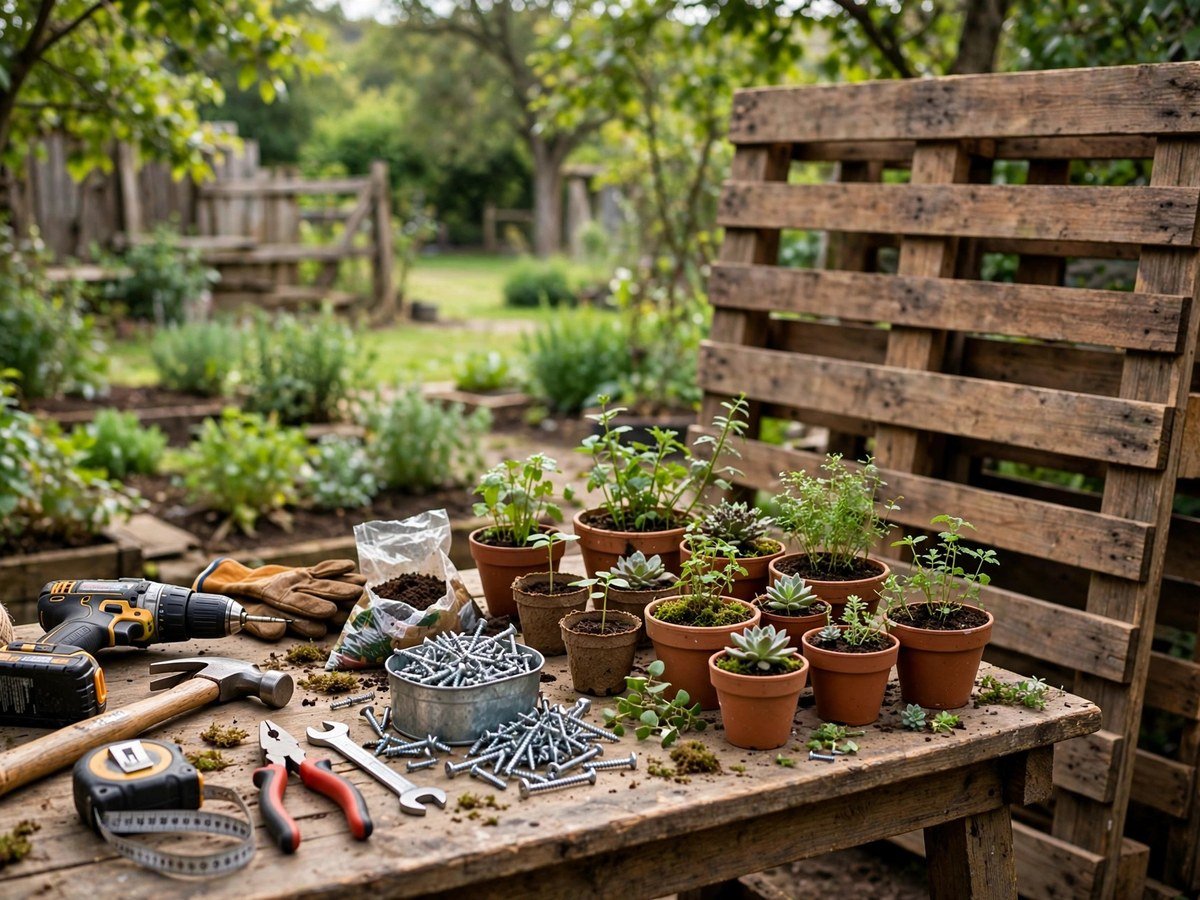
A few ground rules make every project better. Build for your wall first: measure the space, check what it is made of and confirm fixings will hold wet, planted weight. Line wooden projects to protect timber and slow moisture loss. Always include drainage — waterlogged roots kill more vertical gardens than drought. Keep the design simple enough to water and harvest easily, because the cleverest planter fails if tending it is a chore. Now, on to the builds.
6 Weekend DIY Vertical Garden Projects
1. Pallet Planter
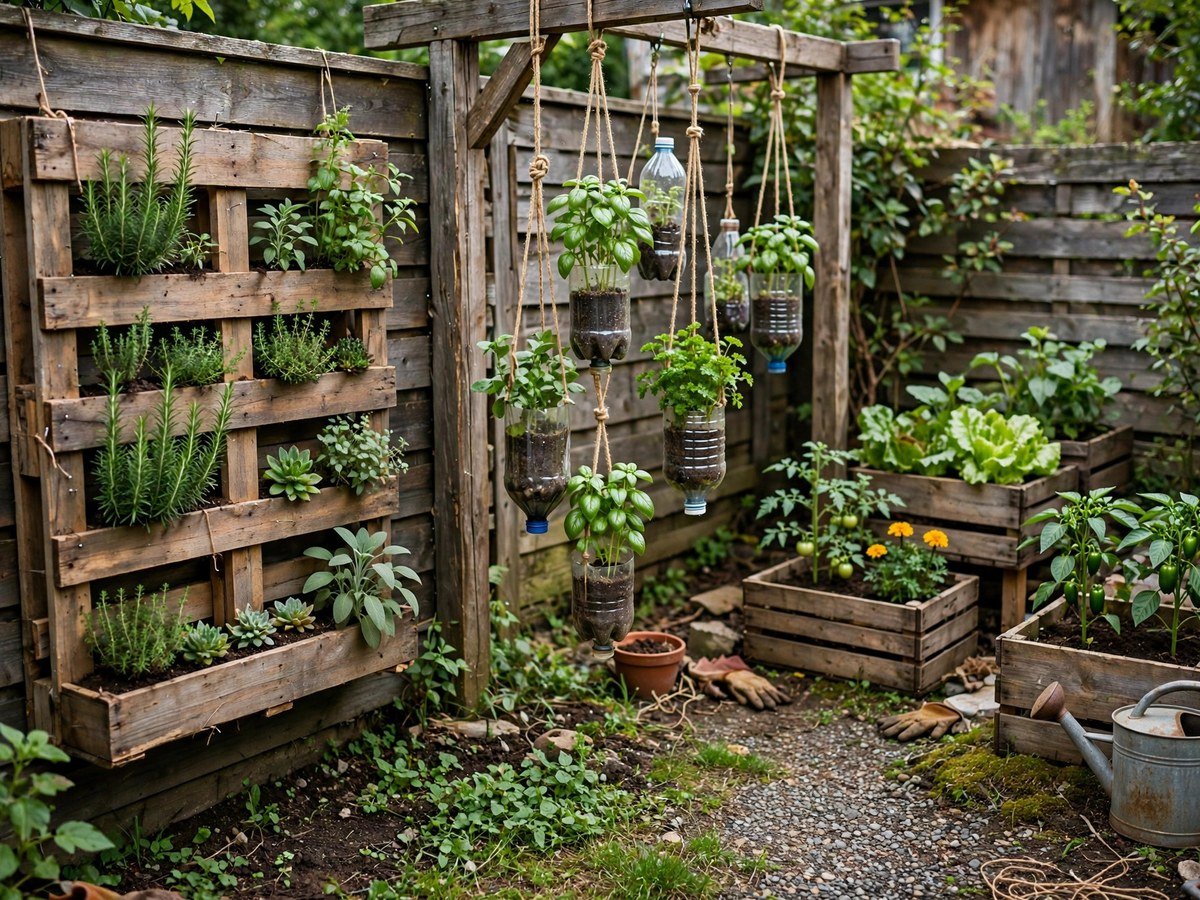
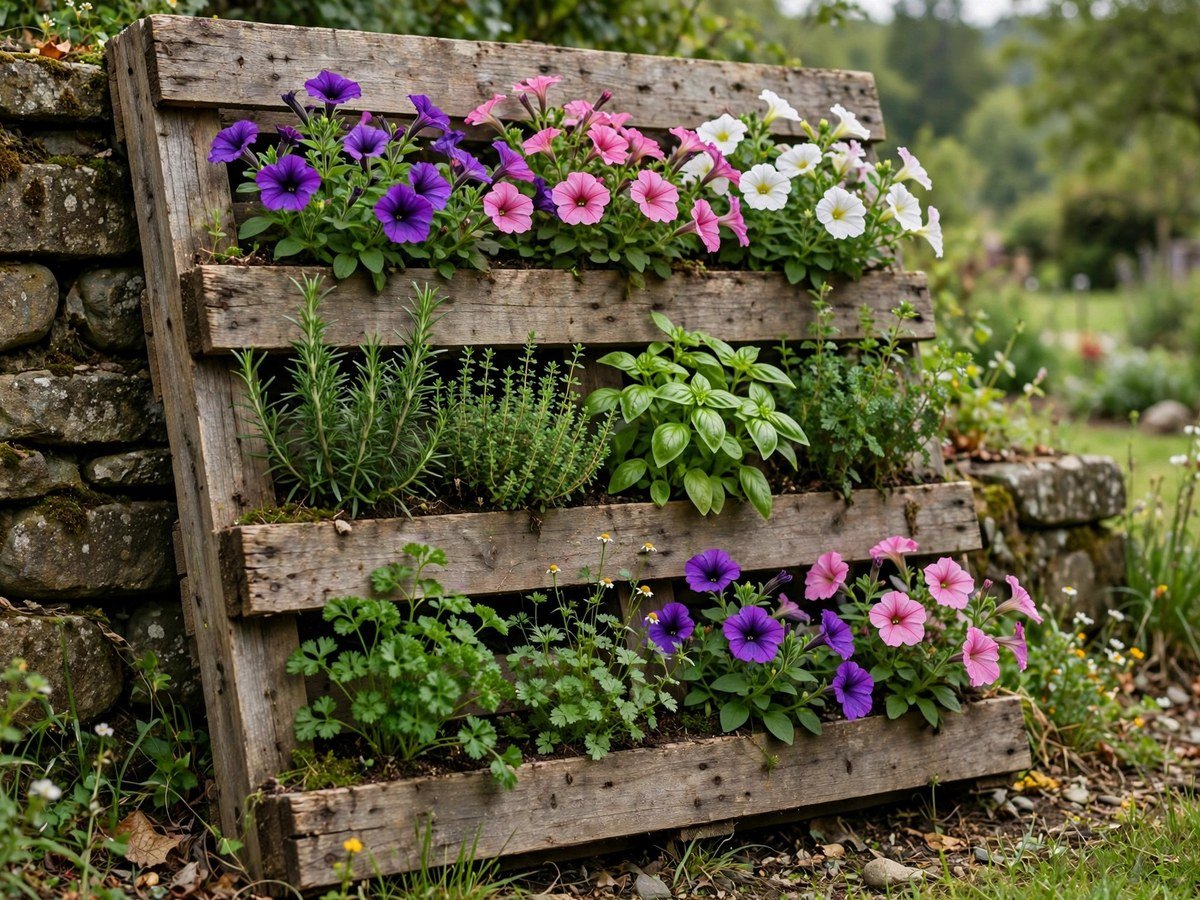
The classic for a reason: a wooden pallet, stood upright and lined with landscape fabric, becomes a multi-pocket planter in an afternoon. Staple fabric across the back and bottom of each slat gap to form troughs, fill with compost and plant herbs, lettuces or flowers into the slots. Lean it securely against a wall or fix it with brackets. One pallet holds dozens of plants and costs next to nothing.
2. Gutter System
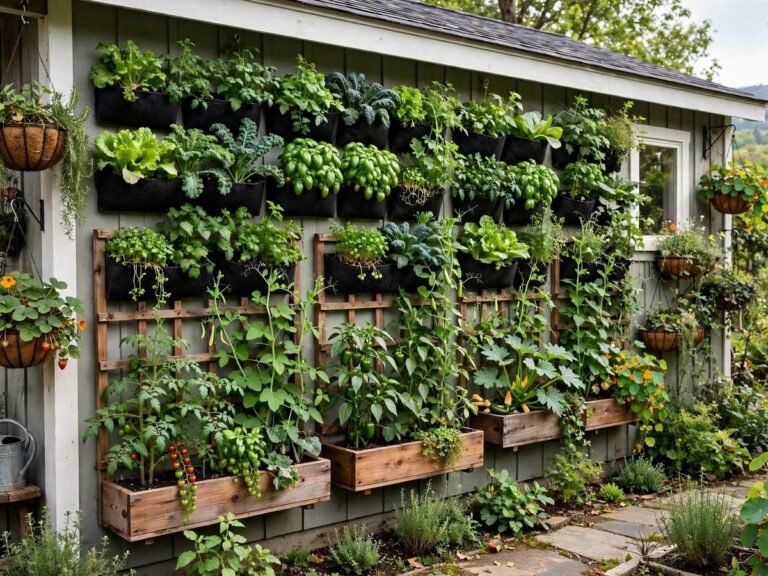
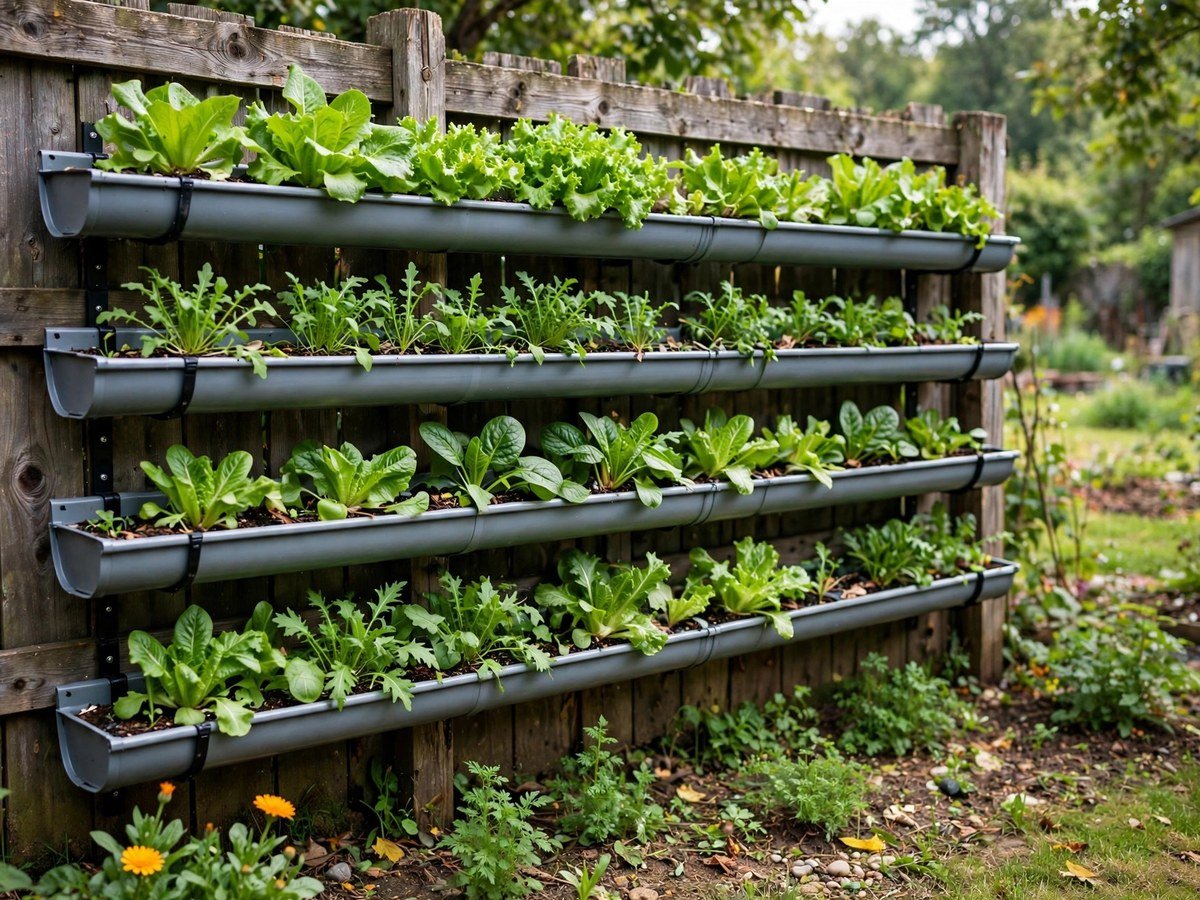
Lengths of half-round guttering mounted on a fence or wall make superb shallow planters for salads and strawberries. Cut gutters to length, cap the ends, drill drainage holes every 20 centimetres and screw them to battens at a slight tilt so water flows but does not pool. Space rows 30 centimetres apart for light. A three-gutter system goes up in a morning and harvests within weeks.
3. Trellis Wall
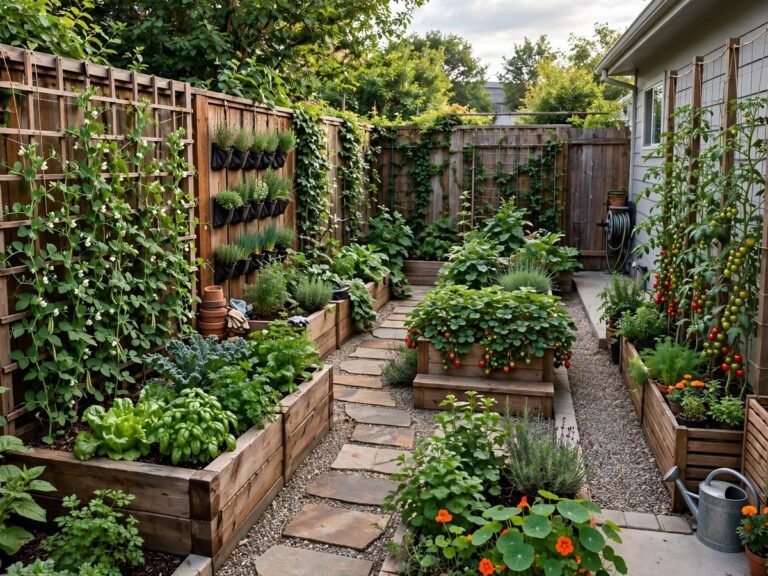
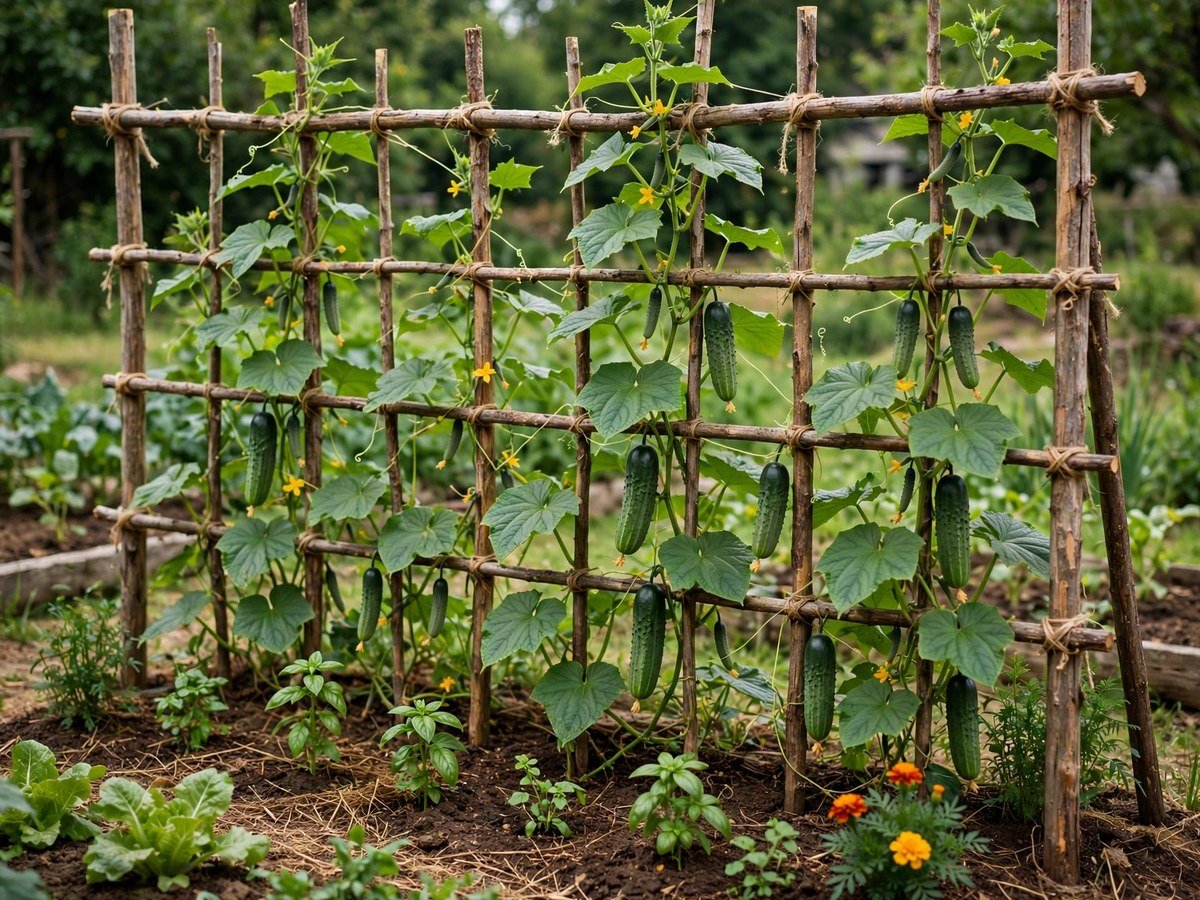
A trellis wall turns climbing plants into a living screen. Build a simple frame from battens, stretch galvanised wire or wooden lattice across it, and plant beans, cucumbers, jasmine or clematis at the base. Within a season you have a productive green wall that also hides an ugly fence. Make the frame freestanding with feet if you rent, so it moves house with you.
4. Hanging Bottle Garden
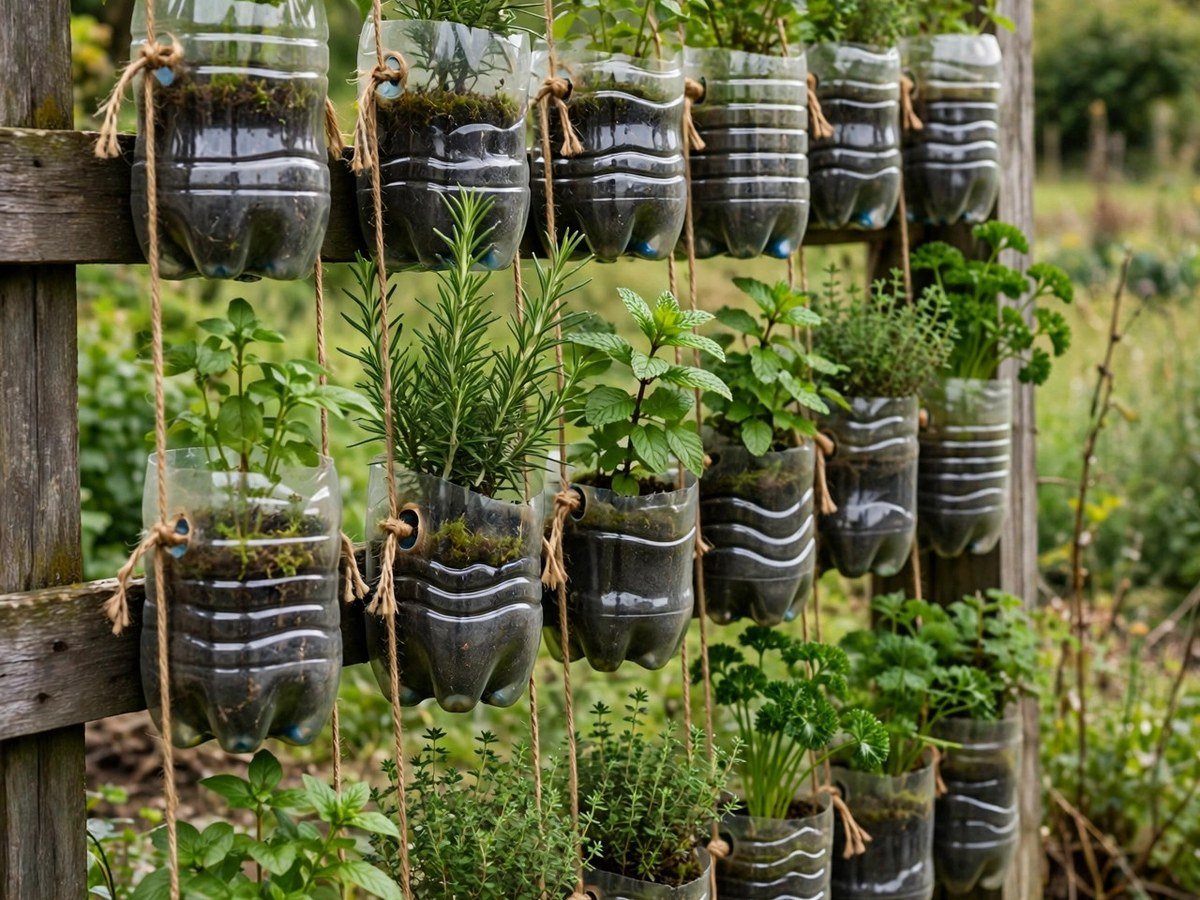
Two-litre plastic bottles become charming hanging planters with scissors, twine and ten minutes each. Cut a planting window in the side, punch drainage holes, thread twine through the neck and cap for hangers, then fill with compost and herbs. Hang rows from a pergola, balcony rail or fence at staggered heights. It is the ultimate zero-cost project — and a great one to build with kids.
5. Crate Stack
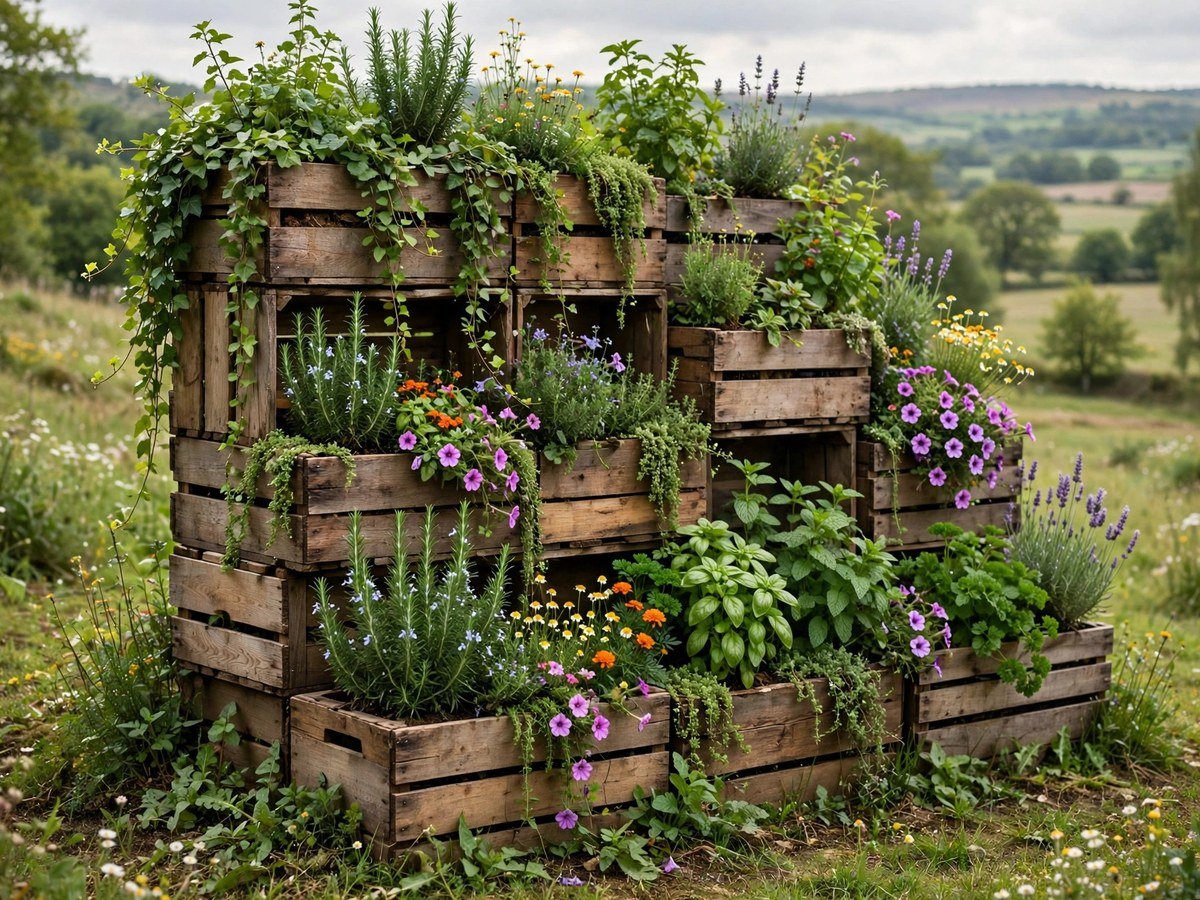
Wooden crates — wine boxes, apple crates or new ones — stack into a sturdy stepped planter tower. Arrange them in a pyramid or offset stack, line each with fabric, fill with compost and plant every level: trailers on top to spill down, herbs and flowers in the middle, shade-tolerant plants at the base. Screw crates together for stability. The rustic look suits cottage and urban gardens alike.
6. Pipe Tower
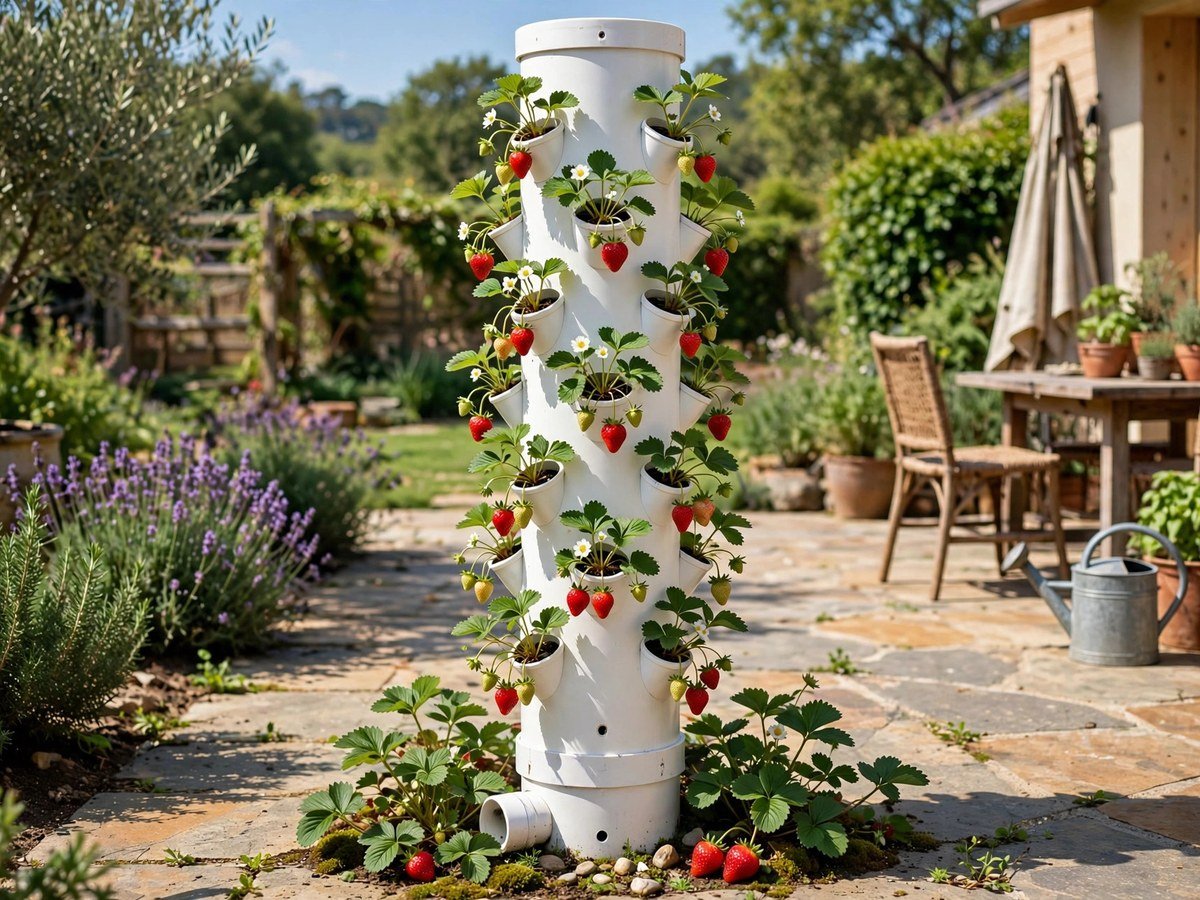
A length of wide PVC or drainage pipe becomes a space-efficient strawberry tower. Drill 5-centimetre planting holes in a spiral up the pipe, cap the bottom, stand it in a pot of compost and plant a strawberry in every hole. Water from the top — it percolates down to every level. One pipe grows two dozen plants in the footprint of a dinner plate, and the fruits hang clean and easy to pick.
Finishing Touches That Make It Last
Raw builds weather fast, so finish well. Treat outdoor timber with a plant-safe preservative and reline fabric every couple of seasons. Add a simple drip line along the top of gutter and pallet systems — it is the difference between thriving and surviving. Label what you planted (chalkboard tags are charming and practical), and photograph your build: you will want the before-and-after. Most importantly, plant it up the same weekend you build it — an empty planter is a project that stalls.
Frequently Asked Questions
What tools do I need for these projects?
Basics cover almost everything: a saw, drill, screws, staple gun, scissors and a spirit level. The bottle garden needs no power tools at all. Borrow what you lack — most of these builds need each tool for minutes, not hours.
Are pallets safe for growing food?
Use heat-treated pallets (marked HT), not chemically treated ones (marked MB). Give any pallet a good scrub, line it well, and avoid growing food in pallets of unknown origin — flowers and ornamentals are always a safe fallback.
How do I water a pallet planter?
Slowly and from the top, letting water percolate through each trough. A drip hose woven along the top slat on a timer is the gold standard. Check the middle pockets by hand — they dry first while the bottom stays damp.
Will a vertical planter damage my fence?
Only if you overload it or trap moisture. Fix planters to battens with an air gap behind, use waterproof backing on wooden fences, keep total weight sensible and ensure drainage drips clear of the timber.
What is the cheapest project to start with?
The hanging bottle garden — it costs literally nothing if you have bottles and string. Next cheapest is the shoe-organizer style pocket planter, then gutters. All three can be built and planted in a single afternoon.
The Takeaway
Grab a free afternoon, raid the recycling and build one of these this weekend. A DIY vertical garden proves that the best gardens are not bought — they are built, planted and tended by hand. Your wall is waiting.