Best Plants for Vertical Gardens
Best Plants for Vertical Gardens
Choosing the best plants for vertical gardens is the difference between a thriving green wall and a sad brown one. Gravity, shallow soil and fast drainage make vertical planters a special environment, so not every plant qualifies. The winners share a few traits: shallow roots, tolerance for drying out between waterings, and a naturally trailing or compact habit. Get the plant list right and your wall practically takes care of itself. Here are six reliable stars that look fantastic growing upward.
What Makes a Plant Thrive Vertically?
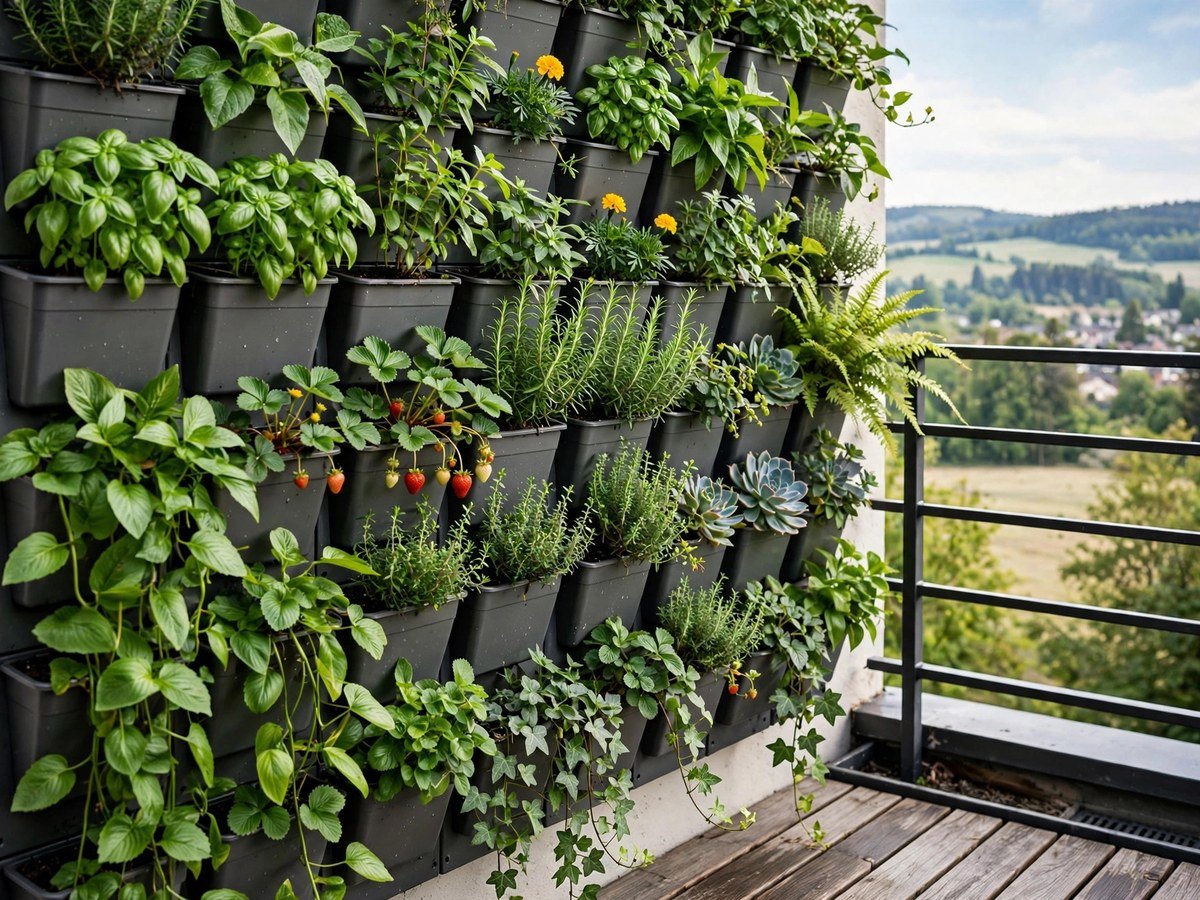
Vertical planters are tough neighbourhoods: soil pockets are shallow, water drains fast and the top dries before the bottom. The best candidates have fibrous, shallow root systems rather than deep taproots, and foliage that cascades or mounds instead of flopping. Drought tolerance helps enormously, since wall pockets dry quicker than ground soil. Edibles like herbs and strawberries earn bonus points by feeding you too. Match the plant to your light — shade lovers for north walls, sun worshippers for south — and the system largely runs itself.
6 Plants That Love Growing Up
1. Pothos
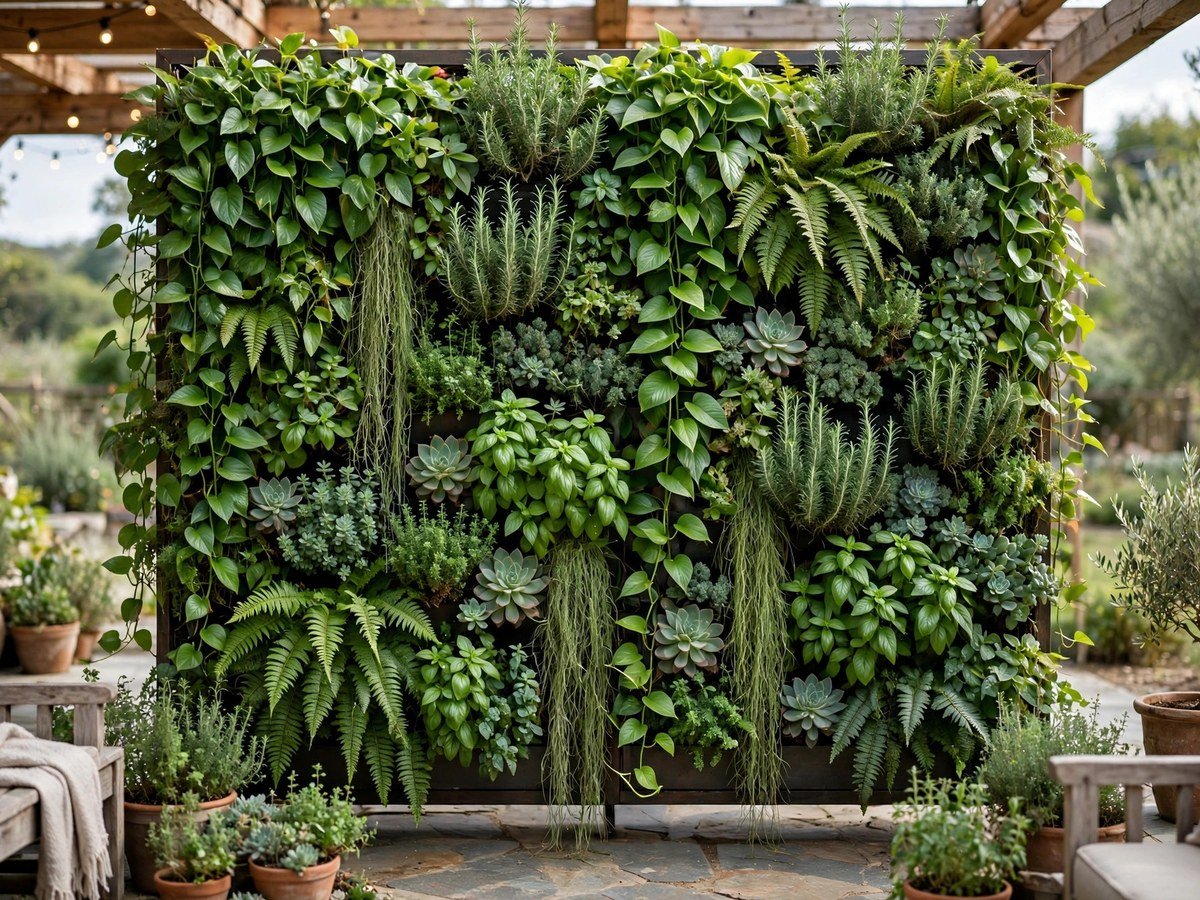
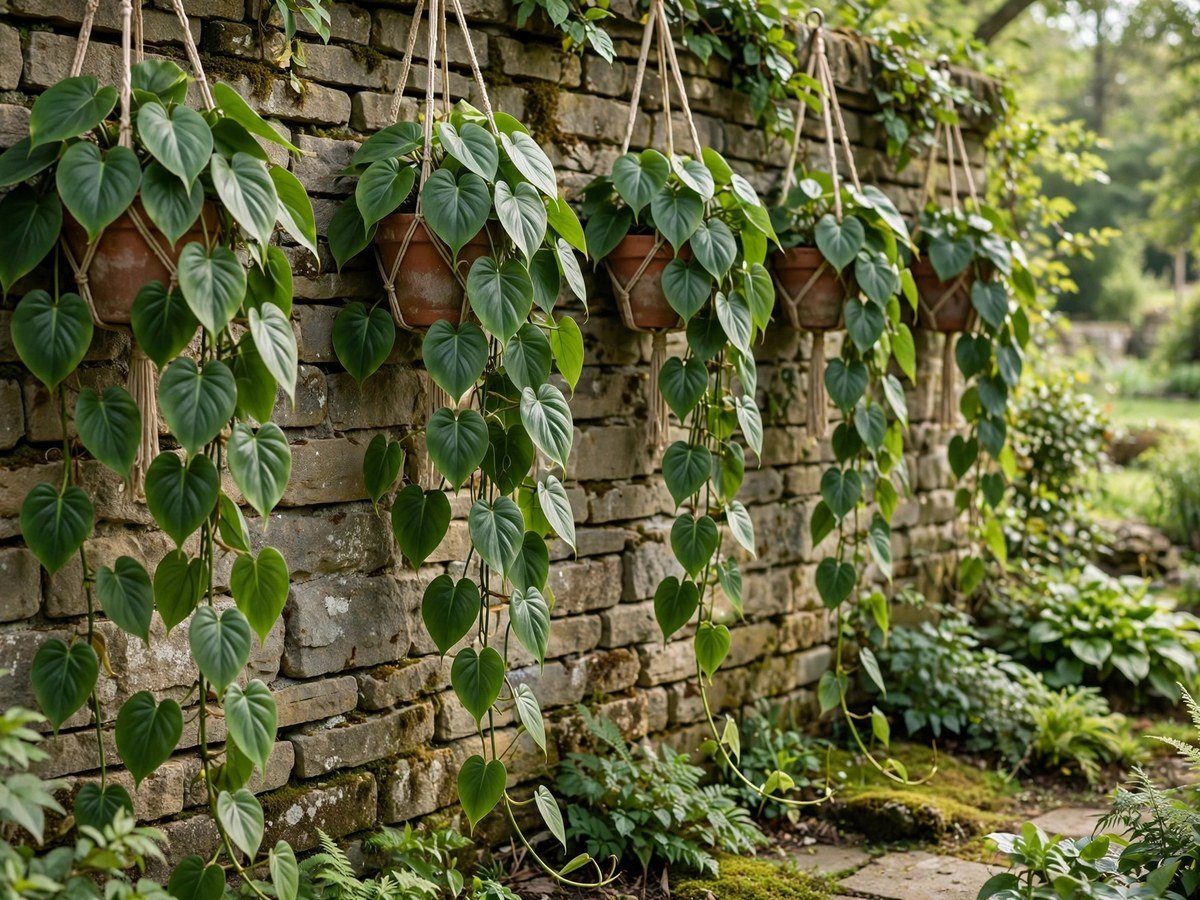
Pothos is the undisputed king of vertical gardens. Its heart-shaped leaves trail metres down a wall, it tolerates low light and missed waterings, and it roots from cuttings in plain water — so one plant becomes many for free. Golden, marble queen and neon varieties add colour variation without any extra effort. Indoors or on a sheltered patio, pothos asks for almost nothing and gives lush curtains of green.

2. Ferns
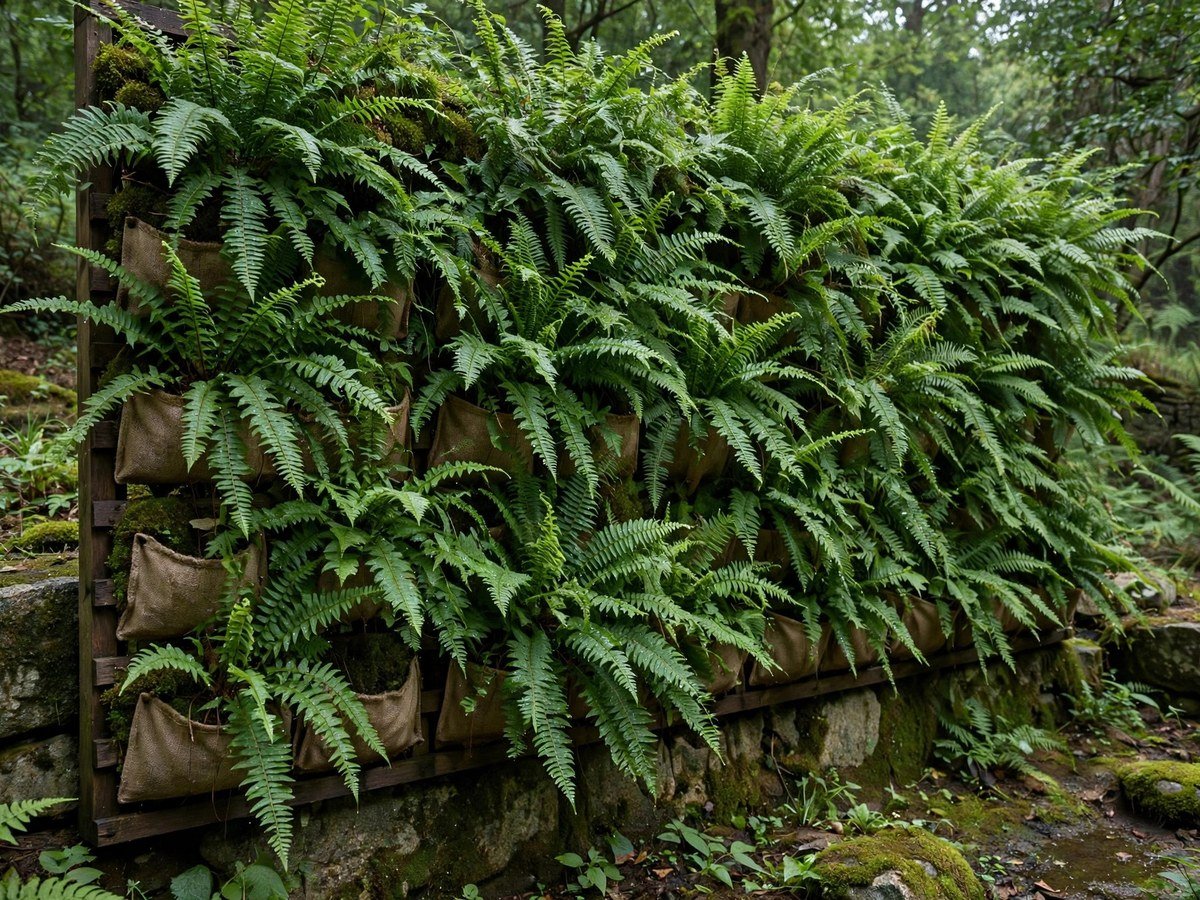
Ferns bring soft, feathery texture that no other plant quite matches, and many thrive in the shade where vertical walls often sit. Boston ferns, bird’s nest ferns and maidenhair ferns all adapt well to pocket planters as long as they get regular water and humidity. Their arching fronds spill beautifully over pocket edges, softening hard structures. Mist them on hot days and they will reward you with year-round lushness.
3. Strawberries
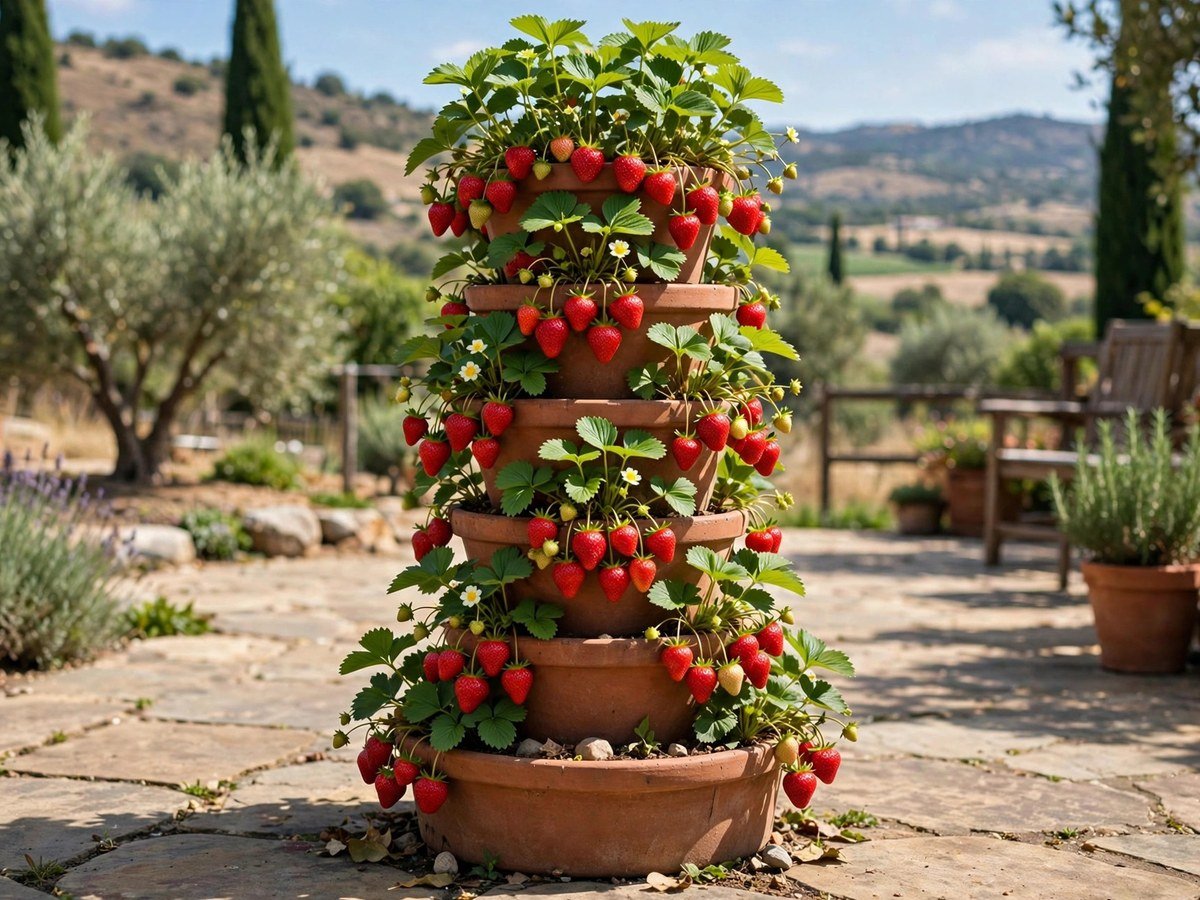
Strawberries were practically designed for vertical growing. Their shallow roots fit perfectly in pockets and tower planters, the fruits dangle clear of soil (so less rot and fewer slugs), and nothing beats picking sun-warm berries at eye level. Everbearing varieties fruit from summer into autumn. Tuck them into the sunniest pockets of your wall and feed lightly every few weeks for the sweetest harvest.
4. Culinary Herbs
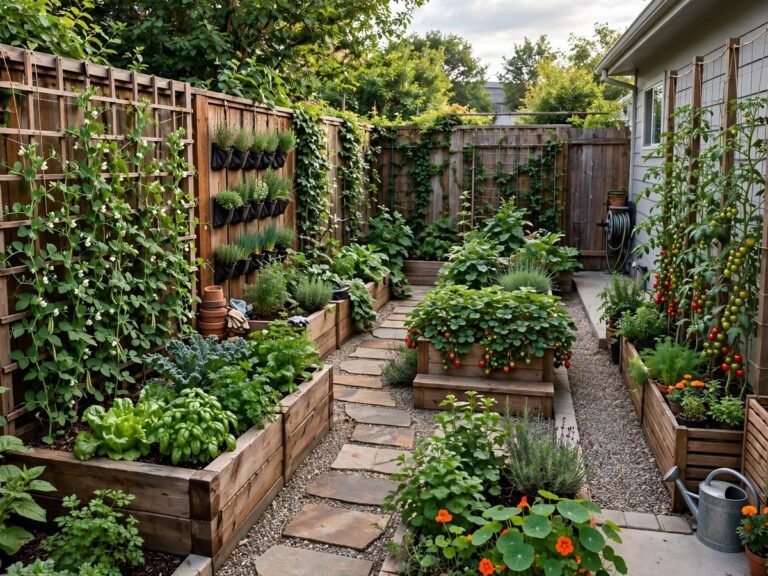
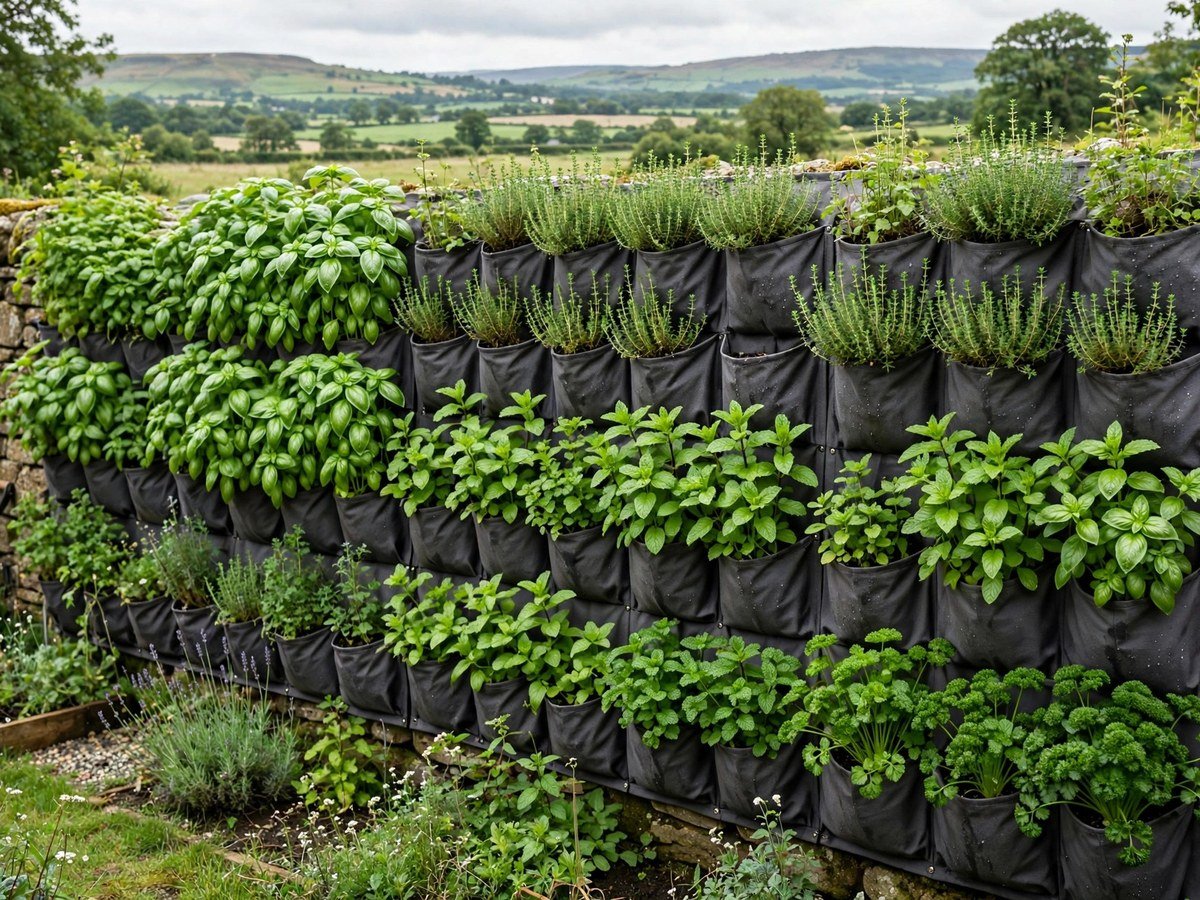
A vertical herb wall puts flavour at your fingertips. Basil, thyme, oregano, mint and parsley all have compact root systems and love the sharp drainage of wall pockets — just keep mint in its own pocket, as it bullies neighbours. Position the wall near the kitchen door and you will snip fresh herbs daily. Most herbs actually taste better slightly stressed, so the fast-drying pockets work in your favour.
5. Succulents
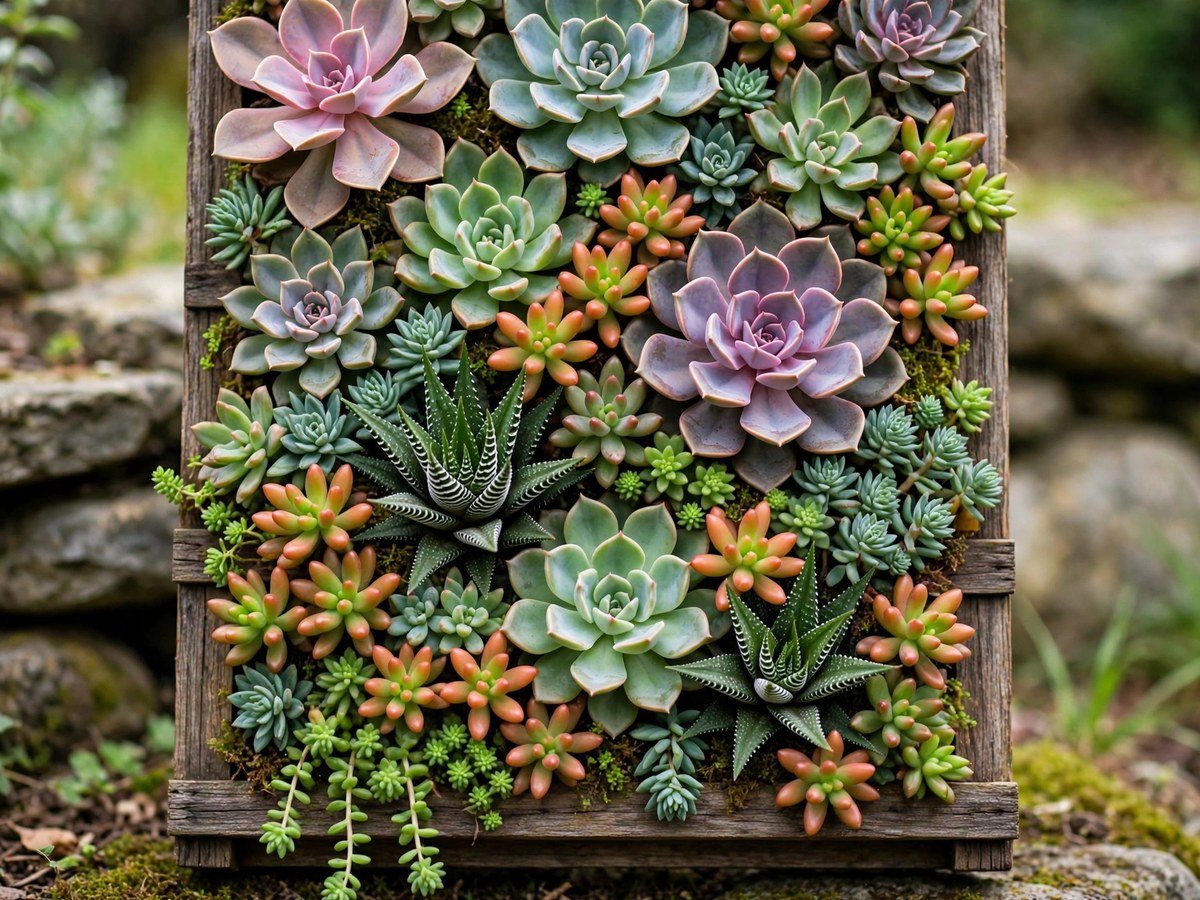
For sunny walls that you would rather admire than maintain, succulents are unbeatable. Echeveria rosettes, trailing sedums and string-of-pearls store water in their leaves, shrugging off weeks of neglect. They create living mosaics of colour — blue-grey, burgundy, lime — especially in vertical frames and shallow planters. Use gritty, fast-draining soil and water only when fully dry, and they will thrive for years.
6. Trailing Philodendron
Heartleaf philodendron is pothos’s equally forgiving cousin, with softer, velvety leaves that cascade in elegant curtains. It tolerates the low light of indoor walls and north-facing patios, needs water only when the top centimetres dry out, and climbs or trails depending on the support you give it. Let several stems spill from the top pockets of a wall and the whole structure looks instantly established.
Keeping Vertical Plants Happy
Vertical gardens live or die by watering. Because pockets drain fast, check moisture every day or two in summer — a drip irrigation line on a timer is the single best upgrade you can make. Feed lightly but regularly, since nutrients wash through quickly; a half-strength liquid feed every two weeks works well. Rotate or replace tired plants each season rather than nursing them, and mulch pocket surfaces with moss or bark to slow evaporation. Do these basics and your wall stays lush with minimal fuss.
Frequently Asked Questions
How often should I water a vertical garden?
In warm weather, check daily — wall pockets dry far faster than ground soil. Most setups need watering every one to two days in summer and weekly in winter. A drip line on a timer removes the guesswork entirely.
Do vertical gardens need special soil?
Use a light, free-draining potting mix, not heavy garden soil. A mix with perlite or coir holds enough moisture without waterlogging shallow pockets, and it keeps the whole structure lighter on your wall.
Can vertical gardens grow indoors?
Yes, with the right plants and light. Pothos, philodendron and ferns thrive in bright indirect indoor light; add a grow light if your wall is far from windows, and avoid overwatering since indoor walls dry slower.
Will a living wall damage my wall?
Not if you build it right. Use a freestanding frame or mount planters on battens with an air gap, add a waterproof backing, and ensure drainage drips into a tray — then the wall behind stays completely dry.
What is the easiest vertical garden for beginners?
A fabric pocket planter hung on a sunny fence, filled with herbs and strawberries. It costs little, installs in minutes, waters easily and gives you something to eat within weeks.
The Takeaway
Start with forgiving plants and your vertical garden will forgive you. Pothos, ferns, strawberries, herbs, succulents and philodendron all thrive going vertical — pick the ones that match your light, water sensibly, and enjoy watching bare walls turn into living tapestries. Even one well-planted pocket panel can transform a dull corner, so start small, learn what thrives, and expand your green wall as your confidence grows.